Taverna Dei Dogi occupies a address on Calle degli Albanesi in Castello, one of Venice's quieter residential sestieri, placing it at a remove from the tourist-heavy routes near San Marco. The setting positions it within the tradition of Venetian neighbourhood dining, where the cooking tends to track the lagoon's seasonal catch rather than a fixed international menu. Advance contact is advisable for milestone meals and larger groups.
Pearl is the En Primeur Club membership app — saves, bookings, and concierge access live there. Same editors, same standards.
- Address
- C. degli Albanesi, 4250, 30122 Venezia VE, Italy
- Phone
- +39 041 522 3706
- Website
- cadeidogi.it
- Directions
- Get directions
 Saves & bookings on Pearl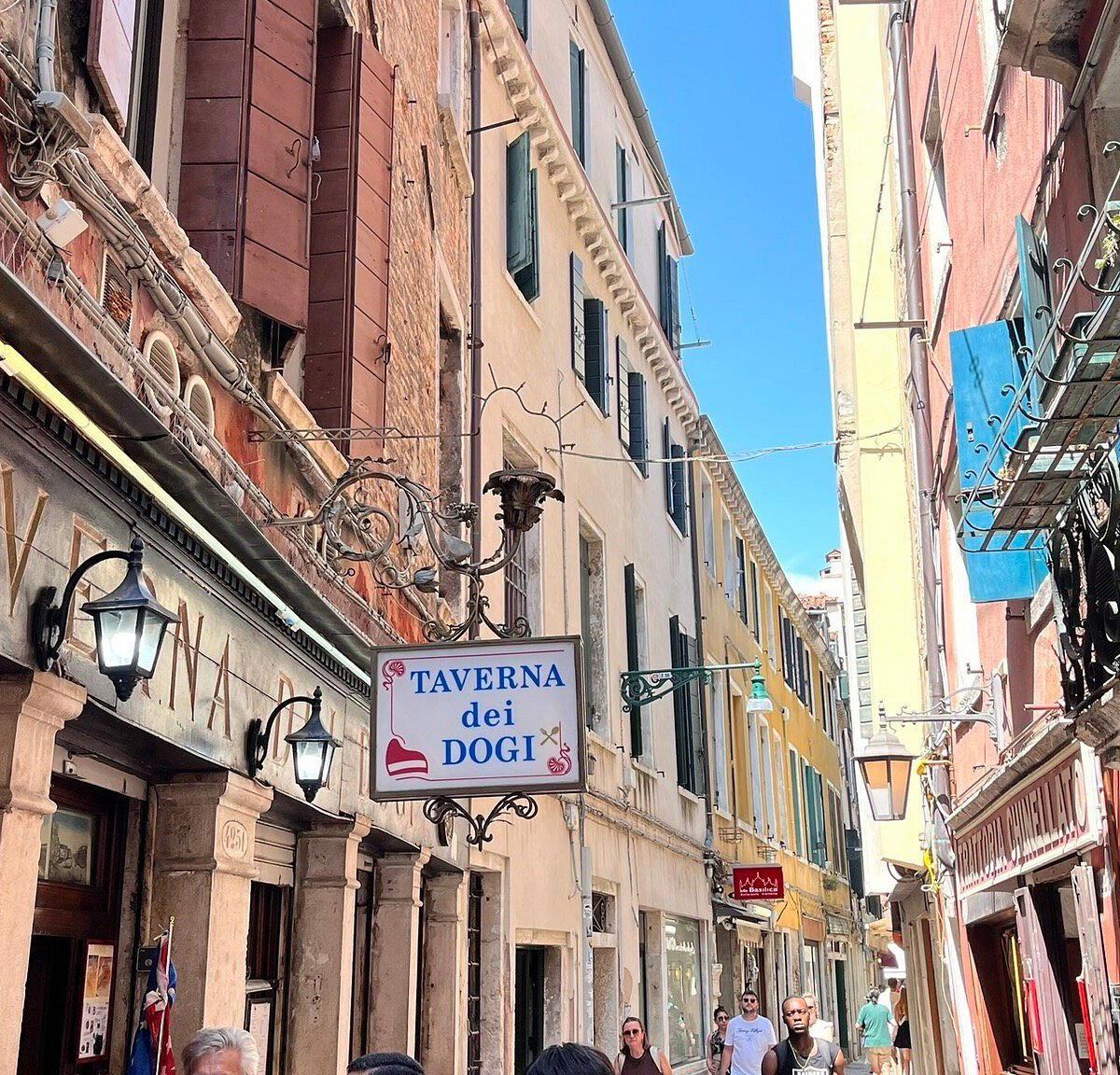
Dining at the Edge of the Doge's City
Castello is not the Venice that appears on postcards. The sestiere east of San Marco holds the Arsenale, the naval museum, and long residential calli where deliveries still arrive by hand trolley rather than vaporetto. Calle degli Albanesi, where Taverna Dei Dogi sits at number 4250, runs close enough to the waterfront that the light shifts depending on the hour and the season. Approaching from the Riva degli Schiavoni, you pass the Ponte della Paglia and then turn inland, and the noise of the tourist promenade falls away within a block. That physical transition is part of what shapes dining in this pocket of the city: the room is for people who have made a deliberate choice to be here, not those who wandered off the main route.
Venice's dining scene has split in recent years between two recognisable poles. One is the high-specification contemporary end, represented by addresses such as Glam Restaurant by Enrico Bartolini, Oro Restaurant, and Ristorante Quadri, where tasting menus and Michelin recognition anchor the offer. The other pole is the trattoria-rooted tradition of Venetian cooking, where cicchetti, seasonal fish from the Rialto market, and direct cichetti counters define the rhythm. Taverna Dei Dogi sits in the second current, in a neighbourhood that still supports that kind of hospitality without the self-consciousness that creeps into addresses near Piazza San Marco.
The Case for Celebrating Here
Venice has a long tradition of framing meals around occasion. The city's geography enforces a deliberateness that most urban dining lacks: you cannot arrive by accident, you cannot park outside, and you cannot simply leave if the evening runs long. That friction, paradoxically, makes it well suited to milestone dining. The effort of arrival becomes part of the ritual, and a table in a Castello taverna carries a different emotional weight than the same meal in a city you can drive away from.
For a celebration meal, the neighbourhood context matters as much as the room itself. Castello offers a version of Venice that feels less mediated than the areas around San Marco or the Rialto, and that quality of place reads into the meal. The comparative comparable set for an occasion dinner in this register, roughly the inhabited, residential Venice rather than the monument-adjacent strip, includes addresses like Local and Wisteria, both of which operate in the contemporary-Italian bracket at the €€€€ tier. Taverna Dei Dogi occupies a different register: the name and address suggest something closer to the trattoria tradition, which at its serious end can serve as the anchor for a birthday dinner or anniversary as effectively as a tasting-menu counter, with more flexibility and less formality.
Italy's most celebrated occasion-dining addresses, the places that anchor multi-generational anniversaries and proposal dinners, tend to succeed because the food has coherence and the room allows conversation. Dal Pescatore in Runate and Quattro Passi in Marina del Cantone both operate on that principle. The Venetian trattoria tradition, when it is working well, offers a version of the same: the table is yours for the evening, the fish is what arrived from the lagoon that morning, and the wine list tracks the Veneto rather than the world. That combination has sustained anniversary meals in Venice for as long as there has been a city to dine in.
What the Venetian Kitchen Typically Delivers
The ingredient logic of Venetian cooking is tidal and seasonal. The Rialto market, still among the more instructive fish markets in Italy, sets the terms: whatever the lagoon and the Adriatic have produced that week is what serious kitchens here buy. Sarde in saor, the sweet-sour sardine preparation that dates to the medieval trading city, appears reliably. So does bigoli in salsa, the thick whole-wheat pasta with anchovy and onion that is as close to a canonical Venetian pasta as the tradition has. The cichetti format, small plates eaten standing or at the bar, has evolved into something that can anchor a full meal in many addresses across the city.
For the Italian kitchen more broadly, the reference points that shaped this tradition connect outward to addresses that have driven the national conversation: Osteria Francescana in Modena, Le Calandre in Rubano, and the Adriatic seafood intelligence of Uliassi in Senigallia. A neighbourhood taverna in Castello is not competing with those addresses, but it shares a common ingredient culture: the primacy of the market, the distrust of unnecessary elaboration, and the assumption that a good piece of fish needs less intervention than a lesser one.
Planning the Evening
Reaching Calle degli Albanesi on foot from the Rialto or from the Accademia takes roughly twenty minutes through the sestiere, which is part of the logic of the evening: Venice rewards pre-dinner walking in a way that no other city quite replicates, and arriving at a table in Castello after crossing the city on foot is its own kind of aperitivo. For those arriving by water taxi from Marco Polo Airport, the nearest landing points on the Riva degli Schiavoni put the address under five minutes on foot.
For a special occasion in Venice, locking in the table well ahead of arrival, particularly in high season from April through October and during Carnival, protects the evening from the uncertainty that comes with walking in without a booking. Venice's better-positioned restaurants at all tiers tend to fill early during those windows.
Atelier Moessmer Norbert Niederkofler in Brunico for the Alto Adige register, Piazza Duomo in Alba for Piedmont, and Enoteca Pinchiorri in Florence for the Tuscan wine and table tradition. At the international scale, the occasion-dining tier that this kind of deliberate, place-rooted meal belongs to includes addresses like Le Bernardin in New York City and Lazy Bear in San Francisco, both of which operate on the principle that a meal worth planning deserves a room and a kitchen equal to the occasion.
Booking and Cost Snapshot
Comparable venues nearby, for context on price, style, and recognition.
| Venue | Cuisine | Price | Notes |
|---|---|---|---|
| Taverna Dei DogiThis venue — the venue you are viewing | Castello, Traditional Venetian Trattoria | $$ | Not listed |
| Pier Dickens | Dorsoduro, Italian Pizza & Pasta | $$ | Not listed |
| Venchi Cioccogelateria | San Marco, Italian Chocolate Gelateria | $$ | Not listed |
| Da Ignazio | Not listed | $$ | Santa Croce, Traditional Venetian Trattoria |
| Enoteca Al Volto | Not listed | $$ | San Marco, Traditional Venetian Cicchetti and Wine Bar |
| Alla Rivetta | Not listed | $$$ | Castello, Traditional Venetian Seafood Trattoria |
Continue exploring
More in Venice
Restaurants in Venice
Browse all →
Bars in Venice
Browse all →
Hotels in Venice
Browse all →

At a Glance
- Classic
- Rustic
- Cozy
- Family
- Group Dining
- Casual Hangout
- Historic Building
Current opening hours
- Monday
- 11:30 AM–3:30 PM, 6:30–8:30 PM
- Tuesday
- 11:30 AM–3:30 PM, 6:30–8:30 PM
- Wednesday
- 11:30 AM–3:30 PM, 6:30–8:30 PM
- Thursday
- 11:30 AM–3:30 PM, 6:30–8:30 PM
- Friday
- 11:30 AM–3:30 PM, 6:30–8:30 PM
- Saturday
- 11:30 AM–3:30 PM, 6:30–8:30 PM
- Sunday
- 11:30 AM–3:30 PM, 6:30–8:30 PM
Hours can change for holidays and private events. Last verified .
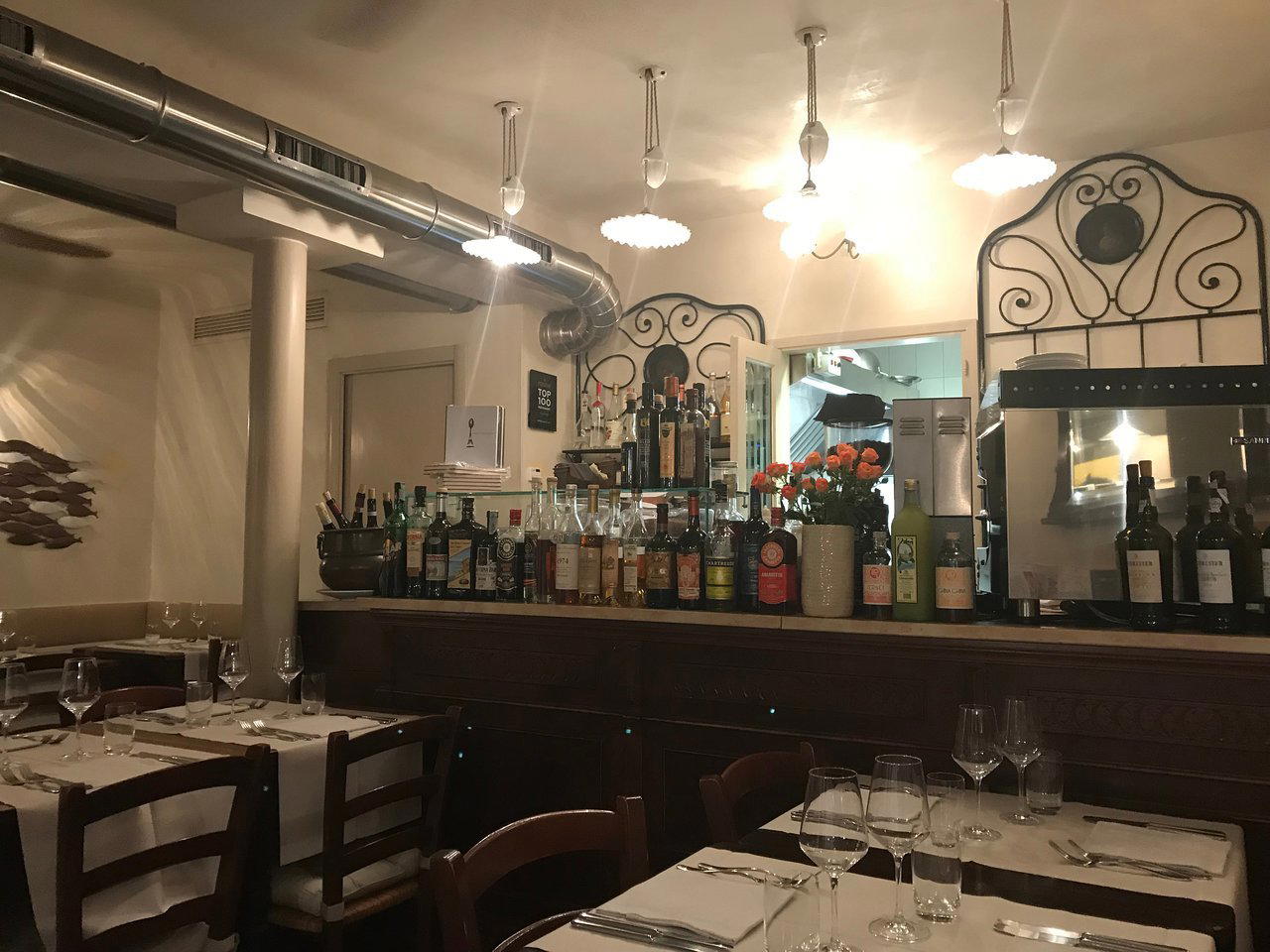
Sophisticated and elegant environment with a welcoming yet lively atmosphere, though some note it as cramped and noisy during peak times.