Trabocco
Our verdict
The restaurant sits within a local scene that ranges from [Burma Superstar](https://www.enprimeurclub.

Pearl is the En Primeur Club membership app, where members save venues, book tables and use the concierge.
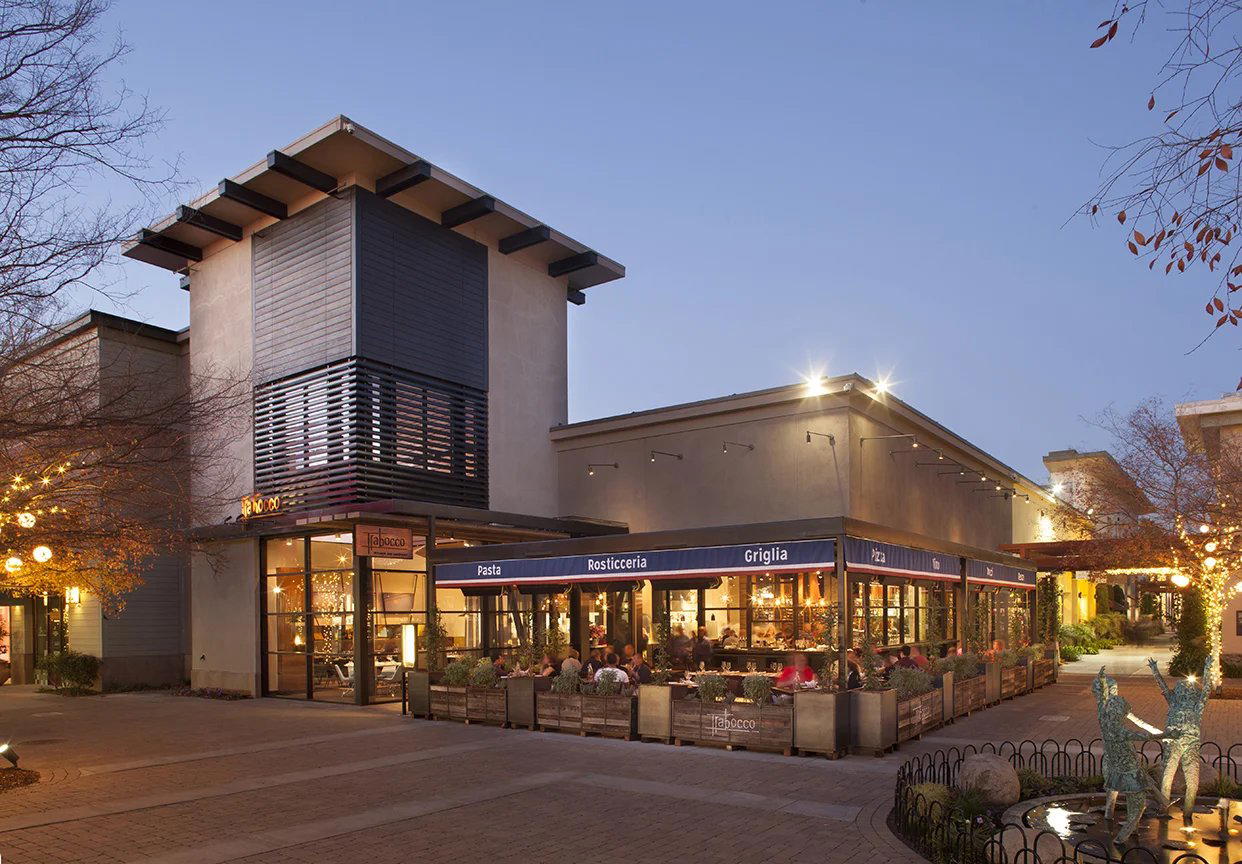
Trabocco is one of those outliers worth examining in the context of what the surrounding scene offers. Nearby, [Burma Superstar](https://www.enprimeurclub. [Ceron Kitchen](https://www.enprimeurclub.enprimeurclub. [Fikscue](https://www.enprimeurclub.enprimeurclub.
Local Product, Imported Grammar: The Technique Question
One of the more productive tensions in California dining over the past two decades has been the relationship between European classical technique and the Pacific Rim ingredients that define what grows, swims, and ferments in this part of the world. Kitchens that resolve this tension well tend to do so by treating imported methods as grammar rather than identity: the French sauce-making tradition as a tool for amplifying a Sonoma tomato, or the Japanese discipline around fish temperature and knife angle applied to California albacore. The result is a cuisine that reads as local even when its technical vocabulary is decidedly not.
This intersection has produced some of the Bay Area's most discussed cooking. Lazy Bear in San Francisco turned the communal tasting format into a platform for obsessively sourced California product. Further afield, Single Thread Farm in Healdsburg anchors its kaiseki-influenced menus entirely in what the estate farm produces season by season. Even at the benchmark end of the spectrum, The French Laundry in Napa has consistently framed classical French training as a vehicle for Northern California's exceptional raw materials rather than an end in itself. The conversation about local ingredients and global technique is not new, but it remains the most generative one happening in California kitchens. The island's proximity to the Bay means seafood sourcing can be genuinely local when a kitchen chooses to prioritize it. The East Bay's produce networks, including connections to farms in the Livermore Valley and the Delta, give restaurants access to ingredient quality that doesn't require Napa pricing to achieve. The technique question then becomes one of discipline and intention: does the kitchen apply its methods in service of what's on the plate, or as a performance independent of it? The dynamic resembles what happened in Brooklyn relative to Manhattan: a secondary market that benefited from proximity to a primary one while developing its own distinct character. That positioning has its own logic. Restaurants that serve their immediate community well, maintaining consistency across the year rather than chasing seasonal press cycles, tend to build the kind of loyalty that sustains a business through the corrections that affect more trend-dependent operations.
For a point of reference on what technique-forward restaurants achieve at higher price points and larger reputational footprints, the contrast with Providence in Los Angeles, Addison in San Diego, or Blue Hill at Stone Barns in Tarrytown is instructive. Those kitchens demonstrate what happens when the local-ingredient, global-technique premise is pursued at maximum resource and ambition. The lesson they offer for smaller operators is less about emulation and more about what the core premise requires: commitment to sourcing relationships, technical consistency, and a menu that evolves in response to what's available rather than what's convenient.
What the Broader Scene Tells You About This Address
Across the wider dining conversation, the restaurants that have most successfully merged local product with imported technical grammar share a few common attributes. Le Bernardin in New York City built its reputation on treating classical French seafood technique as inseparable from the quality of what arrives at the dock. Atomix in New York City has done something similar with Korean culinary tradition, applying it to a format and a level of precision that makes the technique serve the ingredient rather than overwhelm it. Alinea in Chicago approaches the same question from an entirely different direction, where technique is so foregrounded it becomes the ingredient. Emeril's in New Orleans and The Inn at Little Washington in Washington represent another model, where regional product and classical confidence produce a cuisine that is entirely of its place. 8 1/2 Otto e Mezzo Bombana in Hong Kong shows how European fine dining grammar transplants into an Asian market when the commitment to ingredient quality remains non-negotiable. The question is whether the kitchen's approach to its ingredients and techniques produces cooking that justifies the trip across the Park Street Bridge or down the Posey Tube. For residents already on the island, it's simpler: does the restaurant deliver the consistency and care that makes it worth returning to across seasons? Those are different questions with different standards, and both are legitimate ways to read a restaurant at this address and in this city.enprimeurclub. Given the limited public record on current hours, booking methods, and pricing, contacting the restaurant directly before visiting is the sensible approach, particularly for weekend evenings when neighborhood demand tends to concentrate.enprimeurclub.
Frequently Asked Questions
Frequently asked questions
Where do I go for Trabocco?
Trabocco is located at 2213 S Shore Center, Alameda, CA 94501, Alameda.
Is Trabocco a good option for dining near Oakland from Alameda?
Trabocco's address at 2213 S Shore Center places it on Alameda island, accessible from Oakland via the Posey or Webster tubes, a short drive that separates it from the denser East Bay dining circuit. For visitors crossing from Oakland, it represents a distinct detour into Alameda's quieter, water-adjacent dining geography rather than a continuation of the urban Oakland scene.
What should I order at Trabocco?
EP Club does not currently hold verified menu data for Trabocco's South Shore Center location in Alameda. The safest approach before visiting is to check directly with the restaurant for current offerings, as menus at Bay Area neighborhood restaurants frequently shift with season and supplier availability.
Do I need a reservation for Trabocco?
Bay Area restaurants in active neighborhood dining corridors tend to fill on weekend evenings, so contacting the venue directly ahead of your visit is advisable.
Peers in This Market
Comparable venues nearby, for context on price, style, and recognition.
| Venue | Cuisine | Price | Notes |
|---|---|---|---|
| TraboccoThis venue (the venue you are viewing) | Contemporary Italian | $30–50 | Not listed |
| Tomatina | Modern Italian Pizza and Pasta | $20–30 | Park Street |
| Ceron Kitchen | New American | $50–100 | West End |
| Pizzeria Pappo | Italian Pizzeria | $20–30 | Alameda |
| Shirasoni | Japanese Teppanyaki and Sushi | Not listed | Alameda |
| Urban Ka-Re House | Japanese Curry House | $10–20 | South Shore Center |
Continue exploring
More in Alameda
Restaurants in Alameda
All restaurants in Alameda →
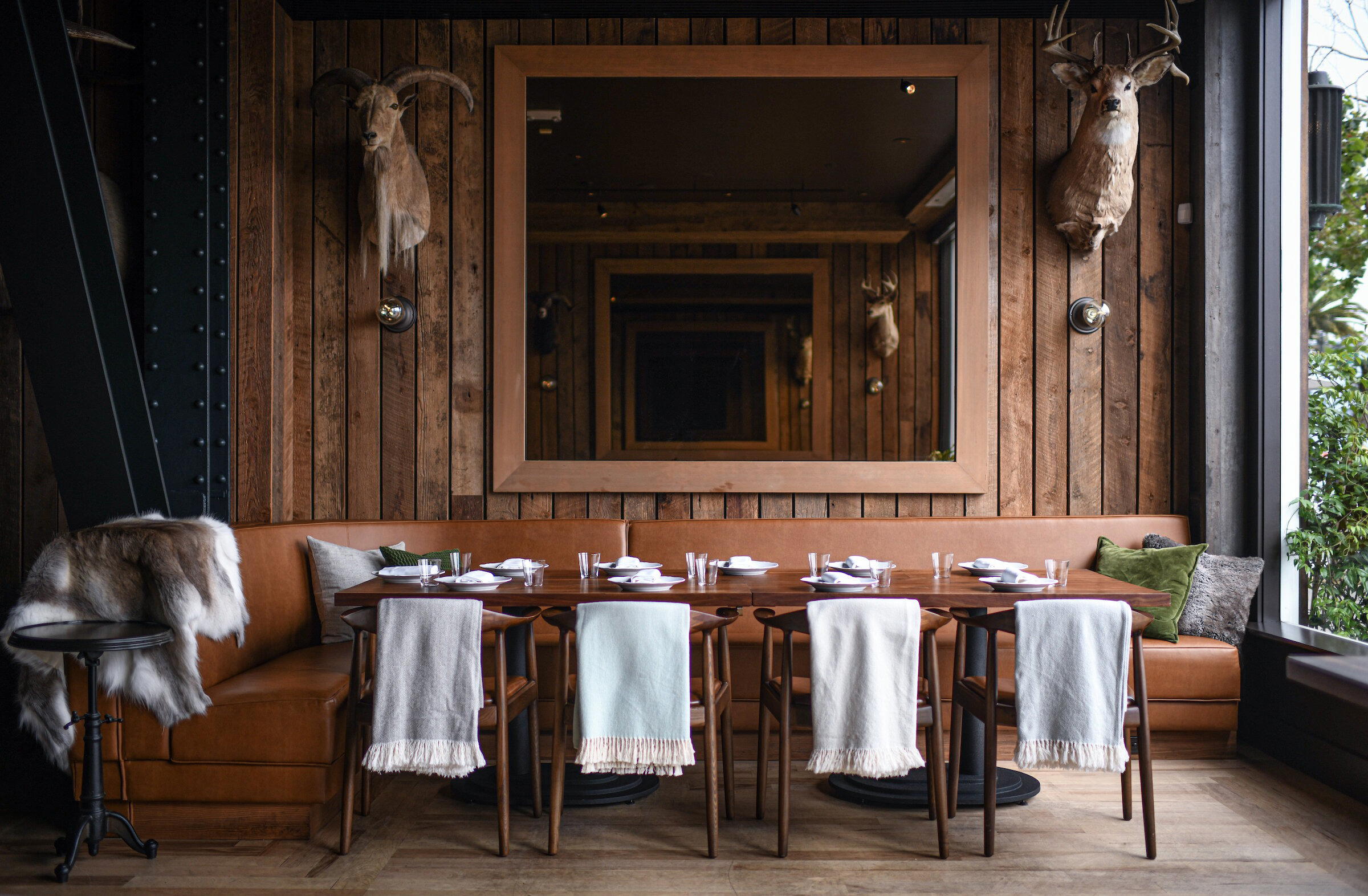
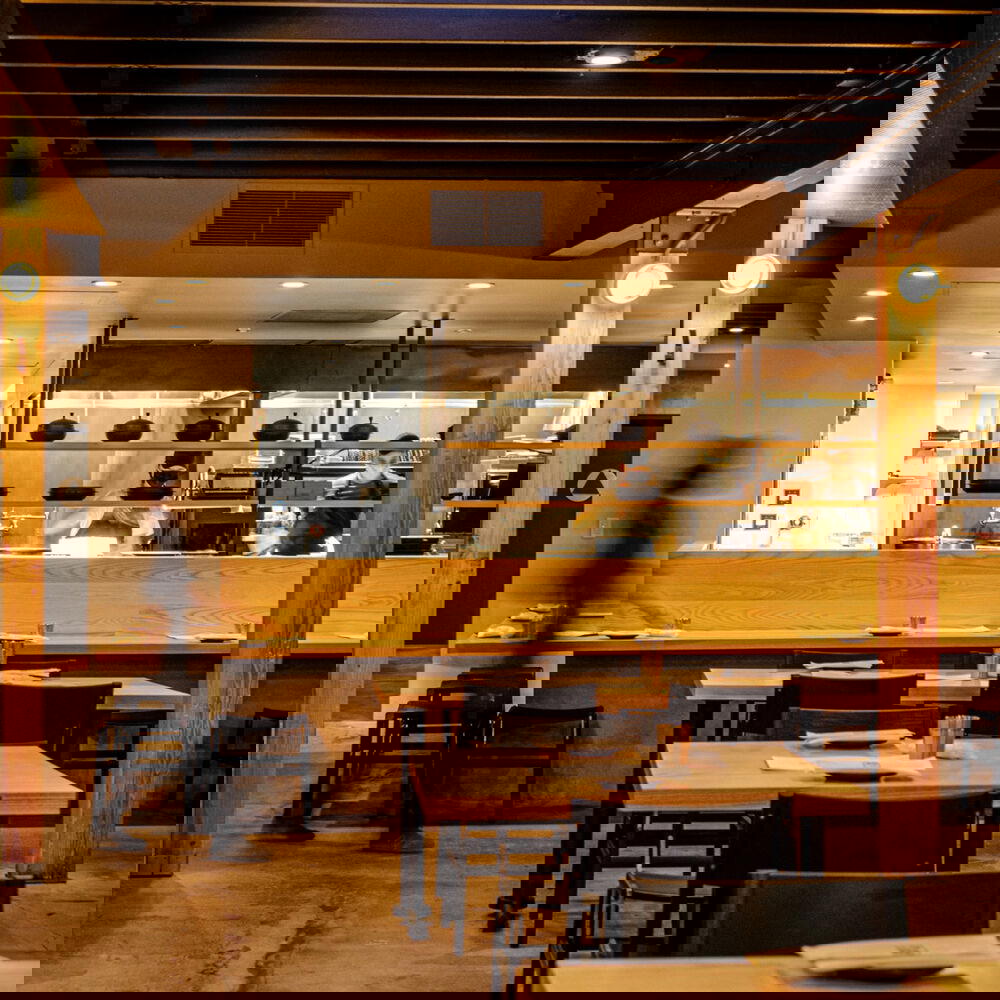
Bars in Alameda
All bars in Alameda →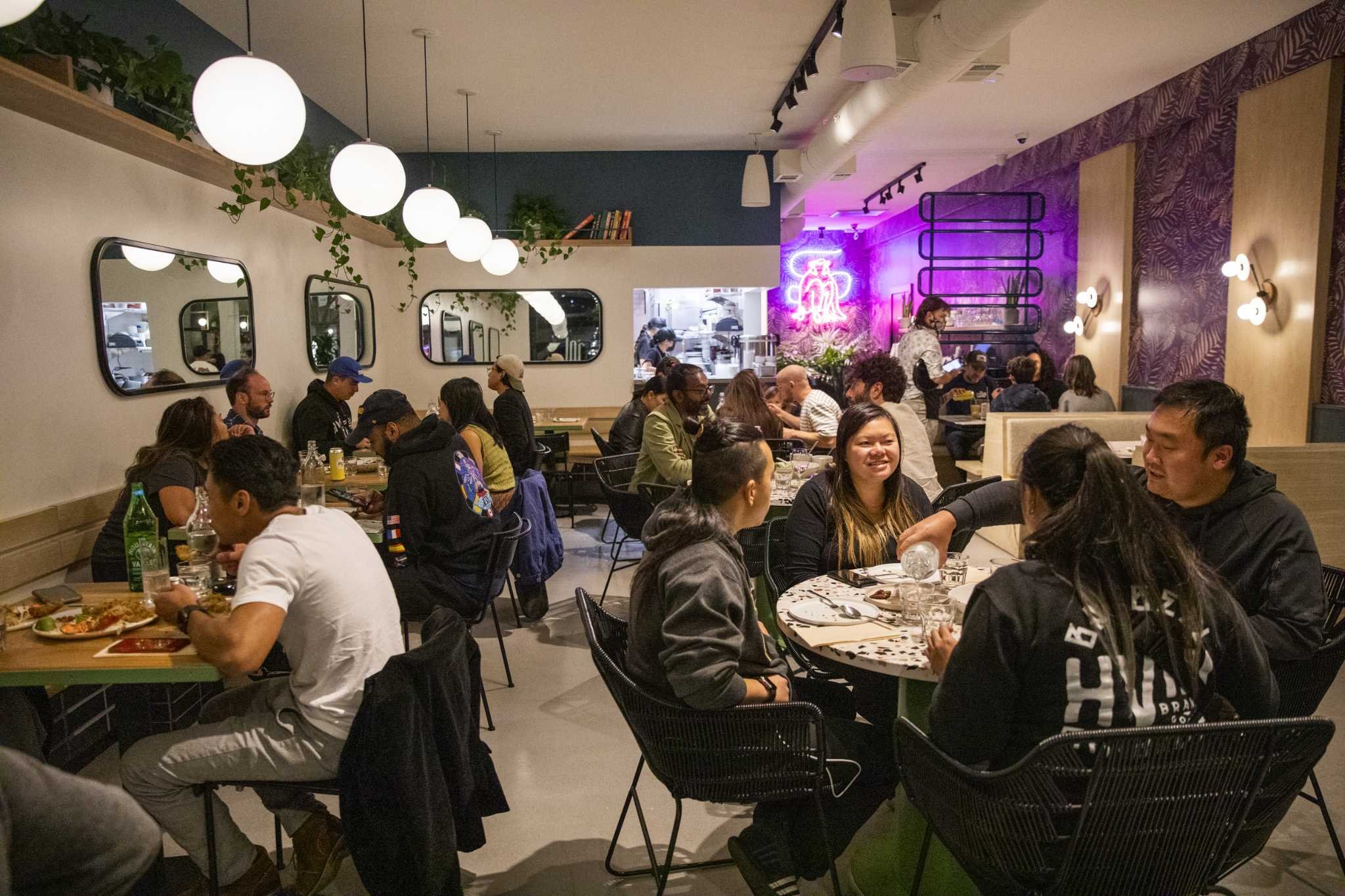
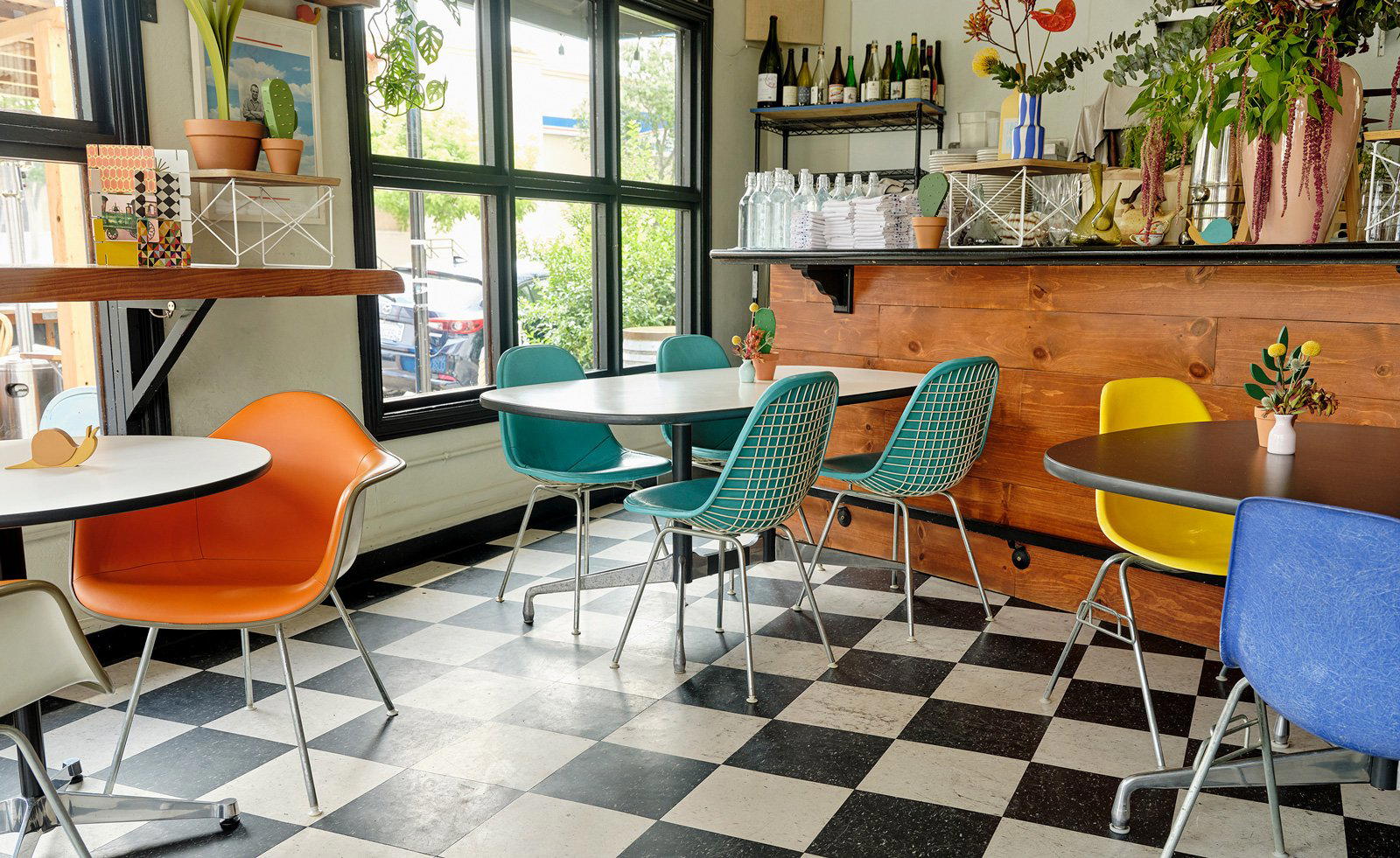

Details
- Modern
- Elegant
- Lively
- Family
- Brunch
- Open Kitchen
- Extensive Wine List
- Local Sourcing
- Sustainable Seafood
- A La Carte
- Vegetarian Friendly
- Vegan Options
- Gluten Free Options
Current opening hours
- Monday
- Closed
- Tuesday
- 11:30 AM–9 PM
- Wednesday
- 11:30 AM–9 PM
- Thursday
- 11:30 AM–9 PM
- Friday
- 11:30 AM–10 PM
- Saturday
- 11:30 AM–10 PM
- Sunday
- 11:30 AM–9 PM
Hours can change for holidays and private events. Hours as of .
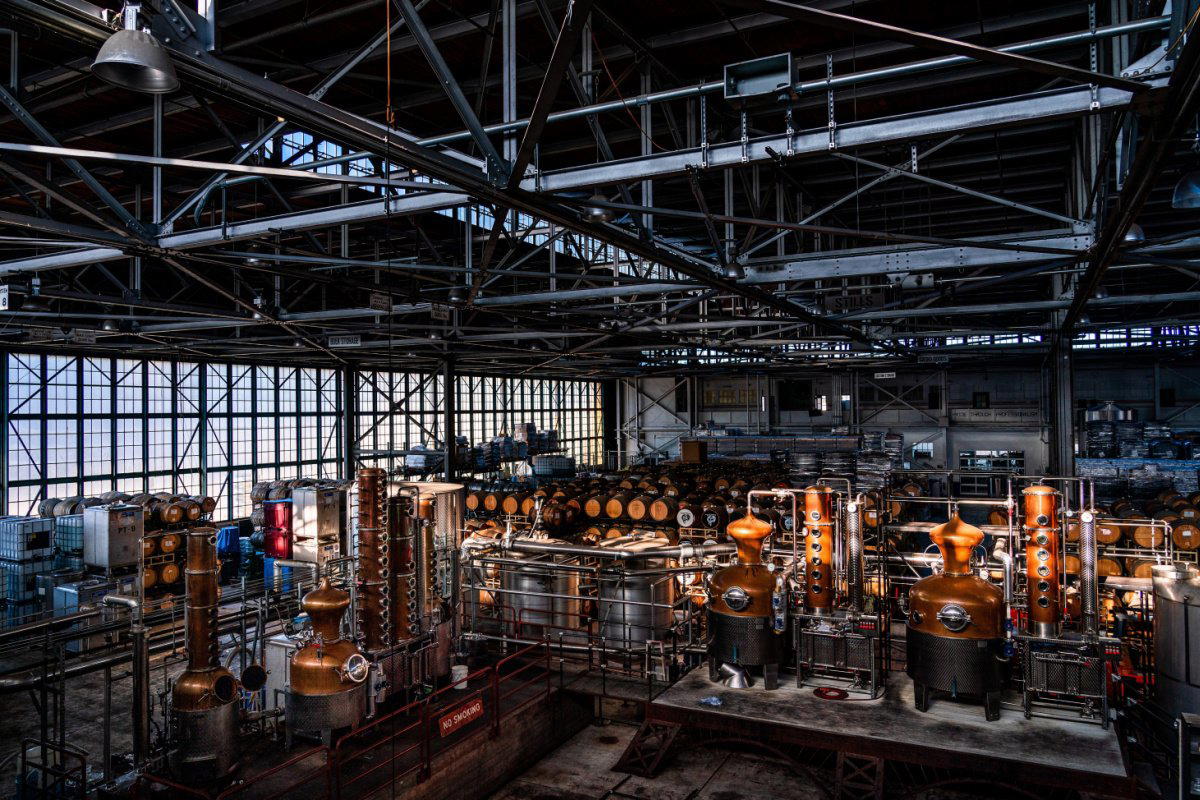
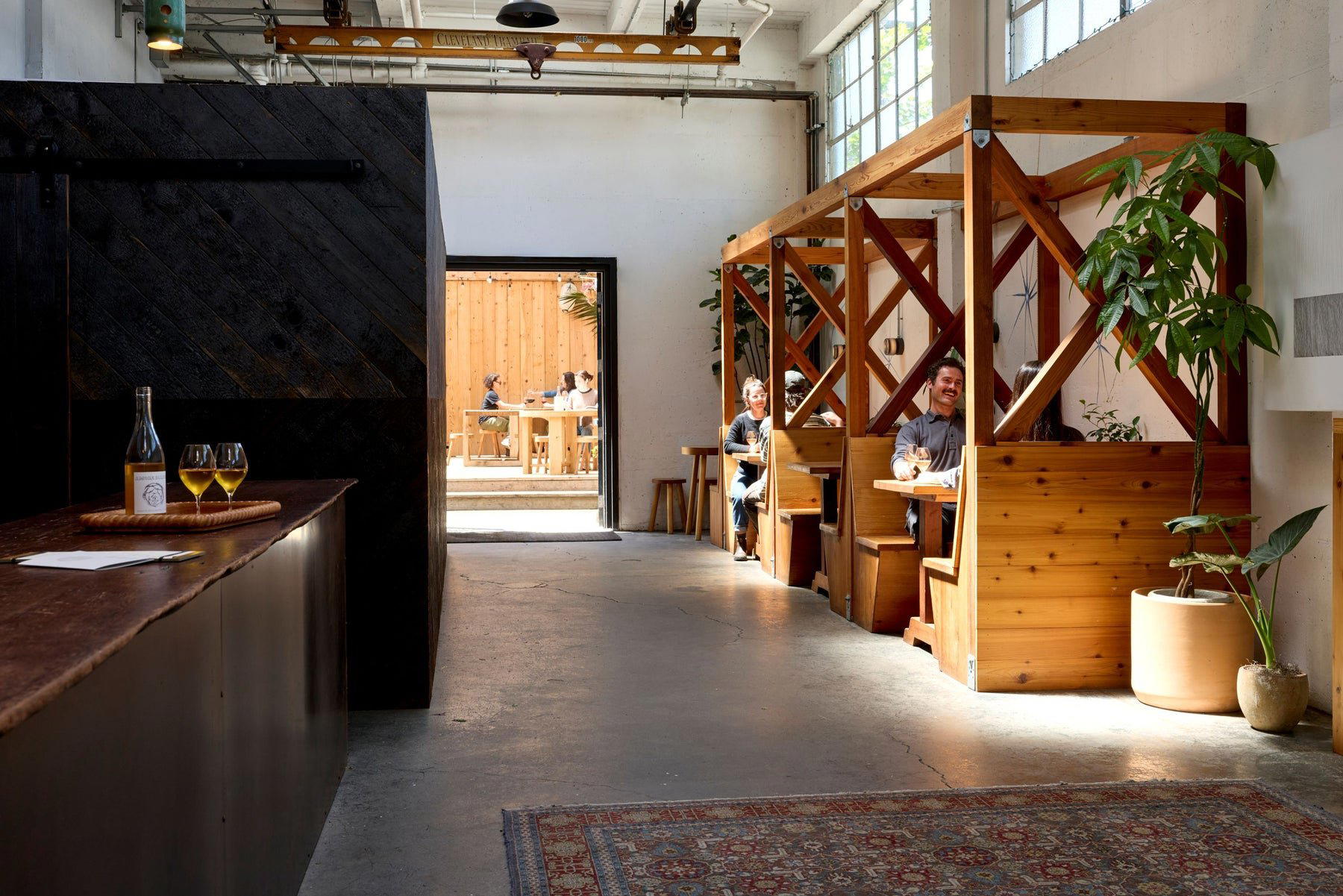
Modern and classy with high ceilings, large windows, and a constant buzz of energy.