The St. Regis San Francisco





Michelin Selected · La Liste Top Hotels · Forbes 5-Star
Open since 2005, The St. Regis San Francisco occupies a purpose-built tower on Third Street in the SoMa arts district, steps from Yerba Buena Gardens and SFMOMA. Its 260 rooms and 46 suites pair butler service with a curated art collection and an all-day restaurant. La Liste ranked the property 90.5 points in its 2026 Top Hotels list, placing it firmly within San Francisco's upper tier of internationally recognised luxury hotels.

Pearl is the En Primeur Club membership app — saves, bookings, and concierge access live there. Same editors, same standards.
- Address
- 125 3rd Street, San Francisco, CA 94103, United States
- Phone
- (415) 284-4000
- Website
- marriott.com
- Directions
- Get directions
Where SoMa's Cultural Corridor Meets a Century of St. Regis Protocol
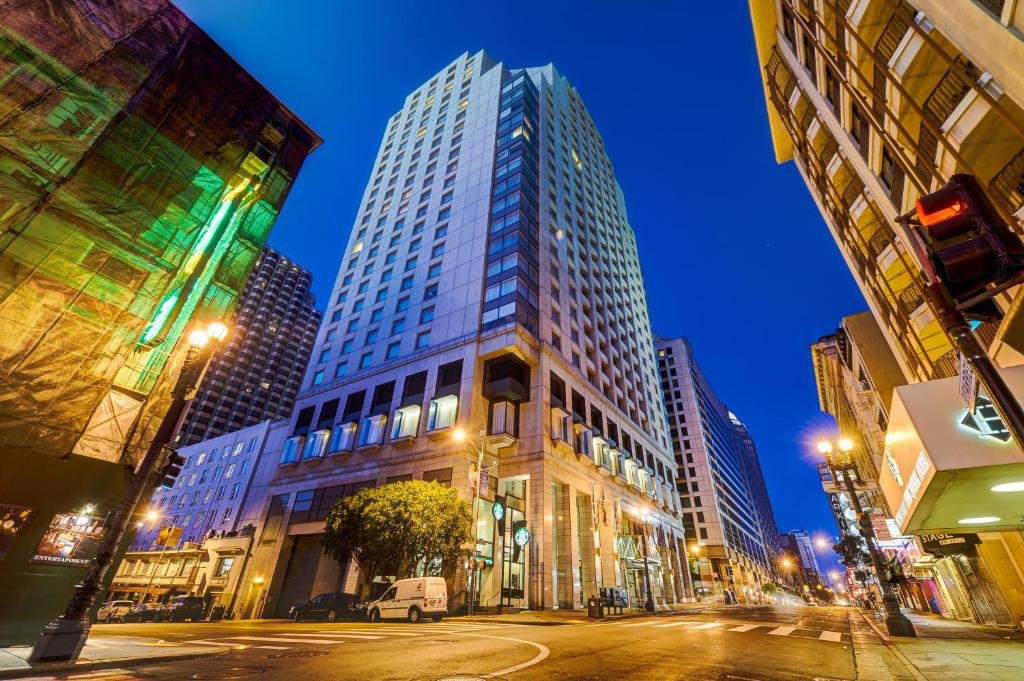
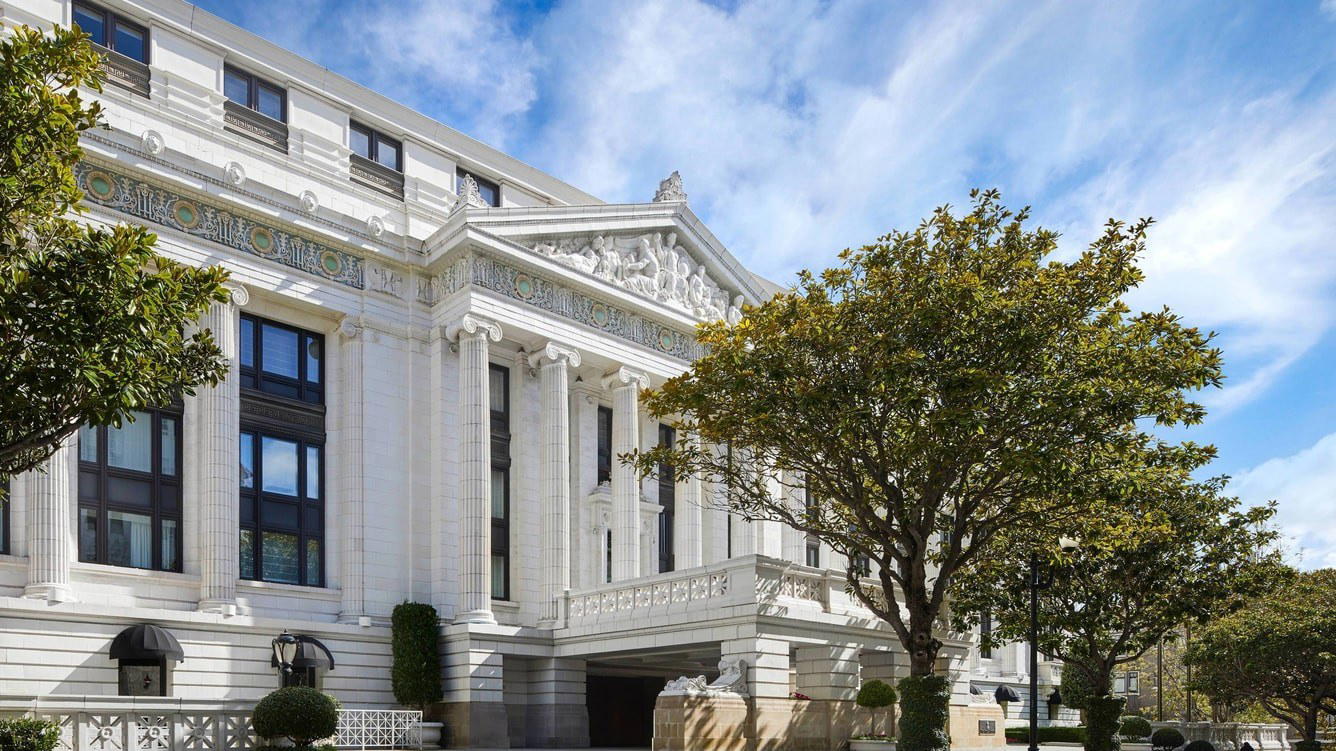
Third Street in San Francisco's South of Market district has, over the past two decades, become the city's most concentrated stretch of cultural infrastructure. The San Francisco Museum of Modern Art sits directly across the street; the Museum of the African Diaspora occupies the same block. Yerba Buena Gardens provides a landscaped buffer from the surrounding urban density. Into this context, The St. Regis San Francisco arrived in 2005, fusing a newly constructed tower with the preserved Williams Building, an early 20th-century structure that anchors the property to the neighbourhood's pre-tech-boom history. That architectural decision — retain the old shell, build upward — signals something about the hotel's operating philosophy: heritage as a structural principle, not a decorative one.
The St. Regis brand traces its service lineage to the original New York property, opened by John Jacob Astor IV in 1904. Butler service, the brand's most copied and least easily replicated feature, remains central to the San Francisco outpost. Butlers operate around the clock, handling requests that range from morning coffee timing to reservations at restaurants where the booking window runs months ahead. At a property level, this translates to a service density that most luxury hotels in the city approximate but few match with the same consistency. For those comparing options at the upper end of San Francisco's hotel market, where Four Seasons Hotel San Francisco at Embarcadero and the Fairmont San Francisco represent alternative reference points, the St. Regis butler model is the differentiating variable most likely to determine a repeat stay.
The Building, the Art, and What They Say About the Property
San Francisco's luxury hotel stock divides broadly between historic grande dame properties in Union Square and Nob Hill, and purpose-built contemporary towers in the Financial District and SoMa. The St. Regis belongs to the latter category in construction terms but imports the former's instinct for permanence through its art collection and architectural detailing. The lobby and ground-floor restaurant carry art-deco-inflected touches, a golden trellis, brass arches at the bar, that nod to the Williams Building's early 20th-century bones without costuming the space in period pastiche.
The hotel's permanent art collection deserves attention beyond the passing mention it usually receives. Works by Randy Hibberd, Janie Rochfort, and Christo Saba are distributed throughout the property rather than concentrated in the lobby, which means discovery happens incrementally across corridors and common areas. A headless marble sculpture and a rock-paper-scissors piece add tonal range. For guests whose travel decisions are partly shaped by cultural programming, the same guests drawn to properties like Aman New York or Badrutt's Palace Hotel in St. Moritz for their institutional weight, the St. Regis collection functions as a low-key curatorial program rather than purchased decoration.
Rooms, Suites, and the Logic of the Upper Floors
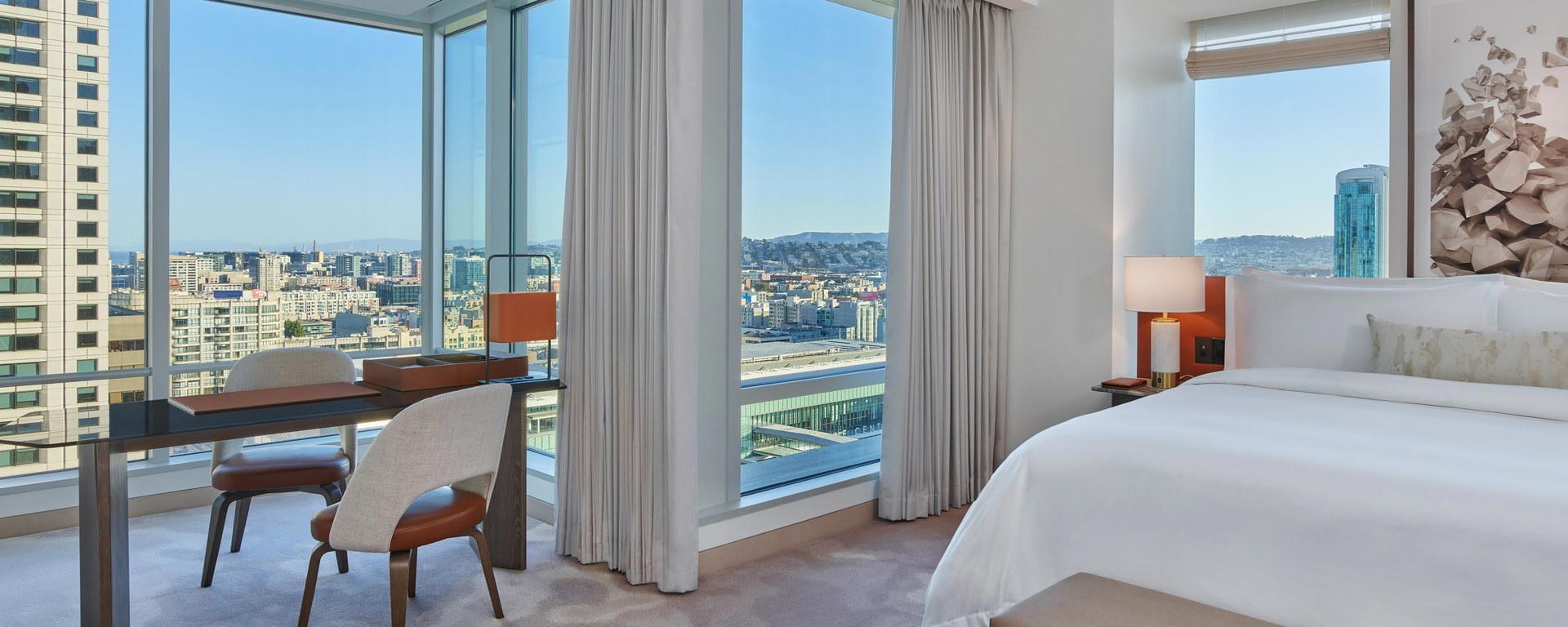
The 260 guest rooms and 46 suites are finished in a restrained palette of cream and white, with metallic accents, leather headboards, smoked glass coffee tables, and wooden closet panels providing textural contrast. The bathrooms run to soaking tubs and waterfall showers, a specification that has become standard at this price tier but is executed here with the proportional generosity that the tower's floor plates allow.
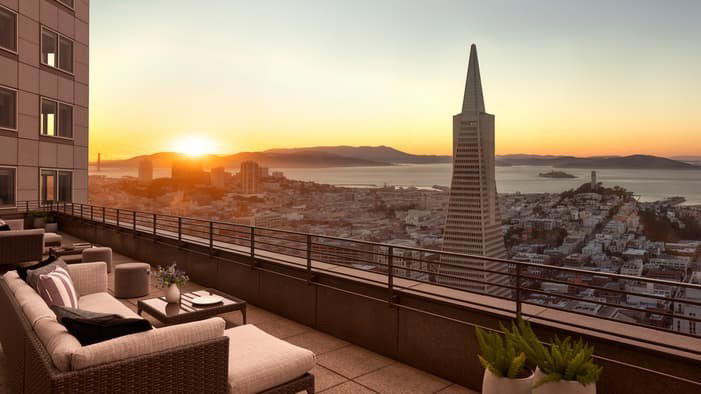
View question at the St. Regis is worth addressing directly: floor assignment matters more here than at many comparable properties because the tower's height translates into a meaningful gradient. Lower floors offer city framing; upper floors open into panoramic reads of the San Francisco skyline. The building's orientation toward Yerba Buena Gardens means even mid-range floors capture greenery rather than the blank facades typical of SoMa's commercial buildings. For suites, the range spans 700 to over 3,200 square feet, placing the largest configurations in the same tier as suite offerings at Four Seasons Hotel San Francisco and well above what boutique alternatives like The Battery or Hotel Drisco can offer in raw square footage.
Astra Restaurant, the Bar, and the Tea Salon
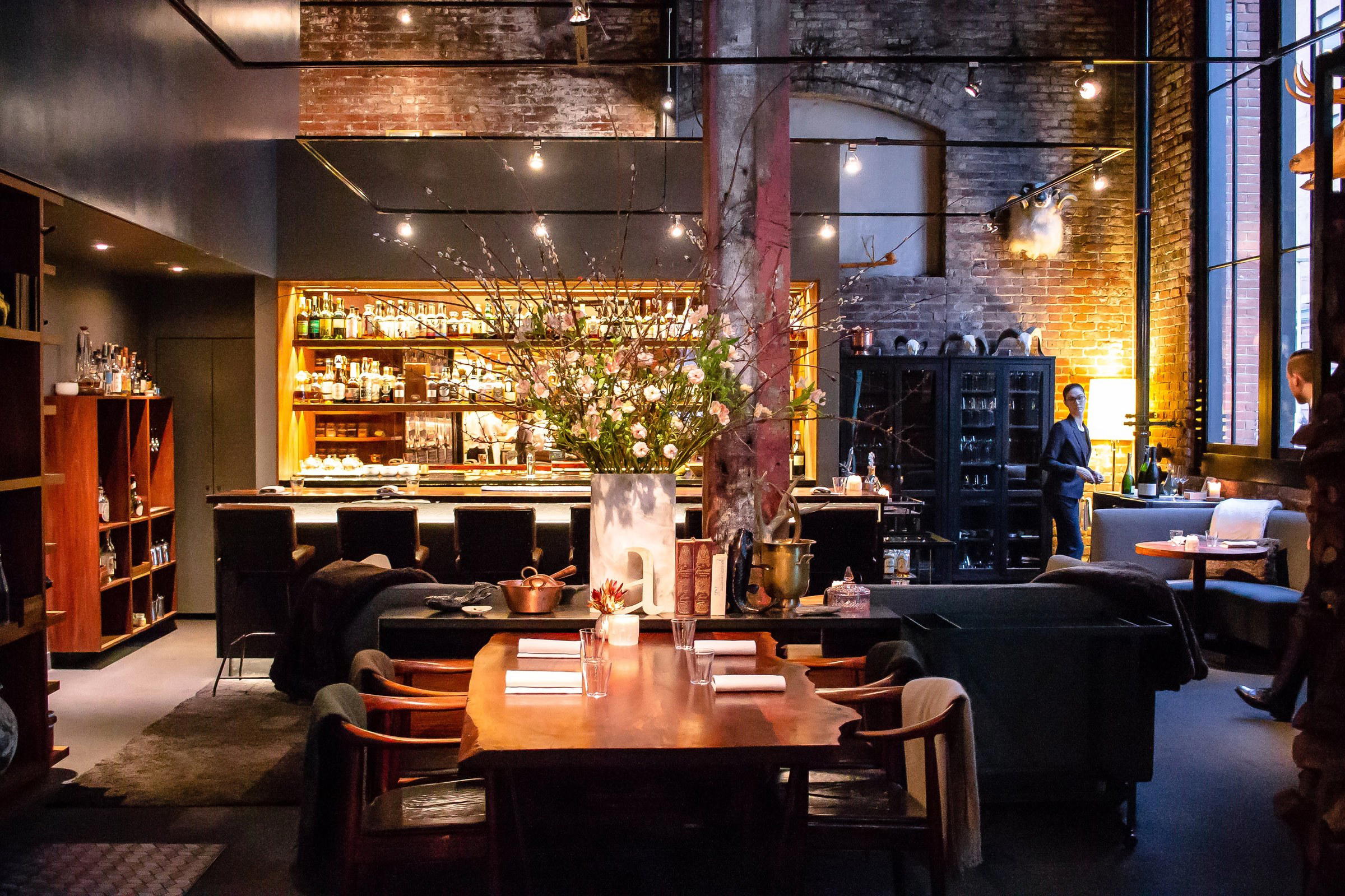
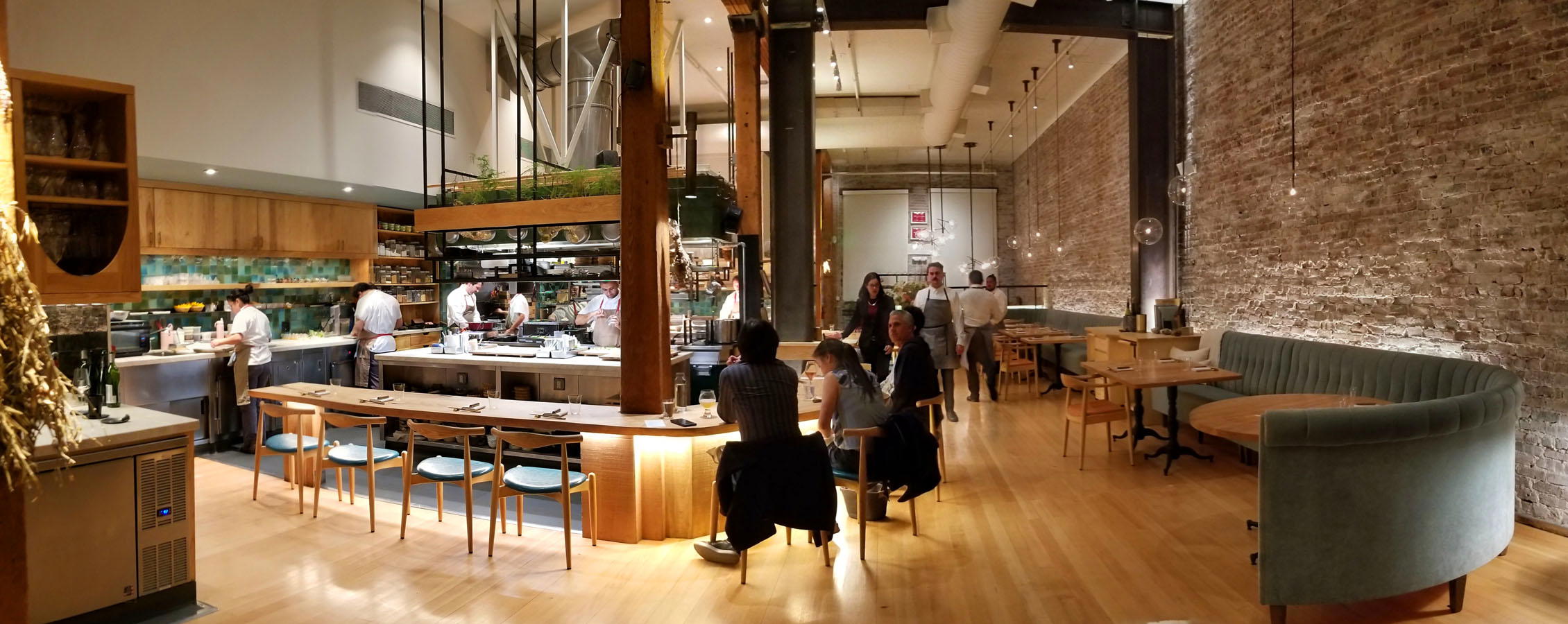
San Francisco's restaurant scene has developed a strong local-and-seasonal operating orthodoxy that even hotel dining programs now feel obligated to follow. The Astra Restaurant, open daily for breakfast from 6:30am and for lunch until 2:00pm, extends its service to dinner Tuesday through Saturday from 5:00pm to 10:00pm. The ground-floor setting, floor-to-ceiling windows, a lobby bar visible from the dining room, makes it the kind of space where the morning service and the evening service feel like different rooms despite sharing the same address. The bar runs daily from noon to midnight, serving Napa Valley wines and classic cocktails alongside snacks including housemade potato chips.
The Tea Salon operates Thursday through Sunday with advance reservations, from 2:00pm to 4:00pm. In a city with almost no tradition of formal afternoon tea, the salon occupies a niche that has more in common with the format at hotels like Raffles Boston than with anything San Francisco's independent restaurant culture has produced. Private dining is available around the clock, seven days a week, which is relatively uncommon and particularly useful for guests whose schedules do not align with standard service windows.
Location and What It Enables
The Third Street address positions the St. Regis at the intersection of two of San Francisco's most useful visitor corridors: the arts and museum district running along Mission Street, and the retail and restaurant density of the surrounding SoMa blocks. The Moscone Center, the city's primary convention venue, is within walking distance, which explains the hotel's meeting and event infrastructure, 22,352 square feet of indoor and outdoor space, including remodelled rooms designed around collaborative formats and a capacity range from board meetings to large-scale events.
For guests arriving from outside the city, the hotel's location allows access to both the Financial District and the Mission without requiring a car. Guests using the property as a base for day trips north or south, toward Auberge du Soleil in Napa, SingleThread Farm Inn in Healdsburg, or Post Ranch Inn in Big Sur, will find that the butler team's logistics support is particularly useful for coordinating those excursions. For a broader read on the city's dining and hotel options, our full San Francisco restaurants guide maps the current scene across neighbourhoods and price tiers.
La Liste's 2026 Leading Hotels ranking assigned the property 90.5 points, a score that places it within the upper cohort of internationally evaluated luxury hotels. The Spa at The St. Regis San Francisco debuted after renovation in spring 2026, with cedar saunas, eucalyptus steam rooms, a Himalayan Salt Room, and access to the indoor pool; the fitness centre remains open around the clock.
Planning Your Stay
The St. Regis San Francisco is part of the Marriott International portfolio, which means Bonvoy members can apply points and status benefits. The Tea Salon requires advance reservations Thursday through Sunday; the Astra Restaurant and bar accept walk-in guests subject to availability. The spa renovation timeline is ongoing, and guests who prioritise spa access should factor this into their planning or consider alternatives such as 1 Hotel San Francisco, which has its own wellness offering. For extended West Coast itineraries that include the California wine country, design-led properties further afield, from Hotel Adagio, Autograph Collection in the city to Four Seasons Hotel Silicon Valley at East Palo Alto to the south, round out the regional picture.
Pricing, Compared
Comparable venues nearby, for context on price, style, and recognition.
| Venue | Price | Awards | Notes |
|---|---|---|---|
| The St. Regis San FranciscoThis venue — the venue you are viewing | Not listed | Michelin Selected · La Liste Top Hotels | Not listed |
| Taj Campton Place | $300–500 | Michelin Selected · Virtuoso Luxury Hotel Partner | Financial District/South Beach, Historic luxury landmark blending early 20th-century elegance with contemporary amenities in a prime Union Square location. |
| San Francisco Proper Hotel | $300–500 | Michelin Selected · Star Wine List | Tenderloin, Design-forward luxury in historic flatiron building |
| The Ritz-Carlton, San Francisco | $500–750 | Michelin Selected · La Liste Top Hotels | Nob Hill, Historic neoclassical landmark with contemporary renovations inspired by San Francisco fog. |
| The Ritz-Carlton, San Francisco | $500–750 | Michelin Selected · La Liste Top Hotels | Financial District/South Beach, Historic luxury hotel blending old-world charm with contemporary sophistication |
| Fairmont San Francisco | Not listed | Michelin Guide New Hotels New Hotel · Michelin Selected | Nob Hill, Well-known luxury atop Nob Hill with historic grandeur and modern comforts. |
Recognition history
Dated appearances from independent guides and award organizations, with the underlying list record or original source where available.
Michelin Selected
Michelin
La Liste Top Hotels
La Liste
Conde Nast Selected for 2026 Condé Nast Traveler Best Hotels in California
Conde Nast
Forbes 5-Star
Forbes
Virtuoso Luxury Hotel Partner
Virtuoso
Full recognition history (6 entries)
Forbes 5-Star
Forbes
Continue exploring
More in San Francisco
Hotels in San Francisco
Browse all →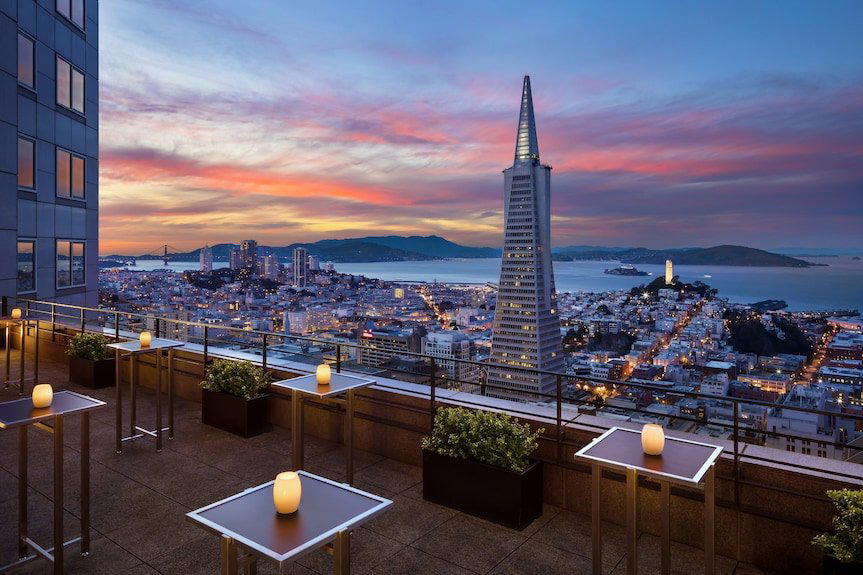
Bars in San Francisco
Browse all →
Restaurants in San Francisco
Browse all →
Details
- Elegant
- Sophisticated
- Ornate
- Business Trip
- Romantic Getaway
- Celebration
- Butler Service
- Historic Building
- Pool
- Spa
- Fitness Center
- Room Service
- Concierge
- Valet Parking
- EV Charging
- Indoor Pool
- Garden
- Wheelchair Accessible
- Elevator
- Step Free Entrance
- Accessible Parking
Refined and tranquil atmosphere with calm, quiet rooms and elegant lighting praised in guest reviews.