Burma Superstar
Our verdict
Burma Superstar on Park Street brings Burmese cooking to Alameda's dining scene, a cuisine that remains genuinely underrepresented across the Bay Area despite its complexity and depth. The menu draws on Southeast Asian culinary traditions where fermented, sour, and herbal notes layer across shared plates, a format that rewards groups eating family-style. For Alameda residents, it fills a specific gap on an otherwise eclectic stretch of independent restaurants.

Pearl is the En Primeur Club membership app, where members save venues, book tables and use the concierge.
The menu
What to order
- Tea Leaf Salad
- Samusa Soup
- Rainbow Salad
- Pork Curry with Potatoes
- Sesame Chicken
Park Street and the Cuisine That Earned Its Own Category
Park Street in Alameda runs a reliable independent-restaurant corridor, a mix of Latin American, Asian, and Californian kitchens serving a neighborhood that largely prefers dining close to home rather than crossing the Bay for a night out. Burma Superstar sits on that street at 1345 Park St, and its presence says something specific about how Burmese food has moved from an outlier category in the Bay Area to something diners now seek out by name. The original Burma Superstar in San Francisco's Inner Richmond district spent decades building the reputation that made that possible. The Alameda location extends that footprint to a community where the cuisine had no comparable representation.
Burmese cooking occupies a genuinely distinct position in Southeast Asian cuisine. It shares geographic borders with China, India, Thailand, and Laos, and that adjacency shows in the food, fermented tea leaves, turmeric-laced curries, noodle soups with Chinese structural DNA, and fish-paste condiments that echo both Thai and South Asian pantries. But the synthesis is its own. The lahpet thoke, or tea leaf salad, is the most cited example: a dish with no close equivalent in neighboring cuisines, built from fermented tea leaves, crunchy legumes, sesame, and dried shrimp, where sourness, bitterness, umami, and texture arrive simultaneously. It has become something of a reference point for the entire category in the Bay Area, the dish that introduced many diners to what Burmese cuisine can do.
Why the Bay Area Became the Reference Point for Burmese Food in America
The broader context matters here. The United States has a relatively small footprint of Burmese restaurants compared to Vietnamese, Thai, or Chinese kitchens, which arrived earlier and in larger numbers. The Bay Area is an exception. A concentration of Burmese immigrant communities in the East Bay and San Francisco, combined with the region's appetite for cuisines outside the mainstream, created conditions for Burmese food to develop a real audience. Burma Superstar was among the operations that benefited from and reinforced that dynamic, building enough name recognition that diners now cross neighborhoods specifically for it.
That recognition matters when considering where Burma Superstar sits relative to Alameda's other dining options. The street-level competition on Park Street includes Ceron Kitchen, Chong Qing Noodles House, and East Ocean Seafood Restaurant, kitchens that compete on home-cooking familiarity and value rather than cuisine positioning. Burma Superstar operates on slightly different terms: it draws diners who are specifically seeking Burmese food, not simply a convenient neighborhood dinner. That specificity protects it from direct competition with Alameda's other casual Asian restaurants in a way that benefits regulars.
The Format and What It Rewards
Burmese dining tradition is built around shared plates and table-wide ordering, a format that maps well onto how American groups eat when they want to cover ground. Salads, curries, noodle dishes, and rice-based plates are designed to arrive together and be passed around rather than portioned individually. This makes the format naturally suited to families and groups of four or more, where the table can order across categories and build a fuller picture of the menu. Pairs and solo diners can eat here without friction, but the cuisine expresses itself more completely when the table is large enough to order widely.
The cooking relies heavily on technique that isn't immediately visible, fermentation, slow-cooked oils, spice tempering, rather than the kind of drama that comes from a wood-fired grill or a tasting menu reveal. The flavor payoff arrives in layers rather than as a single statement, which makes it a cuisine that rewards return visits as diners become more familiar with what to order.
For context on how Burma Superstar sits within the wider Bay Area and national dining picture, the gap between a neighborhood Burmese kitchen and, say, Lazy Bear in San Francisco or Single Thread Farm in Healdsburg is one of format and ambition rather than cuisine quality. Those are tasting-menu operations with award infrastructure and booking windows measured in months. Burma Superstar operates in a different register entirely, accessible pricing, walk-in or short-notice booking, a room designed for neighborhood use, but it occupies a real and defensible position that those operations do not. Across the country, restaurants like Providence in Los Angeles, Smyth in Chicago, Addison in San Diego, and Le Bernardin in New York City represent the formal end of the spectrum. Atomix in New York City, Blue Hill at Stone Barns in Tarrytown, The French Laundry in Napa, Emeril's in New Orleans, The Inn at Little Washington in Washington, and Atelier Moessmer Norbert Niederkofler in Brunico occupy similar prestige tiers. Burma Superstar serves a different but equally legitimate function: it makes a specific and underrepresented cuisine consistently available to a neighborhood audience.
Alameda's Broader Dining Picture
Alameda's restaurant scene has developed more depth than its reputation outside the East Bay would suggest. The island geography creates a captive dining audience, residents who cross the estuary into Oakland regularly, but who also support a meaningful density of independent restaurants at home. Park Street functions as the main spine of that scene, and the mix skews toward casual neighborhood use rather than destination dining. Fikscue and Hang Ten Boiler represent the casual, high-flavor end of that equation, kitchens where the cooking is direct and the format is relaxed. Burma Superstar fits that general register while bringing a cuisine that most Alameda dining options don't touch. The full picture of what the neighborhood offers is covered in our full Alameda restaurants guide.
Planning Your Visit
Burma Superstar at 1345 Park St is the kind of restaurant that works well when approached as a shared-plate session rather than an individual-order dinner. Arriving with a group of three or more and ordering across salads, curries, and noodles gives the cuisine room to make its case. Current hours, booking availability, and pricing are best confirmed directly with the restaurant, as those details shift. For visitors coming from San Francisco or Oakland, Alameda is accessible via the Webster Street tube or the Park Street bridge, with parking generally easier on the island than in either city across the water.
Frequently asked questions
Does Burma Superstar work for a family meal?
Burmese dining is structured around shared plates, which means a table can order across categories without anyone committing to a single dish. At 1345 Park St in Alameda, the format suits groups who want range rather than rigid entrée choices. It also means younger or less adventurous eaters at the table can try dishes alongside more experienced ones without the meal hinging on any one order.
How would you describe the vibe at Burma Superstar?
The atmosphere at the Alameda location on Park Street reads as neighborhood casual, the kind of room where locals walk in from nearby streets rather than drive across a city for a destination dinner. It sits within an independent-restaurant corridor that serves the surrounding community, so expectations should be set accordingly: accessible, unpretentious, and oriented around the food rather than the setting.
Is the Alameda Burma Superstar connected to the original San Francisco location?
The Burma Superstar name originated in San Francisco's Inner Richmond neighborhood, where the restaurant built its Bay Area reputation over many years and drew the kind of sustained lines that put Burmese food on the map for American diners outside immigrant communities. The Alameda location at 1345 Park St is part of the same operation, extending that reputation to the East Bay. For diners in Alameda or the surrounding area, it offers access to the same kitchen approach without crossing the bay.
What's the best thing to order at Burma Superstar?
The tea leaf salad, lahpet thoke, has become the reference dish for Burmese cuisine across the Bay Area, and Burma Superstar's version is among the most cited in the region's dining conversation. The dish combines fermented tea leaves with fried garlic, sesame seeds, tomatoes, and dried shrimp, a textural and flavor composition that has no close equivalent in neighboring Southeast Asian cuisines. If the table orders nothing else, it should order this.
A Pricing-First Comparison
| Venue | Cuisine | Price | Awards | Notes |
|---|---|---|---|---|
| Burma SuperstarThis venue (the venue you are viewing) | Burmese | $20–30 | Not listed | Not listed |
| Spinning Bones | California Rotisserie | $30–50 | Michelin Bib Gourmand | Californian |
| Utzutzu | Premium Japanese Omakase | $100–150 | Michelin Plate | Japanese |
| Fikscue | Indo-Tex Halal BBQ | Not listed | James Beard Award Semi Finalist | Not listed |
| Ceron Kitchen | New American | $50–100 | Not listed | Not listed |
Continue exploring
More in Alameda
Restaurants in Alameda
All restaurants in Alameda →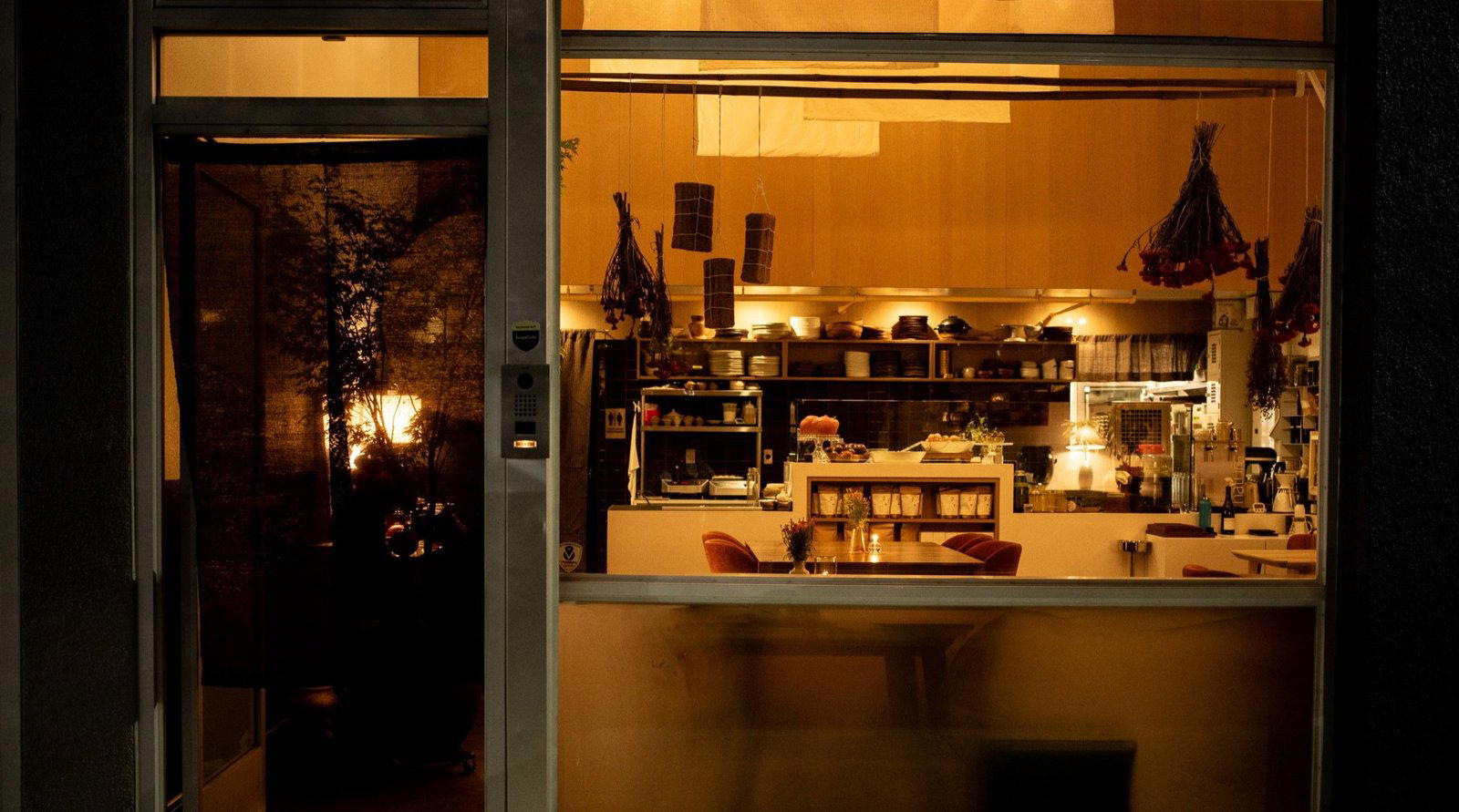
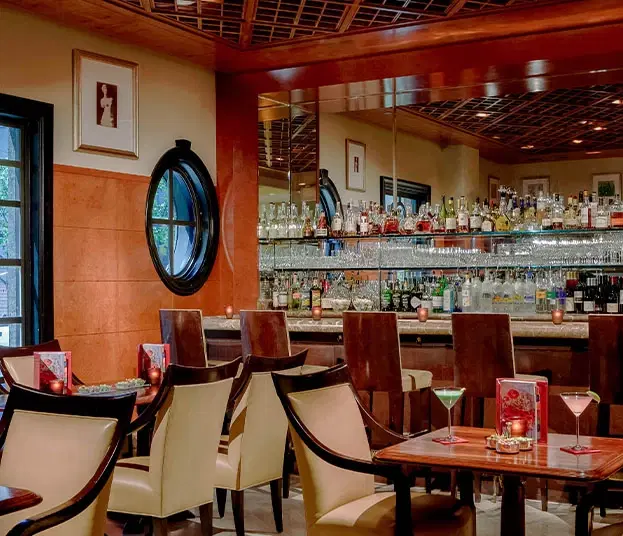
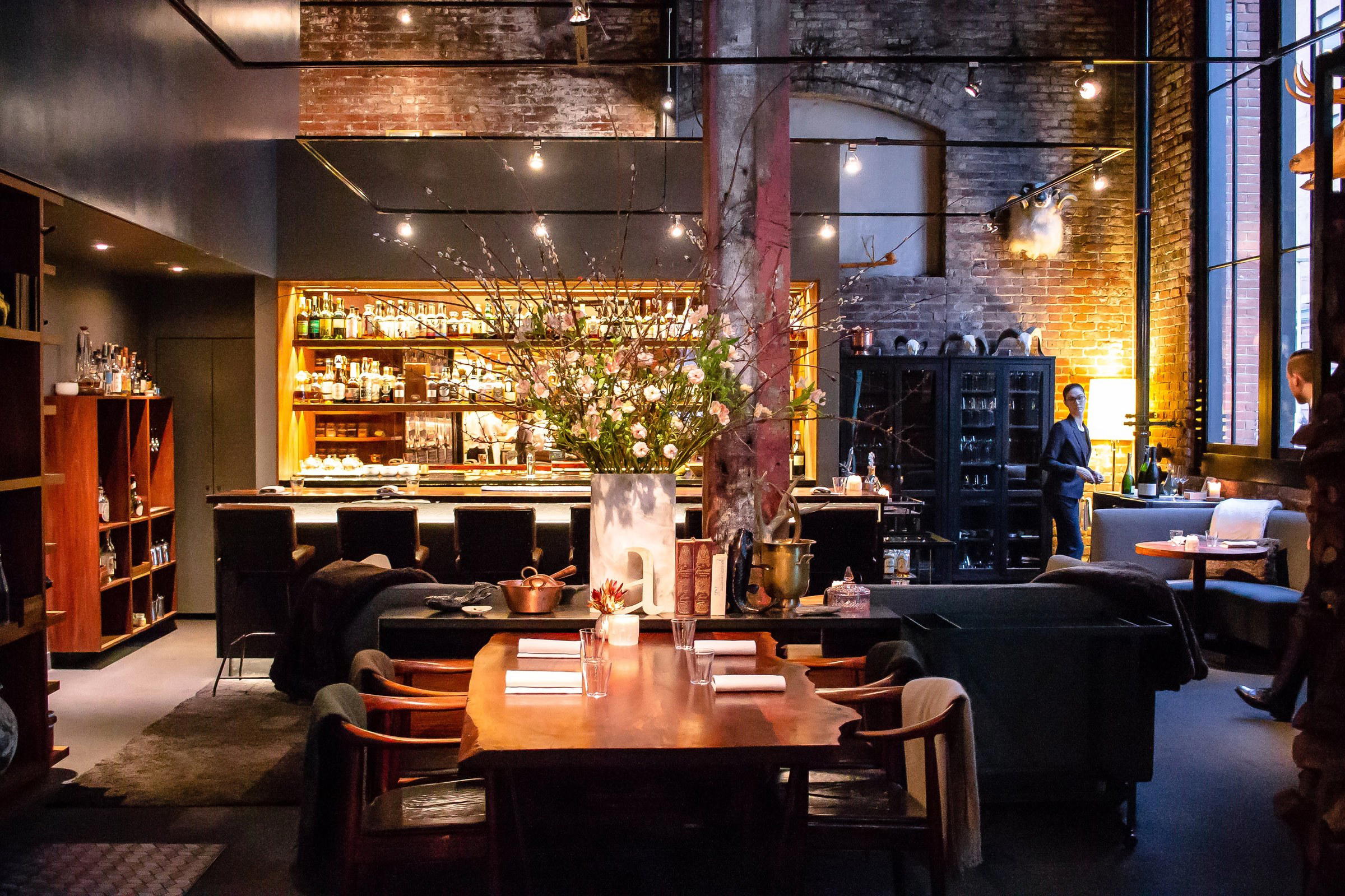
Bars in Alameda
All bars in Alameda →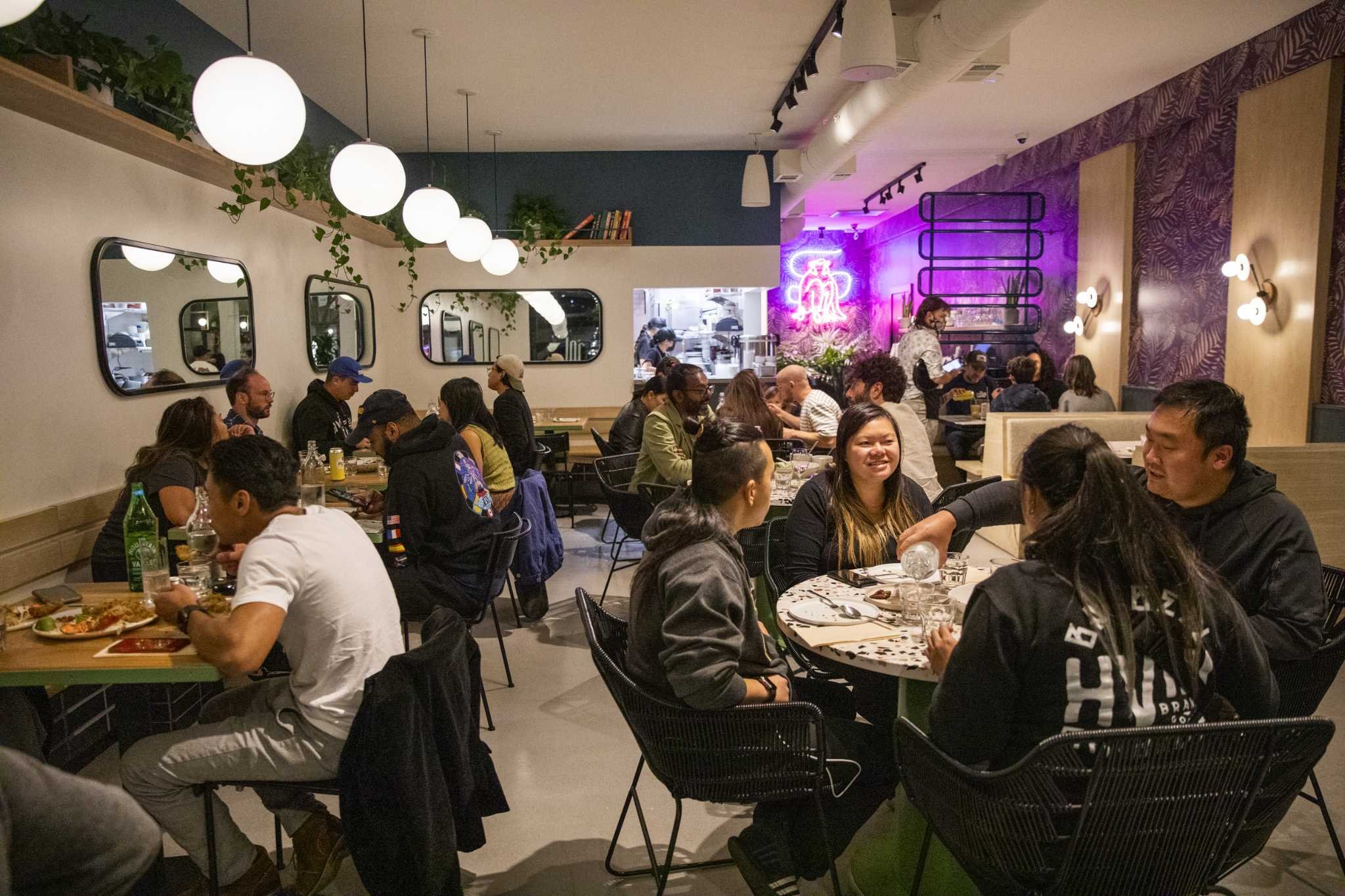


Details
- Lively
- Well Known
- Energetic
- Casual Hangout
- Group Dining
- Family
- Standalone
- Beer Program
- A La Carte
- Family Style
- Beer
- Cocktails
- Gluten Free Options
- Vegetarian Friendly
Current opening hours
- Monday
- 11:30 AM–9 PM
- Tuesday
- 11:30 AM–9 PM
- Wednesday
- 11:30 AM–9 PM
- Thursday
- 11:30 AM–9 PM
- Friday
- 11:30 AM–9 PM
- Saturday
- 11:30 AM–9 PM
- Sunday
- 11:30 AM–9 PM
Hours can change for holidays and private events. Hours as of .
Bustling and energetic with crowded tables reflecting its popularity as a beloved local institution.