Niku Steakhouse




1 Michelin Star · Wine Spectator Best of Award of Excellence
Our verdict
Niku Steakhouse brings Japanese dry-aging discipline and wood-fired technique to San Francisco's Design District, operating under a Michelin star and an Opinionated About Dining ranking among North America's top restaurants. The 18-seat chef's counter frames an open binchotan charcoal grill, and the wine list runs 730 selections with particular depth in Burgundy and California. Dinner runs $66 and above per person before wine.

Pearl is the En Primeur Club membership app — saves, bookings, and concierge access live there. Same editors, same standards.
- Address
- 61 Division St, San Francisco, CA 94103
- Phone
- (415) 829-7817
- Hours
- Mon–Thu 5–9 PMFri–Sat 5–10 PMSun 5–9 PM
- Website
- nikusteakhouse.com
- Directions
- Get directions
- Booking
- Book on OpenTable
The menu
What to order
- A5 Wagyu
- Tomahawk Steak
- Wagyu Meatballs
- Crispy Potatoes
Where the Design District Does Business Over Fire
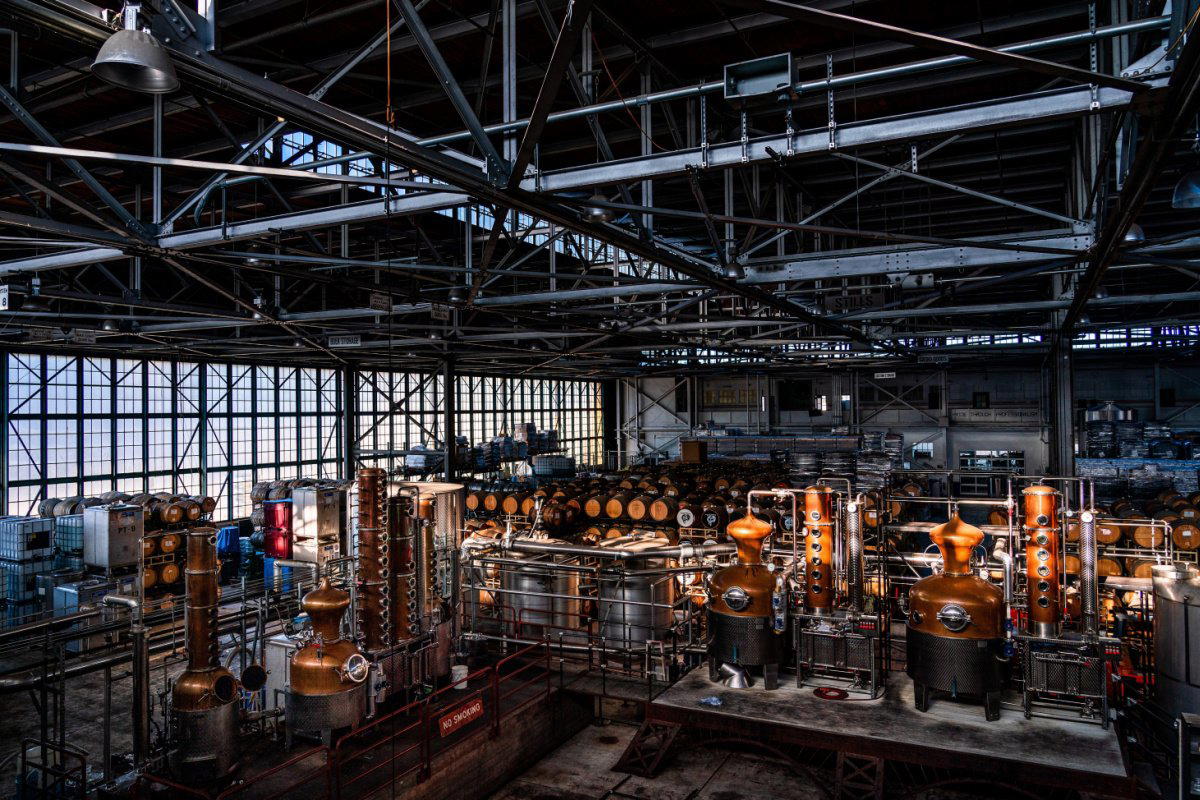
San Francisco's Design District has become one of the city's more purposeful dining addresses, drawing the kind of clientele who treat the table as an extension of the conference room. In that context, Niku Steakhouse at 61 Division Street occupies a specific position: a Michelin-starred Japanese-American steakhouse where the quality of the beef and the seriousness of the wine list make it a natural setting for transactional meals that require more than a functional room. The gold door, the wood-lined interior, and the open binchotan charcoal grill at the center of the dining room communicate that this is a place where decisions get made — and where the host has clearly thought about where to take the guest.
The premium steakhouse has long served the deal-making function in American cities, but the format has shifted over the past decade. The old playbook — classic cuts, wedge salads, deep Napa Cab list, has given way to a smaller cohort of restaurants that bring genuine technical programs to the table. Niku fits the latter model, with an in-house dry-aging operation, A5 Japanese wagyu sourcing, and a cooking approach built around a custom charcoal and wood-fired grill. It operates in the same city tier as Saison and Benu, restaurants where the price point and credential stack justify a business host spending serious money. Those wanting to explore the full range of San Francisco's top-tier dining scene can consult our full San Francisco restaurants guide.
The Room and the Counter
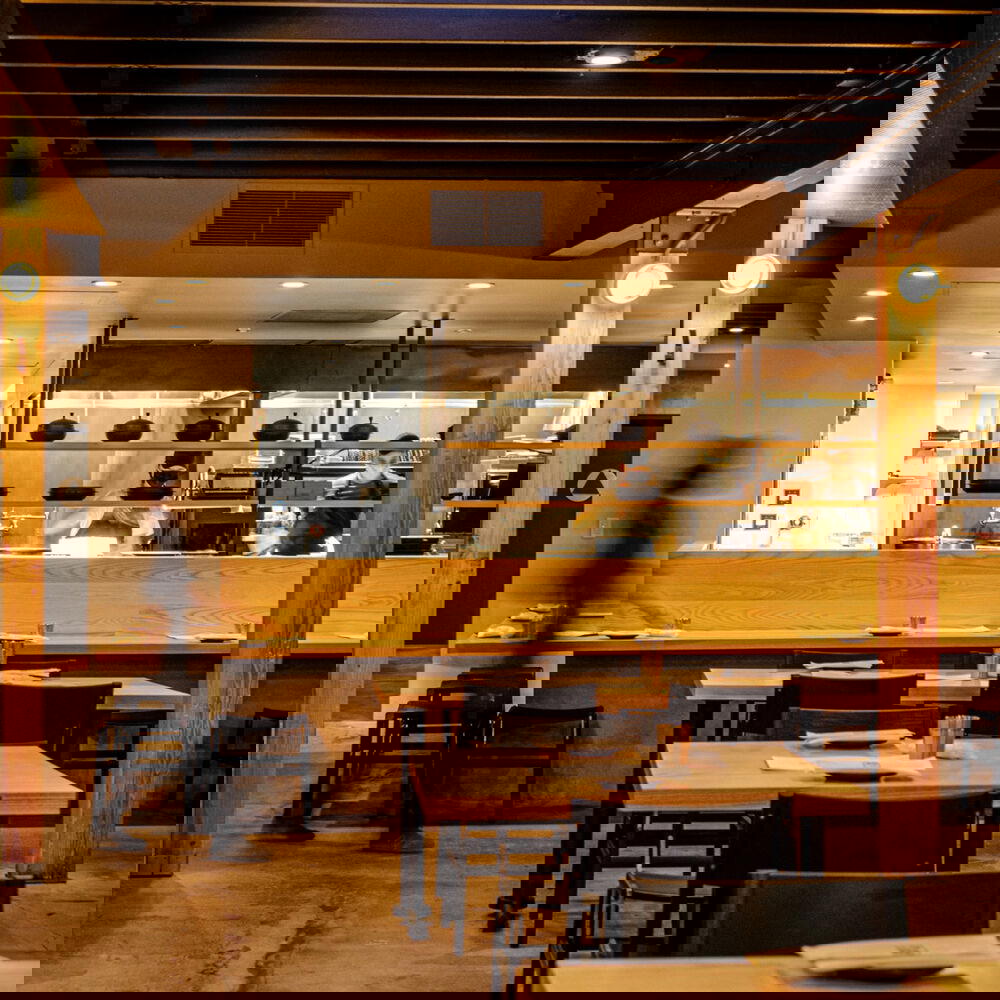
The 18-seat chef's counter is the operational center of the dining room. From those seats, the binchotan grill is visible throughout the meal, coals glowing, meat resting, the kitchen working with a tempo that reads as controlled rather than performative. For a business dinner, the counter requires a degree of comfort with proximity and theater; the private tables in the wood-lined room offer more conventional separation. Both configurations benefit from the same kitchen, but they produce different social dynamics. The counter suits guests who want the food to be the conversation anchor. The tables suit guests where the conversation is the point and the food is the frame.
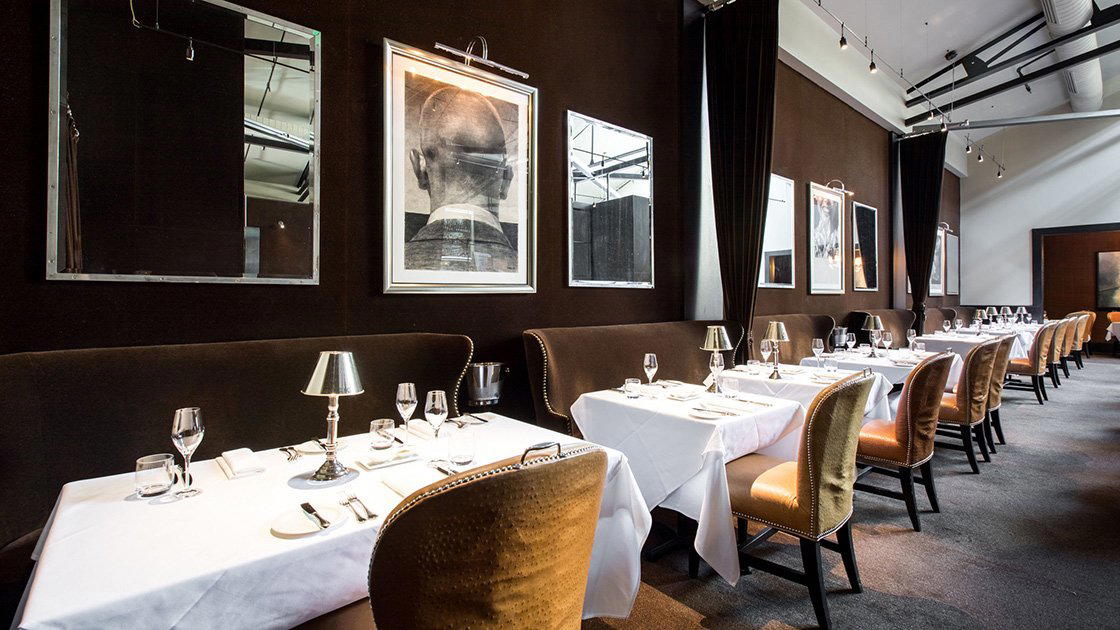
Room reads as industrial without being cold: warm textures offset the harder materials, and the gold door that greets arrivals sets a register that the interior sustains. It does not feel like a hotel steakhouse or a legacy chophouse. It is more narrowly itself, a room built around a particular idea of what beef can be when handled with Japanese rigor and California directness.
The Beef Program
Niku's operating premise is that the cut matters less than the program behind it. The in-house whole-animal butchery and dry-aging operation means that what arrives at the table is the product of decisions made on-site, not a distributor's standard portfolio. The kitchen works with both American-raised Japanese wagyu and dry-aged cuts, and the grill, charcoal-fired with binchotan, applies heat in a way that amplifies the natural marbling rather than masking it.
The 200-day kimchi fermentation detail matters in a business dining context: it signals a kitchen running a program with real time horizons, not just sourcing premium ingredients and applying technique. For a guest who notices these things, it is a credential on the plate. For a guest who does not, the bordelaise and the sea salt still deliver a coherent dish that functions within a European steakhouse grammar while the kimchi adds a dissonance that resolves well.
The menu extends beyond beef. Pea agnolotti in butter sauce with preserved Meyer lemon, Mt. Lassen trout, and a bone marrow-topped tartare appear in the record, positioning Niku as a steakhouse that covers the table for guests who do not eat red meat or who want a course structure before the main event. That range matters for a business meal where the host cannot control the dietary preferences of the guests.
The Wine Program as a Business Tool
A steakhouse wine list is a proxy for the host's seriousness. At Niku, the list runs 730 selections with an inventory of 1,750 bottles. Strength is documented in California and France, with particular depth in Burgundy. The pricing tier is marked as $$, a range of pricing across the list rather than a concentration at the high end, which means a guest with modest wine knowledge can find bottles that work without exposing the host to an awkward selection moment. A $80 corkage fee indicates that clients who bring their own bottles are accommodated but not subsidized.
The sommelier team includes Ryan Torres and Matthew Montrose. A two-person named sommelier team at this price point indicates a floor service operation where wine guidance is expected to be substantive, not perfunctory. For a business dinner where the host wants to defer the wine decision without losing face, a confident sommelier recommendation is a social tool as much as a beverage one. The California and Burgundy depth maps logically to the wagyu and wood-fire kitchen: both traditions value restraint and minerality, and both show well against fat-rich proteins.
For context, Niku operates in a city where other $$$$ restaurants, Atelier Crenn, Quince, and Lazy Bear, carry their own wine programs with comparable depth. What distinguishes Niku's list is its alignment with a specific food profile: a beef-heavy, fire-cooked, umami-driven menu that calls for structured reds and mineral whites rather than the broader omnivorousness of a tasting-menu wine program.
Credentials and Competitive Position
Niku holds a Michelin star (2024) and ranked #351 on Opinionated About Dining's Leading Restaurants in North America list in 2025, up from #440 in 2024. OAD rankings are crowd-sourced from a community of serious diners rather than anonymous inspectors, which means a strong OAD ranking signals genuine repeat engagement from a self-selecting audience. Moving 89 places in a single year indicates an operation gaining traction within that community rather than holding a static position.
For business dining purposes, Michelin recognition is the credential that travels farthest. Guests who do not follow OAD will know what a Michelin star means. The single star positions Niku as a serious restaurant without the format constraints that come with two- and three-star dining, no mandatory tasting menu, no set pacing, no experiential theater that can complicate a working meal. A host can order selectively and move the meal at whatever pace the conversation requires.
Atomix in New York City and Le Bernardin in New York City occupy the same credential tier in their respective formats, and The French Laundry in Napa and Single Thread Farm in Healdsburg represent the Northern California fine dining cohort that Niku sits adjacent to but does not overlap with in format. Internationally, the wagyu-forward fine dining approach has precedents at places like 8½ Otto e Mezzo Bombana in Hong Kong. Closer to home, Providence in Los Angeles and Alinea in Chicago represent the broader category of Michelin-recognized American fine dining where format and sourcing credentials define the tier. Emeril's in New Orleans offers a useful reference point for how American fine dining has evolved away from the classic model toward more specific, technique-driven programs.
For guests planning around a visit to Niku, the surrounding Design District also warrants consideration for pre- or post-dinner logistics. The EP Club's San Francisco hotels guide, bars guide, wineries guide, and experiences guide cover the broader city context for visitors building a trip around a meal here.
What to Know Before You Book
Know Before You Go
- Address: 61 Division St, San Francisco, CA 94103
- Cuisine: Japanese-influenced steakhouse, wood-fired and charcoal grill
- Price (food): $$$ (two-course meal $66 and above, excluding beverages and tip)
- Wine list: 730 selections, 1,750 inventory; strength in California and Burgundy; corkage $80
- Hours: Monday–Thursday 5–9 pm; Friday–Saturday 5–10 pm; Sunday 5–9 pm
- Chef: Dustin Falcon
- Sommeliers: Ryan Torres, Matthew Montrose
- General Manager: Rebekah Bennett
- Owner: Omakase Restaurant Group
- Awards: Michelin 1 Star (2024); OAD Leading Restaurants in North America #351 (2025)
- Chef's counter: 18 seats with direct view of the binchotan grill
What Dish Is Niku Steakhouse Famous For?
Niku is most closely associated with its Imperial Wagyu filet mignon, served with 200-day-old kimchi, bordelaise sauce, and sea salt, and its Tomahawk cut built for two, both cooked over the in-house binchotan charcoal grill. The wagyu program draws on American-raised Japanese A5 stock, supported by an in-house dry-aging and whole-animal butchery operation. The Michelin star (2024) and the OAD #351 North America ranking (2025) reflect recognition of the beef program specifically as the kitchen's central credential, anchored by Chef Dustin Falcon and the Omakase Restaurant Group's operational framework.
Cuisine Context
A compact comparison to help you place this venue among nearby peers.
| Venue | Cuisine | Price | Awards | Notes |
|---|---|---|---|---|
| Niku SteakhouseThis venue — the venue you are viewing | Modern Wagyu Steakhouse | $200–300 | 1 Michelin Star · Wine Spectator Best of Award of Excellence | Not listed |
| Lazy Bear | Modern American Tasting Menu | Not listed | 2 Michelin Stars · World's 50 Best #25 | Progressive American, Contemporary |
| Benu | Modern Asian Fusion Fine Dining | $150–200 | 3 Michelin Stars · World's 50 Best #33 | French - Chinese, Asian |
| Atelier Crenn | Contemporary French Fine Dining | $300–500 | 3 Michelin Stars · World's 50 Best #44 | Modern French, Contemporary |
| Quince | Modern French Fine Dining | $300–500 | 3 Michelin Stars · World's 50 Best #48 | Italian, Contemporary |
| Saison | Modern French-Italian | Not listed | Michelin Plate | Progressive American, Californian |
Recognition history
Dated appearances from independent guides and award organizations, with the underlying list record or original source where available.
Michelin 1 Star
Michelin
Opinionated About Dining Top Restaurants in North America Recommended
Opinionated About Dining
Wine Spectator Best of Award of Excellence
Wine Spectator
World's Best Steaks 101 Best Steak Restaurants #49
World's Best Steaks
Full recognition history (12 entries)
Michelin 1 Star
Michelin
Opinionated About Dining Top Restaurants in North America Ranked #351
Opinionated About Dining
Wine Spectator Best of Award of Excellence
Wine Spectator
World's Best Steaks 101 Best Steak Restaurants #49
World's Best Steaks
World's Best Steaks 50 Best Steakhouses in North America #12
World's Best Steaks
Michelin 1 Star
Michelin
Opinionated About Dining Top Restaurants in North America Ranked #440
Opinionated About Dining
Opinionated About Dining Top Restaurants in North America Recommended
Opinionated About Dining
Continue exploring
More in San Francisco
Restaurants in San Francisco
Browse all →
Bars in San Francisco
Browse all →
Hotels in San Francisco
Browse all →
Details
- Elegant
- Sophisticated
- Modern
- Intimate
- Date Night
- Special Occasion
- Celebration
- Business Dinner
- Chefs Counter
- Open Kitchen
- Extensive Wine List
- Sake Program
- Tasting Menu
- A La Carte
- Counter Dining
Current opening hours
- Monday
- 5–9 PM
- Tuesday
- 5–9 PM
- Wednesday
- 5–9 PM
- Thursday
- 5–9 PM
- Friday
- 5–10 PM
- Saturday
- 5–10 PM
- Sunday
- 5–9 PM
Hours can change for holidays and private events. Last verified .
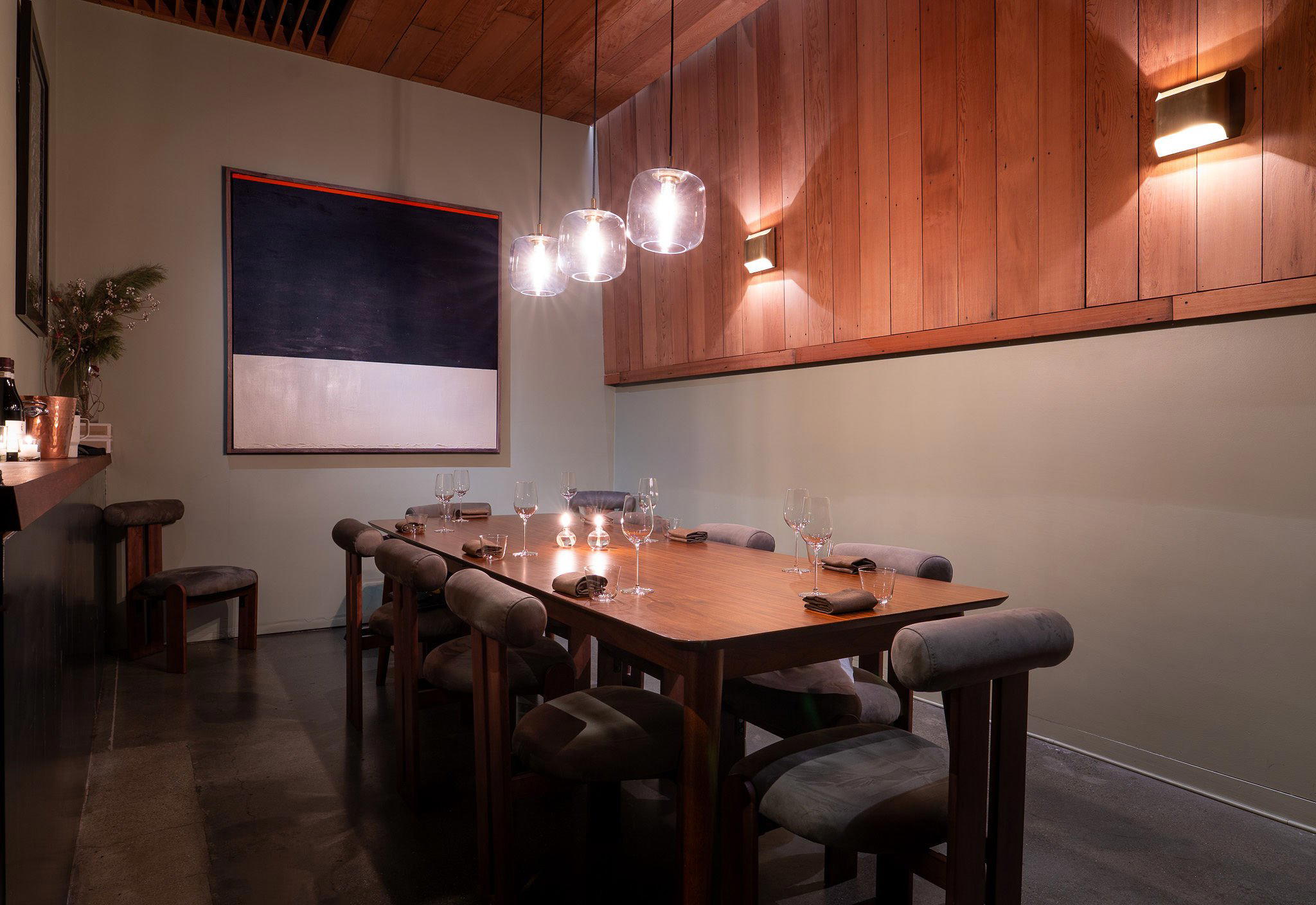
Swank wood-lined interior with warm glow from coals, buzzy and cozy tables.