An Italian neighbourhood address on Hansaring that reads against the grain of Cologne's formal dining scene. Totò e Peppino draws on southern Italian tradition without the white-tablecloth apparatus, making it a reliable reference point for the city's more grounded trattoria tier. The name alone signals the register: convivial, unhurried, rooted in the kind of cooking that doesn't require a press release.
Pearl is the En Primeur Club membership app — saves, bookings, and concierge access live there. Same editors, same standards.
- Address
- Hansaring 119, 50670 Köln, Germany
- Phone
- +492219228661
- Directions
- Get directions
 Saves & bookings on Pearl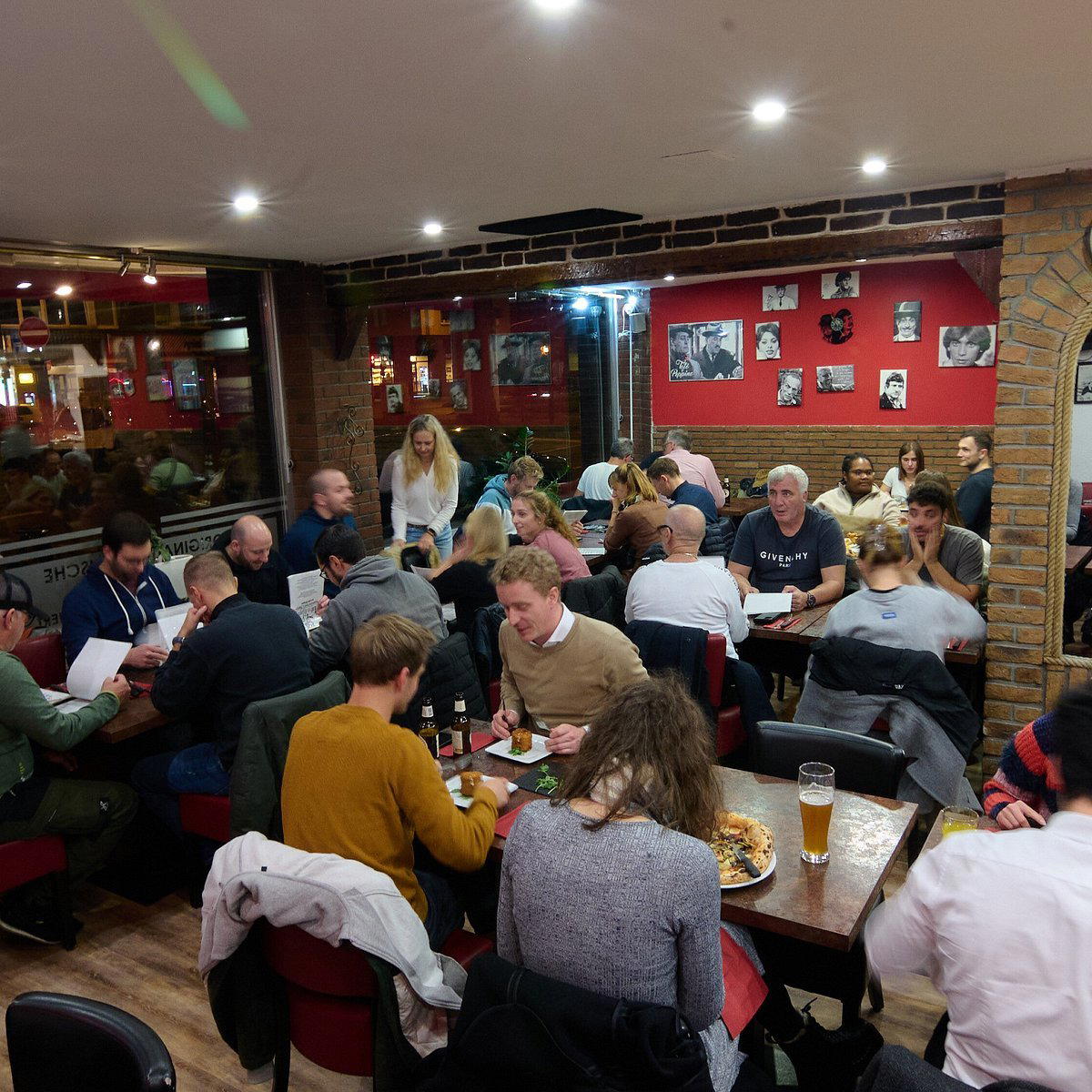
Where Hansaring Slows Down
Cologne's inner ring road is not where most people expect to find a restaurant worth lingering over. Hansaring is transit infrastructure as much as neighbourhood: wide lanes, tram stops, the occasional pedestrian moving purposefully between the Stadtgarten quarter and the northern edge of the old town. Which is precisely what makes an address like Totò e Peppino at number 119 worth noting. Totò e Peppino is a Neapolitan pizza restaurant at Hansaring 119, 50670 Köln, Germany, with a casual dress code, recommended reservations, and an average price of about $15 per person. The building sits in a stretch of the ring that has accumulated a quiet layer of independent hospitality over the past decade, places that operate outside the self-conscious fine dining corridor running from the Rhine waterfront toward the Mediapark. The approach here is lower-key. You arrive by tram or on foot, and the setting stays understated.
Italian cooking in German cities has split into two broadly recognisable camps. On one side sit the certified Neapolitan pizza operations, often with Associazione Verace Pizza Napoletana plaques and queues to match. On the other, a more diffuse category of trattoria-style rooms that lean into regional Italian tradition without committing to a single, marketable format. Totò e Peppino belongs to the second group, and that positioning carries both advantages and limitations. It does not have the certification story that drives viral queuing behaviour, but it also doesn't need one. Its audience is built on repeat visits rather than first-time curiosity driven by social media.
Italian Cooking and the Sustainability Argument
There is a version of Italian cooking that was always, structurally, sustainable before sustainability became a marketing category. The cucina povera tradition, broadly the cooking of southern Italy's rural and peasant classes, was organised around waste reduction, seasonal availability, and the transformation of cheap or overlooked ingredients into dishes of genuine nutritional and flavour depth. Dried pulses, preserved vegetables, offal, stale bread repurposed into panzanella or ribollita-adjacent preparations: these were not choices made for ethical brownie points but constraints that produced a coherent culinary logic. The trattoria format, at its most honest, inherits that logic rather than performing it.
This matters in the context of how Cologne's mid-market restaurant sector is currently orienting itself. Across the city, kitchens at the Ox & Klee level and the maiBeck level have made sourcing transparency a central part of how they communicate with guests. La Cuisine Rademacher and La Société operate in a French-inflected register where producer relationships are part of the front-of-house script. The Italian trattoria tier rarely makes the same explicit claims, but the underlying structure of the cooking, when it is executed with integrity, often achieves similar results without the accompanying vocabulary. Whole-animal use, vegetable-forward sections, minimal reliance on luxury imported proteins: these are inherent to the format rather than grafted onto it as a positioning exercise.
Germany's broader fine dining circuit has engaged with this conversation in more formal terms. CODA Dessert Dining in Berlin has built its entire format around waste-reduction logic applied to pastry and fermentation. ES:SENZ in Grassau and Schwarzwaldstube in Baiersbronn operate in environments where local sourcing is a geographic given rather than a brand decision. At the other end of the ambition scale, places like Aqua in Wolfsburg and Vendôme in Bergisch Gladbach treat producer sourcing as one strand of a more complex technical narrative. The neighbourhood trattoria occupies a different position in that spectrum: less explicit, more structural, and in some ways more durable for it.
Reading the Room: Cologne's Italian Tier
Cologne has a denser Italian restaurant population than its size might suggest. The community roots run deep, with post-war labour migration establishing an Italian presence in the city that predates the current restaurant boom by several decades. That history means the city has both a culturally literate Italian-restaurant audience and a baseline of operators who have been at it long enough to know what they are doing. The address at Hansaring 119 slots into a mid-tier that is distinct from the tourist-facing operations around the cathedral and the more ambitious rooms that sit in Cologne's loosely defined fine dining circuit alongside Le Moissonnier Bistro.
For a broader map of where Italian and other cuisines fit into Cologne's current dining picture, the full Cologne restaurants guide covers the relevant tier distinctions in more detail. Comparable conversations about mid-market Italian positioning are happening in cities across Germany, though the specifics differ: Munich's JAN operates at a more formally ambitious Italian-inflected register, and Hamburg's Restaurant Haerlin sits in a different category entirely. The trattoria format that restaurant represents is closer to what Schanz in Piesport or Victor's Fine Dining by christian bau in Perl would call the antechamber of serious cooking: the format where technique is invisible because it is assumed rather than displayed. For international reference points, the ethos has some structural parallels with how Le Bernardin in New York City or Atomix in New York City approach their respective traditions at the leading end: rigour without theatrics, though at a different price point and ambition level. And Waldhotel Sonnora in Dreis demonstrates how deeply regional German dining can also operate on a logic of place and restraint that the trattoria format shares in spirit.
Know Before You Go
- Address: Hansaring 119, 50670 Köln, Germany
- Getting there: Hansaring tram stop (multiple lines on the inner ring) places you directly at the door. Street parking is available on the ring but competitive during evening service.
- Booking: No booking information is available through official channels at time of writing. Reservations are recommended.
- Price tier: Mid-market pricing.
- Hours: Mon to Thu and Sun 5 to 11 PM; Fri and Sat 5 PM to midnight.
- Leading season: The trattoria format translates well across seasons, but autumn and winter, when heavier pasta and braise-oriented Italian cooking is at its most appropriate, are historically strong periods for this style of restaurant.
Same-City Peers
Comparable venues nearby, for context on price, style, and recognition.
| Venue | Cuisine | Price | Notes |
|---|---|---|---|
| Totò e PeppinoThis venue — the venue you are viewing | Neapolitan Pizza | $$ | Not listed |
| Büdchen am Südpark | Neapolitan Pizza | $$ | Marienburg |
| Ristorante D'amore | Neapolitan Pizza | $$ | Mülheim |
| Spacca Napoli | Neapolitan Pizza | $$ | Ehrenfeld |
| Bar Trattoria Celentano | Authentic Sicilian Italian Trattoria | $$ | Neustadt/Nord |
| L´assaggio Da Rocco | Modern Italian Tapas | $$ | Neustadt/Süd |
Continue exploring
More in Cologne
Restaurants in Cologne
Browse all →
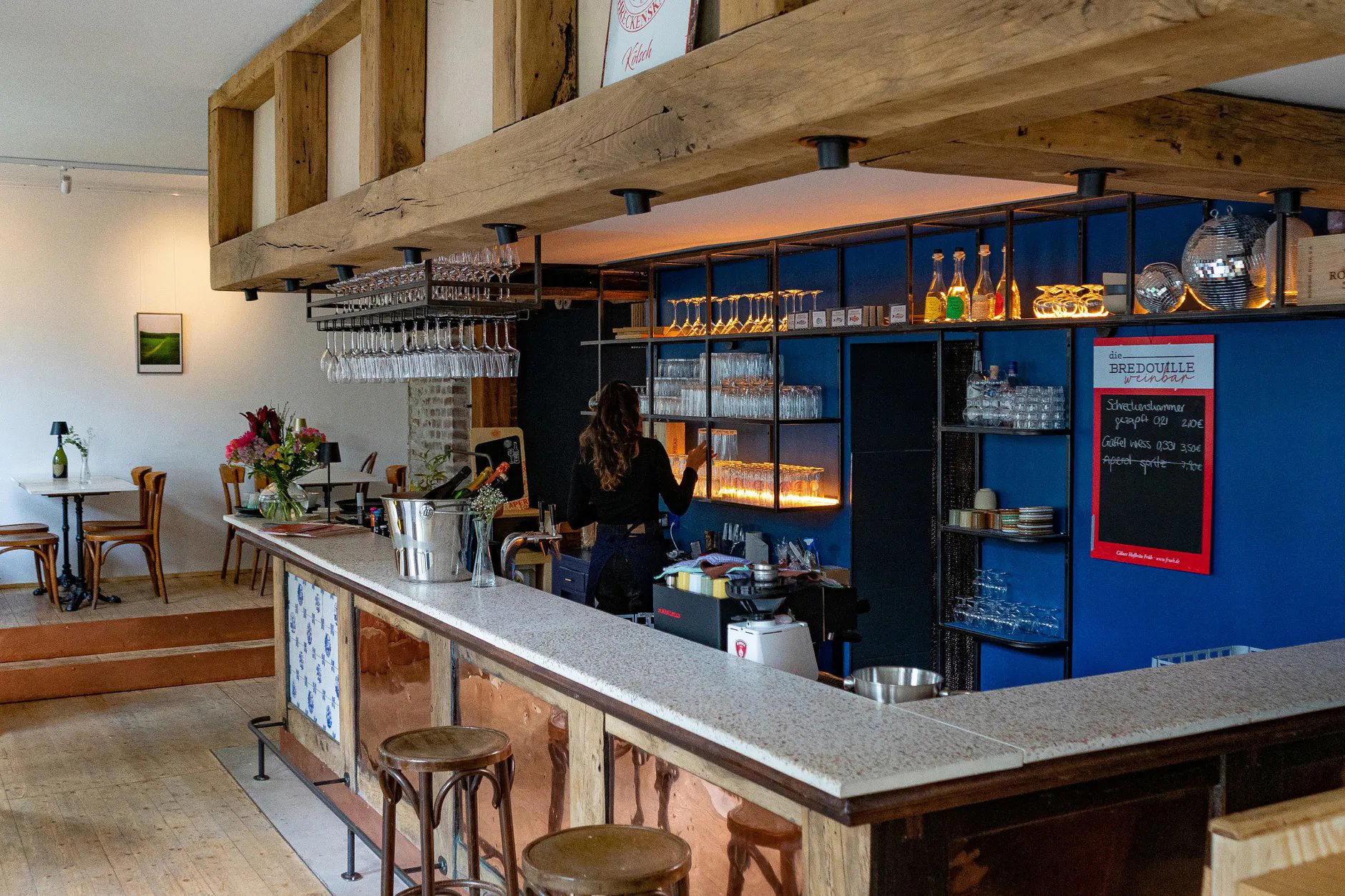
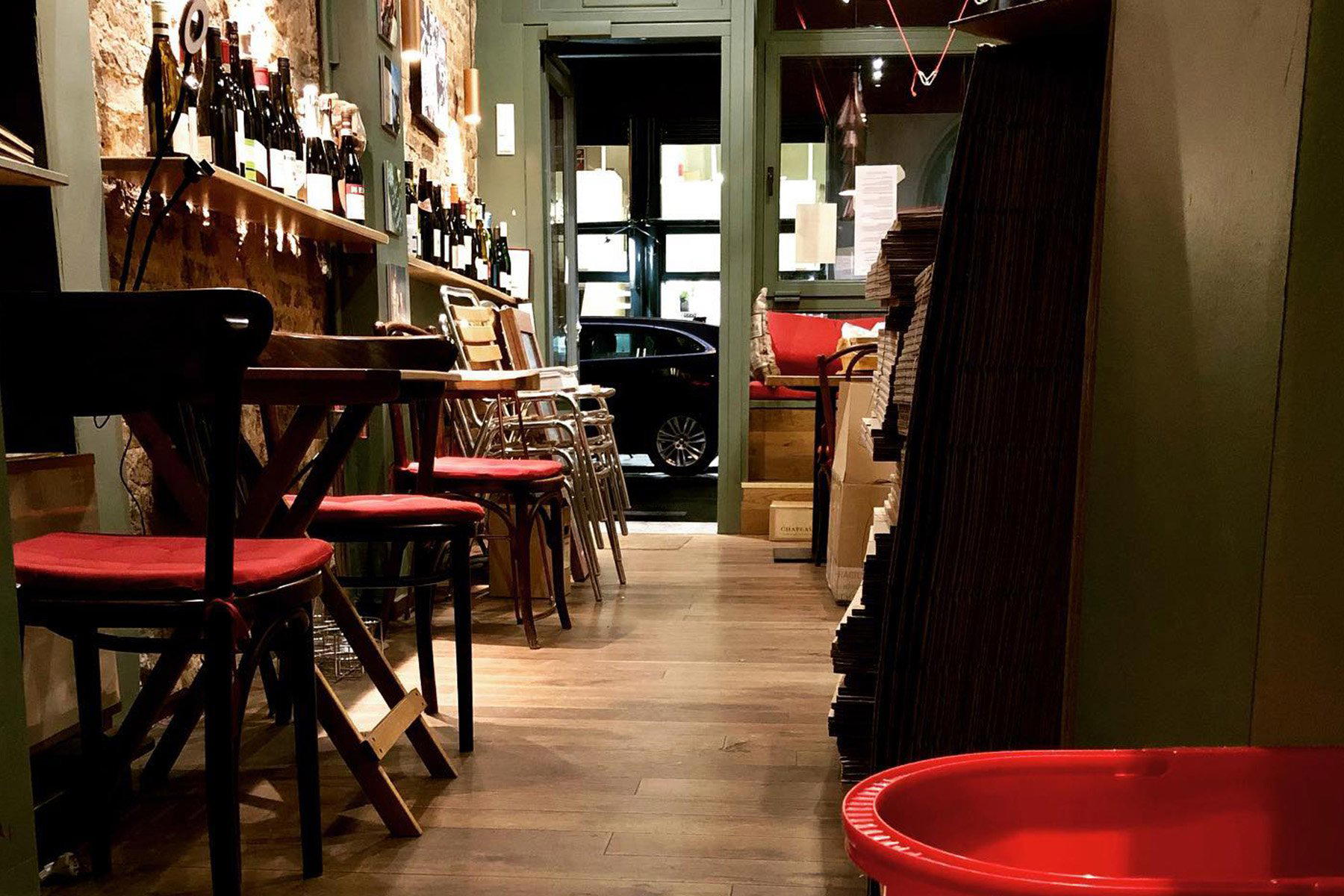
Bars in Cologne
Browse all →

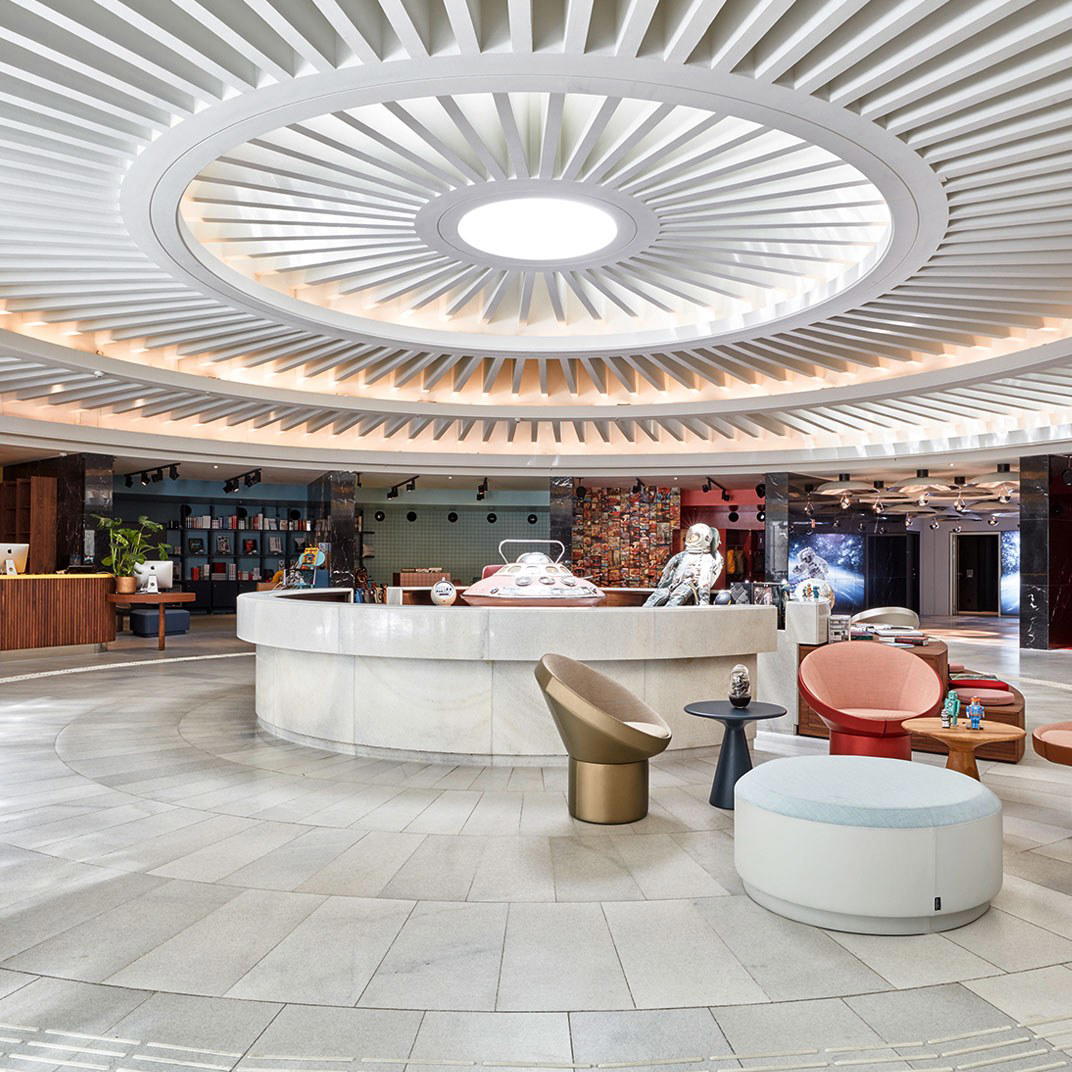
Hotels in Cologne
Browse all →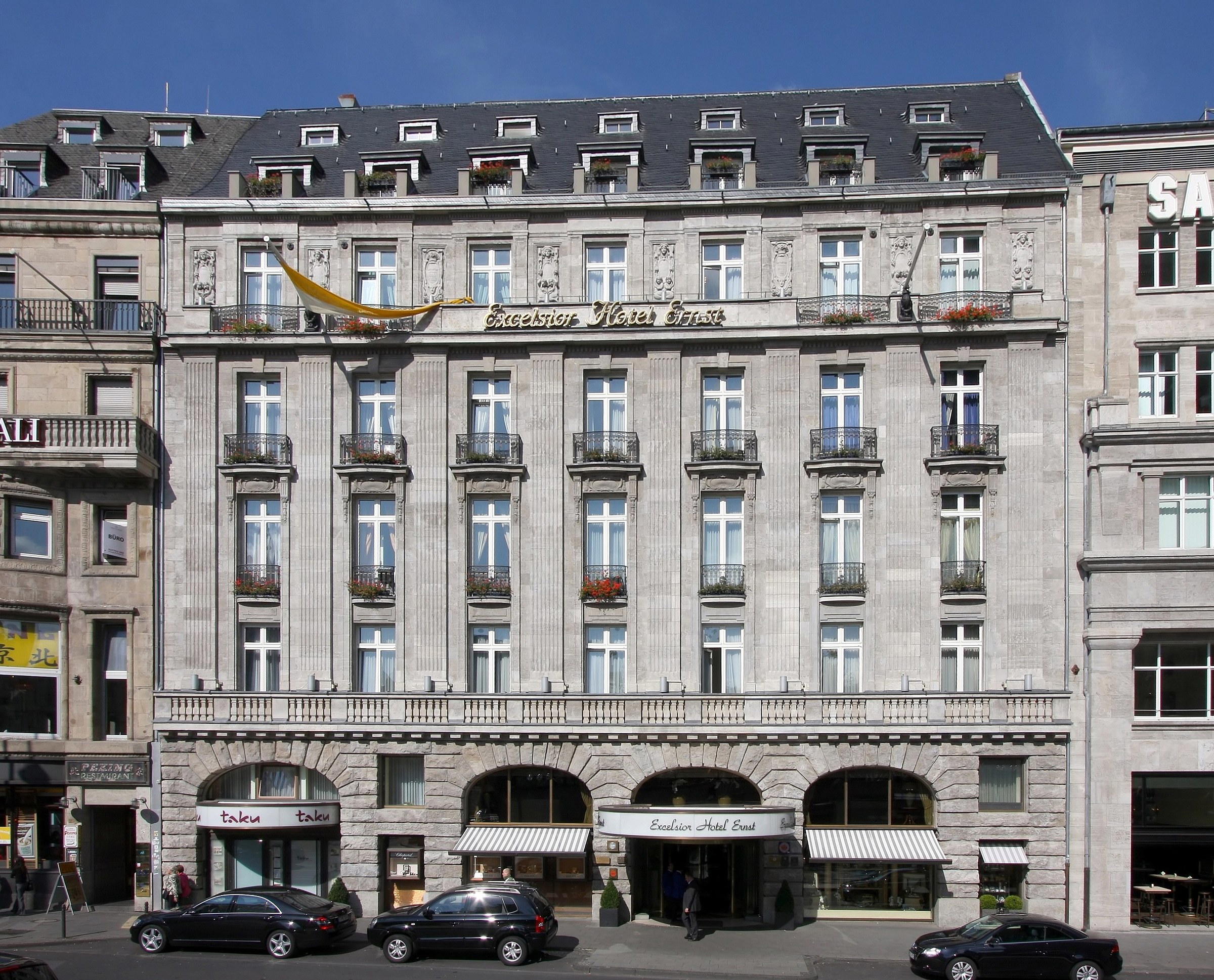

At a Glance
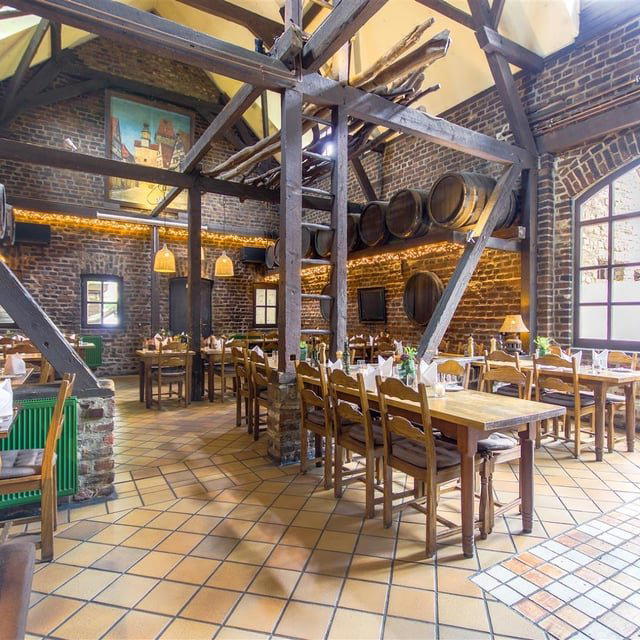
- Cozy
- Classic
- Rustic
- Casual Hangout
- Family
Current opening hours
- Monday
- 5–11 PM
- Tuesday
- 5–11 PM
- Wednesday
- 5–11 PM
- Thursday
- 5–11 PM
- Friday
- 5 PM–12 AM
- Saturday
- 5 PM–12 AM
- Sunday
- 5–11 PM
Hours can change for holidays and private events. Last verified .
Cozy and plain with a welcoming family atmosphere.