Ristorante D'amore sits on Deutz-Mülheimer Strasse in Cologne's Mülheim district, positioning itself within a city whose fine dining scene has grown increasingly confident over the past decade. The Italian name signals a point of difference from Cologne's dominant French and modern German current, placing it in a smaller niche of European kitchen traditions operating at the city's restaurant tier.
Pearl is the En Primeur Club membership app — saves, bookings, and concierge access live there. Same editors, same standards.
- Address
- Deutz-Mülheimer Str. 326, 51063 Köln, Germany
- Phone
- +4915255460888
- Website
- quandoo.de
- Directions
- Get directions
 Saves & bookings on Pearl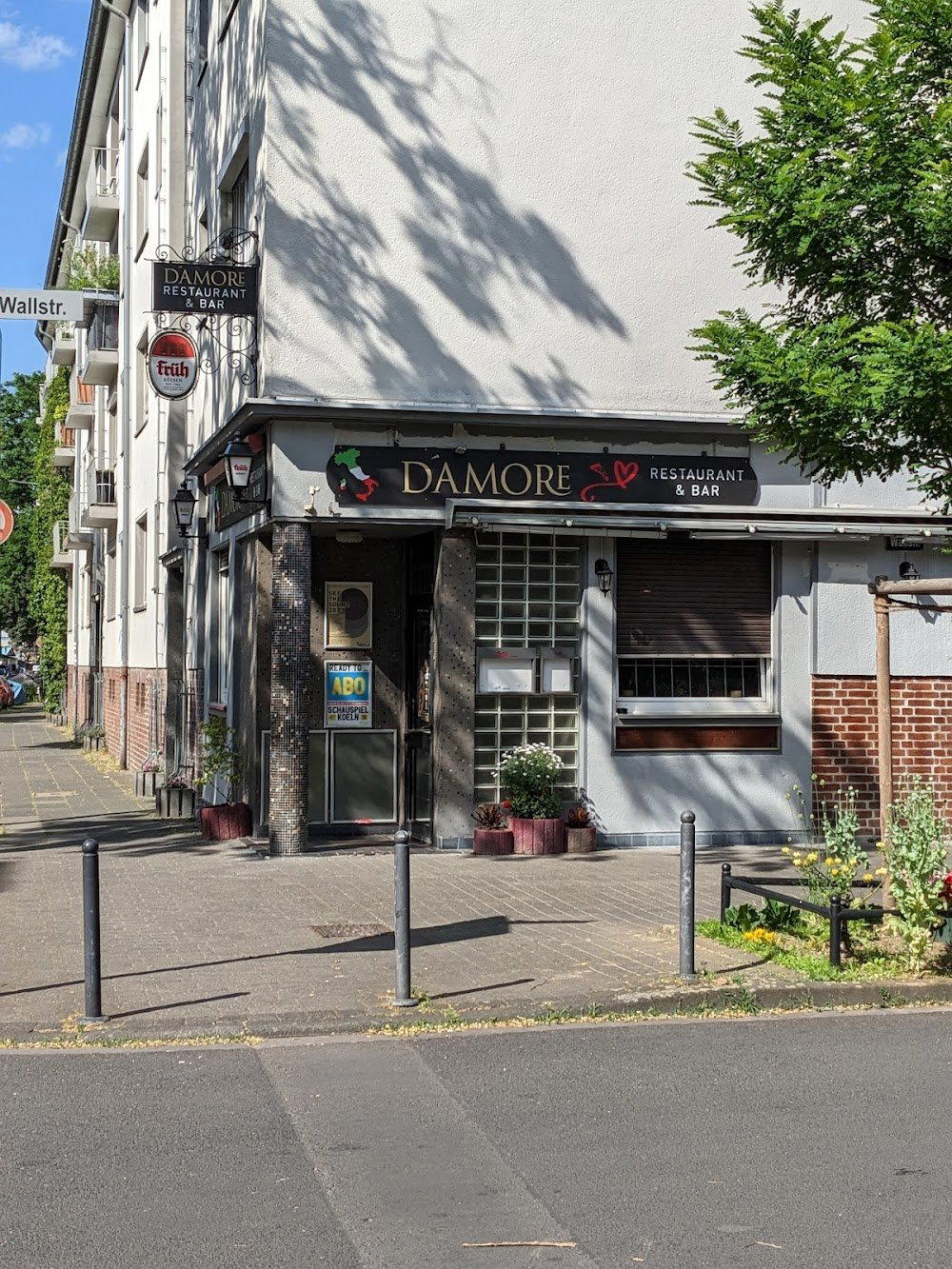
Mülheim and the Edge of Cologne's Dining Map
Cologne's serious restaurant culture has historically concentrated west of the Rhine, in districts like the Altstadt and the streets around Rudolfplatz where addresses such as Le Moissonnier Bistro and La Société have built durable reputations. The right bank, by contrast, has moved more slowly. Mülheim, once an industrial corridor running northeast along the Rhine, has seen incremental change without the wholesale gentrification that reshapes restaurant neighbourhoods overnight. Ristorante D'amore, at Deutz-Mülheimer Strasse 326, sits in that quieter current: far enough from the tourist circuit to attract a primarily local clientele, close enough to the river to benefit from the gradual eastward drift of Cologne's dining attention.
That positioning matters because it tells you something about the competitive set. On the right bank, the reference points are not the Michelin-starred rooms of Ox & Klee or the tightly curated modernism of maiBeck. The audience expects something more grounded, more neighbourhood-scaled. An Italian name in this context is less a statement of ambition than a declaration of intent: this is a place that trades on familiarity and regularity rather than occasion dining.
Where Italian Fits Inside Germany's Wine Conversation
The editorial angle worth following at any restaurant calling itself Italian in Germany is the wine list. Italian wine in Germany sits in an interesting position. German restaurant cellars built their reputations on French foundations, Burgundy, Bordeaux, Alsace, and the sommelier culture that emerged from establishments like Vendôme in Bergisch Gladbach or Waldhotel Sonnora in Dreis was shaped by that Franco-centric inheritance. Italian wine, for much of the 1990s and 2000s, occupied a supporting role in German fine dining cellars rather than the headline position.
That has shifted. Barolo and Barbaresco from serious Langhe producers now command prices and prestige that position them alongside Burgundy Premier and Grand Cru. Super-Tuscans from the Bolgheri coast, which were novelty exports two decades ago, have settled into a recognised luxury tier. Meanwhile, the rediscovery of regional Italian variety, Nerello Mascalese from Etna, Aglianico from Campania, Vermentino from Sardinia, has given wine-literate diners a depth of choice that the Italian cellar section of a decade ago could not have provided. A restaurant in Cologne with a genuine commitment to Italian wine today has raw material that simply did not exist at this quality or breadth in earlier generations of the trade.
What differentiates a serious Italian cellar from a perfunctory one in this context is not the presence of Amarone or Brunello, those are table stakes, but whether the list moves south and east of Tuscany and Piedmont. Fiano di Avellino, Etna Bianco, Cerasuolo d'Abruzzo: these are the wines that signal a curator rather than a buyer. Restaurants in Germany that have committed to this breadth of Italian coverage tend to sit in a distinct niche, one that the broader market has been slow to follow. Ristorante D'amore presents Neapolitan Pizza in Cologne's Mülheim district, with a casual dress code, reservations recommended, and an average price of about $20 per person.
The Cologne Fine Dining Frame
Understanding where Ristorante D'amore sits requires a working map of how Cologne's restaurant tier stratifies. At the upper end, the city has produced addresses that benchmark against the wider German fine dining conversation. Ox & Klee and La Cuisine Rademacher occupy the progressive modern European register. Germany's broader three-star circuit includes destinations like Aqua in Wolfsburg, Schwarzwaldstube in Baiersbronn, and Victor's Fine Dining by Christian Bau in Perl, all of which set the ceiling against which city-based restaurants are implicitly measured.
Cologne's Italian offer sits well below that ceiling, and that is not a criticism. The city's Italian restaurants, broadly speaking, operate as neighbourhood anchors rather than occasion venues. The comparison set is closer to the reliable trattoria model than the refined tasting-menu format that JAN in Munich or CODA Dessert Dining in Berlin represent in their respective cities. Ristorante D'amore's Mülheim address supports this reading: the neighbourhood calls for consistency and value-for-money over culinary theatre.
That said, the Italian restaurant category in German cities has become more internally differentiated in recent years. The gap between a serious wine-led Italian room and a pasta-and-pizza neighbourhood staple has widened, driven partly by a more wine-educated local clientele and partly by increased access to quality Italian product through specialist importers. Restaurants that have moved into the more serious tier tend to signal it through the list before the kitchen: a considered by-the-glass programme, a cellar section that covers at least four Italian regions in depth, and a price point on premium bottles that reflects market reality rather than tourist-margin thinking. How an Italian restaurant in Cologne prices its Barolo tells you more about its ambitions than the menu does.
For comparison across Germany's broader Italian dining offer, the gap between neighbourhood and destination formats is visible in cities from Hamburg to Munich. Restaurant Haerlin in Hamburg and Schanz in Piesport represent the kind of cellar ambition that Italian-focused rooms in major cities are increasingly measured against, even when the cuisine category is different. The wine standard, in other words, is portable across kitchen traditions. For readers interested in how Cologne's dining scene positions itself within that national conversation, our full Cologne restaurants guide covers the city's key registers in more detail. Internationally, rooms like Le Bernardin in New York City and Atomix in New York City set the benchmark for how wine programmes amplify kitchen identity at the highest tier, providing useful reference points for what cellar ambition looks like when it is fully aligned with a restaurant's culinary direction. ES:SENZ in Grassau offers a further data point on how regional German fine dining handles the wine-kitchen integration question.
Know Before You Go
| Address | Deutz-Mülheimer Str. 326, 51063 Köln, Germany |
|---|---|
| District | Mülheim, right bank of the Rhine |
| Cuisine | Italian (confirmed by name; specific format not listed) |
| Price Range | not confirmed |
| Reservations | Reservations are recommended. |
| Hours | Mon: Closed; Tue: 4–10 PM; Wed: 4–10 PM; Thu: 4–10 PM; Fri: 4–10 PM; Sat: 4–9 PM; Sun: 2–9 PM |
| Phone | Not listed in available record |
A Tight Comparison
Comparable venues nearby, for context on price, style, and recognition.
| Venue | Cuisine | Price | Notes |
|---|---|---|---|
| Ristorante D'amoreThis venue — the venue you are viewing | Mülheim, Neapolitan Pizza | $$ | Not listed |
| Büdchen am Südpark | Marienburg, Neapolitan Pizza | $$ | Not listed |
| Spacca Napoli | Ehrenfeld, Neapolitan Pizza | $$ | Not listed |
| Totò e Peppino | Not listed | $$ | Neustadt/Nord, Neapolitan Pizza |
| Bar Trattoria Celentano | Not listed | $$ | Neustadt/Nord, Authentic Sicilian Italian Trattoria |
| Mevlana | Mülheim, Authentic Turkish Grill | $$ | Not listed |
Continue exploring
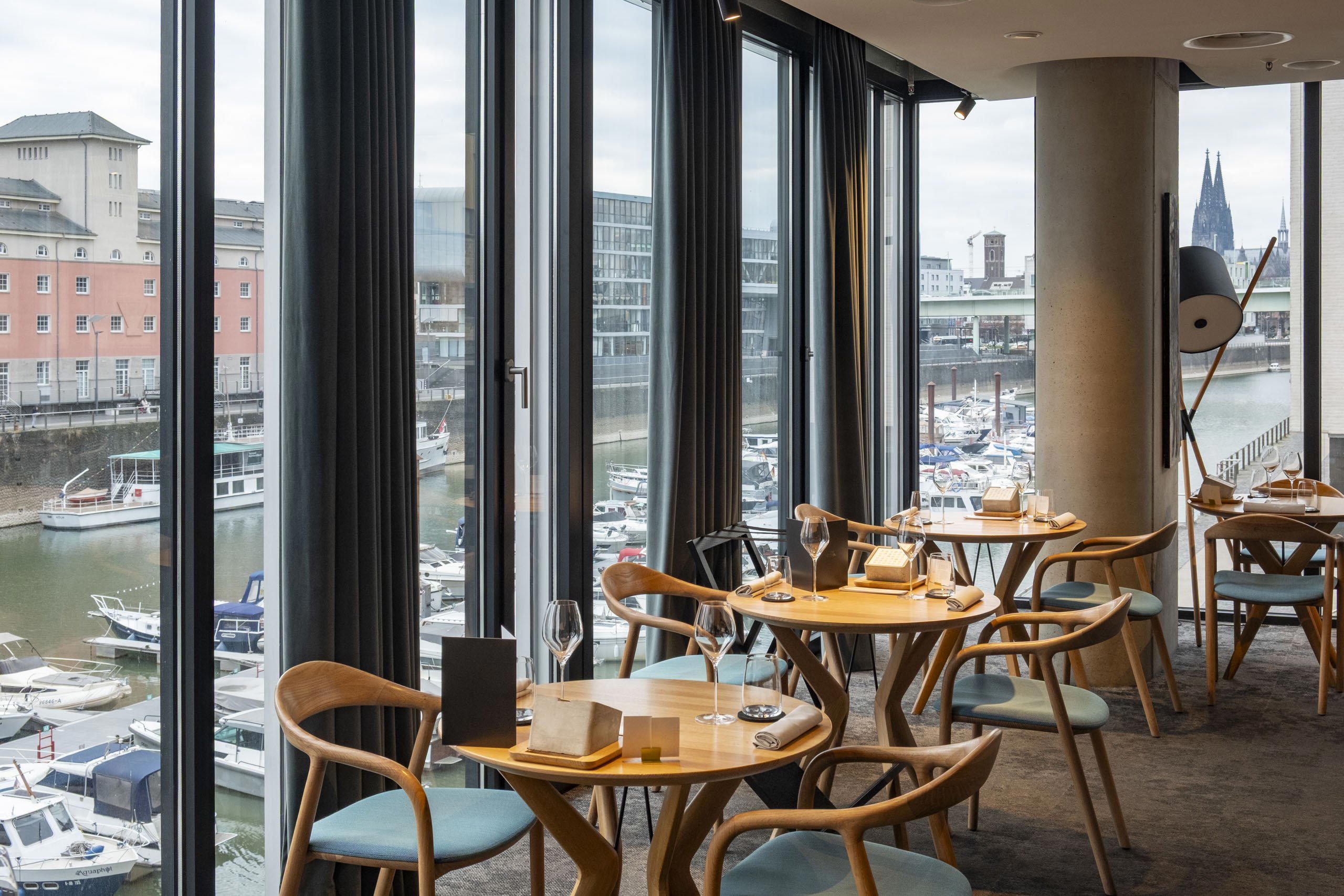
More in Cologne
Restaurants in Cologne
Browse all →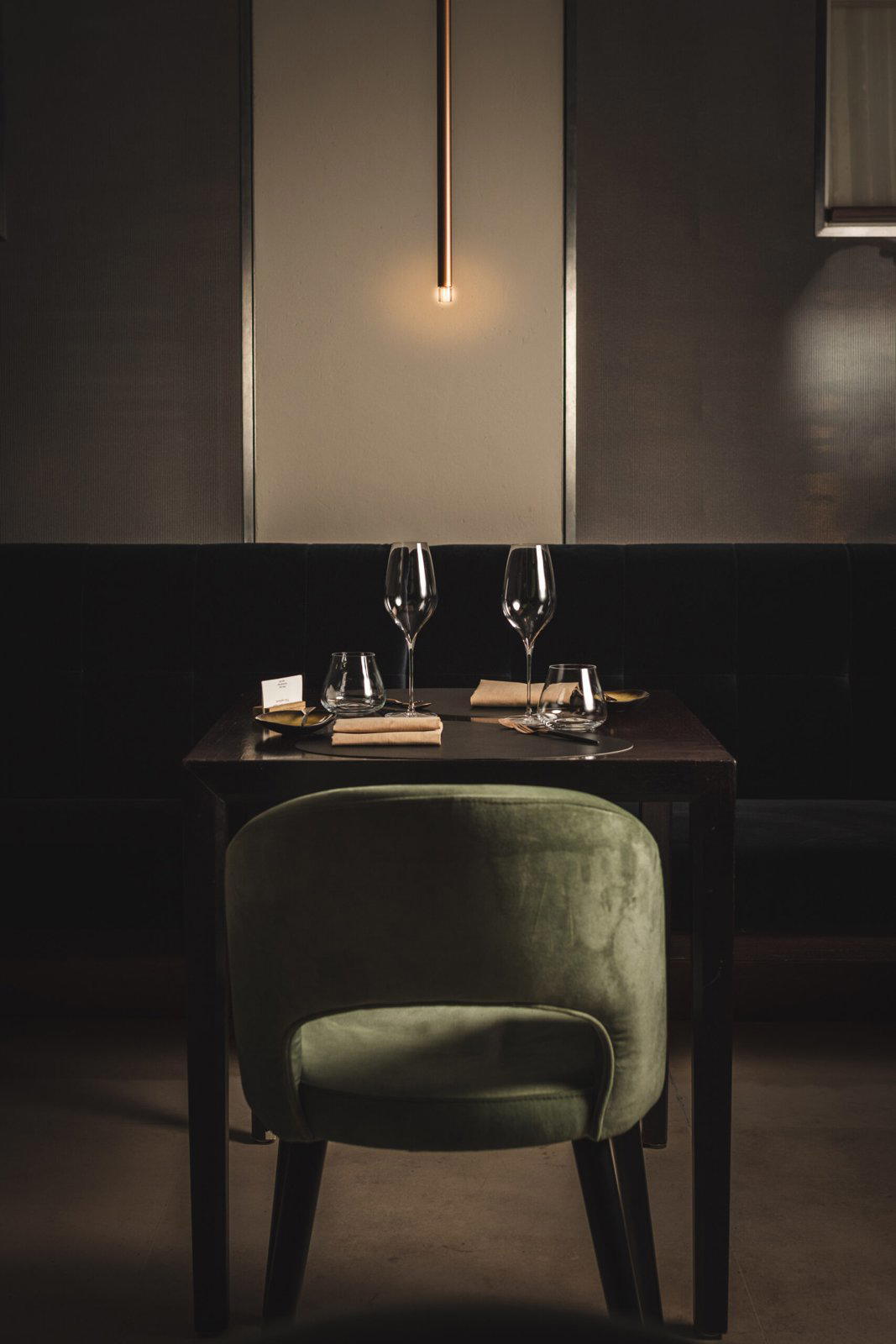
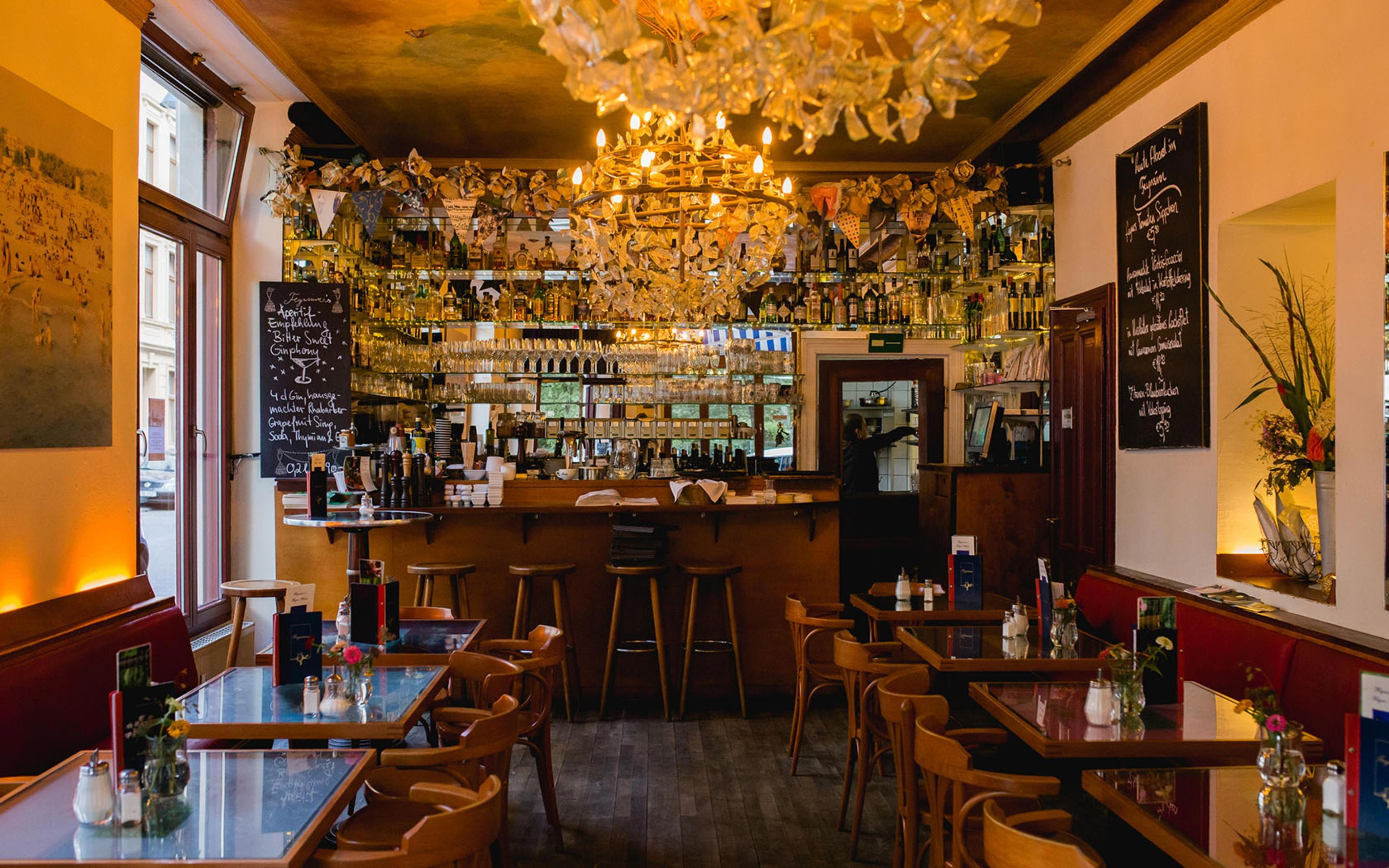
Bars in Cologne
Browse all →

Hotels in Cologne
Browse all →

At a Glance
- Cozy
- Casual
- Intimate
- Casual Hangout
- Family
- Group Dining
- Standalone
- Terrace
Current opening hours
- Monday
- Closed
- Tuesday
- 4–10 PM
- Wednesday
- 4–10 PM
- Thursday
- 4–10 PM
- Friday
- 4–10 PM
- Saturday
- 4–9 PM
- Sunday
- 2–9 PM
Hours can change for holidays and private events. Last verified .
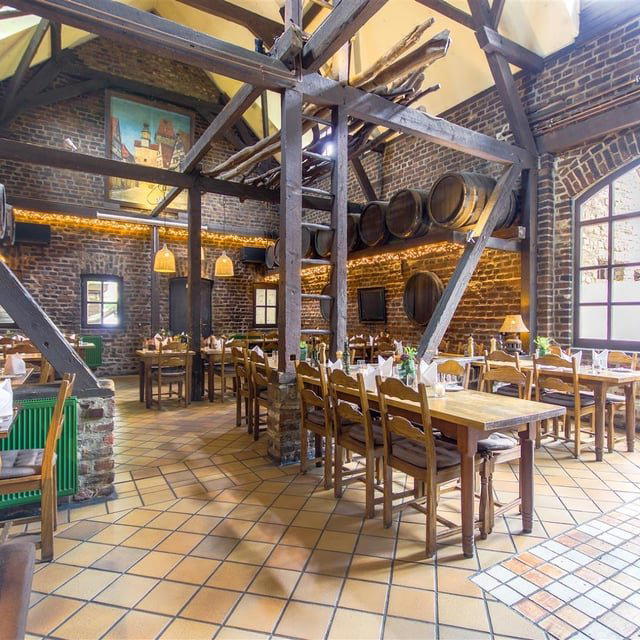
Warm and intimate with casual, family-friendly atmosphere in a converted historic corner pub setting.