Tortino
Tortino occupies a modest address on 11th Street NW in Washington, D.C.'s Shaw corridor, a neighborhood that has become one of the city's most active dining zones over the past decade. The restaurant draws from Italian culinary tradition and sits within a local scene that increasingly rewards focused, format-driven cooking over broad menus. Advance planning is advisable for evening seatings.
Pearl is the En Primeur Club membership app — saves, bookings, and concierge access live there. Same editors, same standards.
- Address
- 1228 11th St NW, Washington, DC 20001
- Phone
- +17712329619
- Directions
- Get directions
 Saves & bookings on Pearl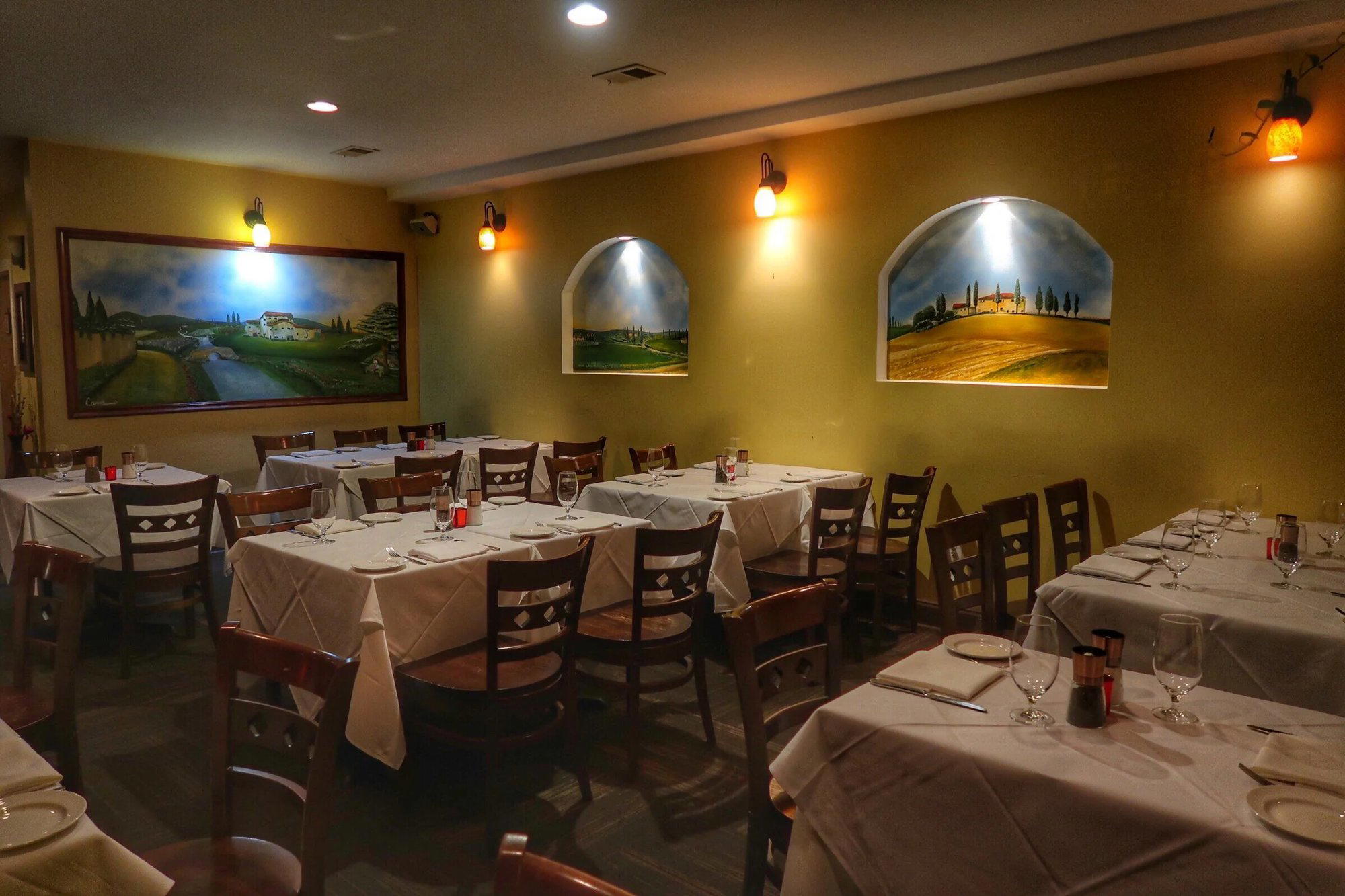
11th Street NW and the Shaw Dining Shift
Tortino is a restaurant in Washington, D.C. Shaw's transformation from a neighborhood with a handful of destination spots to one of Washington's most concentrated dining corridors happened gradually, then quickly. The stretch of 11th Street NW where Tortino sits at number 1228 reflects that arc: former retail and row-house storefronts now house kitchens, and the foot traffic on weekend evenings suggests the neighborhood has reached a kind of self-sustaining critical mass. Within that context, a restaurant drawing on Italian culinary tradition occupies a specific lane. Italian cooking in American cities has split decisively between casual red-sauce operations and more considered, ingredient-focused formats. Shaw's version of the latter category has grown alongside restaurants like Oyster Oyster, which applies a similarly disciplined lens to New American and sustainable-vegetarian cooking a short distance away.
What the Room Signals Before the Food Arrives
In cities where dining rooms do a lot of communicative work, the physical environment of a restaurant on a block like this one tends to set expectations before a menu appears. Shaw's newer wave of openings has generally favored spare interiors over maximalist design: exposed brick, warm lighting calibrated for conversation rather than spectacle, and service formats that read as attentive without being stiff. These are not accidental choices. They reflect a broader shift in how American fine-casual and mid-range restaurants position themselves, away from the theatrical dining-room gestures that defined an earlier generation and toward spaces where the cooking itself is asked to carry the room. The address and neighborhood context place it squarely within a cohort where that sensibility tends to dominate.
The sensory experience of eating in Shaw also benefits from the neighborhood's relative compactness. Unlike Penn Quarter or Georgetown, where restaurants contend with tourist foot traffic and the noise levels that come with it, 11th Street NW retains a neighborhood-scale rhythm. The ambient sound in dining rooms here tends toward the manageable side of lively, enough energy to feel like somewhere worth being on a Tuesday, not so much that conversation requires effort.
Italian Cooking in Washington's Current Moment
Washington's Italian restaurant scene has historically skewed toward the diplomatic corridor's old-guard trattorias and the Georgetown standbys that predate the current era of chef-driven programming. The past five years have introduced a different register: kitchens where Italian technique is applied with the same seriousness that the city's most discussed restaurants bring to French, Korean, and Peruvian formats. Causa represents what that level of focus looks like through a Peruvian lens; Albi does the same for Middle Eastern cooking. The question Tortino implicitly answers is what an Italian-leaning kitchen looks like when placed in that same current of ambition.
Italian culinary tradition is capacious enough to support multiple approaches simultaneously. At one end, pasta programs built around daily-made dough and regional specificity (the difference between a Roman cacio e pepe and a Bolognese ragu is not just a recipe swap, it's a different set of cultural assumptions about fat, starch, and restraint). At the other, Italian-influenced cooking that uses the tradition as a set of loose coordinates rather than a strict map. Particularly interesting Italian restaurants in American cities right now tend to operate in the space between those poles: technically grounded, regionally literate, but not museum-piece reverent. Restaurants like 8 1/2 Otto e Mezzo Bombana have demonstrated internationally what disciplined Italian cooking can look like at the highest tier. Domestically, the benchmark for Italian-influenced fine dining in terms of structural ambition is set by kitchens operating within the same general category as The French Laundry or Le Bernardin, not as direct competitors, but as reference points for what format discipline and ingredient sourcing can mean in practice.
Washington specifically has several restaurants demonstrating what format-driven ambition looks like at the summit of the local market. Jônt and minibar operate at the tasting-menu tier with fixed formats and significant advance booking requirements. The Inn at Little Washington sits slightly outside the city but pulls serious diners out of D.C. regularly. Tortino occupies a different position in this map: a neighborhood-scale operation rather than a destination-format restaurant, serving a regular clientele alongside visitors who discover it through the Shaw corridor's increasing draw.
Where Tortino Fits in D.C.'s Italian Tier
D.C.'s Italian options have expanded considerably, but the mid-tier, below the prix-fixe ambition of something like Addison in San Diego or Lazy Bear in San Francisco, but above the neighborhood pizza-and-pasta baseline, remains contested territory. This is the segment where a focused, well-sourced Italian kitchen can find a durable audience. The comparison set locally includes operations with similar price signals to Causa and Oyster Oyster. Tortino's price sits around $40 per person, which helps place it within the corridor's accessible midrange.
For readers building a D.C. itinerary around Italian cooking specifically, Tortino's 11th Street NW location places it within easy reach of the corridor's other serious kitchens. A multi-night visit could reasonably include Tortino alongside Oyster Oyster for contrast in format and sourcing philosophy, and Albi for a different register of neighborhood-anchored ambition.
Planning Your Visit
Where It Fits
Comparable venues nearby, for context on price, style, and recognition.
| Venue | Cuisine | Price | Notes |
|---|---|---|---|
| TortinoThis venue — the venue you are viewing | Authentic Northern Italian | $$ | Not listed |
| Floriana | Northern Italian Handmade Pasta | $$ | Dupont Circle |
| Menomale | Authentic Neapolitan Pizza & Italian | $$ | Brookland |
| DuPont Italian Kitchen | Classic Italian Trattoria | $$ | Dupont Circle |
| La Tomate | Regional Italian Bistro | $$ | Dupont Circle |
| Al Dente | Modern Italian with Neapolitan Pizza | $$ | Wesley Heights |
Continue exploring
More in Washington DC
Restaurants in Washington DC
Browse all →
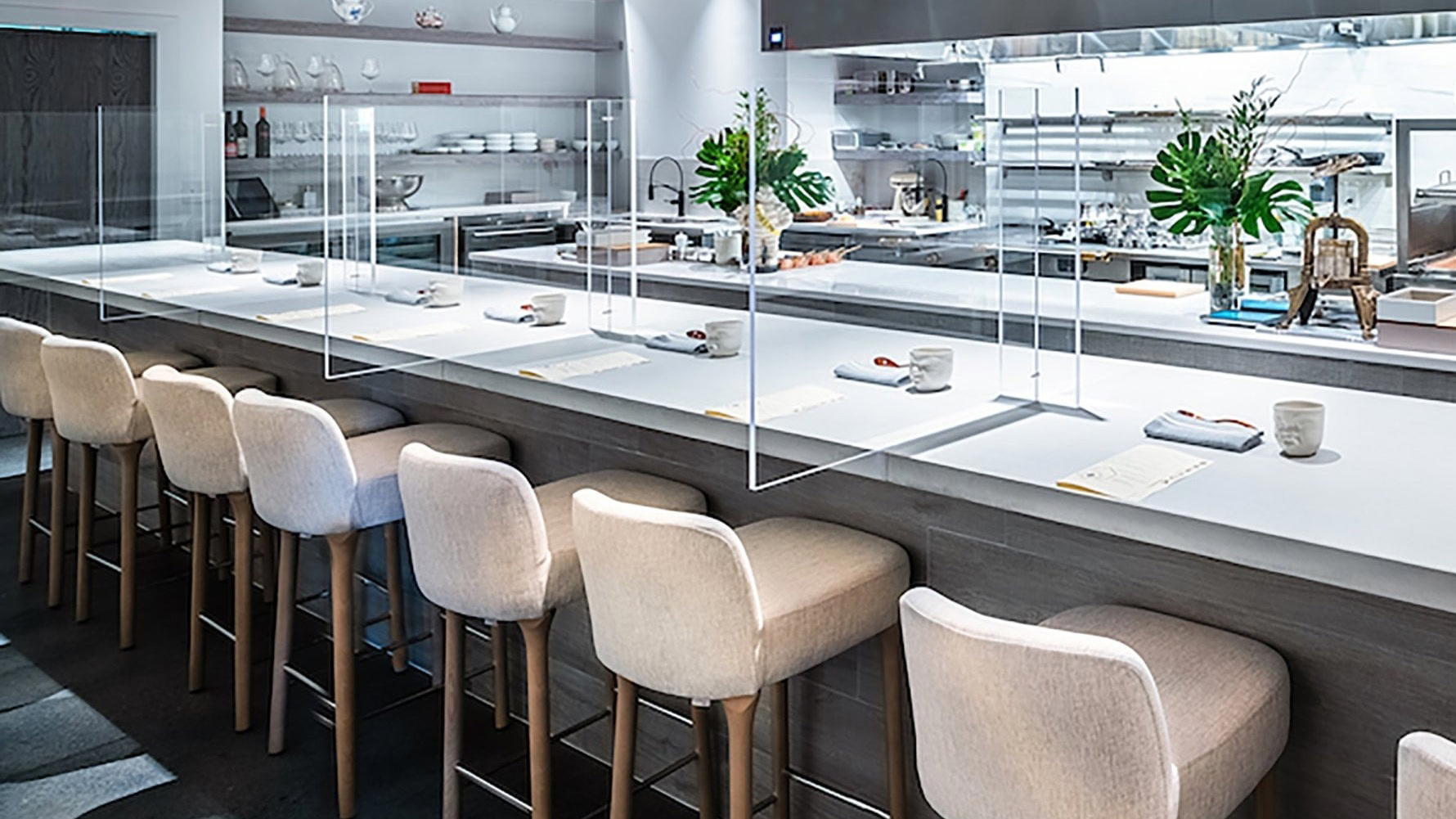
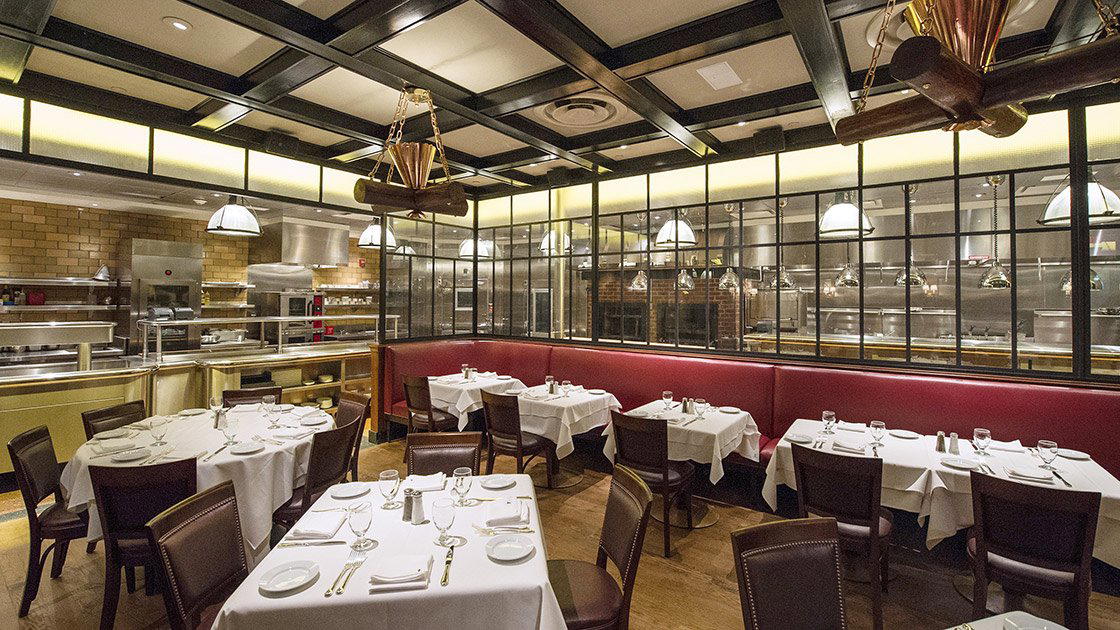
Bars in Washington DC
Browse all →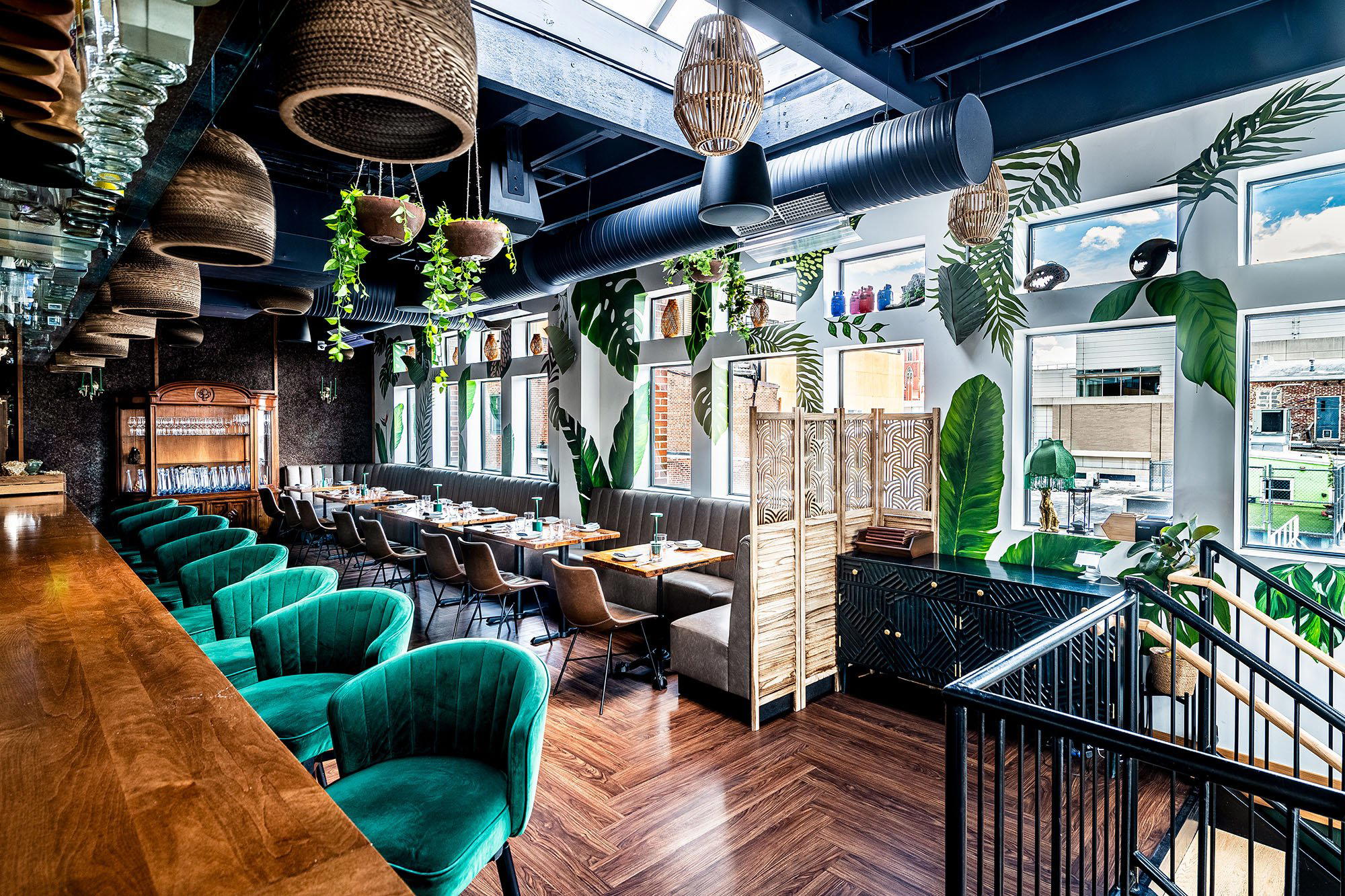
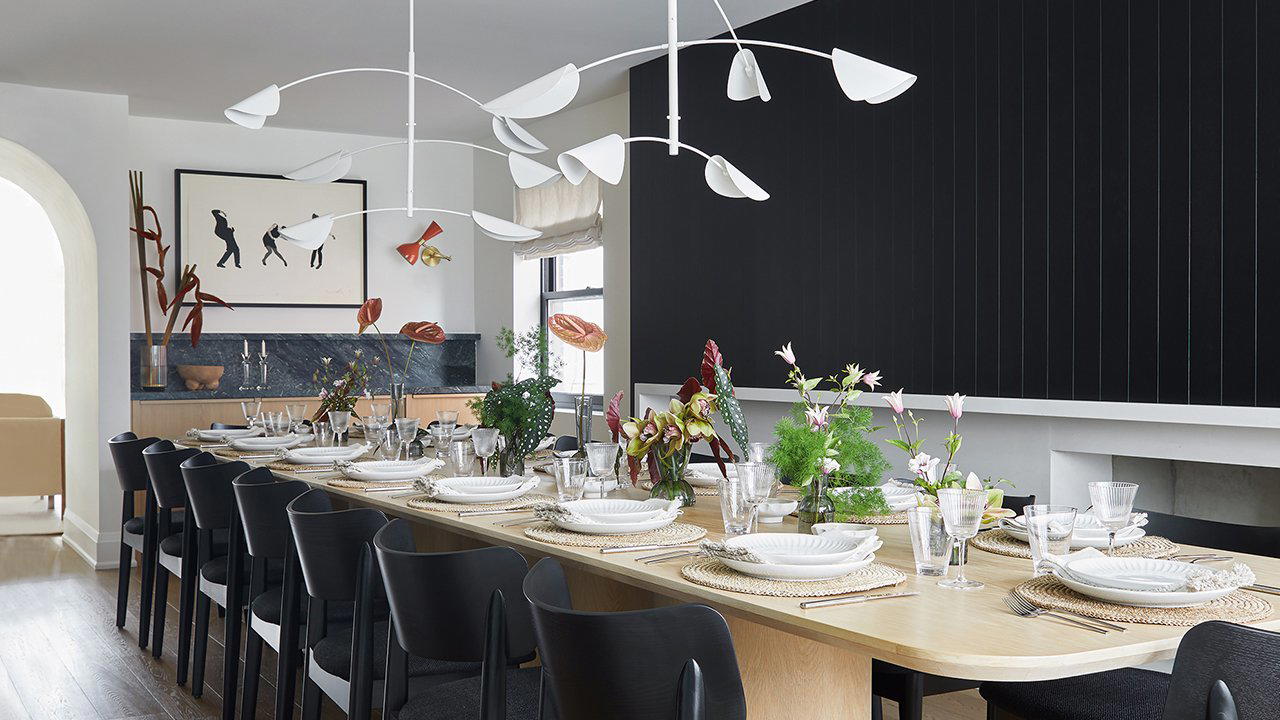
Hotels in Washington DC
Browse all →

At a Glance
- Cozy
- Romantic
- Classic
- Date Night
- Casual Hangout
- Special Occasion
- Open Kitchen
- Extensive Wine List
- Craft Cocktails
Current opening hours
- Monday
- 5–10 PM
- Tuesday
- 5–10 PM
- Wednesday
- 11 AM–2:30 PM, 5–10 PM
- Thursday
- 11 AM–2:30 PM, 5–10 PM
- Friday
- 11 AM–2:30 PM, 5–10:30 PM
- Saturday
- 11 AM–2:30 PM, 5–10:30 PM
- Sunday
- 11 AM–2:30 PM, 5–10 PM
Hours can change for holidays and private events. Last verified .
Cozy and welcoming atmosphere with comfortable seating, well-suited for relaxed dining.