Toro by Chef Richard Sandoval
Toro by Chef Richard Sandoval operates from a prominent address at 200 N Columbus Drive in Chicago's Loop, where the kitchen draws on the chef's Latin American culinary roots and applies them through contemporary technique. The result is a dining format that sits comfortably in Chicago's mid-to-upper tier without chasing the tasting-menu orthodoxy that defines nearby Michelin-tracked rooms. A reliable choice for visitors to the Millennium Park corridor.
Pearl is the En Primeur Club membership app — saves, bookings, and concierge access live there. Same editors, same standards.
- Address
- 200 N Columbus Dr, Chicago, IL 60601
- Phone
- +13125656644
- Website
- torochicago.com
- Directions
- Get directions
 Saves & bookings on Pearl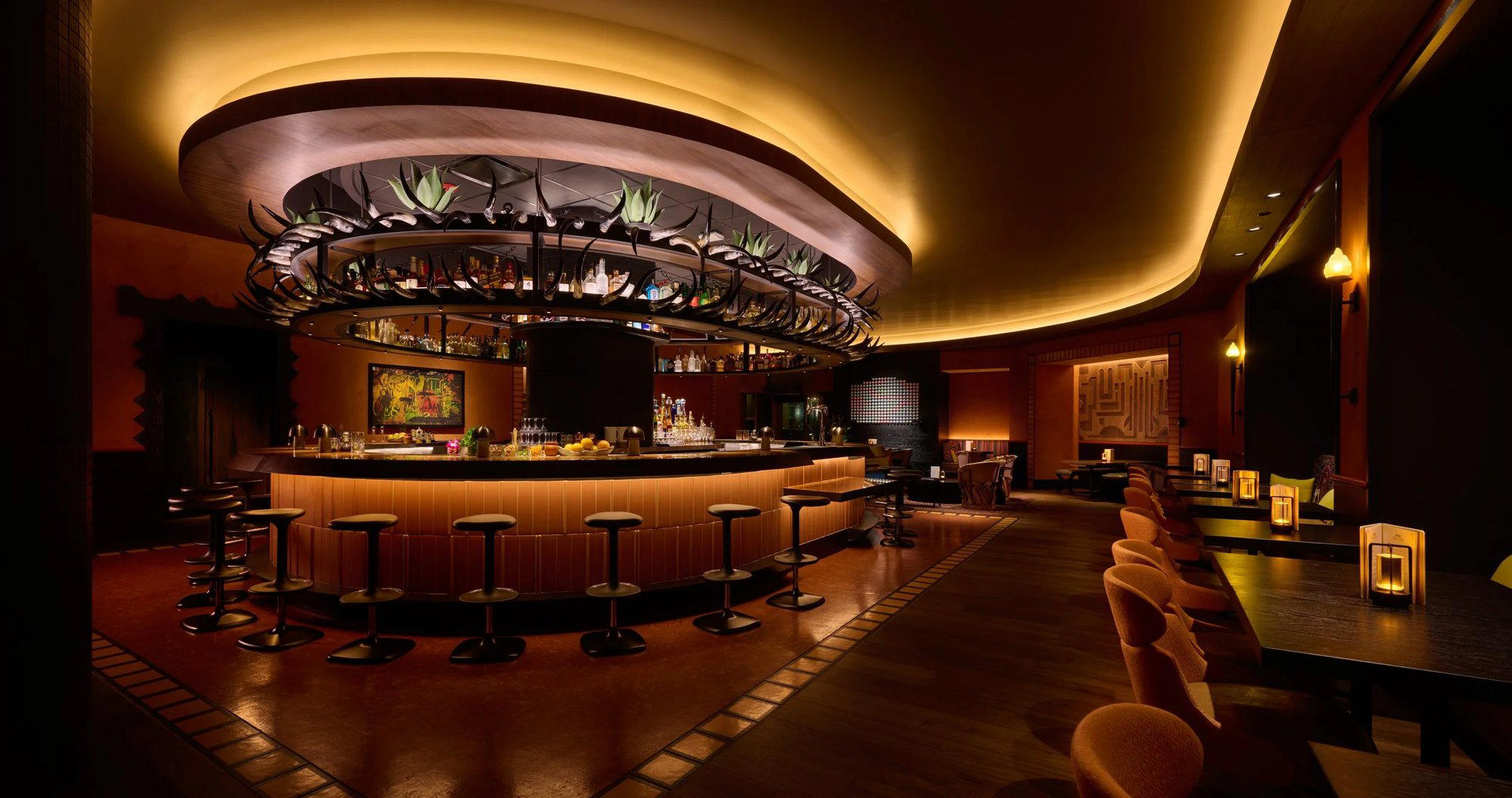
Latin American Technique in the Chicago Loop
Chicago's dining map has long been divided between two poles: the progressive American tasting-menu circuit anchored by rooms like Alinea, Smyth, and Oriole, and the broader, more accessible field of cuisine-specific restaurants that serve the city's mixed residential and tourist dining demand. Toro by Chef Richard Sandoval occupies a considered position in that second category, at 200 N Columbus Drive in the Loop, within the Millennium Park corridor that draws both hotel guests and office workers looking for something beyond the standard steakhouse grid.
Richard Sandoval is a chef whose career trajectory is useful context here. He built a multi-unit Latin American restaurant group across the United States and internationally, with kitchens that typically apply classical or contemporary European technique to ingredients and flavour traditions rooted in Mexico, Peru, and broader Latin America. Toro Chicago follows that operating logic. The venue name itself references the toro bull, a recurring symbol in Sandoval's brand language, and positions the kitchen inside a Latin-influenced framework rather than a single-country format.
Where Global Method Meets Regional Tradition
The more interesting editorial question with a concept like Toro is how imported culinary method interacts with the specific ingredient context of the American Midwest. Chicago sits at a geographical crossroads that gives it access to Great Lakes fish, Illinois grain, and seasonal produce from surrounding agricultural counties, alongside a strong import infrastructure through O'Hare and the city's wholesale markets. Restaurants in the Loop and River North that operate with a Latin American identity have, over the past decade, increasingly moved toward sourcing local proteins and produce and running them through the marinades, braises, ceviches, and high-heat grill formats that define the broader category.
This approach has parallels elsewhere in American fine dining. Le Bernardin in New York City has long demonstrated how French classical discipline can be applied to American-caught seafood with precise results. Lazy Bear in San Francisco and Single Thread Farm in Healdsburg show how hyper-regional sourcing becomes a statement in itself when the kitchen technique is strong enough to let the ingredient lead. The logic at Toro is directionally similar: Latin American flavour architecture applied to whatever the Midwest supply chain makes available at a given point in the year.
For Chicago diners accustomed to the Filipino-rooted format at Kasama or the evolving American menus at Next Restaurant, Toro represents a different register entirely: less conceptually driven, more directly pleasurable, and positioned for guests who want a complete dinner rather than an event.
The Sandoval Format and Its comparable set
Sandoval's restaurant group operates properties in markets ranging from Las Vegas and Denver to Mexico City, which places Toro Chicago inside a multi-unit hospitality model rather than the independent single-chef rooms that tend to attract award attention. This distinction matters for setting expectations. The kitchen is not structured around a single culinary auteur developing a personal vocabulary over years; it operates within a tested format with central menu development and consistent execution standards across locations.
That model has clear precedents in American dining. Emeril's in New Orleans built a comparable multi-property structure around a named chef, as did concepts associated with other celebrity-adjacent culinary brands. The trade-off is predictability in exchange for the intensity that comes from a kitchen deeply embedded in one specific place. For a venue positioned on Columbus Drive, steps from Millennium Park and the lakefront, that predictability is an asset. The guest demographic here skews toward visitors, hotel guests, and event-adjacent diners for whom consistency matters as much as novelty.
In this respect, Toro Chicago contrasts with the destination rooms that draw food-forward travellers specifically for the cuisine. The French Laundry in Napa, Providence in Los Angeles, and Blue Hill at Stone Barns in Tarrytown operate as culinary destinations in their own right. Toro is something structurally different: a well-executed genre restaurant in a high-footfall location, with the credibility of a named chef behind it.
Location and the Loop Dining Context
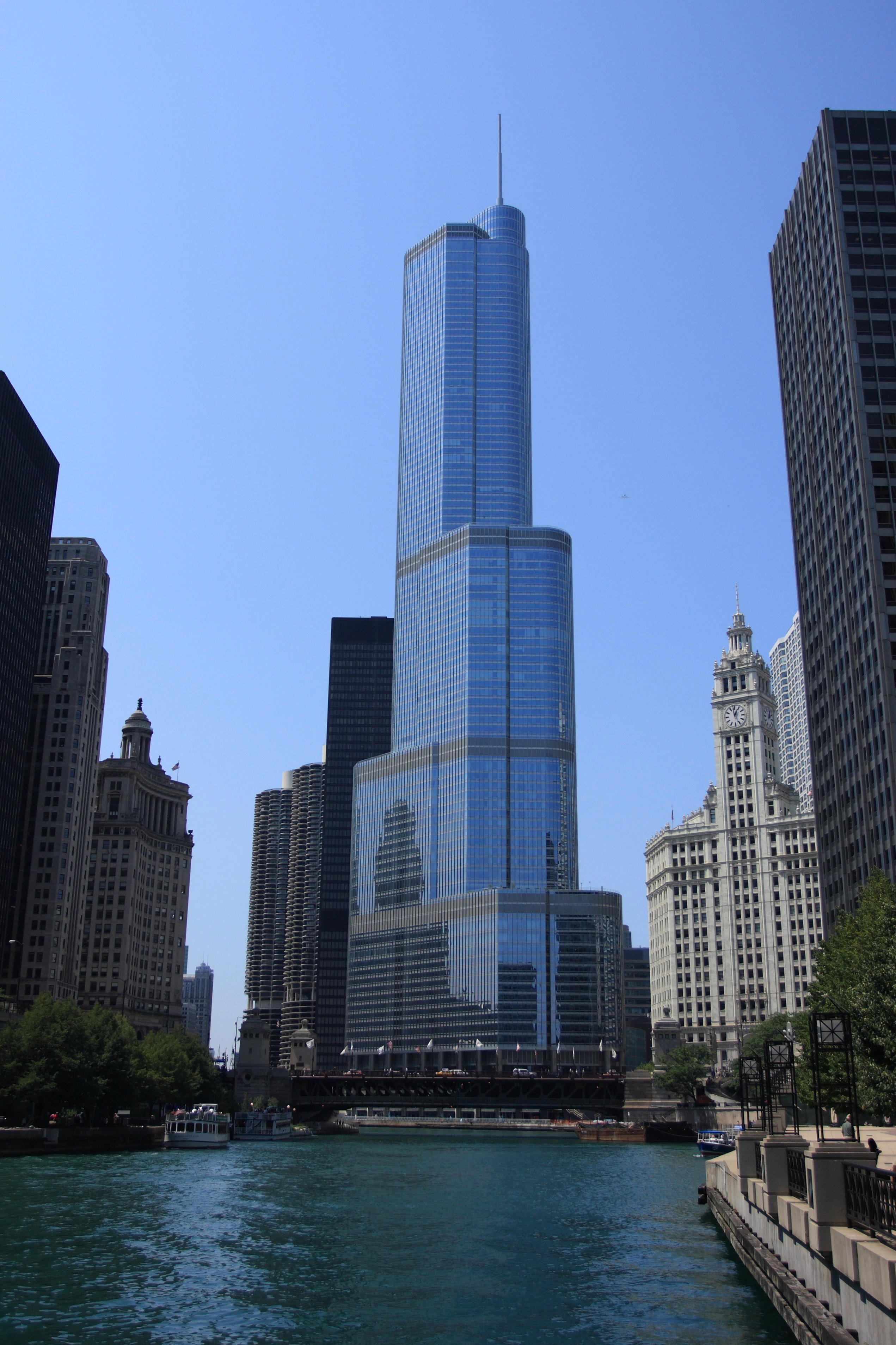
The address at 200 N Columbus places Toro inside one of Chicago's most visited tourist corridors. The Art Institute sits within walking distance to the south; Millennium Park and the lakefront are immediately accessible. Hotels along this stretch include several of the city's larger convention and leisure properties, which shapes the rhythm of the dining room considerably. Weeknight covers will skew toward corporate and conference guests; weekends pull in a broader leisure crowd and hotel residents who want a complete dinner without venturing into River North or the West Loop.
The comparable rooms in other major American markets, from Addison in San Diego to Bacchanalia in Atlanta and The Inn at Little Washington, each show how regional location shapes what a named-chef concept can become. In Chicago, the Loop address puts Toro in conversation with a specific kind of diner rather than with the city's most critically tracked kitchens.
Internationally, the question of how Latin-influenced fine dining performs in non-Latin cities is answered differently depending on the market. Atomix in New York City shows what happens when a chef deeply embedded in a single culinary tradition brings that tradition to a new city with full commitment. 8 1/2 Otto e Mezzo Bombana in Hong Kong is another reference point for how European culinary training transplants into a market where the ingredient supply and the guest base are both different from the origin context. Toro operates in a less extreme version of that dynamic, but the underlying question is the same.
Planning a Visit
Toro by Chef Richard Sandoval is located at 200 N Columbus Drive, Chicago, IL 60601, in the Millennium Park area of the Loop. The venue is within easy reach of the CTA's Randolph/Wabash and Monroe stops, and the lakefront parking infrastructure serves drivers arriving from outside the city. Given the hotel-dense surroundings, the reservation cadence is likely to follow peak tourism seasons, with summer months and major convention weeks generating higher demand.
Category Peers
Comparable venues nearby, for context on price, style, and recognition.
| Venue | Cuisine | Price | Notes |
|---|---|---|---|
| Toro by Chef Richard SandovalThis venue — the venue you are viewing | Pan-Latin Cuisine Without Borders | $$$ | Not listed |
| Carnivale | Latin Fusion | $$$ | West Loop |
| The Evie | Modern American Steakhouse with Sushi | $$$ | Magnificent Mile |
| The 101 Rooftop | Mediterranean-Inspired American Rooftop | $$$ | Streeterville |
| Viaggio Restaurant Chicago | Authentic Italian Pasta | $$$ | West Loop |
| The Bristol | Contemporary American Gastropub | $$$ | Bucktown |
At a Glance
- Lively
- Energetic
- Elegant
- Sophisticated
- Date Night
- Group Dining
- Celebration
- Special Occasion
- After Work
- Live Music
- Hotel Restaurant
- Open Kitchen
- Craft Cocktails
- Extensive Wine List
- Local Sourcing
Current opening hours
- Monday
- 7 AM–12 AM
- Tuesday
- 7 AM–12 AM
- Wednesday
- 7 AM–12 AM
- Thursday
- 7 AM–12 AM
- Friday
- 7 AM–12 AM
- Saturday
- 7 AM–12 AM
- Sunday
- 7 AM–12 AM
Hours can change for holidays and private events. Last verified .
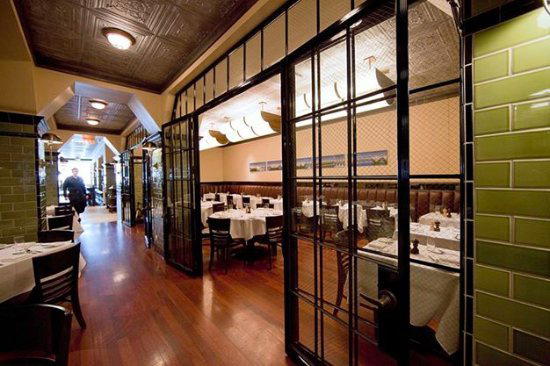
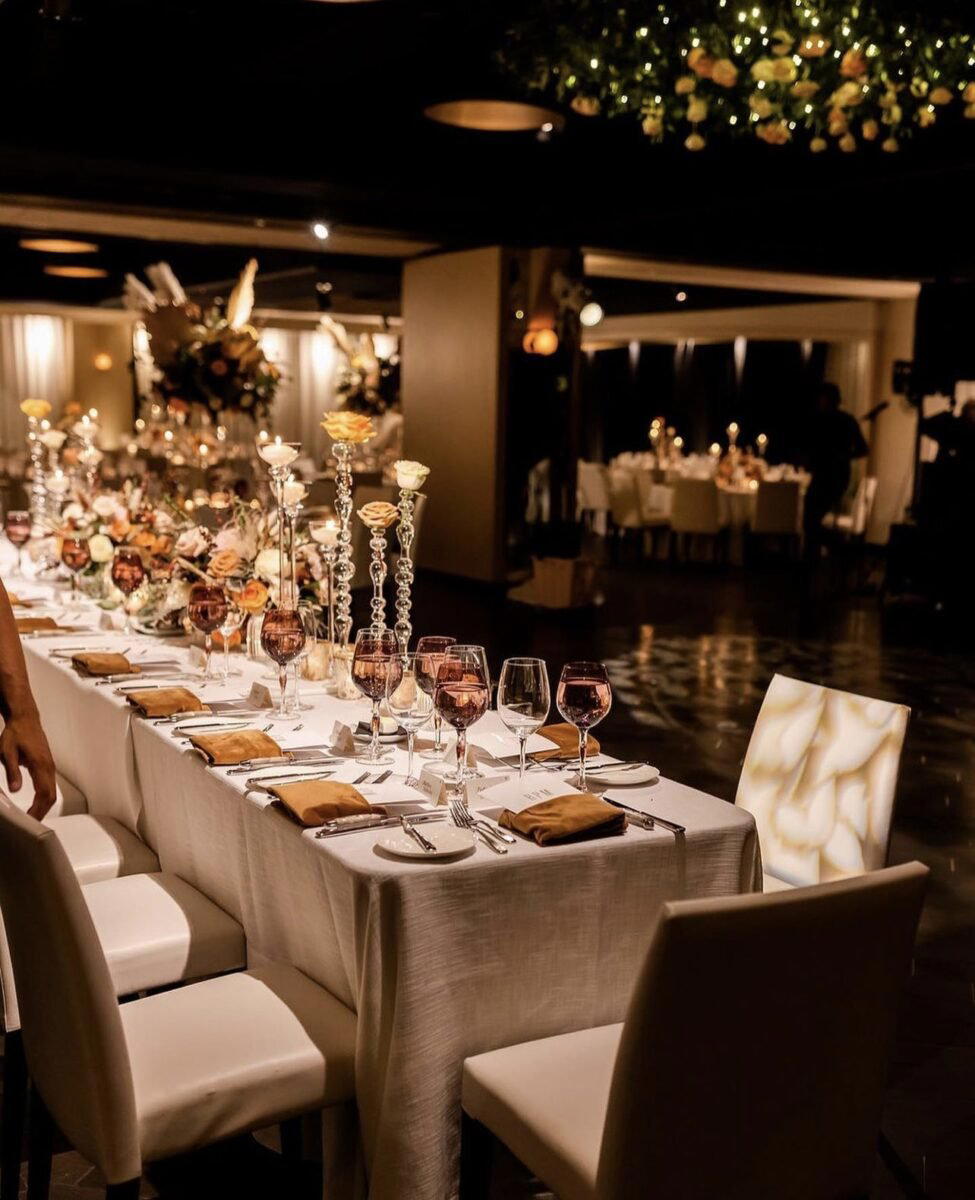
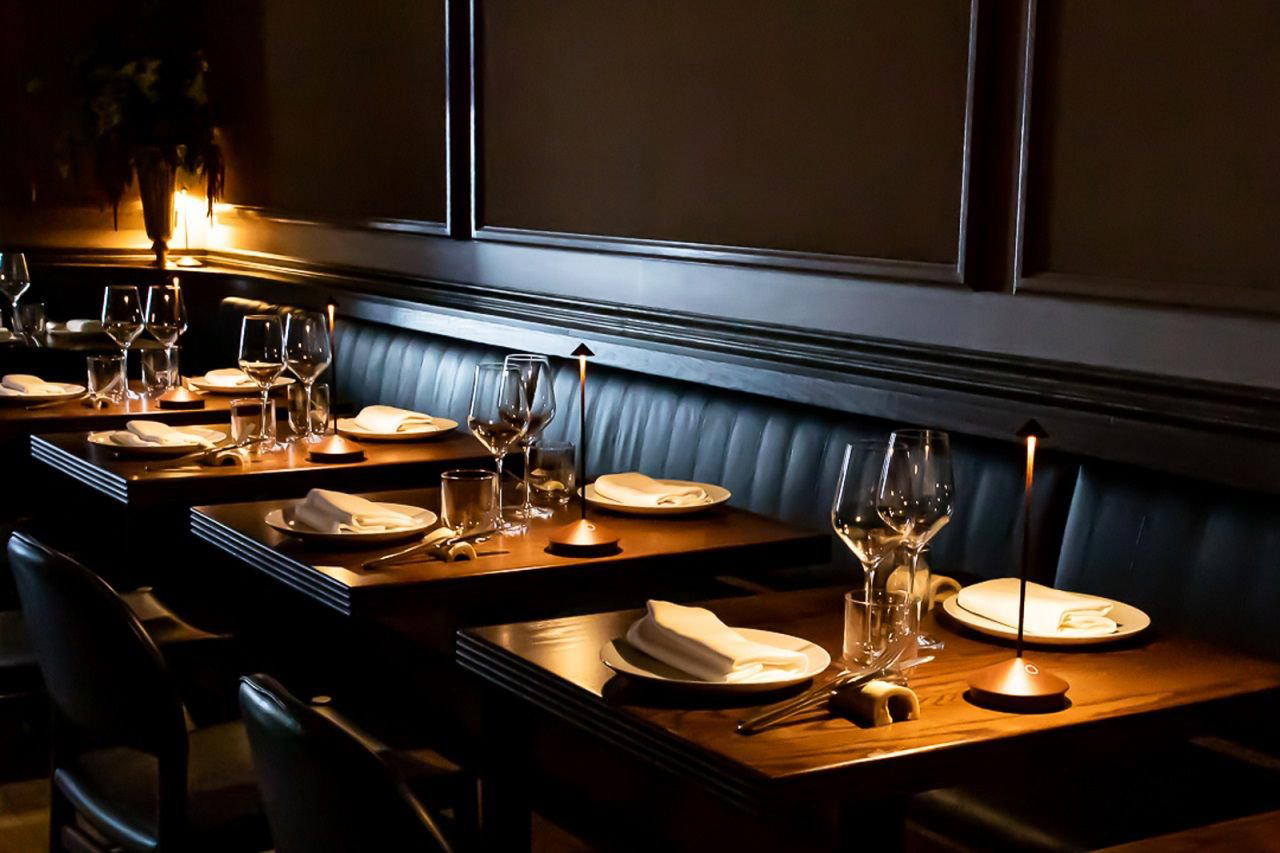
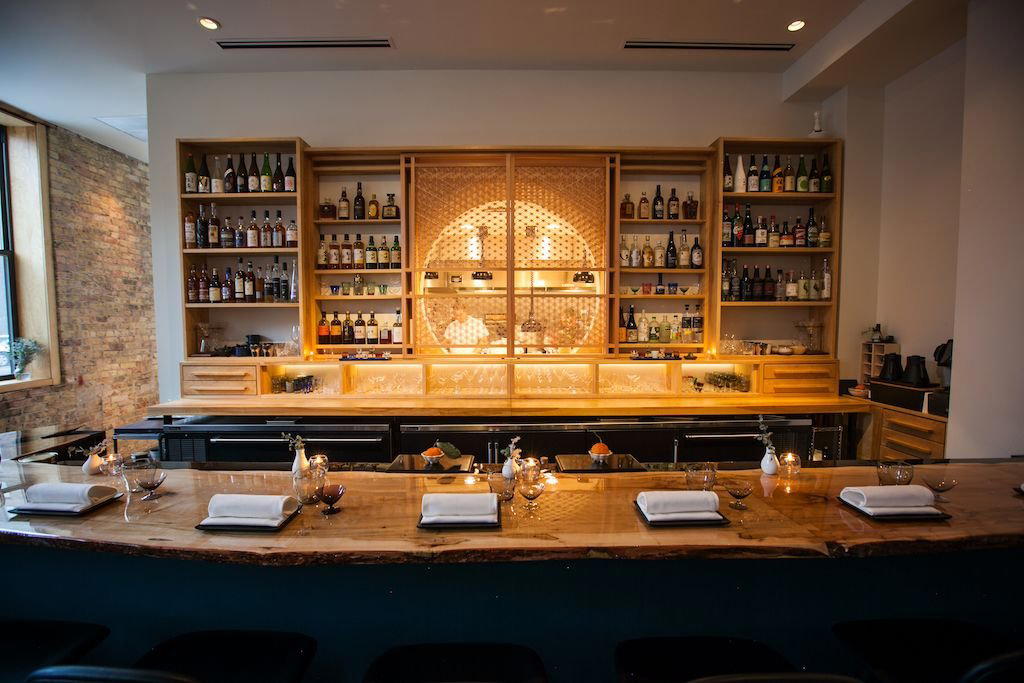
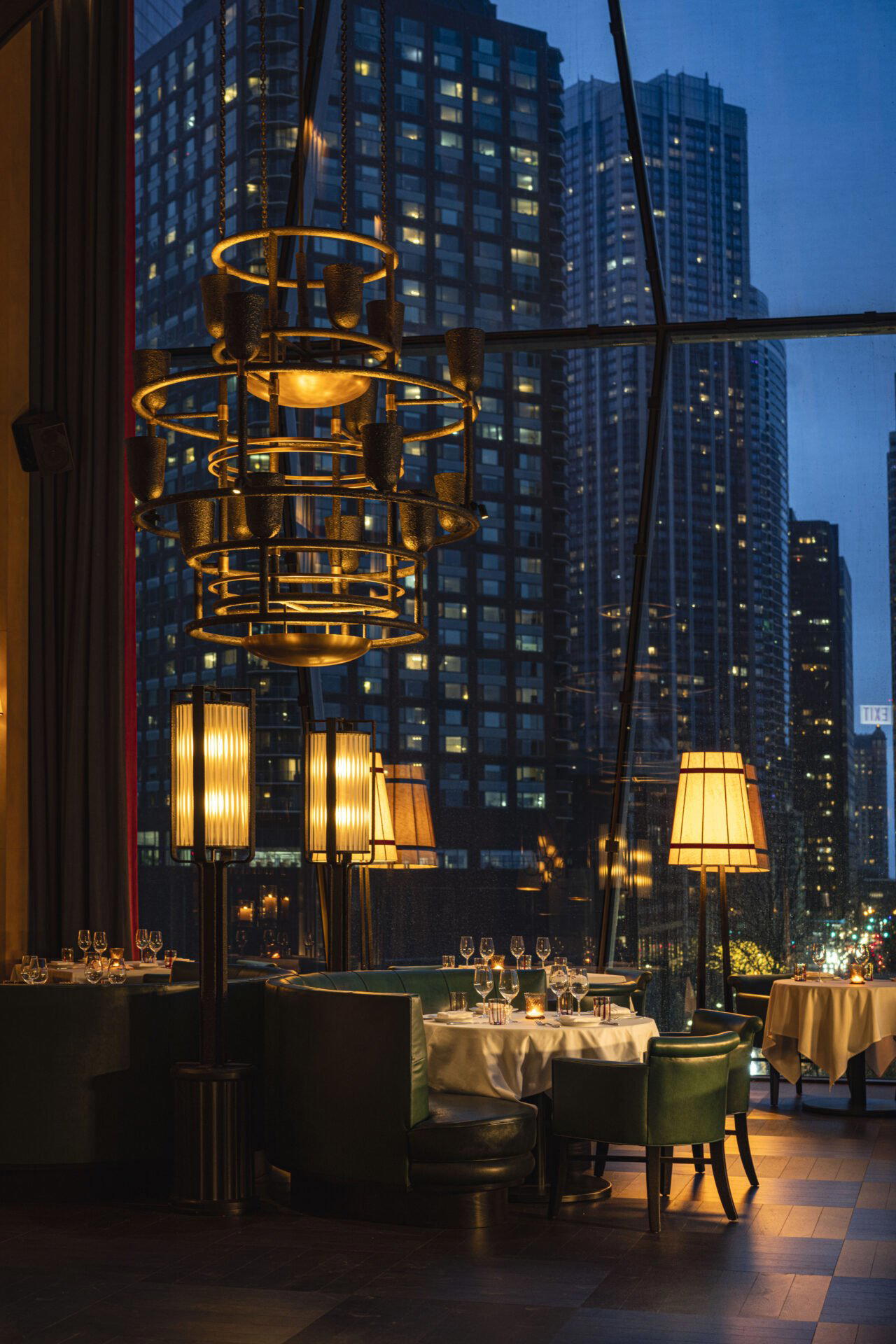
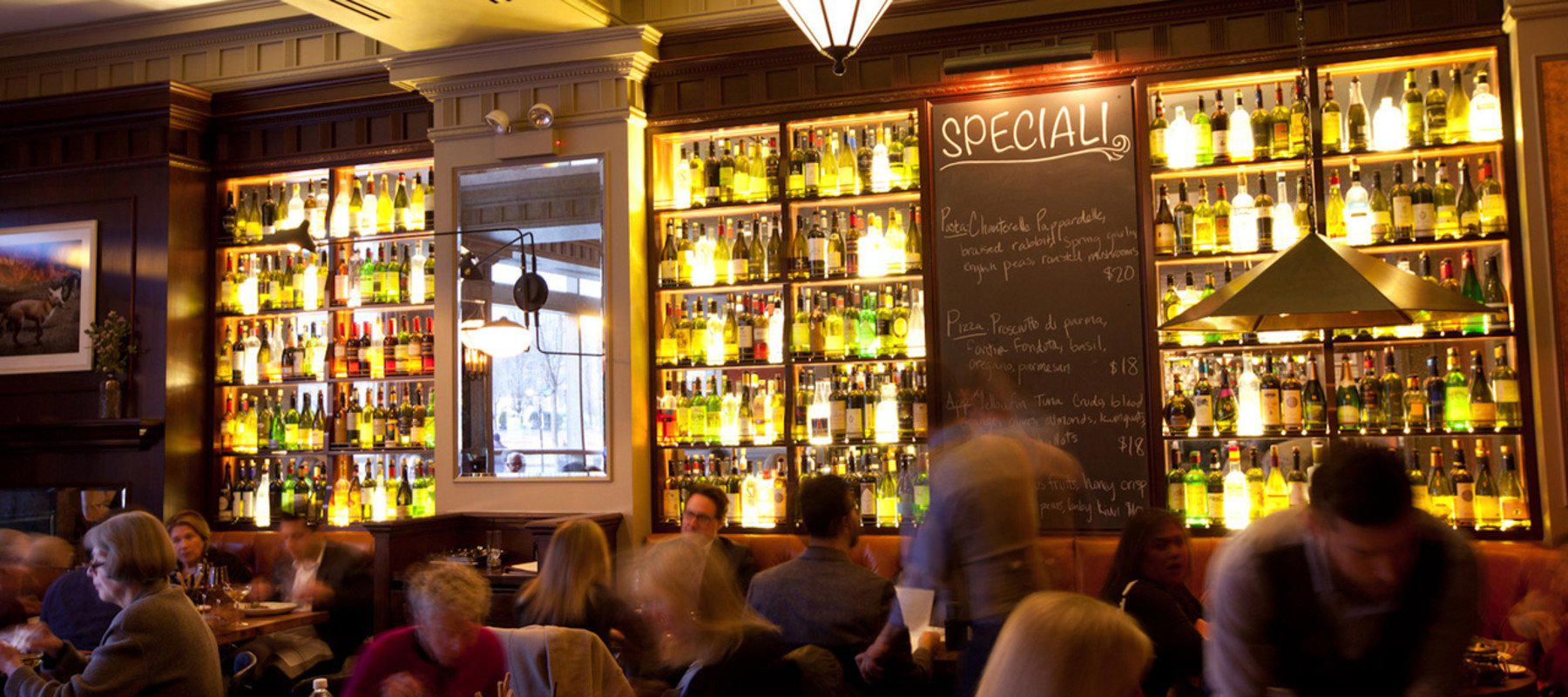
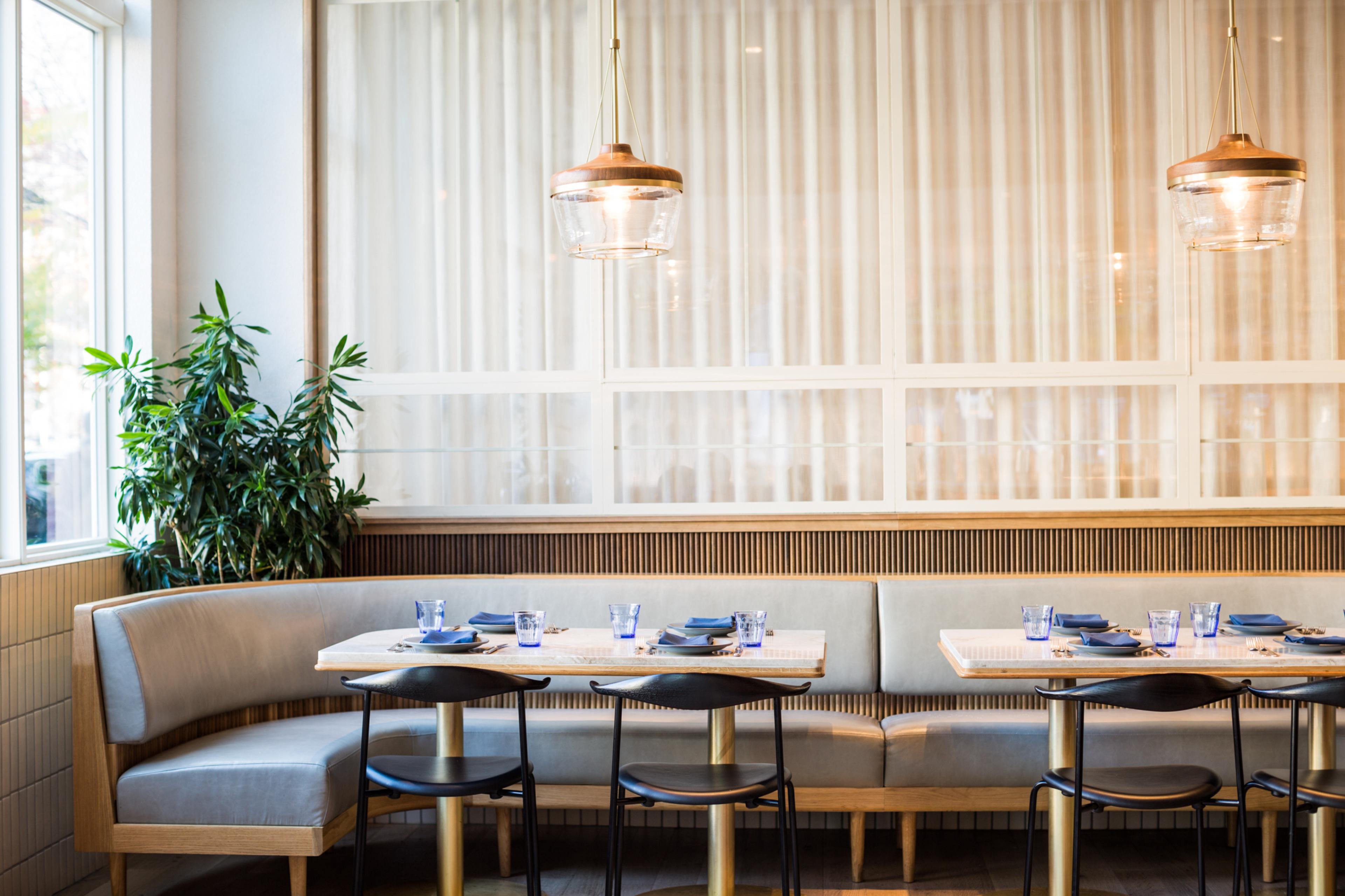
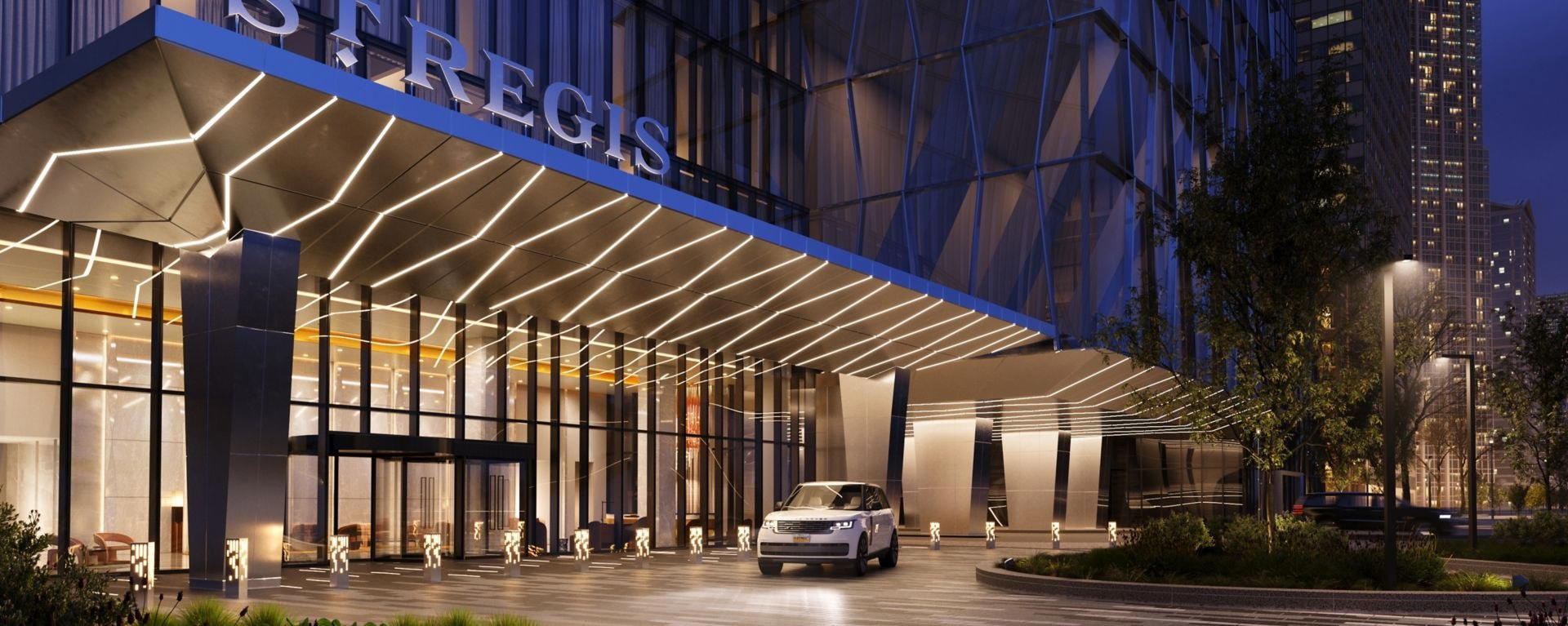
Dynamic and lively environment with polished decor, energetic atmosphere enhanced by rotating live entertainment, and warm hospitality.