Carnivale
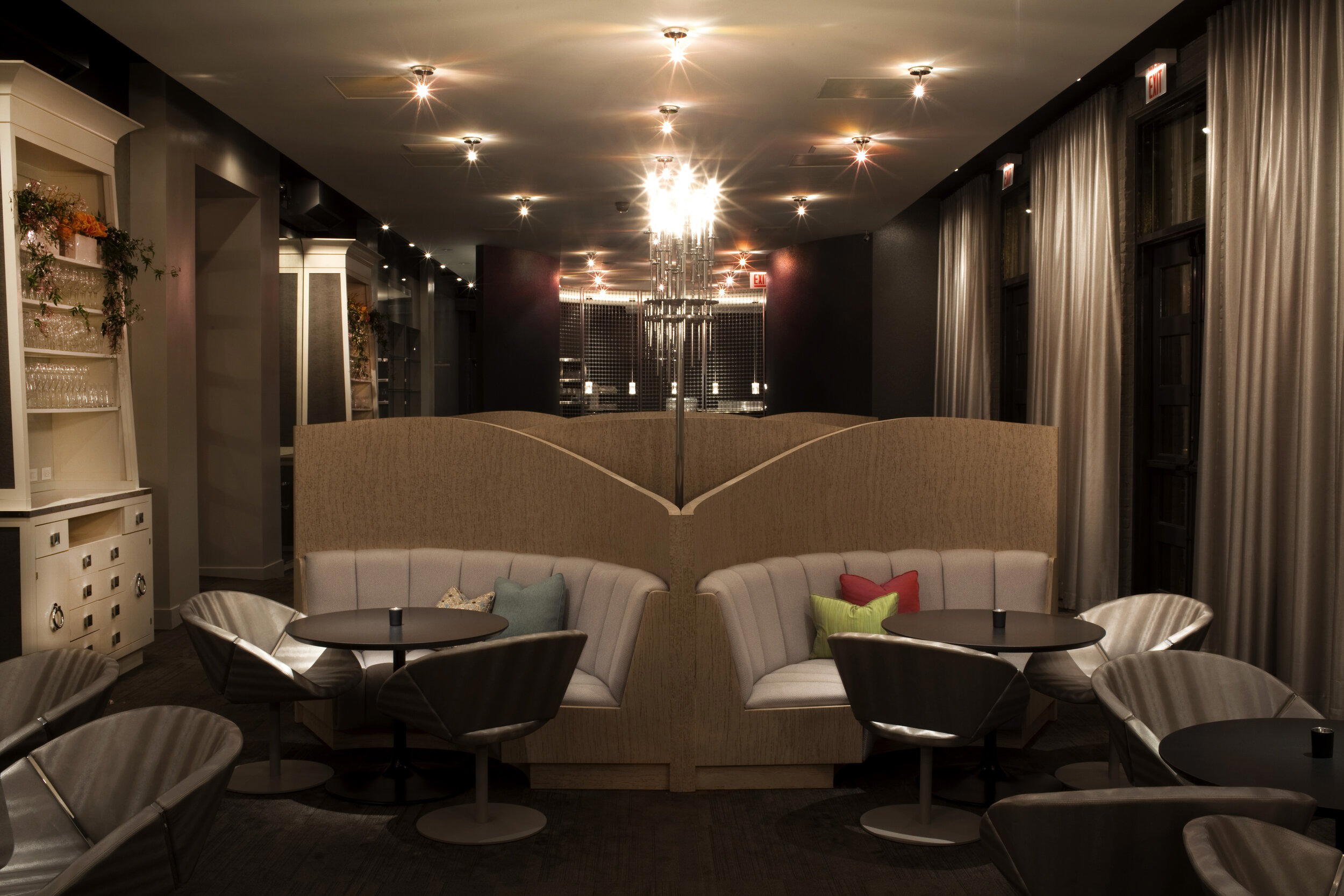
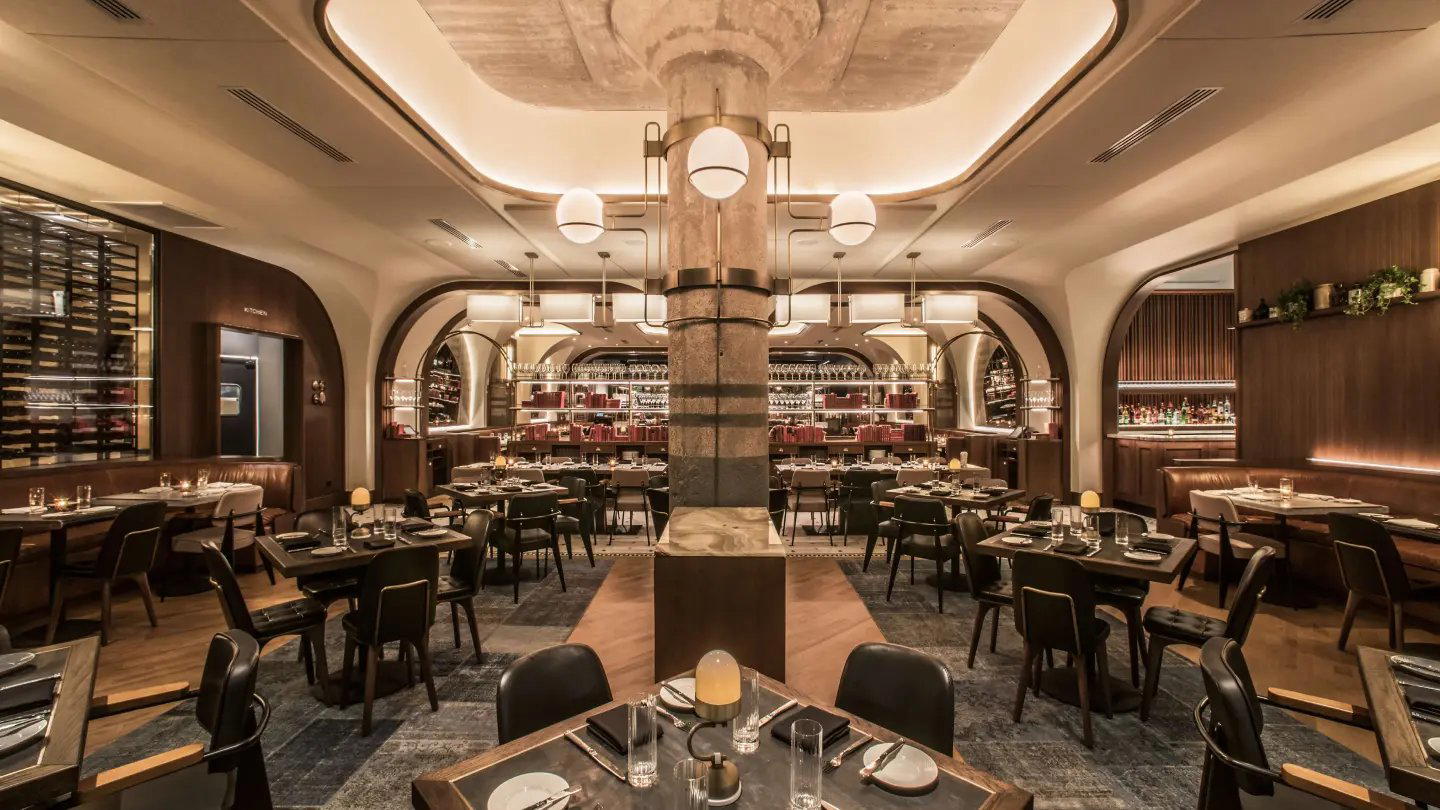
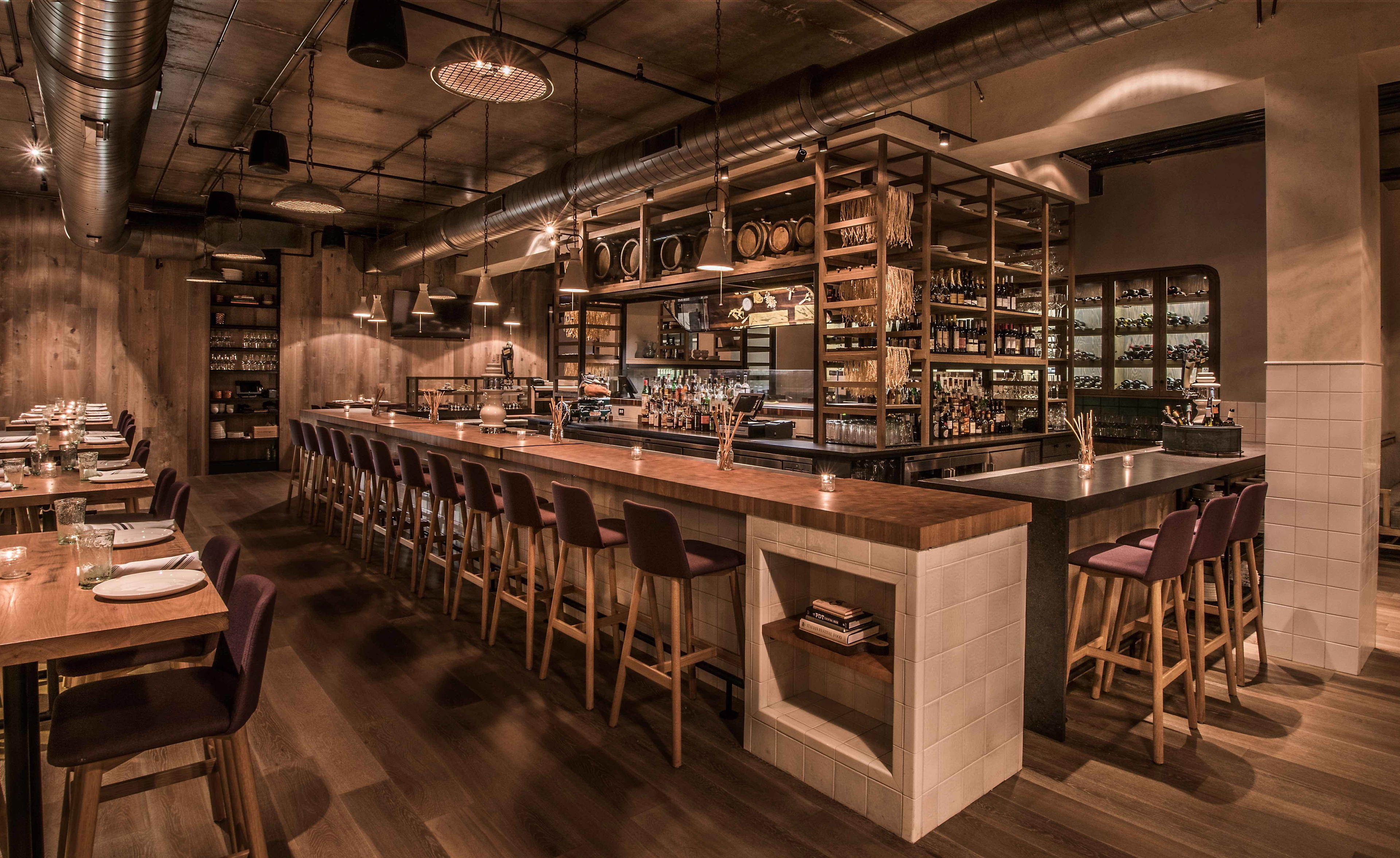
Carnivale occupies a sprawling former warehouse space on West Fulton Street in Chicago's Fulton Market district, where theatrical interior design sets the tone before the first dish arrives. The restaurant draws on Latin American culinary traditions in a room built for spectacle, high ceilings, bold colour, and a scale that puts it in a different register from the neighbourhood's more intimate tasting-counter format.
Pearl is the En Primeur Club membership app — saves, bookings, and concierge access live there. Same editors, same standards.
- Address
- 702 W Fulton St, Chicago, IL 60661
- Phone
- +13128505005
- Website
- carnivalechicago.com
- Directions
- Get directions
 Saves & bookings on Pearl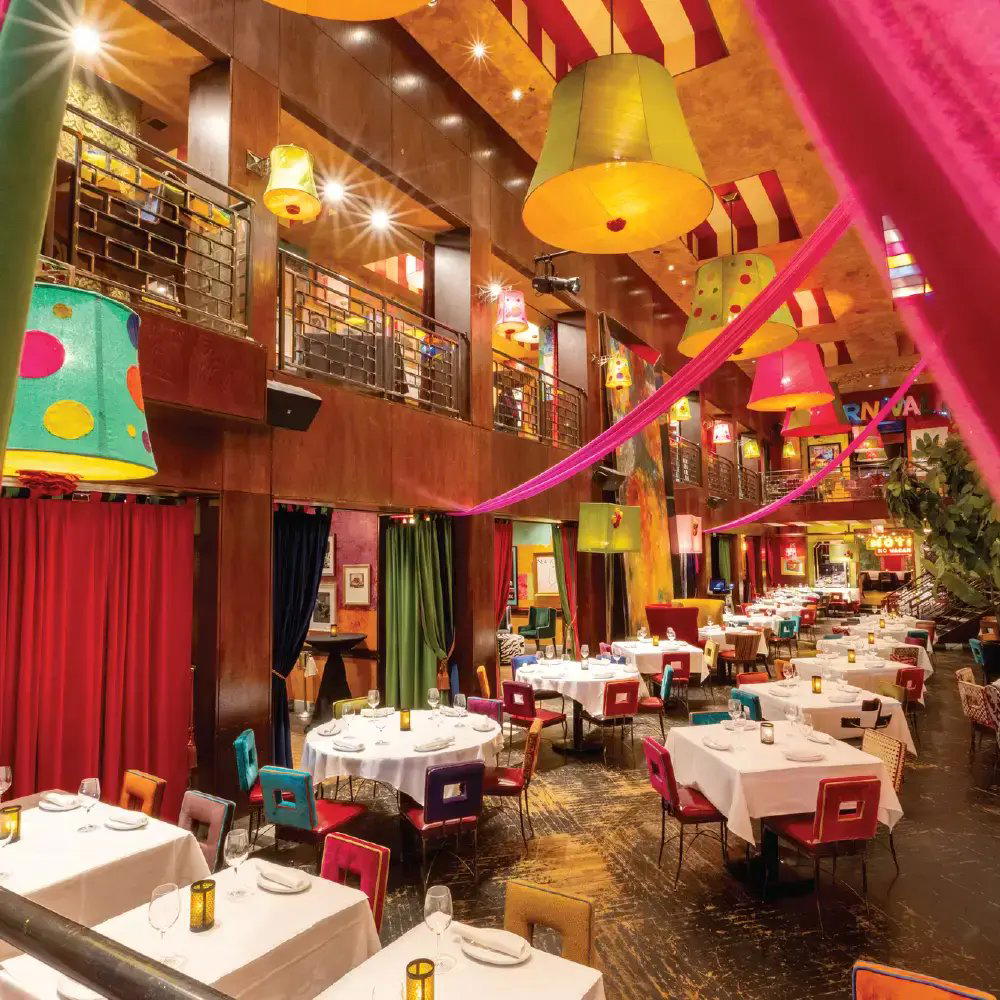
Space as Statement: Carnivale in Fulton Market
Carnivale is a Latin Fusion restaurant at 702 W Fulton St, Chicago, with a price point of about $60 per person. Chicago's Fulton Market corridor has spent the better part of two decades reorganising itself around a particular kind of dining, the tightly formatted, chef-driven room where restraint is architectural and the food carries the drama. What Carnivale at 702 W Fulton St represents is a deliberate counter-argument to that model. The room here reads before the menu does. High ceilings, an open floor plan built from converted industrial bones, and an aesthetic vocabulary drawn from Latin American colour and ornament set the physical terms of the experience before a single plate lands on the table.
In a city where Alinea and Smyth have made spatial minimalism something close to a theological position, and where Oriole and Kasama operate in rooms scaled to intimacy, a venue built around visual maximalism occupies genuinely different territory. Scale here is not incidental. It is the design logic. The dining room accommodates a large footprint that serves multiple functions, bar, main floor, event space, and that breadth is part of what Carnivale is selling: an occasion, not just a meal.
The Architecture of a Large-Format Room
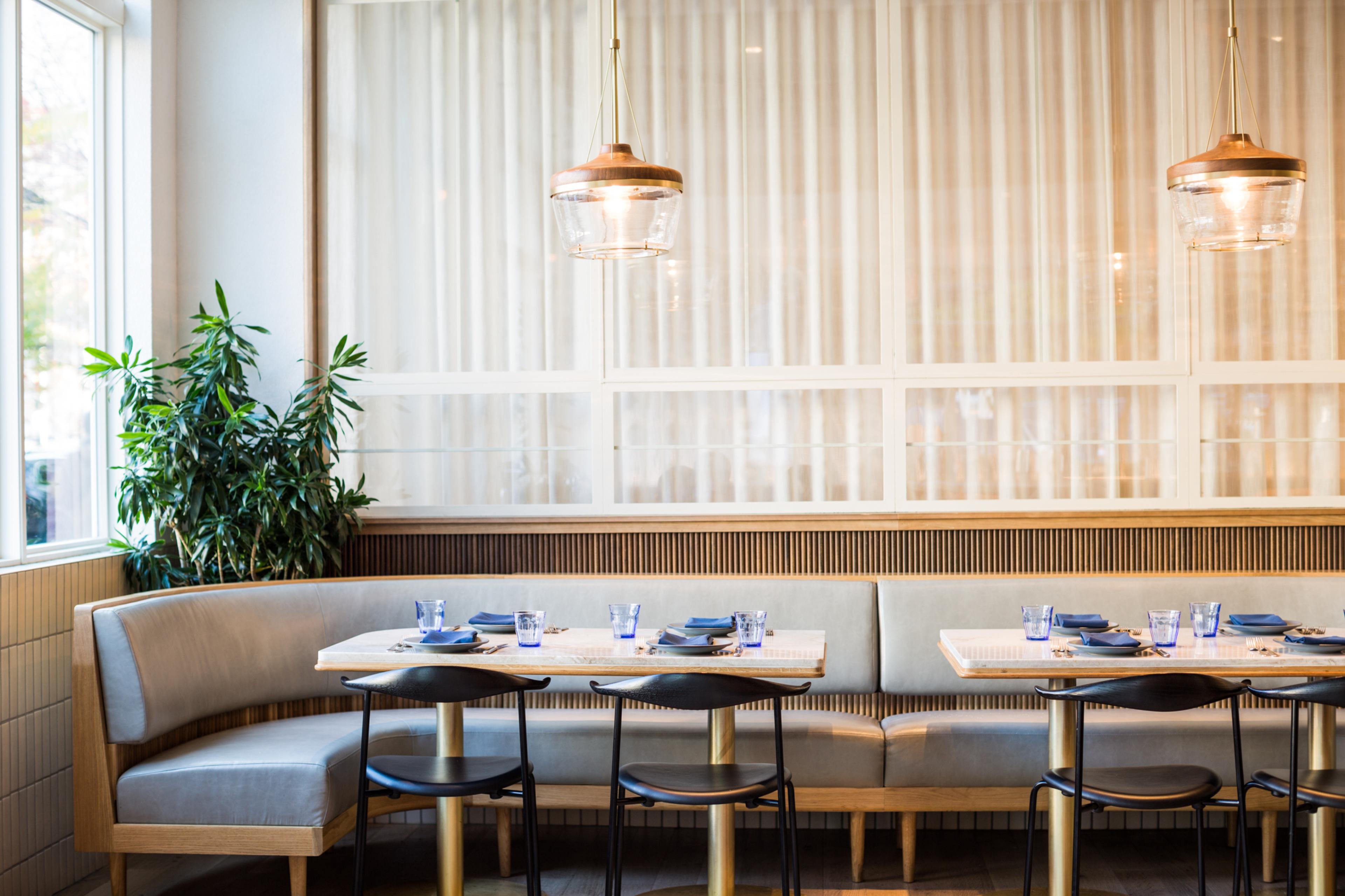
Converted warehouse interiors carry particular risks as restaurant spaces. Without careful intervention, they read as cavernous, acoustically punishing, and difficult to animate. Carnivale addresses this through layered visual complexity rather than architectural partition. The approach is more theatrical production design than minimalist hospitality, with saturated colour, decorative ceiling treatments, and statement lighting used to subdivide what would otherwise be undifferentiated volume.
This design approach places Carnivale in a category of American restaurant that operates closer to event hospitality than to the contemporary tasting-counter model. Comparable spatial ambition appears in venues like Emeril's in New Orleans, where room scale and occasion-dining expectation have always been part of the brand logic, or at the older tier of New York dining represented by Le Bernardin, where a large, formally designed room supports a specific kind of guest experience. The difference at Carnivale is that the aesthetic register is Latin rather than Euro-classical, and the energy the space generates is closer to festive than formal.
For Chicago specifically, this fills a gap that the Fulton Market dining corridor, increasingly dominated by small-format restaurants, largely leaves open. Next Restaurant and its comparable set operate with conceptual discipline that Carnivale does not share, and that is a feature rather than a limitation. Different occasions require different rooms.
Latin American Culinary Traditions in a Chicago Context
Chicago's Latin American dining scene spans a wide register, from neighbourhood taquerias on the Southwest Side to more composed interpretations that draw on regional cuisines across Mexico, Central America, the Caribbean, and South America. Carnivale positions itself in the latter category, operating as a dressy-occasion destination rather than an everyday-eating proposition.
That positioning is not uncommon in American cities where Latin American fine dining has had to argue for its place in the premium tier. The conversation around whether refined Latin American cooking gets the same critical attention as French-derived or Japanese fine dining is one that chefs across the country have been having for years. Venues like Atomix in New York City and Providence in Los Angeles illustrate how non-European culinary traditions can command premium positioning and serious critical attention; the Chicago version of that argument is still developing, and Carnivale has been part of that conversation for some time.
The breadth of the menu at a venue like this tends to reflect the breadth of the room: a wide range of dishes across multiple Latin American traditions, suited to group dining and shared plates, rather than the tightly edited omakase or prix-fixe formats that dominate the city's most talked-about counters. That is a deliberate choice, and it serves a different kind of guest decision.
Where Carnivale Sits in the Chicago Dining Picture
Chicago's premium dining tier has become more concentrated around tasting-menu formats in the past decade. The venues attracting international attention, Alinea, Oriole, Smyth, Kasama, mostly operate on fixed menus at limited seat counts, with booking windows that extend weeks or months ahead. Carnivale's model, built around à la carte or flexible group dining in a large-format room, serves the considerable portion of the Chicago dining population that wants occasion dining without the constraints of a fixed tasting format.
Across American dining cities, this kind of venue, Latin-inflected, large-scale, festive in atmosphere, sits in a comparable set that includes Lazy Bear in San Francisco on the occasion-dining side of the ledger, though with a dramatically different aesthetic, and closer in spirit to the experiential dining model that venues like The Inn at Little Washington have long practised, where the room and the meal function as integrated theatre. The comparison is not to suggest equivalence in format or cuisine, but to locate Carnivale in a strand of American dining that treats the physical experience of being in a space as part of the product, not background.
Carnivale occupies a different slot than the tasting-counter tier. If Alinea or Smyth represent the focused, single-table-format evening, Carnivale is the group dinner, the celebration, the occasion where the room itself needs to participate. Those are not competing choices so much as sequential ones, and a complete picture of Chicago dining probably includes both registers.
Know Before You Go
Address: 702 W Fulton St, Chicago, IL 60661
Neighbourhood: Fulton Market, West Loop
Format: Large-format dining room; suited to groups and occasion dining
Nearest Transit: Morgan CTA stop (Green/Pink Lines) is within walking distance of Fulton Market
Context: Fulton Market is Chicago's most active restaurant corridor; Carnivale sits at the western edge near the district's original warehouse blocks
Accolades, Compared
Comparable venues nearby, for context on price, style, and recognition.
| Venue | Cuisine | Price | Notes |
|---|---|---|---|
| CarnivaleThis venue — the venue you are viewing | Latin Fusion | $$$ | Not listed |
| Toro by Chef Richard Sandoval | Pan-Latin Cuisine Without Borders | $$$ | Millennium Park |
| The Allis Chicago | Modern European Brasserie | $$$ | West Loop |
| Blackbird Restaurant | Contemporary American Fine Dining | $$$ | West Loop |
| Francois Frankie | French-American Brasserie | $$$ | The Loop |
| MEDI | Modern Lebanese Mediterranean | $$$ | Lincoln Park |
At a Glance
- Lively
- Energetic
- Ornate
- Whimsical
- Trendy
- Well Known
- Group Dining
- Celebration
- Private Event
- Special Occasion
- After Work
- Date Night
- Design Destination
- Private Dining
- Standalone
- Craft Cocktails
- Beer Program
- Local Sourcing
Current opening hours
- Monday
- Closed
- Tuesday
- 4:30–10 PM
- Wednesday
- 4:30–10 PM
- Thursday
- 4:30–10 PM
- Friday
- 4:30–11 PM
- Saturday
- 4–11 PM
- Sunday
- 1–9 PM
Hours can change for holidays and private events. Last verified .
Festive, eclectic, global, and lively, with a lush interior, original artwork, colorful Latin-inspired design, and an energetic party atmosphere.