The Evie
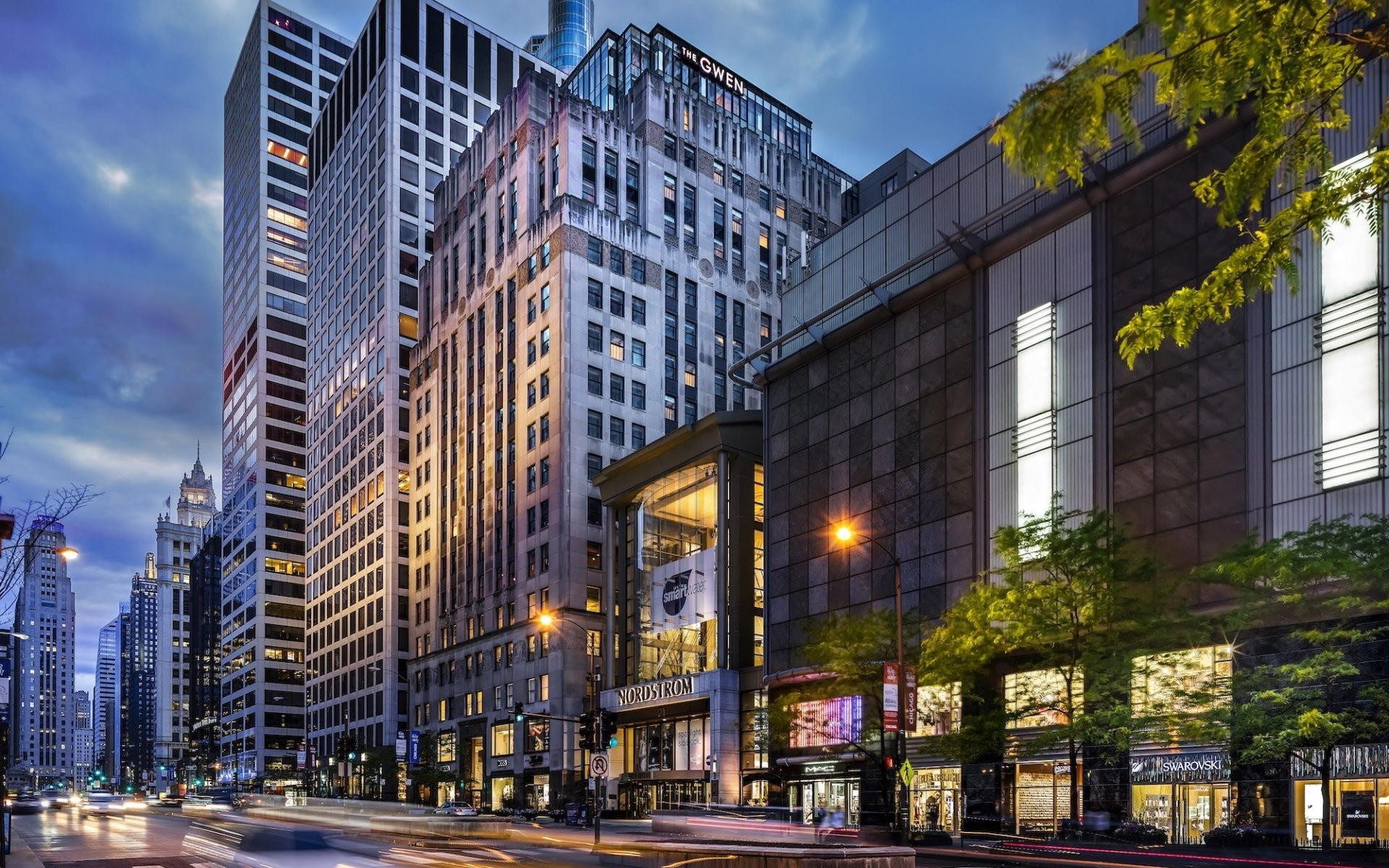
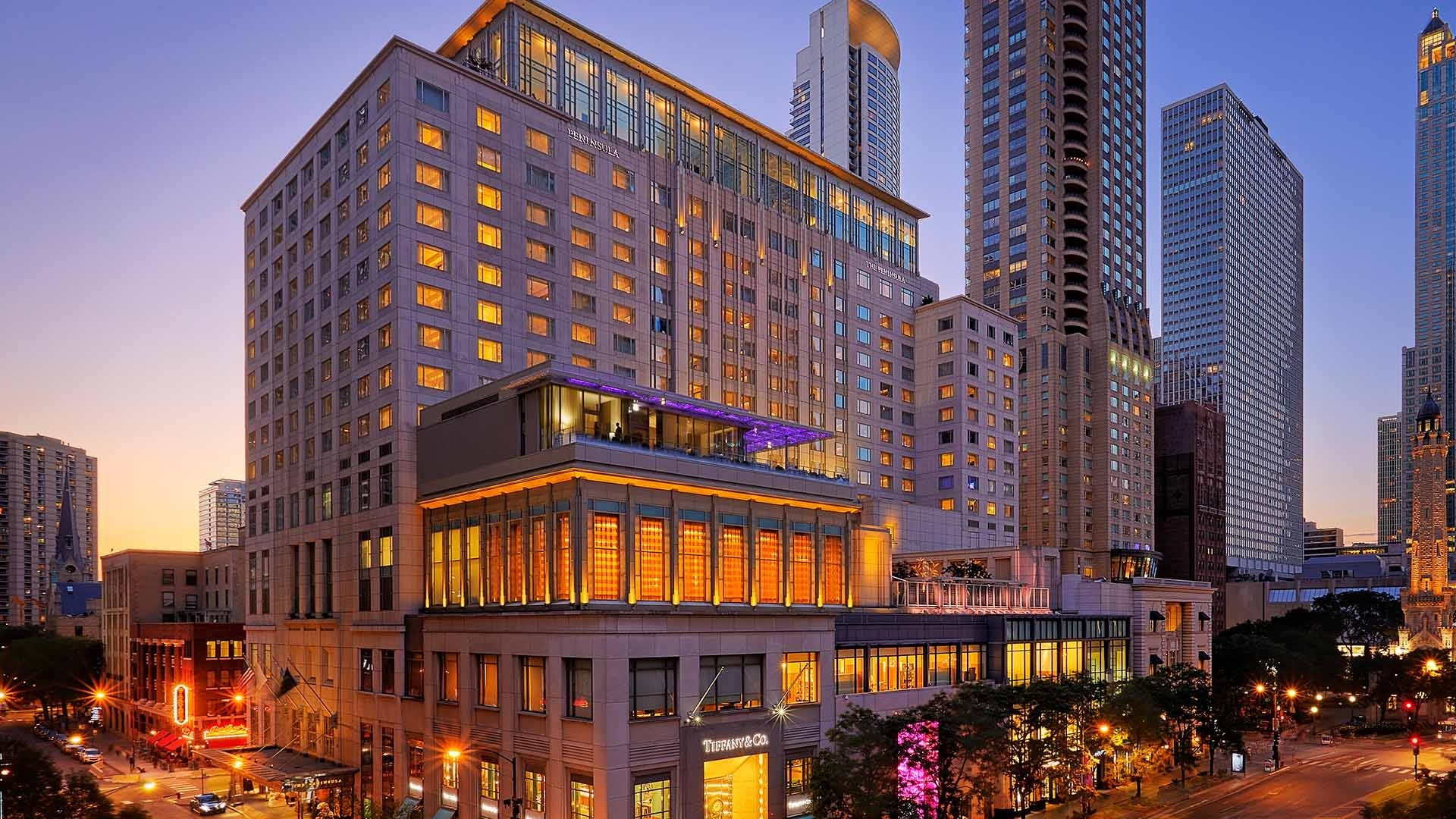
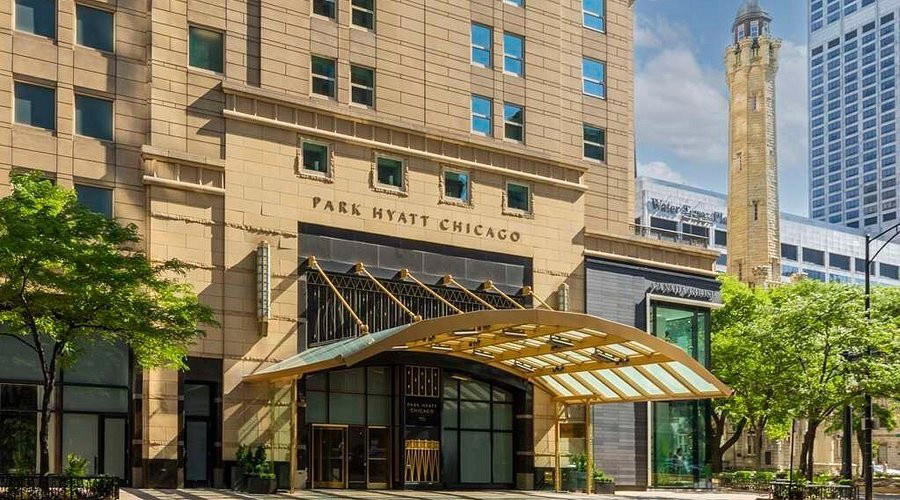
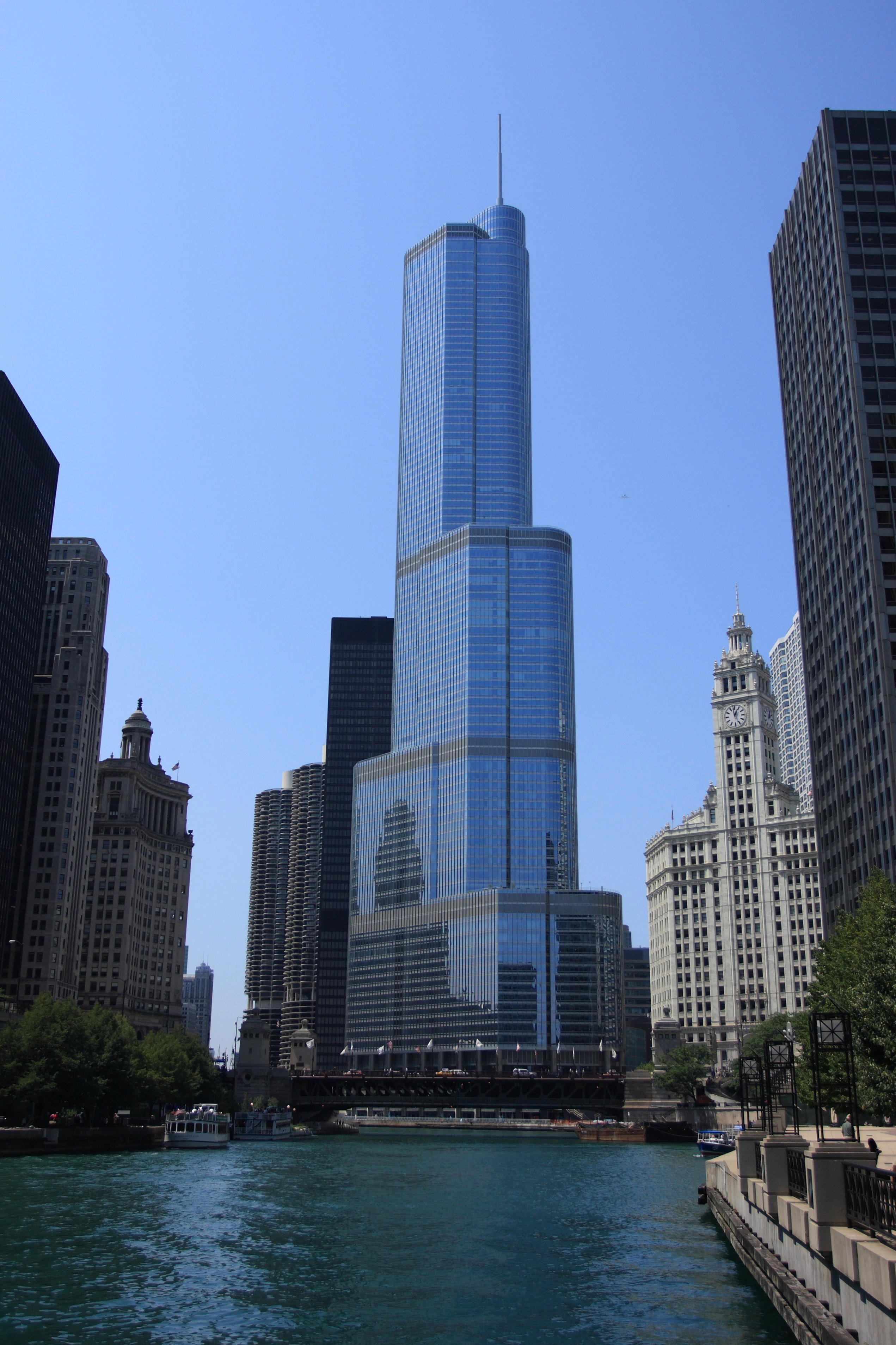
The Evie occupies a second-floor address on North Michigan Avenue, placing it inside one of Chicago's most competitive dining corridors.
Pearl is the En Primeur Club membership app — saves, bookings, and concierge access live there. Same editors, same standards.
- Address
- 537 N Michigan Ave Ste 200, Chicago, IL 60611
- Phone
- +13127013300
- Website
- eviechicago.com
- Directions
- Get directions
 Saves & bookings on Pearl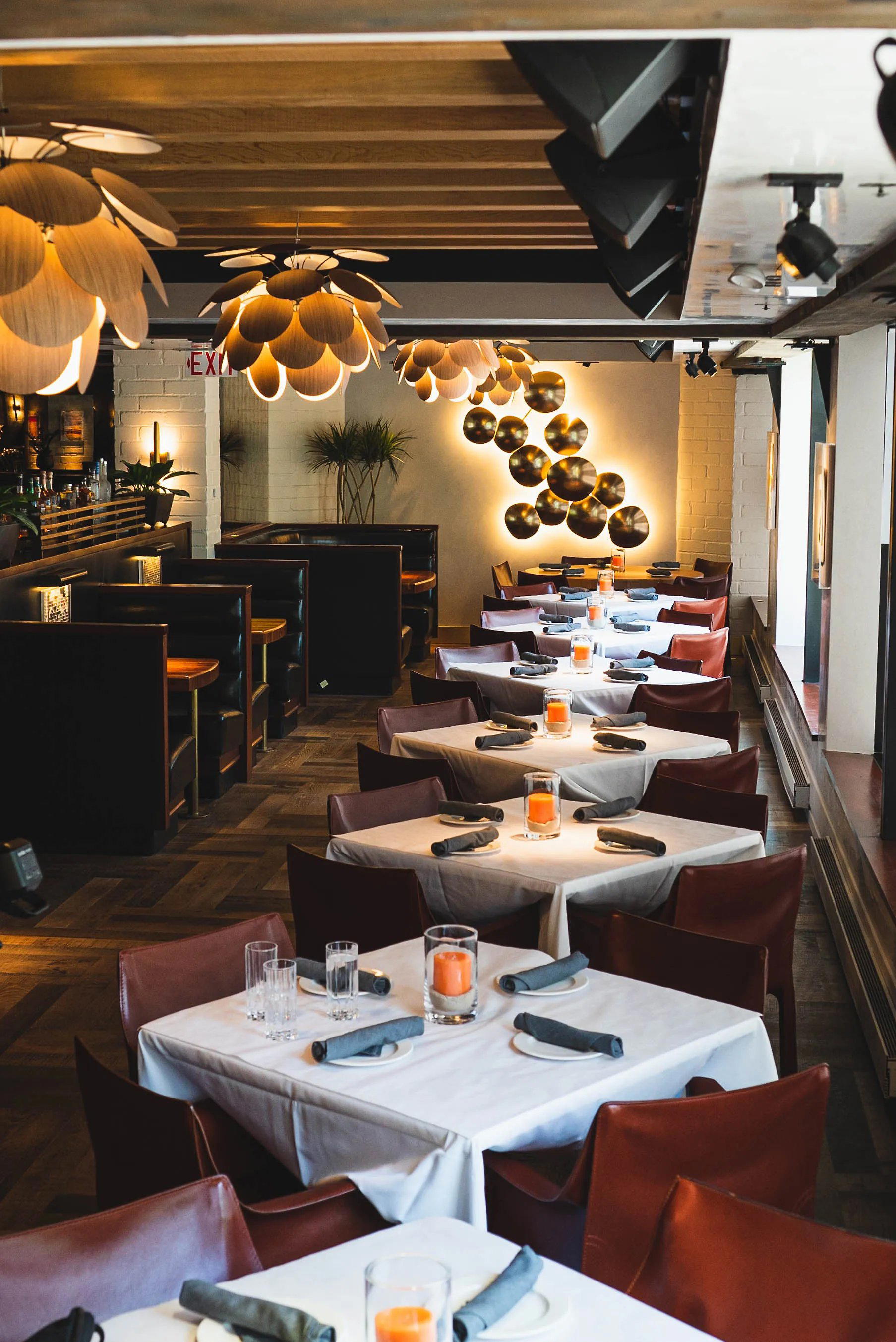
Michigan Avenue's Upper Floor: What the Address Signals
The second-floor positioning of The Evie, at 537 N Michigan Ave, is a deliberate spatial choice in a market where ground-floor visibility is often the default play. Restaurants that move upstairs on the Mag Mile are typically making a statement: the experience is the draw, not the foot traffic. That logic has worked for other refined-format spaces in American cities, where removing a venue from street-level sightlines forces the design and the program to carry the weight of discovery.
Chicago's premium dining tier has bifurcated over the past decade. On one side sit the tasting-menu anchors: Alinea, Smyth, and Oriole operate at the intersection of culinary ambition and controlled intimacy, with seat counts and booking windows that enforce scarcity. On the other side, a newer cohort of design-forward spaces has emerged along premium corridors, where the physical container matters as much as the plate. The Evie's address places it in that second conversation, in a zip code where the competition is as much spatial as it is culinary.
The Architecture of Attention: Reading the Space
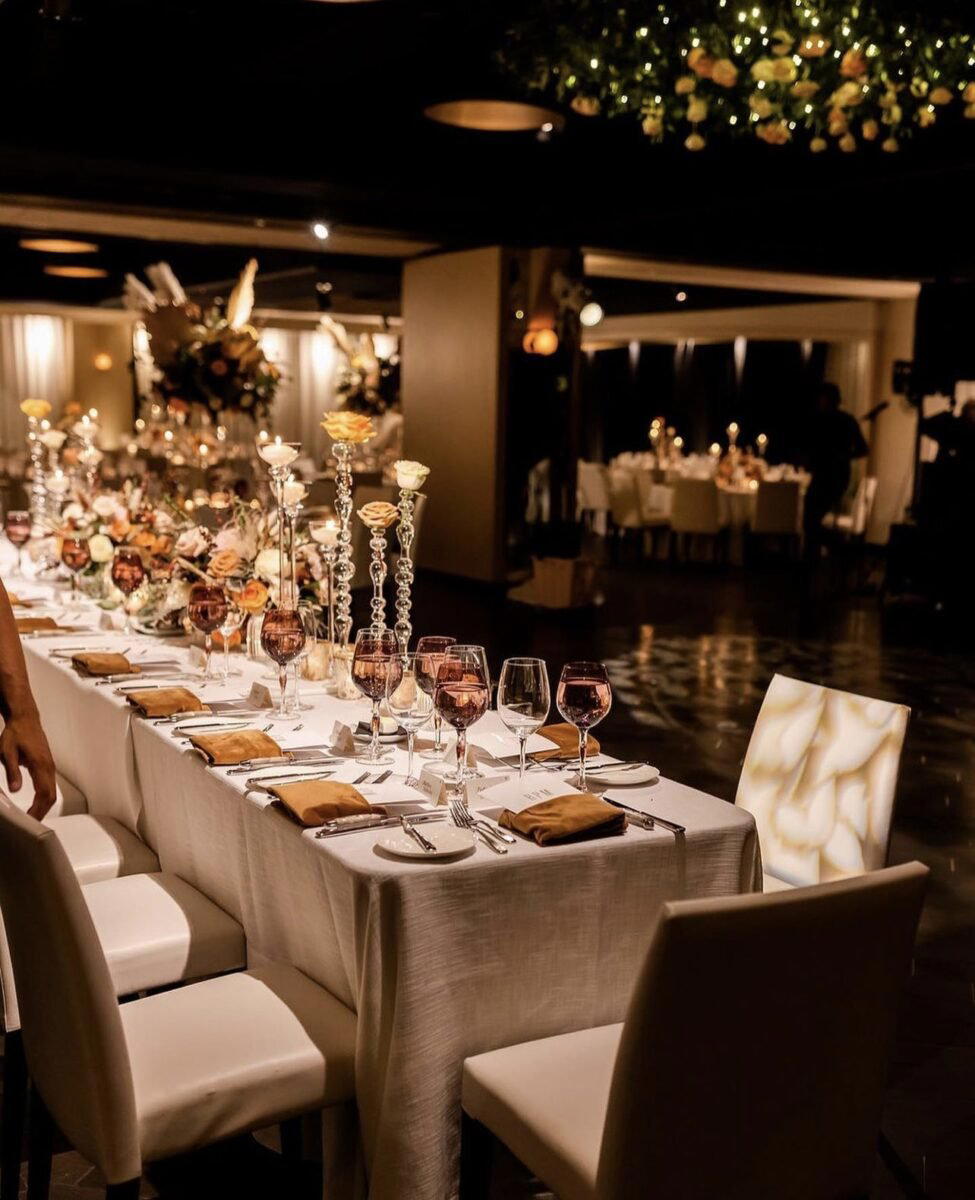
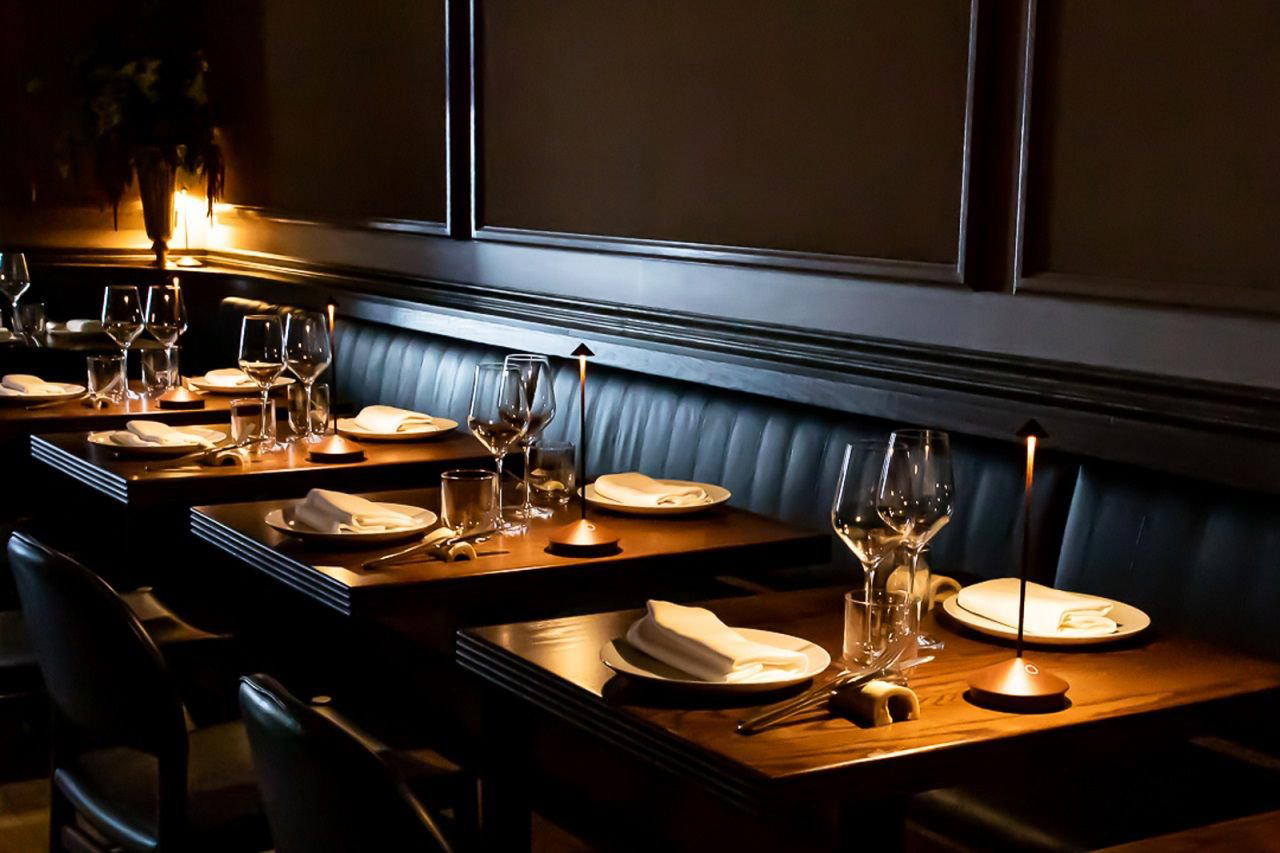
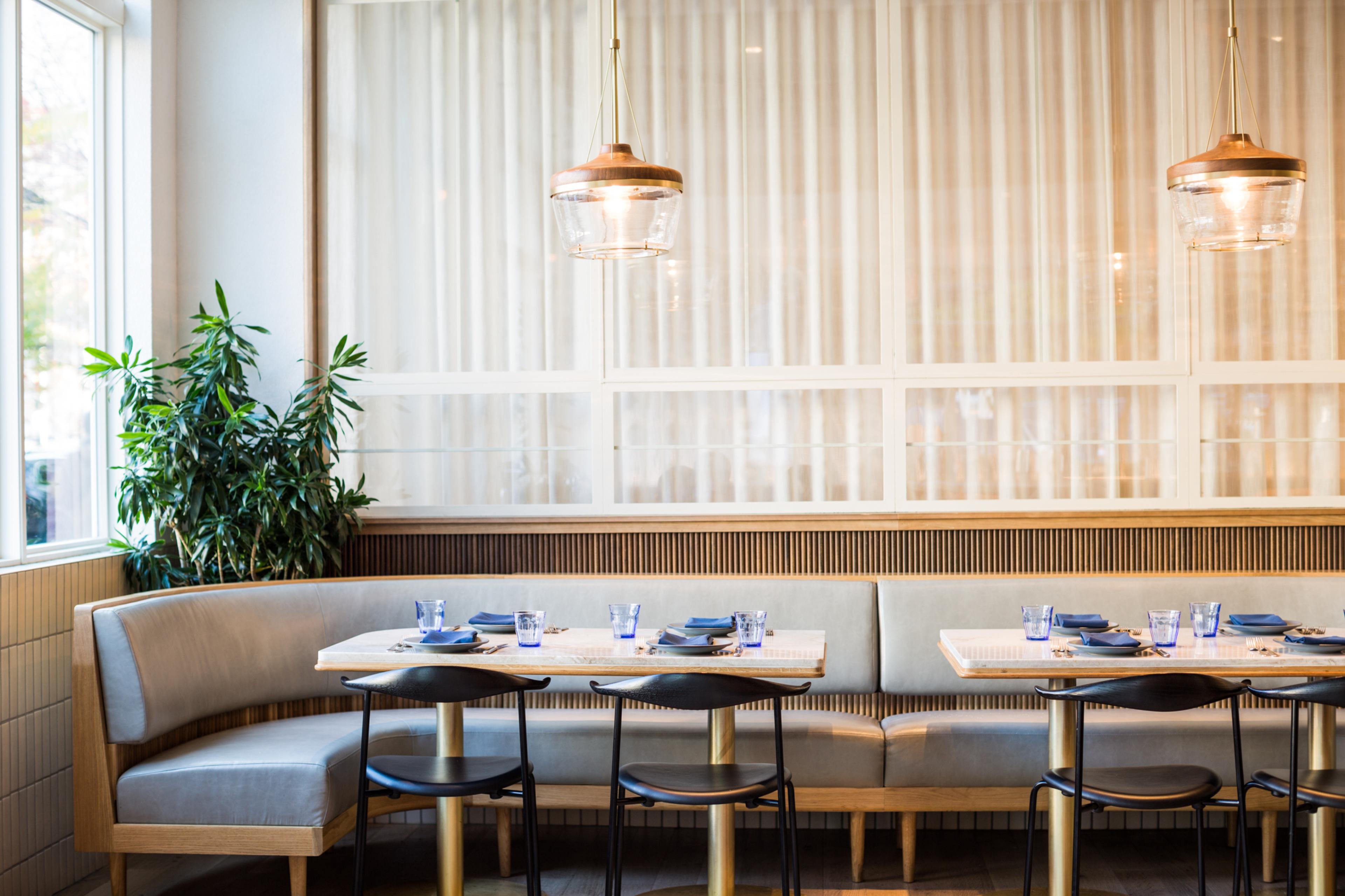
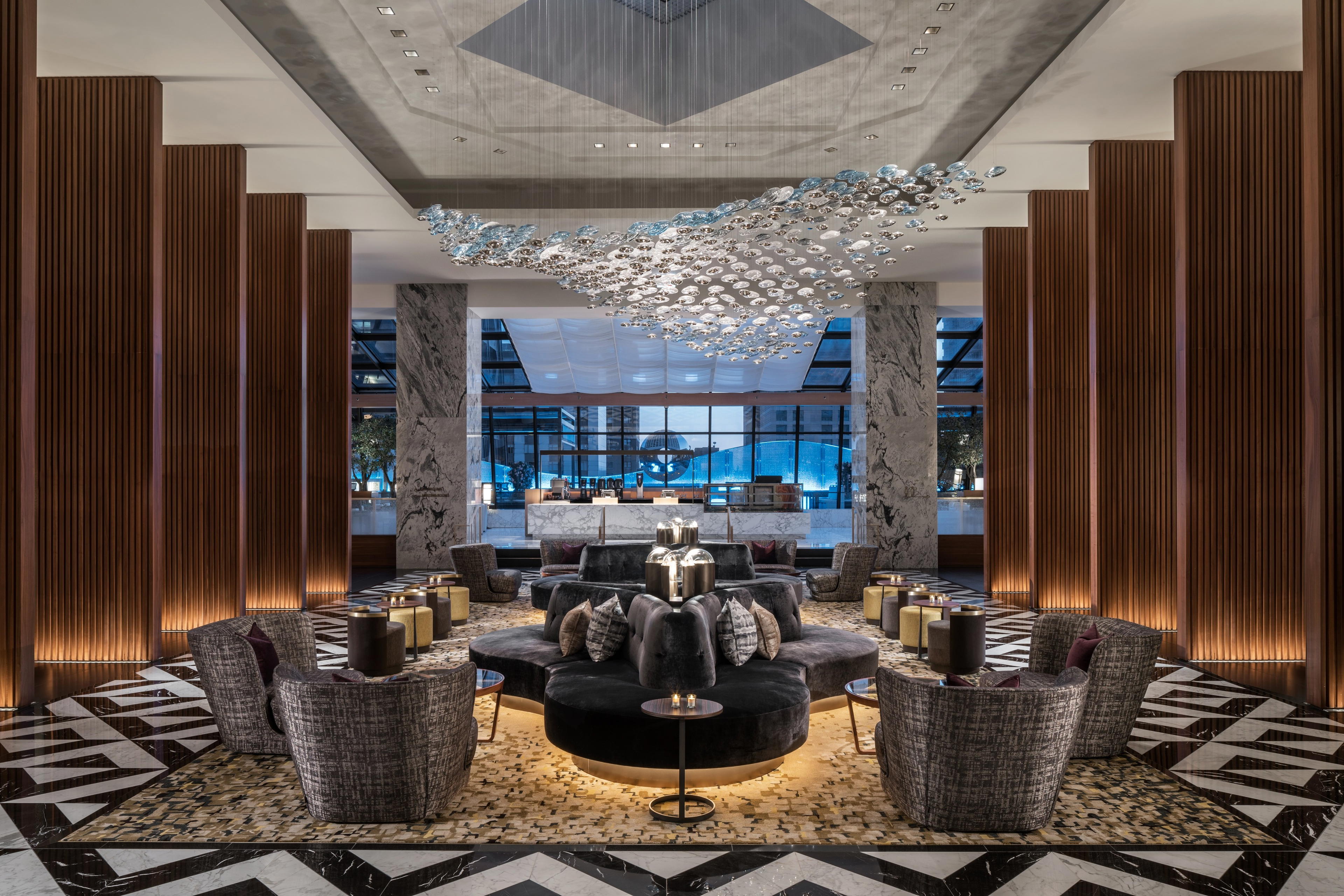
In American dining cities, the shift from ground-floor to refined formats reflects a broader rethinking of how premium spaces earn their position. When a room sits above street level, the design has to establish context immediately: what kind of evening does this room propose, and for whom? The answer is usually communicated through light, material, and proportion before a menu is ever placed on the table. Venues like Lazy Bear in San Francisco and Single Thread Farm in Healdsburg have demonstrated that deliberate spatial design, the arrangement of seating, the management of acoustics, the choice between open and enclosed formats, functions as its own form of editorial. The room makes an argument before the food does.
For a space at the Suite 200 level on Michigan Avenue, that argument is being made to a guest who has already chosen to go upstairs. The self-selection built into that access point tends to filter toward guests with a specific intention rather than passing impulse. In Chicago's competitive dining environment, where venues like Kasama and Next Restaurant have built reputations on format distinctiveness as much as cuisine, that kind of intentional guest relationship matters.
The Michigan Avenue comparable set
Placing The Evie in its competitive context requires acknowledging the density of premium options on and immediately adjacent to North Michigan Avenue. The corridor competes not just internally but against destination neighborhoods: the West Loop's concentration of chef-driven rooms, River North's volume-oriented hospitality, and the Gold Coast's legacy fine-dining addresses. A second-floor suite on the Mag Mile occupies a middle position in that geography, accessible enough to capture visitors staying in the adjacent hotel cluster, specific enough to suggest a local clientele that has made a considered choice.
Across American cities, particularly durable premium spaces in high-visibility corridors have tended to anchor their identity in something specific: a format, a culinary tradition, or a spatial experience that holds up against the distraction of the street. Le Bernardin in New York City built three decades of relevance on a single-minded seafood commitment executed at the highest technical level. Providence in Los Angeles occupies a similar position on the West Coast. The question any new entrant on a major corridor must answer is what specific claim it is staking, and whether the room and the program reinforce each other in making it.
Chicago's Design-Led Dining Moment
The broader trend running through Chicago's current premium dining conversation is one that cities like New York, San Francisco, and Washington have already moved through: the recognition that interior design is no longer decorative but structural to the dining proposition. Atomix in New York City built its identity partly through a room that communicates its Korean tasting-menu program through material and proportion as much as through the food itself. The Inn at Little Washington has made spatial theatricality central to its offer for decades. In Chicago, Alinea's multi-room architecture is inseparable from the menu's logic.
Design-led venues operating in premium corridors face a specific challenge: maintaining the spatial experience at scale and across different seasons and service formats. Spaces that work well at full capacity can read differently at partial fill; rooms designed for dinner service often struggle to hold their atmosphere at lunch. These are the operational questions that distinguish venues with durable spatial identities from those where the design is a launch-period asset rather than a sustained competitive advantage.
For visitors tracking the evolution of Chicago's premium tier, the fuller picture is available through our full Chicago restaurants guide, which maps the city's dining character across neighborhoods and formats. For comparison with how similar design-forward spaces operate in other American cities, Blue Hill at Stone Barns in Tarrytown, Addison in San Diego, Bacchanalia in Atlanta, and Emeril's in New Orleans each represent a distinct approach to anchoring premium hospitality in a specific spatial and culinary identity. Internationally, 8 1/2 Otto e Mezzo Bombana in Hong Kong offers a useful reference point for how design and cuisine combine in a high-density premium corridor.
Planning a Visit
The restaurant is located at 537 N Michigan Ave, Suite 200, Chicago, IL 60611, on the second floor of a Michigan Avenue address. North Michigan Avenue is served by multiple CTA bus routes and is within walking distance of the Grand and Chicago Red Line stations. Valet and garage parking are available throughout the corridor for guests arriving by car.
Quick reference: 537 N Michigan Ave Ste 200, Chicago, IL 60611.
Cost and Credentials
Comparable venues nearby, for context on price, style, and recognition.
| Venue | Cuisine | Price | Notes |
|---|---|---|---|
| The EvieThis venue — the venue you are viewing | Not listed | $$$ | Not listed |
| Soul Prime | Lincoln Park, Polished Soul Food | $$$ | Not listed |
| The Hampton Social | River North, New England-Style Seafood | $$$ | Not listed |
| Grill on 21 | Not listed | $$$ | Financial District, Contemporary American Steakhouse |
| The Ambassador Room | Gold Coast, Modern American Gastropub | $$$ | Not listed |
| The 101 Rooftop | Not listed | $$$ | Streeterville, Mediterranean-Inspired American Rooftop |
At a Glance
- Modern
- Elegant
- Lively
- Sophisticated
- Date Night
- Business Dinner
- Brunch
- Special Occasion
- Open Kitchen
- Craft Cocktails
- Sake Program
- Street Scene
Current opening hours
- Monday
- 11:30 AM–9:30 PM
- Tuesday
- 11:30 AM–9:30 PM
- Wednesday
- 11:30 AM–9:30 PM
- Thursday
- 11:30 AM–9:30 PM
- Friday
- 11:30 AM–10 PM
- Saturday
- 10 AM–10 PM
- Sunday
- 10 AM–9 PM
Hours can change for holidays and private events. Last verified .
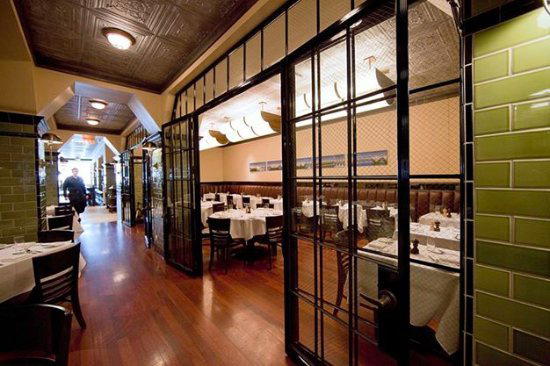
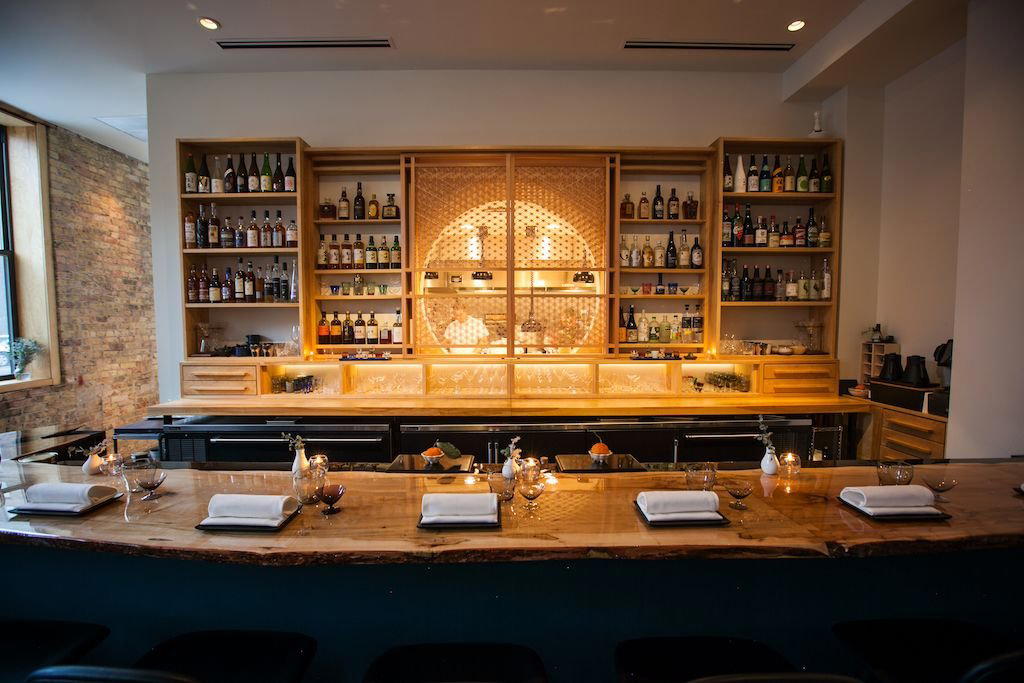
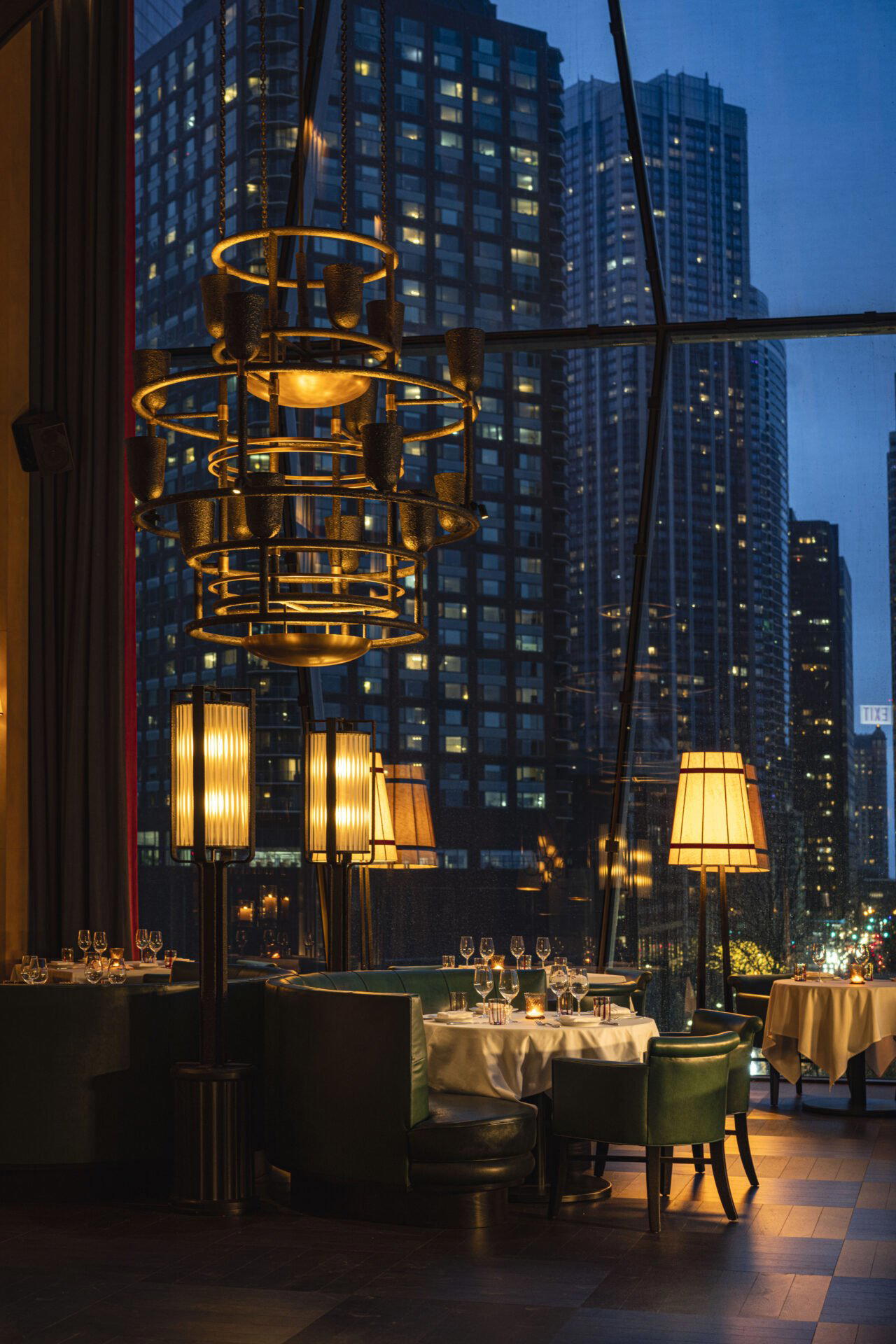
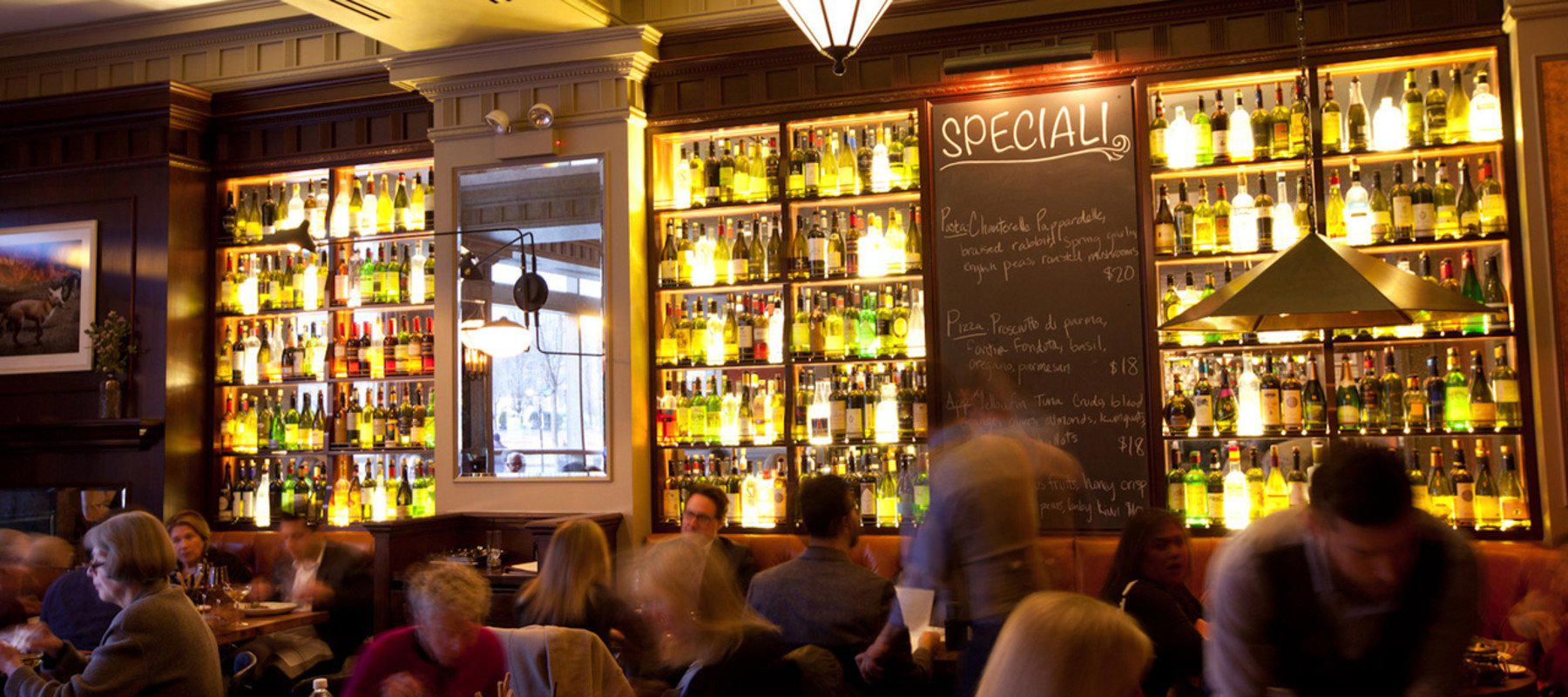
Inviting atmosphere with open kitchen, charming bar, warm Midwestern hospitality, and views overlooking the bustling Magnificent Mile.