The St. Regis Chicago



.png?width=120&quality=80)
Michelin Selected · Virtuoso Luxury Hotel Partner · Forbes 4-Star
Occupying a 101-story tower designed by Studio Gang at the junction of the Chicago River and Lake Michigan, The St. Regis Chicago brings architectural ambition to the city's luxury hotel tier. Rooms start at 400 square feet, butler service extends to all guests, and a 12,000-square-foot spa anchors a wellness program that sets the property apart from comparable downtown addresses. First awarded in 2023, it sits firmly in Chicago's upper bracket of full-service urban hotels.

Pearl is the En Primeur Club membership app — saves, bookings, and concierge access live there. Same editors, same standards.
- Address
- 401 E Wacker Dr, Chicago, IL 60601
- Phone
- (312) 787-3447
- Website
- marriott.com
- Directions
- Get directions
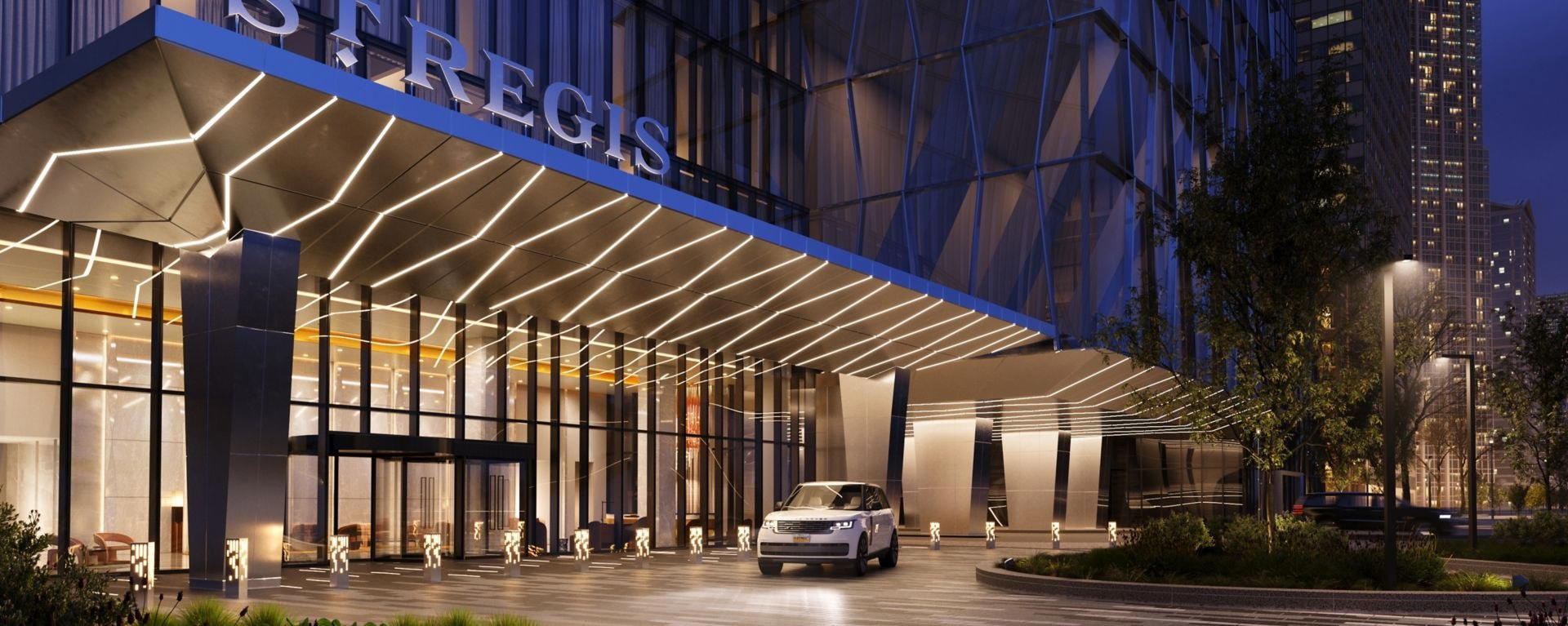
Where the River Meets the Lake
Approaching The St. Regis Chicago from East Wacker Drive, the building does something most skyscrapers don't: it compels you to look upward and then keep looking. Studio Gang's 101-story tower is built from stacked frustum shapes, a geometry that gives the facade its characteristic undulating profile as it rises above the Chicago River's mouth. The effect is not decorative in the way of glass curtain walls or illuminated crowns. It reads as structural logic made visible, which places it squarely within Chicago's architectural tradition of letting engineering and aesthetics speak the same language.
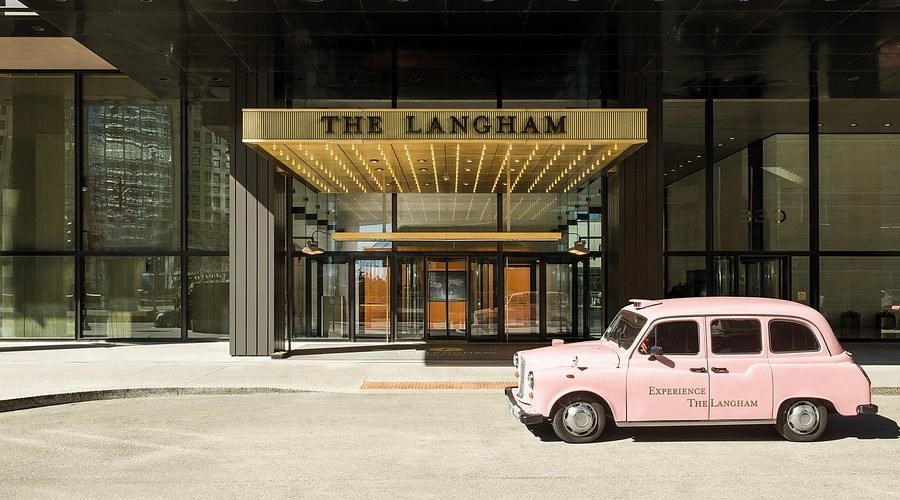
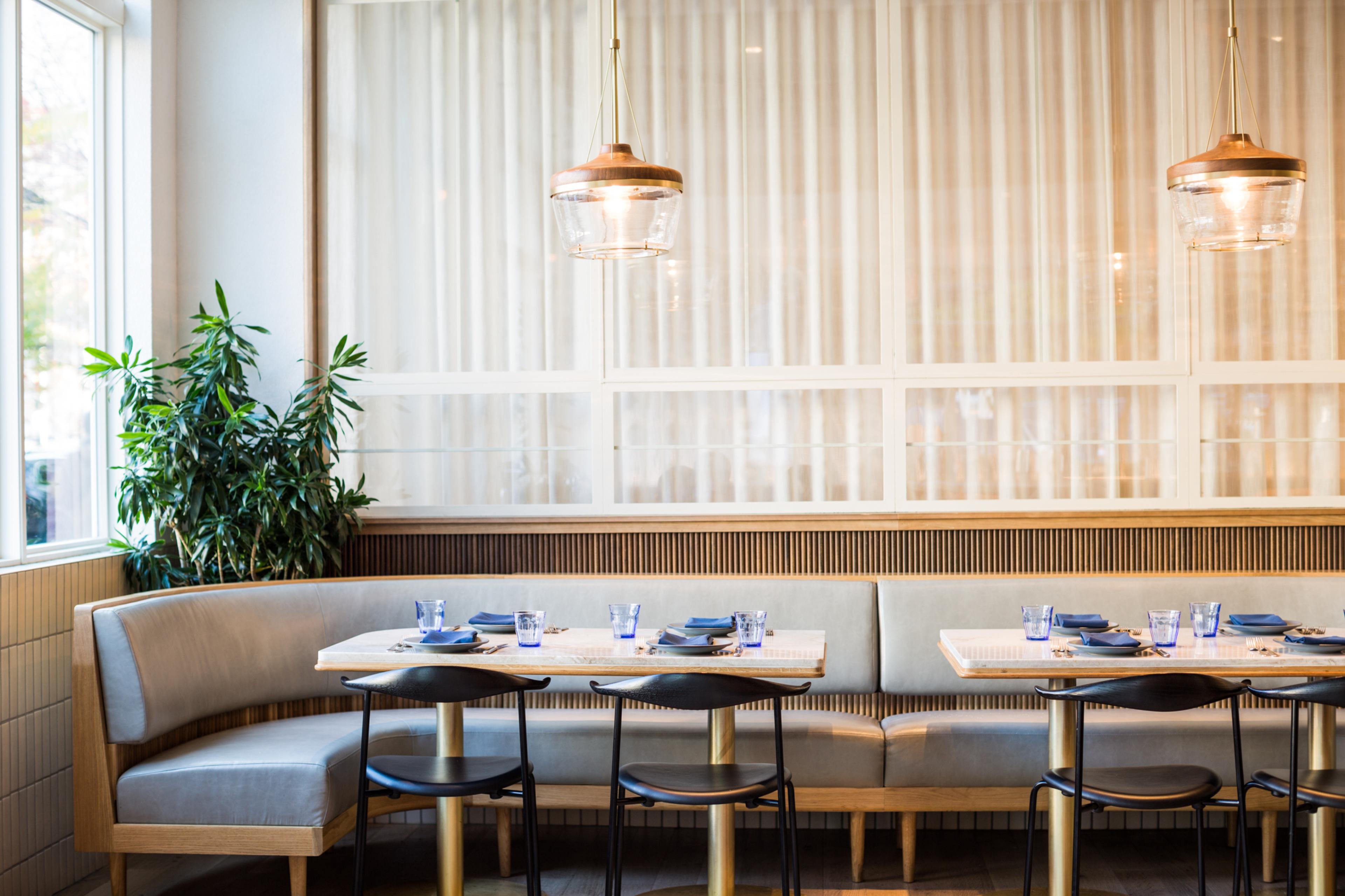
That design logic carries inside. Interiors by KTGY Simeone Deary Design reference the city's post-fire period through copper accents and blown-glass light fixtures, while the dominant palette of gray, blue, and earth tones pulls from Lake Michigan's own register of color. Parquet floors in bold geometric patterns and curved settees with art deco proportions anchor the public spaces without tipping into pastiche. The hotel opened in 2023 as the first St. Regis outpost in Chicago, arriving into a downtown market that already includes strong competitors: The Langham, Chicago, The Peninsula Chicago, and Waldorf Astoria Chicago each hold established positions in the tier. The St. Regis entered that set with a physical footprint and wellness infrastructure that few urban addresses at comparable price points can match.
The Case for the Wellness Floor
Urban hotel wellness programs have fractured into two broad camps. One treats the spa as a premium amenity layered on top of a rooms-and-dining product. The other builds wellness into the structural logic of the property, so that the spa, fitness, and recovery spaces function as a reason to book rather than a reason to stay an extra hour. The St. Regis Chicago belongs to the second camp, though it arrives at that positioning through scale rather than through the destination-retreat model you find at properties like Canyon Ranch Tucson or Amangiri in Canyon Point.
The St. Regis Spa Chicago runs to 12,000 square feet across a dedicated wellness floor. An outdoor sundeck, a yoga studio, and an indoor pool sit alongside treatment rooms stocked with Sothys products, a French skincare line with a clinical positioning that signals the spa is operating at a specific tier. For city-center hotels of this type, across Chicago's competitive set and nationally, 12,000 square feet represents a meaningful physical commitment. The Langham has its CHUAN spa, and The Peninsula has long maintained a strong fitness and pool presence on its upper floors. The St. Regis enters that conversation with a larger single-floor wellness footprint and adds the outdoor sundeck, which at a riverfront address with this sightline is a meaningful differentiator across seasons. The perspective is worth factoring into a booking decision alongside room rate and dining access.
For travelers whose primary goal is recovery and retreat within a city context rather than removal to a rural or coastal property, this is a credible alternative to places like Post Ranch Inn in Big Sur or Little Palm Island Resort & Spa when Chicago is already the destination. The retreat infrastructure is here; you don't need to leave the city to access it.
Rooms Built Around the View
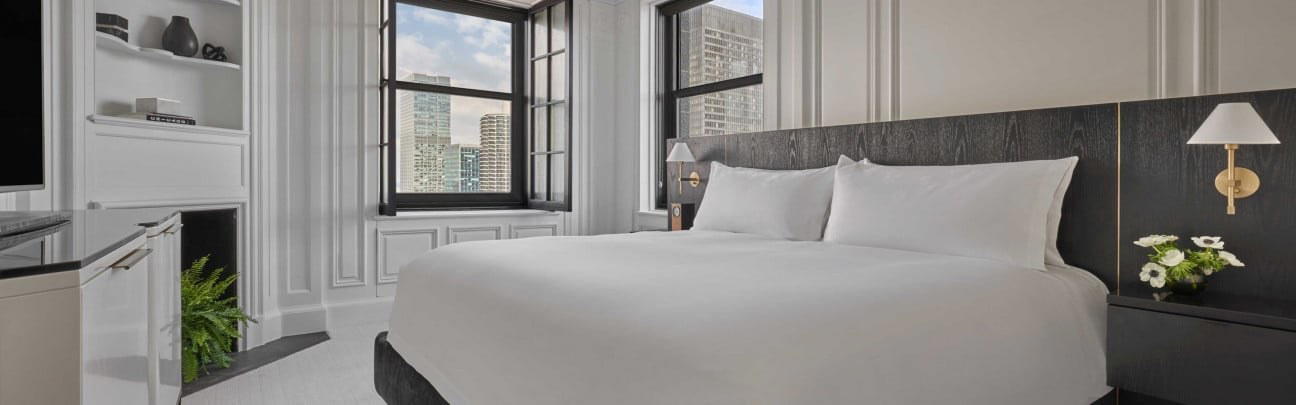
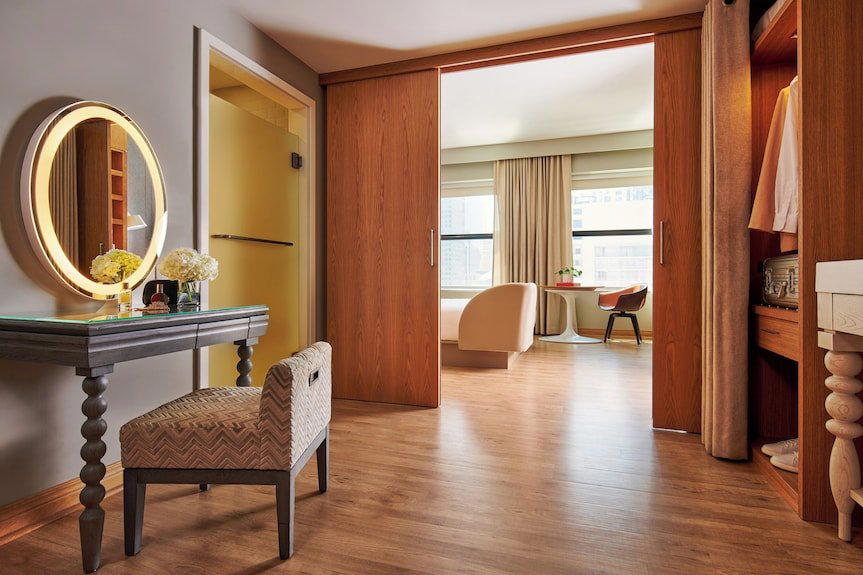
Superior rooms at The St. Regis Chicago start at 400 square feet, which in a major American city center represents a deliberate choice to price space as part of the luxury offer rather than trade it away for a lower rate. Floor-to-ceiling windows look over the Chicago River toward the Magnificent Mile, Navy Pier, Grant Park, and Millennium Park, depending on orientation. Every room includes a deep soaking tub and an open-concept closet. That configuration is consistent with a growing set of properties nationally, including The Fifth Avenue Hotel in New York City and Raffles Boston, that treat bath ritual as a formal design element rather than a bathroom afterthought.
Butler service, which at most St. Regis properties is reserved for suite-tier guests, extends to all accommodations here. That policy signals a service positioning that sits above what you receive at comparably priced addresses. Among Chicago's luxury tier, Pendry Chicago, Viceroy Chicago, and Nobu Hotel Chicago each occupy distinct service and style positions, but none extend butler access at entry-level room categories.
Dining as Architecture Extension
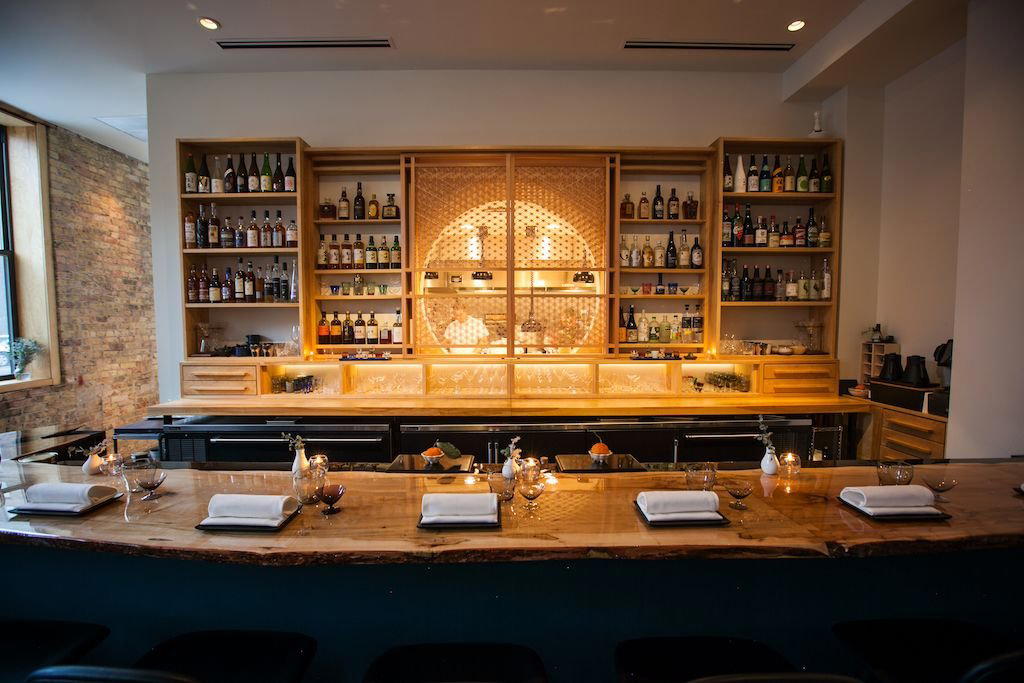
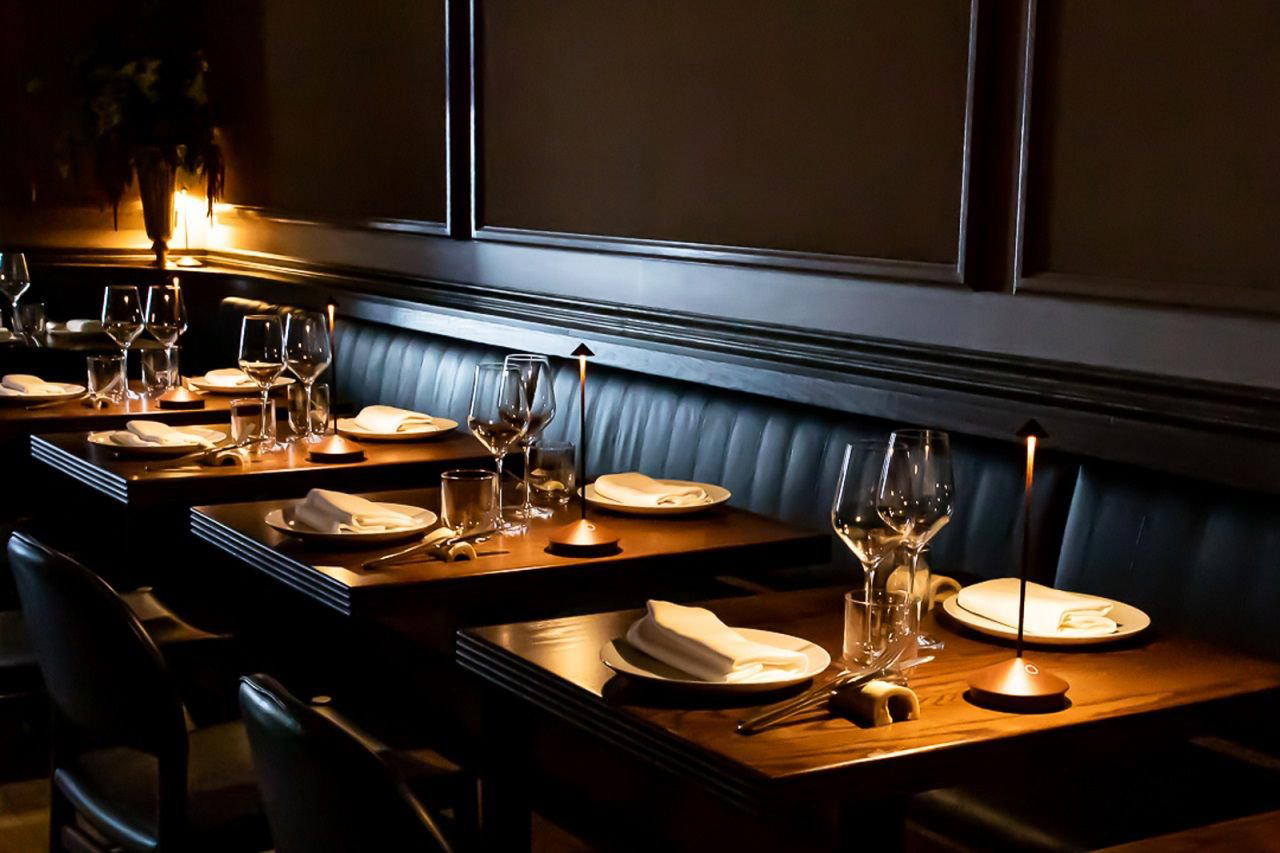
The food and beverage program at The St. Regis Chicago takes its cues from the building's design ambitions rather than defaulting to a safe hotel-restaurant template. Miru, the riverfront signature restaurant, occupies a terrace-facing position and focuses on Japanese plates spanning sushi and A5 wagyu. Dessert production sits with Juan Gutierrez, a winner on Netflix's School of Chocolate, whose black sesame mochi with charcoal-vanilla ice cream has drawn attention beyond the hotel's immediate guest base.
Tre Dita, a Tuscan steakhouse from chef Evan Funke, rounds out the dining destinations with an open-hearth, wood-fire format. Funke has an established presence in this cooking tradition, having built his reputation around handmade pasta and fire-based cooking at properties in Los Angeles and Las Vegas. That lineage anchors Tre Dita in a specific culinary context rather than leaving it as a generic steakhouse. The hotel's version of the St. Regis Bloody Mary, a signature ritual across the brand, adapts the format for Chicago by using local rye whiskey served in a smoking glass with a smoked salt rim, referencing the Great Chicago Fire of 1871. Ritual and local reference combined in a single preparation: that's the kind of specificity that keeps hotel bar programs from feeling interchangeable. For broader dining context across the city, see our full Chicago restaurants guide.
Planning a Stay
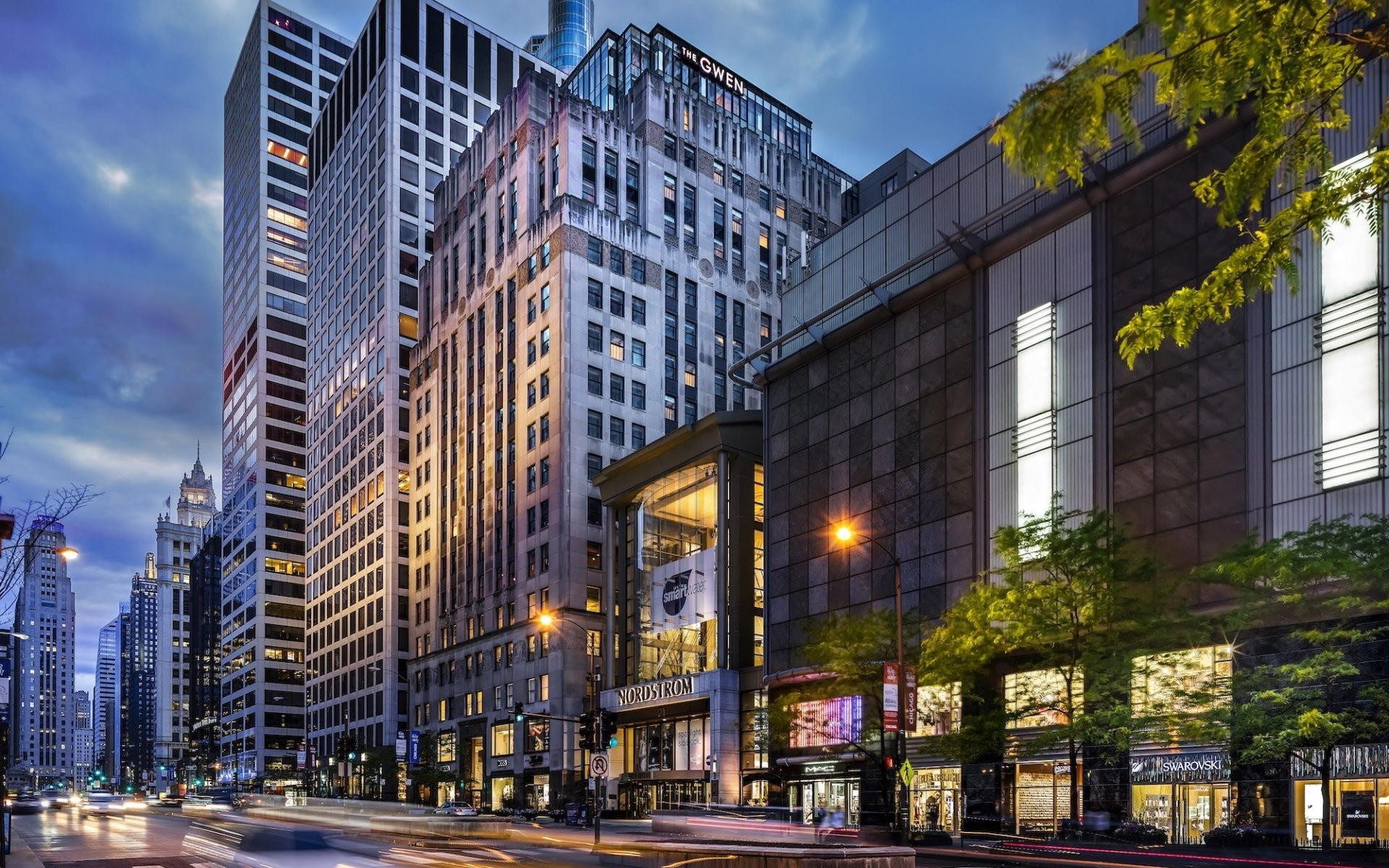
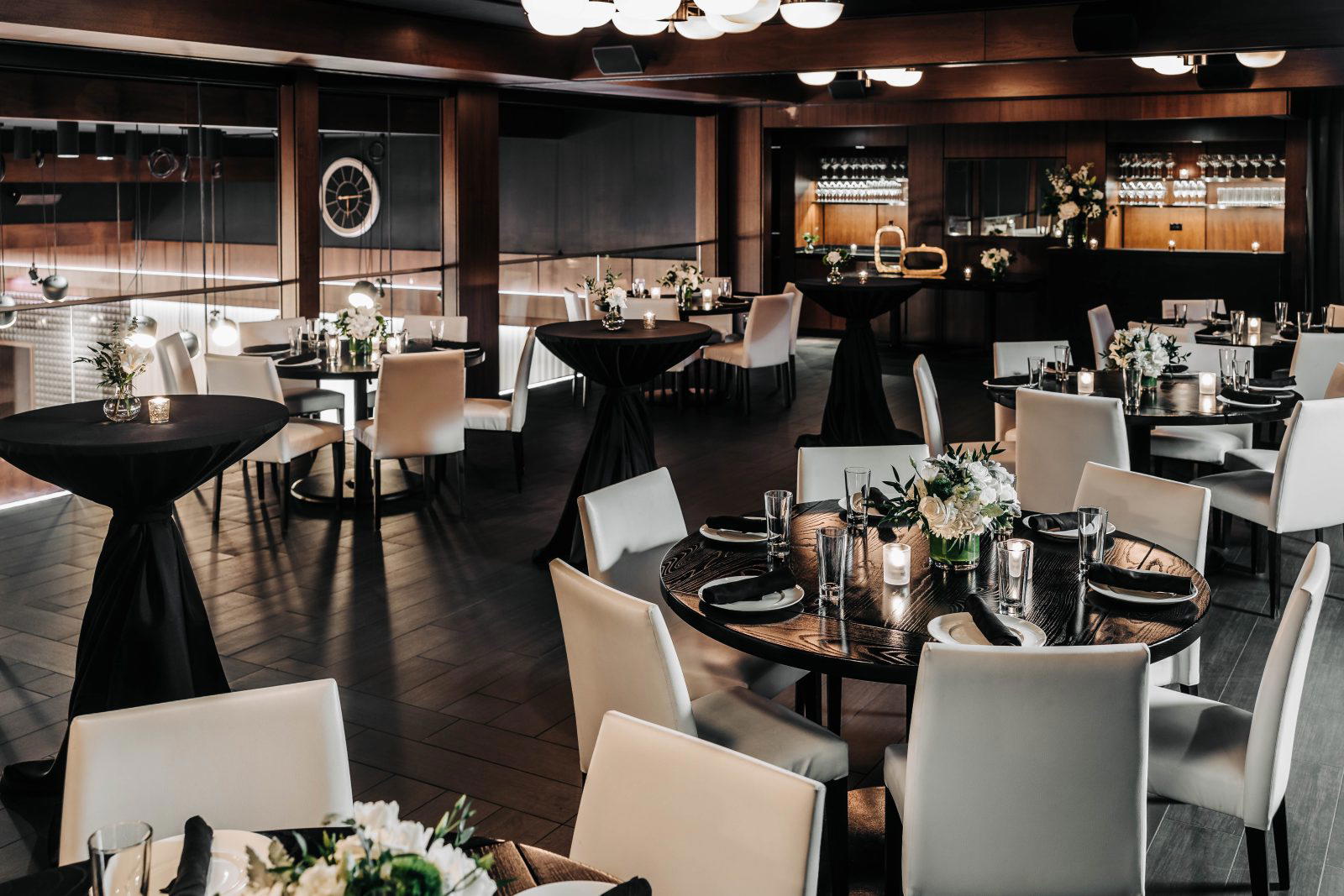
The St. Regis Chicago sits at 401 East Wacker Drive at the convergence of the Chicago River and Lake Michigan, placing it within walking distance of the Magnificent Mile, Millennium Park, Navy Pier, and the main Museum Campus access points. The address is practical for both leisure and corporate travelers, which maps to the hotel's meeting and events infrastructure: the Astor Ballroom and a set of Executive Function rooms handle gatherings at varying scales. The property accepts pets, offers 24-hour room service, and carries the full fitness and spa suite described above. For guests arriving by air, Chicago O'Hare and Midway are both accessible by CTA rail, which deposits you close to the hotel's Wacker Drive address. Booking through Marriott Bonvoy channels applies, given the property's position within Marriott International's portfolio, and the hotel first received formal recognition in 2023. For comparison across Chicago's luxury hotel tier before committing, Chicago Athletic Association and The Gwen, a Luxury Collection Hotel, Michigan Avenue Chicago occupy the heritage-building segment of the market that the St. Regis, as a newly constructed tower, deliberately does not try to compete on.
At-a-Glance Comparison
Comparable venues nearby, for context on price, style, and recognition.
| Venue | Cuisine | Price | Awards | Notes |
|---|---|---|---|---|
| The St. Regis ChicagoThis venue — the venue you are viewing | Modern luxury high-rise with panoramic views | Not listed | Michelin Selected · Virtuoso Luxury Hotel Partner | Not listed |
| Four Seasons Hotel Chicago | Luxury urban high-rise with direct access to 900 shops below. | Not listed | 1 Michelin Key · Forbes 4-Star | Magnificent Mile |
| Sofitel Chicago Magnificent Mile | Art Deco luxury | Not listed | Michelin Selected · Virtuoso Luxury Hotel Partner | Gold Coast |
| Thompson Chicago | Sophisticated boutique with casual luxury and Gold Coast glamour | $100–200 | Michelin Selected · Forbes Recommended | Gold Coast |
| Hotel Arista | Luxury boutique urban retreat blending contemporary design with timeless elegance, positioned as an accessible luxury alternative to Chicago properties. | $200–300 | Forbes Recommended | Naperville |
| The Gwen, A Luxury Collection Hotel | Urban elegance with classic luxury style in a historic 1928 building. | Not listed | 1 Michelin Key · Star Wine List | Magnificent Mile |
Recognition history
Dated appearances from independent guides and award organizations, with the underlying list record or original source where available.
Michelin Selected
Michelin
Forbes 4-Star
Forbes
Virtuoso Luxury Hotel Partner
Virtuoso
AAA 5 Diamond
AAA
Full recognition history (5 entries)
Forbes Recommended
Forbes

Details
- Elegant
- Sophisticated
- Ornate
- Romantic Getaway
- Business Trip
- Anniversary
- Rooftop Pool
- Butler Service
- Panoramic View
- Spa
- Pool
- Fitness Center
- Room Service
- Concierge
- Valet Parking
- Skyline
- Waterfront
- Wheelchair Accessible
- Elevator
- Step Free Entrance
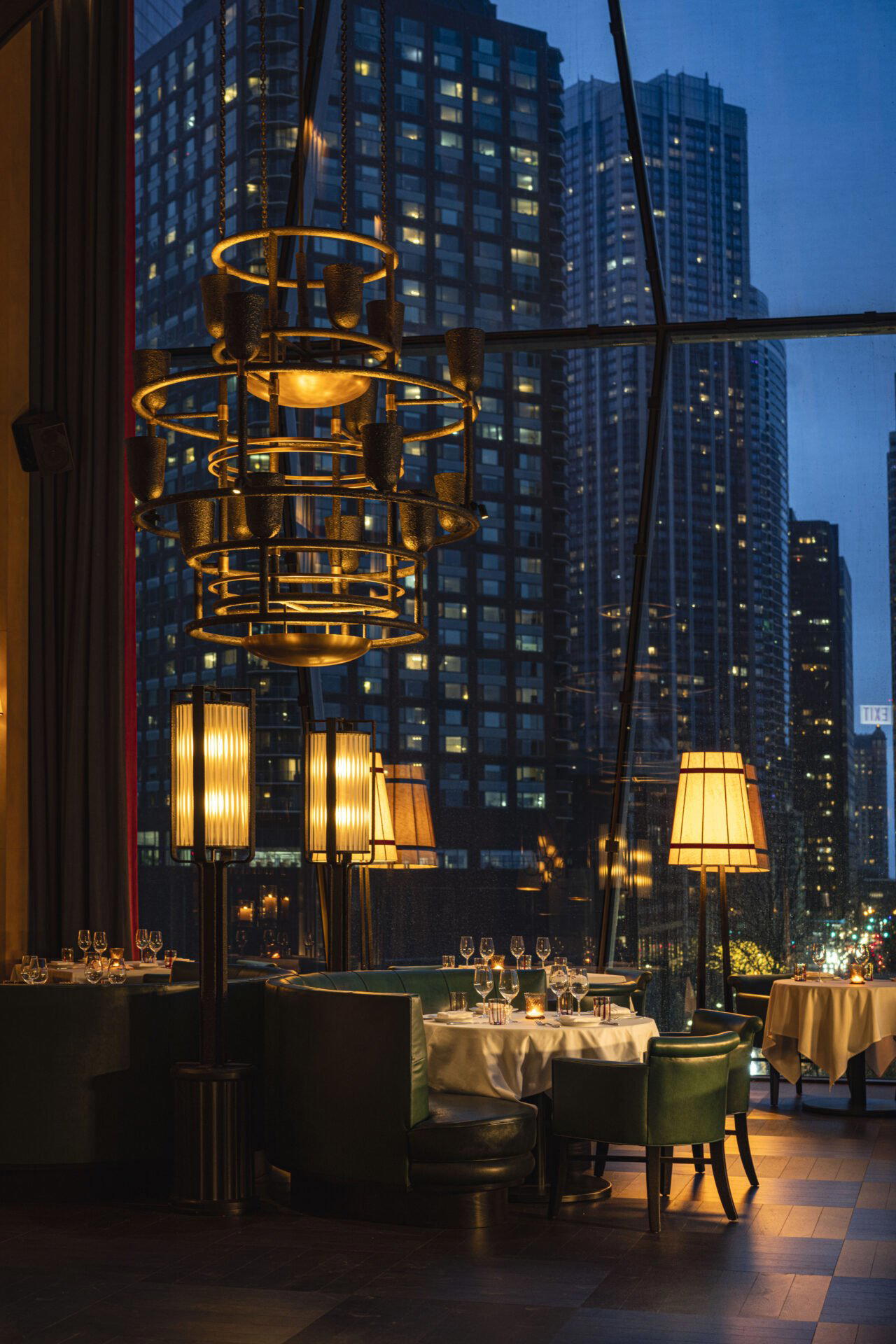
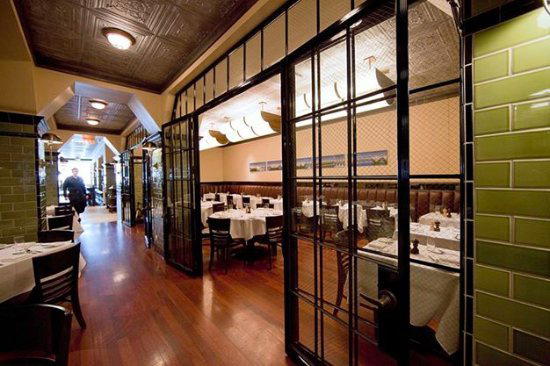
Soft geometric lighting, gold and marble accents, and floor-to-ceiling windows create a relaxing, sophisticated atmosphere.