Skip to Main Content
Contemporary American Gastropub
← Collection
Price≈$75
Dress CodeCasual
ServiceUpscale Casual
NoiseConversational
CapacityMedium

The Bristol on North Damen Avenue sits at the heart of Bucktown's neighborhood dining scene, operating as a gastropub-adjacent American bistro where the kitchen takes seasonal sourcing seriously without the formality of Chicago's tasting-menu tier. The divide between its lunch and dinner service is where its character comes through most clearly, with midday pulling a local crowd and evenings drawing diners who treat it as a serious destination.

Pearl is the En Primeur Club membership app — saves, bookings, and concierge access live there. Same editors, same standards.

Plan your visit on PearlPlan Your Visit
Address
2152 N Damen Ave, Chicago, IL 60647
Phone
+1 773 862 5555
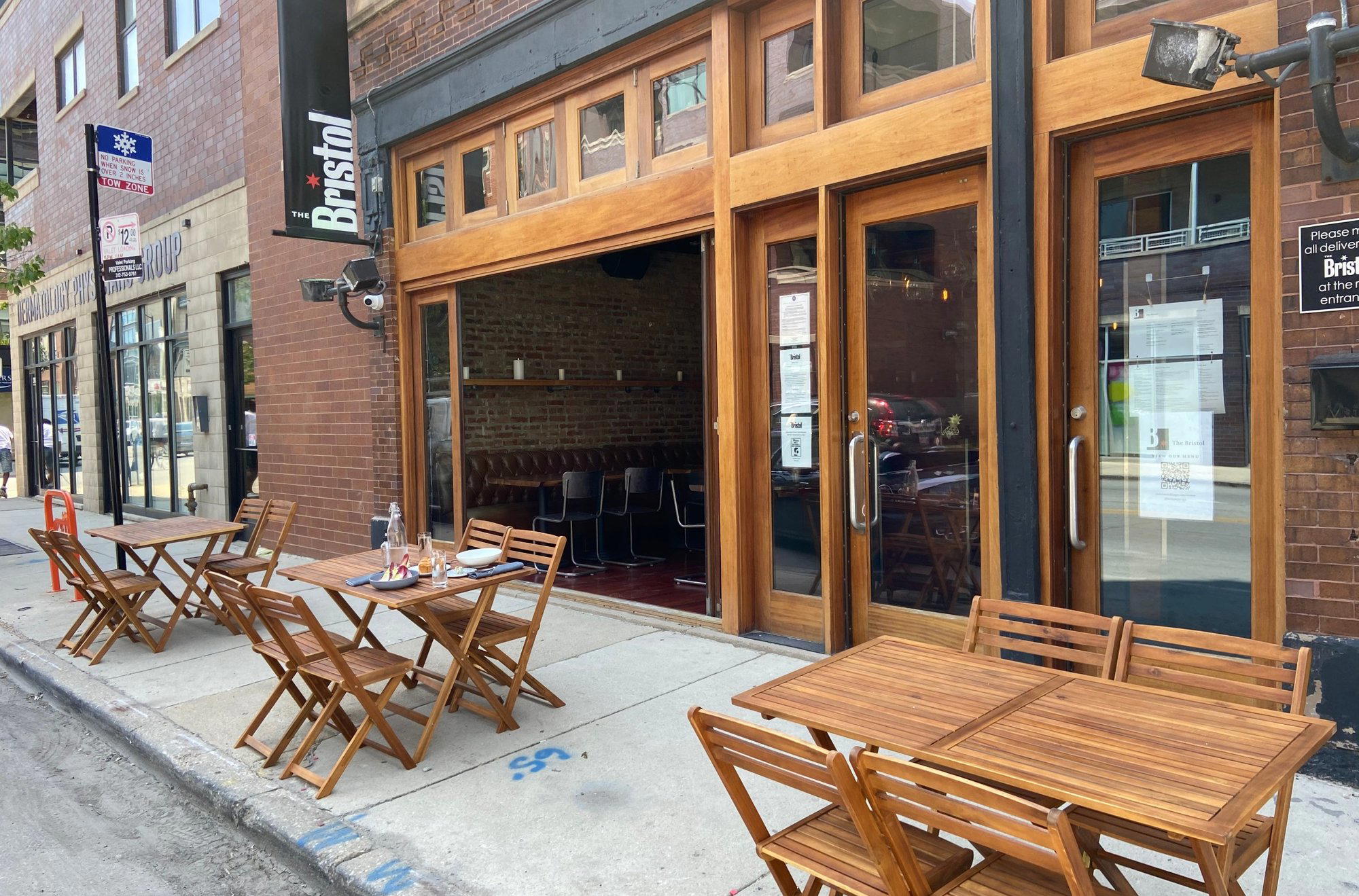
The Bristol restaurant in Chicago, United States
About

Bucktown's Baseline: Where Chicago's Neighborhood Dining Gets Honest

Chicago's dining geography sorts itself into two broad tiers: the tasting-menu circuit concentrated in River North, the West Loop, and the Gold Coast, and the neighborhood restaurant layer that operates on repeat visits, recognizable faces, and menus built for the week rather than the occasion. The Bristol, on North Damen Avenue in Bucktown, is a contemporary American gastropub in Chicago with a casual dress code and a recommended reservation policy, priced around $75 per person. Against the backdrop of destinations like Alinea, Smyth, and Oriole, The Bristol operates at a different register entirely, one where the ambition is in the cooking rather than the format.

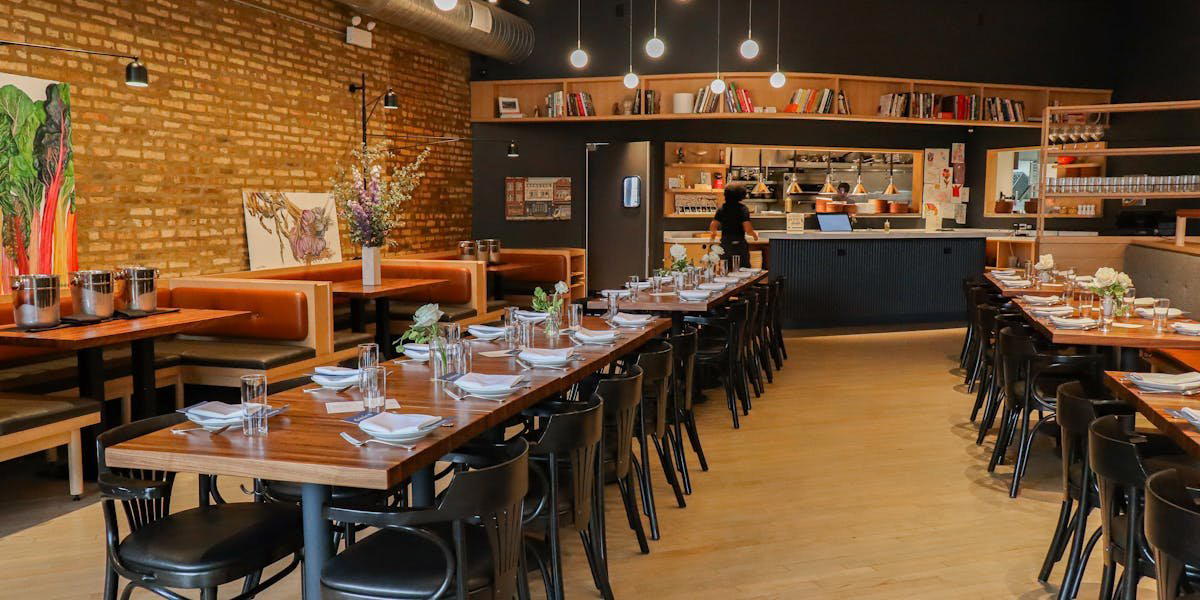
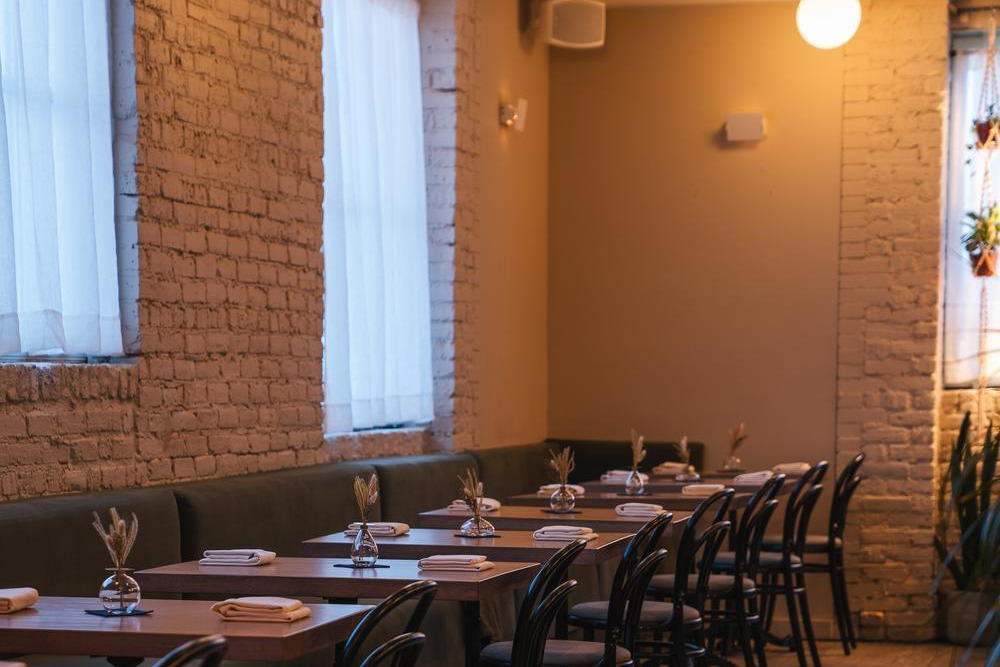
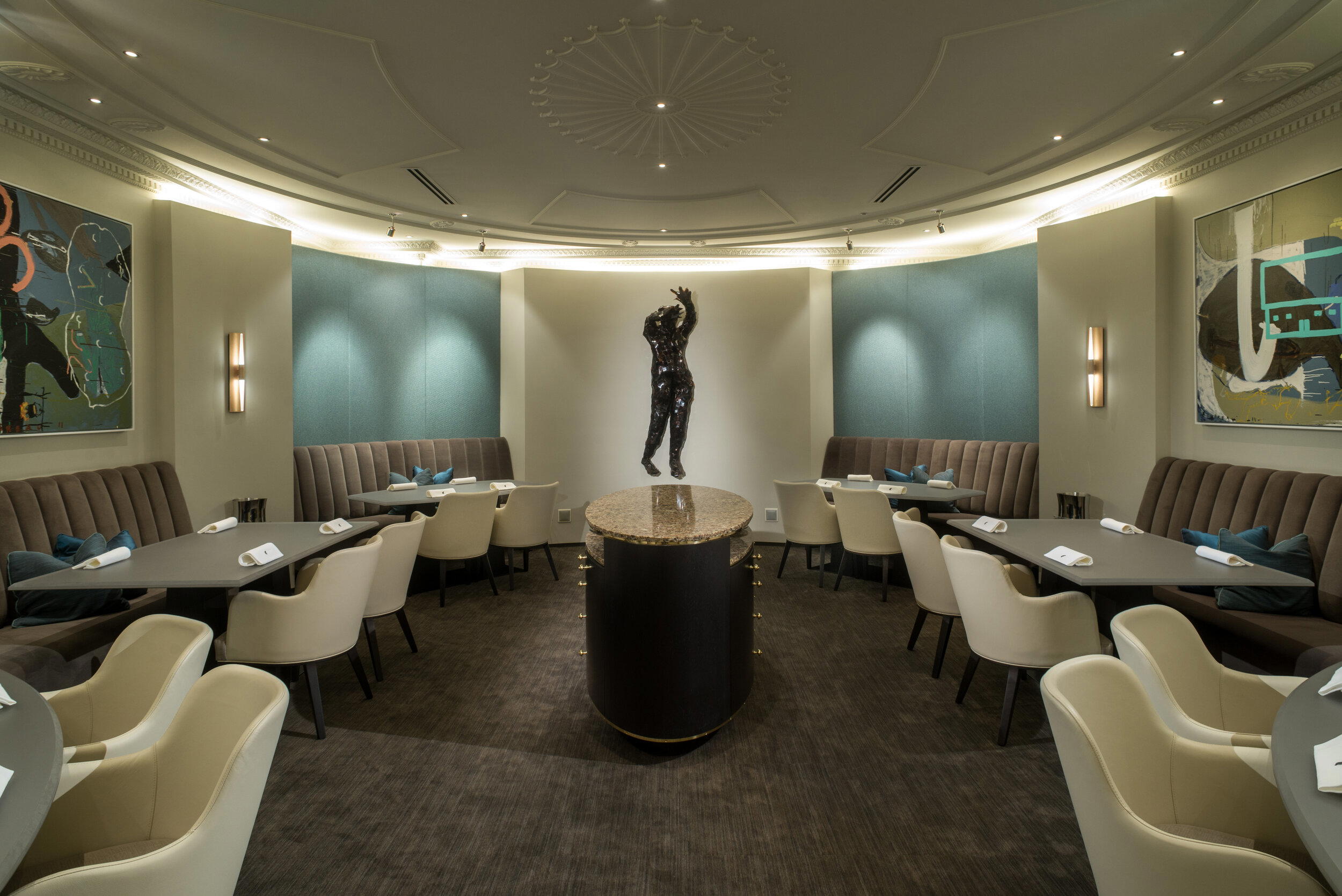
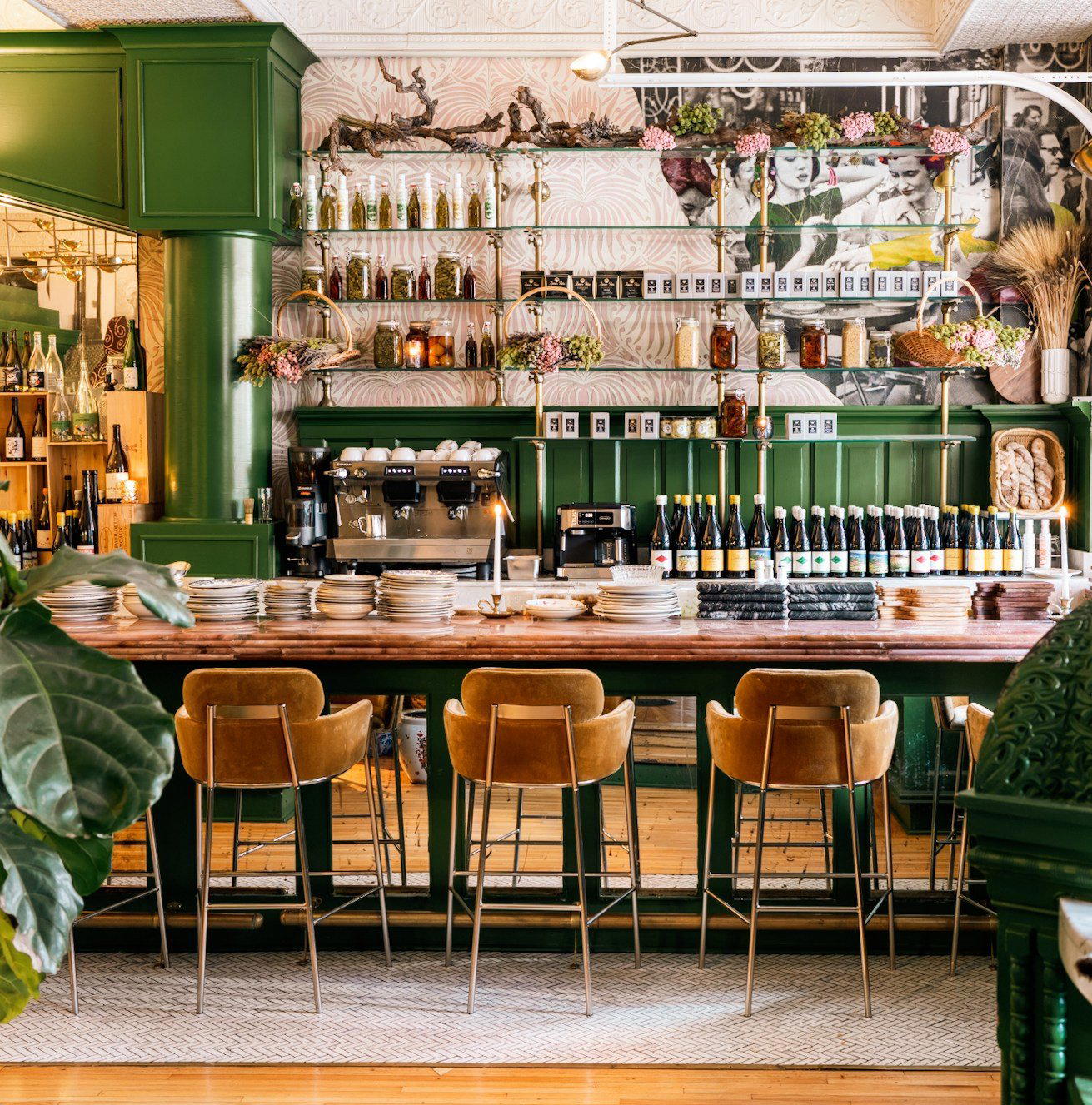
Bucktown itself shapes the experience before you sit down. North Damen Avenue at this stretch has the texture of a neighborhood that gentrified without fully losing its residential character, two-flats above storefronts, a hardware store holding on next to a wine bar, the kind of block where a restaurant can draw the same table on a Tuesday night as on a Saturday. The Bristol reads that context correctly. The room is warm without being precious, the kind of space designed for the third visit more than the first.

Lunch and Dinner: Two Versions of the Same Kitchen

The most instructive way to read The Bristol is through the gap between its daytime and evening service. Lunch here skews local and functional, drawing Bucktown residents, remote workers, and the neighborhood's loose creative class. The mood is lower-key, the pacing more flexible. It is a midday meal that doesn't require a reason, the kind of service format that has largely disappeared from American cities as restaurants chase evening revenue at the expense of daytime hospitality.

Dinner shifts the axis. The room fills with a different intent: couples marking a mid-week occasion, groups who have been talking about coming back, out-of-neighborhood visitors who know the address. The kitchen responds to this shift with a menu that leans heavier and more composed. The general American bistro framework that runs through both services gets more pronounced at night, more protein-forward plates, more attention to the bar program, a slightly longer decision-making tempo at the table. Neither service is more correct; they are distinct enough that regulars often have a clear preference for one over the other, which is itself a sign of a kitchen that has learned to read its room across the day.

This lunch-dinner architecture places The Bristol in a tradition that American gastropubs and bistros have practiced with varying success. The format works well when the kitchen doesn't wholesale change its philosophy between services, when dinner is lunch with more intention rather than a different restaurant altogether. By most accounts, The Bristol has held that line, which is harder to do consistently than it sounds. Comparisons to the neighborhood-rooted format at Kasama are instructive, though Kasama operates at a higher price point and with a more specific cultural throughline. The Bristol's frame of reference is broader American, which gives it flexibility but also demands more discipline to stay interesting over time.

The Seasonal American Frame

American bistro cooking in the 2020s has converged around a set of assumptions: local sourcing where the economics allow, a charcuterie or conserva component that signals technique, pasta or grains as a middle course, and a protein anchor built around something the kitchen can butcher in-house. The Bristol has operated within this frame for years, shaped by Chicago rather than imported wholesale from the coasts. That positioning matters. Restaurants that arrived at seasonal American cooking later, after Next Restaurant and its peers had already theorized the form, had to find ways to differentiate. The Bristol's differentiation has always been neighborhood density: the sense that the cooking is calibrated for this block rather than for a broader culinary statement.

The comparison set for this kind of cooking extends well beyond Chicago. At the higher end of the national category, properties like Blue Hill at Stone Barns, Single Thread Farm in Healdsburg, and The French Laundry in Napa represent the form at its most resource-intensive. At the mid-tier where The Bristol operates, the discipline is different: fewer luxury inputs, more reliance on technique and sourcing relationships, and a margin structure that demands the kitchen stay tight. Across American cities, you find analogues at Lazy Bear in San Francisco, Frasca Food and Wine in Boulder, and Emeril's in New Orleans, though each operates with a distinct regional inflection. The Bristol's Chicago inflection is Midwestern directness: the cooking tends to declare itself plainly rather than construct elaborate narratives around the plate.

Bar Program and the Evening Economy

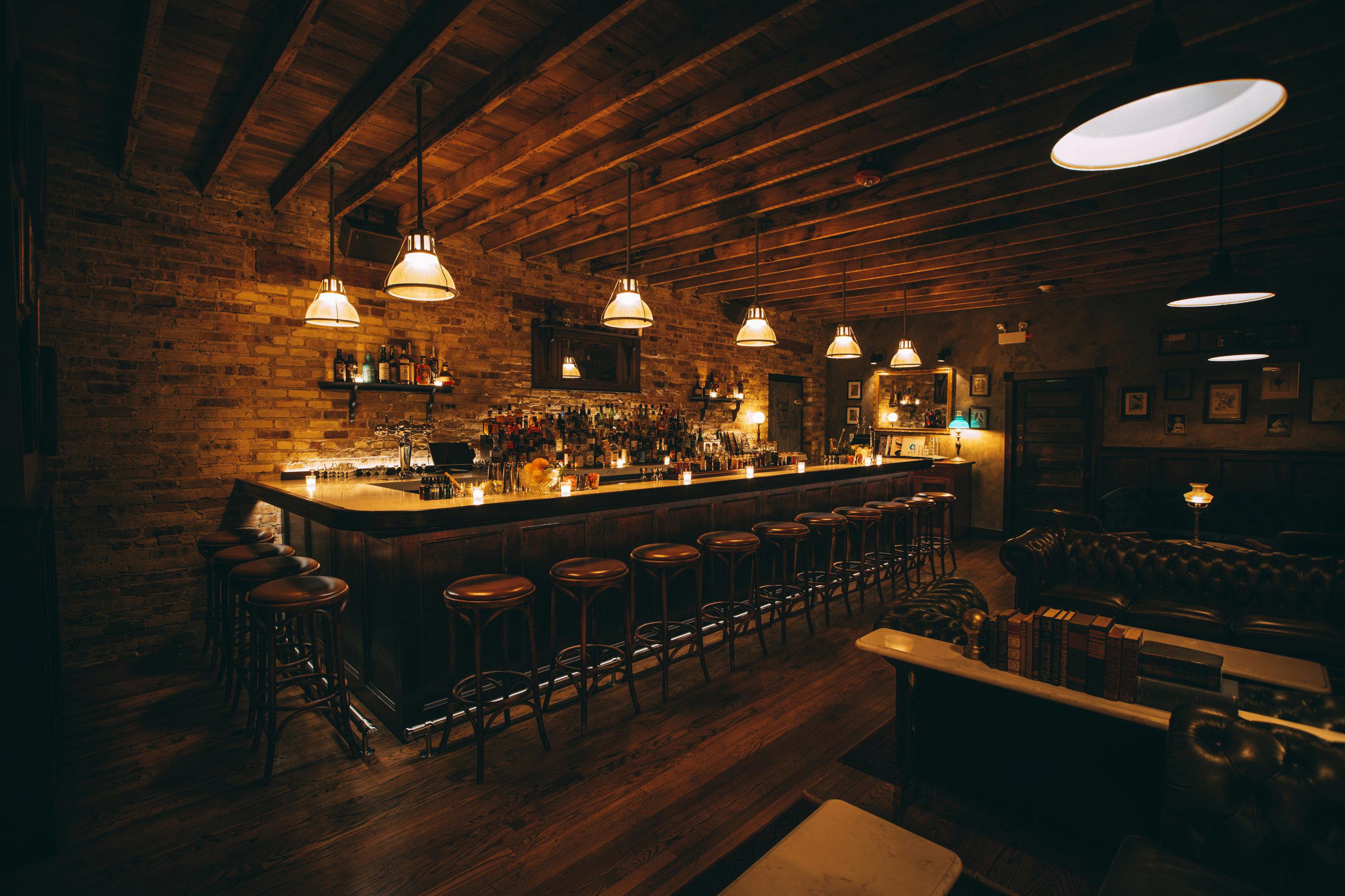
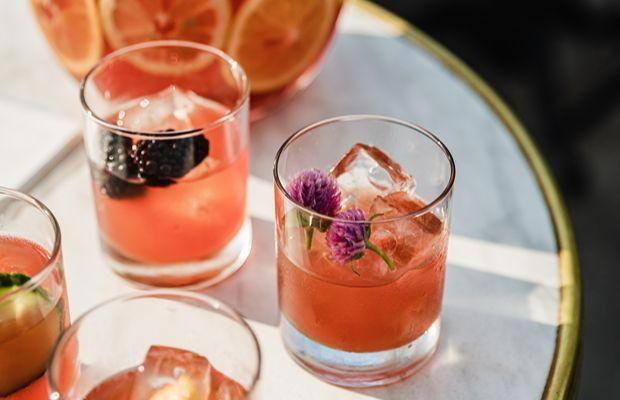
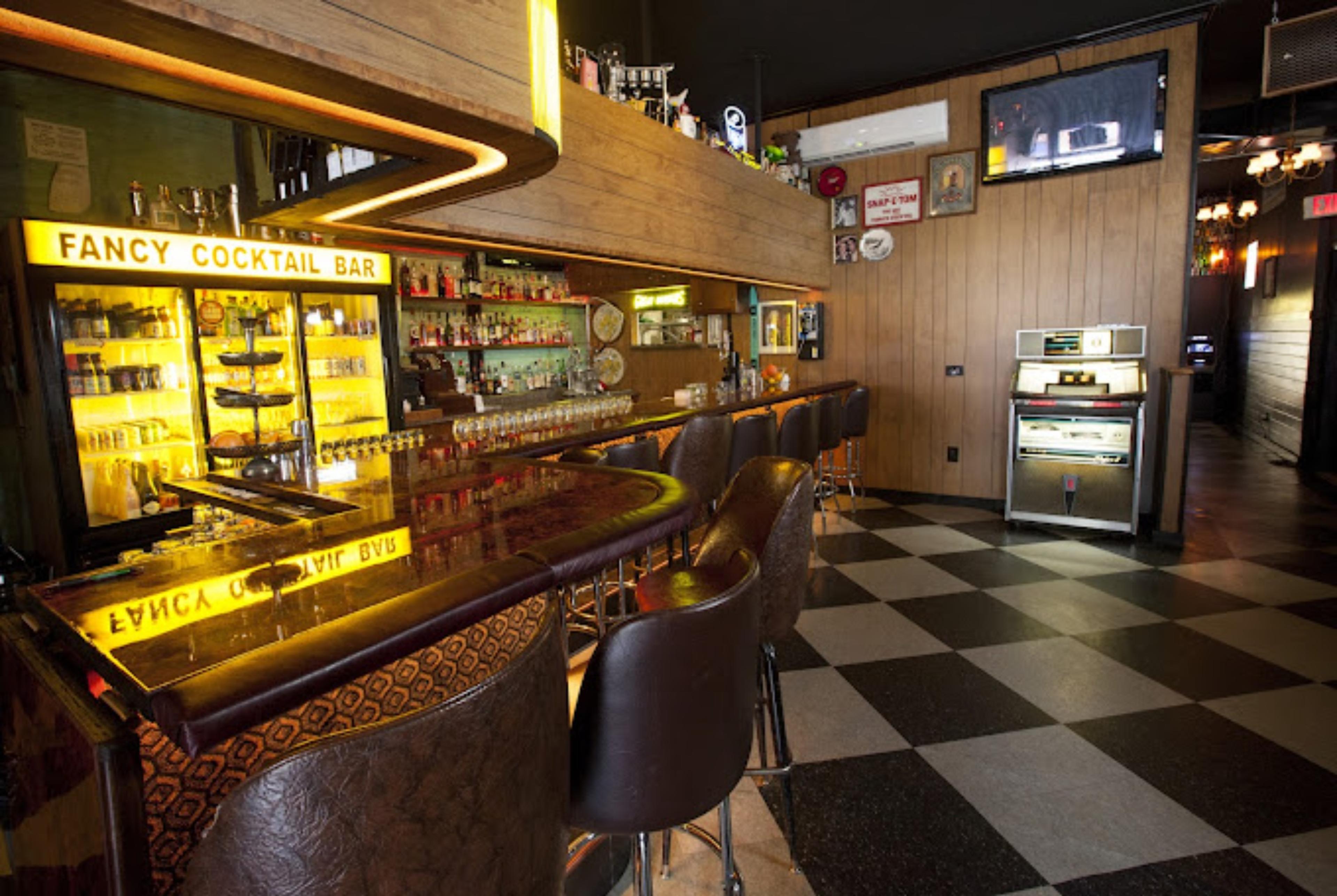
The bar at The Bristol is not incidental to the dinner experience. American bistros of this type learned early that a serious cocktail and beer program extends the ticket, smooths out the pacing gap between walk-ins and reservations, and gives solo diners a comfortable perch. The Bristol's bar has enough depth to function as a destination independently from the kitchen, a characteristic it shares with better-known cocktail-forward venues nationally, including Atomix in New York at the high end, and more practically with the neighborhood bars that define Chicago's drinking culture. The wine list, in keeping with the seasonal American format, tends toward producers that complement acid-forward, vegetable-heavy cooking rather than anchoring to Napa-heavy selections more common at steakhouse-adjacent spots. For deeper reference on what high-commitment American wine service looks like, Le Bernardin in New York City and Providence in Los Angeles set a different tier entirely, but the philosophy of list-as-cooking-companion runs through The Bristol's approach in a recognizable way.

Planning a Visit

Bristol is located at 2152 N Damen Avenue in Bucktown, accessible via the Blue Line's Damen stop. Walk-in availability at the bar is generally more reliable than dining room seats without a reservation, particularly on Thursday through Saturday evenings. Lunch tends to be more forgiving on walk-ins across the week. For first visits, the evening service on a Tuesday or Wednesday gives the kitchen at its most focused without the full-room pressure of a weekend.

Signature Dishes
roasted half chickendill spaetzleduck fat fries
Frequently asked questions

Cost and Credentials

Comparable venues nearby, for context on price, style, and recognition.

At a Glance
Vibe
  • Lively
  • Elegant
  • Sophisticated
  • Cozy
Best For
  • Date Night
  • Special Occasion
  • Brunch
  • Group Dining
Experience
  • Open Kitchen
  • Private Dining
Drink Program
  • Craft Cocktails
  • Extensive Wine List
Sourcing
  • Farm To Table
  • Local Sourcing
Dress CodeCasual
Noise LevelConversational
CapacityMedium
Service StyleUpscale Casual
Meal PacingLeisurely

Lively atmosphere favored by locals and off-duty chefs, featuring a private art gallery setting for intimate celebrations.

Signature Dishes
roasted half chickendill spaetzleduck fat fries