
Teppanyaki Mihara Goten brings the Japanese iron-griddle tradition to Causeway Bay with consecutive Michelin Plate recognition in 2024 and 2025.
Pearl is the En Primeur Club membership app — saves, bookings, and concierge access live there. Same editors, same standards.
- Address
- 3/F, Cubus, 1 Hoi Ping Rd, Causeway Bay, Hong Kong
- Phone
- +852 5394 3689
- Website
- book.bistrochat.com
- Directions
- Get directions
 Saves & bookings on Pearl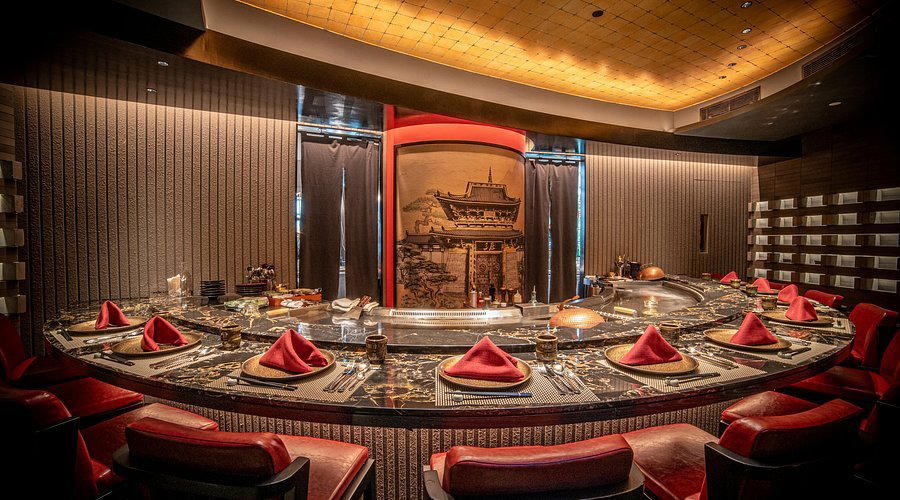
The Iron Counter in Context
Teppanyaki occupies a specific and sometimes misunderstood position in the hierarchy of Japanese cooking. Unlike omakase sushi or kaiseki, where the chef's distance from the plate creates ceremony, teppanyaki places the cook and the diner in direct proximity, the iron surface acting as both kitchen and theatre. In Japan, the format evolved from the post-war years as a way to showcase premium proteins with minimal interference, the heat of the steel doing the persuasion. Exported to Hong Kong, it entered a city that has always absorbed Japanese culinary traditions on its own terms, filtering them through local ingredient sourcing, Cantonese sensibilities around texture and freshness, and a dining culture that prizes transparency in preparation.
Teppanyaki Mihara Goten sits within that imported tradition, occupying the third floor of Cubus on Hoi Ping Road in Causeway Bay. The building itself positions the restaurant in one of Hong Kong's most commercially dense neighbourhoods, where the density of dining options is matched by the speed at which diners move between them. Consecutive Michelin Plate recognition in 2024 and 2025 places Mihara Goten in a tier of venues the guide acknowledges for consistent quality.
Where Local Supply Meets Japanese Technique
The editorial case for teppanyaki in Hong Kong rests on what happens when the method meets local and regional supply chains. Hong Kong's position as a trading city gives its restaurants access to premium Japanese wagyu alongside live seafood from local waters and produce sourced across the Pearl River Delta. The teppanyaki iron is well-suited to that range: it handles delicate shellfish with the same competence as thick-cut Kuroge Wagyu, and its direct-heat logic rewards quality raw material in a way that few other formats make so visible to the diner.
This intersection of imported method and regionally sourced product is where Mihara Goten operates, placing it alongside a small cohort of Hong Kong teppanyaki counters that treat the format as a platform for ingredient curation rather than a fixed-menu showpiece. The $$$ price designation places it in Hong Kong's serious mid-tier. Venues like Ta Vie exemplify how that price band accommodates serious technical ambition in Hong Kong without requiring a starred address.
The Causeway Bay Dining Position
Causeway Bay has long functioned as one of Hong Kong Island's primary dining destinations for residents rather than hotel guests. Japanese restaurants cluster here in high numbers, from casual izakayas in the side streets off Yee Wo Street to more formal counters targeting the area's professional lunch and dinner trade. A teppanyaki address at this level in this neighbourhood signals an operator calibrating for a regular local clientele as much as for visitors arriving by cross-harbour taxi.
The Cubus building on Hoi Ping Road has housed several food and beverage operations at different floor levels, making it a familiar address for the area's diners. The third-floor placement removes Mihara Goten from street-level foot traffic and positions it as a destination rather than a walk-in, which aligns with the format's requirements: teppanyaki counters function with pre-booking and a seated structure.
The Format's Demands and Its Rewards
Across the teppanyaki format globally, the difference between a strong counter and a mediocre one comes down to two variables: the quality of the sourcing and the discipline of the cook's timing. The iron surface communicates everything. Protein cut to the wrong thickness overcooks before colour develops. Shellfish held a beat too long loses the precise texture that justifies its price on the menu. In the better counters operating across Asia, from Ishigaki Yoshida in Tokyo to JIBUNDOKI in Osaka, the format has evolved toward a more considered, quieter register, less performance and more precision. Oribe and tanpopo, also in Osaka, demonstrate how the same city can support multiple teppanyaki approaches within a single price tier, each emphasising different ingredient categories or service rhythms.
Outside Japan, the format has taken root in cities with enough Japanese expat demand and visitor appetite to sustain the premium ingredient costs the counter requires. Hibana by Koki in Hanoi shows how the format travels into Southeast Asian markets, while Koji in Paris and Kazumi in Angers represent European adaptations that hold the Japanese structural logic while sourcing locally where possible. Robin's Teppanyaki in Taipei occupies a position closer to Mihara Goten's geographic and culinary comparable set, operating within a Chinese-majority city that has absorbed and adapted Japanese cooking traditions over decades.
Mihara Goten's back-to-back Michelin Plate recognition, covering 2024 and 2025, provides the concrete external calibration available. The Plate designation in Michelin's Hong Kong guide is not a consolation signal; it marks a restaurant the inspectors return to and find consistent. In a city where the guide covers hundreds of addresses across multiple cuisine categories, appearing in consecutive editions reflects sustained performance rather than a single strong meal.
What Regulars Order
What teppanyaki counters at this recognition level typically foreground, based on the format's conventions and the city's supply strengths, are wagyu beef preparations and premium seasonal seafood. Hong Kong's access to live seafood from local and regional waters gives its teppanyaki operators an ingredient advantage that their Tokyo counterparts cannot always replicate with the same freshness margin. For diners who have experienced Forum's approach to premium Cantonese ingredients in the same city, Mihara Goten represents the Japanese counter equivalent of that ingredient-led seriousness, applied through an entirely different technical framework.
Regulars at Michelin Plate teppanyaki counters in Hong Kong tend to anchor their ordering around the seasonal protein that the chef is sourcing most actively at the time of the visit. The format rewards that kind of direct engagement.
Planning Your Visit
Teppanyaki Mihara Goten is located at 3/F, Cubus, 1 Hoi Ping Road, Causeway Bay, Hong Kong. Getting there: Causeway Bay MTR station (Island Line) is the standard approach, with the Cubus building a short walk from the station exits. Budget: The $$$ price designation places this in Hong Kong's serious mid-tier, above casual Japanese dining but below the city's starred European rooms. Reservations: Essential. Recognition: Michelin Plate 2024 and 2025.
For a broader orientation to Hong Kong's dining scene, see our full Hong Kong restaurants guide. EP Club also covers hotels, bars, wineries, and experiences across the city.
- A4 Miyazaki Wagyu
- A5 Wagyu
- crab chawanmushi
- silver shark
- garlic fried rice
- homemade gelato
Category Peers
Comparable venues nearby, for context on price, style, and recognition.
| Venue | Cuisine | Price | Awards | Notes |
|---|---|---|---|---|
| Teppanyaki Mihara GotenThis venue — the venue you are viewing | Kappo-Style Teppanyaki | $$$ | Michelin Plate | Not listed |
| Sushi Ima | Edomae Omakase | $$$ | Not listed | Central |
| fukuro | Modern Japanese Izakaya | $$$ | Not listed | Central |
| Kicho | Omakase-style Tori Kappo | $$$$ | Michelin Plate | Central |
| Sushi Zo Hong Kong | Traditional Japanese Omakase | $$$$ | Not listed | Central |
| Yuè (Causeway Bay) | Modern Cantonese | $$$ | Michelin Plate | Wan Chai |
Recognition history
Dated appearances from independent guides and award organizations, with the underlying list record or original source where available.
Michelin Plate
Michelin
Michelin Plate
Michelin
Michelin Plate
Michelin
Continue exploring
More in Hong Kong
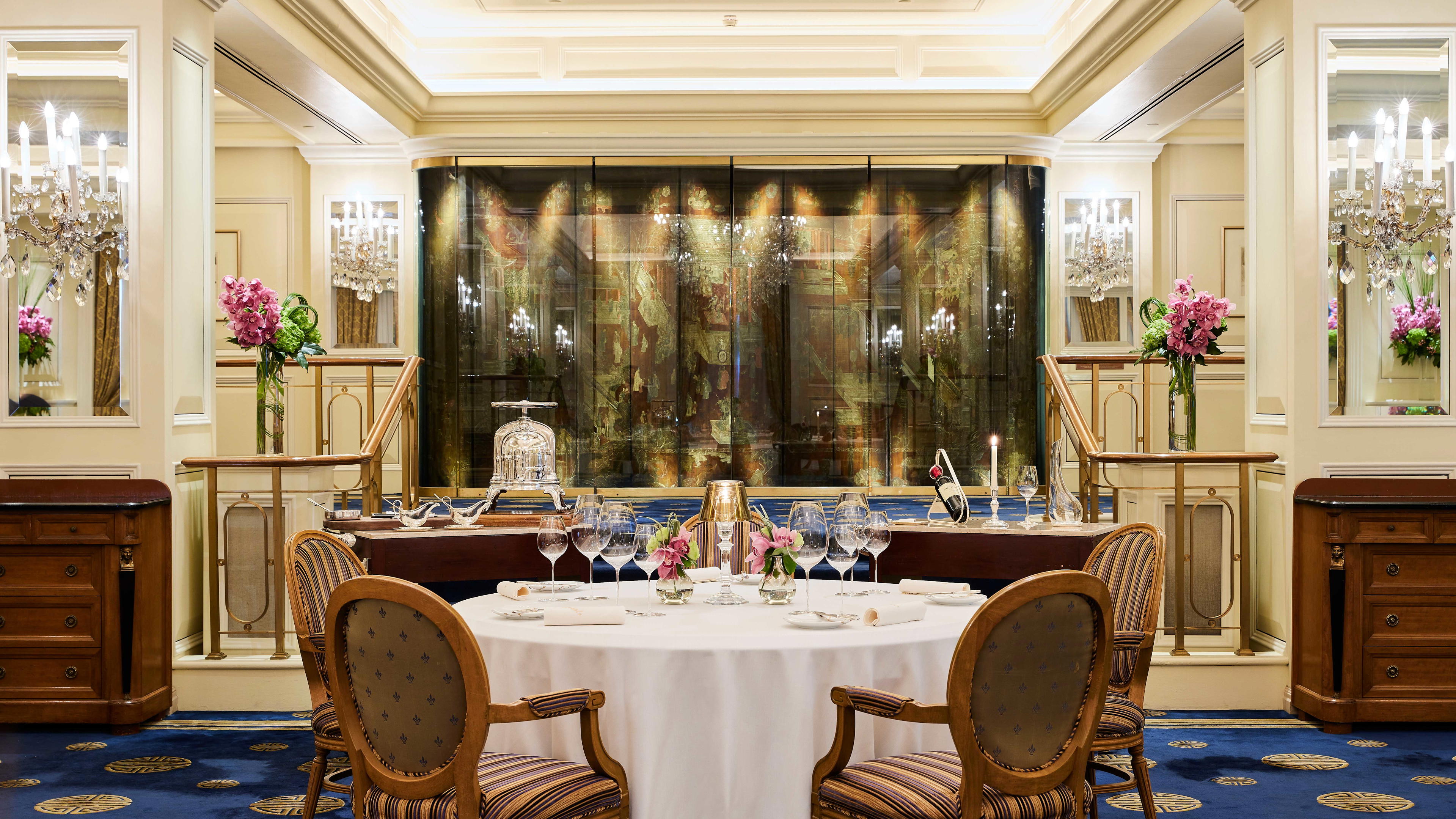
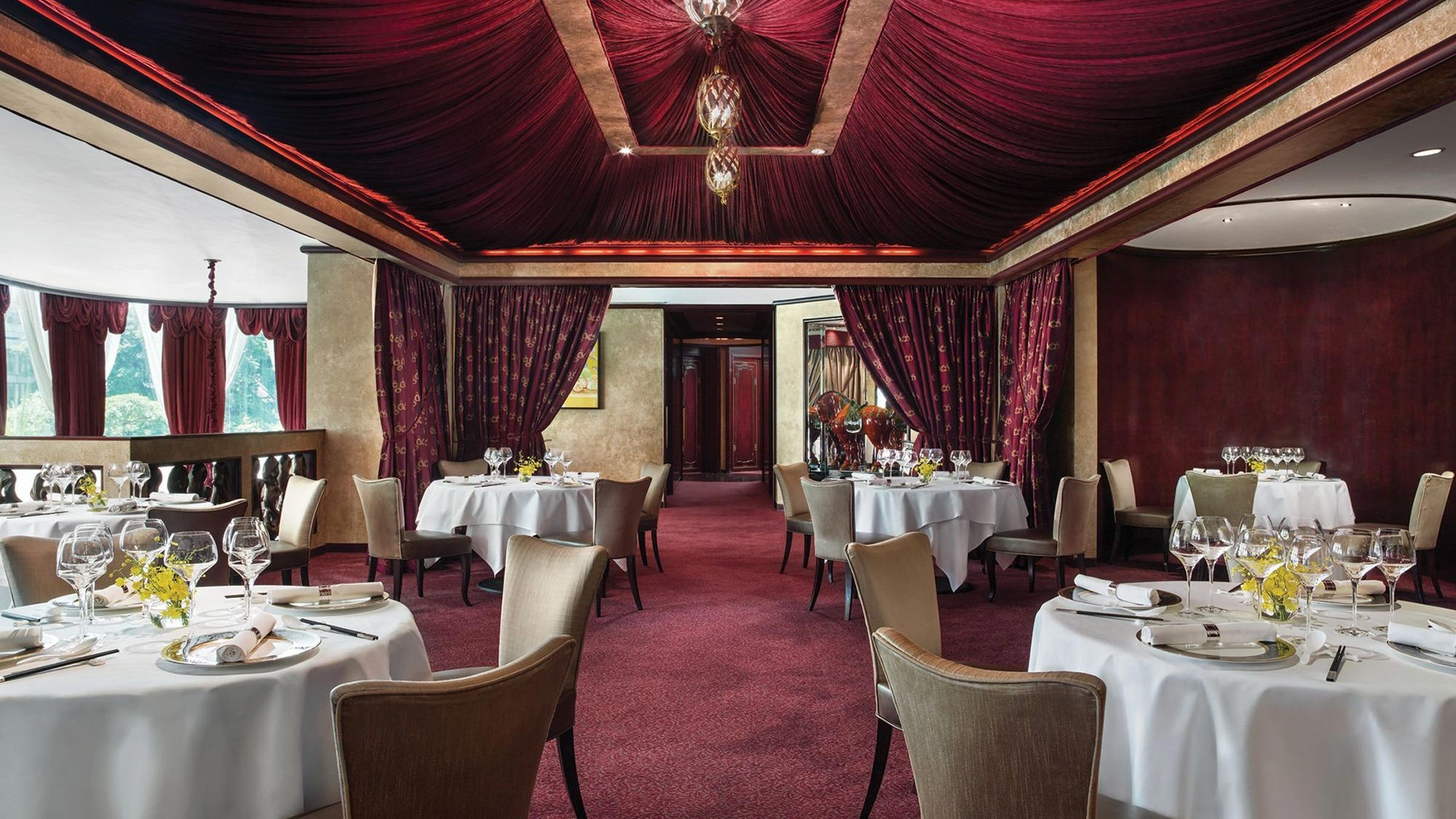
Restaurants in Hong Kong
Browse all →
Bars in Hong Kong
Browse all →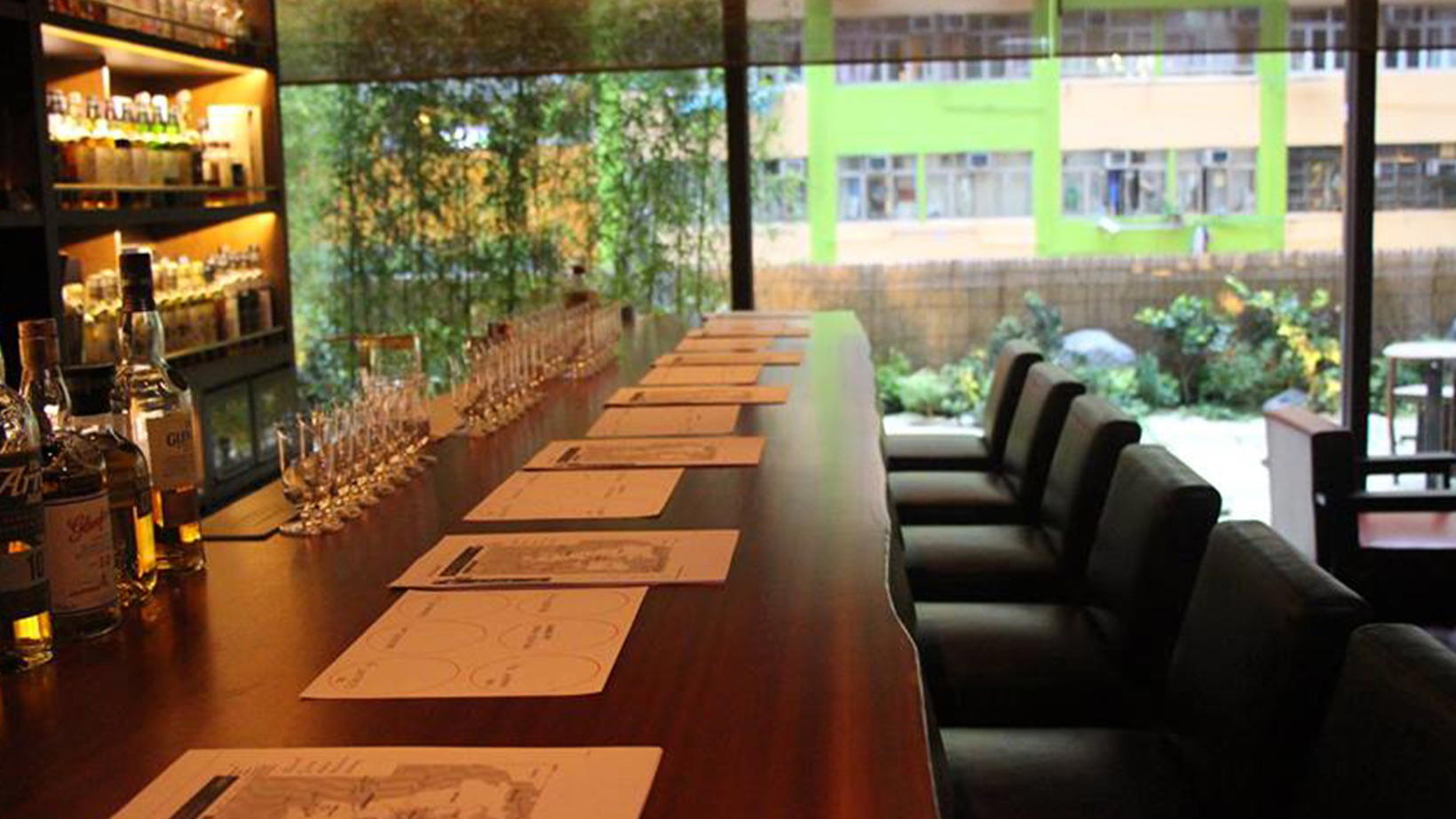
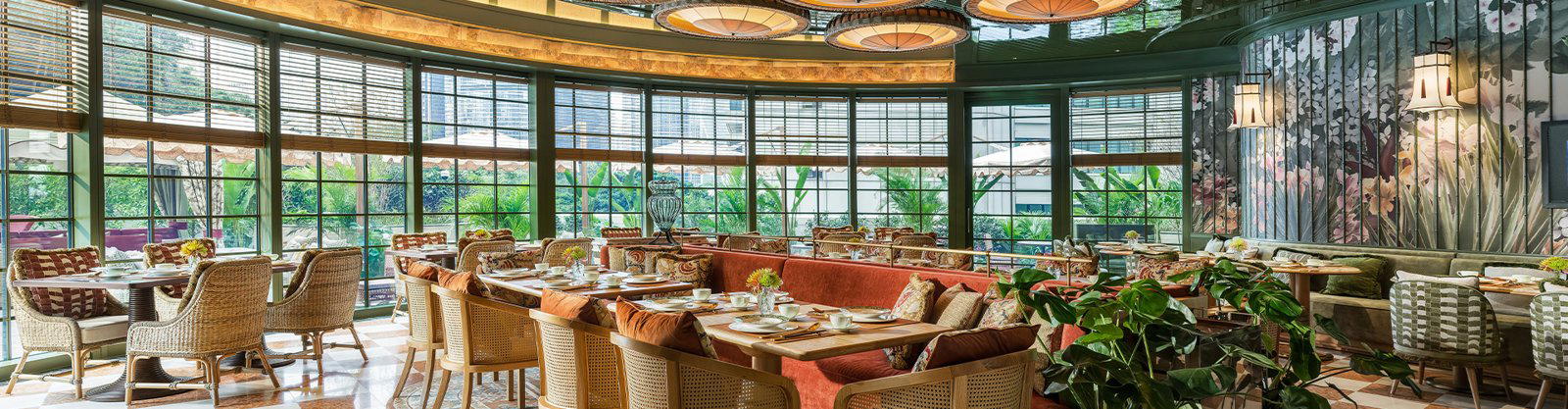
At a Glance
- Elegant
- Intimate
- Cozy
- Sophisticated
- Date Night
- Special Occasion
- Celebration
- Chefs Counter
- Open Kitchen
- Sake Program
- Local Sourcing
Current opening hours
- Monday
- 12–2:30 PM, 6–11 PM
- Tuesday
- 12–2:30 PM, 6–11 PM
- Wednesday
- 12–2:30 PM, 6–11 PM
- Thursday
- 12–2:30 PM, 6–11 PM
- Friday
- 12–2:30 PM, 6–11 PM
- Saturday
- 12–2:30 PM, 6–11 PM
- Sunday
- 12–2:30 PM, 6–11 PM
Hours can change for holidays and private events. Last verified .
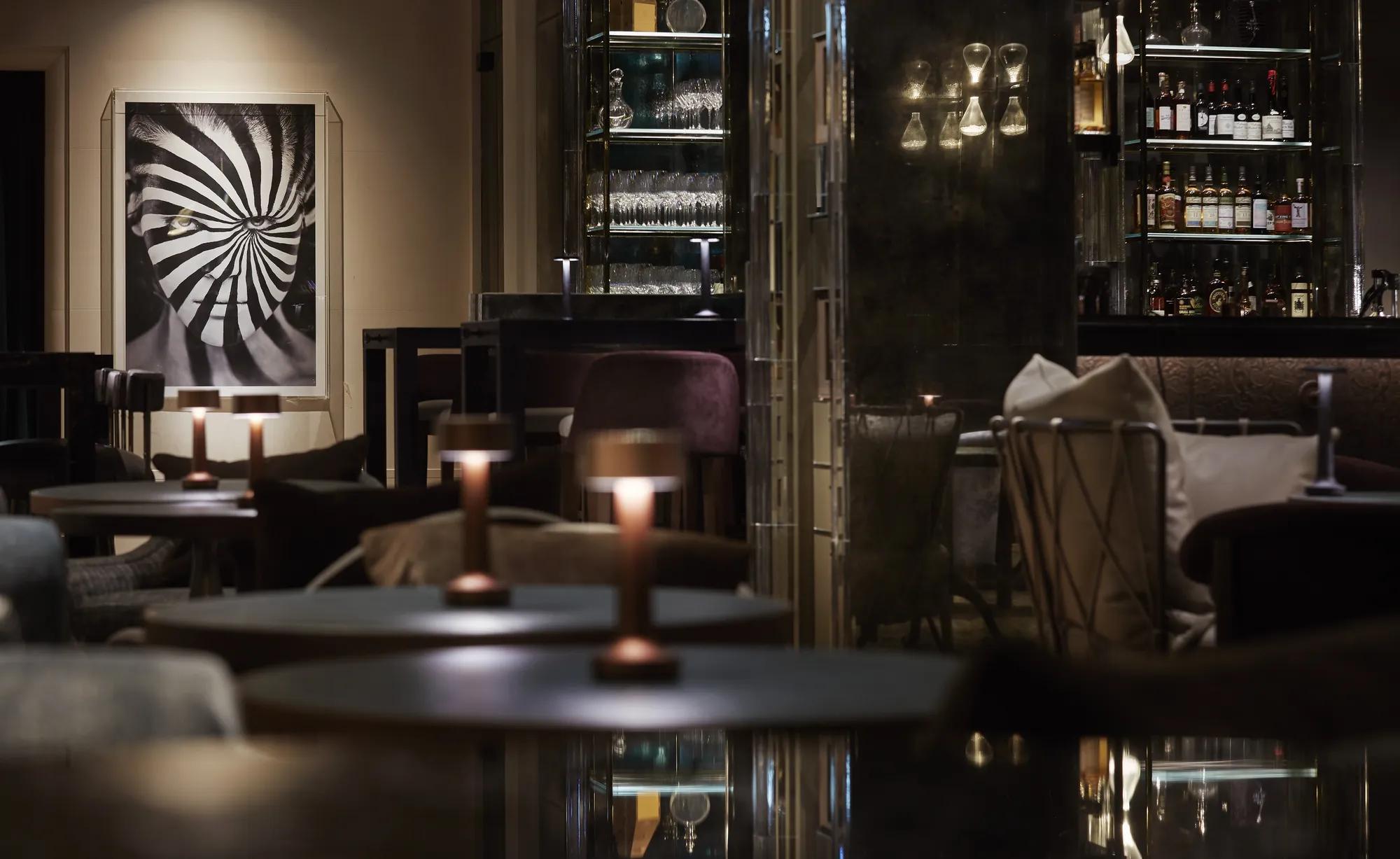
Serene and elegant with refined decor, soft warm lighting, cozy mysterious dark intimate tone, and high privacy in a 14-seater counter setting.