

Tabelog 100 #75
Our verdict
Morikawa sits in the Hongo district of Bunkyo, a kaiseki counter that has climbed the Opinionated About Dining Japan rankings three consecutive years, #27 in 2023, #30 in 2024, and #64 in 2025. Under Chef Kenji Mori, the kitchen follows traditional multi-course sequencing with the kind of precision that places it well above the mid-tier kaiseki field in Tokyo.

Pearl is the En Primeur Club membership app, where members save venues, book tables and use the concierge.
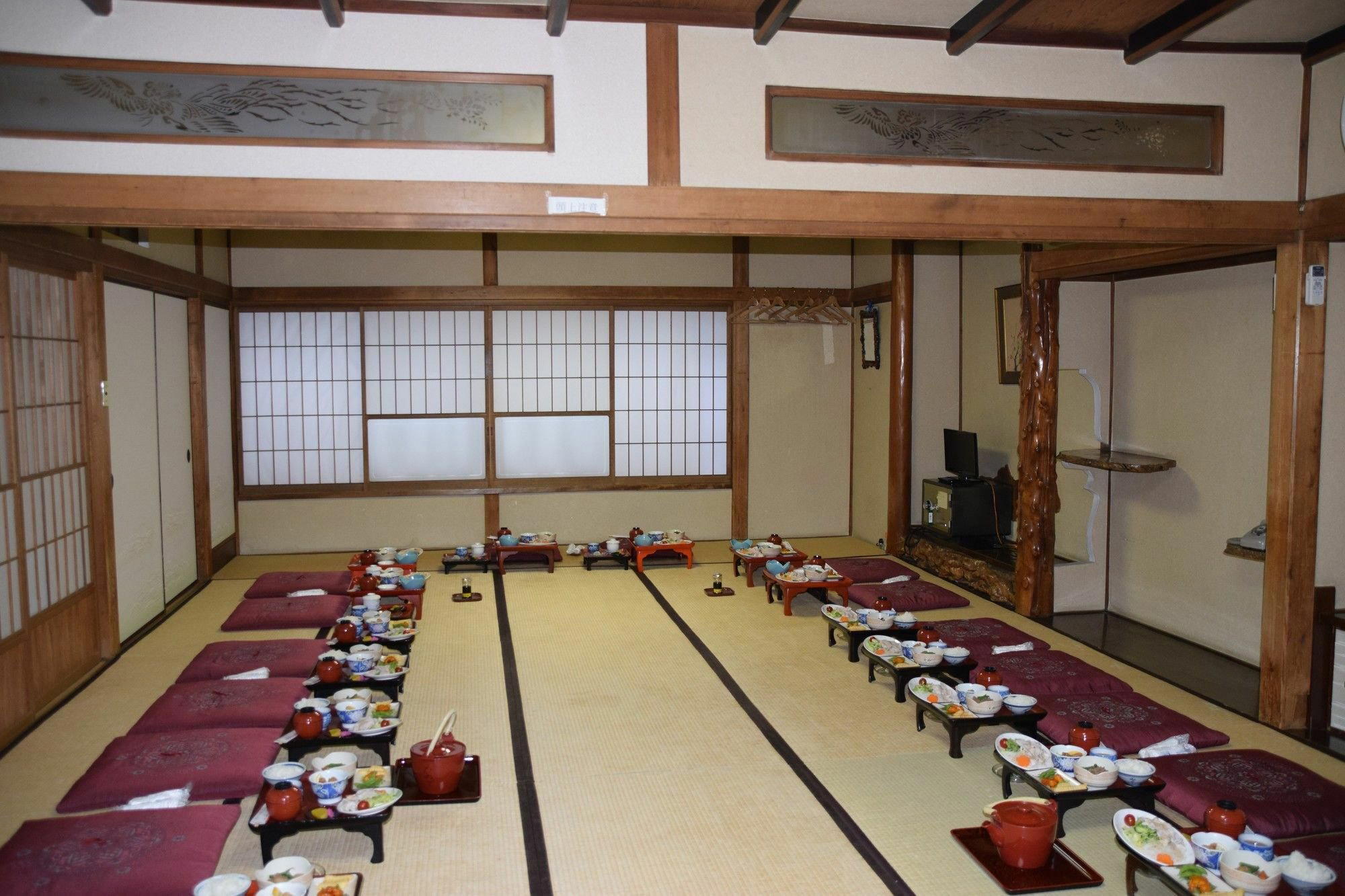
The menu
What to order
- Twice-Fried Karaage
- Comprehensive Oyakodon
- Mizutaki Hot Pot
Kaiseki in the Academic Quarter: Why Bunkyo Changes the Conversation
Most of Tokyo's serious kaiseki rooms cluster in Ginza, Minami-Aoyama, or the hotel corridors of Roppongi. Bunkyo, the ward that holds the University of Tokyo and a dense residential fabric of old Shitamachi blocks, operates on a different register. Restaurants here earn their audience through repetition and word-of-mouth rather than proximity to expense-account geography. That dynamic shapes the dining character of the area: kitchens like Morikawa, at 5 Chome-30-16 Hongo, answer to a more deliberate clientele, one that has sought out the address rather than stumbled on it between meetings.
That neighbourhood context matters when positioning Morikawa against Tokyo's broader kaiseki field. Compare it with Kikunoi - Tokyo, a Kyoto-heritage house operating in a distinctly central, high-traffic setting, or with Roppongi's Akasaka Ogino, and the locational philosophy becomes clear. Morikawa is not competing for footfall. It is competing for the kind of guest who plans.
The Arc of a Kaiseki Progression
Kaiseki's logic is temporal. Each course exists to move the diner forward through season, texture, and intensity, the sakizuke (an amuse-level opener), the hassun (a tray that signals the season's anchor ingredients), the yakimono (a grilled course that usually marks the meal's thermal peak), the rice service that closes the savoury arc. The tradition emerged from Kyoto tea ceremony culture and calcified into its current restaurant form over centuries, standardising a grammar of sequencing that every serious practitioner must know before they can deviate from it.
At Morikawa, Chef Kenji Mori works within that grammar. Without access to verified menu documentation, EP Club does not detail specific dishes, but the structural logic of kaiseki means the diner at Morikawa moves through somewhere between eight and twelve courses depending on the menu tier, with the kitchen exercising discretion over how aggressively seasonal ingredients shift as the year turns. Spring kaiseki rotates around bamboo shoots, cherry blossom preparations, and the first young vegetables; autumn builds around matsutake mushroom, chestnuts, and root preparations. The seasonal pivot is not decoration, it is the argument the meal is making.
That structural seriousness is part of what places Morikawa in the same critical conversation as restaurants like Hirosaku and Aoyama Jin, both of which approach the kaiseki form with equivalent rigour. For a broader view of how this tier operates across the city, our full Tokyo restaurants guide maps the category more completely.
What the OAD Rankings Signal
Opinionated About Dining is a useful comparator for this tier because its methodology relies on frequent-diner submissions rather than anonymous inspectors, which tends to surface consistency over spectacle. Morikawa's three-year trajectory on the Japan list, ranked #27 in 2023, #30 in 2024, and #64 in 2025, shows a kitchen that was building toward a high-water mark and has since redistributed in the rankings as new entries have emerged. A rank of #27 in a country where kaiseki operates as a serious national institution is a meaningful signal; that the 2025 rank sits at #64 does not erase the prior trajectory, but it does confirm that the ranking environment has become more competitive.
For context, the OAD Japan list includes rooms with longer institutional histories and higher price points.
Among kaiseki traditions operating outside Tokyo, the form has distinct regional expressions. Gion Sasaki in Kyoto, Ifuki, and Ankyu all operate within a Kyoto framework where the form's original terroir is most legible. Tokyo kaiseki, including Morikawa, applies that framework to a different ingredient supply chain and a different guest expectation. Neither is more correct; they are different arguments about what the tradition is for.
Scheduling the Meal: Lunch, Dinner, and the Week's Shape
Morikawa runs a split-service schedule Monday through Friday, with lunch from 11:30 am to 2:00 pm and dinner from 5:00 pm to 10:00 pm. Saturday offers dinner service only, running 5:00 pm to 9:00 pm. The kitchen is closed on Sunday.
The lunch window at a kaiseki counter of this standing typically offers a condensed version of the evening progression, fewer courses, shorter duration, meaningfully lower price point, which makes it the more accessible entry for a first visit. Serious kaiseki diners often return for dinner once the lunch format has confirmed the kitchen's approach. That sequencing is common across the category: Ajihiro operates a comparable structure, and the pattern appears at destination-level rooms including HAJIME in Osaka and Goh in Fukuoka.
The Friday dinner slot is the hardest to secure across most kaiseki counters in Tokyo. The weekend compression, only Saturday evening available at Morikawa, concentrates demand. Visitors planning a single dinner around this address should build flexibility into their Tokyo itinerary and consider the weekday lunch as a fallback with its own merit. For accommodation planning, our full Tokyo hotels guide covers properties across Bunkyo and the surrounding wards.
The Wider Japan Context
A kaiseki dinner in Tokyo does not sit in isolation. Japan's serious dining scene has enough geographic spread that a multi-city itinerary around the form makes sense. akordu in Nara operates a different formal tradition, while 1000 in Yokohama and 6 in Okinawa represent distinct regional approaches to the multi-course format. For Tokyo itself, the bar and drink side of any serious food visit benefits from separate planning: our full Tokyo bars guide covers the category. Wine-focused visitors will also find our full Tokyo wineries guide and our full Tokyo experiences guide useful for building a broader itinerary.
Know Before You Go
- Address: 5 Chome-30-16 Hongo, Bunkyo City, Tokyo 113-0033, Japan
- Cuisine: Kaiseki
- Chef: Kenji Mori
- Hours: Monday–Friday 11:30 am–2:00 pm and 5:00–10:00 pm; Saturday 5:00–9:00 pm; Sunday closed
- Recognition: Opinionated About Dining Leading Restaurants in Japan, #27 (2023), #30 (2024), #64 (2025)
- Booking: No booking method specified, contact via local dining intermediaries or direct search
- Price Range: Not published; consistent with kaiseki tier pricing
Frequently asked questions
Who is the chef connected to Morikawa?
The chef associated with Morikawa is Kenji Mori.
Awards and Standing
| Venue | Cuisine | Price | Awards | Notes |
|---|---|---|---|---|
| MorikawaThis venue (the venue you are viewing) | Modern Japanese Chicken Izakaya | $50–100 | Tabelog 100 #75 | Not listed |
| Harutaka | Edo-Style Omakase Sushi | $200–300 | 3 Michelin Stars · World's 50 Best #76 | Sushi |
| RyuGin | Modern Kaiseki | $500+ | 3 Michelin Stars · World's 50 Best #41 | Kaiseki, Japanese |
| L'Effervescence | Modern French with Japanese Influences | $200–300 | 3 Michelin Stars · World's 50 Best #69 | French |
| HOMMAGE | Modern French with Japanese Influences | $150–200 | 2 Michelin Stars · World's 50 Best #78 | Innovtive French, French |
| MAZ | Innovative Peruvian-Japanese Fusion | $150–200 | 2 Michelin Stars · World's 50 Best #28 | Innovative |
Recognition history
Dated appearances from independent guides and award organizations, with the underlying list record or original source where available.
Opinionated About Dining Top Restaurants in Japan Ranked #95
Opinionated About Dining
Tabelog 100 #75 · No. 75
Tabelog · Tabelog 100 - Japanese cuisine - TOKYO - 2025
Full recognition history (5 entries)
Opinionated About Dining Top Restaurants in Japan Ranked #64
Opinionated About Dining
Opinionated About Dining Top Restaurants in Japan Ranked #30
Opinionated About Dining
Opinionated About Dining Top Restaurants in Japan Ranked #27
Opinionated About Dining
Continue exploring
More in Tokyo
Restaurants in Tokyo
All restaurants in Tokyo →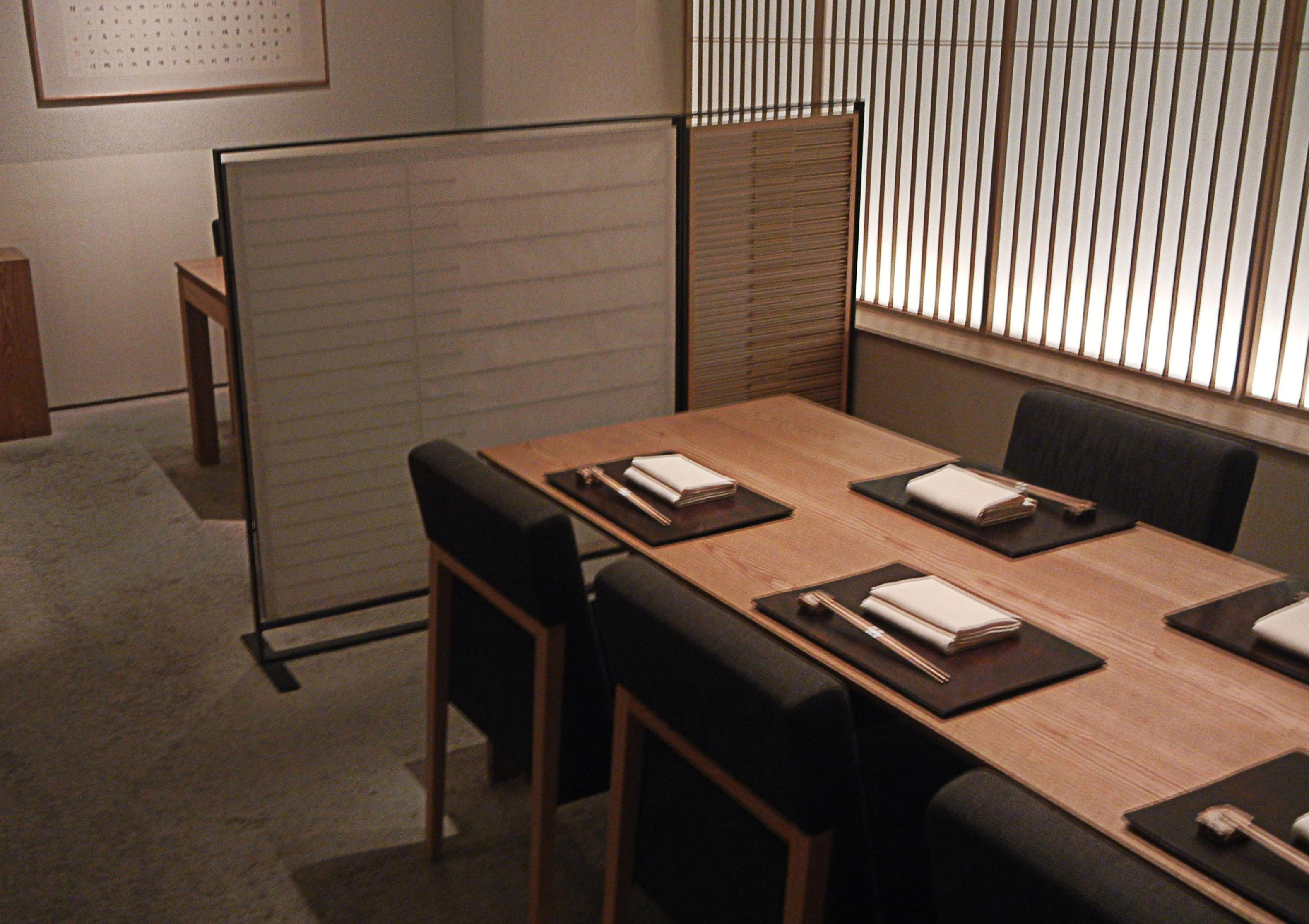

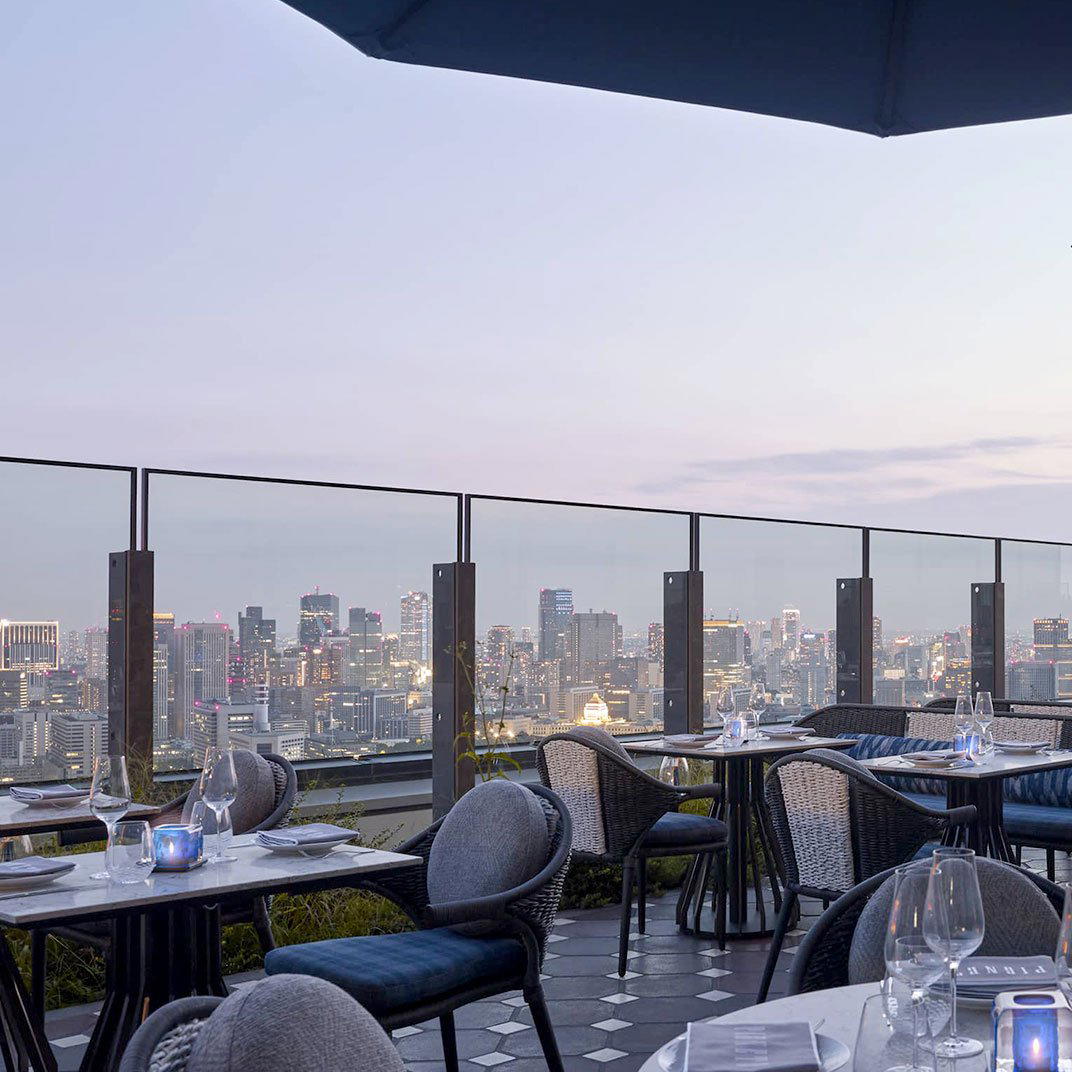

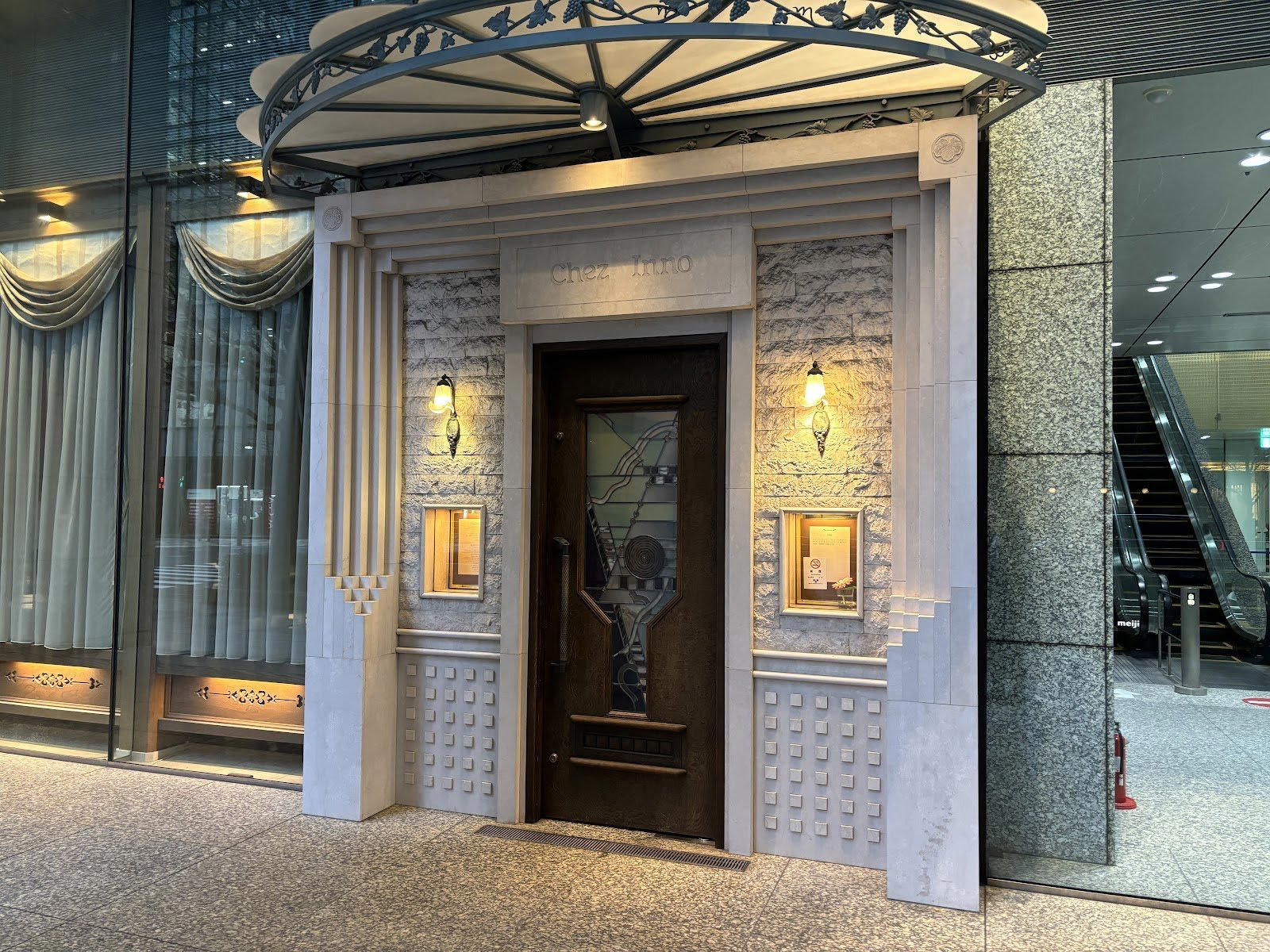
Bars in Tokyo
All bars in Tokyo →


Details
- Intimate
- Cozy
- Elegant
- Business Dinner
- Casual Hangout
- Sake Program
- A La Carte
Current opening hours
- Monday
- 11 AM–2 PM, 5–8:30 PM
- Tuesday
- 11 AM–2 PM, 5–8:30 PM
- Wednesday
- 11 AM–2 PM, 5–8:30 PM
- Thursday
- 11 AM–2 PM, 5–8:30 PM
- Friday
- 11 AM–2 PM, 5–8:30 PM
- Saturday
- 11 AM–2 PM, 5–8:30 PM
- Sunday
- Closed
Hours can change for holidays and private events. Hours as of .
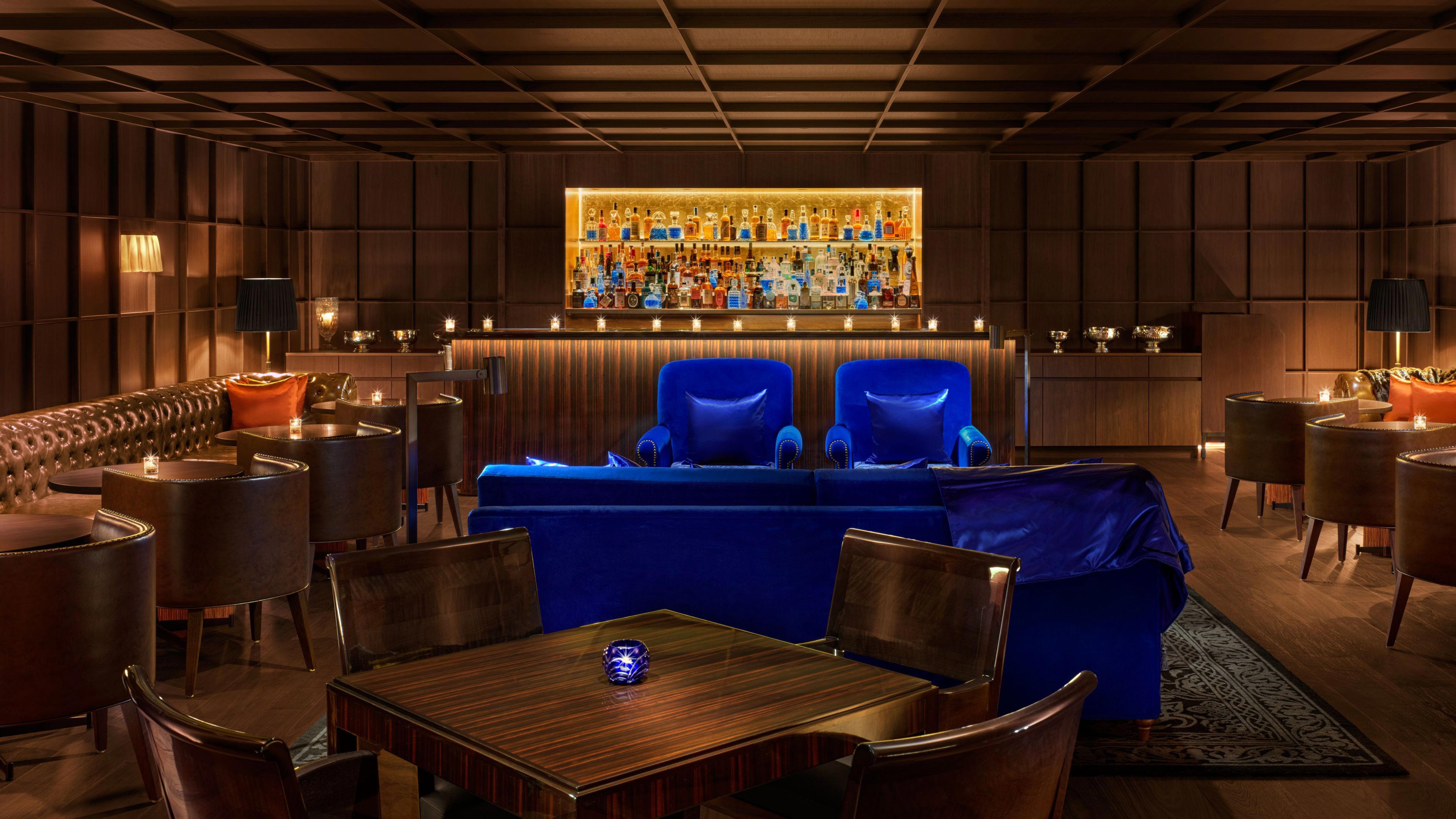
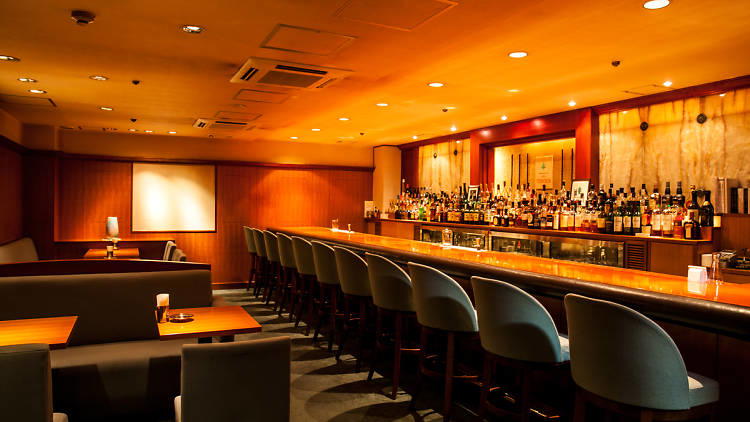
Calm dining room with soft lighting, modest practical design, and quietly social environment focused on the food.