
Nagoya’s Sakae district has pushed chicken cooking beyond the yakitori counter, and Tori Yakiniku Toriichi Sakae joshidai ten belongs to that shift. Its Tabelog 100 Chicken Cuisine 2025 selection places it in a value-conscious, late-night izakaya lane rather than the city’s higher-priced tasting-menu tier.
Pearl is the En Primeur Club membership app — saves, bookings, and concierge access live there. Same editors, same standards.
- Address
- Japan, 〒460-0008 Aichi, Nagoya, Naka Ward, Sakae, 4 Chome−18−8 第2秀和ビル 1F
- Phone
- +81 52-291-4444
- Website
- toriichi-sakae.com
 Saves & bookings on Pearl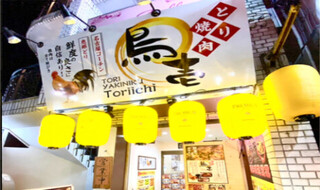
Sakae after dark is built for quick decisions: elevator signs, ground-floor grills, salarymen moving between stations and late rooms that run deep into the night. In that setting, chicken yakiniku reads as a practical Nagoya answer to two familiar formats. It borrows the do-it-yourself heat of yakiniku, but shifts the centre of gravity away from beef and toward chicken, izakaya pacing and drink-led eating.
Tori Yakiniku Toriichi Sakae joshidai ten sits inside that evolution. The point is not a chef-driven counter or a ceremonial tasting menu. It is the newer, more flexible category of chicken restaurant that treats the grill as social hardware: counter seats for a short meal, tatami and sunken seating for groups, drinks that move from sake to shochu to wine, and enough range to pull in diners who might otherwise default to yakitori, yakiniku or a standard izakaya.
Chicken yakiniku as Nagoya's flexible middle lane
Japanese chicken dining has long been split between yakitori precision and izakaya breadth. Chicken yakiniku occupies the space between them. The cooking is less linear than a skewer sequence and less expensive in tone than premium beef yakiniku; the table becomes part of the format, and the meal can stretch or contract depending on the group.
That is why the category has gained ground in nightlife districts. It suits diners who want smoke, heat and drinks without committing to the seriousness of a counter omakase. It also suits Nagoya, where Sakae’s restaurant culture is shaped by office traffic, entertainment streets and late pacing rather than a single dining ritual. The format is democratic, but recognition still matters: selection for Tabelog 100 Chicken Cuisine 2025 gives this address a clearer signal than a generic izakaya listing.
The competitive context is useful. In Nagoya, HAKUGA operates in a far higher spending bracket, while Umi no Hi and Sumiyaki Chicken Kababu sit above the everyday izakaya range. Kawaramachi hisaya ukiyo banare is also priced above casual drinking-room territory. Shabushabu Creative Izakaya Butagin Sakae ten overlaps more closely on spend, but its shabu-shabu and creative izakaya focus points to a different evening. Toriichi’s lane is narrower and more legible: chicken dishes, izakaya rhythm, grill-centred group dining.
A room built for groups, smoke and long evenings
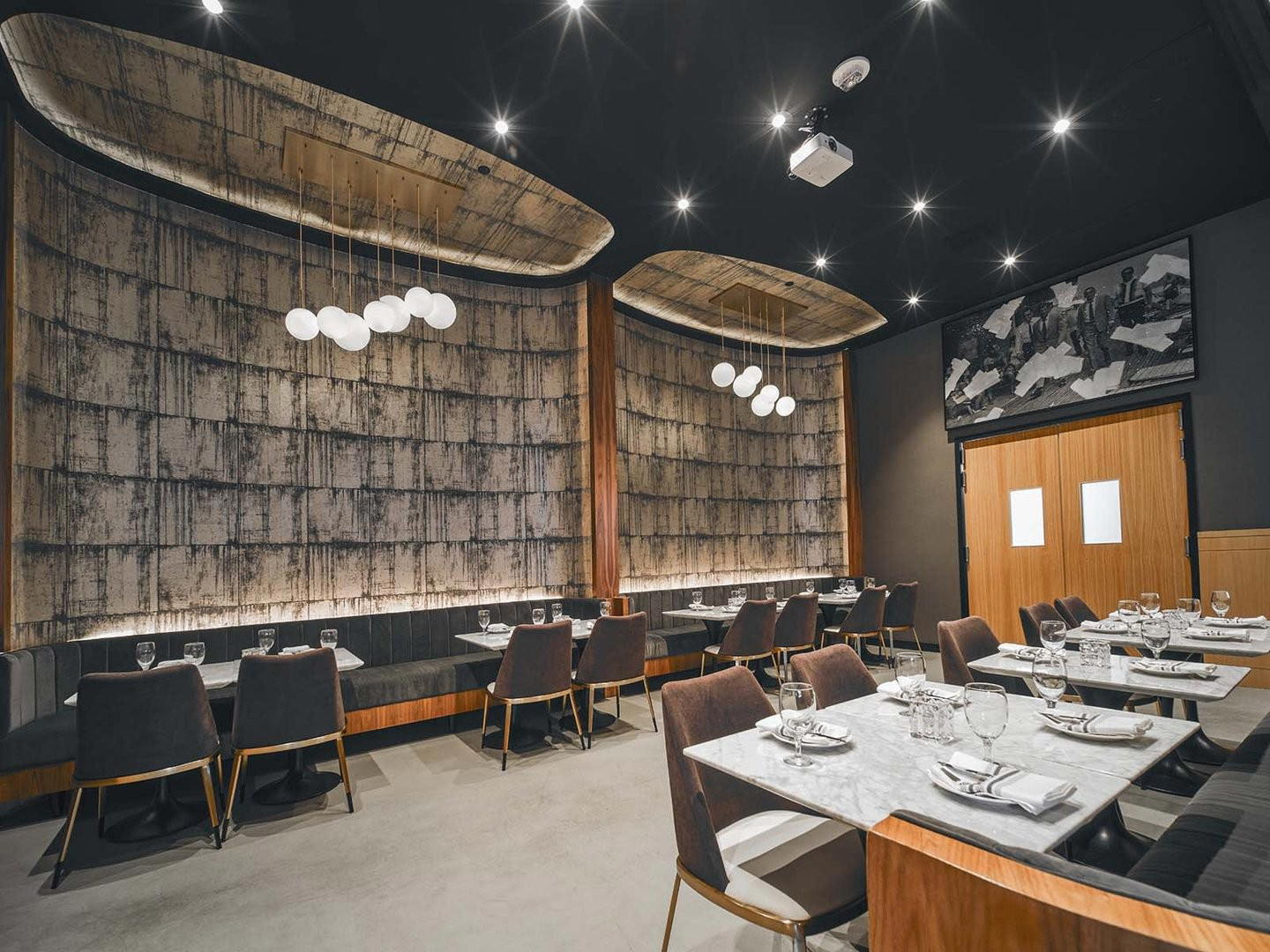
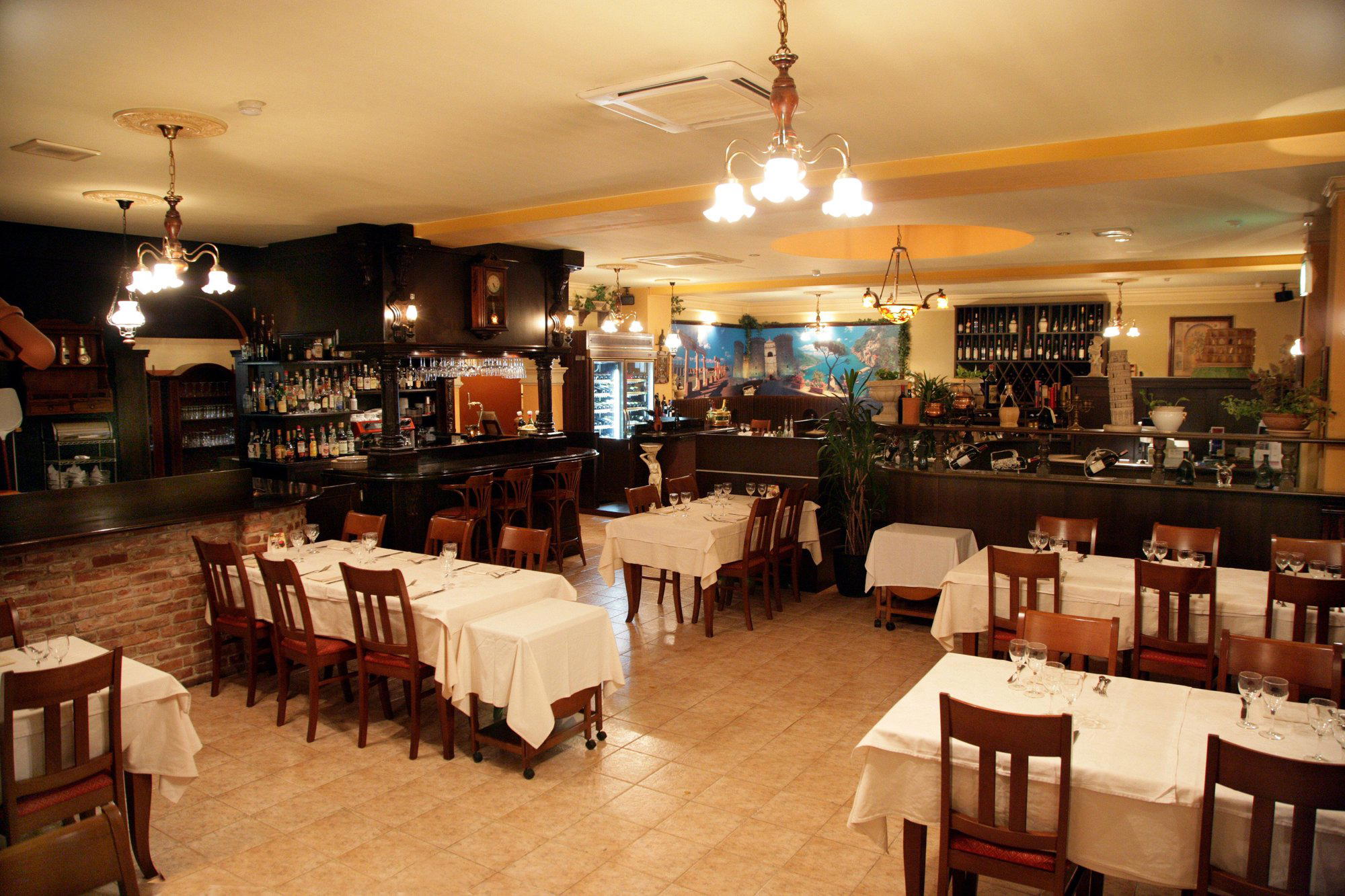
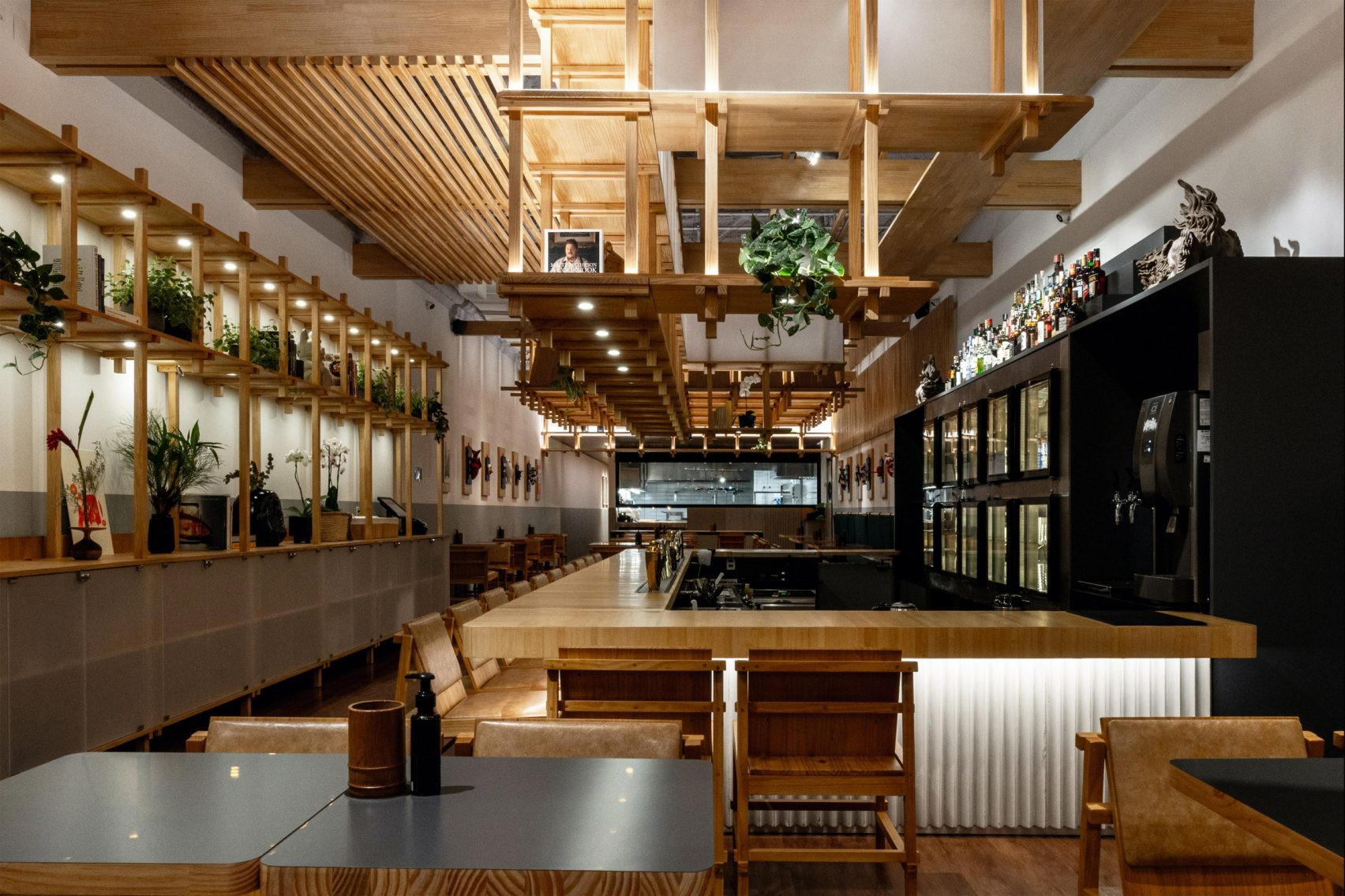
The physical format tells the story better than adjectives. There are 47 seats, including 8 counter seats, a table for 7, tatami rooms and smaller tables. That mix matters in Japan, where the difference between counter dining and group dining often defines the night before the first order is placed. Counter seats make the restaurant workable for pairs; tatami and sunken seating make it viable for office groups, families and longer drinking sessions.
Smoking policy is part of the calculation, not a footnote. Smoking is allowed at all seats, with ducts at each table for smoke separation. For some diners, that is a deal-breaker; for others, it places the room firmly inside an older izakaya grammar that many newer venues have cleaned up or phased out. The detail is also a reminder that late-night Japanese dining is not a single polished category. It ranges from quiet counters to smoky rooms where the meal is tied to drinking, conversation and duration.
The restaurant opened in 2022, which gives its 2025 chicken-cuisine recognition a useful temporal marker. This is not an old institution trading on decades of habit. It belongs to a post-pandemic generation of casual Japanese restaurants that had to make the value equation explicit: a clear format, social seating, drink compatibility and a category identity sharp enough to cut through Sakae’s crowded dining streets.
How to place it in a Nagoya itinerary
This is not the address to choose for a hushed, chef-led evening. It is better understood as a late Sakae meal with structure: grilled chicken as the anchor, izakaya drinking as the frame, and enough seating variety to handle anything from a pair to a larger group. The editorial case is strongest for travellers who want a local-feeling night that does not require the formal codes of high-end Japanese dining.
For broader planning, use Our full Nagoya restaurants guide to place Sakae against the city’s other dining districts. Travellers building a wider trip can pair that with Our full Nagoya hotels guide, Our full Nagoya bars guide, Our full Nagoya wineries guide and Our full Nagoya experiences guide.
Within the city, adjacent restaurant research can start with 1022, 451, Aaron, Alan. and All Day Dining Montmartre. For Japan-wide context across casual and specialist formats, compare with -Grilled beef Sukiyaki- KAMAKURA TANUKIAN 鎌倉 たぬき庵 in Kamakura. 鮪と炭火焼き うお炭 秋葉原店 in Tokyo.cafe in Osaka.know in Kumamoto, (Shoku) Vietnam in Kawasaki and [Curry Senmon Ten] Maruyama Kyoju. in Sapporo. Overseas Japanese-format references such as Jōdo Saké Bar in Los Angeles and Onigiri Time in Pasadena show how tightly defined Japanese casual categories travel when the format is clear.
The cleanest read on Tori Yakiniku Toriichi Sakae joshidai ten is as a category restaurant rather than a personality restaurant. Its appeal lies in Nagoya’s continuing reinvention of izakaya dining: less formal than fine dining, more specific than a general drinking room, and supported by a national chicken-cuisine citation that separates it from the surrounding noise.
A Quick Peer Check
Comparable venues to place this listing in its category.
| Venue | Cuisine | Price | Notes |
|---|---|---|---|
| Tori Yakiniku Toriichi Sakae joshidai tenThis venue — the venue you are viewing | Chicken yakiniku & izakaya | $$ | Not listed |
| Lucca | Meat-focused Japanese Izakaya & Dining Bar | $$ | Naka |
| Udon Ryori Sen | Curry Udon & Oden Udon House | $$ | Naka |
| Kiwami | Standing Edomae Sushi Bar | $$ | Nakamura |
| Seigetsu | Charcoal-grilled Unagi (Eel) Restaurant | $$ | Higashi |
| Nagano Meijitei | Nagano Sauce Katsudon | $$ | Nagano Station |
Recognition history
Dated appearances from independent guides and award organizations, with the underlying list record or original source where available.
Tabelog 100 #27 · No. 27
Tabelog · Tabelog 100 - Chicken cuisine - 2025
Continue exploring
More in Nagoya
Restaurants in Nagoya
Browse all →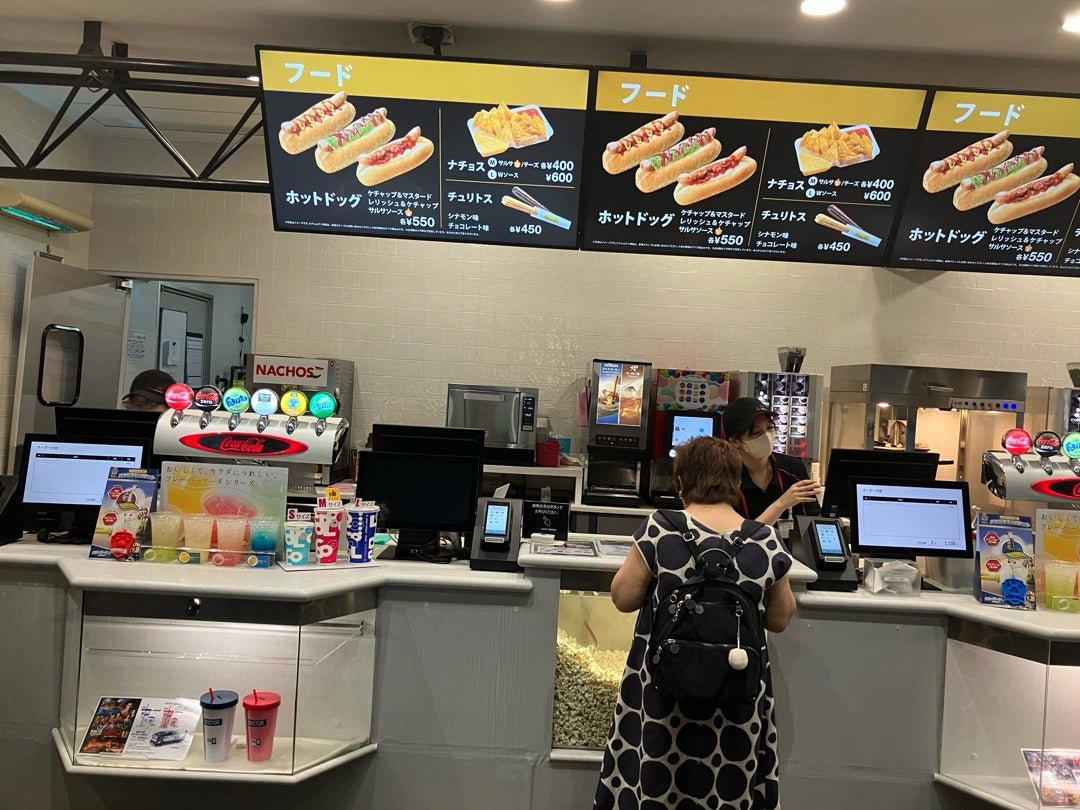
At a Glance
- Lively
- Cozy
- Casual Hangout
- After Work
- Group Dining
- Late Night
- Solo
- Standalone
- Sake Program
- Beer Program
- Local Sourcing
Current opening hours
- Monday
- 5 PM–5 AM
- Tuesday
- 5 PM–5 AM
- Wednesday
- 5 PM–5 AM
- Thursday
- 5 PM–5 AM
- Friday
- 5 PM–5 AM
- Saturday
- 5 PM–5 AM
- Sunday
- 5 PM–5 AM
Hours can change for holidays and private events. Last verified .
Casual, compact yakiniku-izakaya with warm lighting, counter and table seating close to the grills, a lively atmosphere fueled by drinks and charcoal aroma rather than quiet dining.