
Kiwami brings Nagoya’s Meieki sushi culture into the compact stand-up counter format: fast, close-range, and built around Edo-style craft rather than ceremony. Its Tabelog Sushi EAST 100 selections in 2022 and 2025 place it in a serious bracket, while the seven-seat scale keeps the experience closer to a specialist counter than a broad dining-room production.
Pearl is the En Primeur Club membership app — saves, bookings, and concierge access live there. Same editors, same standards.
- Address
- Japan, 〒450-0002 Aichi, Nagoya, Nakamura Ward, Meieki, 4 Chome−22−8 1F
- Phone
- +81 52-551-1766
- Website
- instagram.com
 Saves & bookings on Pearl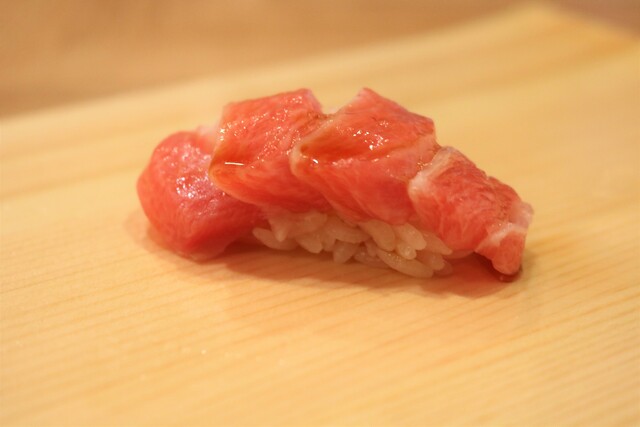
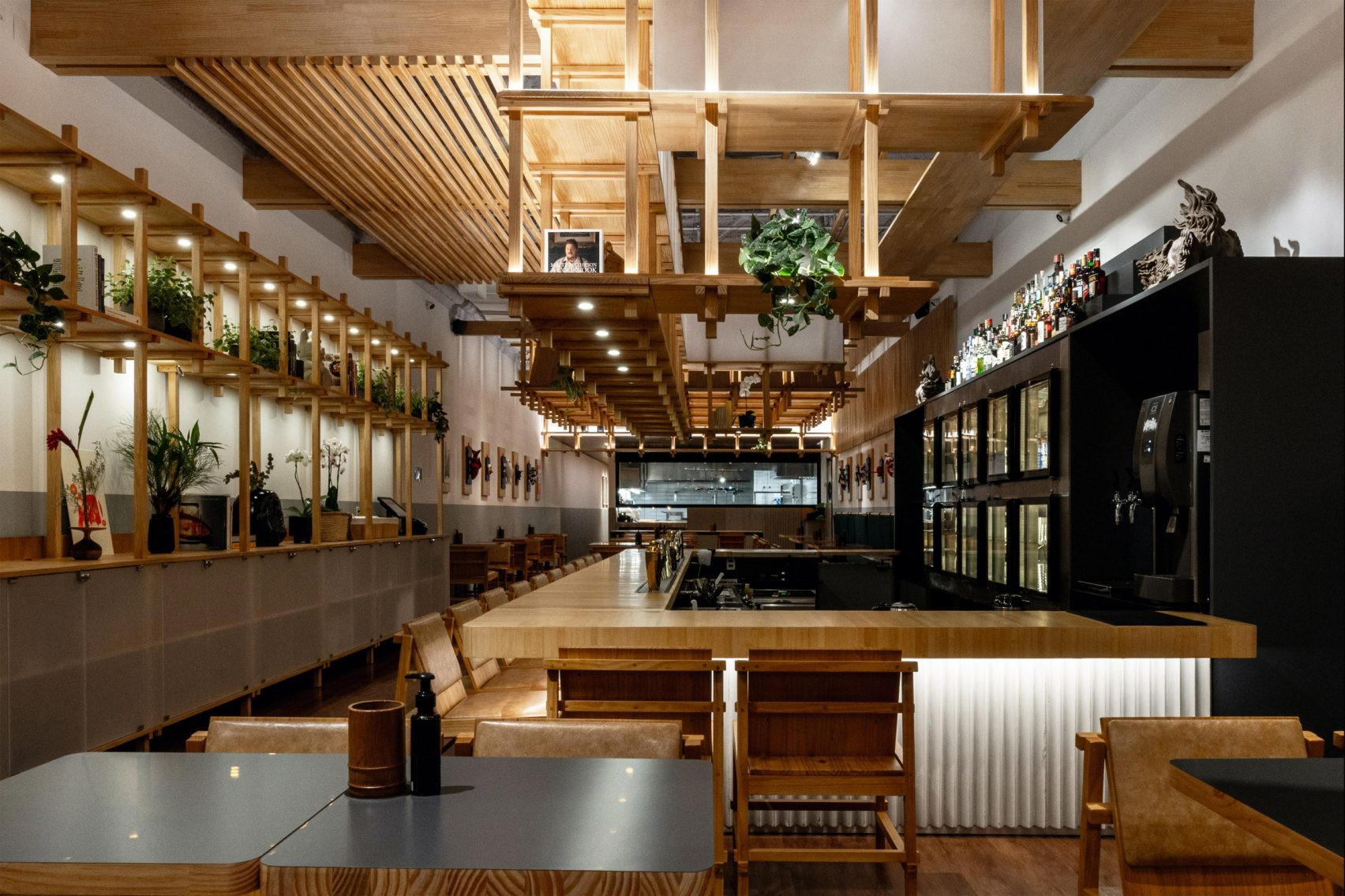
Approaching a stand-up sushi counter in Meieki changes the tempo of a meal before the first order is placed. The room is small, the counter is the stage, and the usual padding of a long omakase salon falls away. In Nagoya, where station-area dining often has to serve office workers, railway travellers, and locals who know exactly what they want, this format has a particular charge: speed without carelessness, informality without surrendering technique.
Kiwami belongs to that compact category. The restaurant is listed as stand-up sushi, sushi, and Japanese cuisine, with seven seats and selections in Tabelog Sushi EAST 100 in 2022 and 2025. That combination matters. Stand-up sushi can read as budget utility in lesser hands, but recognition at this level reframes the format as a disciplined counter experience, one where the architecture of the meal has to do more with less room, less time, and less decorative theatre.
A seven-seat stand-up counter turns sushi into a sequence, not a ceremony
The menu structure is the point here. Edo-style sushi depends on pacing, rice temperature, seasoning, knife work, and the order in which richer and leaner pieces appear. A stand-up counter compresses those decisions. There is little separation between chef, ingredient, and diner, so the meal’s logic becomes visible: a piece arrives, is eaten quickly, and the next decision follows. The format rewards concentration rather than lingering.
That puts Kiwami in a different conversation from Nagoya’s broader station-district eating options. Nearby comparison venues such as KAKO Yanagibashi ten, Joshin Ya, Chuka Soba Taiga, and Yanagibashi Wa nico operate in lower everyday price bands, while Yakiniku & Teuchi Korean Cold Noodles Jiro Yanagibashi ten sits closer to Kiwami’s dinner spend but answers a different craving entirely. The useful comparison is not cuisine-to-cuisine; it is how much structure and craft a restaurant can deliver inside a short, urban meal. Sushi has an advantage in that contest because its sequence can be edited piece by piece.
The public description identifies the cooking as casual Edo-style sushi by skilled artisans and singles out uni as a point of pride. That is enough to understand the intended menu grammar without inventing a tasting progression. Edo-style work traditionally places emphasis on handling, seasoning, and balance rather than abundance for its own sake. In a seven-seat room, excess would be a liability. The counter has to make each decision count.
Meieki dining favours precision over theatre
Nagoya Station and the surrounding Meieki district are not built around a single dining mood. Department-store restaurants, commuter lunch counters, izakaya, coffee shops, and specialist rooms sit close together, and the area’s strength is practical density. A serious sushi counter here does not need the hush of Ginza to make sense. It benefits from the opposite condition: a neighbourhood where diners are used to compact formats and high turnover, but can still recognise when a small counter is operating above routine level.
The Tabelog score of 3.74 and repeat Sushi EAST 100 selection give Kiwami a measurable place in that hierarchy. Tabelog’s Hyakumeiten lists are not Michelin-style star ratings, but in Japan they carry weight because they reflect a category-specific cut through heavily reviewed dining fields. For a stand-up sushi address in Nagoya, appearing in the 2025 Sushi EAST list signals that the format is being judged beyond convenience.
This is also where Nagoya differs from the default sushi itinerary many international travellers carry into Japan. Tokyo often frames sushi through scarcity and counter prestige; Kanazawa through seafood access; Osaka through appetite and value. Nagoya’s station-side sushi scene is more mixed, sitting between business convenience and specialist craft. Kiwami’s appeal is that it does not ask the diner to choose between those poles. It uses the stand-up model to keep the meal direct, then relies on execution and ingredient judgement to carry the seriousness.
How to place it in a Nagoya food itinerary
The sharpest use case is a focused sushi meal rather than a long celebratory evening. The counter scale makes it better suited to diners who want close attention to sequence and craft than to groups looking for private-room comfort. Private rooms and private use are not part of the setup, and the non-smoking policy keeps the counter oriented around the food rather than the after-work izakaya mode common around major stations.
Payment and logistics matter in this category because small Japanese counters often operate with narrower systems than hotel restaurants or large dining rooms. Reservations are available, parking is unavailable, and the restaurant’s own listing notes that service may end earlier if ingredients run out. Those details point to a kitchen working on limited daily preparation rather than an all-purpose operation designed for late overflow.
For planning around the city, use Kiwami as the sushi anchor in Meieki, then build outward by mood and neighbourhood. Our full Nagoya restaurants guide is the broader dining map, while Our full Nagoya hotels guide, Our full Nagoya bars guide, Our full Nagoya wineries guide, and Our full Nagoya experiences guide help shape the rest of the itinerary. Within the wider restaurant index, nearby and related entries such as 1022, 451, Aaron, Alan., and All Day Dining Montmartre show how varied the city’s dining register becomes once the station district is only one part of the plan.
Travellers extending the food route beyond Nagoya can compare the format against other Japanese and Japan-adjacent listings: -Grilled beef Sukiyaki- KAMAKURA TANUKIAN 鎌倉 たぬき庵 in Kamakura. 鮪と炭火焼き うお炭 秋葉原店 in Tokyo.cafe in Osaka.know in Kumamoto, (Shoku) Vietnam in Kawasaki, [Curry Senmon Ten] Maruyama Kyoju. in Sapporo, Jōdo Saké Bar in Los Angeles, and Onigiri Time in Pasadena. The comparison clarifies what Kiwami does: it strips sushi back to counter, sequence, and timing, then lets the small room carry the pressure.
Comparable Options
Comparable venues to anchor price and recognition.
| Venue | Cuisine | Price | Notes |
|---|---|---|---|
| KiwamiThis venue — the venue you are viewing | Standing Edomae Sushi Bar | $$ | Not listed |
| Tori Yakiniku Toriichi Sakae joshidai ten | Chicken yakiniku & izakaya | $$ | Naka |
| Mitsumura | Traditional Tempura & Kakiage Donburi | $$ | Kita |
| Yaki Tonkatsu Taira | Japanese Tonkatsu | $$ | Chikusa |
| Shabushabu Creative Izakaya Butagin Sakae ten | Lettuce Shabu-Shabu & Pork Izakaya | $$ | Naka |
| Obanzai Anko | Traditional Japanese Obanzai Izakaya | $$ | Nakamura |
Recognition history
Dated appearances from independent guides and award organizations, with the underlying list record or original source where available.
Tabelog 100 #42 · No. 42
Tabelog · Tabelog 100 - Sushi - EAST - 2025
Continue exploring
More in Nagoya
Restaurants in Nagoya
Browse all →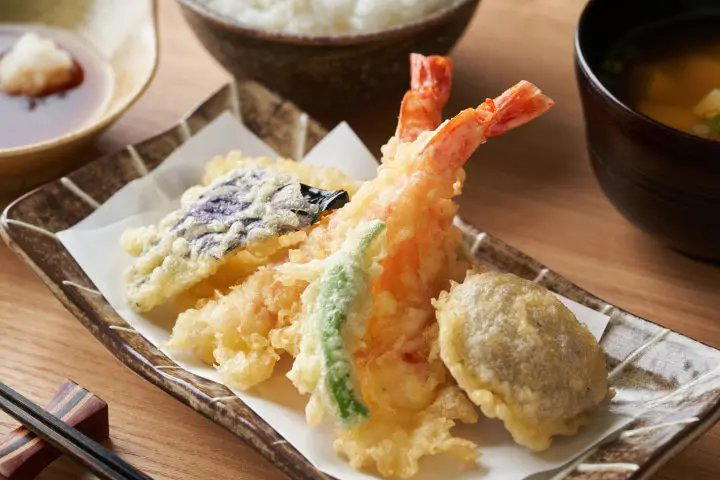
At a Glance
- Trendy
- Cozy
- Intimate
- Solo
- After Work
- Casual Hangout
- Chefs Counter
- Standalone
- Sake Program
Current opening hours
- Monday
- Closed
- Tuesday
- 11:30 AM–3 PM, 5:30–11 PM
- Wednesday
- 11:30 AM–3 PM, 5:30–11 PM
- Thursday
- 11:30 AM–3 PM, 5:30–11 PM
- Friday
- 11:30 AM–3 PM, 5:30–11 PM
- Saturday
- 11:30 AM–3 PM, 5:30–11 PM
- Sunday
- 11:30 AM–9 PM
Hours can change for holidays and private events. Last verified .
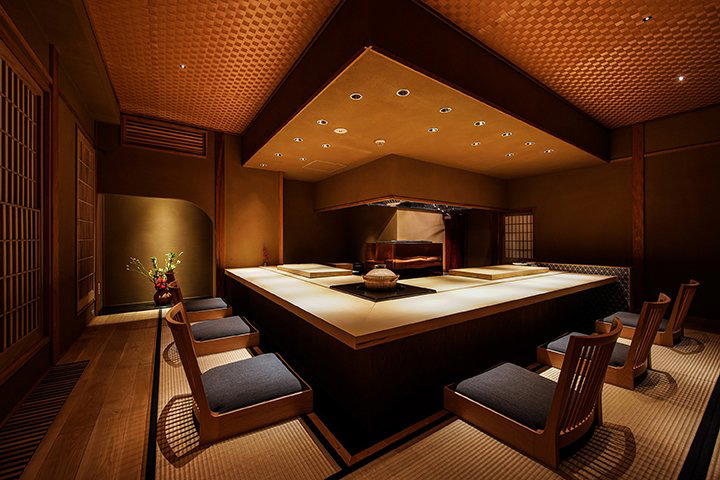
A compact standing-only counter with just a few seats, non-smoking, and a relaxed but focused atmosphere where chefs prepare Edo-style nigiri right in front of guests.