
Lucca places Nagoya’s izakaya culture in a polished, private-room format rather than the usual counter-first tavern rhythm. Its Tabelog 100 Izakaya EAST selections in 2024 and 2025 give it a clear signal within the city’s casual dining tier, with Japanese tavern cooking, hamburger steak, dining-bar flexibility, and a drinks program spanning sake, shochu, wine, and cocktails.
Pearl is the En Primeur Club membership app — saves, bookings, and concierge access live there. Same editors, same standards.
- Address
- Japan, 〒460-0005 Aichi, Nagoya, Naka Ward, Higashisakura, 2 Chome−22−15 泉ビル 1階
- Phone
- +81 52-908-9998
- Website
- tabelog.com
 Saves & bookings on Pearl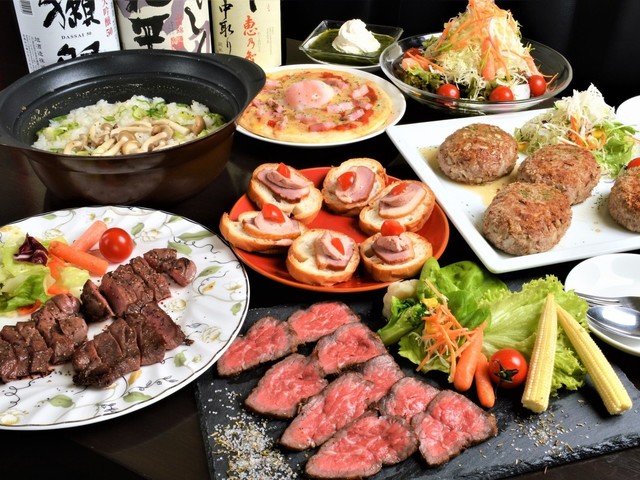
Higashisakura after dark differs from Nagoya Station’s transport-zone dining and Sakae’s bigger, brighter circuits. Around Shinsakae, the streets carry a quieter after-work pulse: office groups, date-night pairs, and small gatherings moving between taverns, dining bars, and late rooms that do not need street-level theatre to fill seats. Lucca fits a specific Nagoya category: the izakaya that borrows privacy and polish from a restaurant while keeping the flexibility of a drinking table.
That matters in Japan’s izakaya culture. The form is not simply “casual Japanese food”; it is a social architecture of shared plates, controlled looseness, and drinks that set the night’s pace. Nagoya adds its own pressure: deep local food habits, business dining expectations, and comfort with hybrid venues that mix tavern, Western-inflected comfort food, and bar service without treating them as separate worlds.
Private-room izakaya culture, sharpened for Higashisakura
Nagoya’s izakaya field splits broadly between small counter rooms, banquet-friendly chains, and more composed independent addresses that make atmosphere part of the meal. Lucca sits in the latter lane. Its listing among Tabelog 100 Izakaya EAST in both 2024 and 2025 places it in a competitive group where recognition depends less on luxury codes than consistency, local pull, and how convincingly a venue handles the Japanese tavern brief.
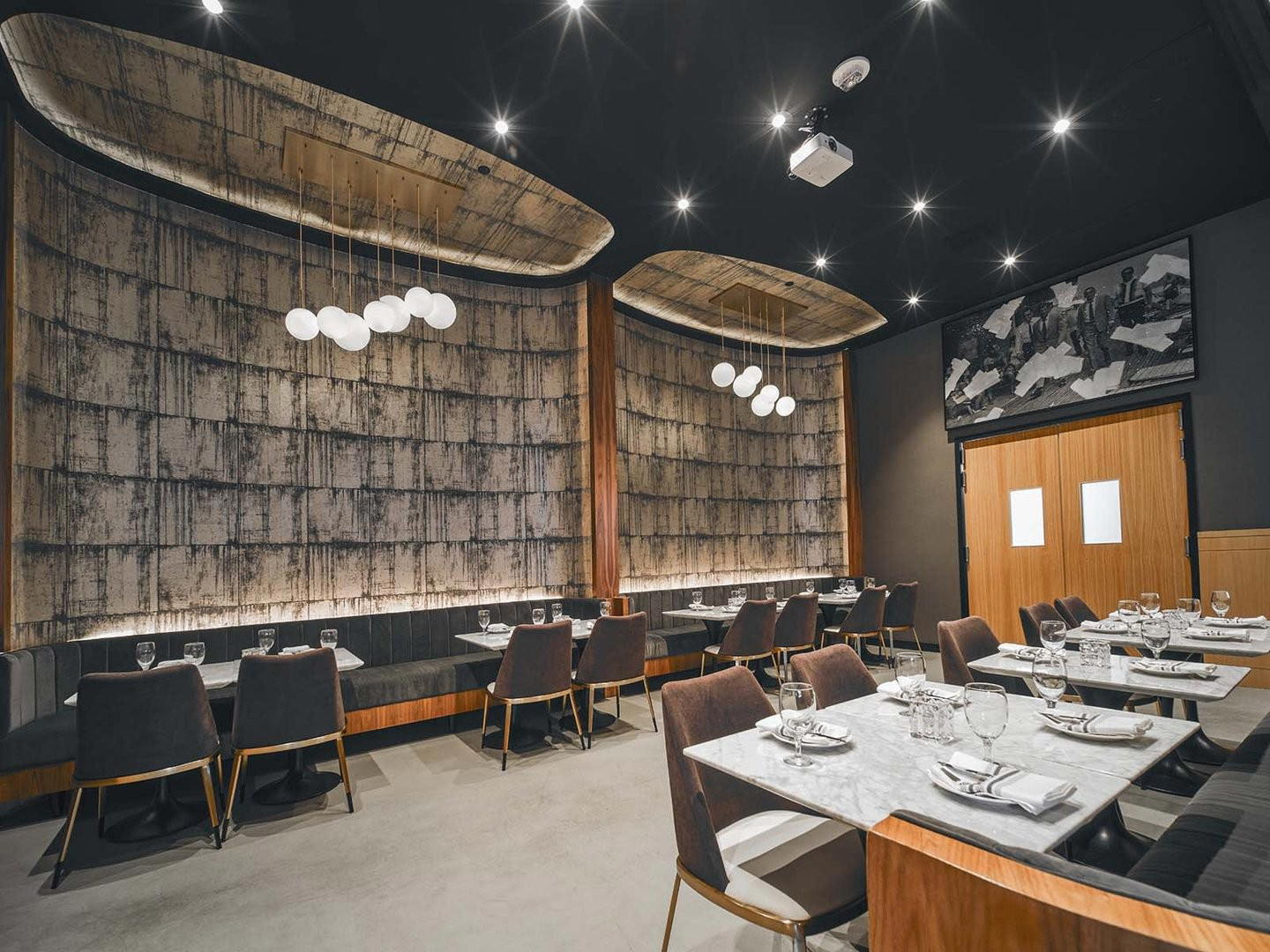
The format is telling. Private rooms with doors are not a minor convenience in Nagoya; they change how the izakaya behaves. A counter-led tavern pushes the room toward public performance, with regulars, staff banter, and pacing set by proximity. A private-room izakaya turns the same shared-plate grammar inward, suiting dates, friends, and group meals where conversation matters as much as the order. The result is not formal dining, but not a loose drinking den either.
That middle ground explains why the menu identity stretches across izakaya, hamburger steak, and dining bar. In Japan, yoshoku-adjacent comfort dishes and tavern drinking food often coexist naturally, especially outside Tokyo’s stricter genre sorting. Nagoya diners know hybrid rooms where sake and shochu share space with wine and cocktails, and meat-forward plates sit beside Japanese-style tavern rhythms. Lucca’s usefulness is that range, not a single chef-led narrative.
Compared with kibi, in a far higher spending bracket, or Otsuaji Asai and Shutei Nawa in the more deliberate dinner tier, Lucca reads as a social rather than ceremonial choice. Against Torin Chi Nagoya shinsakae ten, in a similar price band, the distinction is less cost than room logic and breadth. Yakiniku Taiga points to a meat-specific night; Lucca works when the table wants tavern variety, drinks, and private-room containment without a tasting-menu commitment.
What the recognition says about Nagoya's casual dining tier
Tabelog’s Hyakumeiten lists are useful in Japan because they surface genre strength rather than international prestige. For izakaya, that distinction matters. Michelin-style language can miss a room built for repeat use, after-work timing, and flexible ordering. A Tabelog 100 Izakaya EAST selection signals traction in a category where diners judge not only food but utility: Can the room handle a group? Does the drinks list support a full evening? Does it feel right on a weeknight as well as a planned occasion?
Lucca answers through structure. The venue has counter seating, but its stronger identity lies in private rooms and group capability. That places it closer to Nagoya’s adult social-dining culture than to the tiny izakaya ideal romanticized by visitors. For travelers, this is a useful corrective: not every serious izakaya experience in Japan happens shoulder-to-shoulder in a smoky alley. Some of the city’s more relevant tavern meals happen behind closed private-room doors, with the table setting its own tempo.
The drinks range reinforces the point. Sake and shochu give the room its Japanese tavern foundation, while wine and cocktails move it toward dining-bar territory. That matters for mixed groups, especially in Nagoya, where dining decisions often need to satisfy different drinking habits without splitting the evening across venues. Contemporary izakaya culture is not static; it can be traditional in function while modern in format.
Travelers building a broader itinerary can also cross-check Our full Nagoya hotels guide, Our full Nagoya bars guide, Our full Nagoya wineries guide, and Our full Nagoya experiences guide to understand how the city’s food, drink, and stay patterns fit together.
How to place it within a Japan itinerary
The right use case is clear: choose Lucca when the evening calls for a recognized izakaya with privacy, drinks flexibility, and a Nagoya neighbourhood feel rather than a destination counter built around a chef’s sequence. It suits travelers who already have sushi, kaiseki, or high-end wagyu elsewhere on the trip and want a night closer to how Japanese groups dine after work. The casual dress code and tavern-dining format keep the mood relaxed, while Tabelog recognition gives the choice more substance than a random late-night pick.
It also helps to know what this is not. It is not the higher-budget, chef-driven lane represented by kibi, nor the more expensive traditional-dining bracket occupied by Otsuaji Asai and Shutei Nawa. It is not a single-category meat night like Yakiniku Taiga. Its value is the controlled middle: a social izakaya with enough structure for planned dining and enough looseness for a table to order around drinks.
For nearby Nagoya restaurant research, EP Club also covers 1022, 451, Aaron, Alan., and All Day Dining Montmartre. For contrast across Japan and beyond, the broader archive includes -Grilled beef Sukiyaki- KAMAKURA TANUKIAN 鎌倉 たぬき庵 in Kamakura. 鮪と炭火焼き うお炭 秋葉原店 in Tokyo.cafe in Osaka.know in Kumamoto, (Shoku) Vietnam in Kawasaki, [Curry Senmon Ten] Maruyama Kyoju. in Sapporo, Jōdo Saké Bar in Los Angeles, and Onigiri Time in Pasadena. Together, those comparisons underline the point: Japan’s casual dining culture is not a lower tier of seriousness, but a different grammar of hospitality, built around occasion, group size, and the pace of drinking as much as the plate.
Price Lens
Comparable venues at a glance for context.
| Venue | Cuisine | Price | Notes |
|---|---|---|---|
| LuccaThis venue — the venue you are viewing | Not listed | $$ | Not listed |
| カモシヤ | Naka, Miso Oden & Wine Izakaya | $$ | Not listed |
| Menya Shishimaru | Nakamura, Modern lobster-focused ramen | $$ | Not listed |
| tonkatsu joni | Not listed | $$ | Nakamura, Tonkatsu (Japanese pork cutlet) specialist |
| Suzunami Esuka ten | Not listed | $$ | Nakamura, Traditional Japanese set-meal diner |
| Ito | Nakamura, Traditional Tonkatsu | $$ | Not listed |
Recognition history
Dated appearances from independent guides and award organizations, with the underlying list record or original source where available.
Tabelog 100 #98 · No. 98
Tabelog · Tabelog 100 - Izakaya - EAST - 2025
Continue exploring
More in Nagoya
Restaurants in Nagoya
Browse all →

At a Glance
- Lively
- Cozy
- Intimate
- Trendy
- Energetic
- Group Dining
- After Work
- Casual Hangout
- Celebration
- Late Night
- Private Dining
- Standalone
- Sake Program
- Beer Program
Current opening hours
- Monday
- 5 PM–12 AM
- Tuesday
- 5 PM–12 AM
- Wednesday
- 5 PM–12 AM
- Thursday
- 5 PM–12 AM
- Friday
- 5 PM–12 AM
- Saturday
- 5 PM–12 AM
- Sunday
- Closed
Hours can change for holidays and private events. Last verified .
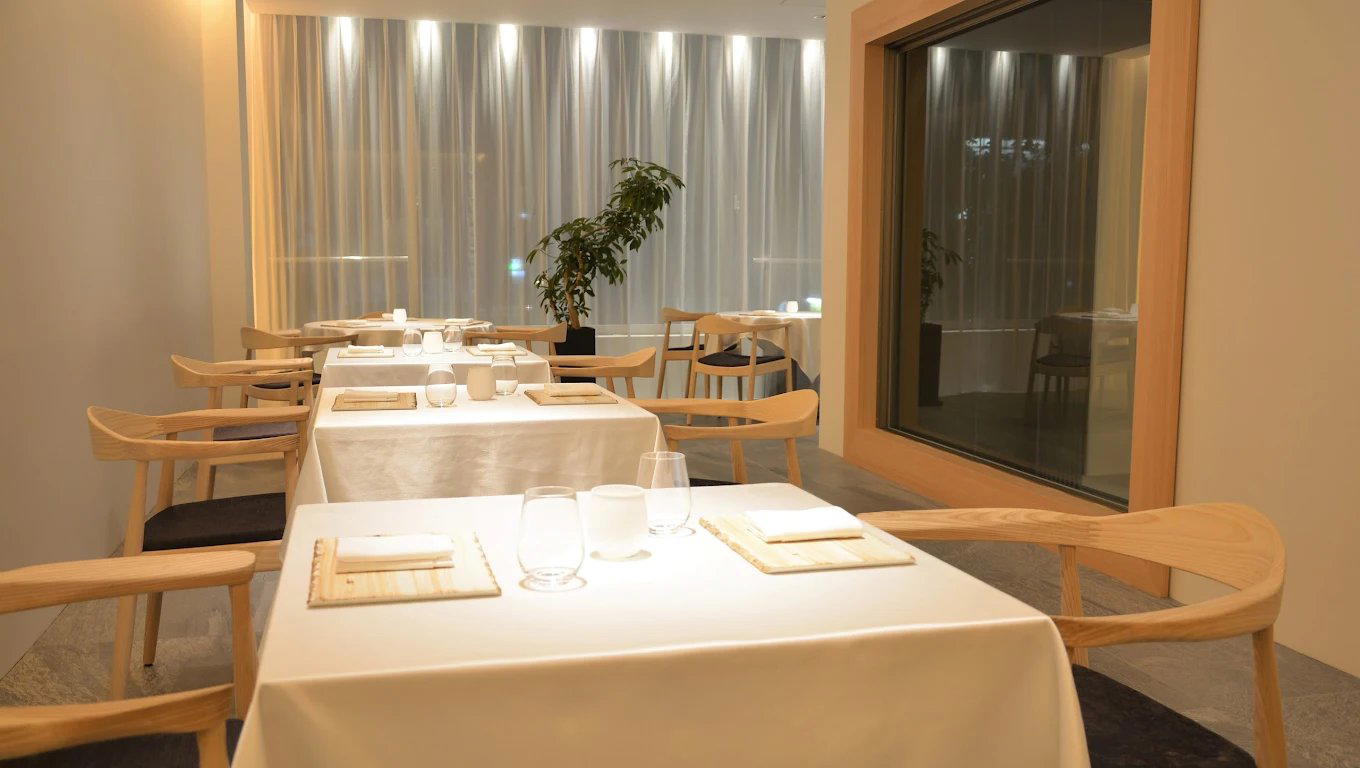
Atmosphere of a lively, meat-centric izakaya with fully enclosed private rooms; warm, cozy interiors geared to groups and parties rather than quiet dining, with an energetic, casual tavern feel.