
Tabelog 100 #90
Our verdict
Nagoya’s high-spend Chinese dining tier has become more interesting as counter formats move beyond Cantonese formality and Sichuan heat. 1022 sits in that smaller conversation: eight counter seats, Chinese, Sichuan and innovative categories, fish-led cooking, wine attention, and Tabelog Chinese EAST “Tabelog 100” selections in 2024 and 2026.

Pearl is the En Primeur Club membership app, where members save venues, book tables and use the concierge.
The menu
What to order
- Crunchy spring rolls with seafood
- Shark fin soup
- Mapo doufu
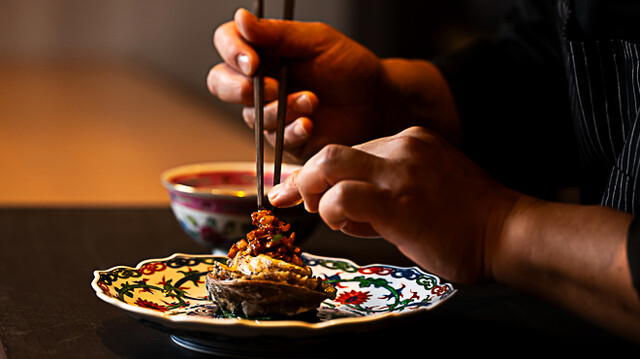
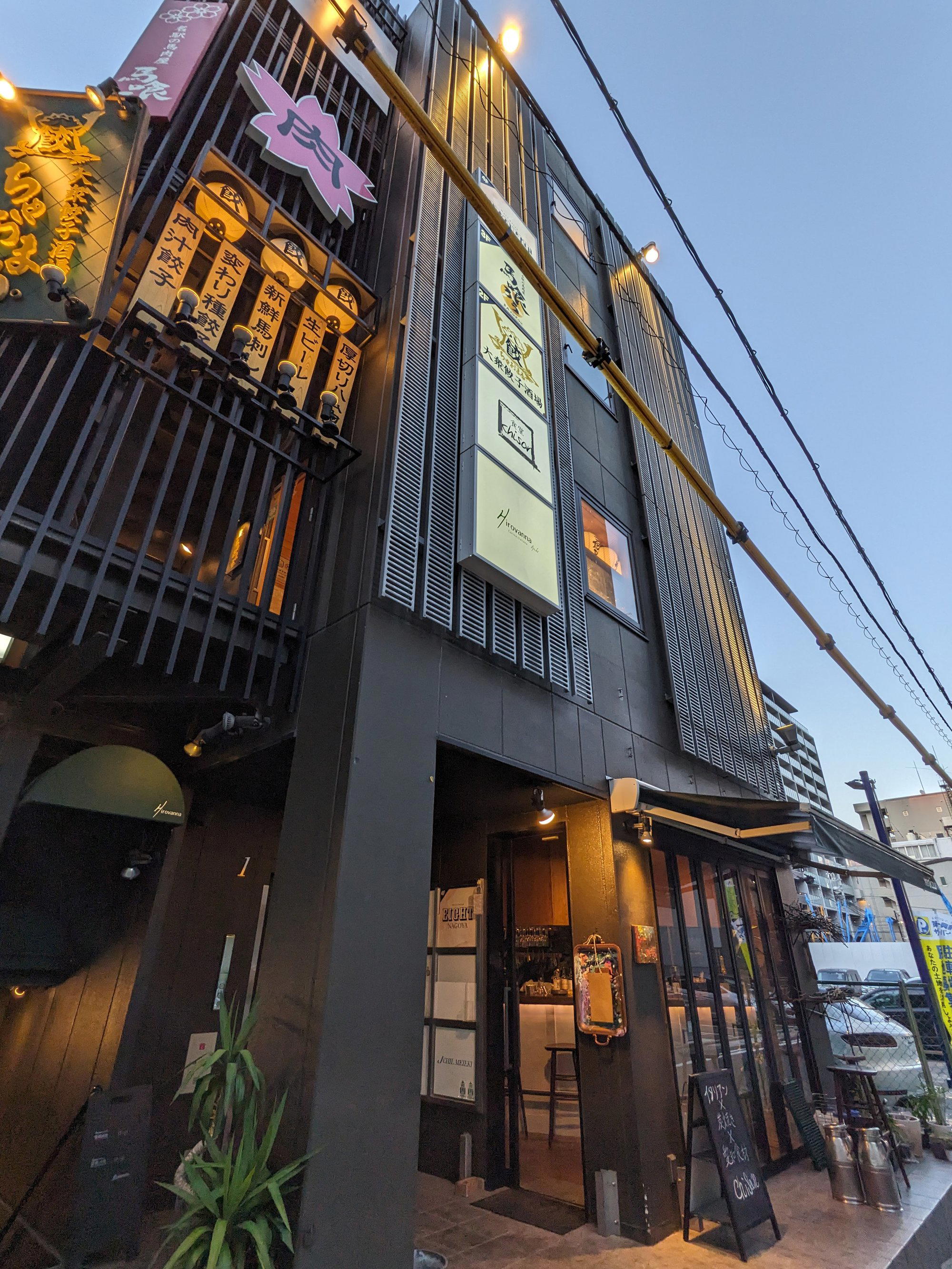
Endoji’s older commercial grain gives this part of Nagoya a different rhythm from polished station-side dining floors: narrow streets, low-rise buildings, and the sense that serious meals can happen above street level rather than behind hotel-lobby ceremony. In that context, 1022 belongs to a newer Japanese counter tradition where Chinese cooking is handled with the intimacy of sushi or kappo. Eight counter seats change the stakes: timing, heat, plating and pacing are visible, so the meal reads less like a banquet than a sequence of close-range decisions.
That format matters in Nagoya, whose premium dining culture has long rewarded precision, small rooms and repeat-custom habits. Chinese dining here is not a substitute for Tokyo or Osaka; it has its own clientele, especially around Nagoya Station, Kokusai Center and the Nishi Ward edges, where destination restaurants can operate without grand-district theatre. For the city’s wider dining range, start with Our full Nagoya restaurants guide, then compare compact, appointment-driven restaurants with hotel dining, specialist bars and private cultural formats across Our full Nagoya hotels guide, Our full Nagoya bars guide, Our full Nagoya wineries guide and Our full Nagoya experiences guide.
Fish-led Chinese cooking in a counter format
Japanese Chinese dining often splits between polished hotel-style courses with familiar luxury signals and smaller chef-led rooms that borrow kappo discipline while keeping Chinese technique central. 1022 sits in the second camp. Its public categories, Chinese, Sichuan and innovative, describe a kitchen more interested in structure than genre purity. Sichuan implies spice, fermentation and aromatics, while the listed fish emphasis moves the restaurant away from a meat-heavy luxury script toward sourcing, timing and delicacy.
That ingredient angle gives the counter credibility. Fish-led Chinese cooking can collapse if seafood is treated merely as a premium marker; it works when the kitchen understands texture, heat exposure and seasoning restraint. In Japan, where fish quality is scrutinised across sushi, tempura and kappo, Chinese restaurants at this tier face a sharper test than imported luxury alone. The persuasive version does not smother seafood under sauce. It uses Chinese technique for contrast: heat against sweetness, oil against freshness, aroma against clean texture. No dish needs naming to understand the direction; the format and category signals already place the restaurant in a demanding lane.
Tabelog selected the restaurant for Chinese EAST “Tabelog 100” in 2024 and again in 2026, with a listed score of 3.74. In Japan’s user-review ecology, that is meaningful for a small, specialist room rather than a broad-popularity badge. It places 1022 in a competitive regional conversation where consistency matters, especially with limited seats and a narrow service window. Within Nagoya, it is a useful counterpoint to Ecco, Kusunoki, MEI, Japanese cuisine Nao and 虹霓, not because they cook the same food, but because they address the same high-commitment diner: someone choosing format, precision and scarcity over casual flexibility.
Why wine changes the reading of the meal
The wine emphasis is not incidental. Chinese fine dining in Japan has increasingly moved beyond the old tea-or-beer binary toward pairing structures that can handle chilli, vinegar, seafood sweetness and fat. A restaurant describing its drinks through wine, especially wine, signals a different meal construction. The point is not to make Chinese food imitate French dining, but to use acidity, texture and temperature as another seasoning layer.
That matters with fish. Wine programs expose whether a kitchen is cooking with clarity or just intensity. Sichuan-leaning food, especially in a refined Japanese setting, benefits from pairings that absorb spice without flattening aromatics. Done well, the meal feels calibrated rather than merely expensive. The listed dinner band puts the restaurant firmly in Nagoya’s serious-dining bracket, where wine decisions and service rhythm shape the final bill as much as the food.
For a Nagoya itinerary, compare it not only with other Chinese rooms, but with contemporary Japanese counters and Italian-leaning restaurants in the same spend-and-reservation mindset: 451, Aaron, Alan., All Day Dining Montmartre and Aroma-fresca Nagoya show different ways the city handles occasion dining. Some are more open-format, classical or hotel-adjacent. Here, the appeal is concentration: a small counter, Chinese technique, seafood priority and wine in the frame.
How to place it in a Japan dining trip
Nagoya is often treated as transit between Tokyo, Kyoto and Osaka, which undersells its dining usefulness. The city rewards travellers who build evenings around one precise reservation rather than a long crawl. This kind of counter Chinese restaurant fits Nagoya well: compact, adult, not dependent on skyline drama, and better for diners who care about sourcing and pacing than spectacle.
It also belongs to a wider Japanese pattern of specialist rooms with tight identities. Outside Nagoya, that pattern leads in different directions, from beef-focused cooking at -Grilled beef Sukiyaki- KAMAKURA TANUKIAN 鎌倉 たぬき庵 in Kamakura to casual seafood-and-grill formats such as. 鮪と炭火焼き うお炭 秋葉原店 in Tokyo, coffee-led stops like.cafe in Osaka, modern local dining at.know in Kumamoto, Vietnamese cooking at (Shoku) Vietnam in Kawasaki, and curry specialization at [Curry Senmon Ten] Maruyama Kyoju. in Sapporo. Across the Pacific, Jōdo Saké Bar in Los Angeles and Onigiri Time in Pasadena show how tightly defined Japanese formats travel into different markets.
The editorial case for 1022 is narrow but strong. Choose it for a small-scale Nagoya dinner that treats Chinese cuisine as technique, not category shorthand, with fish sourcing and wine structure central to the reason for going. It is less suited to banquet variety or a casual group meal. The better fit is a focused evening where the counter is the point and the city’s quieter premium dining culture makes sense.
Frequently asked questions
What's the vibe at 1022?
The room is built around an 8-seat counter in endoji square, so the pace is intimate and deliberate rather than formal banquet dining. Tabelog selected it for Chinese cuisine in its EAST 2026 list, and the wine focus points to a dinner that is more precise than loud.
What price level is 1022?
Pricing at 1022 is listed as JPY 20,000 - JPY 29,999.
What days is 1022 closed?
Hours at 1022: Mon: 6:30–10 PM; Tue: 6:30–10 PM; Wed: 6:30–10 PM; Thu: 6:30–10 PM; Fri: 6:30–10 PM; Sat: 6:30–10 PM; Sun: Closed.
What's 1022's location?
1022 is located in Nagoyagoya.
At-a-Glance Comparison
Comparable venues at the same tier.
| Venue | Cuisine | Price | Awards | Notes |
|---|---|---|---|---|
| 1022This venue (the venue you are viewing) | Modern Chinese Fine Dining | $150–200 | Tabelog 100 #90 | Not listed |
| Kofukusai Kamekichi | Sichuan Chinese | $50–100 | Tabelog 100 #18 | Higashi |
| Shinzenbi | Modern Sichuan Omakase | $500+ | Tabelog Silver #123 | Higashi |
| Sushi Daisaku | Seasonal Edomae Sushi Omakase | $150–200 | Tabelog 100 #69 | Naka |
| MASA'S KITCHEN Nagoya JR geeto tawaa | Modern Chinese & Sichuan | $30–50 | Tabelog 100 #45 | Nakamura |
| ガストロノミーソール ヤナギヤ | Seasonal Italian Gastronomy by Yanagiya | $100–150 | Tabelog 100 #73 | Naka |
Recognition history
Dated appearances from independent guides and award organizations, with the underlying list record or original source where available.
Tabelog 100 #90 · No. 90
Tabelog · Tabelog 100 - Chinese cuisine - EAST - 2026
Continue exploring
More in Nagoya
Restaurants in Nagoya
All restaurants in Nagoya →
Details
- Modern
- Minimalist
- Elegant
- Intimate
- Sophisticated
- Date Night
- Special Occasion
- Chefs Counter
- Private Dining
- Tasting Menu
- Counter Dining
Current opening hours
- Monday
- 6:30–10 PM
- Tuesday
- 6:30–10 PM
- Wednesday
- 6:30–10 PM
- Thursday
- 6:30–10 PM
- Friday
- 6:30–10 PM
- Saturday
- 6:30–10 PM
- Sunday
- Closed
Hours can change for holidays and private events. Hours as of .
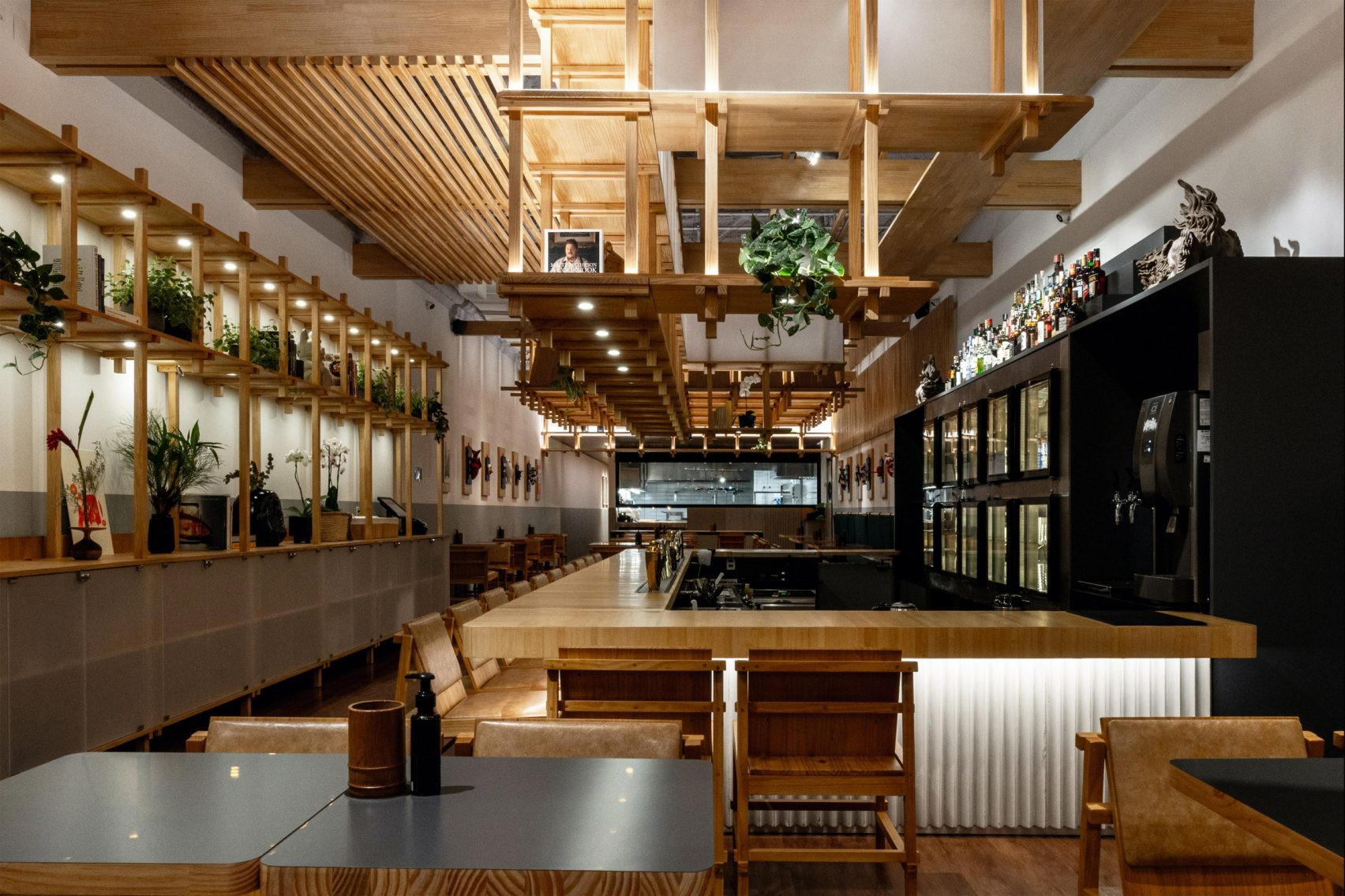
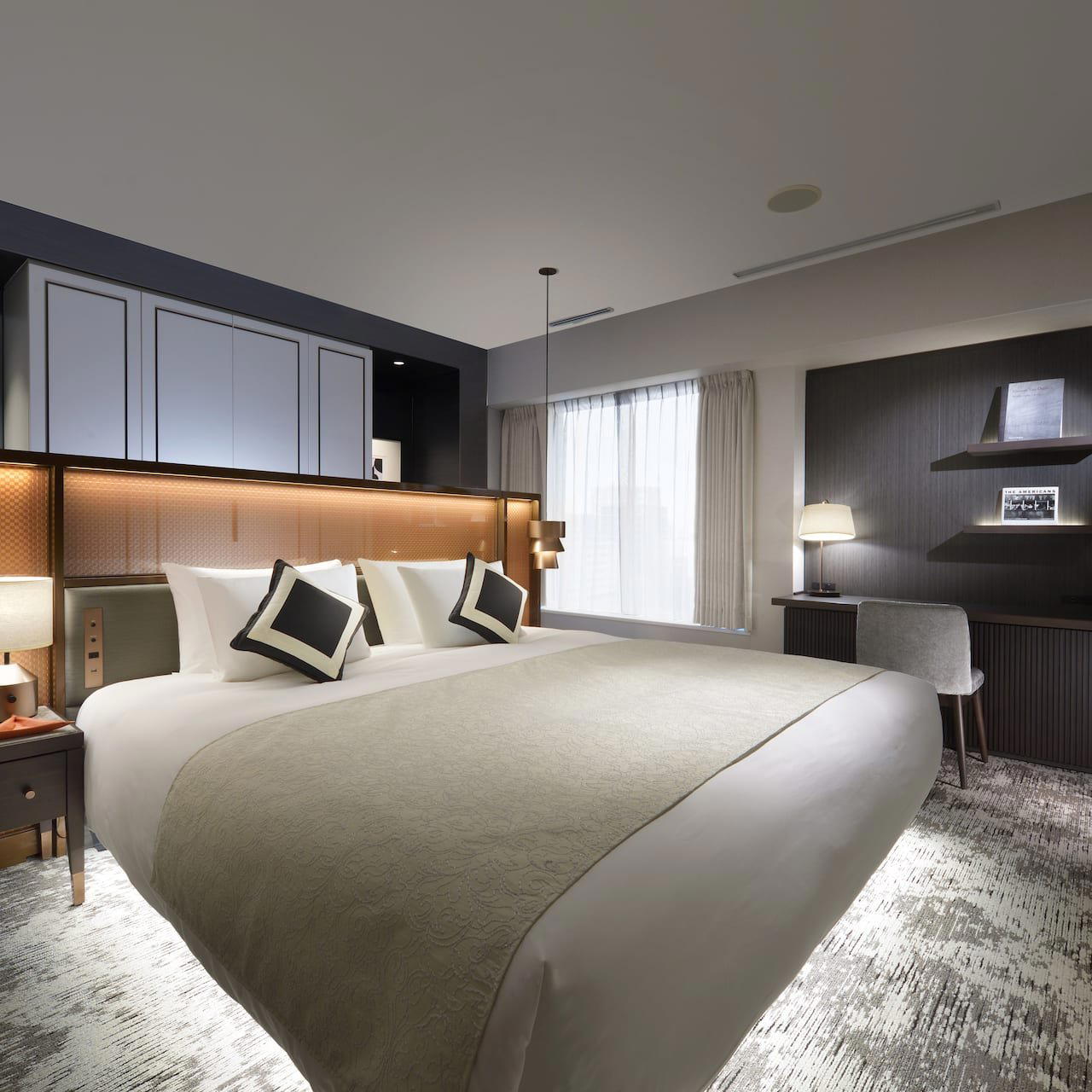
Chic, minimalistic interior emphasizing the culinary experience in a stylish and relaxing atmosphere.