
Tabelog 100 #36
Our verdict
Aaron brings Nagoya’s Chinese-bar format into a tighter, more serious register: counter seating, a drinks-led rhythm, and recognition in Tabelog’s Chinese EAST 100 for 2023, 2024, and 2026. The appeal is not banquet formality, but a compact Shinsakae room where Chinese cooking is treated as a night-out ritual rather than a ceremonial set piece.

Pearl is the En Primeur Club membership app, where members save venues, book tables and use the concierge.
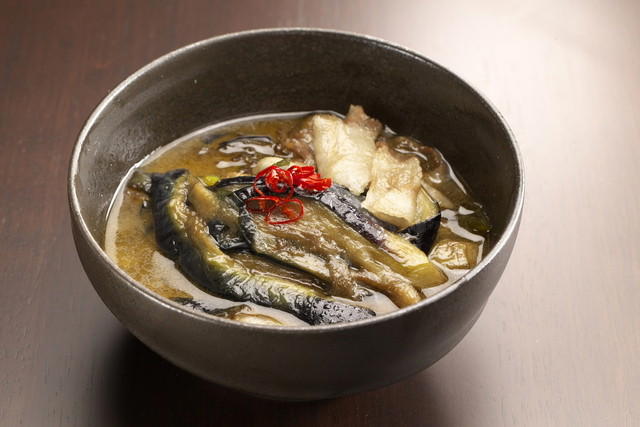
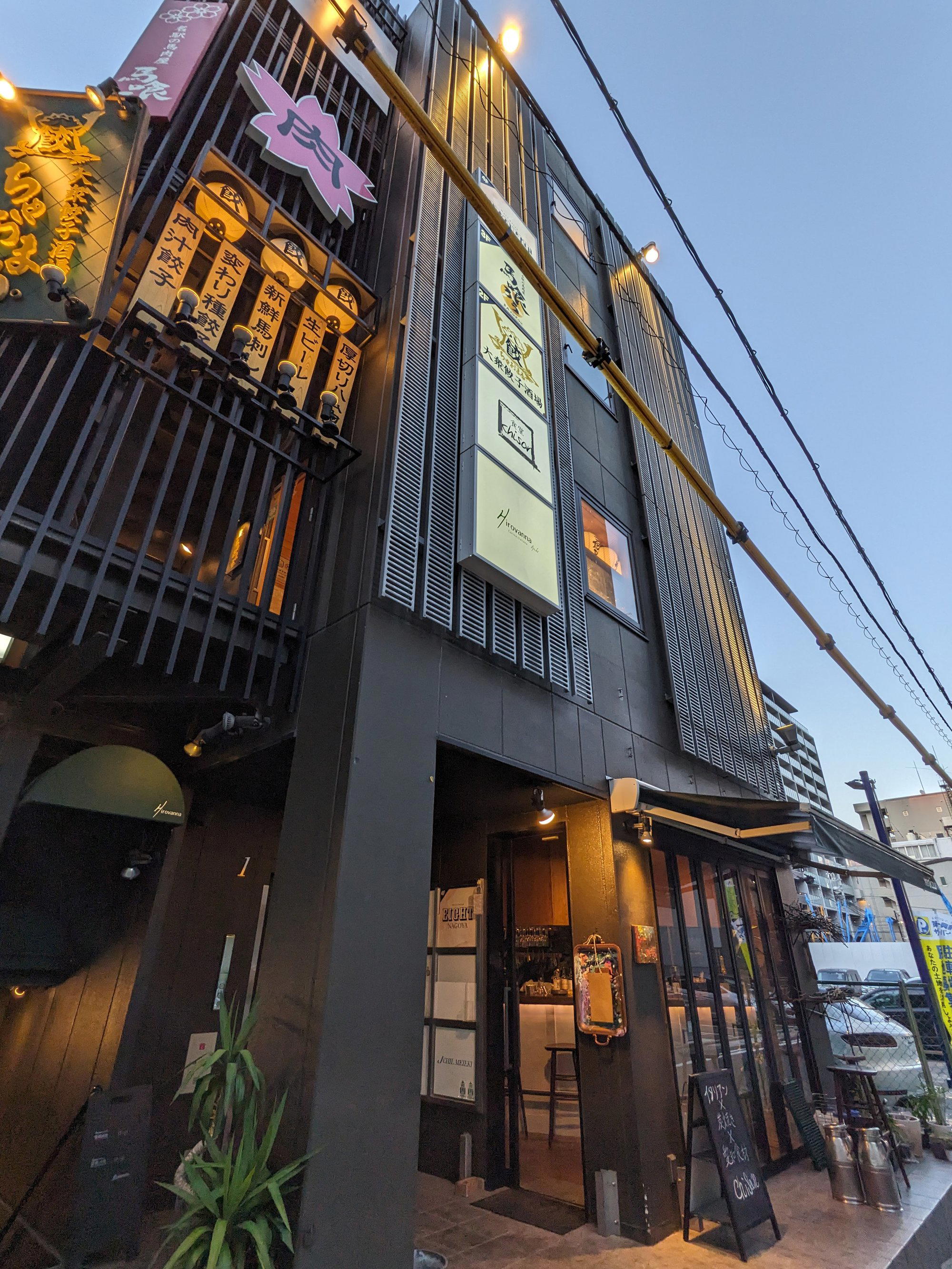
Shinsakae after dark has a different tempo from Nagoya’s station-side dining zones. The area is less about grand arrival and more about second-floor signs, narrow frontages, late starts, and rooms built for people who plan to stay with a drink in hand. In that setting, Chinese food often behaves differently: less banquet hall, more counter, more bar, more conversation between heat, oil, rice, and alcohol.
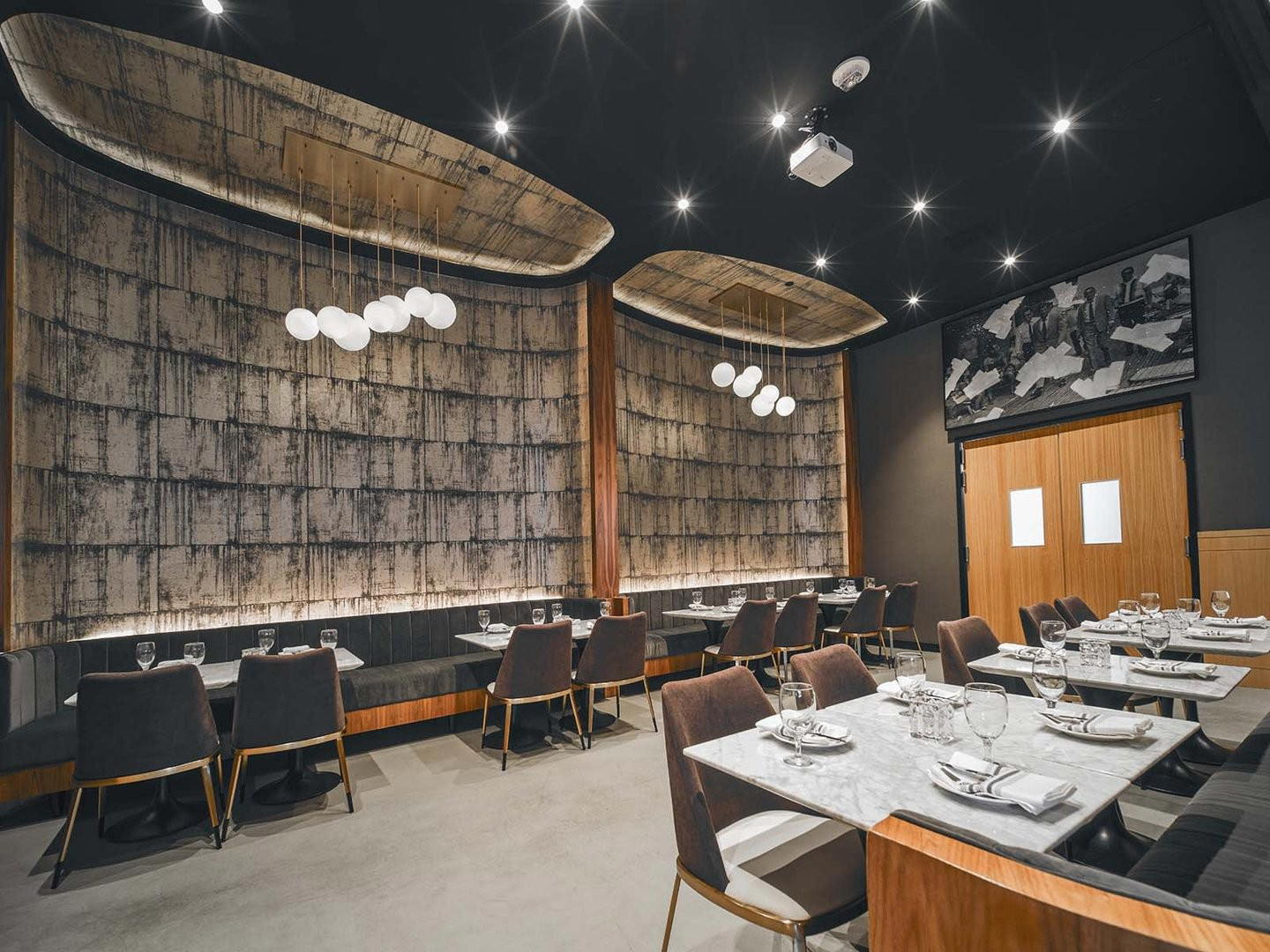
Aaron belongs to that compact Nagoya category where the meal is structured by pacing rather than ceremony. The format matters. Twenty seats, including an eight-seat counter, puts the room closer to a bar than a large Chinese restaurant, and the listed categories, Chinese, izakaya, and bar, explain the appeal more clearly than a single cuisine label could. This is Chinese cooking folded into Japan’s casual drinking culture, not an attempt to reproduce formal hotel dining at smaller scale.
Chinese cooking in Nagoya's bar register
Nagoya has a strong appetite for hybrid dining rooms: places that borrow from izakaya informality, wine-bar pacing, and serious kitchen technique without demanding a full dégustation mindset. Aaron’s selection for Tabelog’s Chinese EAST 100 in 2023, 2024, and 2026 places it inside a wider eastern-Japan conversation about Chinese restaurants that earn attention without relying on luxury cues. A Tabelog score of 3.68 reinforces the same point: this is a locally watched address in a category where consistency and regular custom matter.
The dining ritual here is built around sequence. Drinks come first in the logic of the room, with sake, shochu, wine, and cocktails all part of the stated program, and the food follows that rhythm. That shifts the way Chinese cooking is read. Instead of one long banquet arc, the meal can move through shared plates, counter conversation, and another round of drinks. It is a social format, but not a loose one; small rooms punish weak pacing quickly.
Compared with nearby casual peers in the same broad dinner band, such as Spanish Bar BULBO at JPY 5,000 to JPY 5,999, Kurumi at JPY 5,000 to JPY 5,999, and PORKMAN at JPY 4,000 to JPY 4,999, Aaron’s distinction is the Chinese-bar axis. The price tier overlaps with izakaya and bar dining, but the awards history pulls it into a more selective culinary set. That tension is the point: the room reads casual, while the recognition signals a kitchen taken seriously by diners who track the category.
The counter changes the etiquette
Counter seating changes Chinese dining etiquette in Japan. Large-format Chinese restaurants often privilege group ordering, round-table abundance, and a clear separation between kitchen and dining room. A counter-led room compresses that distance. The diner’s task becomes more tactical: order in stages, keep the table uncluttered, let drinks shape the pace, and avoid treating the meal as a race through categories.
That makes Aaron better suited to small parties than to a banquet mindset, although private use is listed for up to 20 people. Private rooms are not part of the format, which matters for travelers trying to choose between a discreet business dinner and a more animated evening. The stated availability of counter seating, table seating, BYO drinks, birthday plates, and parties over 2.5 hours points to a room comfortable with occasions, but the scale keeps the experience intimate rather than event-driven.
The opening date, October 21, 2015, is another useful signal. Nagoya’s casual dining scene moves quickly, and a decade-long run in a small-format bar-restaurant category suggests a repeat-customer base rather than short-term novelty. The chef’s background is described through training in the Chinese cuisine department of a hotel, but the more interesting editorial point is how that credential has been redirected: not toward white-tablecloth formality, but toward a bar structure where technique has to survive alongside casual drinking.
How to place it in a Nagoya itinerary
For visitors, the decision is less about checking off a famous address and more about choosing the right night. Aaron fits after a day that does not need a grand finale: a dinner in Shinsakae, then drinks elsewhere, or a single-room evening where the food and alcohol share the same stage. The listed dinner average of JPY 5,000 to JPY 5,999 keeps it in a useful middle tier for Nagoya, below the city’s formal fine-dining spend but above a casual snack stop. Review-based spending is listed higher, at JPY 6,000 to JPY 7,999, so a fuller meal with drinks should be budgeted accordingly.
The room operates Tuesday through Sunday from evening into midnight, with Monday closed, and the nearest station is Shinsakae-machi. Parking is not provided, though paid parking is noted nearby, which makes rail or taxi the cleaner choice for a drinks-led dinner. Credit cards are accepted, QR payments are listed, and electronic money is not. Reservations are available, a sensible move for a 20-seat room with an awards record.
Travelers mapping a broader Nagoya food run can place this meal beside other local restaurant references such as 1022, 451, Alan., All Day Dining Montmartre, and Aroma-fresca Nagoya. For city planning beyond dinner, use Our full Nagoya restaurants guide, Our full Nagoya hotels guide, Our full Nagoya bars guide, Our full Nagoya wineries guide, and Our full Nagoya experiences guide.
Readers comparing Japanese dining styles outside Nagoya can also look at -Grilled beef Sukiyaki- KAMAKURA TANUKIAN 鎌倉 たぬき庵 in Kamakura. 鮪と炭火焼き うお炭 秋葉原店 in Tokyo.cafe in Osaka.know in Kumamoto, (Shoku) Vietnam in Kawasaki, [Curry Senmon Ten] Maruyama Kyoju. in Sapporo, Jōdo Saké Bar in Los Angeles, and Onigiri Time in Pasadena.
Frequently asked questions
What are Aaron's hours?
Hours at Aaron: Mon: Closed; Tue: 6 PM–12 AM; Wed: 6 PM–12 AM; Thu: 6 PM–12 AM; Fri: 6 PM–12 AM; Sat: 6 PM–12 AM; Sun: 6 PM–12 AM.
Where do I go for Aaron?
Aaron is located in Nagoya.
How much does it cost to eat at Aaron?
Pricing at Aaron is listed as JPY 5,000 - JPY 5,999.
What makes Aaron worth seeking out?
Aaron has the kind of format that works in Nagoya’s Shinsakae district: 20 seats, including an 8-seat counter, with service running Tuesday through Sunday until midnight. Its Tabelog 100 selection for Chinese cuisine in the EAST region, 2026, gives it clear editorial weight, and the JPY 5,000–5,999 range keeps it in a reachable bracket for a serious night out.
Cuisine and Recognition
Comparable venues for context, by category and price tier.
| Venue | Cuisine | Price | Awards | Notes |
|---|---|---|---|---|
| AaronThis venue (the venue you are viewing) | Japanese Coffee Shop | $10–20 | Tabelog 100 #36 | Not listed |
| Gyoza to Sparkling Bubbles | Creative Gyoza and Sparkling Drinks | $10–20 | Tabelog 100 #66 | Naka |
| 料亭 香楽 | Nagoya Hitsumabushi Eel Restaurant | Not listed | Not listed | Higashi |
| Suzunami Esuka ten | Traditional Japanese set-meal diner | $10–20 | Tabelog 100 #75 | Nakamura |
| Teuchi Udon Kato | Japanese Udon | $10–20 | Tabelog 100 #63 | Nakamura |
| 眞善美 | Modern Sichuan Omakase | $500+ | Tabelog Silver #123 | Higashi |
Recognition history
Dated appearances from independent guides and award organizations, with the underlying list record or original source where available.
Tabelog 100 #36 · No. 36
Tabelog · Tabelog 100 - Chinese cuisine - EAST - 2026
Continue exploring
More in Nagoya
Restaurants in Nagoya
All restaurants in Nagoya →
Details
- Cozy
- Modern
- Quiet
- Solo
- Casual Hangout
- After Work
- Counter Dining
- A La Carte
- Coffee
Current opening hours
- Monday
- Closed
- Tuesday
- 6 PM–12 AM
- Wednesday
- 6 PM–12 AM
- Thursday
- 6 PM–12 AM
- Friday
- 6 PM–12 AM
- Saturday
- 6 PM–12 AM
- Sunday
- 6 PM–12 AM
Hours can change for holidays and private events. Hours as of .
Quiet, understated atmosphere with minimal decor and a focus on quality beverages and conversation.