
Tonkatsu Odayasu Jounai ten belongs to Tokyo’s market-counter tradition rather than its reservation-driven fine-dining circuit. The draw is fried food in a working-market setting: tonkatsu, croquette, and seafood-led set meals at everyday pricing, with Tabelog 100 Diner recognition in 2026 giving it a credential beyond the usual queue folklore.
Pearl is the En Primeur Club membership app — saves, bookings, and concierge access live there. Same editors, same standards.
- Address
- 6 Chome-5-1 Toyosu, Koto City, Tokyo 135-0061, Japan
- Phone
- +81 3-6633-0182
- Website
- toyosu.tsukijigourmet.or.jp
 Saves & bookings on Pearl
Inside Tokyo’s market orbit, breakfast and lunch feel less like restaurant appointments than shift changes. Counters turn early, voices carry, and the cooking must be direct for people eating before the city has settled into its day. Tonkatsu Odayasu Jounai ten fits that rhythm: a cafeteria-style fried-food address in Toyosu whose appeal is repetition, speed, and narrow confidence around cutlets, croquettes, and market-adjacent seafood.
That matters because Tokyo often exports a polished image of Japanese dining: omakase sushi, kaiseki rooms, chef-led counters. Market dining follows another code, rewarding places that feed workers, buyers, and early-moving visitors without turning utility dull. Recognition on Tabelog’s 2026 Diner 100 list gives this address a public credential, but the stronger editorial point is the category itself: the humble shokudo remains one of Tokyo’s sharper measures of taste because it has little room for theatre.
Fried food for a market crowd, not a tasting-menu audience
The menu category tells the story: cafeteria, tonkatsu, and croquette. In Tokyo, tonkatsu splits two ways. One path chases specialist pork breeds, long waits, and a single-subject counter experience. The other keeps the set-meal grammar intact: rice, cabbage, miso soup, fried protein, and a pace suited to lunch hour. This address sits closer to the second tradition, with seafood fry also part of its identity. That fits Toyosu, where fish-market culture has long shaped expectations for an early meal.
Regulars’ perspective cuts through tourist checklist thinking. A returning customer is not usually hunting novelty; the logic is dependability. Tonkatsu, croquette, fried horse mackerel, shrimp, and oysters belong to a familiar Tokyo vocabulary, and familiarity is the point. The measure is whether the kitchen can make a routine order worth repeating. The 2026 Tabelog Diner 100 selection, plus earlier Tabelog 100 selections in 2024 and 2021, places the restaurant among recognized Japanese everyday-dining rooms rather than luxury restaurants.
That distinction affects value. In a city where serious meals quickly reach multi-course pricing, a JPY 1,000 to JPY 1,999 range anchors the experience in daily-life Tokyo. It is not cheap because it is minor; it is inexpensive because shokudo culture has a different contract with the diner. The food should be legible, filling, and fast enough to fit work, shopping, or a market visit.
The unwritten order is about timing and appetite
Regulars in this kind of room order by mood rather than prestige. Tonkatsu gives the pork-cutlet baseline. Croquette adds the softer cafeteria note. Seafood fry points back to the surrounding market ecosystem. The listed categories and public description put fried seafood in the frame, including shrimp, oysters, and horse mackerel, so the smarter reading is not a narrow “tonkatsu shop,” but a fried-food shokudo with market DNA.
Compared with Toyosu neighbors in the same everyday price band, such as Torimeshi Torito Toyosu shijou, the appeal sits in a different comfort register: fried cutlets and seafood rather than chicken rice. KANE MASU belongs to an izakaya pattern, while Kishida Ya sits at a higher JPY 3,000 to JPY 3,999 range, so the comparison is less direct competition than the range of Tokyo’s casual dining formats. Toyosu supports all of them because the area’s food traffic is practical before decorative.
For readers building a wider Tokyo eating map, this stop balances the city’s more curated rooms. Pair it with yakitori at 124. KAGURAZAKA (Yakitori), curry at 3 Chome no Curry Ya San, or seafood-leaning casual dining at . 鮪と炭火焼き うお炭 秋葉原店 for a clearer picture of how Tokyo eats outside the tasting-menu spotlight. The contrast with stylized café culture at 2D Cafe or a Shinjuku address such as 12/10 Shinjuku ten is useful: same city, different social function.
How to place it in a Tokyo itinerary
Use Tonkatsu Odayasu Jounai ten as a morning-to-early-afternoon food stop, not a long evening centerpiece. The published schedule runs early and ends after lunch service, with midweek and Sunday closures, so it suits a Toyosu-focused day rather than a late-night plan. Reservation availability is listed as none, matching the canteen logic: arrive, queue if necessary, eat, and move on.
Because no official website is listed, keep planning simple: treat it as a market-area meal with limited service hours and a casual format. The nearest station is Shijo-mae, and the room belongs to the market-building ecosystem rather than a street-front dining district. That makes it a counterpoint to Ginza, Shinjuku, or Kagurazaka, where meals often compete with shopping, nightlife, or booked dining rooms. Here, the meal is tied to Toyosu’s working geography.
EP Club readers planning beyond one meal can use Our full Tokyo restaurants guide for the city’s broader dining range, then cross-reference Our full Tokyo hotels guide, Our full Tokyo bars guide, Our full Tokyo wineries guide, and Our full Tokyo experiences guide when shaping a full itinerary. For a wider Japan casual-dining thread, compare the format with -Grilled beef Sukiyaki- KAMAKURA TANUKIAN 鎌倉 たぬき庵 in Kamakura.cafe in Osaka.know in Kumamoto, (Shoku) Vietnam in Kawasaki, [Curry Senmon Ten] Maruyama Kyoju. in Sapporo, and [ki:] in Kyoto. Japanese comfort food also travels well overseas, as seen in Los Angeles and Pasadena at Jōdo Saké Bar in Los Angeles and Onigiri Time in Pasadena, but Toyosu gives the genre its local market accent.
The editorial case is narrow and persuasive: come for disciplined everyday fried food in the part of Tokyo where breakfast and lunch have a working purpose. Tabelog Diner 100 recognition sharpens the signal, but the deeper reason to care is that shokudo dining preserves a Tokyo competence luxury restaurants cannot imitate.
Side-by-Side Snapshot
Comparable venues at the same tier.
| Venue | Cuisine | Price | Notes |
|---|---|---|---|
| Tonkatsu Odayasu Jounai tenThis venue — the venue you are viewing | Tonkatsu and fried seafood canteen in Toyosu Market | $ | Not listed |
| Tadokoro Foods Eat-in | Fish roe pasta & rice bowls eat-in counter | $ | Chūō |
| Kagaribi | Handmade Shoyu Ramen Counter | $ | Chūō |
| Oniyanma Higashishinagawa ten | Sanuki-style udon noodle shop | $ | Shinagawa |
| Ichijoryu Ganko Sohonke Bunke Yotsuya Arakicho | Classic Japanese ramen counter | $ | Shinjuku |
| Naniwaya Edogawabashi | Traditional Japanese taiyaki & obanyaki shop | $ | Bunkyō |
Recognition history
Dated appearances from independent guides and award organizations, with the underlying list record or original source where available.
Tabelog 100 #10 · No. 10
Tabelog · Tabelog 100 - Diner - 2026






At a Glance
- Classic
- Lively
- Cozy
- Solo
- Family
- Casual Hangout
- After Work
- Standalone
- Local Sourcing
Current opening hours
- Monday
- 6 AM–2 PM
- Tuesday
- 6 AM–2 PM
- Wednesday
- Closed
- Thursday
- 6 AM–2 PM
- Friday
- 6 AM–2 PM
- Saturday
- 6 AM–2 PM
- Sunday
- Closed
Hours can change for holidays and private events. Last verified .
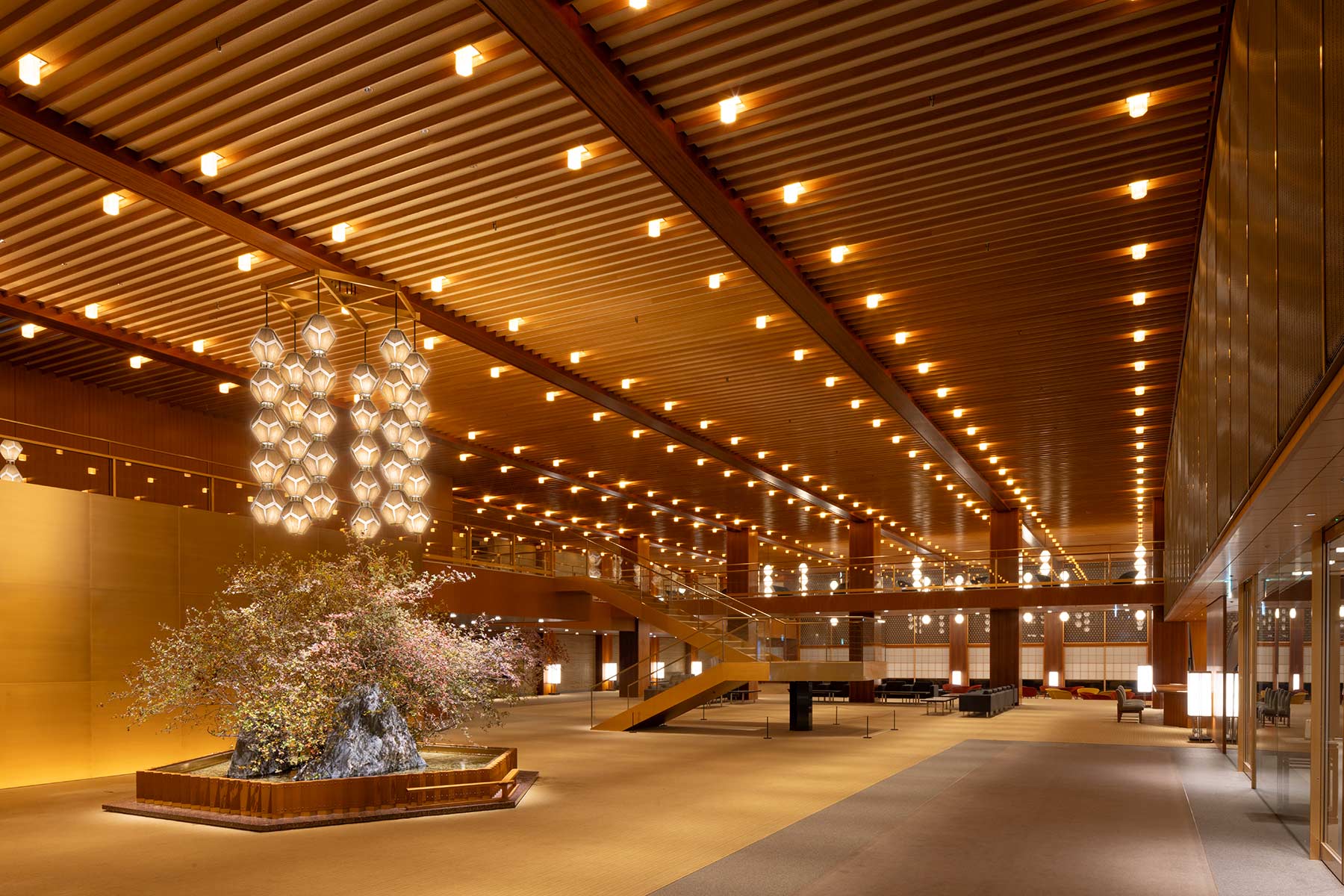
Busy and utilitarian like a classic Japanese market cafeteria, with counter and tightly packed tables, bright lighting, and a casual, no‑frills atmosphere focused on quick, hearty meals rather than lingering.