
Tokyo ramen has a serious special-occasion tier, and Kagaribi belongs to the compact, counter-led end of it rather than the banquet-room version. The Shintomi address runs six counter seats, no reservations, cashless payment, and Tabelog Ramen TOKYO 100 selections in 2024 and 2025, making it a precise choice for a low-key milestone meal built around ramen rather than ceremony.
Pearl is the En Primeur Club membership app — saves, bookings, and concierge access live there. Same editors, same standards.
- Address
- Japan, 〒104-0041 Tokyo, Chuo City, Shintomi, 1 Chome−9−5 SOPHIA GINZA 1階
- Phone
- +819069515212
- Website
- x.com
 Saves & bookings on Pearl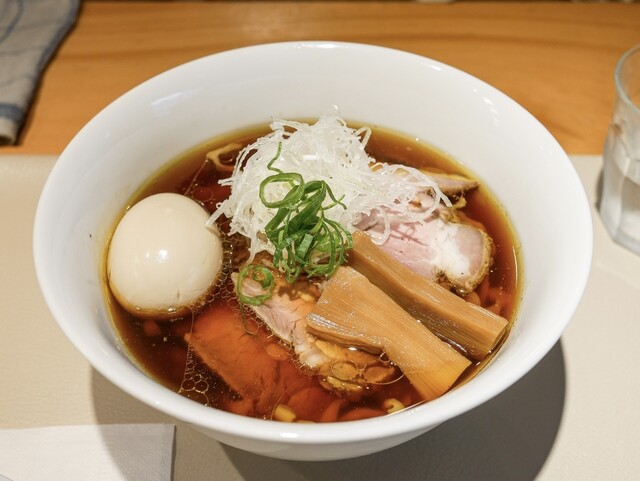
Shintomi is not Tokyo’s hotel-lobby grandeur or Ginza theatre. It is tighter, quieter, and more useful: side streets, small buildings, office workers moving with intent, and the nearby pull of Tsukiji and Ginza without their louder dining signals. For ramen, that matters. In this part of Chuo, a counter can become a focused occasion because it removes the usual architecture of celebration. Six seats, a cashless format, and no reservations create a different milestone meal: short, concentrated, and judged almost entirely by the bowl.
Kagaribi sits in the Tokyo category where ramen receives the seriousness usually reserved for sushi counters or kaiseki rooms, without their length, cost, or ritual burden. Its Tabelog Ramen TOKYO 100 selections in 2024 and 2025 place it in a highly competitive field, and its 3.82 Tabelog score is a useful signal in a city where ramen obsessives parse decimals intensely. This is not an anniversary dinner for a long speech. It suits a birthday lunch before Ginza, a post-theatre Sunday plan, or a two-person celebration that values precision over performance.
Six seats turn ramen into a counter occasion
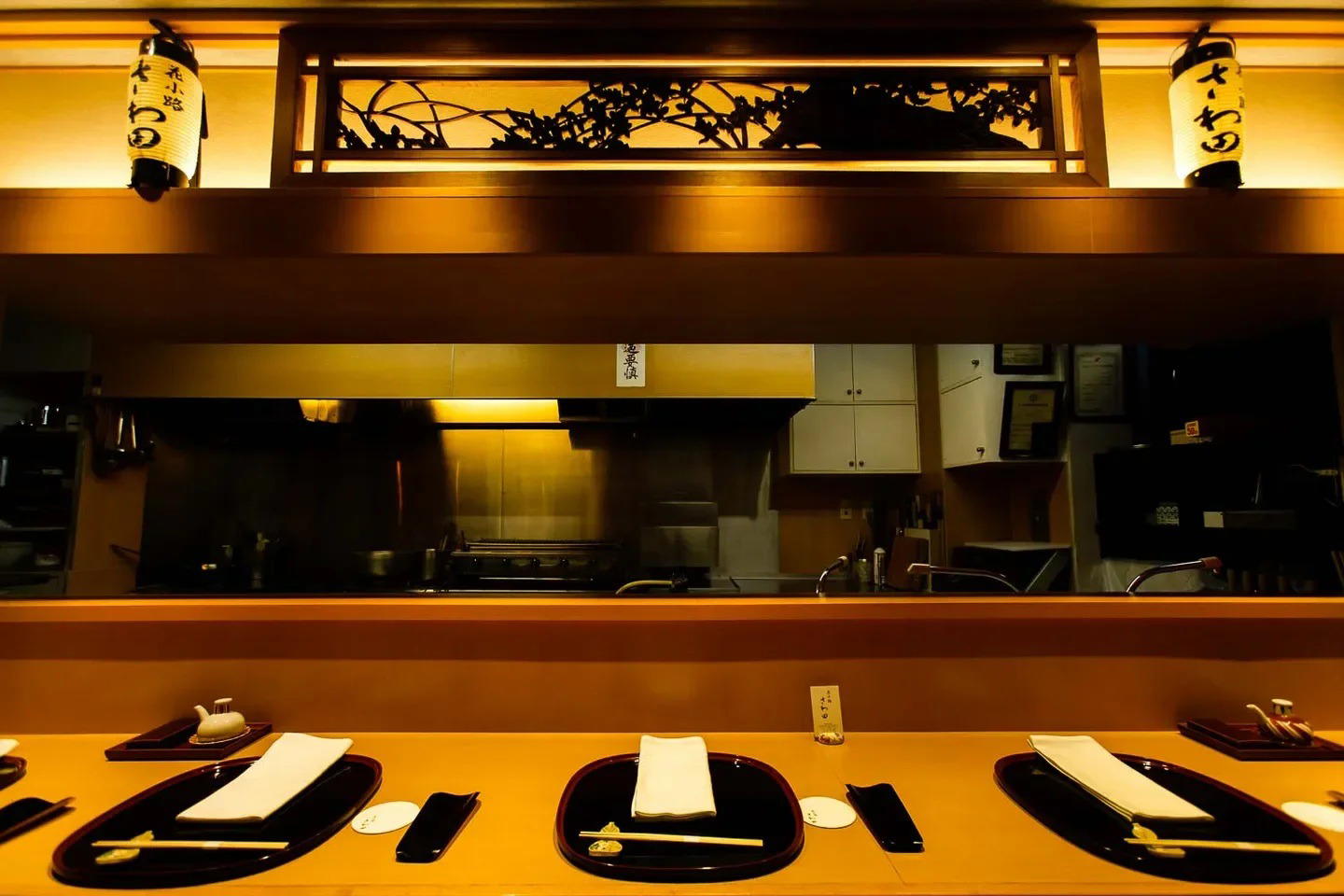
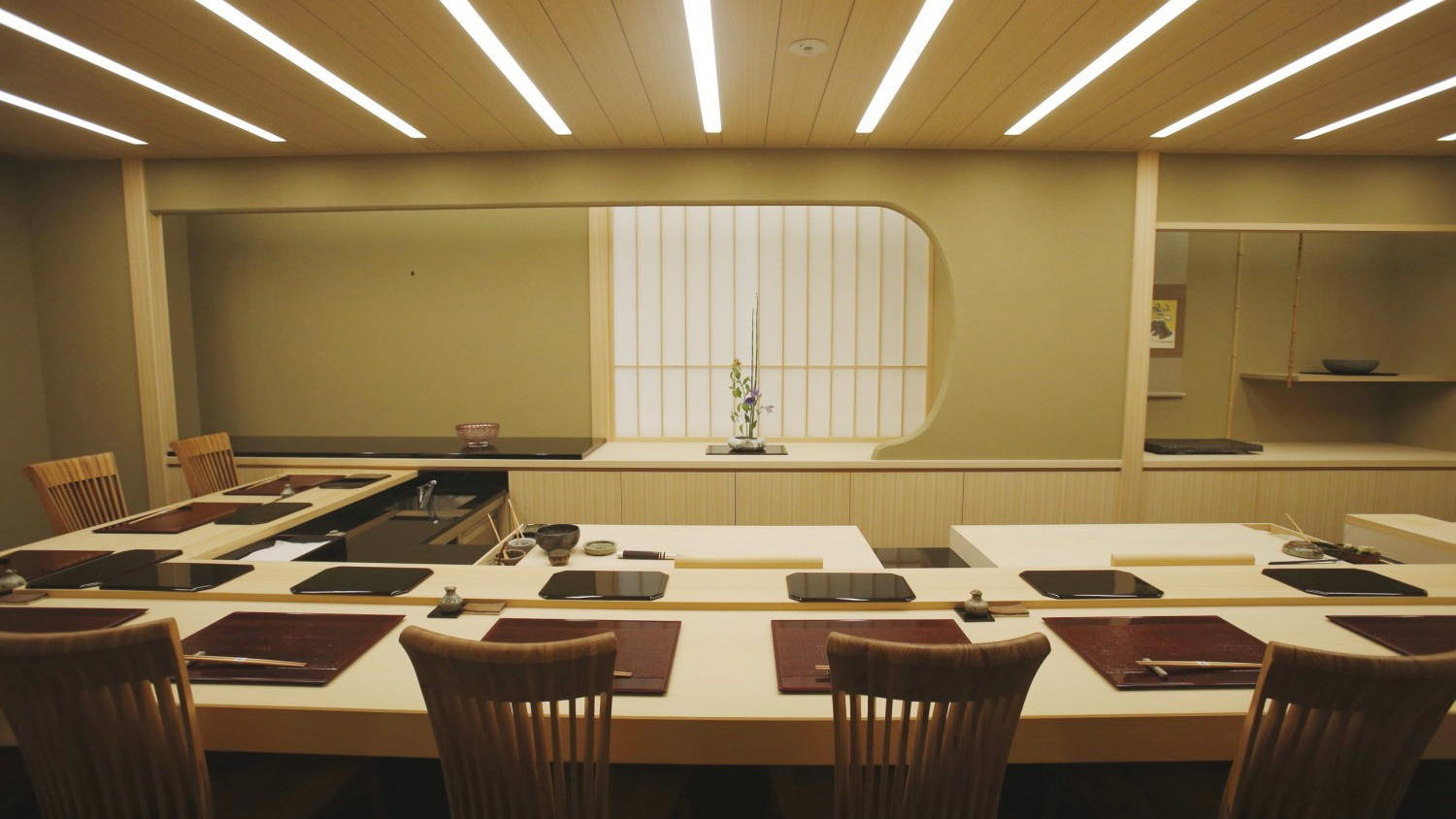
Tokyo has long understood that occasion dining does not need a tablecloth. Its serious counters, from sushi to tempura to ramen, rely on proximity: guests see the work, pacing is compressed, and distractions are few. Kagaribi’s six-seat, counter-only room belongs to that lineage. Compared with larger dining rooms, the experience is less about lingering than committing attention to a narrow format, making it strong for diners who want the gravity of a planned meal without the weight of formality.
The budget changes the psychology. Lunch is listed at JPY 1,000 to JPY 1,999, while dinner is JPY 2,000 to JPY 2,999. In Tokyo terms, that is far below the financial threshold of kaiseki at Kutan or sushi at Sushi Miyuki, yet it asks for the same decisiveness: arrive with time, accept the queue logic, and understand that the room is built for turnover rather than extended conversation. The comparison is not cuisine, but how Tokyo turns focused formats into serious meals.
For travelers mapping a broader Tokyo dining run, the contrast helps. Yakitori at 124. KAGURAZAKA (Yakitori), curry at 3 Chome no Curry Ya San, and seafood-led casual dining at . 鮪と炭火焼き うお炭 秋葉原店 each represent everyday eating with intent. Kagaribi belongs to the smaller ramen-counter subset, where room size and recognition make the meal feel deliberately chosen rather than incidental.
Recognition matters in Tokyo's ramen field
Ramen in Tokyo is too broad for vague praise, ranging from station-adjacent convenience to destination bowls that draw diners across wards. Tabelog’s Hyakumeiten selection is a clearer public filter for the upper tier, especially because it separates ramen into a city-specific field rather than a general restaurant hierarchy. Kagaribi’s 2025 Ramen TOKYO 100 inclusion, following 2024 selection, gives it a credential that matters when deciding whether a short meal deserves a fixed place in a packed itinerary.
The address explains the appeal. Shintomi is close enough to Ginza to pair naturally with shopping, galleries, or a hotel stay, while avoiding the feel of a tourist corridor. Nearest-station access is via Shintomicho, with Tsukiji within walking range, making it practical for a day between old market culture and polished central Tokyo. In a city where transit time can make a meal feel elegant or exhausting, that centrality is an advantage.
For occasion dining, constraint is part of the value. Reservations are unavailable, Wednesday is the regular closed day, weekday service is split between lunch and dinner, and weekends are lunch only. These details reward flexibility rather than a rigid celebration schedule. A six-seat counter can make the wait feel disproportionate if timing is careless, so it suits a small party treating the meal as the anchor of a loose afternoon, not a prelude squeezed between appointments.
How to place it in a Tokyo itinerary
Kagaribi is strongest as a compact celebration: two diners, a central day, and no need for a drawn-out tasting menu. It is less suited to groups, private-room expectations, or travelers wanting a guaranteed reservation slot. The room is non-smoking, private rooms and parking are unavailable, and payment is fully cashless, including major credit cards, transit IC cards, and QR code systems. That makes it easier for visitors than many older ramen counters, provided they accept queue-based access.
Tokyo visitors building a full dining map should treat this as one precise stop, not a whole evening. For a wider read on the city, use Our full Tokyo restaurants guide, then separate dining plans from sleep, drinks, and cultural time through Our full Tokyo hotels guide, Our full Tokyo bars guide, Our full Tokyo wineries guide, and Our full Tokyo experiences guide. Nearby or contrasting formats can sharpen the itinerary: 12/10 Shinjuku ten, 2D Cafe, French dining at hortensia, innovative cooking at Treis - τρεῖς, and casual budget comparison at Sakadachi.
For readers extending beyond Tokyo, the same question applies: what kind of occasion does a small-format meal create? Beef sukiyaki at -Grilled beef Sukiyaki- KAMAKURA TANUKIAN 鎌倉 たぬき庵 in Kamakura, cafe culture at.cafe in Osaka, contemporary dining at.know in Kumamoto, Vietnamese cooking at (Shoku) Vietnam in Kawasaki, curry at [Curry Senmon Ten] Maruyama Kyoju. in Sapporo, Kyoto dining at [ki:] in Kyoto, sake-bar dining at Jōdo Saké Bar in Los Angeles, and Japanese comfort food at Onigiri Time in Pasadena all show how format shapes memory as much as cuisine. At Kagaribi, the occasion is deliberately narrow: a recognized Tokyo ramen counter, a handful of seats, and a meal that earns seriousness through focus.
The Short List
Nearby venues at a similar price tier for orientation.
| Venue | Cuisine | Price | Notes |
|---|---|---|---|
| KagaribiThis venue — the venue you are viewing | Chūō, Handmade Shoyu Ramen Counter | $ | Not listed |
| Sakadachi | Chūō, Standing Japanese izakaya bar | $ | Not listed |
| Kobiki Cho Yuzukamiya | Chūō, Traditional Soba & Tempura | $ | Not listed |
| Nihonbashi Nishikihorin Karintou senmonten | Not listed | $ | Chiyoda, Traditional Japanese Karintou Specialty Shop |
| Tokutaro | Not listed | $ | Taitō, Traditional Japanese sweets (wagashi) shop |
| Hot Spoon Gotanda ten | Not listed | $ | Shinagawa, Japanese beef tendon curry house |
Recognition history
Dated appearances from independent guides and award organizations, with the underlying list record or original source where available.
Tabelog 100 #33 · No. 33
Tabelog · Tabelog 100 - Ramen - TOKYO - 2025





At a Glance
- Cozy
- Intimate
- Modern
- Solo
- After Work
- Casual Hangout
- Chefs Counter
- Standalone
Current opening hours
- Monday
- 11:30 AM–2:30 PM, 6–8 PM
- Tuesday
- 11:30 AM–2:30 PM, 6–8 PM
- Wednesday
- Closed
- Thursday
- 11:30 AM–2:30 PM, 6–8 PM
- Friday
- 11:30 AM–2:30 PM, 6–8 PM
- Saturday
- 11:30 AM–3 PM
- Sunday
- 11:30 AM–3 PM
Hours can change for holidays and private events. Last verified .
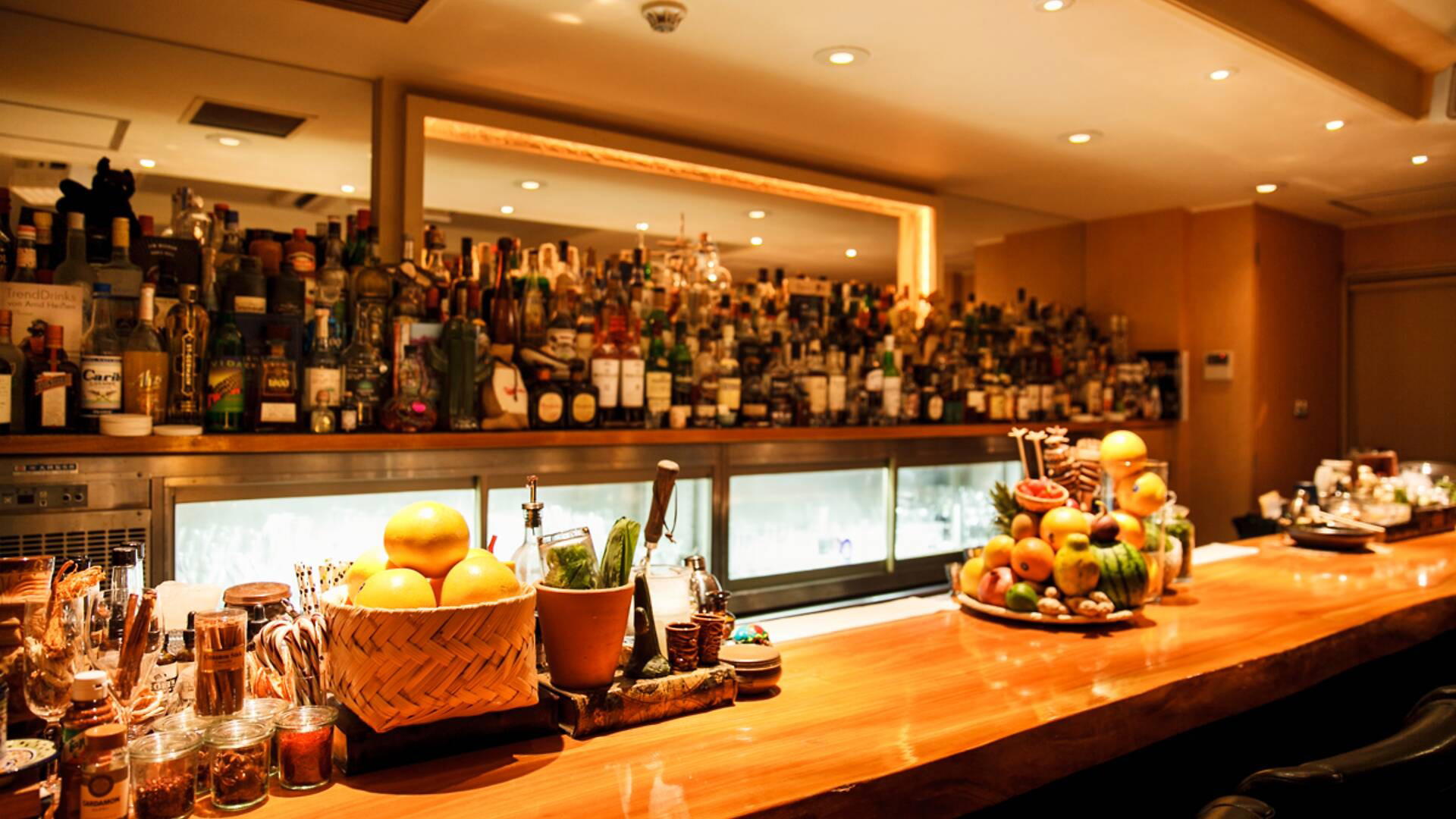
A compact six-seat counter with a calm, focused atmosphere where a solo chef prepares each bowl to order; lighting and decor are simple and modern, emphasizing the craft of ramen over design flourishes, with a relaxed but quietly energetic feel due to the constant turnover and short lines.