
Oniyanma Higashishinagawa ten is a low-cost udon shop in Tokyo’s Shinagawa ward, selected for Tabelog’s Udon EAST 100 in 2024 after earlier selections in 2022 and 2020. The draw is not ceremony but format discipline: quick-service wheat noodles, ticket-machine ordering, self-service water, counter seating, and a reputation strong enough to put a sub-¥1,000 meal into a serious Tokyo dining conversation.
Pearl is the En Primeur Club membership app — saves, bookings, and concierge access live there. Same editors, same standards.
- Address
- 東京都品川区東品川4-1-20
- Website
- tabelog.com
 Saves & bookings on Pearl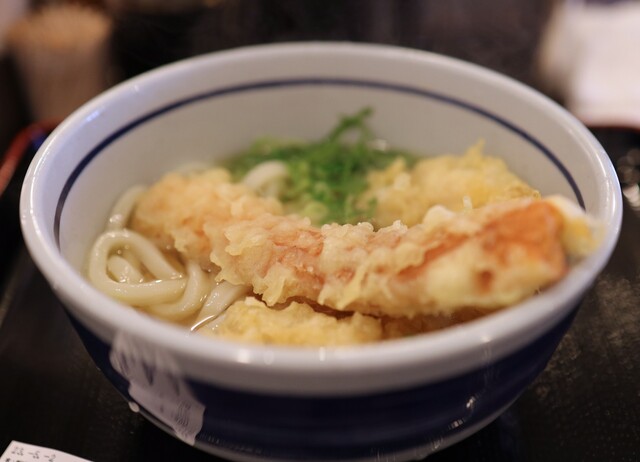
Approaching the Aomono Yokocho side of Higashishinagawa, the dining rhythm changes from Tokyo destination eating to commuter eating: quick steps, short pauses, decisions made before the door. Udon shops in this tier are judged less by theatre than by throughput, texture, broth, and whether a short meal can carry enough identity to justify a detour. Oniyanma Higashishinagawa ten belongs to that conversation because its reputation sits in the narrow band where everyday pricing and specialist recognition overlap.
Tokyo’s noodle culture is often discussed through ramen, soba, and high-precision counters, but udon occupies a different register. It is plainer on the surface and less forgiving in execution. The wheat noodle has to carry bounce and weight without distraction; the format has to move quickly without feeling careless. A shop selected for Tabelog’s Udon EAST 100 in 2024 is not being rewarded for luxury cues. It is being judged inside a crowded category where locals compare small differences in noodle handling, broth clarity, tempura timing, and operational speed.
Sub-¥1,000 udon with serious critical reception
The useful point here is the gap between cost and recognition. In Tokyo, many awarded meals require planning, language confidence, and a tolerance for rising prices. This address sits at the other end of the spectrum, with both lunch and dinner budgets listed below JPY 999, yet it appears on Tabelog’s Udon EAST 100 in 2024, with earlier selections in 2022 and 2020. That combination gives the place its editorial weight: it makes a democratic food format legible to visitors who usually track Tokyo through sushi counters, kaiseki rooms, and cocktail bars.
That does not make the meal grand. It makes it specific. The 20-seat setup, split between counter seats and two-seat tables, points to the compact grammar of Japanese quick-service dining. The meal ticket comes first, then the counter, then self-service water, table condiments, and tray return. There is little room for indecision once the line begins to move. For travellers, this is precisely the appeal: the system explains how Tokyo compresses quality into routine transactions without turning every good meal into an occasion.
Within the comparison set, the pricing tells a clear story. Unagi Marutomi and Hinadori Sonoda sit in the JPY 3,000 to JPY 3,999 band, while Pizzeria Bakka M’unica moves higher at dinner and Rebanira ya Kintaro Toukyou shucchoujo occupies a modest but still higher bracket. Banraien stretches into a far more expensive dinner category. Against those peers, this udon counter is not competing on spend, room comfort, or length of meal. It competes on concentration: a short, inexpensive stop that has enough third-party recognition to matter in a city full of casual noodle shops.
Why the format matters in Shinagawa's daily dining map
Shinagawa is not only a hotel-and-railway district; its surrounding wards hold the sort of practical eating that office workers, families, and solo diners use repeatedly. Higashishinagawa and Aomono Yokocho are useful for visitors because they keep Tokyo dining grounded. Instead of asking for a full evening, the neighbourhood rewards short, precise stops between trains, errands, meetings, or a return from the waterfront side of the city.
The absence of reservation culture is part of the category rather than a flaw. Serious udon in Tokyo often works on immediacy: enter, order, eat, leave. That format puts pressure on the kitchen and the diner alike. It also removes some of the barriers that make other acclaimed Tokyo meals difficult for travellers. No elaborate course sequence is needed to understand the point. The recognition matters because it separates this from a convenience choice; the format matters because it keeps the meal connected to the city’s everyday pace.
The shop’s repeated Tabelog selections also clarify how Japanese food reputation can differ from international award logic. Michelin-style prestige often privileges service architecture, wine programs, and room experience. Tabelog’s category lists can bring attention to places that operate with leaner comforts and narrower menus. For udon, that is especially relevant. The craft is visible in repetition rather than spectacle, and the audience is often local enough to punish inconsistency quickly.
How to place it in a Tokyo itinerary
This is not the Tokyo meal to schedule as the centre of a night. It is better treated as a smart insertion into a wider day: a noodle stop before moving toward Shinagawa, Tennozu, or the bay-side districts, or a low-friction lunch when the city’s reservation machinery feels excessive. The practical intelligence is simple: understand the ticket-machine flow before holding up the line, use cashless payment, collect at the pickup counter, and return dishes after eating. Those details are not decorative; they are the etiquette of the room.
For broader planning, pair this kind of stop with a citywide view rather than another grand meal. EP Club’s full Tokyo restaurants guide is the better frame for deciding when to choose a quick noodle counter over a longer dinner. Travellers building a fuller itinerary can cross-reference Tokyo hotels, Tokyo bars, Tokyo wineries, and Tokyo experiences without pretending every meal needs the same level of ceremony.
Nearby and comparative Tokyo listings also show how broad the city’s casual and specialist register can be:. 鮪と炭火焼き うお炭 秋葉原店, 12/10 Shinjuku ten, 124. KAGURAZAKA (Yakitori), 2D Cafe, and 3 Chome no Curry Ya San all sit in different corners of the same metropolitan appetite. Beyond Tokyo, the same lens can extend to -Grilled beef Sukiyaki- KAMAKURA TANUKIAN 鎌倉 たぬき庵 in Kamakura.cafe in Osaka.know in Kumamoto, (Shoku) Vietnam in Kawasaki, [Curry Senmon Ten] Maruyama Kyoju. in Sapporo, [ki:] in Kyoto, Jōdo Saké Bar in Los Angeles, and Onigiri Time in Pasadena.
The editorial case for Oniyanma Higashishinagawa ten is not that it replaces Tokyo’s expensive dining rooms. It is that a recognised udon shop at this price point teaches a sharper lesson about the city: serious eating is not always slow, formal, or expensive. Sometimes the reputation is built through repetition, a small room, a ticket machine, and a bowl of wheat noodles that Tokyo diners have measured against many others.
Budget Reality Check
Comparable venues at similar price and category levels.
| Venue | Cuisine | Price | Notes |
|---|---|---|---|
| Oniyanma Higashishinagawa tenThis venue — the venue you are viewing | Shinagawa, Sanuki-style udon noodle shop | $ | Not listed |
| Chuka Soba Waka TOKYO | Shinagawa, Modern Tokyo ramen & tsukemen | $ | Not listed |
| Matsushimaya | Not listed | $ | Minato, Traditional Japanese wagashi and daifuku shop |
| E-chan Shokudo | Not listed | $ | Meguro, Early-morning Tokyo ramen counter |
| Tonkatsu Odayasu Jounai ten | Not listed | $ | Kōtō, Tonkatsu and fried seafood canteen in Toyosu Market |
| HIIKI | Not listed | $ | Ōta, Ramen shop specializing in shoyu tonkotsu |
Recognition history
Dated appearances from independent guides and award organizations, with the underlying list record or original source where available.
Tabelog 100 #92 · No. 92
Tabelog · Tabelog 100 - Udon - EAST - 2024








At a Glance
- Lively
- Casual
- Cozy
- Solo
- Family
- Casual Hangout
- After Work
- Standalone
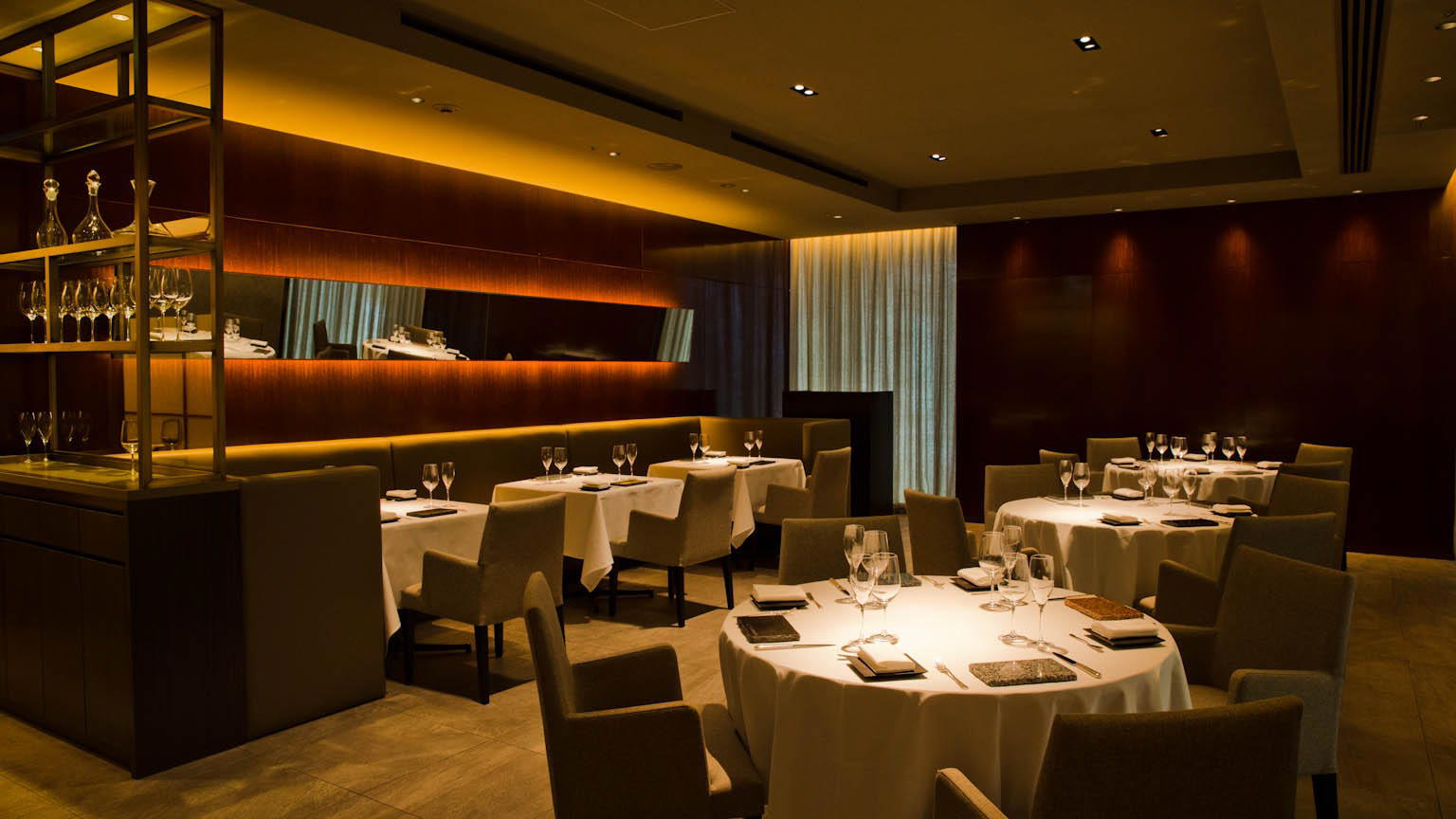
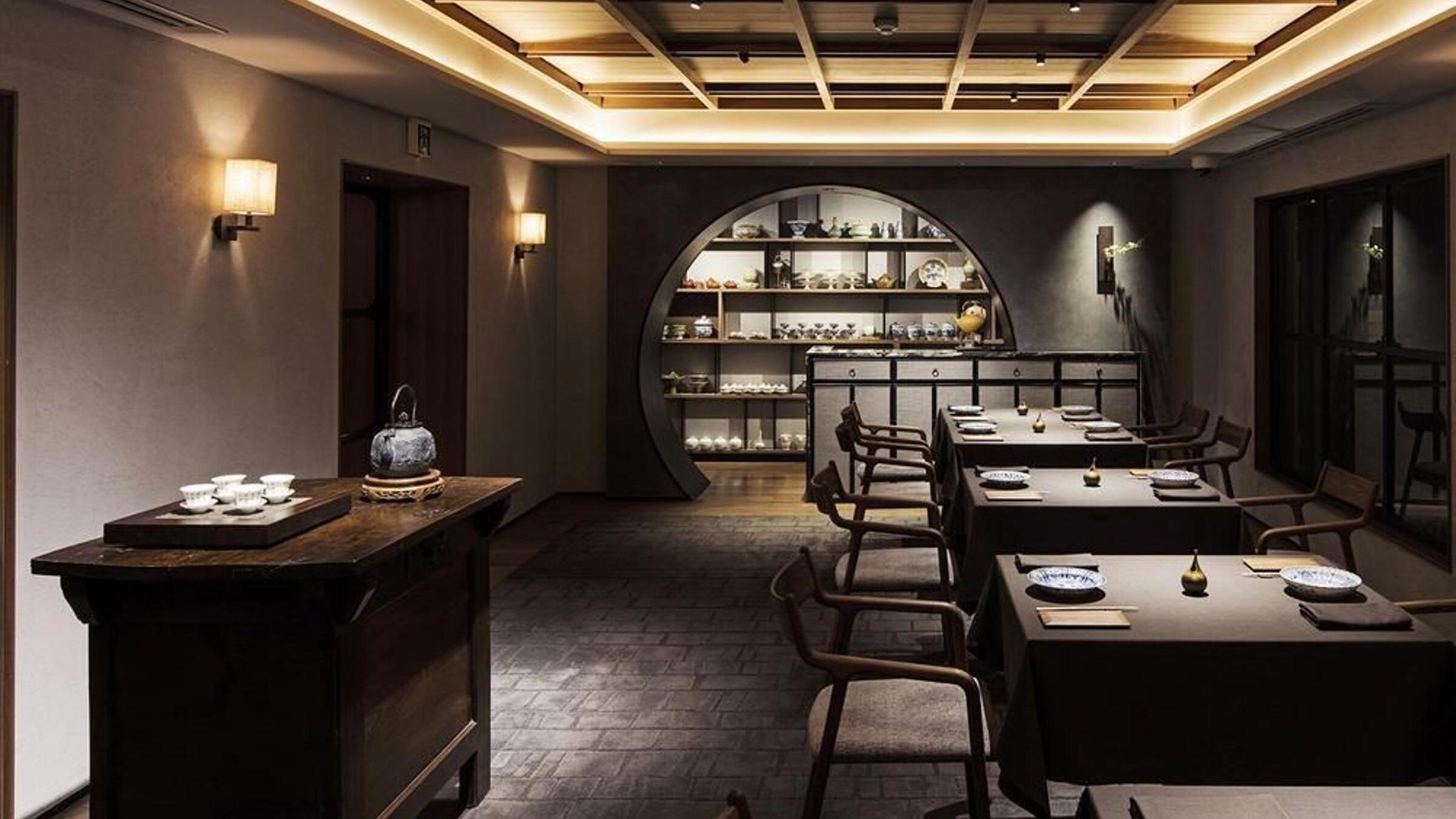
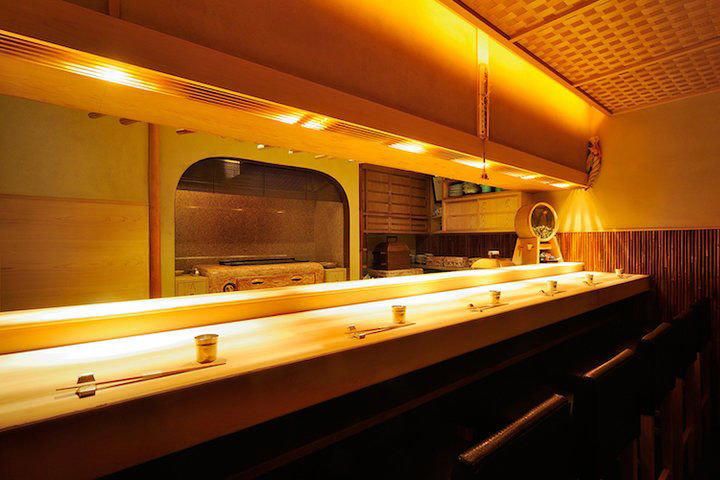
Casual, efficient noodle shop with counter and small table seating, bright and functional rather than decorative, geared to quick solo or small-group meals with a steady, lively flow of guests.