
Tokyo Bombay Ebisu honten belongs to Tokyo’s serious curry culture rather than the city’s luxury dining circuit. Its Tabelog Curry TOKYO “Tabelog 100” selections in 2023 and 2024 place it among a focused group of specialist curry rooms, with Ebisu giving the experience a commuter-neighbourhood edge rather than a destination-dining gloss.
Pearl is the En Primeur Club membership app — saves, bookings, and concierge access live there. Same editors, same standards.
- Address
- 東京都渋谷区恵比寿南1-23-1 ABC亜米利加橋ビル 1F
- Phone
- +81364523365
- Website
- curryhouse-bombay.com
- Directions
- Get directions
 Saves & bookings on Pearl
Ebisu changes character quickly once the station traffic thins: office workers, apartment blocks, small counters, and the kind of food rooms that treat speed and repetition as virtues. Tokyo Bombay Ebisu honten fits that rhythm. The appeal is not ceremony. It is the Tokyo curry counter as an urban tool: compact, direct, and built for people who know exactly what they came to eat.
Tokyo’s curry culture has never sat neatly inside one category. It includes Japanese curry rice, spice-curry shops influenced by Osaka’s modern wave, Indian and South Asian cooking, kissaten-style plates, and small rooms that blur those borders. In that context, a Tabelog Curry TOKYO “Tabelog 100” selection in both 2023 and 2024 is a useful signal. It places the restaurant inside a citywide curry conversation rather than merely inside the Ebisu lunch map.
Ebisu curry with commuter discipline, not dining-room theatre
Ebisu is often read through its restaurants, bars, and after-work polish, but its stronger food identity comes from density. The neighbourhood rewards narrow formats: counters, quick-service specialists, bakeries, sushi rooms, and late-afternoon stop-ins that work because the station catchment is constant. Curry suits that geography. It is filling, individual, relatively fast, and expressive enough to reward repeat visits without requiring a long meal structure.
That matters because Tokyo curry is partly a cuisine of micro-preferences. Some diners chase dark roux and rice; others look for sharper spice profiles or Indian curry vocabulary. Tokyo Bombay Ebisu honten is listed in the Curry and Indian curry categories, which positions it closer to the city’s spice-specialist lane than to a generic yoshoku curry stop. The Tabelog recognition gives that positioning weight, especially in a city where curry lists are crowded with narrowly focused operators.
Within Ebisu, the comparison is instructive. Ore no Bakery Ebisu represents a different everyday-use category, one built around bread and daytime purchasing rather than spice and counter turnover. LESS Labo sits in a higher casual spend band. Ebisu Endo and Sushi Satoru pull the neighbourhood toward sushi, where the meal format and expectations change completely. Tokyo Bombay Ebisu honten belongs to the other side of Ebisu: compact, specialist, and more tied to a repeatable single-category craving than to occasion dining.
Tokyo's curry rankings reward focus over luxury signals
For travellers used to judging Tokyo dining by Michelin stars, hotel dining rooms, or omakase reservation pressure, curry requires a different reading. The useful signals are not linen, cellar depth, or chef biography. They are category recognition, narrowness of format, local repeat value, and whether a shop can hold attention in a city where curry is both everyday food and obsessive subculture. A Tabelog 3.75 score and two consecutive Curry TOKYO “Tabelog 100” selections give this address enough third-party context to separate it from the ordinary station-area curry stop.
The price tier also matters, although not because it makes the meal minor. Tokyo has a long tradition of low-cost rooms that earn serious attention: ramen counters, soba shops, tonkatsu specialists, kissaten, and curry counters all operate in that space. The city’s dining hierarchy is not always aligned with spend. A modest curry address can be more revealing of local taste than a hotel restaurant built for international legibility.
That is the editorial reason to pay attention here. The restaurant is not trying to compete with tasting-menu Tokyo. It competes inside a sharper field: small curry specialists with enough consistency to draw repeat local scrutiny. For a visitor building a Tokyo food itinerary, it works as a corrective to the idea that the city’s serious eating only happens at high prices or behind difficult reservations.
How to place it in a Tokyo itinerary
The strongest use case is neighbourhood-led eating. Ebisu pairs well with Daikanyama, Nakameguro, Hiroo, or Shibuya, and curry here makes sense as a focused meal rather than a long anchor booking. Treat it as part of a day that privileges texture over ceremony: a curry counter, a coffee stop, a bar later in the evening, a second small meal elsewhere. That pattern is closer to how Tokyo actually eats than a schedule packed only with formal reservations.
For broader planning, keep it in conversation with other Tokyo food categories rather than forcing direct comparisons. Akihabara seafood at . 鮪と炭火焼き うお炭 秋葉原店, Shinjuku dining at 12/10 Shinjuku ten, and yakitori at 124. KAGURAZAKA (Yakitori) show how tightly Tokyo’s neighbourhoods organize appetite by format. For another curry reference point inside the city, 3 Chome no Curry Ya San is the more relevant comparison than sushi or hotel dining.
Readers mapping a wider Tokyo trip should use Our full Tokyo restaurants guide for dining context, then pair it with Our full Tokyo hotels guide, Our full Tokyo bars guide, Our full Tokyo wineries guide, and Our full Tokyo experiences guide. Japan-wide reference points can also sharpen the category read: [Curry Senmon Ten] Maruyama Kyoju. in Sapporo for curry specialization, -Grilled beef Sukiyaki- KAMAKURA TANUKIAN 鎌倉 たぬき庵 in Kamakura for a more formal beef tradition.cafe in Osaka.know in Kumamoto, (Shoku) Vietnam in Kawasaki, and [ki:] in Kyoto. For transpacific Japanese-adjacent dining, Jōdo Saké Bar in Los Angeles and Onigiri Time in Pasadena show how format travels differently outside Japan. 2D Cafe sits at the opposite end of Tokyo’s visual-experience spectrum, useful mainly as a reminder that the city’s dining range runs from graphic novelty to severe specialist focus.
Compact Comparison
Comparable venues by price and recognition.
| Venue | Cuisine | Price | Notes |
|---|---|---|---|
| Tokyo Bombay Ebisu hontenThis venue — the venue you are viewing | Shibuya, Indian Curry House | $ | Not listed |
| Epitaph Curry | Shinjuku, Japanese-Style Curry | $ | Not listed |
| Curry Shop Hatsukoi | Not listed | $ | Shibuya, Creative Spice Curry & Craft Biryani |
| VEG KITCHEN | Not listed | $ | Taitō, Vegetarian Indian (South & North Indian, Indo-Chinese) |
| NANDHINI Toranomon ten | Not listed | $$ | Minato, Authentic South Indian (Halal) Restaurant |
| Bangera's Kitchen | Not listed | $$ | Chiyoda, Mangalorean South Indian coastal cuisine |
Recognition history
Dated appearances from independent guides and award organizations, with the underlying list record or original source where available.
Tabelog 100 #90 · No. 90
Tabelog · Tabelog 100 - Curry - TOKYO - 2024













At a Glance
- Classic
- Quiet
- Cozy
- Solo
- Family
- Group Dining
- Casual Hangout
- Standalone
- Beer Program
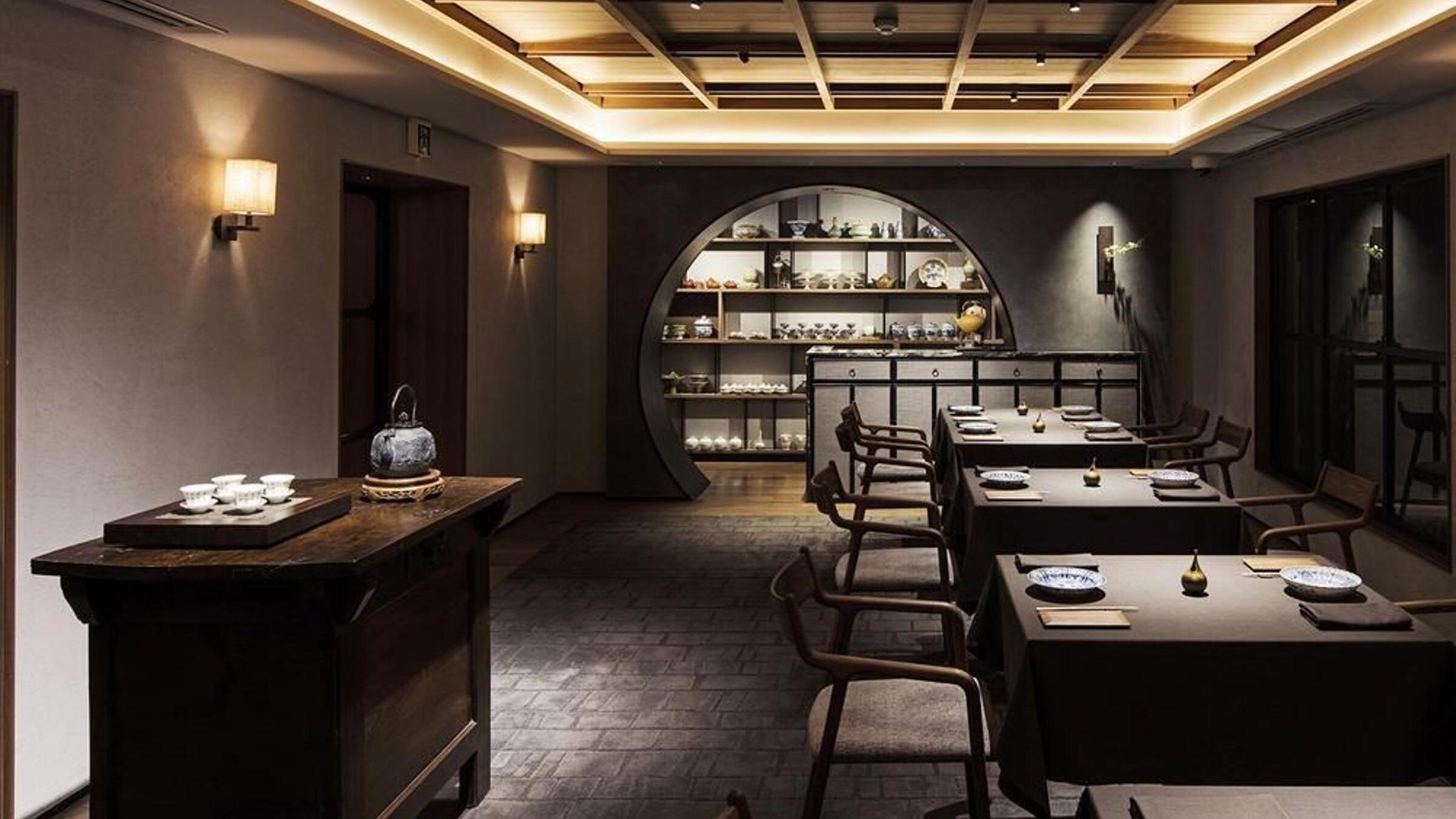
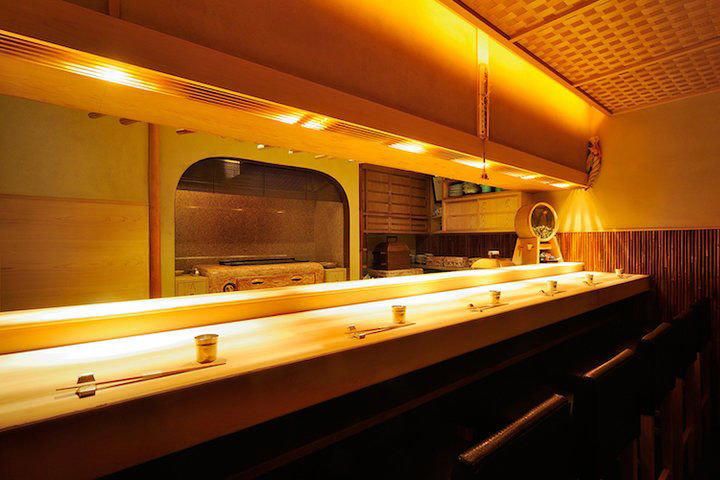
Simple, unpretentious, and workmanlike, with an emphasis on steady daily service and restrained, functional beauty rather than spectacle.