Tokyo Babsang

Michelin Bib Gourmand
Our verdict
Tokyo Babsang in Busan's Suyeong-gu district has held a Michelin Bib Gourmand for two consecutive years (2024 and 2025), making it one of the few unagi specialists in South Korea to earn that recognition. The restaurant focuses on freshwater eel at a price tier that stays firmly in the single-won-sign range, placing serious value against the category's usual cost. For anyone eating through Busan's quieter coastal neighbourhoods, it earns a dedicated detour.

Pearl is the En Primeur Club membership app, where members save venues, book tables and use the concierge.
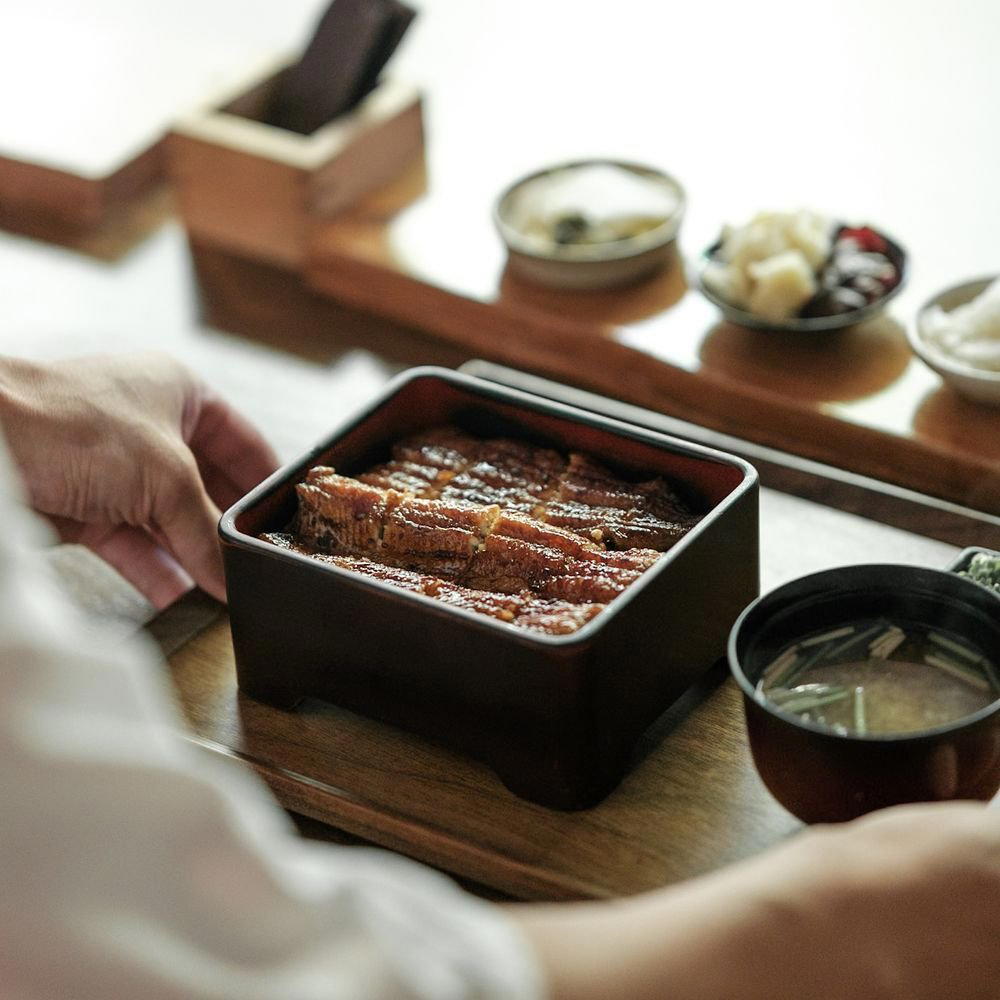
The menu
What to order
- Hitsumabushi
- Unaju
Suyeong-gu and the Case for Eating Away from the Centre
Busan's dining conversation tends to concentrate on Haeundae, Gwangalli, and the downtown corridors, where the density of restaurants and tourists creates a self-reinforcing gravity. Suyeong-gu operates at a different register. The district sits between Gwangalli Beach to the west and the Millak waterfront to the east, close enough to the coast that the air carries a faint salinity, but residential enough that the streets read as a neighbourhood rather than a dining destination. That residential quality is precisely what defines the eating here: the places that survive do so on repeat local custom, not passing foot traffic. Tokyo Babsang, at 34-6 Namcheonbada-ro, occupies exactly that kind of position.
The address itself signals something about the experience before you arrive. Namcheonbada-ro is not a street that appears in most visitor itineraries, and a freshwater eel specialist at the single-won price point (₩) is not a category that draws the international dining press in the way that a tasting-menu counter might. Yet the Michelin Bib Gourmand, awarded in both 2024 and 2025, locates Tokyo Babsang inside a clearly defined tier: serious cooking, accessible pricing, and a kitchen running at a level the inspectors thought worth flagging twice in consecutive years.
Unagi in a Korean Context
Freshwater eel occupies an interesting position in Korean food culture. The ingredient is native to the peninsula and consumed widely, but the dominant preparation traditions for unagi as a dedicated restaurant category draw heavily on Japanese technique, specifically the kabayaki method, in which the eel is split, skewered, steamed, and then grilled with a repeating application of tare. That Japanese inflection is embedded in the restaurant's name, and the Suyeong-gu address places it in a coastal district where Japanese culinary influence has historically been more integrated into daily eating than it might be in the capital.
The broader unagi specialist category in East Asia tends to be conservative by design. The cooking relies on precision over innovation: the quality of the eel, the composition and age of the sauce, and the control of the grill temperature matter far more than menu architecture. At the Tokyo end of the spectrum, counters like Nodaiwa Azabu Iikura Honten, Ginza Yondaime TAKAHASHIYA, and Hatsuogawa operate at substantially higher price points and with deep institutional lineage. Tokyo Babsang prices at the opposite end of that scale without sacrificing the recognition that signals kitchen discipline.
What the Bib Gourmand Signals Here
Michelin's Bib Gourmand designation is a specific editorial judgment: good cooking at a price the inspector found notably fair. In a Korean context, the ₩ price tier already implies restraint, and earning the award two years running suggests the kitchen is consistent rather than intermittently on form. Consistency at a low price point is actually harder to sustain than consistency at a high one, because the margin for sourcing shortcuts or staffing variance is narrower when the ticket average is small. The back-to-back recognition in 2024 and 2025 is therefore a more useful signal than a single-year award would be.
Among Busan's Michelin-tracked restaurants, the field spans a wide price range. Palate (Contemporary) sits at the ₩₩ level, Mori (Japanese) at ₩₩₩, and Born and Bred (Steakhouse) at ₩₩₩₩. Tokyo Babsang and places like 100.1. Pyeongnaeng (Naengmyeon) anchor the lower end of that recognised tier, places where the value proposition is explicit and the cooking earns its flag without the padding of an elaborate service format or a premium address.
Eating in Suyeong-gu: The Neighbourhood Argument
There is a reasonable case for building a Busan itinerary that treats Suyeong-gu as a base rather than a detour. The district's waterfront access, comparatively lower accommodation prices, and concentration of neighbourhood-oriented restaurants make it a functional alternative to Haeundae for visitors who prioritise eating over beachfront scenery. A meal at Tokyo Babsang fits naturally into that kind of day, not as a destination in isolation, but as part of a coastal neighbourhood eating sequence that a visitor staying or eating in the area can structure without significant transit time.
That logic applies across South Korea's dining scene more broadly. The Michelin inspectors have been consistent in recognising value-driven cooking outside the obvious tourist corridors, from temple food recognised at Baegyangsa Temple in Jangseong-gun to the refined Korean cuisine at Gaon in Seoul and 권숙수 (Kwon Sook Soo) in Gangnam-gu. The award geography reflects a country where serious cooking is distributed across the map, not pooled exclusively in prestige postcodes.
Planning a Visit
Tokyo Babsang sits at 34-6 Namcheonbada-ro in Suyeong-gu, reachable by subway via the Suyeong or Millak stations on Line 2. The ₩ price tier means a full meal per person is achievable at a cost that would represent a fraction of a comparable unagi experience in Tokyo or a tasting-menu dinner at the higher end of Busan's own restaurant scene. Booking details and current hours are best confirmed directly, as the restaurant's contact information is not publicly indexed in the standard channels; arriving with flexibility or checking ahead through local concierge services is advisable. The Bib Gourmand designation typically draws attention to smaller kitchens with finite covers, so the approach that works at Busan's Michelin-listed neighbourhood places, earlier in the service, or on weekday visits, applies here.
For a broader picture of eating and drinking in the city, our full Busan restaurants guide covers the range from this kind of neighbourhood specialist to the upper end of the city's dining tier. Supplementary guides for hotels, bars, wineries, and experiences in Busan map the rest of the city's offer. For a sense of how Busan's Japanese-influenced cooking fits into the national picture, the Seoul-focused counters at Shunsai Kubo and Mingles in Seoul, alongside the creative cooking at 더 플라잉 호그 (The Flying Hog) in Seogwipo, provide useful comparative reference points across the peninsula.
Frequently asked questions
What should I eat at Tokyo Babsang?
Tokyo Babsang specialises in unagi, freshwater eel prepared in the kabayaki tradition, which involves grilling with a repeated tare glaze. That is the kitchen's defining focus, and it is the reason Michelin's Bib Gourmand inspectors flagged it in both 2024 and 2025. Order from the eel-centred part of the menu rather than treating any supplementary items as the reason to visit. The ₩ price tier means the full experience, including rice and accompaniments, remains accessible well below the cost of comparable unagi specialists in Tokyo or the upper end of Busan's own dining range.
Can I walk in to Tokyo Babsang?
The back-to-back Michelin recognition in 2024 and 2025 has increased awareness of the address, which is in a residential stretch of Suyeong-gu rather than a high-footfall tourist zone. Arriving early in a service or visiting on a weekday improves the chance of being seated without a prior arrangement. Confirming through a local concierge or by visiting in person before the service begins is a practical hedge against a wasted journey.
Same-City Peers
A quick peer list to put this venue’s basics in context.
| Venue | Cuisine | Price | Awards | Notes |
|---|---|---|---|---|
| Tokyo BabsangThis venue (the venue you are viewing) | Japanese Unagi Specialist | $20–30 | Michelin Bib Gourmand | Not listed |
| Palate | Contemporary French with Korean Fusion | $150–200 | 1 Michelin Star · La Liste Top Restaurants | Contemporary |
| Mori | Japanese Kaiseki | $200–300 | 1 Michelin Star | Japanese |
| Born and Bred | Modern Hanwoo Beef Omakase Steakhouse | $100–150 | Michelin Plate · World's 50 Best #51 | Steakhouse |
| 100.1. Pyeongnaeng | Pyongyang-style Naengmyeon | $10–20 | Michelin Bib Gourmand | Naengmyeon |
| Anmok | Modern Korean Dwaeji-Gukbap | $10–20 | Michelin Bib Gourmand | Dwaeji-gukbap |
Recognition history
Dated appearances from independent guides and award organizations, with the underlying list record or original source where available.
Michelin Bib Gourmand
Michelin
Full recognition history (3 entries)
Michelin Bib Gourmand
Michelin
Michelin Bib Gourmand
Michelin
Continue exploring
More in Busan
Restaurants in Busan
All restaurants in Busan →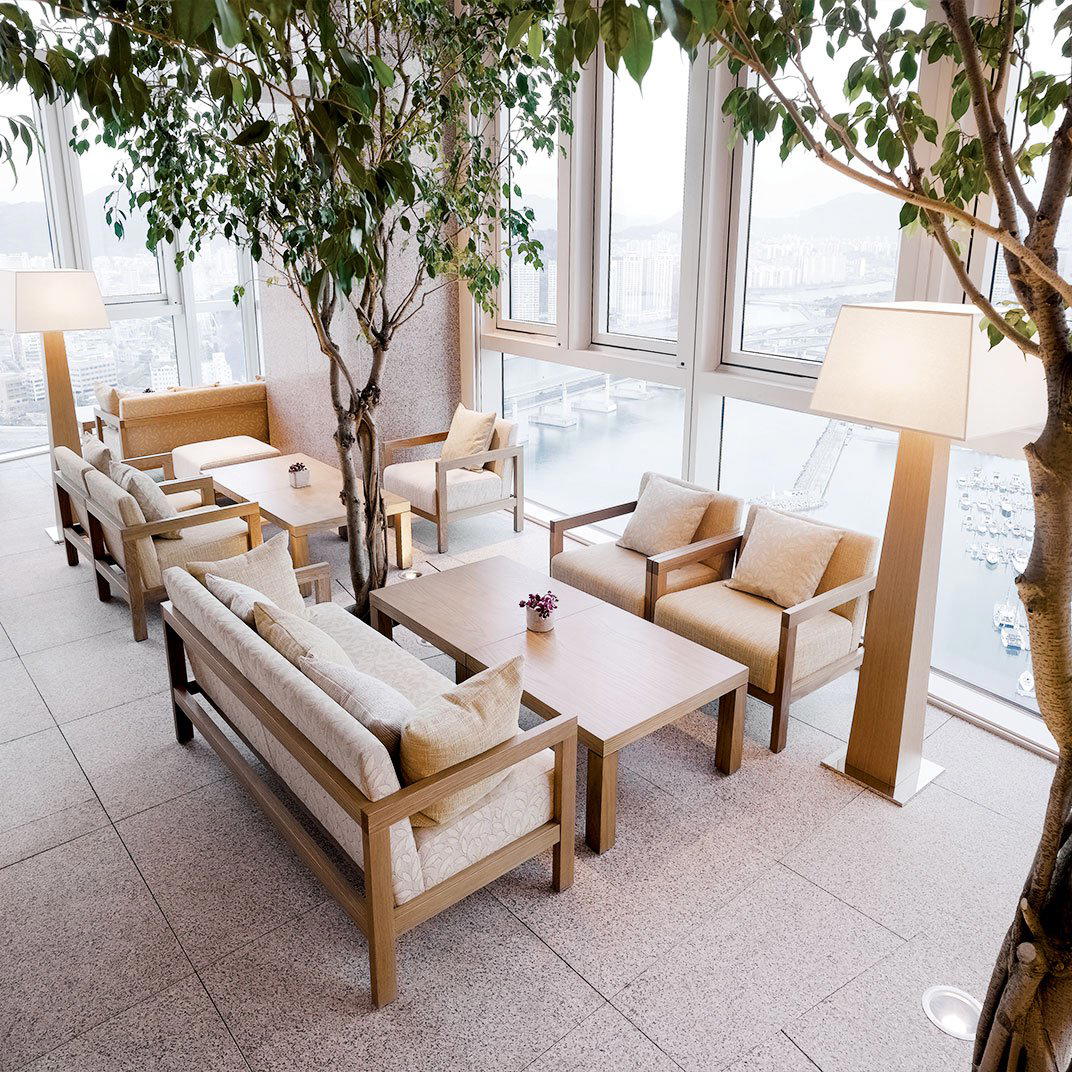
Bars in Busan
All bars in Busan →
Details
- Quiet
- Cozy
- Casual Hangout
- Family
- Open Kitchen
- Sake Program
- Street Scene
- A La Carte
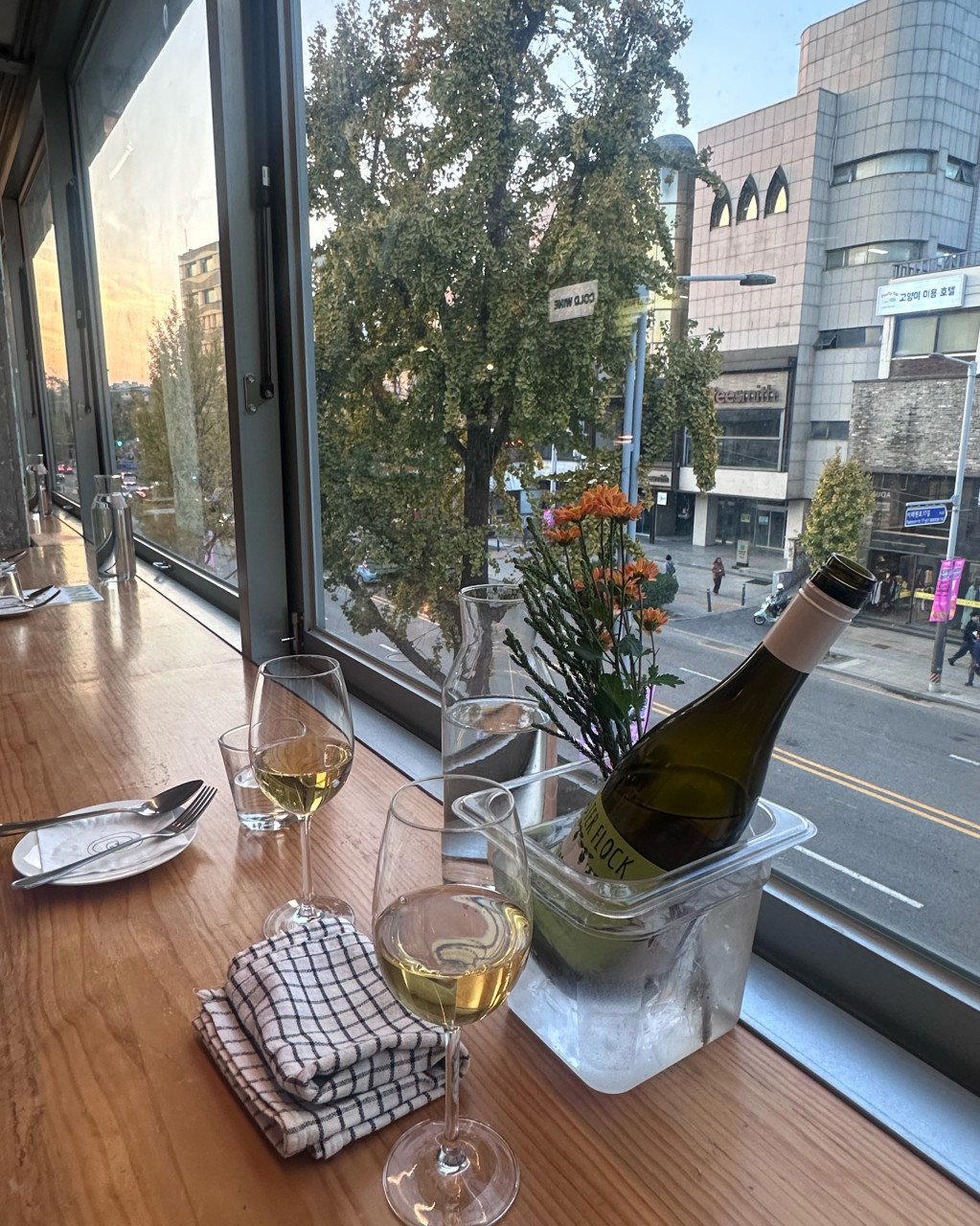
Calm and functional dining room with practical warm lighting that highlights the food, creating a relaxed seaside post-beach atmosphere.