Jeongjitgan

Jeongjitgan is a Bib Gourmand-recognised dwaeji-gukbap specialist in Busan's Saha-gu district, earning consecutive Michelin recognition in 2024 and 2025. At the ₩ price tier, it represents one of the clearest value propositions in the city's Michelin-acknowledged dining scene.
Pearl is the En Primeur Club membership app — saves, bookings, and concierge access live there. Same editors, same standards.
- Address
- 6 Bibong-ro, Saha-gu, Busan, South Korea
- Phone
- +82 50-71376-2901
- Website
- menu.busan.go.kr
- Directions
- Get directions
 Saves & bookings on Pearl
Dwaeji-Gukbap and What It Costs to Eat Well in Busan
Busan's relationship with pork bone soup predates any restaurant guide. Dwaeji-gukbap, a milky, slow-cooked broth ladled over rice with sliced pork, took hold here during the Korean War, when displaced populations needed a filling, affordable meal from cheap cuts and abundant bones. Decades later, the dish has not migrated upmarket. It remains resolutely working-class in price and presentation, which is precisely what makes Michelin's repeated attention to this category so editorially interesting. The Guide is not recognising fine dining; it is recognising execution within a tradition that demands consistency, not innovation.
Jeongjitgan, located at 6 Bibong-ro in Saha-gu, sits in that context. The Saha-gu district sits outside Busan's more visited corridors, away from Haeundae's beachside hotel cluster and the Seomyeon dining belt, which means the clientele here is primarily local, and the kitchen has earned its reputation without the foot traffic that tourist-heavy locations generate automatically. Earning back-to-back Bib Gourmand recognition from Michelin in 2024 and 2025 in this setting is a notable achievement.
The Bib Gourmand Signal and What It Actually Means
The Michelin Bib Gourmand category was created specifically to identify good cooking at moderate prices, the name comes from the Michelin Man (Bibendum) and the designation covers restaurants where inspectors found quality food for what the Guide considers a reasonable spend. At a ₩ price point, Jeongjitgan operates at the lower end of an affordable bracket. For context within Busan's Michelin-recognised scene: Palate holds one Michelin star at ₩₩, and Mori holds one Michelin star at ₩₩₩. Jeongjitgan is not competing in those price tiers. It is operating in the same tier as Anmok, another Busan dwaeji-gukbap specialist, which places the two in a direct peer comparison for anyone building an itinerary around the city's pork soup tradition.
Consecutive Bib Gourmand years matter more than a single appearance. A first listing could reflect an inspector visit on an especially good service. A second listing, awarded independently, signals that the kitchen is running a stable operation, not a venue that peaked and drifted.
The Dish Itself: What Dwaeji-Gukbap Requires
The challenge in dwaeji-gukbap is not complexity, it is sustained labour on an ingredient that punishes shortcuts. Pork bones require long simmering to produce the opaque, collagen-rich broth that defines the dish; cut the cook time or dilute the stock and the result is thin and flat. The rice goes directly into the bowl, not served alongside, so the soup must hold its character against the starch as the meal progresses. Accompaniments typically include fermented kimchi, salted shrimp paste, and green onions, served at the table for the diner to adjust seasoning personally. The dish is customisable by design, which shifts quality accountability toward the base broth, that is where Michelin inspectors are directing their attention when they assess this category.
Seoul has its own dwaeji-gukbap operators drawing recognition, including ANAM, Gwanghwamun Gukbap, and Okdongsik, but Busan is treated as the dish's native city. The local version tends toward a richer, more opaque broth than Seoul interpretations, reflecting the city's historical reliance on the full pig and the longer simmer times that the original post-war version demanded. Eating dwaeji-gukbap in Busan is not nostalgia tourism; it is eating the dish on the terms it was built.
Value in Practice: Reading the ₩ Tier Correctly
The value question in Korean dining is sometimes misread by travellers accustomed to associating low price with low ambition. The ₩ tier in Busan covers everything from casual street-level snacks to established specialists with decades of technique behind a single dish. Jeongjitgan occupies the latter position. A Bib Gourmand at this price bracket is not a consolation prize for a restaurant that couldn't charge more, it is a designation for a kitchen that has chosen depth over breadth and consistency over novelty, within a price that keeps the room full of the people the dish was made for.
That distinction matters when comparing options across Busan's broader dining map. Hapcheon Gukbapjip and Namakzip occupy adjacent territory in the city's affordable dining register. For visitors building across price tiers, a ₩₩₩ omakase dinner balanced against a ₩ pork soup lunch, Jeongjitgan fits cleanly into the affordable anchor of that kind of itinerary, without any sacrifice of culinary seriousness.
Placing Jeongjitgan in the Wider Korean Dining Picture
South Korea's Michelin presence is concentrated in Seoul, where restaurants like Mingles, Gaon, and 권숙수 - Kwon Sook Soo hold multiple stars. Busan's Michelin Guide covers a different register: fewer starred restaurants, a stronger representation of regional specialists, and a Bib Gourmand list that reflects the city's food culture more accurately than its starred tier does. For dwaeji-gukbap specifically, Busan's listings represent the dish at its source, which is not a point the Seoul guide can replicate.
Beyond restaurants, those building a Busan trip should consider our full Busan hotels guide, our full Busan bars guide, and our full Busan experiences guide for broader city planning.
Planning a Visit
Jeongjitgan is at 6 Bibong-ro, Saha-gu, a district that sits southwest of central Busan, accessible via the city's metro system but requiring a short journey from the more visited areas around Nampo-dong or Seomyeon. Arriving early in the morning or at lunch is the standard approach for dwaeji-gukbap in Busan; the dish is traditionally a breakfast and lunch format, and the city's most serious gukbap kitchens tend to run through their broth by early afternoon. Jeongjitgan is walk-in friendly and open 24 hours on Monday, Thursday, Friday, Saturday, and Sunday; Tuesday hours run 1 AM to 11:30 PM, and Wednesday hours run 6 AM to midnight. At ₩ pricing, the spend is low enough that this is a practical addition to any Busan day rather than a destination requiring careful scheduling around other commitments.
Same-City Peers
Comparable venues nearby, for context on price, style, and recognition.
| Venue | Cuisine | Price | Notes |
|---|---|---|---|
| JeongjitganThis venue — the venue you are viewing | Busan-style Dwaeji-gukbap | $ | Not listed |
| Anmok | Modern Korean Dwaeji-Gukbap | $ | Namcheon 1(il)-dong |
| 100.1. Pyeongnaeng | Pyongyang-style Naengmyeon | $ | Namcheon 1(il)-dong |
| Hapcheon Gukbapjip | Busan Dwaeji Gukbap | $ | Yongho 4(sa)-dong |
| Moemiljip | Korean Buckwheat Noodles (Memil-guksu) | $ | U 3-dong |
| Bao Haus | Taiwanese-inspired Bib Gourmand | $ | Jeonpo 1(il)-dong |
Recognition history
Dated appearances from independent guides and award organizations, with the underlying list record or original source where available.
Michelin Bib Gourmand
Michelin
Michelin Bib Gourmand
Michelin
Continue exploring
More in Busan
Restaurants in Busan
Browse all →
At a Glance
- Lively
- Cozy
- Casual Hangout
- Late Night
- Family
- Open Kitchen
Current opening hours
- Monday
- Open 24 hours
- Tuesday
- 1 AM–11:30 PM
- Wednesday
- 6 AM–12 AM
- Thursday
- Open 24 hours
- Friday
- Open 24 hours
- Saturday
- Open 24 hours
- Sunday
- Open 24 hours
Hours can change for holidays and private events. Last verified .
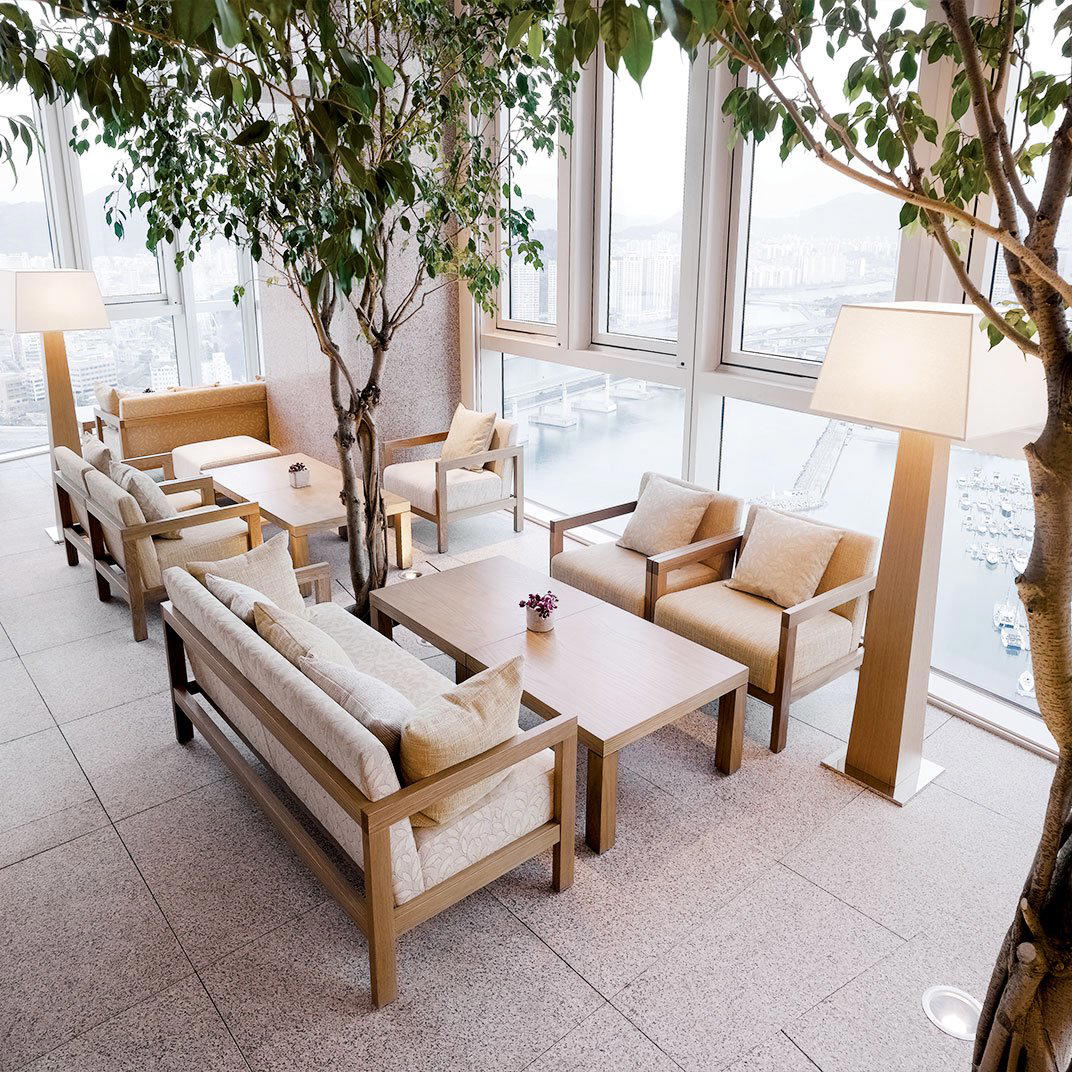
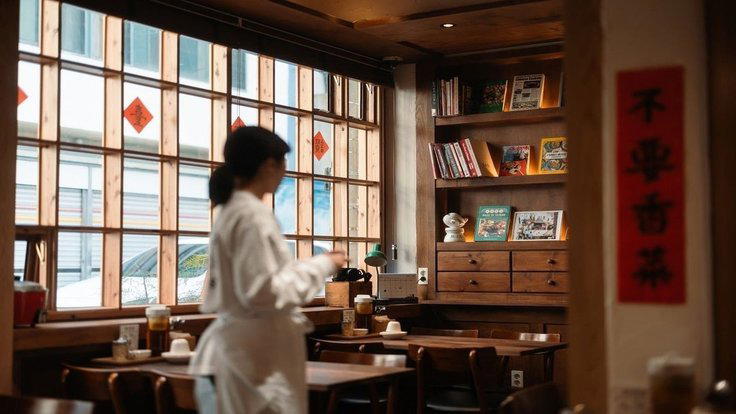
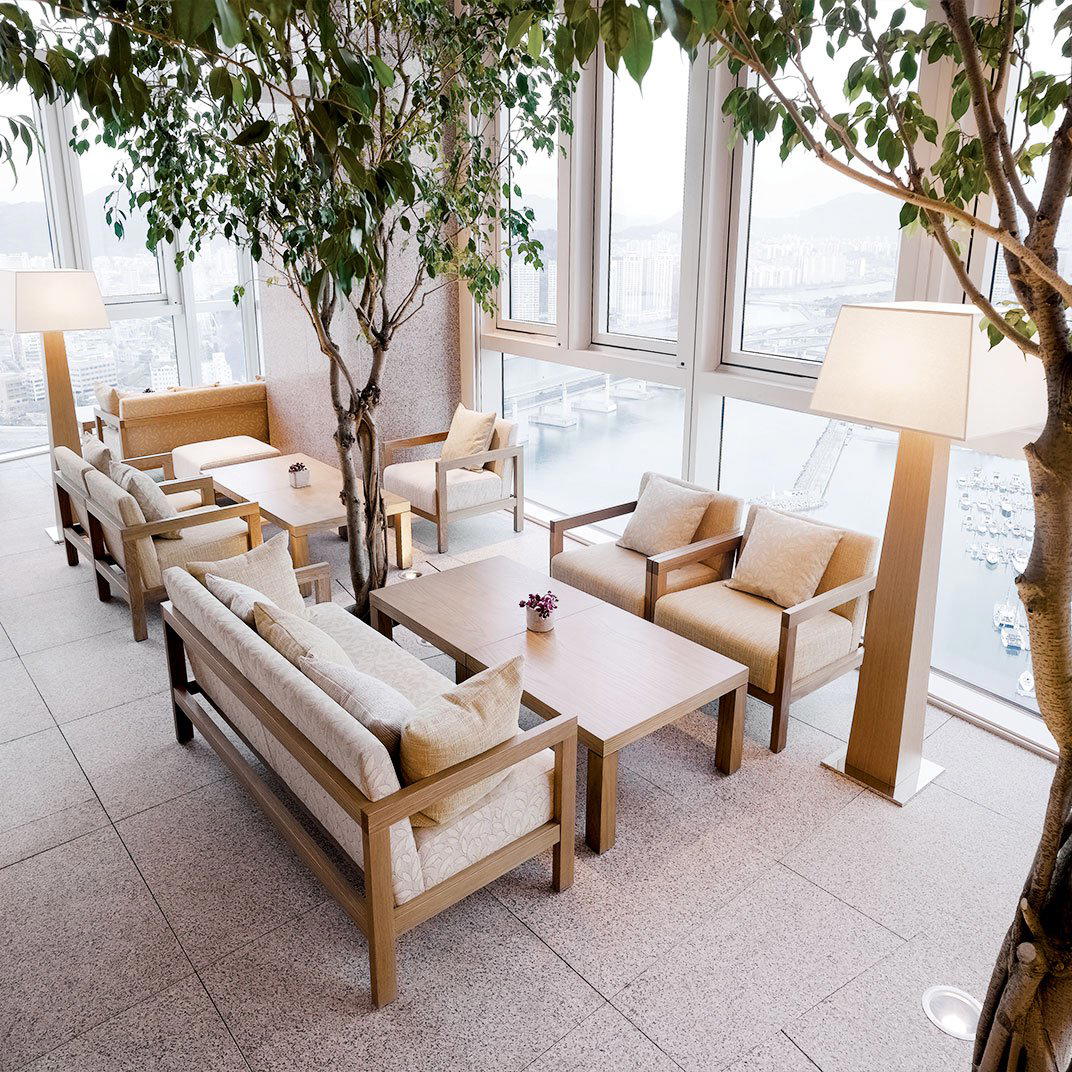
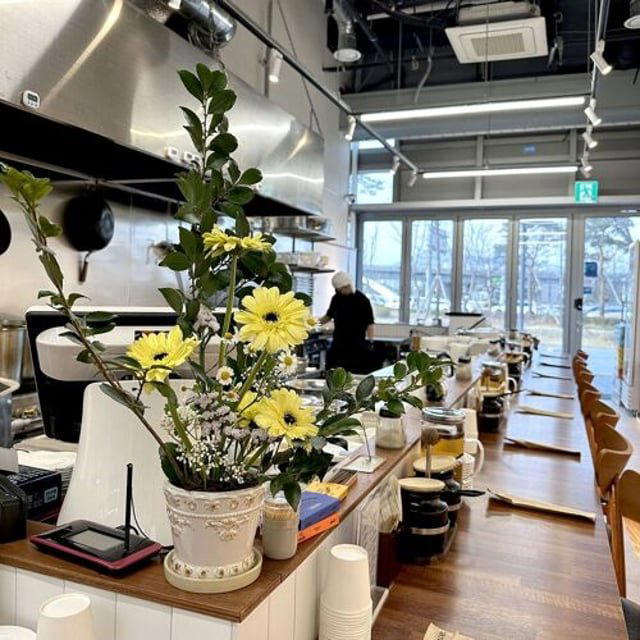
Practical and lively with functional lighting, counter seating facing the open kitchen, and a warm, efficient atmosphere that shifts from calm mornings to energetic late nights.