
SCMP 100 Top Tables Restaurants
Our verdict
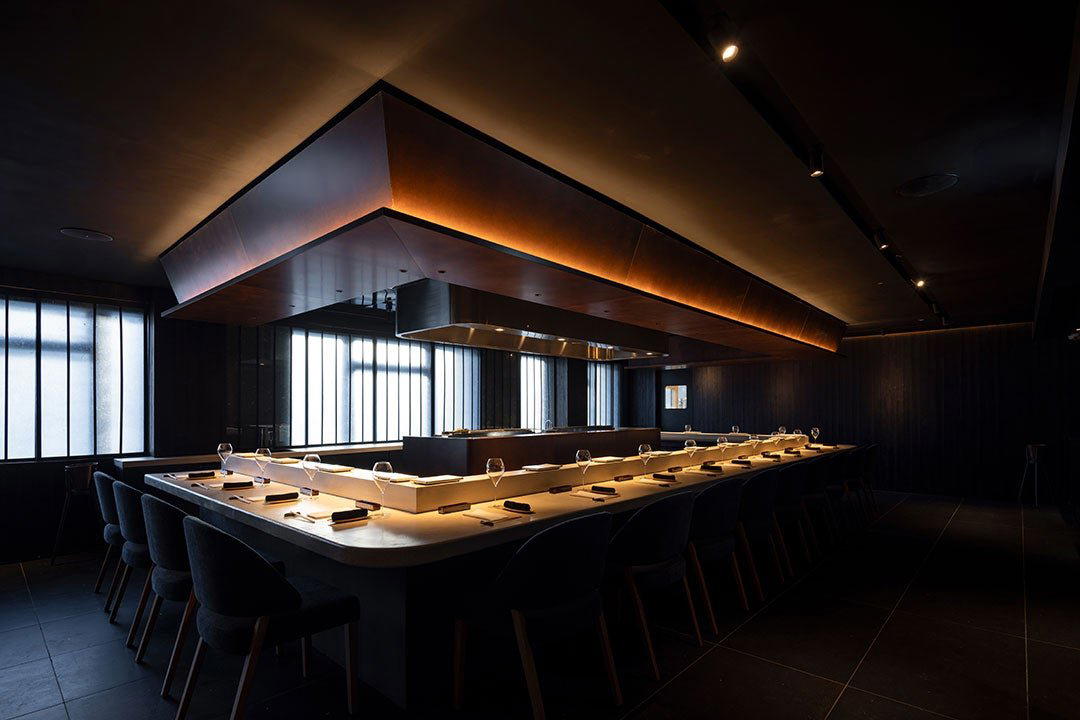
Torikaze belongs to Central’s high-rise dining tier, where the room, pacing, and ingredient discipline matter as much as the label on the cuisine. The useful way to read it is against Hong Kong’s premium Japanese-leaning counters and polished Landmark-area dining rooms: controlled, appointment-minded, and better suited to adults than a casual family meal.

Pearl is the En Primeur Club membership app, where members save venues, book tables and use the concierge.
The menu
What to order
- Yakitori omakase skewer progression
- Seasonal chicken skewers over Kishu binchotan
- Silky liver mousse
- Ginger and shiso chicken roll
Hong Kong’s luxury dining rooms often begin before the first plate: arrival rituals, a short pause between city noise and restaurant calm. Torikaze sits in that Hong Kong register, where polish and pacing are part of the choreography, but the stronger editorial question is not whether the room feels expensive. It is whether the meal has enough focus to justify its place among the city’s polished, tightly managed dining formats.
Hong Kong has become fluent in premium dining: rooms with narrow sourcing logic, service built around pacing rather than table turnover, and menus where restraint is treated as a commercial asset. In that context, Torikaze reads less like a casual stop and more like a controlled-format address for diners who care about provenance, cut, heat, and sequence. That is the lens that matters. At this tier, diners are not paying for abundance; they are paying for selection, edit, and consistency.
Hong Kong's premium dining grammar is built on sourcing discipline
The ingredient question is especially sharp in Hong Kong because the city imports so much of its luxury food culture. Restaurants here often compete through access: specialist supply chains, seasonal products, focused condiments, and the kitchen’s ability to preserve texture after transport. When a restaurant works in this idiom, the sourcing story is not decorative. It determines portion size, menu rhythm, and how much confidence the kitchen can place in a simple preparation.
Torikaze’s appeal belongs to that sourcing-led mode rather than the maximalist side of Hong Kong dining. The room’s Hong Kong setting places it near a client base that understands the difference between a broad menu and a narrower kitchen with a stronger edit. The latter asks for more trust from the diner. It also leaves less room for camouflage: if the product is ordinary, the format exposes it.
This is where Hong Kong’s comparison set matters. The Merchants represents a different premium impulse. Amber sits in a refined contemporary bracket, where technique and tasting-menu architecture carry the conversation. Cristal Room by Anne-Sophie Pic and Somm occupy adjacent luxury lanes around structure, wine, and service choreography. Torikaze belongs to a more focused conversation, where the sourcing chain and the kitchen’s restraint are the real competitive evidence.
The right reader is choosing format, not just dinner
Hong Kong diners often sort restaurants by occasion first: client dinner, date night, family table, solo counter, visiting-guest itinerary. Torikaze fits the adult, deliberate end of that spectrum. Its value is clearest for diners who want a composed Hong Kong room and a kitchen style that rewards attention to ingredient quality. It is a weaker fit for anyone seeking a loud group night, a bargain-led meal, or a broad menu designed to please every age at the table.
The award signal attached to the restaurant gives it a useful trust marker: Torikaze is included in SCMP 100 Top Tables 2026 - Restaurants. Hong Kong has enough luxury dining that recognition alone is not a reason to go. The more useful question is whether the diner wants this particular mode: restraint in a polished Hong Kong setting, with the meal’s logic built around control rather than spectacle.
That distinction matters because Hong Kong can flatten restaurants into the same expense-account category. The better way to plan is by culinary grammar. For other forms of fine dining, Hong Kong offers different traditions and service styles across the city. For a looser register, other dining rooms point toward a more casual energy rather than Torikaze’s composure. For location-led browsing across the city, Our full Hong Kong restaurants guide gives the broader map.
How to place it within a Hong Kong itinerary
The restaurant is useful for planned Hong Kong schedules, where a serious dining day might move from a meeting to dinner, then on to drinks without turning the evening into a sprint. Hong Kong rewards compact planning; a polished meal here pairs naturally with a stay or drink nearby rather than an overstuffed itinerary.
For travellers building a fuller city plan, the better approach is to separate dining by mood. Use Torikaze for a controlled, ingredient-led meal in Hong Kong. Use other Hong Kong dining rooms to think through neighbourhood and format choices. The city’s range runs from heritage reference points to district-specific addresses, with enough variety to make Torikaze one deliberate stop rather than the whole argument.
Visitors extending the itinerary beyond restaurants should treat Hong Kong as a hub rather than a single dining category. Our full Hong Kong hotels guide, Our full Hong Kong bars guide, Our full Hong Kong wineries guide, and Our full Hong Kong experiences guide help frame the rest of the trip. Looking beyond Hong Kong, other cities offer useful contrasts in how different markets price and present similar premium food cultures when the setting is less tied to Hong Kong’s luxury ecosystem.
The verdict is simple: Torikaze is for diners who want Hong Kong’s ingredient-conscious register in a controlled room. Its appeal is not breadth or theatre. It is the confidence of a narrower format, where sourcing, pacing, and restraint carry the meal.
Frequently asked questions
Is Torikaze good for families?
Torikaze’s Hong Kong location makes it workable for family meals that need structure. It suits planned visits more than flexible wandering.
What's the vibe at Torikaze?
The Hong Kong setting points to a composed room rather than a street-level drop-in. The rhythm is more polished than casual.
What awards or recognition does Torikaze have?
Torikaze is recognised in SCMP 100 Top Tables 2026 - Restaurants.
What time does Torikaze open and close?
Check Torikaze directly for current opening hours before visiting.
What's the address for Torikaze?
Hong Kong.
What do critics highlight about Torikaze?
The main points are its Hong Kong setting, composed format, and recognition in SCMP 100 Top Tables 2026 - Restaurants. Those are the hard facts used to place it within Hong Kong’s premium dining circuit.
How It Stacks Up
Side-by-side context: comparable cuisine and price.
| Venue | Cuisine | Price | Awards | Notes |
|---|---|---|---|---|
| TorikazeThis venue (the venue you are viewing) | Omakase Yakitori Counter | $200–300 | SCMP 100 Top Tables Restaurants | Not listed |
| The Merchants | Modern Shanghainese | $100–150 | Michelin Plate | Shanghainese |
| Cristal Room by Anne-Sophie Pic | Modern French Fine Dining with Asian Influences | $300–500 | 2 Michelin Stars · Star Wine List | Not listed |
| Le Salon de Thé de Joël Robuchon – Landmark | Not listed | Not listed | World's Best Wine Lists Awards WBWL 3-Star | Not listed |
| Amber | Contemporary French Fine Dining | Not listed | 3 Michelin Stars · World's 50 Best #90 | French Contemporary |
| Somm | French Neo-Bistro with Japanese Influences | $100–150 | Star Wine List · Forbes 4-Star | Not listed |
Recognition history
Dated appearances from independent guides and award organizations, with the underlying list record or original source where available.
SCMP 100 Top Tables Restaurants
SCMP 100 Top Tables
Continue exploring
More in Hong Kong
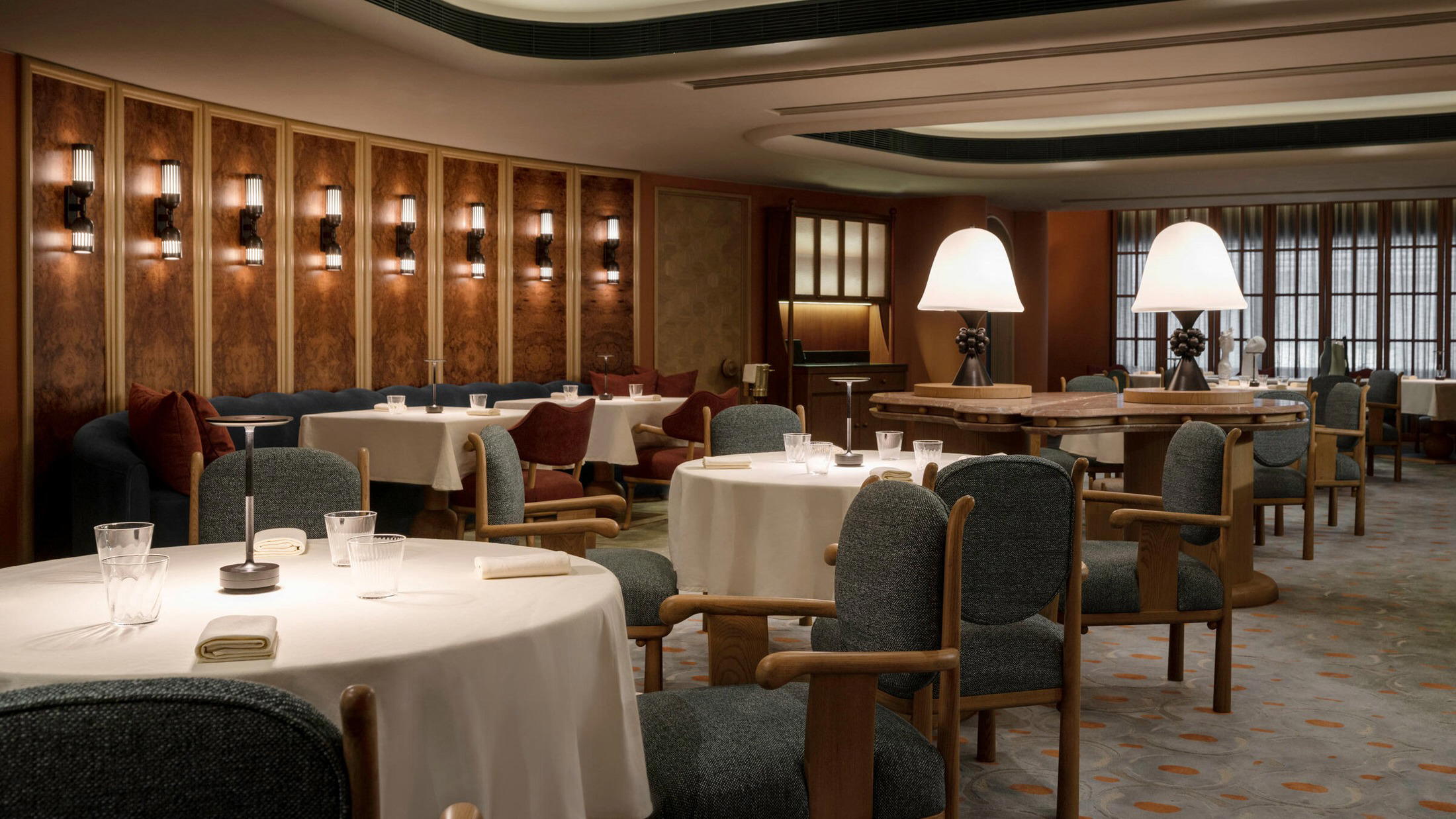
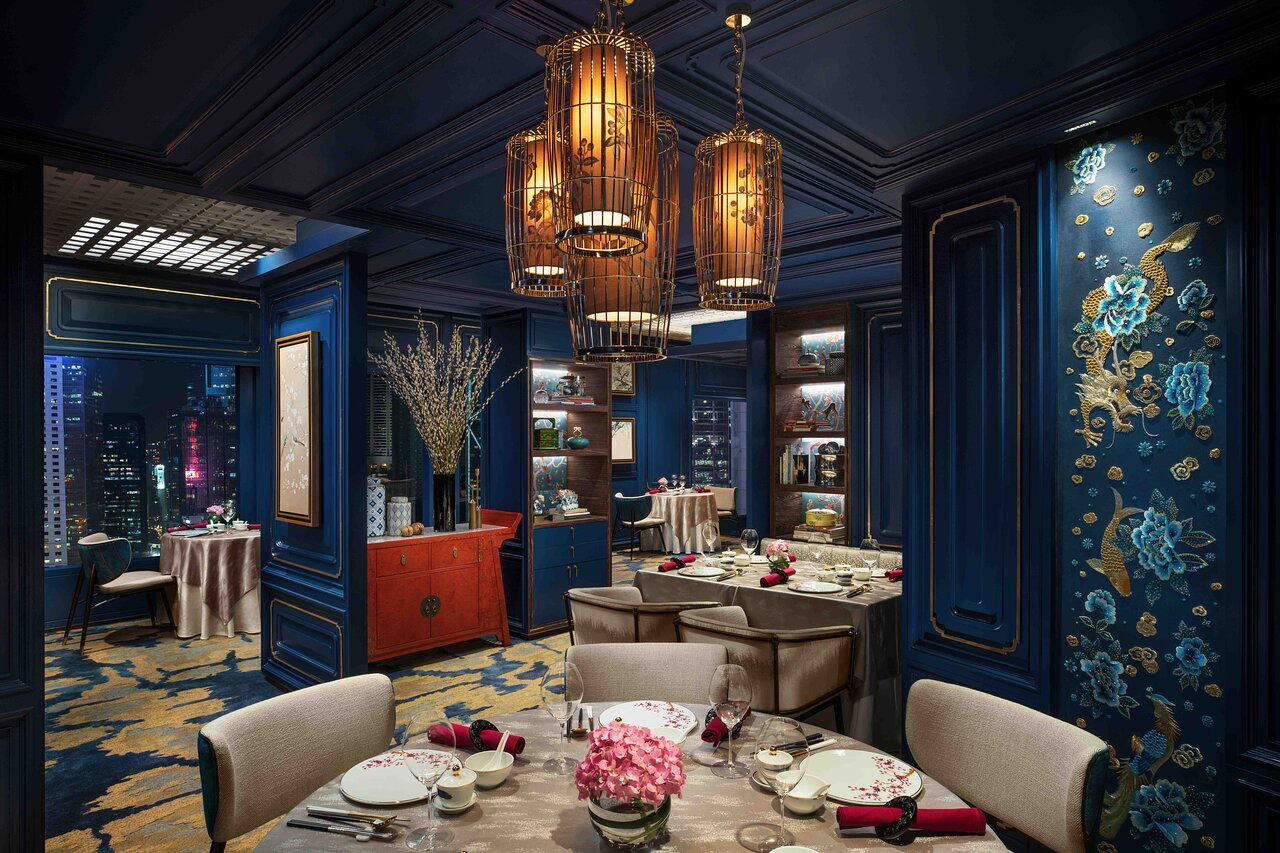
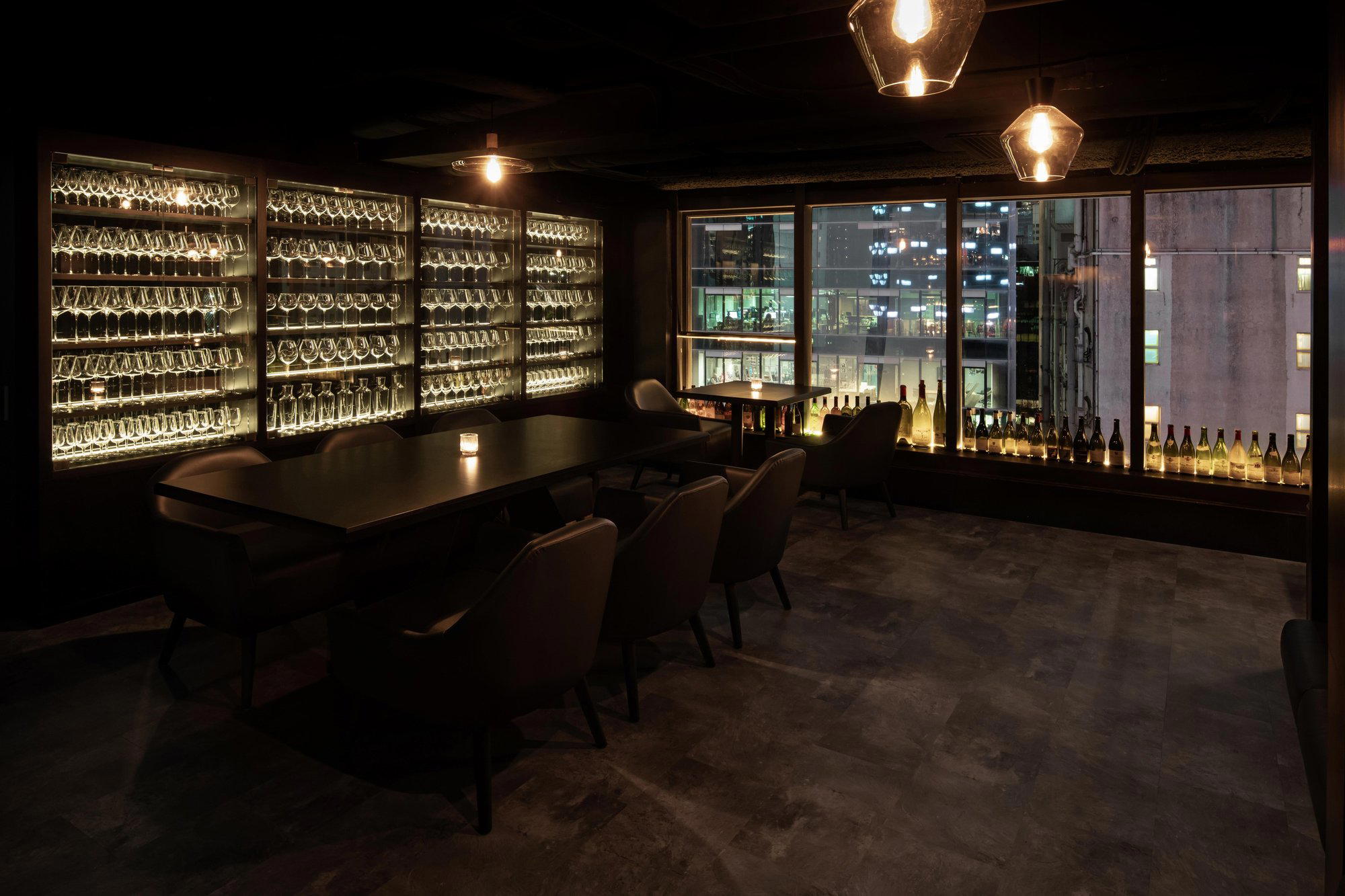
Restaurants in Hong Kong
All restaurants in Hong Kong →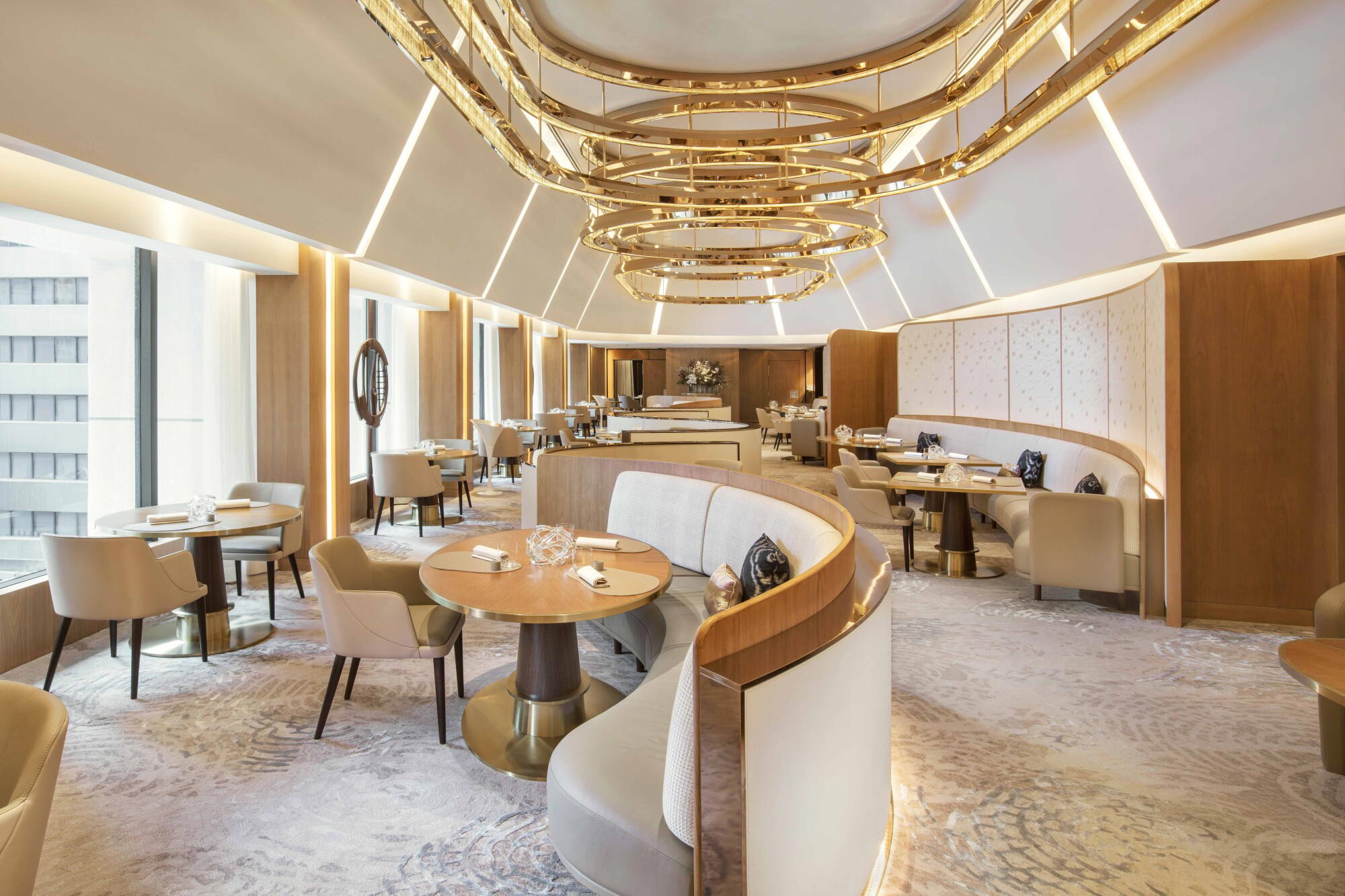
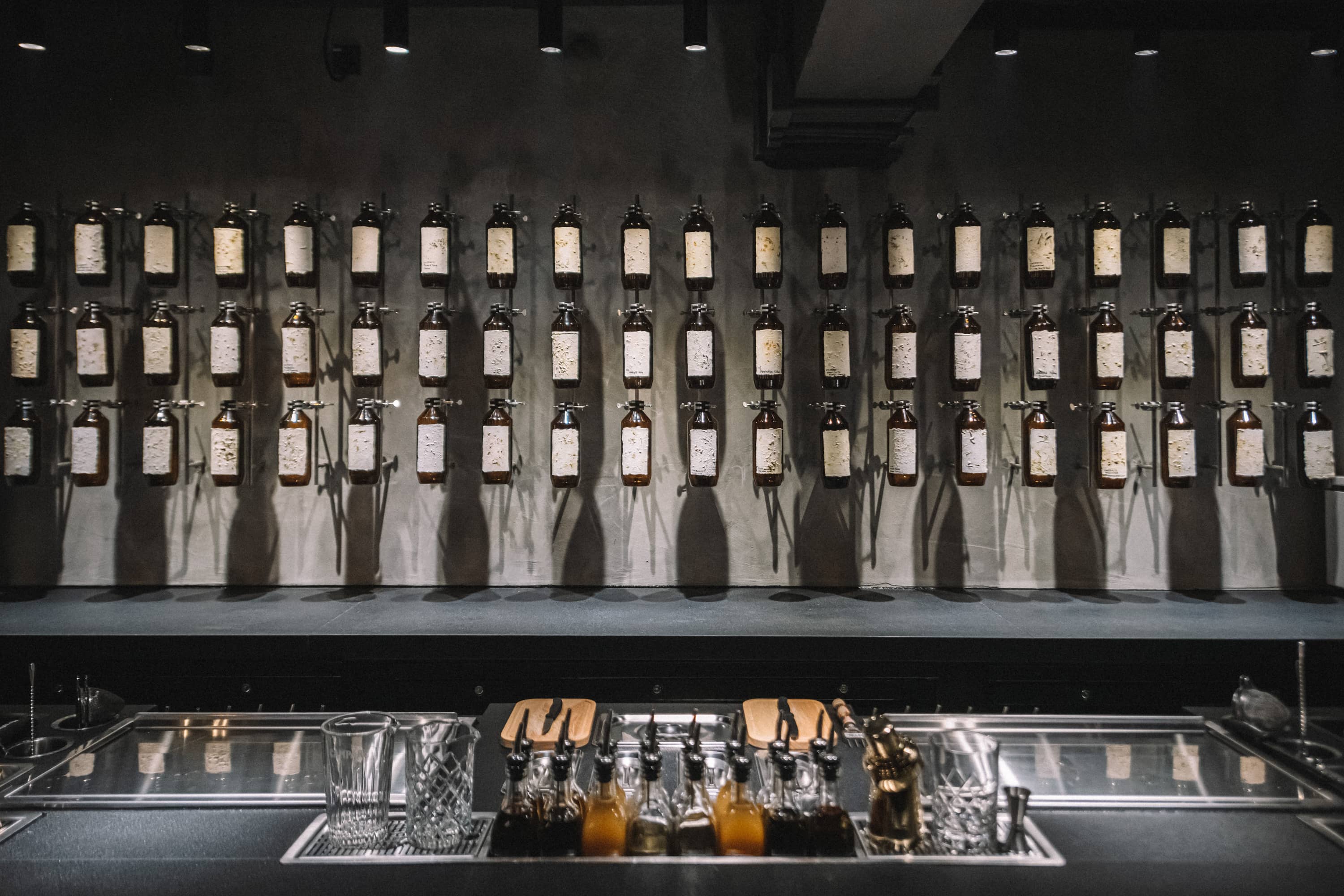
Bars in Hong Kong
All bars in Hong Kong →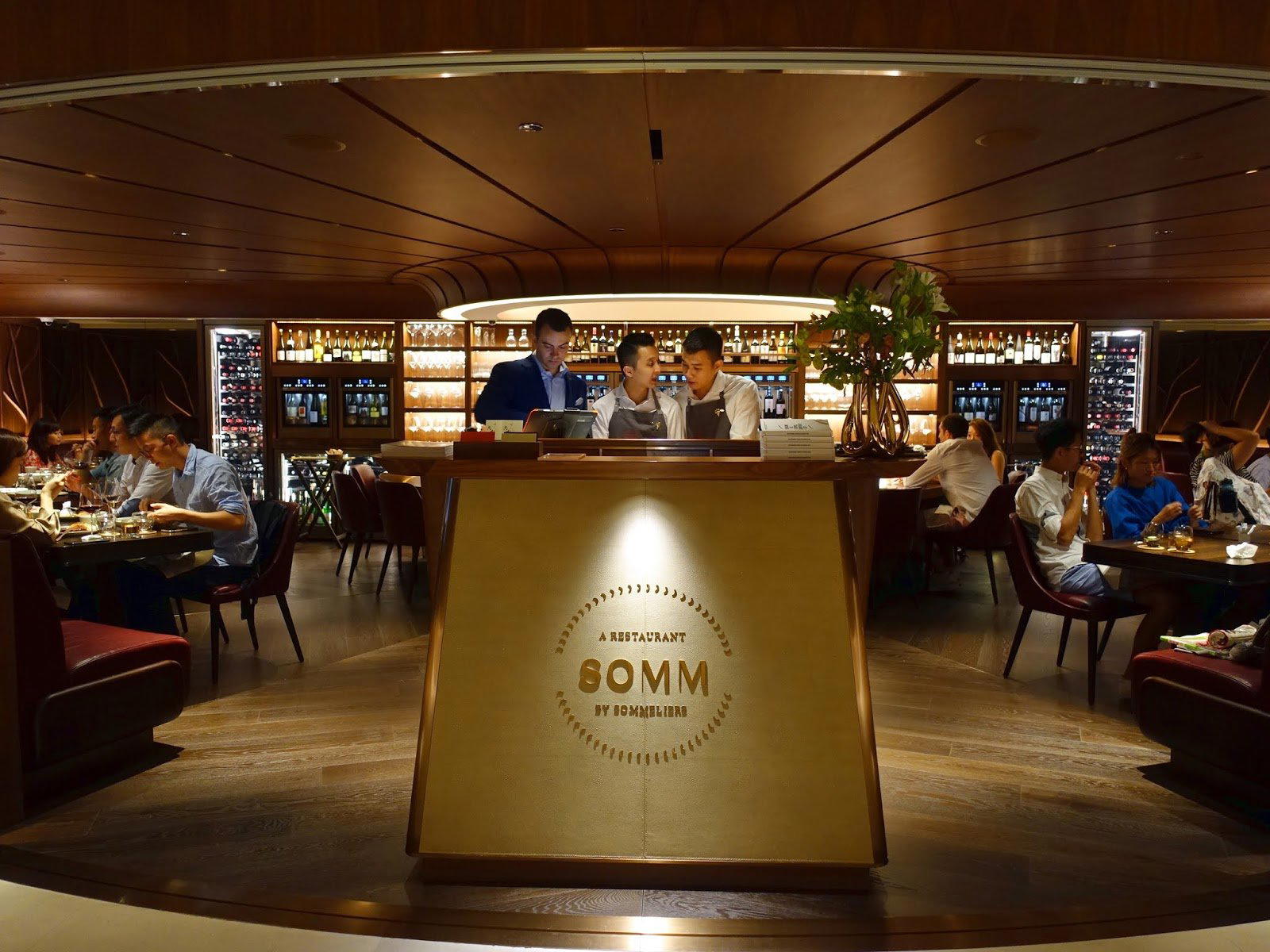
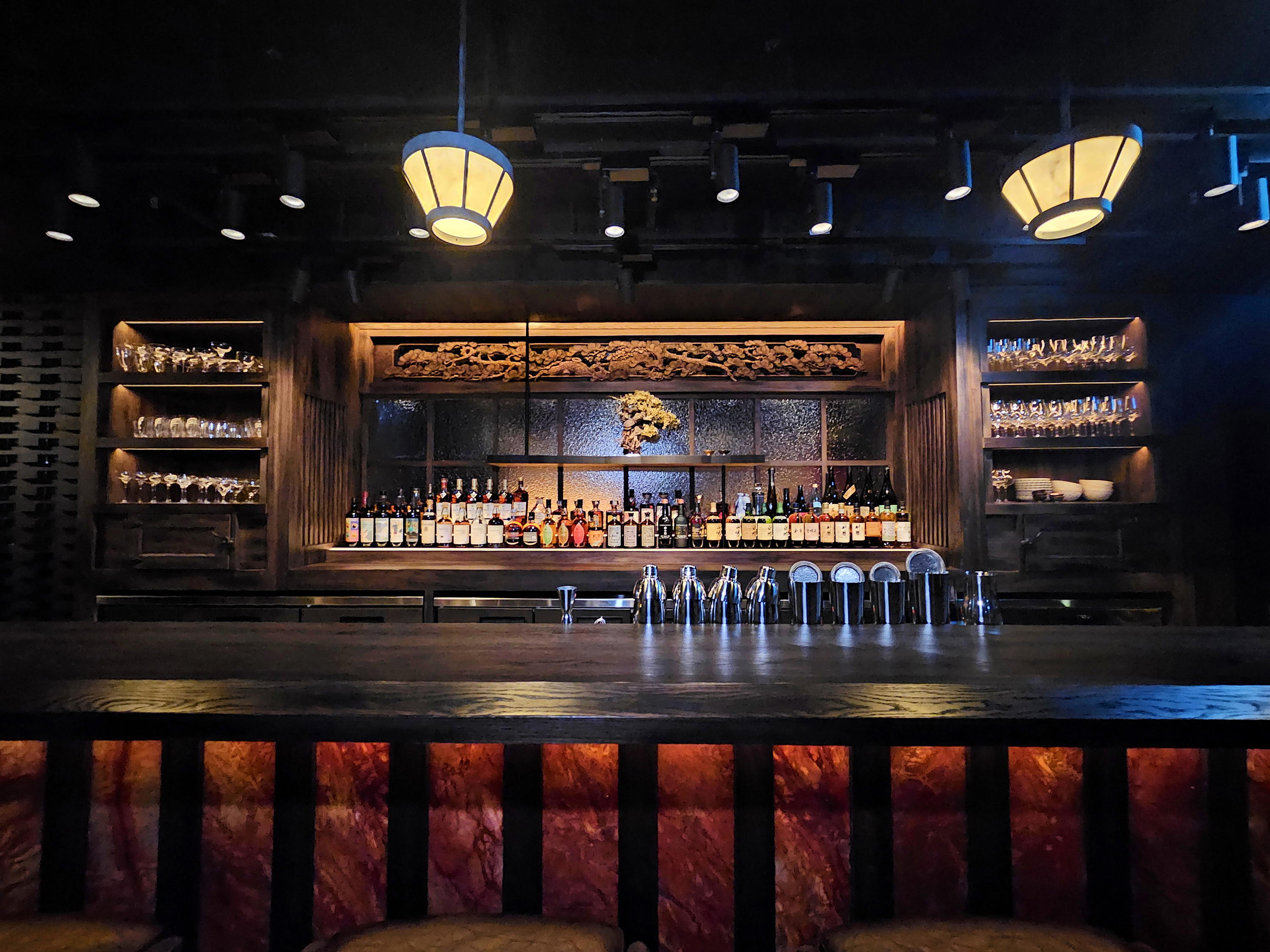
Hotels in Hong Kong
All hotels in Hong Kong →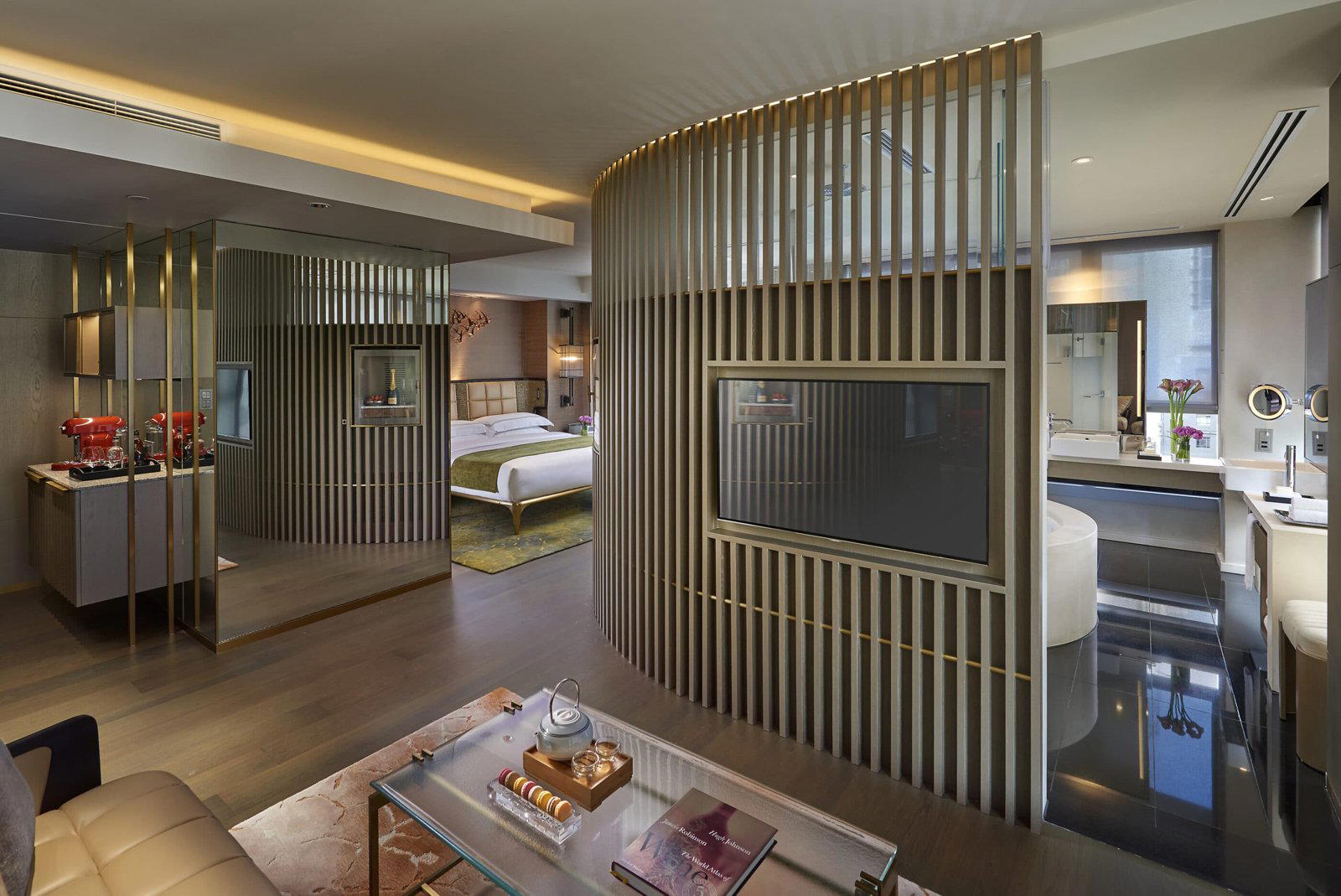
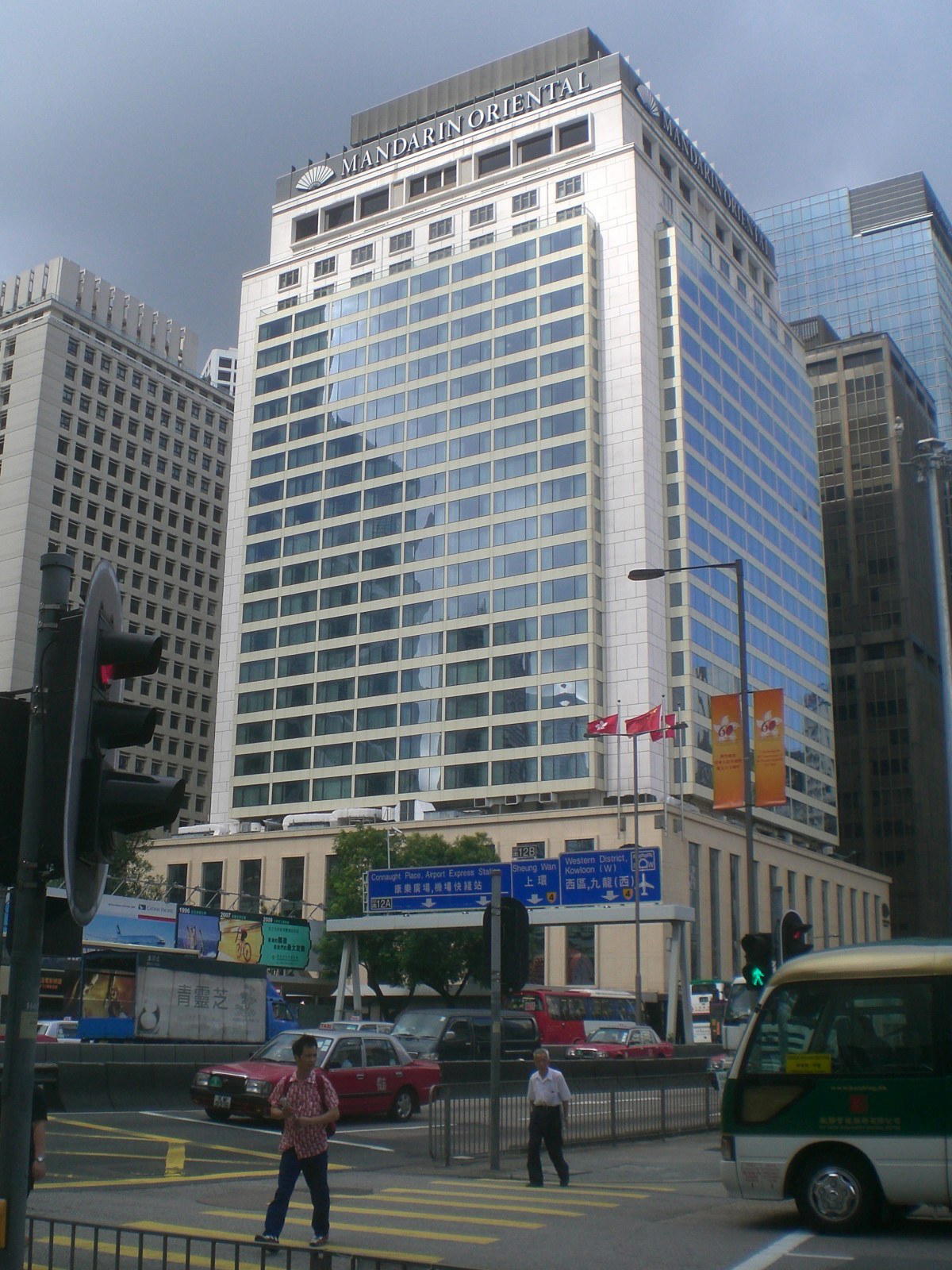
Wineries in Hong Kong
All wineries in Hong Kong →
Details
- Intimate
- Elegant
- Modern
- Sophisticated
- Trendy
- Date Night
- Special Occasion
- Business Dinner
- Celebration
- Solo
- Chefs Counter
- Open Kitchen
- Design Destination
- Rooftop
- Hotel Restaurant
- Sake Program
- Craft Cocktails
- Sustainable Seafood
- Skyline
- Omakase
- Counter Dining
- Set Menu
- Sake
- Cocktails
- Beer
- Pescatarian Friendly
Current opening hours
- Monday
- 12–3 PM, 6–11 PM
- Tuesday
- 12–3 PM, 6–11 PM
- Wednesday
- 12–3 PM, 6–11 PM
- Thursday
- 12–3 PM, 6–11 PM
- Friday
- 12–3 PM, 6–11 PM
- Saturday
- 12–3 PM, 6–11 PM
- Sunday
- Closed
Hours can change for holidays and private events. Hours as of .
Dimly lit and intimate with a refined, modern Japanese aesthetic, Torikaze pairs counter-focused yakitori grilling with a calm, disciplined atmosphere that highlights the drama of the grill without becoming noisy.