
On the fourth floor of a Knutsford Terrace address that has hosted Japanese dining for years, Hanabi operates in the register of a genuine izakaya: shared plates, unhurried rounds of drinking, and the kind of unpretentious service that marks the format at its most functional. Ranked #389 in the 2024 Opinionated About Dining Asia list and recommended in 2023, it holds a credible position among Hong Kong's mid-tier Japanese houses.
Pearl is the En Primeur Club membership app — saves, bookings, and concierge access live there. Same editors, same standards.
- Address
- 4/F, 6 Knutsford Terrace, Tsim Sha Tsui, Hong Kong
- Phone
- +852 2723 2568
- Website
- hanabi.multifame.com.hk
- Directions
- Get directions
 Saves & bookings on Pearl
Knutsford Terrace and the Case for Eating Upstairs
Tsim Sha Tsui has long operated as a proving ground for Hong Kong's Japanese dining scene. The density of Japanese restaurants along and around Knutsford Terrace reflects both the neighbourhood's historical ties to the Japanese expat community and a clientele that expects the same level of rigor it would find in Osaka or Tokyo. Within that concentrated stretch, the fourth-floor position of Hanabi at 6 Knutsford Terrace places it slightly removed from the street-level foot traffic that drives more casual trade, the kind of room that regulars find rather than stumble into.
That elevation matters. Izakaya culture, in its truest form, is not about discovery tourism. The format rewards return visitors: people who know the menu, who arrive with a group and stay across multiple rounds, who treat the meal as a sustained social event rather than a timed dining experience. Upstairs rooms in Hong Kong's Japanese dining circuit have historically served this function, offering a degree of separation from the street that suits longer, looser evenings.
The Izakaya Format and What It Actually Demands
The izakaya tradition is often simplified in export markets into a list of shareable plates and Japanese whisky. The actual format carries more structural logic than that. Dishes arrive in no fixed sequence, portions are sized for the table rather than the individual, and the expectation is that the kitchen and the drinking pace work in tandem. A well-run izakaya reads the table: it knows when to pace a round of yakitori against a lull in conversation, when to bring something substantial to anchor a second bottle of sake.
Hong Kong has developed its own version of this format across a range of price points, from counter-heavy kappo operations to more relaxed, multi-room izakaya floors. The segment Hanabi occupies sits between high-end kappo, where the kitchen's technical precision is the primary subject, and the mass-market robatayaki chains. This middle register demands a consistent kitchen alongside a floor team that understands the social mechanics of the format. It is, in some respects, harder to execute well than either extreme.
For context on the range of Japanese formats operating across Hong Kong, the EP Club guides to Godenya, Kappo Rin, Nagamoto, Ryota Kappou Modern, and Zuicho map the spectrum from omakase-forward kappo to more accessible Japanese dining.
Recognition in Context
Opinionated About Dining is among the more analytically rigorous of the independent dining lists operating across Asia. Being ranked at #389 in the 2024 OAD Leading Restaurants in Asia list, and recommended in the prior year's edition, places Hanabi in a recognisable position.
That positioning is useful information for a reader planning a Hong Kong itinerary. The city's Japanese dining scene has a narrow top tier, counters and kappo rooms that operate at the same technical level as their Tokyo counterparts, and a broad mid-range where quality is less predictable. OAD recognition at this level signals that the kitchen is performing consistently enough to satisfy a surveyor base that travels widely and eats critically. It does not signal a destination meal in the same category as a three-Michelin-star room, nor does it need to. The izakaya format serves different occasions.
For reference, the Tokyo Japanese scene that partly defines these standards can be traced through venues including Myojaku, Azabu Kadowaki, Kagurazaka Ishikawa, and Ginza Fukuju. Kyoto's register, more restrained, seasonally driven, appears in rooms like Isshisoden Nakamura and Gion Matayoshi, while Kashiwaya Osaka Senriyama represents Osaka's kaiseki tradition. In the United States, Hayato in Los Angeles demonstrates how the kappo format has translated to a different market.
Hours, Rhythms, and Planning an Evening
Hanabi runs a split-service structure across six days, with lunch from noon to 2:30 pm and dinner from 6 to 10 pm, closing entirely on Sundays. That dinner window suits the izakaya rhythm: enough time to arrive without urgency, work through several rounds of food and drink, and finish at a relaxed pace.
The lunch service is a different proposition. Japanese restaurants in Hong Kong's Tsim Sha Tsui corridor often run tighter, value-focused lunch menus that draw both office workers and neighbourhood regulars. The izakaya format translates reasonably well to a midday setting when the kitchen is running a fixed set, though the communal social energy of the format is naturally more present in the evening.
4 rating across 60 reviews. That ratio, strong aggregate score from a relatively contained number of reviews, is consistent with a room that has its audience and serves it well, rather than a venue optimised for volume or social media visibility.
What the Neighbourhood Adds
Knutsford Terrace functions as something of an anomaly in Tsim Sha Tsui: a pedestrian-friendly side street with a concentration of dining and drinking options that gives it an after-hours identity distinct from the surrounding retail and hotel blocks. The Japanese dining presence in this pocket of TST has deepened over time, supported by proximity to the Nathan Road hotel corridor and the area's longstanding draw for Japanese visitors and residents.
That neighbourhood character reinforces the izakaya model. The format works well in areas where multiple dining and drinking options are within a short walk, where a group can move between venues, or where the choice to spend a full evening in one room feels deliberate rather than resigned. Knutsford Terrace offers that infrastructure.
Know Before You Go
- Address: 4/F, 6 Knutsford Terrace, Tsim Sha Tsui, Hong Kong
- Hours: Monday to Saturday, 12 to 2:30 pm and 6 to 10 pm; closed Sunday
- Recognition: Opinionated About Dining Leading Restaurants in Asia #389 (2024); Recommended (2023) 4 from 60 reviews
- Cuisine: Japanese (izakaya format)
- Getting There: Tsim Sha Tsui MTR station (Exit B1 or B2) places you within a short walk of Knutsford Terrace
Recognition Snapshot
Comparable venues nearby, for context on price, style, and recognition.
| Venue | Cuisine | Price | Notes |
|---|---|---|---|
| HanabiThis venue — the venue you are viewing | Omakase Sushi | $$$ | Not listed |
| Censu | Modern Japanese Izakaya | $$$ | Central |
| Uehara | Modern Japanese Omakase | $$$$ | Wan Chai |
| Teppanyaki Tempura Shun | Teppanyaki and Tempura Omakase | $$$$ | Central |
| Sushi Kuu | Modern Japanese Sushi and Omakase | $$$$ | Central |
| Tokio Joe | Modern Japanese Sushi and Omakase | $$$ | Central |
Recognition history
Dated appearances from independent guides and award organizations, with the underlying list record or original source where available.
Opinionated About Dining Top Restaurants in Asia Ranked #389
Opinionated About Dining
Opinionated About Dining Top Restaurants in Asia Recommended
Opinionated About Dining
Continue exploring
More in Hong Kong
More from Chef Various
Browse all →
Restaurants in Hong Kong
Browse all →
Bars in Hong Kong
Browse all →
At a Glance
- Intimate
- Elegant
- Sophisticated
- Date Night
- Special Occasion
- Chefs Counter
- Sake Program
Current opening hours
- Monday
- 12–2:30 PM, 6–10 PM
- Tuesday
- 12–2:30 PM, 6–10 PM
- Wednesday
- 12–2:30 PM, 6–10 PM
- Thursday
- 12–2:30 PM, 6–10 PM
- Friday
- 12–2:30 PM, 6–10 PM
- Saturday
- 12–2:30 PM, 6–10 PM
- Sunday
- Closed
Hours can change for holidays and private events. Last verified .
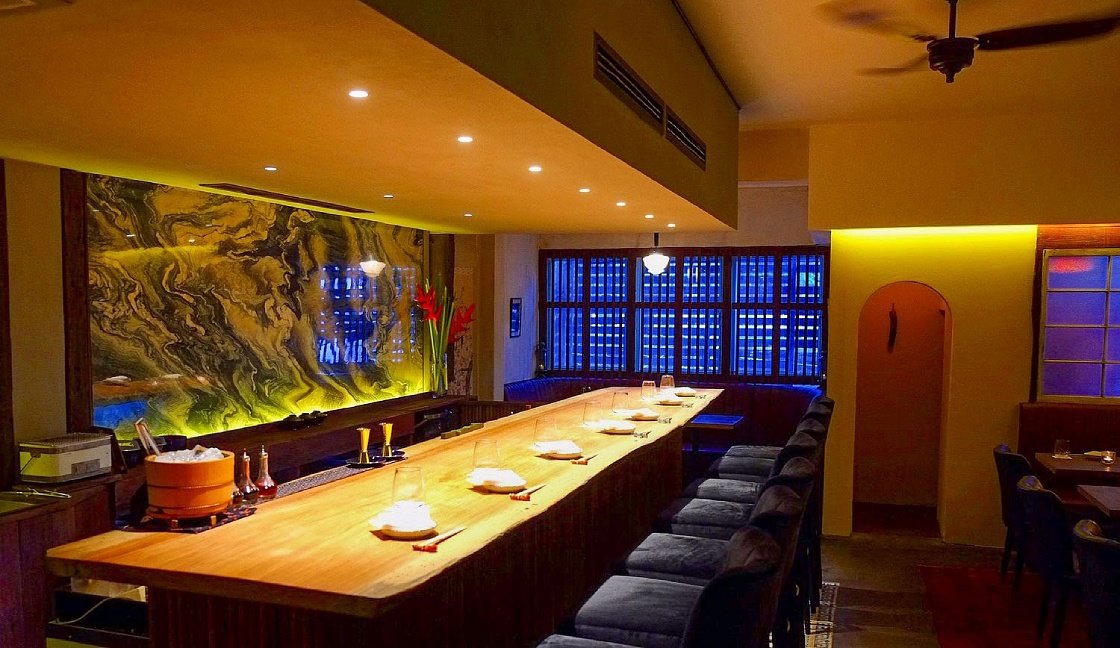
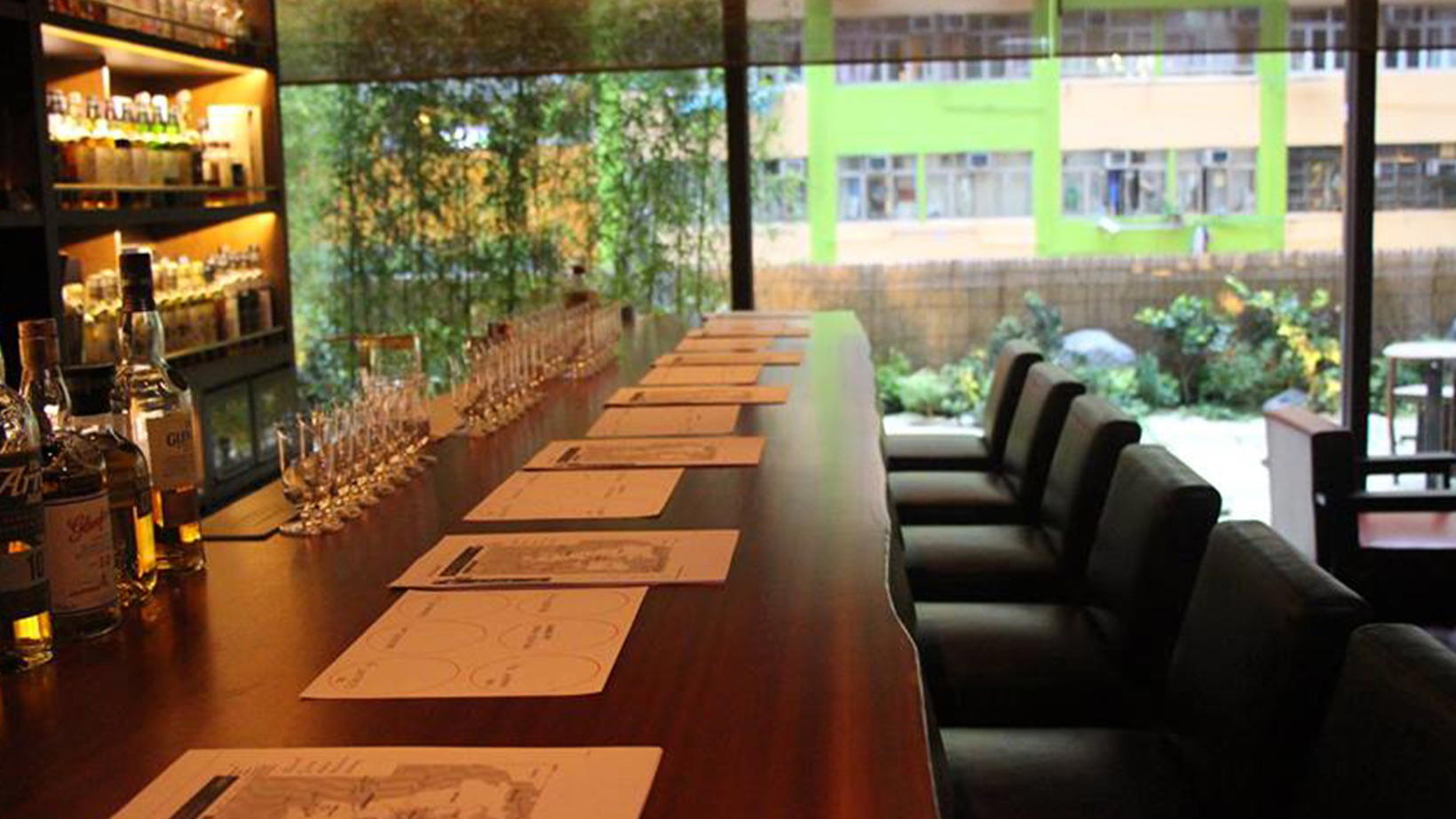
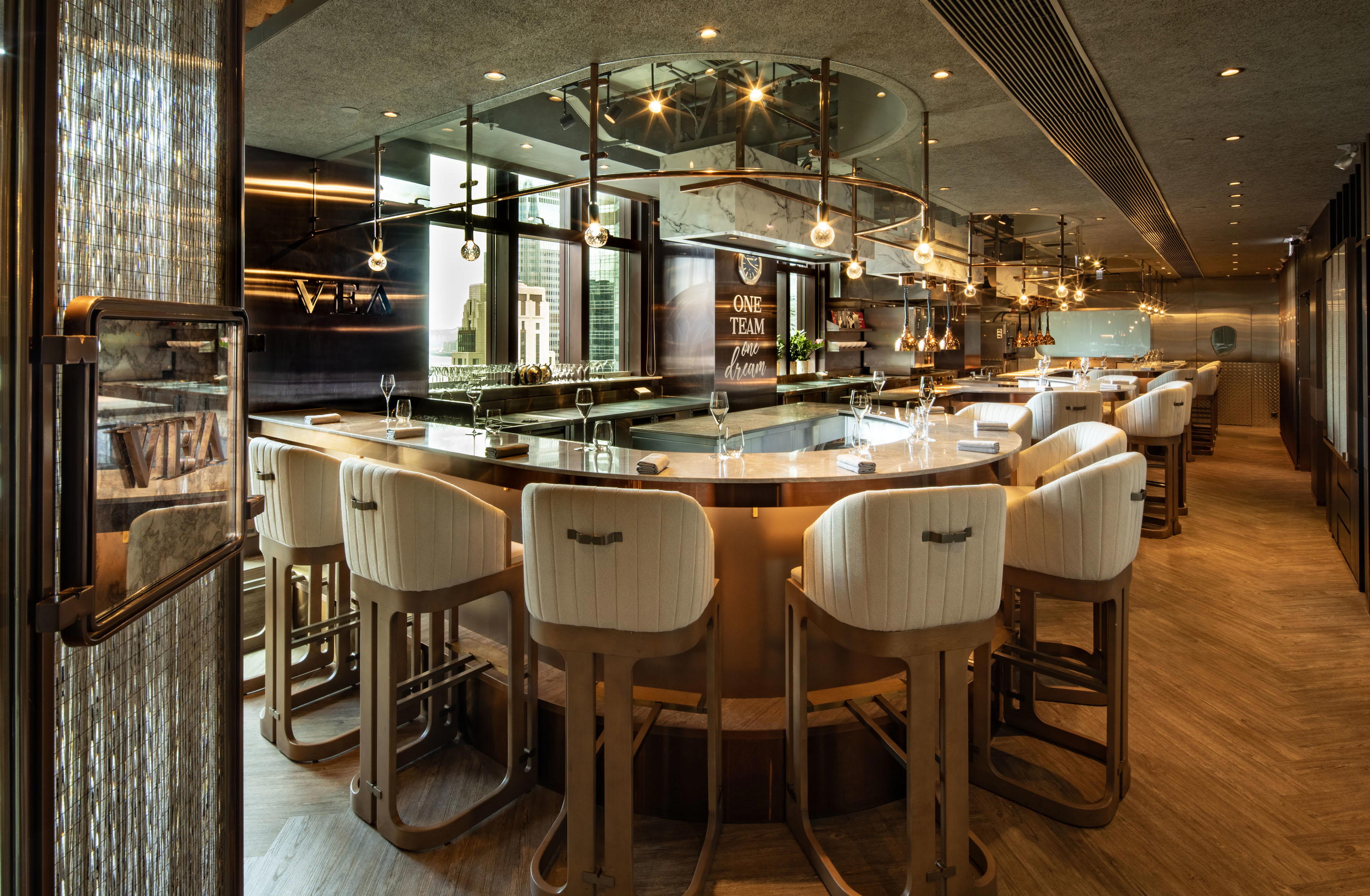
Cozy intimate lounge with counter seating for watching the chef; super nice ambiance with artistic plating and attentive service.