
SCMP 100 Top Tables Restaurants
Our verdict
Thomas & T’s sits in Central’s vertical dining belt, where Hong Kong’s restaurant culture compresses lunch trade, evening reservations, and cross-border culinary influences into high-rise rooms above street level. Its appeal is less about spectacle than placement: a city-centre address, daily service, and a format that belongs to Hong Kong’s dense, practical, international restaurant scene.

Pearl is the En Primeur Club membership app, where members save venues, book tables and use the concierge.

The menu
What to order
- Swordfish char siu rice
- Tuna duo sushi (aged fatty tuna with dehydrated lean tuna)
- Fish maw tempura
- Stone-grilled kinki sashimi
Hong Kong changes character floor by floor. At street level, the city is gradients, foot traffic, delivery riders, office workers, and the quick pivot from errands to evening plans. Around it, Hong Kong’s restaurant culture compresses: lifts, shopfronts, compact dining rooms, and commercial spaces all sit close together, while imported formats meet the local habit of eating efficiently, socially, and often. Thomas & T’s belongs to this Hong Kong dining context: urban, not ceremonial, and built for people who already understand how Hong Kong eats.
That context matters because Hong Kong is a stack of micro-scenes, not one dining district. Finance lunches sit near late dinners, ambitious meals near casual specialists, and Hong Kong’s openness to different dining styles gives compact restaurants audiences larger than their size suggests. Thomas & T’s enters that mix without explaining the city to itself. Its value is fit: accessible within Hong Kong routines, positioned for practical meal planning, and shaped by the density defining Hong Kong dining.
Hong Kong's vertical restaurant culture shapes the experience
Hong Kong has long made restaurants work in compact, layered urban settings. In many cities, dining rooms away from obvious street frontage fight for attention; in Hong Kong, less obvious restaurant settings are normal. They are part of the city’s grammar, especially in busy areas and the routes that connect work, errands, and evening plans. The effect is a culture less dependent on grand entrances than on trust signals: location, consistency, repeat custom, and recognition within crowded dining circuits.
Thomas & T’s sits within that setting. Its Hong Kong location places it in an urban dining orbit, close to everyday meal planning and social routes, while the city’s compact restaurant culture changes expectations. This is not the pavement-facing theatre of a major destination restaurant or the nostalgia of a preserved landmark. It is how contemporary Hong Kong often eats: direct, compact, and convenient without reducing the meal to utility.
The comparison helps. Hong Kong diners can move from polished dining rooms to counter-led energy, or from familiar neighbourhood addresses to rooms tucked into less obvious commercial spaces. Thomas & T’s belongs in that ecosystem, not as an isolated destination. The scene rewards restaurants that understand pace, location, and repeatability as much as concept.
A city restaurant built around rhythm, not ceremony
The daily cadence gives the restaurant a different role from formats built only around highly staged occasions. In Hong Kong, flexibility carries cultural weight. The city needs meals that do not feel abbreviated, while evening plans must absorb couples, small groups, and post-work diners who use Hong Kong as a meeting point. Stronger restaurants understand those modes as separate performances rather than chasing one grand identity.
There is local tradition behind the international surface. Hong Kong has long treated dining as mobile: established local habits, outside influences, specialist formats, and newer ideas can share the same blocks. A Hong Kong restaurant can draw from that openness without turning the meal into a lecture. The question is not whether a room declares one culinary ideology, but whether it holds its place among diners with many alternatives within reach.
Recognition and consistency matter. Thomas & T’s is listed in SCMP 100 Top Tables 2026 - Restaurants, a useful signal in a crowded, high-turnover city. Awards do not define a meal, but they place a venue in a competitive field where diners compare reliability, service rhythm, and how a room fits the day. In the same city, Sushi Fujimoto and Sushi Koh show Hong Kong’s appetite for focused dining rooms, while Clarence, Sếp, and Yuan show how the market supports a wide spread of contemporary formats. Thomas & T’s sits in the broader middle of that field: an urban restaurant whose relevance depends on execution within a dense market.
For readers mapping the city, Hong Kong rewards itinerary-level thinking. A meal can be paired with drinks, galleries, or a wider city plan; another day may call for a cross-harbour route or a neighbourhood-led itinerary. EP Club’s wider Hong Kong coverage helps that calibration, from Our full Hong Kong restaurants guide to Our full Hong Kong bars guide, plus hotels, wineries, and experiences through Our full Hong Kong hotels guide, Our full Hong Kong wineries guide, and Our full Hong Kong experiences guide.
How to place it on a Hong Kong dining itinerary
Thomas & T’s suits diners wanting Hong Kong convenience without making the meal a formal production. Its setting supports practical city plans, useful in a place where weather, gradients, and transit timing shape the night as much as appetite. Hong Kong is dense with alternatives, so the strongest use case is not a once-only pilgrimage but a well-placed meal within a larger itinerary.
That itinerary can move several ways. Compare it with other polished dining rooms, focused formats, and more immersive dinner concepts, or use it as a practical anchor before exploring a wider range of Hong Kong dining. Across the city, the contrasts sharpen: street-level comfort food culture, restaurants outside the busiest routes, family markets, cultural stops, and everyday dining all underline the breadth of the scene. Beyond Hong Kong, similar Asian dining formats show how restaurant ideas travel, adapt, and find new audiences, but Thomas & T’s is best read through the local rhythm around it.
The editorial read is simple: choose Thomas & T’s for Hong Kong practicality, an urban city setting, and a meal belonging to the city’s dense restaurant culture rather than destination theatre. In a market where diners can shift from specialist rooms to hotel dining to neighbourhood restaurants in one day, that fit has its own value.
Frequently asked questions
Does Thomas & T’s have a Michelin star or similar recognition?
Thomas & T’s is recognised in SCMP 100 Top Tables 2026 - Restaurants.
How do I find Thomas & T’s?
Thomas & T’s is located in Hong Kong.
When can I go to Thomas & T’s?
Check directly with Thomas & T’s for current opening times before planning a visit.
What do critics highlight about Thomas & T’s?
The most concrete talking point is its recognition in SCMP 100 Top Tables 2026 - Restaurants, along with the way it fits Hong Kong’s practical dining circuit.
How does Thomas & T’s handle allergies?
For diners with allergies, the sensible move is to confirm requirements directly with the restaurant in advance. That keeps the conversation practical and specific to the day’s service.
Is Thomas & T’s a family-friendly restaurant?
Families should confirm suitability directly with Thomas & T’s before booking. The better read is that it presents as a city restaurant first, fitting groups that want an efficient Hong Kong meal rather than a long, formal outing.
What's the overall feel of Thomas & T’s?
It feels urban and time-driven: a Hong Kong restaurant shaped by the city’s practical dining culture. The rhythm is direct, which is exactly what works in Hong Kong.
Budget Reality Check
Comparable venues by cuisine and price in the same metro.
| Venue | Cuisine | Price | Awards | Notes |
|---|---|---|---|---|
| Thomas & T’sThis venue (the venue you are viewing) | Japanese-French Omakase | $200–300 | SCMP 100 Top Tables Restaurants | Not listed |
| Sushi Fujimoto | Edomae-Style Omakase | $300–500 | SCMP 100 Top Tables Restaurants · Black Pearl 1 Diamond | Sushi |
| Sushi Koh | Edomae Omakase Sushi Counter | $200–300 | SCMP 100 Top Tables Restaurants | Not listed |
| Clarence | Modern French Bistro | $50–100 | SCMP 100 Top Tables Restaurants | Not listed |
| Sếp | Modern Indochine Vietnamese with Wood-Fired Grill | $100–150 | Michelin Plate · Black Pearl 1 Diamond | Vietnamese |
| Yuan | Modern Chinese Vegetarian Fine Dining | $150–200 | Michelin Plate | Vegetarian |
Recognition history
Dated appearances from independent guides and award organizations, with the underlying list record or original source where available.
SCMP 100 Top Tables Restaurants
SCMP 100 Top Tables
Continue exploring
More in Hong Kong
Restaurants in Hong Kong
All restaurants in Hong Kong →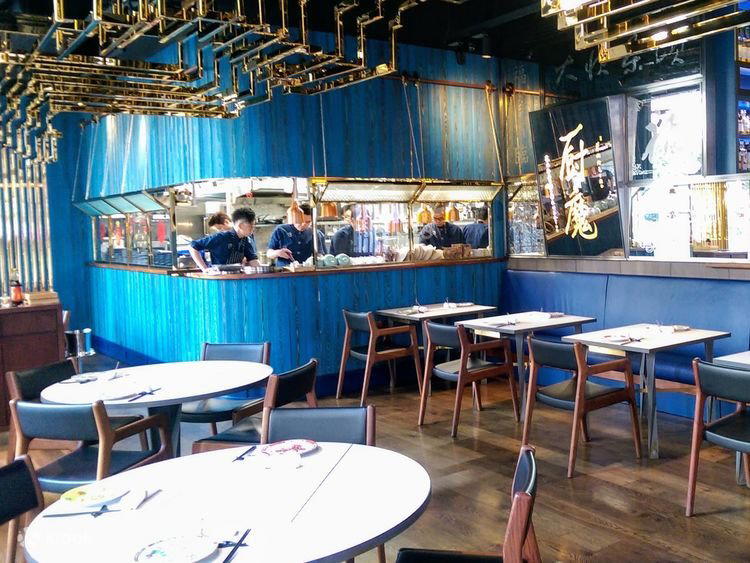
Bars in Hong Kong
All bars in Hong Kong →
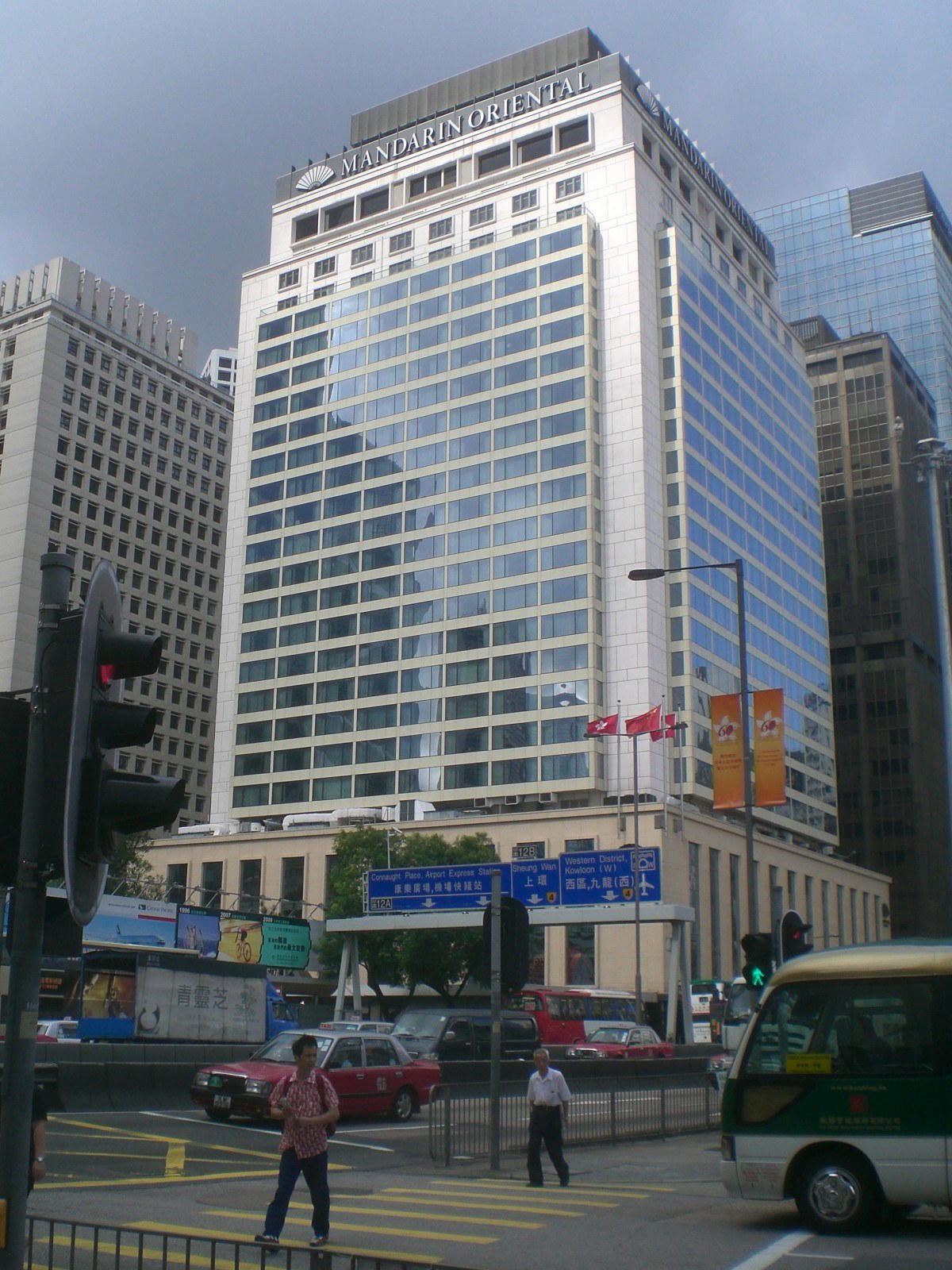
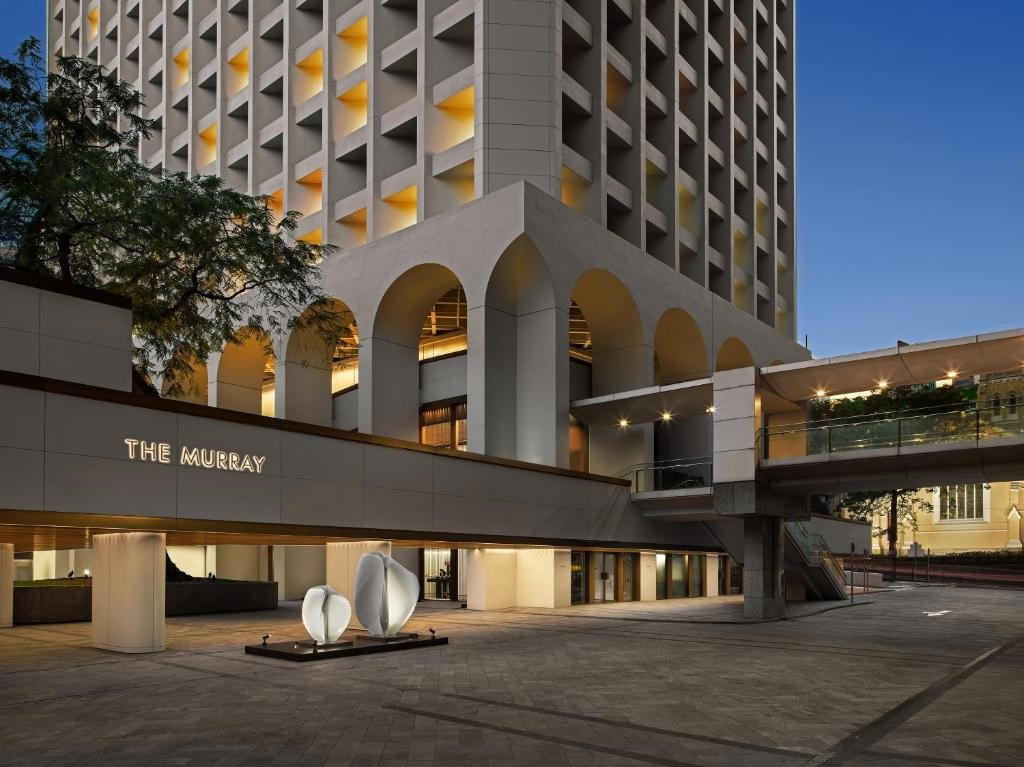
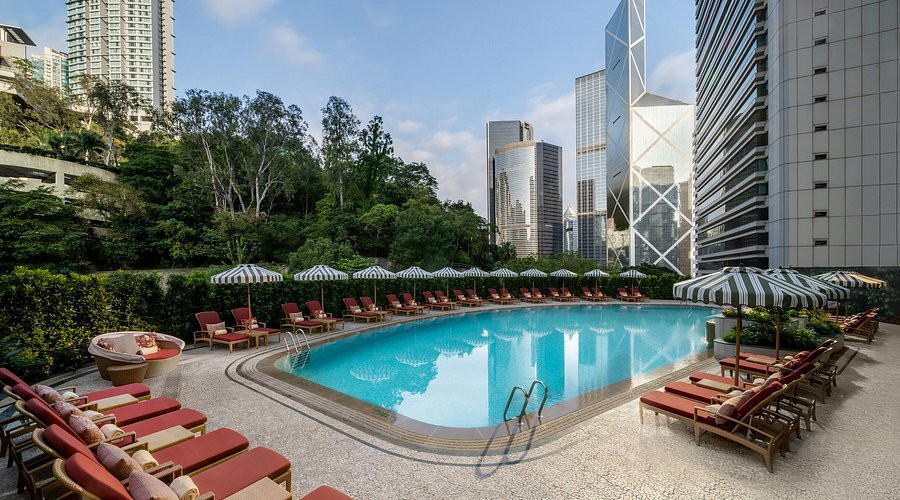
Hotels in Hong Kong
All hotels in Hong Kong →
Wineries in Hong Kong
All wineries in Hong Kong →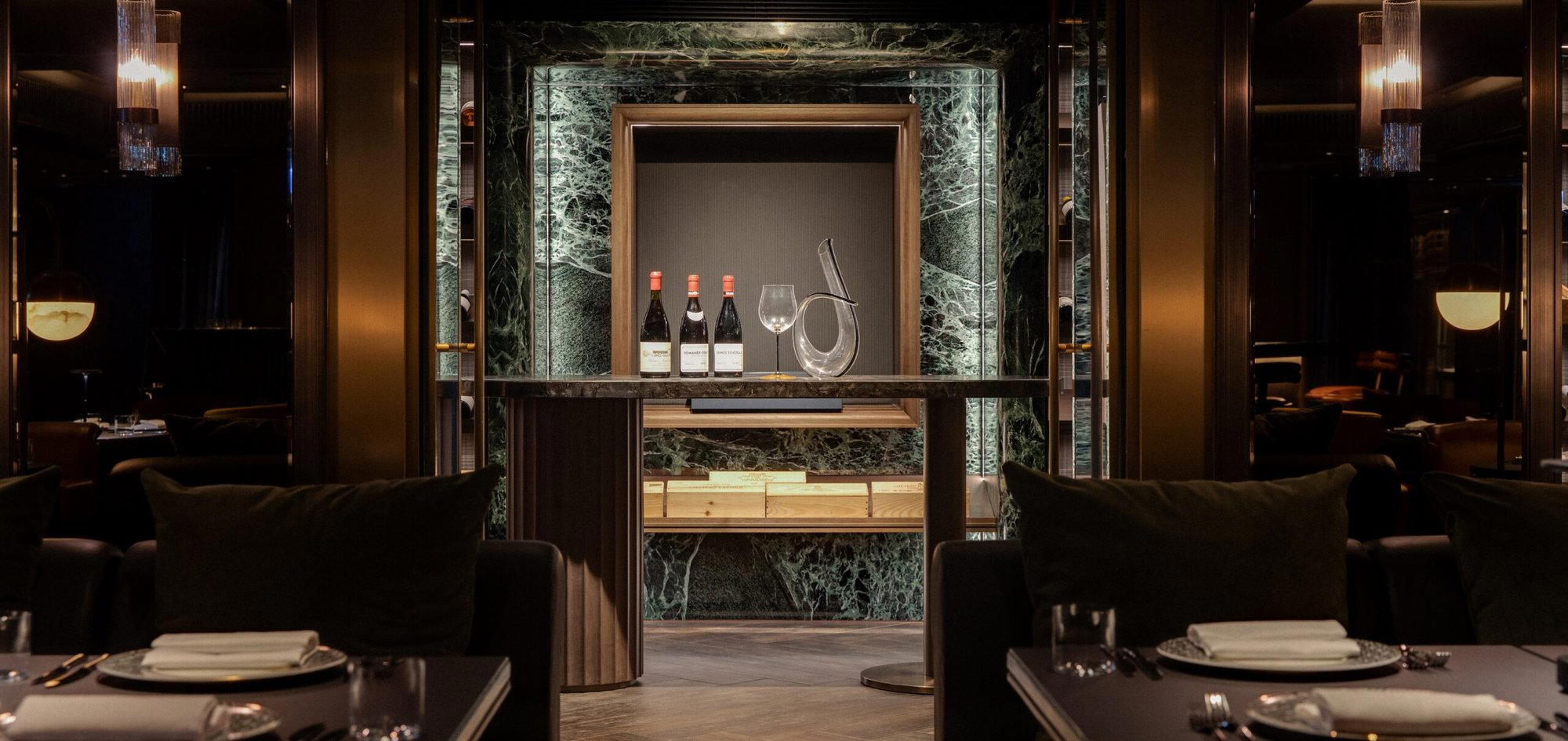
Details
- Intimate
- Modern
- Sophisticated
- Elegant
- Trendy
- Date Night
- Special Occasion
- Business Dinner
- Group Dining
- After Work
- Private Event
- Chefs Counter
- Design Destination
- Standalone
- Private Dining
- Sake Program
- Corkage Allowed
- Sustainable Seafood
- Tasting Menu
- Omakase
- Counter Dining
- Set Menu
- Sake
- Wine
- Beer
- Vegetarian Friendly
- Pescatarian Friendly
Current opening hours
- Monday
- 12–3 PM, 5–10 PM
- Tuesday
- 12–3 PM, 5–10 PM
- Wednesday
- 12–3 PM, 5–10 PM
- Thursday
- 12–3 PM, 5–10 PM
- Friday
- 12–3 PM, 5–10 PM
- Saturday
- 12–3 PM, 5–10 PM
- Sunday
- 12–3 PM, 5–10 PM
Hours can change for holidays and private events. Hours as of .
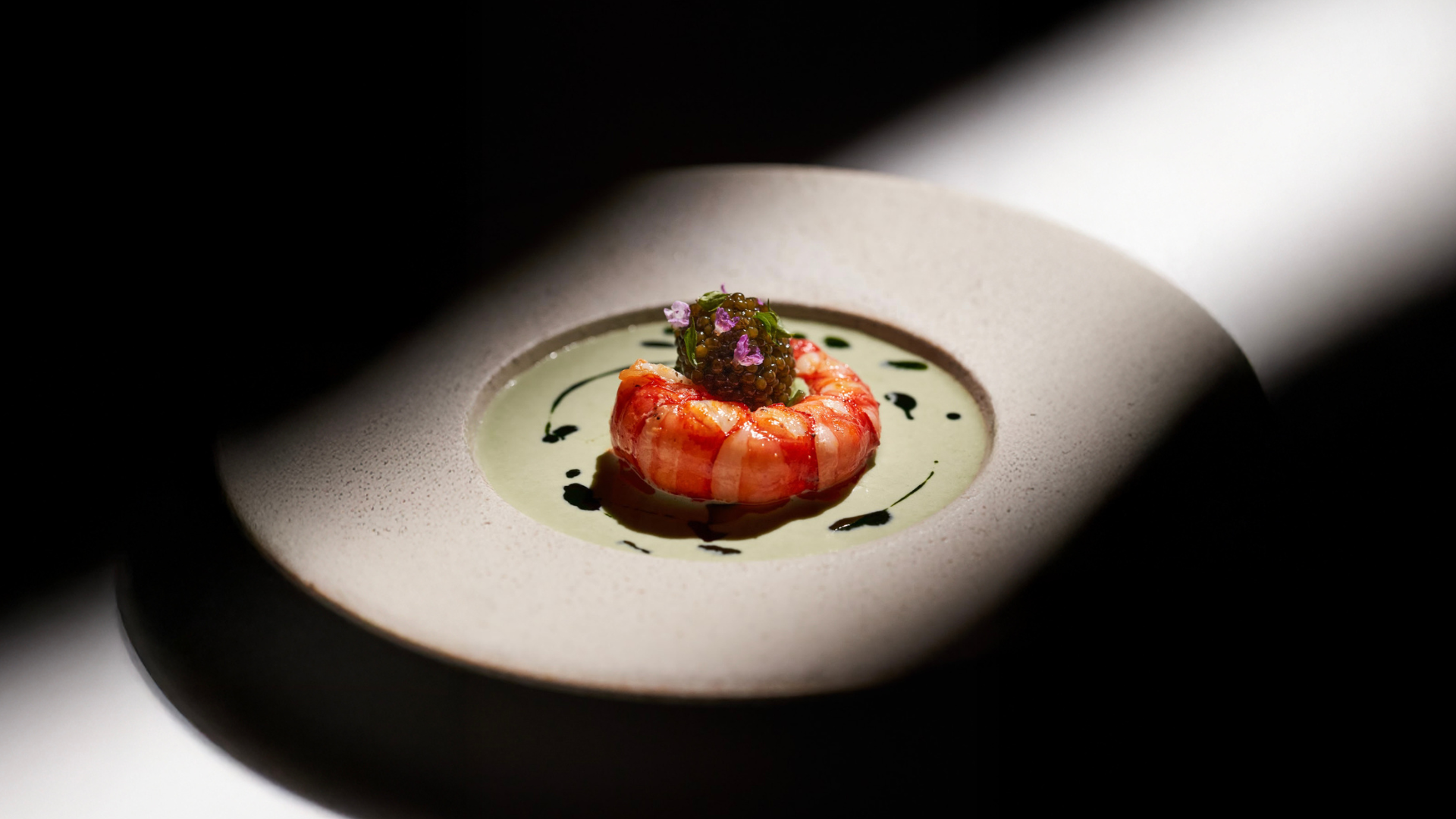
An intimate, modern omakase room with a small counter focused on chef interaction and theatrical plating; lighting is warm but not dim, lending a sophisticated yet relaxed atmosphere suited to adults and special-occasion dining.