
toki brings Kanagawa’s ramen seriousness into Samukawa’s quieter residential grain, with counter seating, a house-restaurant setting, and a 2025 Tabelog 100 Ramen KANAGAWA selection giving it weight beyond its small-town address. The appeal is the disciplined ramen format: low-price, lunch-focused, reservation-aware, and grounded in the region’s appetite for bowls that reward precision rather than theatre.
Pearl is the En Primeur Club membership app — saves, bookings, and concierge access live there. Same editors, same standards.
- Address
- 神奈川県高座郡寒川町岡田5-16-3-3
- Website
- tabelog.com
 Saves & bookings on Pearl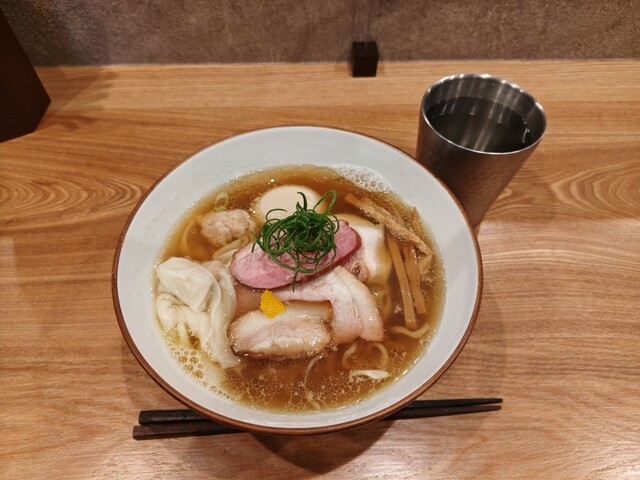
Approaching a house restaurant in Samukawa changes the rhythm of a ramen meal. The cues are residential rather than commercial: a quieter street pattern, a compact frontage, and the expectation that the room will be measured by counter discipline rather than dining-room theatre. In Kanagawa, where ramen ranges from station-side utility to destination bowls, toki sits in the category that asks diners to treat lunch as a planned stop, not a fallback.
That distinction matters because ramen in Kanagawa is not a single conversation. Yokohama’s Iekei tradition has shaped the prefecture’s reputation with pork-and-soy power, short noodles, and rice-friendly intensity; Shonan and inland towns often reward a different kind of attention, where clarity, sourcing, and restraint carry the argument. Samukawa is not Yokohama, and that is part of the point. A serious bowl here reads less like metropolitan saturation and more like proof that the prefecture’s ramen map has spread into smaller communities with enough confidence to draw diners off the obvious routes.
Kanagawa ramen, read through sourcing rather than spectacle
The useful way to understand this kind of ramen is through inputs. Noodles, broth base, tare, aromatic oil, and toppings do not need theatrical framing; they need coherence. The price band places toki in the everyday-premium ramen tier, where the difference is not white-tablecloth service but the amount of work hidden inside a single bowl. At this level, ingredient decisions carry more weight than menu sprawl. A shop can signal seriousness through a narrower format, counter seating, and the willingness to let a bowl carry the whole meal.
The 2025 Tabelog 100 Ramen KANAGAWA selection gives that reading external support. Tabelog’s Hyakumeiten lists are especially relevant for ramen because they tend to reward shops that local diners return to, not only places with international name recognition. A 3.86 Tabelog score puts the restaurant in a competitive bracket for a regional ramen counter, particularly in a prefecture where the ramen field is crowded and highly opinionated.
There is also a practical sourcing subtext in the house-restaurant format. Smaller ramen rooms often build identity through procurement and batch control rather than luxury cues: soup management, noodle handling, and topping prep define the experience far more than décor. Without a published chef biography or a named signature dish, the editorial read should stay on the category itself. This is a counter-led ramen address where the bowl, not a personality narrative, is the evidence.
A small-town counter with destination signals
Samukawa’s dining scene is modest compared with Yokohama or central Tokyo, which makes recognition more consequential. A diner comparing local options will find lower-priced ramen nearby, including Yokohama Iekei Ramen Tennoya Samukawa souhon ten, where the appeal sits closer to the Iekei value lane. toki occupies a slightly higher spend band and a more reservation-aware format, so the decision is less about hunger alone and more about whether the meal is the reason for the detour.
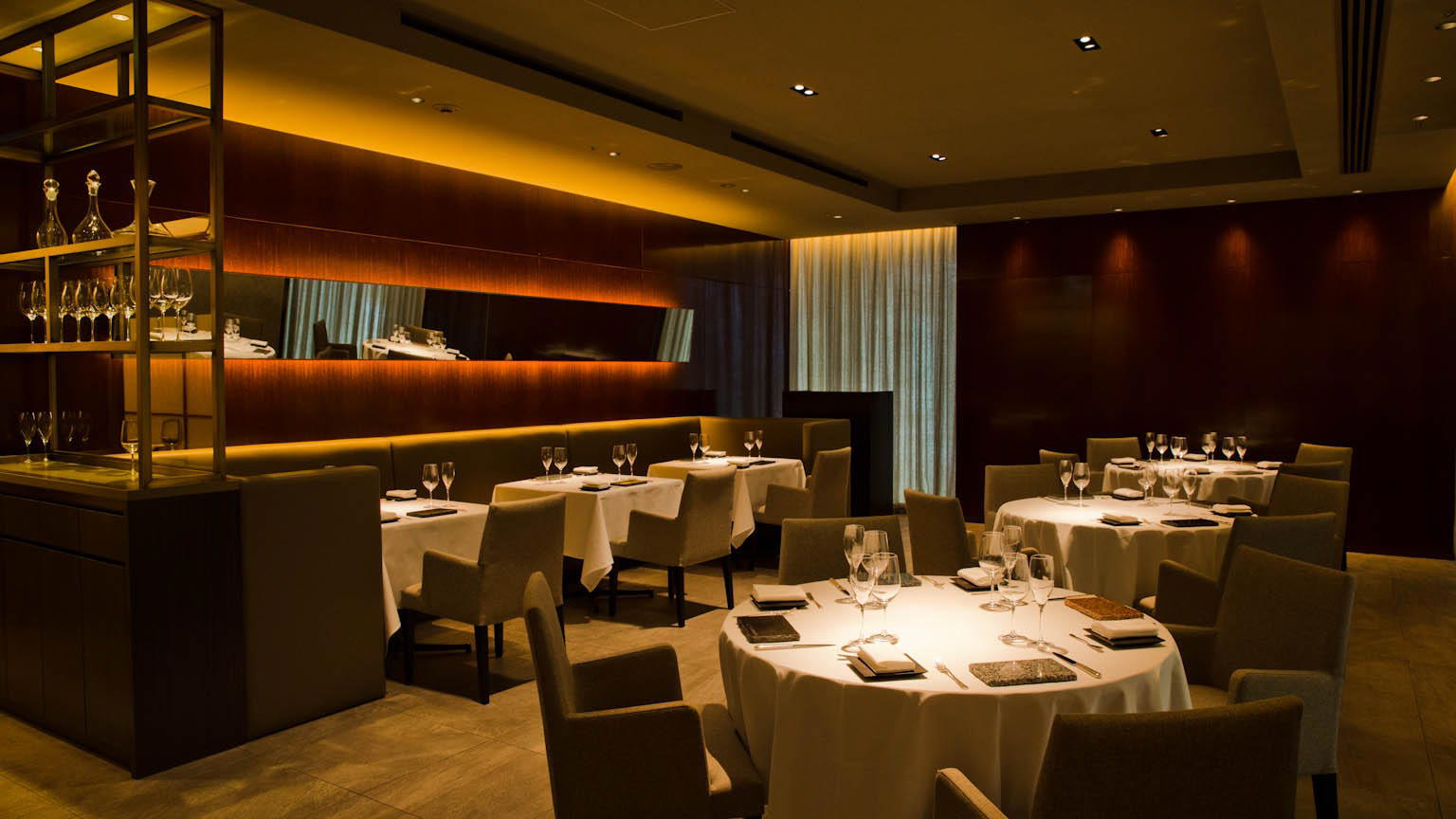
The room’s counter seating suits solo diners, which is central to ramen culture rather than a convenience detail. A counter compresses the distance between preparation and eating; pacing matters, turnover matters, and lingering is not the point. Family friendliness is noted as well, including children and strollers, which broadens the audience without changing the essential format. This is still a ramen counter first, and the meal should be approached with the tempo of a specialist shop.
The opening date in 2025 adds another layer. New ramen shops in Japan are judged quickly, and early recognition can sharpen demand before routines settle. That makes planning more important than it would be for a casual roadside bowl. The lunch-focused schedule, weekday-to-Saturday operation, and reservation priority create a structure closer to a sought-after specialist counter than a drop-in chain meal.
How to place it in a Koza-gun itinerary
Koza-gun is not a hotel-and-nightlife district in the way larger Japanese cities are, so the smartest itinerary treats ramen as the anchor and builds around transport rather than late dining. Samukawa Station on the JR Sagami Line is the relevant rail reference, with the restaurant listed as a 17-minute walk from the station. Two parking spaces are available, useful in this part of Kanagawa but not enough to make driving the safer assumption at peak demand.
Reservations run through TableCheck, with weekday reservations carrying no fee and Saturday reservations carrying a fee. Walk-ins are welcomed when possible, but reservation priority changes the calculation. For travelers crossing Kanagawa for ramen, booking removes the weakest variable: arriving hungry in a small town with limited service hours and a recognized counter already on other diners’ radar.
Payment detail also matters in Japan’s smaller dining rooms. JCB credit cards are accepted, while electronic money and QR payments are not. The restaurant is non-smoking, private rooms are unavailable, and the format is built around counter seating. None of this should be treated as inconvenience; it is the operating grammar of a serious ramen shop where the meal is compact, focused, and judged by execution.
For broader planning, see our full Koza-gun restaurants guide, plus the area rails for Koza-gun hotels, Koza-gun bars, Koza-gun wineries, and Koza-gun experiences. Readers mapping Japanese dining beyond ramen may also compare regional formats through -Grilled beef Sukiyaki- KAMAKURA TANUKIAN 鎌倉 たぬき庵 in Kamakura, . 鮪と炭火焼き うお炭 秋葉原店 in Tokyo, .cafe in Osaka.know in Kumamoto, (Shoku) Vietnam in Kawasaki, [Curry Senmon Ten] Maruyama Kyoju. in Sapporo, [ki:] in Kyoto, #肉といえば松田 奈良本店 in Kashihara, 1/3 HAMBURGER FACTORY in Kanazawa, 1000 in Yokohama, Jōdo Saké Bar in Los Angeles, and Onigiri Time in Pasadena.
At-a-Glance Comparison
Comparable venues by cuisine and price in the same metro.
| Venue | Cuisine | Price | Notes |
|---|---|---|---|
| tokiThis venue — the venue you are viewing | Modern Japanese ramen shop | $ | Not listed |
| Yokohama Iekei Ramen Tennoya Samukawa souhon ten | Yokohama iekei ramen | $ | Samukawa |
| Ramen Atsugiya | Iekei-style Japanese Ramen | $ | Atsugi |
| Nikuniboshi Chuka Soba Suzuki Ramen Ten | Japanese Ramen | $ | Minami Ward, Sagamihara City |
| Shinachiku Tei | Ramen | $ | Kanagawa |
| Uirou | Traditional Japanese wagashi & cafe | $ | Honcho |
Recognition history
Dated appearances from independent guides and award organizations, with the underlying list record or original source where available.
Tabelog 100 #58 · No. 58
Tabelog · Tabelog 100 - Ramen - KANAGAWA - 2025











At a Glance
- Cozy
- Solo
- Family
- Casual Hangout
- Standalone
A small house-style ramen shop with counter seating, non-smoking, and a cozy, casual atmosphere that works for both solo diners and families.