
Uirou places Odawara’s wagashi culture in practical focus: rice-flour sweets, yokan, and a take-out format tied to a long local confectionery tradition rather than restaurant theatre. Its Tabelog 100 selection for Japanese traditional sweets and sweets cafes in East Japan in 2023 gives it credible standing for travellers reading Odawara through craft food rather than full-service dining.
Pearl is the En Primeur Club membership app — saves, bookings, and concierge access live there. Same editors, same standards.
- Address
- 神奈川県小田原市本町1-13-17
- Phone
- +81465240560
- Website
- uirou.co.jp
- Directions
- Get directions
 Saves & bookings on Pearl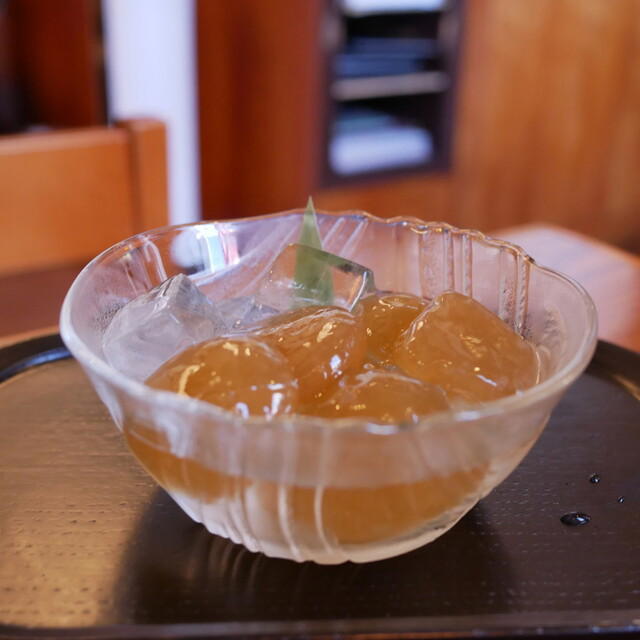
Approaching an old confectionery counter in Odawara changes the pace of eating. The city is often treated as a rail stop between Tokyo, Hakone, and the coast, but its food culture rewards slower attention: kamaboko makers, bakeries, sweets shops, and family-run counters form a compact map of everyday craft. Uirou belongs to that older register, where the draw is not a long meal but a specific category of wagashi with local identity attached to it.
Odawara’s position matters. Castle-town commerce, coastal traffic, and the Hakone route helped shape a food economy built around goods that travel well: fish paste, bread, sweets, and boxed gifts. In that context, Japanese confectionery is not dessert in the Western restaurant sense. It is a purchase, a seasonal gesture, a tea companion, and often a souvenir with a stronger sense of place than another plated course.
Rice flour, yokan, and the Odawara logic of edible souvenirs
The name points to uirou, a steamed rice-flour confection associated with a dense, softly elastic texture and restrained sweetness. The shop’s listed range includes sweet uirou, medicinal uirou, and uirou yokan, which places it in a narrower craft lane than a general sweets cafe. That distinction is useful for travellers: this is not a cake counter trying to speak in international patisserie language, but a wagashi address where starch, bean, sugar, and tea culture carry the conversation.
Ingredient sourcing is often discussed through farms and tasting menus, but in Japanese sweets the more telling question is format: what kind of rice flour, bean preparation, sweetness level, and shelf life the craft is built around. Wagashi houses tend to express region through materials and occasion rather than spectacle. Uirou’s identity sits in that tradition, with take-out service reinforcing the role of confectionery as something bought with purpose, carried onward, and eaten in a different setting.
The 2023 Tabelog 100 selection for Japanese traditional sweets and Japanese sweets cafes in East Japan gives the shop a clear trust signal in a category that can be hard for visitors to judge from the street. Tabelog’s sweets lists are not Michelin-style fine-dining awards; they matter because they identify specialists within everyday Japanese food culture. A score of 3.62 places the shop in a credible tier for a category where repeat local use and category literacy often matter more than theatrical service.
Within Odawara, that puts it beside a broader craft-food circuit rather than a conventional restaurant crawl. Moriya Sei Pan Ten works in the bakery lane at a lower everyday spend, while Menan Chitose sits in a comparable casual band. Il Mare belongs to a higher restaurant-spend bracket, and Tomoei reads as a different kind of sit-down decision. The useful point is not ranking them, but understanding Odawara as a city where the day can be built from small specialist stops rather than one formal reservation.
A sweets shop, not a dessert course
The experience is compact by design. Take-out service, no private rooms, and a non-smoking setting frame the visit as a purchase rather than a lingering meal. Photography is prohibited inside the store, a detail that says more than it first: the room asks visitors to treat the counter as a working confectionery space, not as a backdrop for content. That restraint suits wagashi, where presentation often depends on small differences in shape, cut, wrapping, and seasonal cue rather than volume.
For families, the format is forgiving. Children are welcome, and the spend sits in a casual bracket, so the shop works better as a short stop than as a drawn-out dining plan. For travellers pairing Odawara with Hakone, this kind of address is useful because it does not require building the day around a table. It can sit between the castle area, station logistics, and a wider food itinerary.
The comparison with destination dining is instructive. A place such as Ichiyajo Yoroizuka Farm speaks to pastry through a larger rural-restaurant frame, while Uirou keeps the lens tighter: confectionery as local craft, packaged purchase, and historical food habit. That narrower focus is exactly why it belongs on an Odawara list. The city’s appeal is not only in formal meals; it is in the accumulation of specialist addresses that explain how people actually eat here.
How to read it in an Odawara itinerary
Odawara rewards travellers who resist treating it only as transit. Use the sweets stop as one point in a broader map: bakery, seafood, casual lunch, coffee, and a small edible gift before the onward train. The full Odawara restaurants guide is the natural place to build that route, while the Odawara hotels guide, Odawara bars guide, Odawara wineries guide, and Odawara experiences guide help decide whether the city is a pause, a night, or a base for the region.
Seen against Japan’s wider casual-dining field, the appeal is specificity. The country has endless small counters and category specialists, from -Grilled beef Sukiyaki- KAMAKURA TANUKIAN 鎌倉 たぬき庵 in Kamakura to 鮪と炭火焼き うお炭 秋葉原店 in Tokyo.cafe in Osaka.know in Kumamoto, (Shoku) Vietnam in Kawasaki, and [Curry Senmon Ten] Maruyama Kyoju. in Sapporo. Overseas Japanese-food references such as Jōdo Saké Bar in Los Angeles and Onigiri Time in Pasadena show how portable Japanese formats become once they leave their local setting. Odawara’s advantage is that the local setting is still doing much of the work.
The editorial case for Uirou is clear: go for a concise lesson in wagashi as place-based craft, not for restaurant ceremony. The Tabelog 100 recognition supplies external validation, but the stronger reason is category fit. In a city whose food identity is built through specialist shops, a rice-flour confectionery counter says something precise about Odawara that a generic cafe cannot.
Snapshot
Comparable venues by cuisine and price in the same metro.
| Venue | Cuisine | Price | Notes |
|---|---|---|---|
| Uirou | Traditional Japanese wagashi & cafe | $ | Honcho |
| Menan Chitose | Ramen shop | $ | Kazamatsuri |
| Moriya Sei Pan Ten | Bakery | $ | Odawara Station area |
| Uirou Ekimae chouzai yakkyoku | Traditional Japanese sweets & café | $ | Sakaecho |
| Tomoei | Traditional Japanese Unagi | $$$$ | Kazamatsuri |
| Il Mare | Seasonal seafood-focused Italian set-course dining by Odawara Fishing Port | $$$ | Hayakawa |
Recognition history
Dated appearances from independent guides and award organizations, with the underlying list record or original source where available.
Tabelog 100 #49 · No. 49
Tabelog · Tabelog 100 - Japanese traditional sweets / Japanese sweets cafe - EAST - 2023
Continue exploring
More in Odawara
Restaurants in Odawara
Browse all →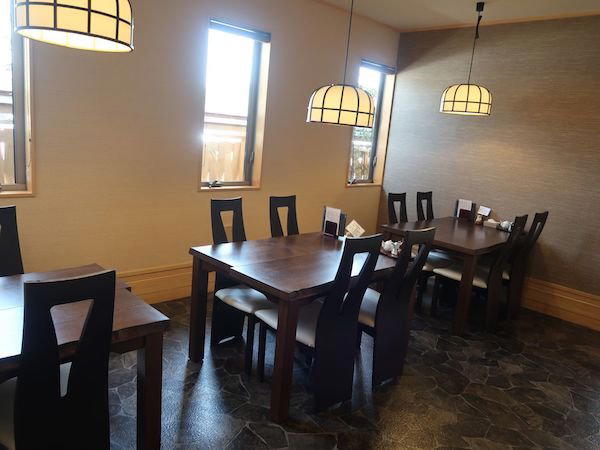
Bars in Odawara
Browse all →


Hotels in Odawara
Browse all →

Wineries in Odawara
Browse all →
At a Glance
- Classic
- Cozy
- Well Known
- Solo
- Family
- Casual Hangout
- Celebration
- Historic Building
- Standalone
- Design Destination
Traditional and calm Japanese tearoom atmosphere inside a historic merchant building, with classic decor and displays of wagashi that give it a nostalgic, old‑town Odawara feel rather than a modern cafe vibe.