Masala Art
On Wisconsin Avenue in upper Northwest D.C., Masala Art has held a steady place in the city's Indian dining conversation for years. The restaurant operates in a neighbourhood corridor where consistent regional cooking carries more weight than trend-chasing, and its position on one of D.C.'s main residential arteries gives it a local regulars base that tasting-menu destinations rarely develop.
Pearl is the En Primeur Club membership app — saves, bookings, and concierge access live there. Same editors, same standards.
- Address
- 4441 Wisconsin Ave NW, Washington, DC 20016
- Phone
- +12023624441
- Website
- masalaartdc.com
- Directions
- Get directions
 Saves & bookings on Pearl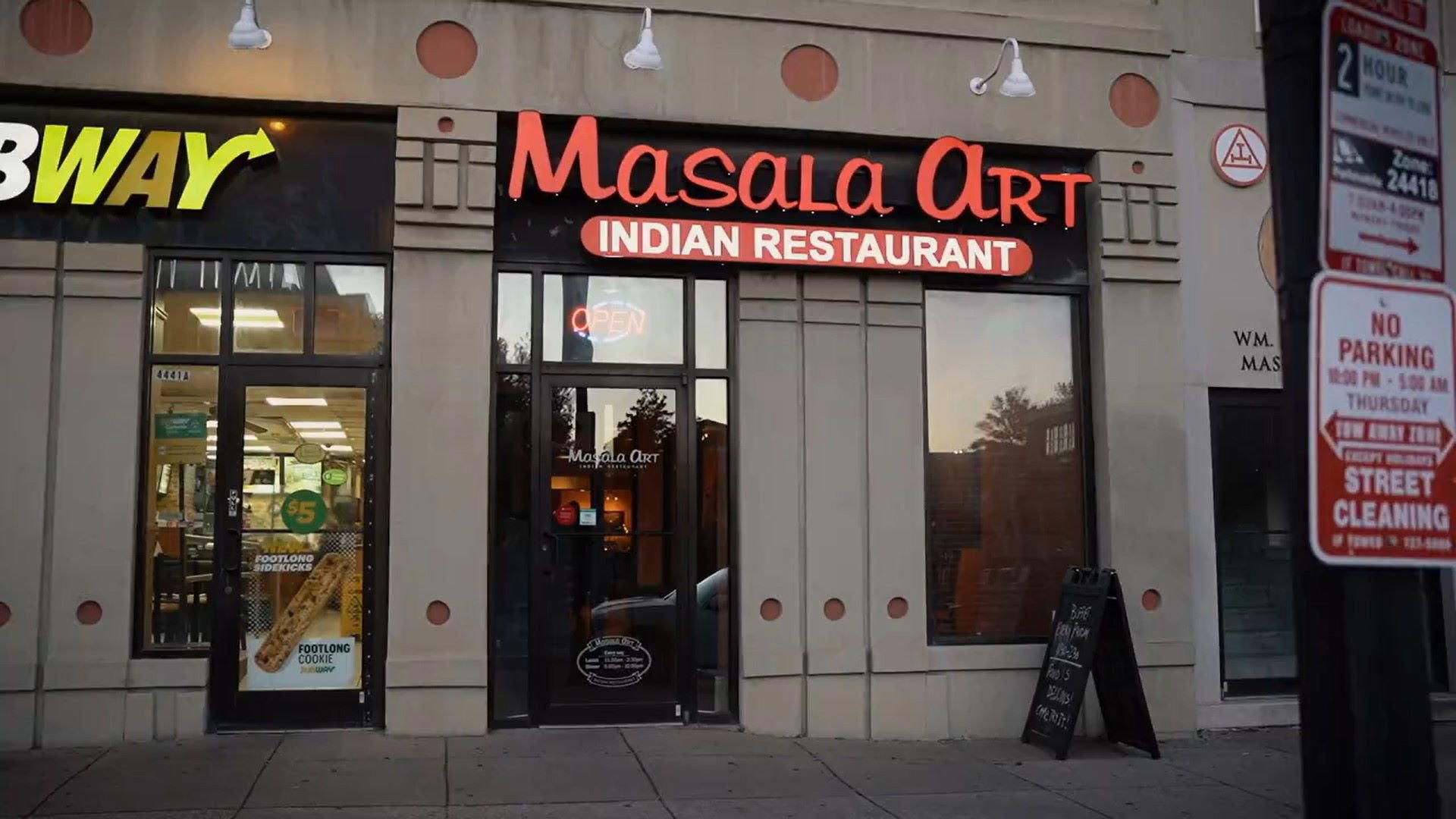
Wisconsin Avenue and the Geography of Indian Dining in D.C.
Washington's Indian restaurant scene has never clustered the way other cuisines do. There is no single neighbourhood block where tandoor smoke drifts between competing kitchens, no equivalent of Jackson Heights or Devon Avenue. Instead, the city's better Indian tables are distributed across residential corridors, anchored by neighbourhood patronage rather than tourist foot traffic. Masala Art, at 4441 Wisconsin Avenue NW, is an Authentic North Indian restaurant in Washington, D.C. with a casual dress code and recommended reservations. It occupies exactly that kind of position: a main artery through upper Northwest, surrounded by apartment buildings and long-established households, where the measure of a restaurant's quality is repeat visits over years rather than a single destination dinner.
That geography matters when reading the room. Wisconsin Avenue in this stretch runs through Tenleytown and toward Friendship Heights, a part of D.C. that generates a steady, informed local clientele without the transient volume of Penn Quarter or 14th Street. Restaurants here survive on consistency. The ones that don't deliver reliably close within eighteen months.
The D.C. Fine Dining Frame
To understand where Masala Art sits, it helps to know what the city's refined dining tier looks like. D.C. has produced a cluster of technically ambitious restaurants in recent years: Jônt, operating as a modern French tasting counter, and minibar, the molecular format that José Andrés built into a nationally referenced benchmark. The city also has strong representation in produce-forward cooking, with Oyster Oyster anchoring the sustainable New American tier, and serious regional imports like Causa bringing Peruvian technique to a four-dollar-sign price point. Middle Eastern cooking has its own refined representative in Albi, which has drawn national attention for reframing Levantine food in a fine dining context.
Masala Art operates in a different register from all of these. It is a neighbourhood Indian restaurant in the fullest sense: not a tasting-menu exercise in subcontinental technique, not a modernist riff on spice traditions, but a kitchen that takes the cooking of the Indian subcontinent seriously on its own terms, in a format accessible to a Wednesday-night dinner rather than a special-occasion blowout. That positioning, consistent and unshowy, is rarer than it sounds in a city that has increasingly pushed its restaurant scene toward performance and spectacle.
Indian Restaurant Wine Programs: A Broader Problem
The assigned editorial angle here is the wine list, and it is worth being honest about the context. Indian restaurants across the United States have historically treated wine as an afterthought, for reasons that are partly cultural, partly practical. The heat and complexity of spice-driven cooking creates pairing challenges that most sommeliers sidestep by defaulting to off-dry Rieslings and aromatic whites, a solution that is technically defensible but narratively thin. The more ambitious Indian fine dining operations in London, driven partly by the competitive pressure of a Michelin-focused market, have pushed harder on wine curation: Gymkhana's cellar, for example, has been noted for depth that goes well beyond the expected Alsatian defaults.
In the United States, the conversation is earlier. Indian restaurants at the neighbourhood tier, which is where Masala Art operates, typically offer a short list weighted toward accessible price points and crowd-pleasing varietals. The case for a deep cellar built around spice-pairing theory requires either a sommelier with genuine investment in the problem or a price-tier that supports the inventory carrying cost. Neither is common at the Wisconsin Avenue end of the market.
If you are arriving at the restaurant with a wine-pairing agenda, ask what is on the list and adjust expectations accordingly. If the program leans toward approachable whites and a short red selection, that is coherent with the restaurant's positioning. The food, not the cellar, is the reason to be there.
Indian Cooking Traditions and What to Order
Indian restaurant menus in the United States have long been filtered through a particular North Indian-Mughal lens: the tandoor-fired breads, the cream-finished gravies, the familiar curry categories that became the dominant export idiom from the 1970s onward. More recent arrivals in the market have pushed against that template, emphasising regional specificity from Chettinad, Kerala, or the Konkan coast. The tension between these approaches, accessible-familiar versus regionally specific, defines much of the current moment in Indian dining across American cities.
The restaurant's Wisconsin Avenue location and neighbourhood positioning suggest a menu that bridges those positions: classical North Indian preparation that a regular clientele knows how to read, with the kind of execution consistency that builds repeat business over years. Dishes to prioritize at this type of restaurant are those where the kitchen's technique shows most directly: breads from a live tandoor, slow-cooked dal preparations, and protein dishes where spice layering is specific rather than generic. These are the items that separate a kitchen that cooks from one that reheats.
How Masala Art Compares Across U.S. Indian Dining
The national frame for serious Indian cooking in the United States runs through a handful of cities. New York has the widest range across price tiers. Chicago's Devon Avenue corridor provides the volume reference point. In the fine dining space, the comparison set reaches toward restaurants like Le Bernardin in New York City not because of cuisine type but because of the broader question of how immigrant-rooted cooking traditions get repositioned at different price tiers. The same question plays out differently at neighbourhood scale, which is where a Washington address like Masala Art's sits relative to, say, a high-production tasting format like Alinea in Chicago or the farm-sourcing ambition of Blue Hill at Stone Barns in Tarrytown.
Within D.C. The restaurant occupies a residential neighbourhood slot that few of the city's attention-receiving restaurants hold. The tasting-counter format that defines The Inn at Little Washington or the technical ambition of Atomix in New York City requires a different kind of commitment from the diner. The restaurant does not ask for that. It asks for an appetite and a return visit.
Planning Your Visit
The restaurant is located at 4441 Wisconsin Avenue NW, accessible from the Tenleytown-AU Metro station on the Red Line, which makes it one of the more straightforwardly reached upper Northwest addresses for visitors without a car. The Wisconsin Avenue corridor has parking available in the adjacent retail blocks, though weekday evenings tend to fill quickly. Booking ahead for weekend dinners is advisable. Dietary accommodation requests are best made at the time of reservation.
Recognition Snapshot
Comparable venues nearby, for context on price, style, and recognition.
| Venue | Cuisine | Price | Notes |
|---|---|---|---|
| Masala ArtThis venue — the venue you are viewing | Authentic North Indian | $$ | Not listed |
| Indique | Modern South Indian | $$ | Cleveland Park |
| Chai Pani | Modern Indian Street Food | $$ | Capital City Market |
| Chai Pani | Indian Street Food & Chaat | $$ | Union Market |
| Jab We Met Indian Kitchen | Authentic Indian Kitchen | $$ | Capitol Hill |
| Pete's New Haven Style Apizza | New Haven-Style Apizza | $$ | Friendship Heights |
Continue exploring
More in Washington DC
Restaurants in Washington DC
Browse all →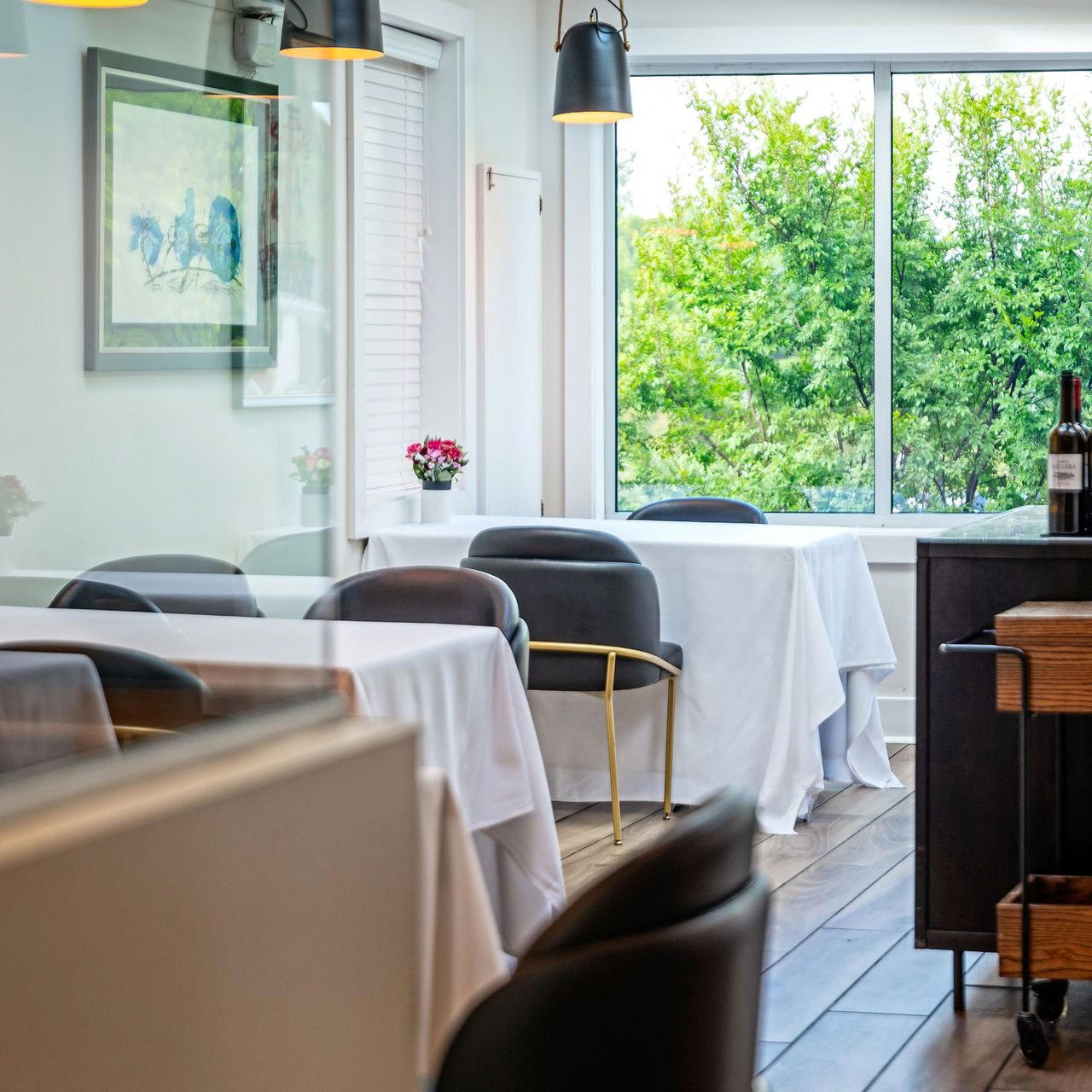
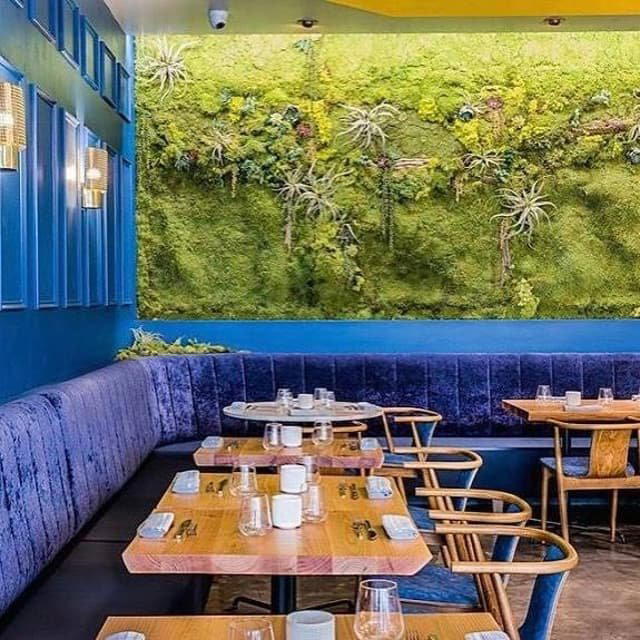
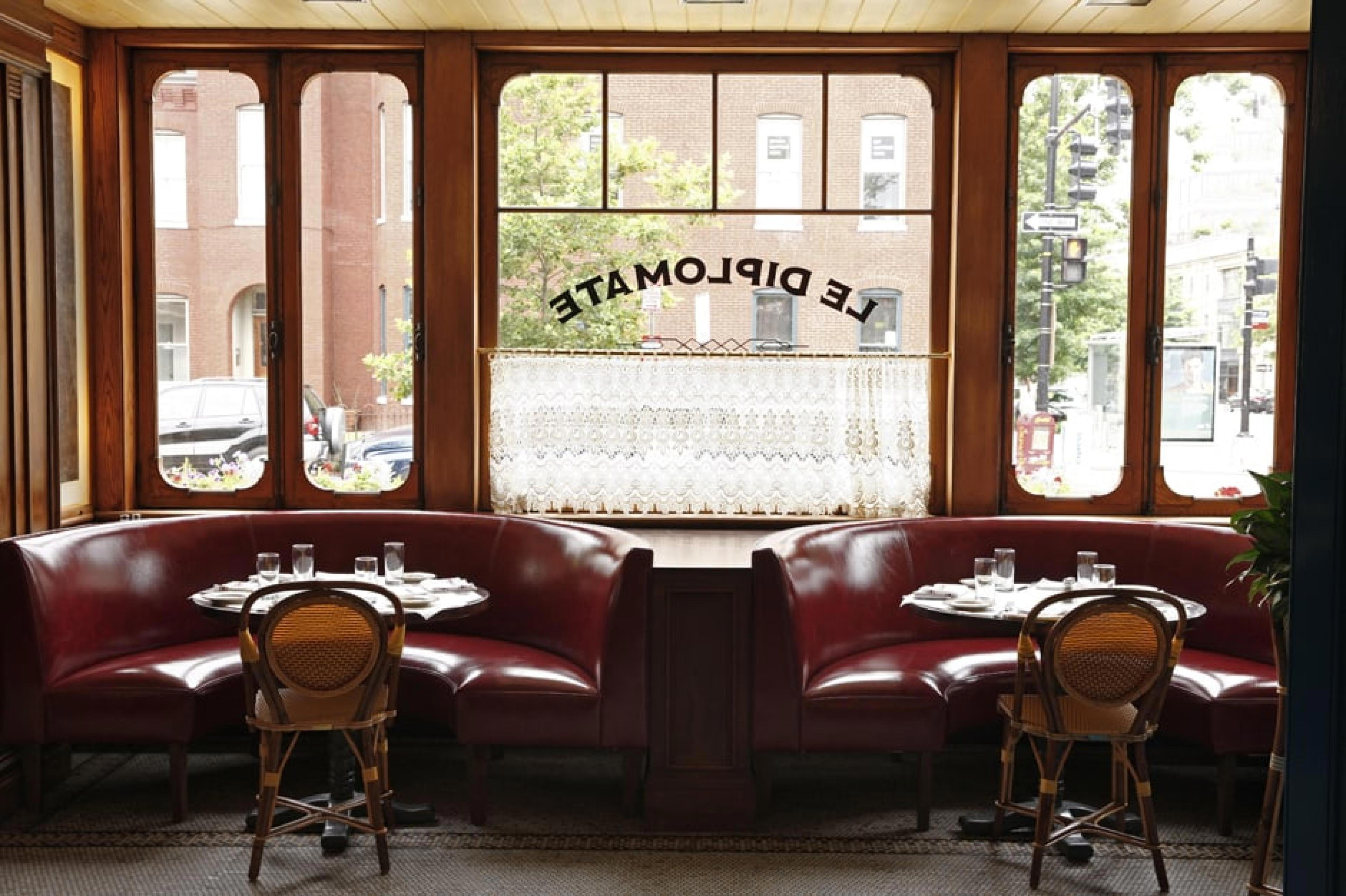
Bars in Washington DC
Browse all →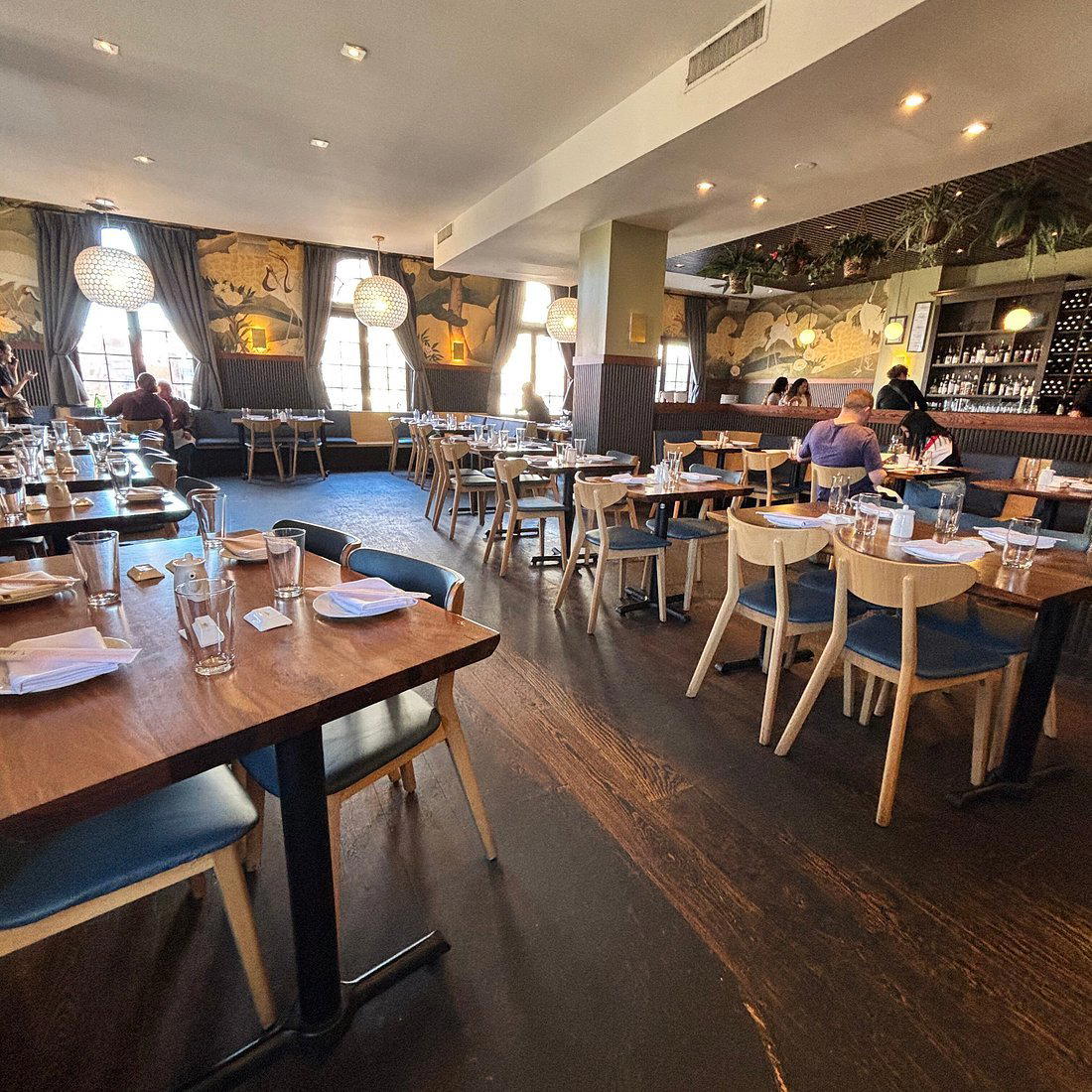
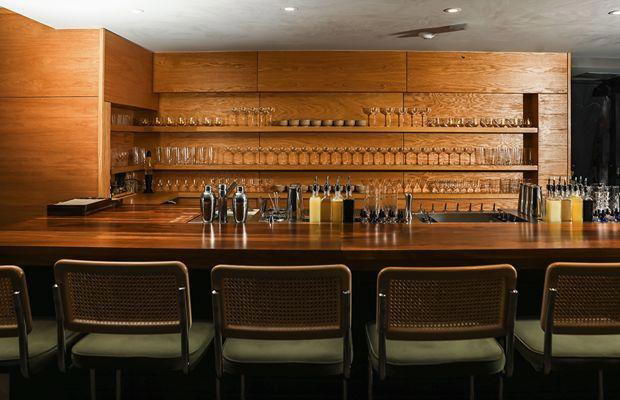
Hotels in Washington DC
Browse all →

At a Glance
- Quiet
- Cozy
- Classic
- Casual Hangout
- Group Dining
- Family
- After Work
- Standalone
Current opening hours
- Monday
- 11:30 AM–2:30 PM, 5–9:50 PM
- Tuesday
- 11:30 AM–2:30 PM, 5–9:50 PM
- Wednesday
- 11:30 AM–2:30 PM, 5–9:50 PM
- Thursday
- 11:30 AM–2:30 PM, 5–9:50 PM
- Friday
- 11:30 AM–2:30 PM, 5–9:50 PM
- Saturday
- 11:30 AM–2:30 PM, 5–9:50 PM
- Sunday
- 5–9:50 PM
Hours can change for holidays and private events. Last verified .
Peaceful and relaxing with light-green walls, comfortably cushioned benches and chairs, and tranquil background music creating a sanctuary-like environment.