Tianfuzius occupies a Schöneberg address at Regensburger Strasse 1, sitting within one of Berlin's more considered mid-city dining corridors. The kitchen works at the intersection of Asian technique and European produce, a pairing that has become increasingly competitive in a city where serious diners track this territory closely. It belongs in the conversation alongside Berlin's broader wave of global-method, local-ingredient cooking.
Pearl is the En Primeur Club membership app — saves, bookings, and concierge access live there. Same editors, same standards.
- Address
- Regensburger Str. 1, 10777 Berlin, Germany
- Phone
- +493091539833
- Website
- tianfu.de
- Directions
- Get directions
 Saves & bookings on Pearl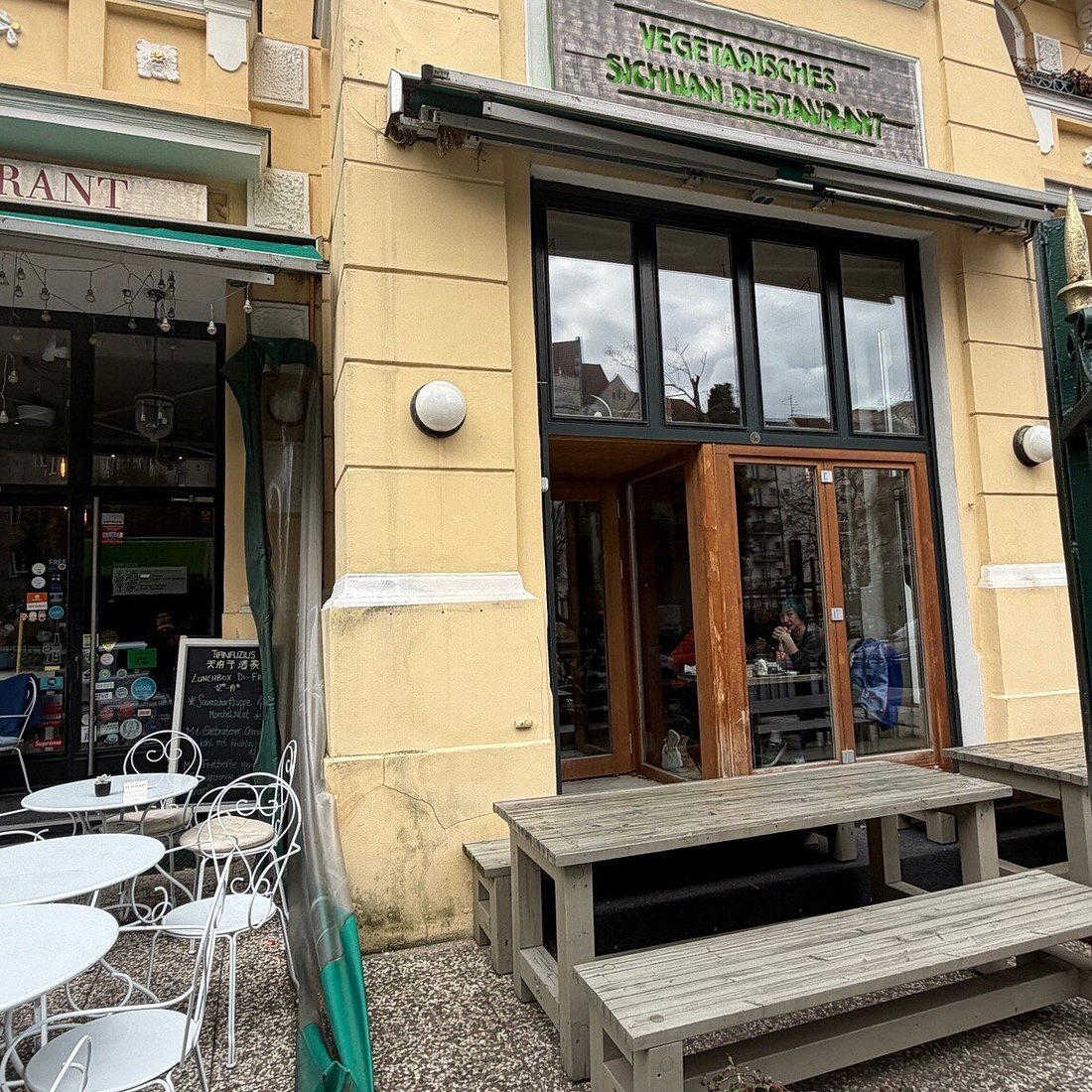
Schöneberg as a Dining Address
Berlin's dining map has never been uniform. Tianfuzius is a vegetarian Sichuan Chinese restaurant in Schöneberg, Berlin, at Regensburger Str. 1, 10777 Berlin. The concentration of Michelin-starred rooms in Mitte and Tiergarten, anchored by places like FACIL and Rutz, sits at one end of the city's ambition spectrum. Schöneberg operates differently: quieter in register, more neighbourhood-facing, and increasingly home to kitchens that do serious work without the trophy-room staging. Regensburger Strasse 1 is that kind of address, close enough to the Kurfürstendamm axis to draw a wider audience, but rooted in a district that rewards the diner who arrives with some intention rather than passing through.
The physical approach along Regensburger Strasse is low-key by design. The street itself is residential in character, with the kind of unhurried pace that allows a restaurant to let its food do the signalling rather than its frontage. Walking in, the room tends toward a contained scale, the format common to Berlin kitchens that prioritise a controlled service ratio over volume.
Asian Technique Meets European Produce
The broader shift in serious European dining over the past decade has involved a sustained negotiation between imported culinary methods and the local ingredient base. At the French end, this produced the wave of Japanese-French hybrids now common in Paris and Berlin alike. At the Chinese end, it has been slower, more contested, and considerably more interesting when it works. The question a kitchen like Tianfuzius engages with is whether classical or regional Chinese technique, its approach to heat, timing, sauce architecture, and texture, can be applied to German-European seasonal produce in a way that produces something coherent rather than just novel.
This is the same territory that Restaurant Tim Raue staked out and made internationally legible, earning two Michelin stars in the process. Raue's kitchen demonstrated that Berlin audiences would engage seriously with Asian-coded fine dining when the technique was precise and the sourcing disciplined. The category has since expanded, with Tianfuzius occupying a more focused, smaller-footprint position in that broader movement.
Where larger-format rooms using Asian reference points often broaden the frame to cover multiple regional traditions, a tighter operation tends to commit more specifically, whether to the fermentation logic of Sichuan cooking, the delicacy of Cantonese preparation, or the structural principles of Shanghainese cuisine. The discipline that comes with commitment to a specific tradition is one reason the cross-technique model works at all: without it, the result is fusion in the pejorative sense, where disparate elements sit beside each other without genuine synthesis.
The Seasonal Argument for Visiting Now
Autumn and winter are the seasons that test a kitchen's relationship with European produce most directly. Summer in Germany offers an embarrassment of options, stone fruit, wild herbs, tomatoes that require almost nothing from the cook. The colder months are when a kitchen's sourcing relationships and technical depth become legible. Root vegetables, aged game, preserved and fermented ingredients: these are the materials that reward technique over abundance. A kitchen that applies Chinese-inflected methods to this seasonal palette, using the wok's high-heat capability on bitter greens, or applying a master-stock approach to cold-season proteins, is making a more specific argument than one that works through the easier summer months.
For the diner planning a Berlin visit between October and March, the city's more technically demanding kitchens tend to be at their most resolved. The parallel is visible across the starred tier: Nobelhart & Schmutzig, which enforces a strict local-sourcing discipline, is most austere and most interesting in the depths of winter, when the constraint forces genuine creativity. The same logic applies, differently expressed, at Tianfuzius.
Where Tianfuzius Sits in the Berlin Picture
Berlin's upper-mid tier of serious restaurants has grown substantially in the past five years. Below the Michelin-starred bracket occupied by CODA Dessert Dining and the rooms mentioned above, there is a denser and more competitive set of kitchens doing focused, skilled work without the institutional recognition. This is where Tianfuzius operates, in a peer group where the differentiator is specificity of approach rather than accumulated awards.
The comparison set for a restaurant in this position is not just other Asian-influenced Berlin kitchens but the broader European field of cross-technique cooking. Operations like Atomix in New York, which frames Korean culinary tradition through a fine-dining lens and has accumulated significant critical recognition, represent one version of how this approach can be positioned at the highest level. Closer to home, the trajectory of German fine dining outside Berlin, through rooms like Aqua in Wolfsburg, JAN in Munich, and Victor's Fine Dining by Christian Bau in Perl, demonstrates the appetite in the German market for kitchens that bring international technique to bear on European produce with rigour. Tianfuzius is making a version of that argument within a specifically Berlin register.
For context on the full spread of serious dining across Germany, rooms like Schwarzwaldstube in Baiersbronn, Vendôme in Bergisch Gladbach, ES:SENZ in Grassau, Waldhotel Sonnora in Dreis, Restaurant Haerlin in Hamburg, Schanz in Piesport, and Bagatelle in Trier illustrate how widely the country's serious kitchens are distributed. Berlin's version of this ambition has historically been more urban, more international in reference, and more willing to absorb influences from outside the European classical tradition. Tianfuzius fits that pattern.
For diners building a Berlin itinerary around more than one serious meal, the EP Club's full Berlin restaurants guide maps the city's dining options across price tiers and cuisines, including rooms like Le Bernardin's New York counterpart for those interested in how European technique travels in the other direction. The cross-reference is useful: understanding how a cuisine tradition moves between contexts is the leading preparation for appreciating what a kitchen like Tianfuzius is attempting to do.
Planning Your Visit
Tianfuzius is located at Regensburger Strasse 1, 10777 Berlin, in the Schöneberg district. The address is within walking distance of the Nollendorfplatz U-Bahn station, making it accessible without a taxi from most central Berlin hotels. Given the restaurant's neighbourhood position and mid-sized format, advance booking is advisable, particularly on weekend evenings when Schöneberg's dining options draw from across the city. Pricing is around $25 per person, and the restaurant is open Tue to Fri 12 to 3 PM and 5:30 to 10:30 PM, Sat 12 to 11 PM, and Sun 12 to 10:30 PM; it is closed Monday.
Peers You’d Cross-Shop
Comparable venues nearby, for context on price, style, and recognition.
| Venue | Cuisine | Price | Notes |
|---|---|---|---|
| TianfuziusThis venue — the venue you are viewing | Vegetarian Sichuan Chinese | $$$ | Not listed |
| Provocateur | French-Chinese Fusion | $$$ | Wilmersdorf |
| UUU | Modern Chinese Fine Dining | $$$ | Wedding |
| Boujee | Georgian, Russian, Ukrainian & European Fusion | $$$ | Wilmersdorf |
| MIYO Sushi Experience | Modern Japanese Sushi | $$$ | Charlottenburg |
| King David Garden | Kosher Israeli | $$$ | Wilmersdorf |
Continue exploring
More in Berlin
Restaurants in Berlin
Browse all →
Bars in Berlin
Browse all →
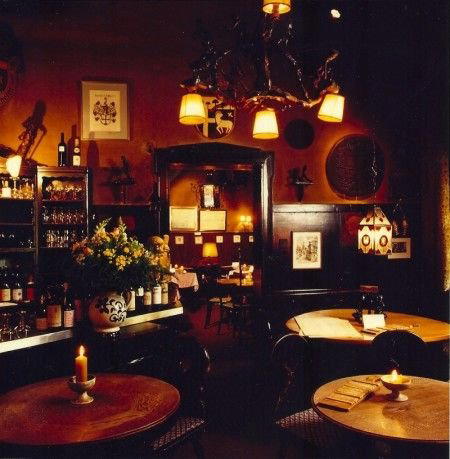
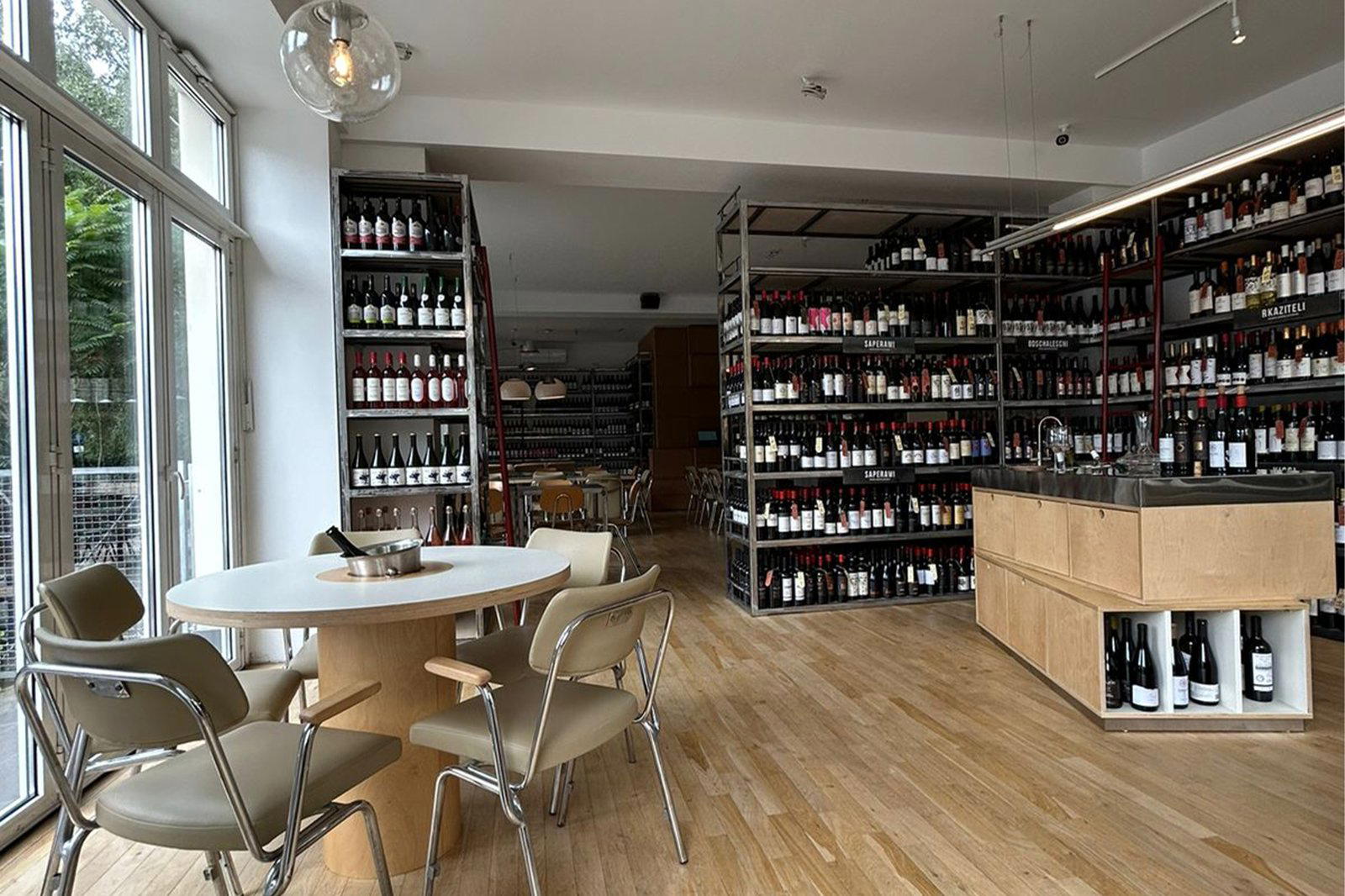
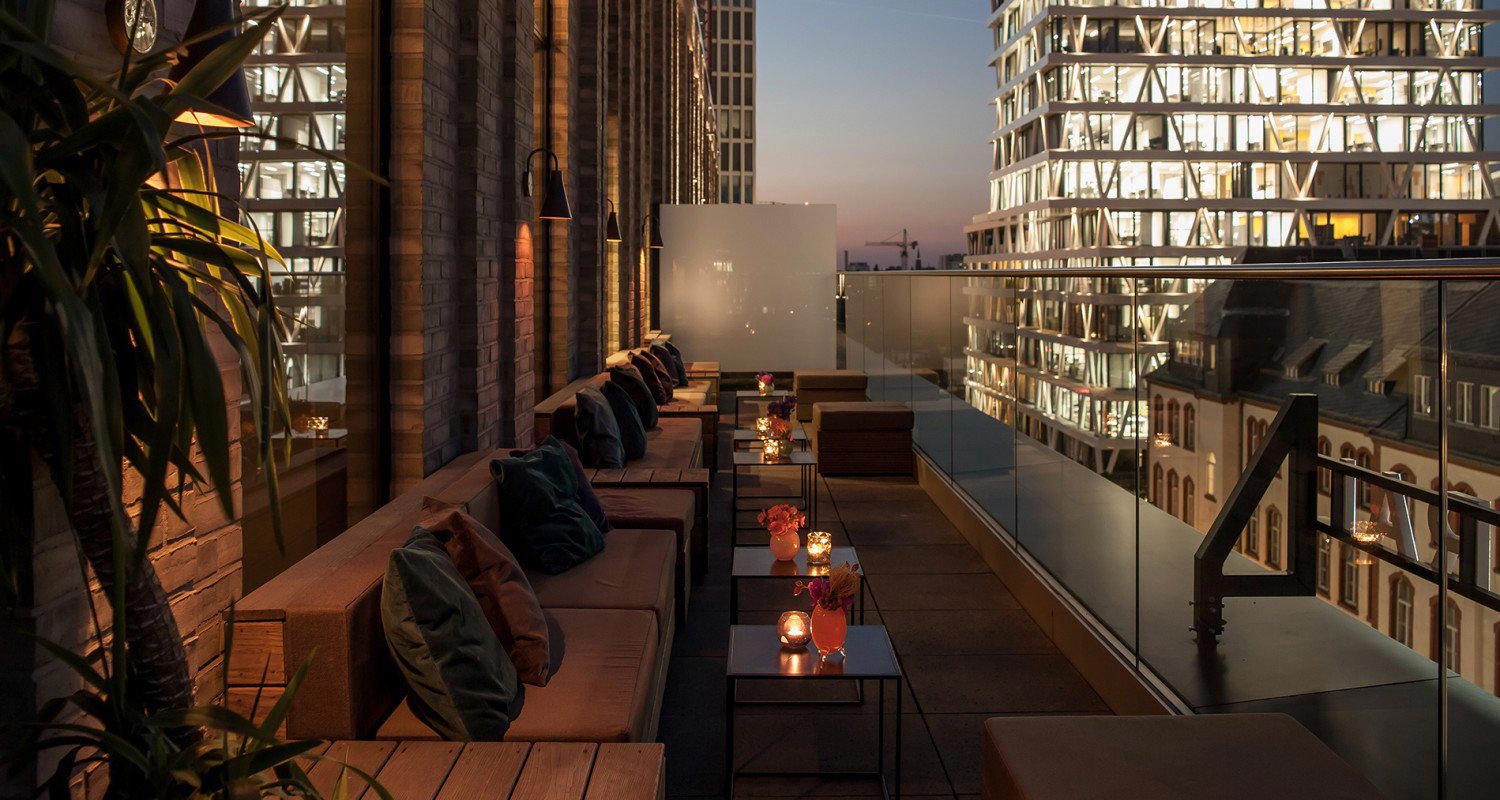
Hotels in Berlin
Browse all →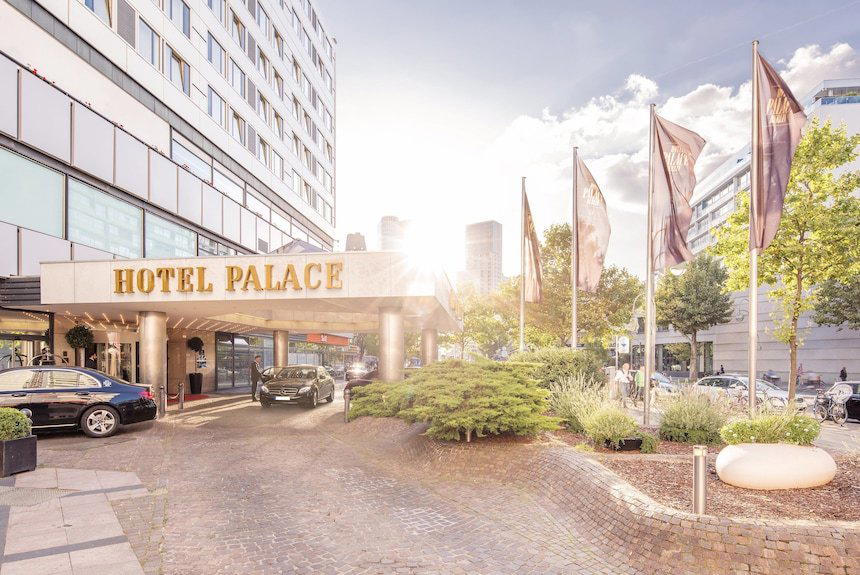


At a Glance
- Modern
- Cozy
- Elegant
- Casual Hangout
- Group Dining
- Open Kitchen
Current opening hours
- Monday
- Closed
- Tuesday
- 12–3 PM, 5:30–10:30 PM
- Wednesday
- 12–3 PM, 5:30–10:30 PM
- Thursday
- 12–3 PM, 5:30–10:30 PM
- Friday
- 12–3 PM, 5:30–10:30 PM
- Saturday
- 12–11 PM
- Sunday
- 12–10:30 PM
Hours can change for holidays and private events. Last verified .
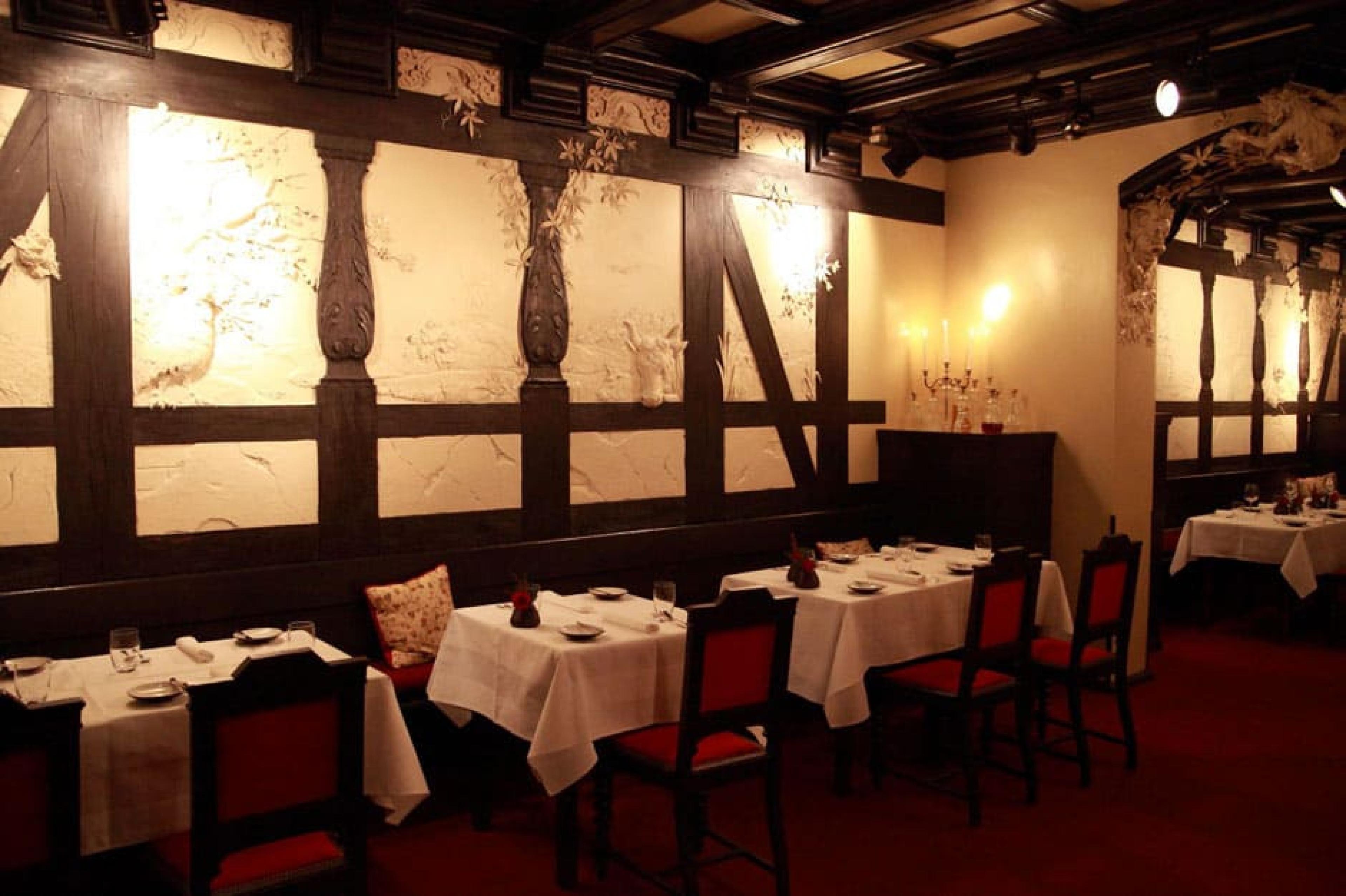
Inviting contemporary interior aesthetically reminiscent of colonial times with an open kitchen.