Provocateur occupies a quietly residential stretch of Charlottenburg, where Berlin's fine-dining scene operates at a different register than the louder kitchens further east. The address on Brandenburgische Strasse positions it within a neighbourhood that has long hosted serious restaurants without the noise that surrounds them. What distinguishes the venue within its comparable set is a mood that shifts substantially between daytime and evening service.
Pearl is the En Primeur Club membership app — saves, bookings, and concierge access live there. Same editors, same standards.
- Address
- Brandenburgische Str. 21, 10707 Berlin, Germany
- Phone
- +493022056060
- Website
- provocateur-hotel.com
- Directions
- Get directions
 Saves & bookings on Pearl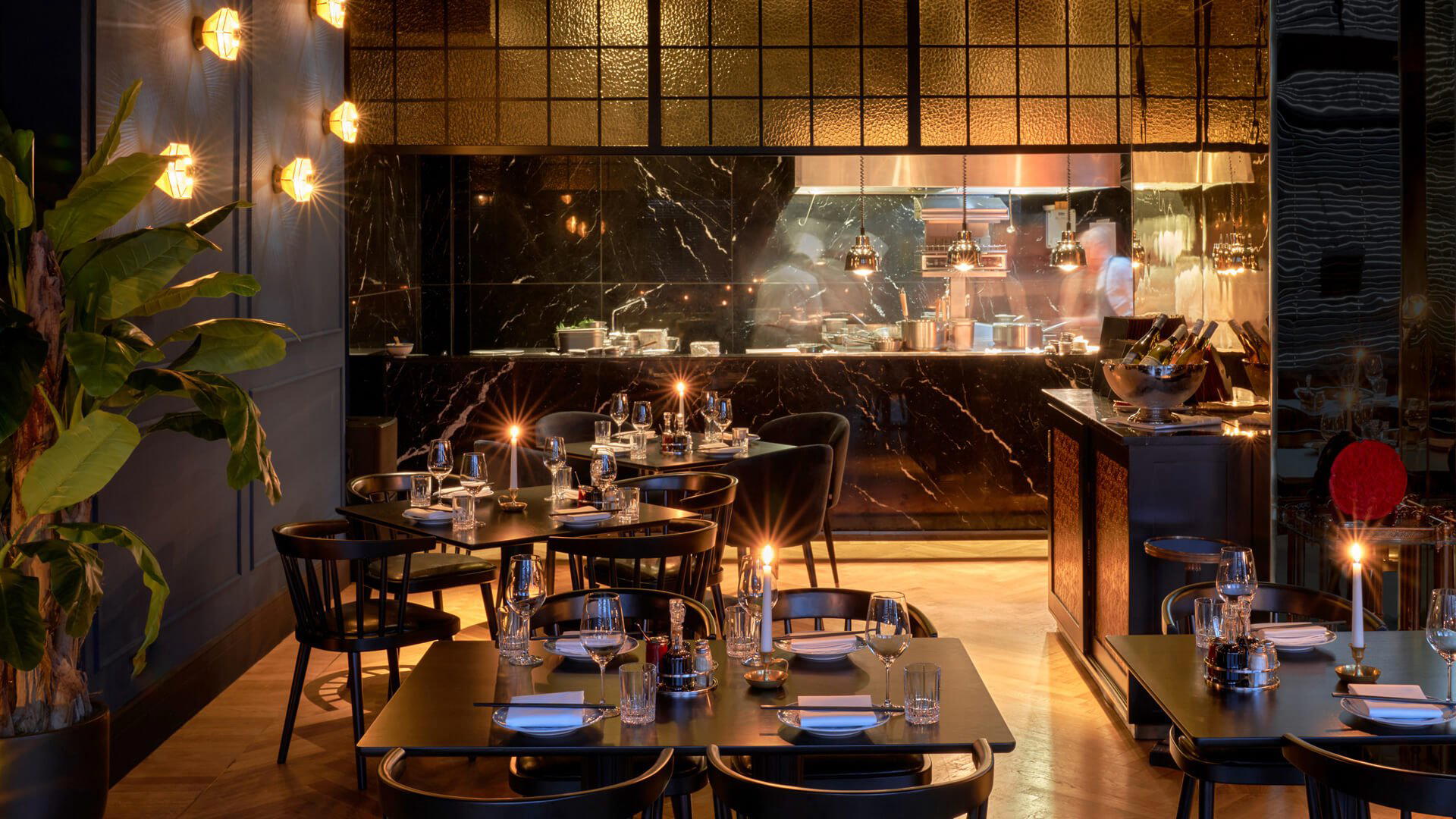
Charlottenburg's Quieter Register
Berlin's restaurant conversation tends to default to Mitte, Kreuzberg, and Prenzlauer Berg, the neighbourhoods that generate particularly column inches and particularly ambitious tasting menus. Charlottenburg operates at a different frequency. The district's dining rooms have historically attracted a clientele less interested in spectacle and more interested in consistency, and the streets around Kurfürstendamm and its lateral arteries have accumulated a concentration of serious addresses that rarely seek attention on their own terms. Brandenburgische Strasse sits within that quieter radius, at number 21, where Provocateur has established itself as a French-Chinese Fusion restaurant in Berlin.
Rutz and Nobelhart & Schmutzig in Mitte operate around highly defined editorial identities, hyper-regional sourcing in Nobelhart's case, wine-forward progression at Rutz, while FACIL in the Potsdamer Platz Mandala Hotel plays a different game entirely, anchored to a hotel footprint that guarantees a particular kind of international guest. Provocateur's Charlottenburg address puts it in a comparable set that competes less on concept and more on execution and atmosphere, where the neighbourhood itself functions as a form of positioning.
The Lunch and Dinner Divide
In most serious European dining rooms, the gap between lunch and dinner service is more than a shift in lighting. It is a structural difference in who is at the table, what they expect, and how the kitchen responds. This divide is particularly legible in Charlottenburg, where the daytime clientele skews towards the professional and the locally resident rather than the destination-dining visitor who has booked three months ahead for a Friday evening.
Lunch at venues in this tier tends to compress the format, fewer courses, shorter wine engagement, quicker pacing, without sacrificing the technical level of the kitchen. For a neighbourhood address like Provocateur, this creates a genuine value argument at midday that evening service, with its fuller format and longer table time, does not replicate. Across the German fine-dining tier more broadly, this pattern holds: restaurants carrying serious culinary credentials often offer their most accessible entry point at lunch, where the price-to-execution ratio is at its most favourable and the room operates with less ceremony. Comparable dynamics are visible at JAN in Munich and Restaurant Haerlin in Hamburg, where midday service attracts a different guest profile without diluting kitchen standards.
Evening service at venues in Charlottenburg's upper-middle tier shifts towards longer progression and more deliberate pacing. The mood in the room changes not because the kitchen changes but because the guest does. A Friday or Saturday dinner at this address is more likely to seat guests who have travelled for the meal or who are marking an occasion, and the room's atmosphere adjusts accordingly. This is not distinctive to Berlin, but in Charlottenburg it is particularly pronounced because the neighbourhood's daytime energy is residential rather than tourist-facing.
Berlin's Fine-Dining comparable set in Context
The city's Michelin-recognised addresses form a loosely connected but internally competitive set. CODA Dessert Dining operates in an almost entirely separate category, built around a dessert-led tasting format that has attracted two Michelin stars and a devoted following with a narrow but committed format. Restaurant Tim Raue anchors the city's highest-profile tier with two stars and a China-inflected kitchen that has made it one of Germany's most internationally referenced restaurants. These addresses set the benchmark against which neighbourhood-anchored venues are implicitly measured, even when they are competing in a different bracket.
Victor's Fine Dining by Christian Bau in Perl, Schwarzwaldstube in Baiersbronn, and Vendôme in Bergisch Gladbach represent the country's three-star tier, operating in formats that are more destination-specific and less embedded in urban neighbourhood rhythms. Berlin's restaurants, including those in Charlottenburg, tend to be more city-integrated and less resort-dependent than the upper-tier provincial addresses. Waldhotel Sonnora in Dreis and ES:SENZ in Grassau illustrate this point further, their settings are fundamentally different propositions from an urban neighbourhood address. Aqua in Wolfsburg and Schanz in Piesport similarly depend on destination logic that a Charlottenburg address does not require or claim.
Bagatelle in Trier offers a closer German regional comparison, anchored to a more intimate city setting and a similar neighbourhood-level positioning.
What the Address Signals
Brandenburgische Strasse 21 is in the postal district 10707, a Charlottenburg designation that carries specific associations within Berlin's dining geography. The streets in this zone attract residents rather than transient visitors, and the restaurants that survive here tend to do so on repeat local clientele rather than on tourist throughput. This is a meaningful structural difference from the Mitte addresses that depend more heavily on hotel guests and international visitors. A venue that holds its position in this neighbourhood is doing so on the quality of its food and the consistency of its service over time, the residential clientele is less forgiving of decline precisely because they return regularly.
For visitors to Berlin approaching Charlottenburg as a dining district, the area rewards a different kind of planning than the more obvious eastern neighbourhoods. The concentration of serious addresses is higher per square kilometre than casual browsing suggests, and the absence of marketing noise around them is itself a signal worth reading.
Planning Your Visit
| Venue | Location | Format | Price Tier | Booking Lead Time |
|---|---|---|---|---|
| Provocateur | Charlottenburg | À la carte / evening dining | Not confirmed | Not confirmed |
| Rutz | Mitte | Tasting menu, wine-forward | €€€€ | Several weeks ahead |
| Nobelhart & Schmutzig | Mitte | Set menu, hyper-regional | €€€€ | Several weeks ahead |
| FACIL | Potsdamer Platz | Tasting menu, hotel-anchored | €€€€ | Several weeks ahead |
| CODA Dessert Dining | Neukölln | Dessert-led tasting menu | €€€€ | Several weeks ahead |
Category Peers
Comparable venues nearby, for context on price, style, and recognition.
| Venue | Cuisine | Price | Notes |
|---|---|---|---|
| ProvocateurThis venue — the venue you are viewing | French-Chinese Fusion | $$$ | Not listed |
| Wen Cheng | Hand-Pulled Chinese Noodles | $$ | Prenzlauer Berg |
| Lon-Men's Noodle House | Authentic Taiwanese Noodles | $$ | Charlottenburg |
| Tianfuzius | Vegetarian Sichuan Chinese | $$$ | Schoneberg |
| Lecker Song | Traditional Chinese Dumplings | $$ | Prenzlauer Berg |
| Ting Song Hotpot Restaurant 随园·听松 | Authentic Chinese Hotpot | $$$ | Wilmersdorf |
Continue exploring
More in Berlin
Restaurants in Berlin
Browse all →
Bars in Berlin
Browse all →
Hotels in Berlin
Browse all →

At a Glance
- Elegant
- Sophisticated
- Intimate
- Trendy
- Date Night
- Special Occasion
- Hotel Restaurant
- Craft Cocktails
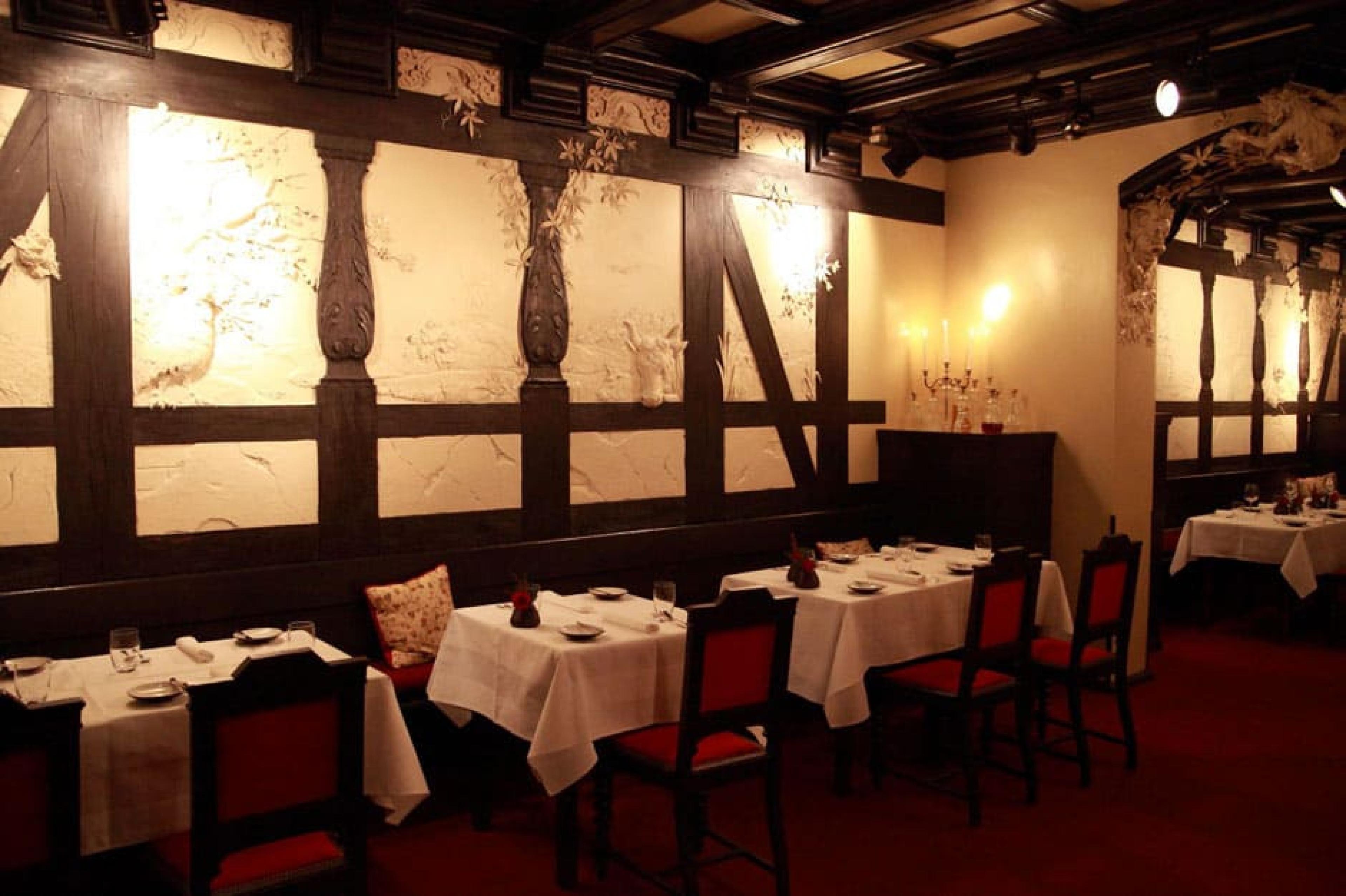
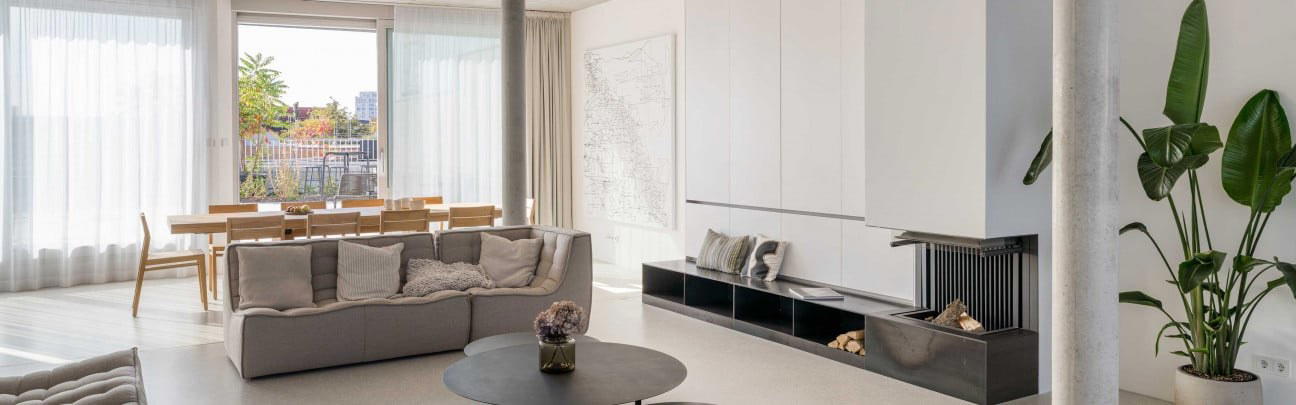
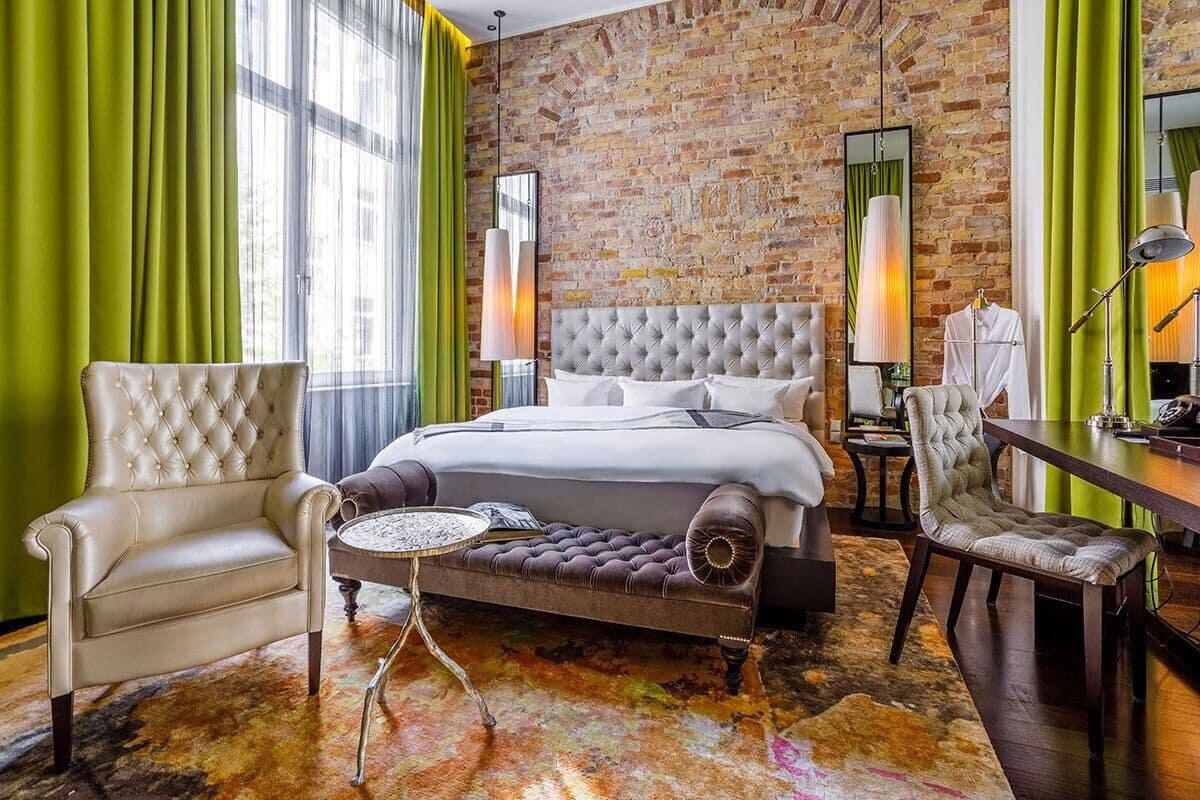
Red velvet, dimly-lit atmosphere with burlesque charm evoking the glamorous 1920s.