THEDL
THEDL occupies a direct address on Via Venosta in Partschins, a South Tyrolean village where the Tyrolean-Italian culinary inheritance is present in its more grounded form. Positioned within a small local dining scene alongside addresses like Onkel Taa and Restaurant Panorama, it sits at the quieter, more deliberate end of a regional restaurant culture that values proximity to source over metropolitan polish.
Pearl is the En Primeur Club membership app — saves, bookings, and concierge access live there. Same editors, same standards.
- Address
- Via Venosta, 105, 39020 Parcines BZ, Italy
- Phone
- +39473967796
- Website
- thedl.it
- Directions
- Get directions
 Saves & bookings on Pearl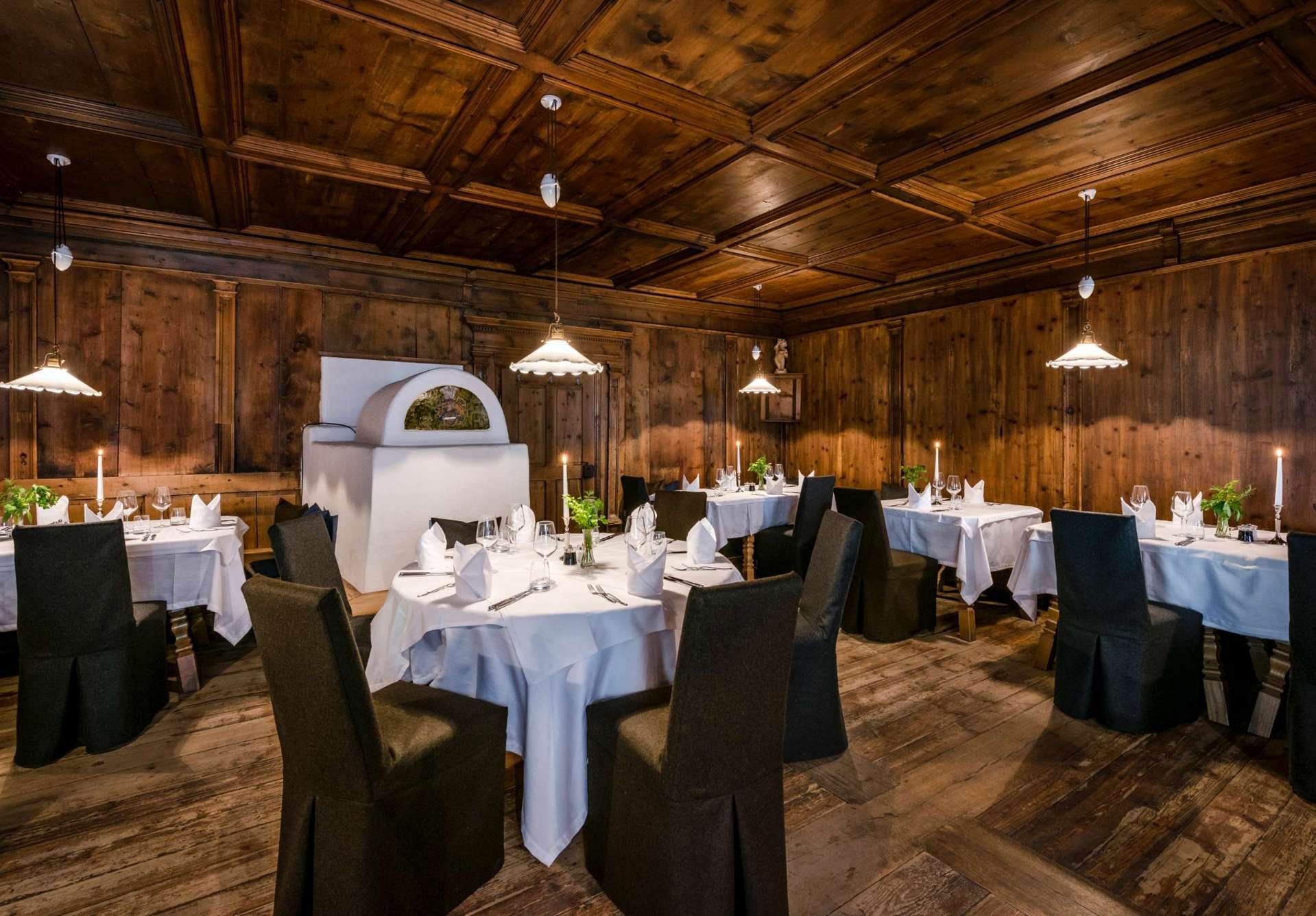
Dining in the Venosta Valley: A Frame for THEDL
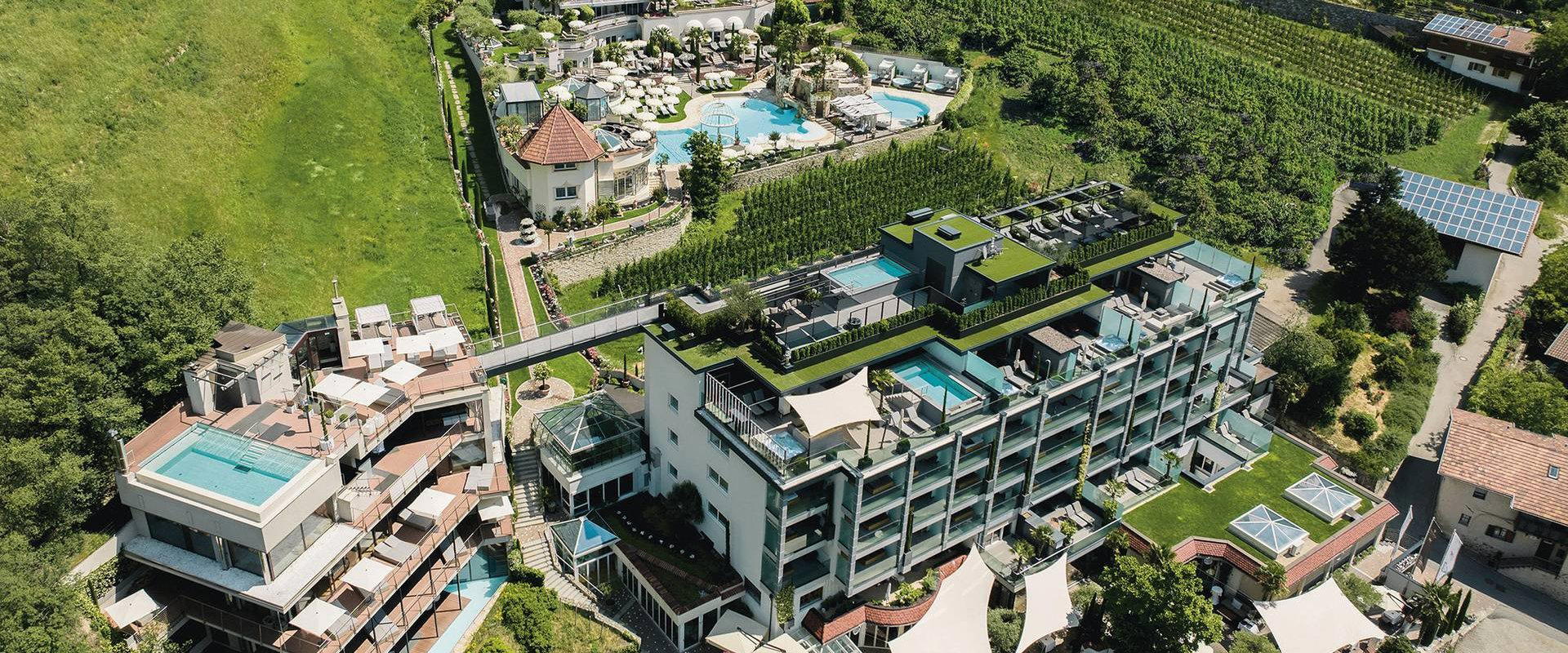
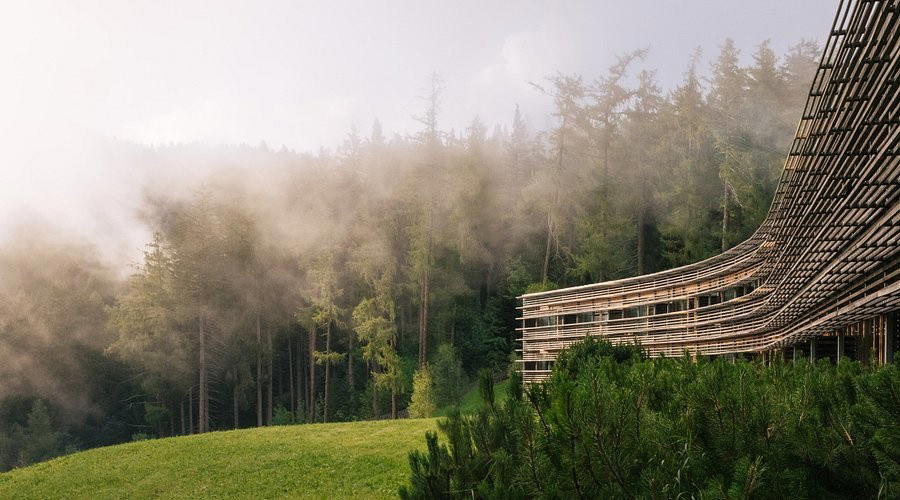
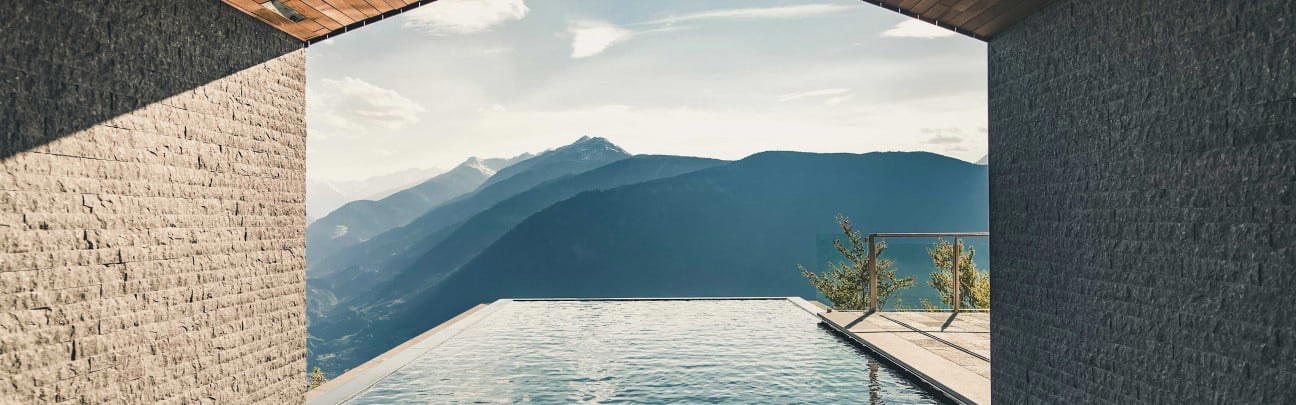
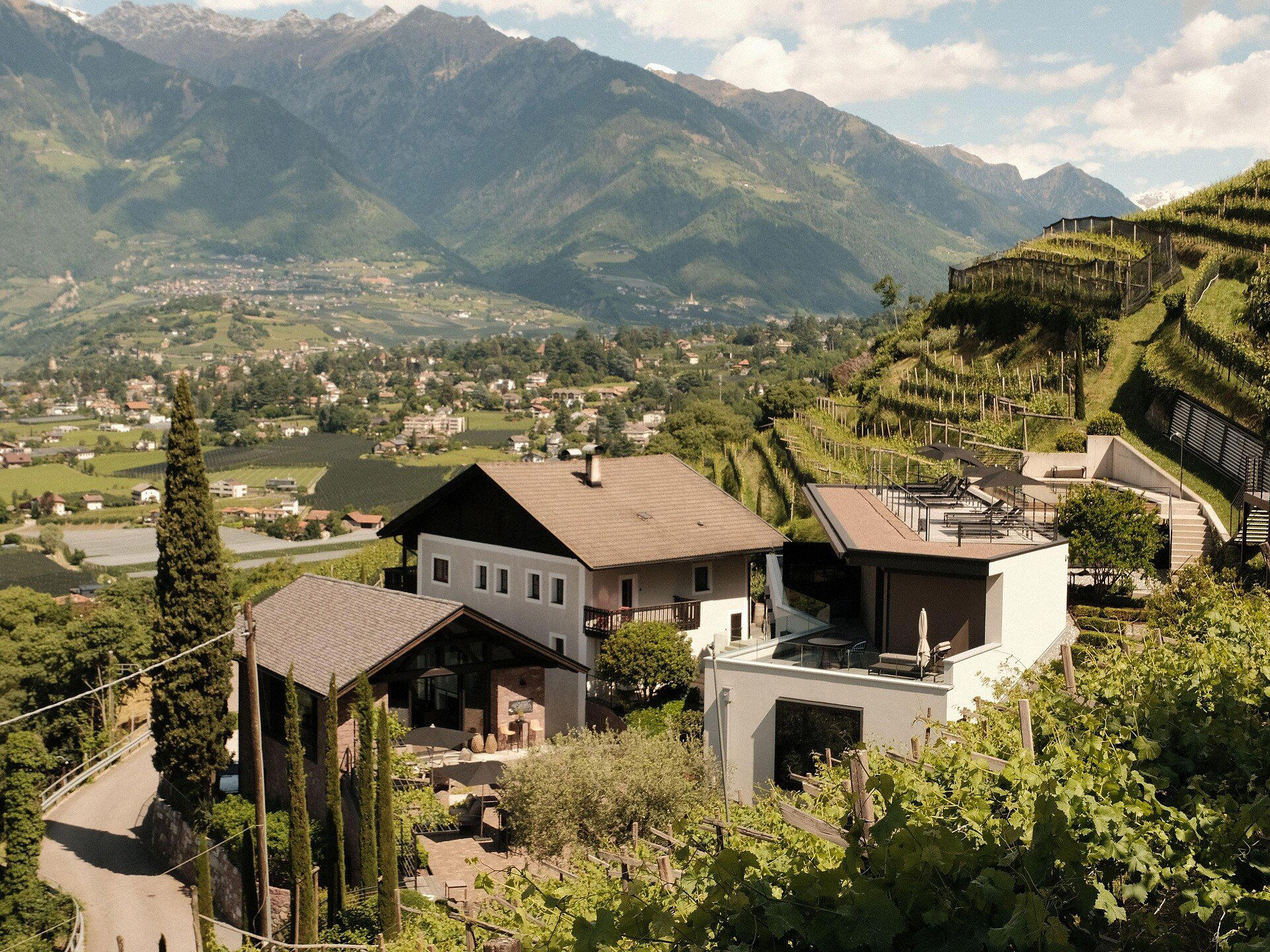
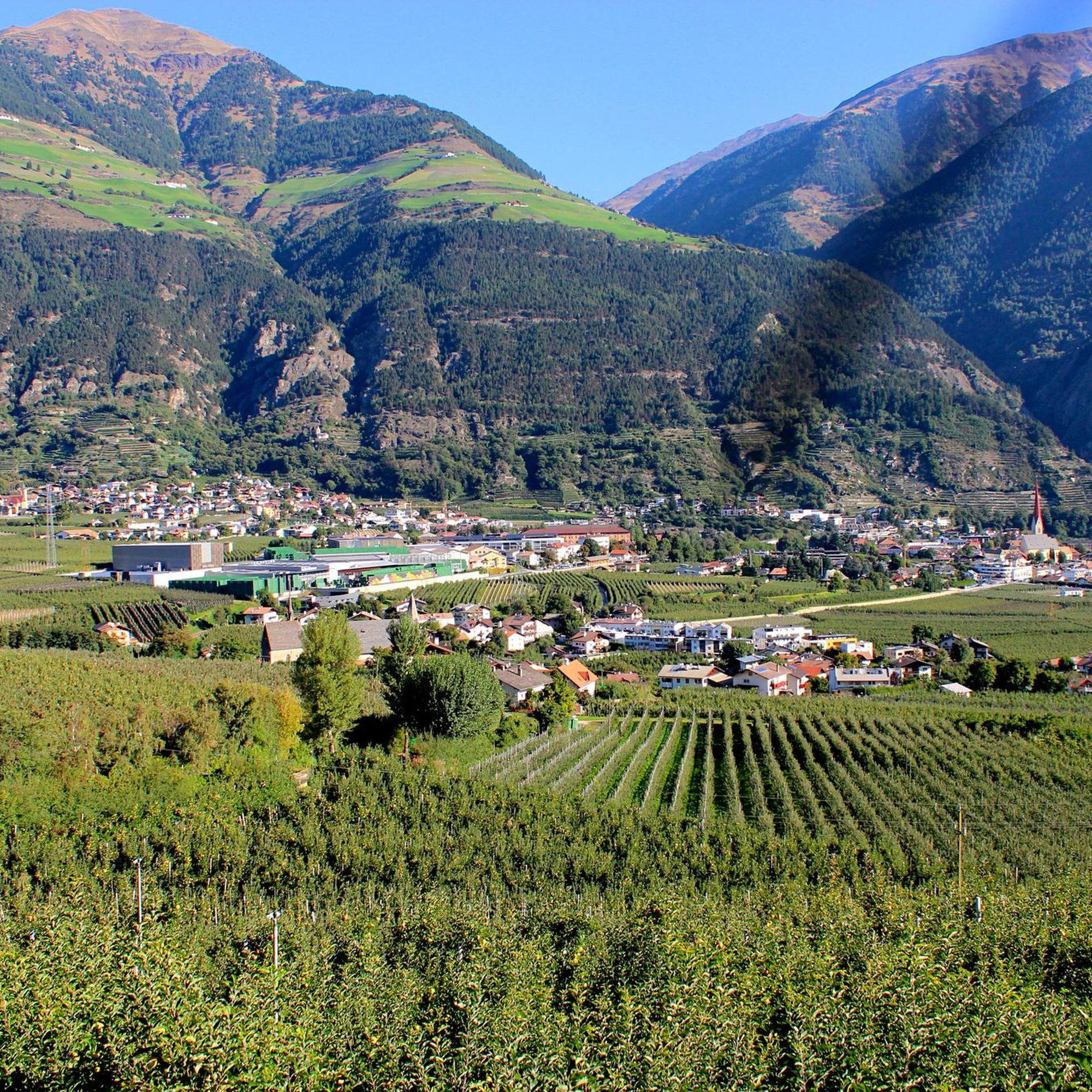
The approach to Partschins from the valley floor sets a particular kind of expectation. Apple orchards press against the road on either side, the Texelgruppe ridgeline holds a permanent snowcap above the village, and the rhythm of South Tyrol's agricultural calendar is legible in every direction. It is the kind of setting that shapes what eating here means before a fork is lifted. The address alone situates it on one of the valley's principal arteries, where the eating tradition is less about urban restaurant theatre and more about the slower, more deliberate ritual of a meal anchored to place.
South Tyrol's Dining Tradition and Where Partschins Fits
South Tyrol occupies a specific and somewhat unusual position in Italian dining. The region's kitchens draw from both the Italian south-of-Alps sensibility and the Central European Tyrolean inheritance, producing a cuisine that uses speck, barley, wild herbs, and mountain dairy alongside structures more commonly found in northern Italy. The result is a dining culture with its own logic: courses tend to be substantive rather than decorative, wine pours frequently favour the region's Gewürztraminer, Lagrein, and Vernatsch, and the meal is understood as an event with its own tempo.
At the prestige end of this regional spectrum, places like Atelier Moessmer Norbert Niederkofler in Brunico have built international reputations on a strict Alpine sourcing philosophy. Further south in Italy, references for the country's fine dining benchmark include Osteria Francescana in Modena, Piazza Duomo in Alba, and Le Calandre in Rubano. Partschins, by contrast, operates at a more local register. That is not a diminishment. Particularly considered eating in any country happens at this scale, where the dining ritual is less about performance and more about consistency to a place.
The Ritual of the Meal in a Village Setting
In smaller South Tyrolean communes, the structure of a meal at a local restaurant tends to follow conventions that city restaurants often approximate but rarely replicate. The pace is set by the kitchen, not the table's impatience. Antipasti arrive without ceremony but with precision. Wine is frequently local and poured by someone who knows what is in the bottle. The room is usually not large. The window, if there is one, faces something worth looking at. Conversation between courses is not incidental to the experience; it is part of its design.
This kind of dining ritual has parallels in formats elsewhere: the long tasting room meal at a property like Dal Pescatore in Runate, where a family-run kitchen has operated for generations within a defined geography, or the coastal rhythm at Uliassi in Senigallia, where the meal is calibrated to the light outside. In each case, the format is less about novelty and more about return: the reader comes back because the ritual itself is the product.
Partschins Within Italy's Broader Dining Geography
Italy's premium dining geography is concentrated in predictable clusters: Milan, Modena, Rome, the Piedmont countryside, the Adriatic coast. The capital-tier references are well documented. La Pergola in Rome holds three Michelin stars. Enoteca Pinchiorri in Florence carries one of the country's most cited wine cellars. Enrico Bartolini in Milan works within creative territory. These are the anchor references. The reader who moves through them will eventually find that strong meals often happen at smaller scale, in rooms with less ambient ambition, in towns where the kitchen's relationship to its immediate geography is not a marketing claim but simply a fact of supply.
Partschins is that kind of town. The Venosta valley produces some of Italy's most distinctive apple varieties; the surrounding pastures support dairy of reliable character; the proximity to the Austrian border means that Tyrolean bread culture and cured meat traditions are present in their more authentic forms. A table here is, in that sense, positioned at a source rather than at a remove from one.
Comparing Formats Across Italy's Restaurant Spectrum
Italy's restaurant register runs from the internationally recognised tasting-menu format down through regional trattorias to the kind of village address that locals reference without anyone having written a formal review. Reale in Castel di Sangro sits at the prestige end of the regional restaurant category, holding three Michelin stars in a town of comparable scale to Partschins. Quattro Passi in Marina del Cantone operates with Michelin recognition in a coastal village context. Casa Perbellini 12 Apostoli in Verona holds its position within a city that is itself smaller than Italy's gastronomic capitals. The pattern across all of these is that geographic remoteness from a metropolitan centre does not determine quality; it determines format and audience.
For the reader planning time in the Burggrafenamt area, Partschins sits within easy reach of Merano, the region's main spa and cultural centre. The village addresses in this area tend to reward advance planning.
Other Partschins Addresses Worth Knowing
Partschins carries a small but legible restaurant scene. Onkel Taa at the K.u.K. Museum Bad Egart occupies a position with a cultural dimension, operating alongside a museum that documents the Austro-Hungarian period in this part of the Alps. Restaurant and Steakhouse Panorama takes the view seriously and positions itself around meat-forward service. Together with THEDL, these three addresses represent the commune's current restaurant offer, each operating at a different register but all serving a dining public that expects the Tyrolean-Italian hybrid character the region defines.
For readers whose reference set extends to international dining, the comparison is instructive. A counter meal in a venue like Atomix in New York City or the European-standard tasting discipline of Le Bernardin in New York City represents one kind of commitment to ritual: high technical precision, long lead booking, significant price signal. South Tyrolean village dining represents a different expression of the same underlying principle, that a meal planned and executed with care, within a defined geography, merits attention. Da Vittorio in Brusaporto offers a middle register: a family-led kitchen with three Michelin stars, operating in a town rather than a city, holding its position through consistency to a defined identity.
Planning a Visit: Practical Orientation
THEDL's address at Via Venosta 105 places it directly on Partschins's main valley road. Visitors arriving from Merano, approximately seven kilometres to the east, will find the village accessible by regional road and, outside peak season, with direct parking.
Style and Standing
Comparable venues nearby, for context on price, style, and recognition.
| Venue | Cuisine | Price | Notes |
|---|---|---|---|
| THEDLThis venue — the venue you are viewing | South Tyrolean Italian | $$$ | Not listed |
| Restaurant & Steakhouse Panorama | South Tyrolean Steakhouse | $$$$ | Rabland |
| Onkel Taa – K.u.K. Museum Bad Egart | Modern South Tyrolean with Austro-Hungarian influences | $$$ | Parcines |
| Ristorante Da Aurelio | Modern Italian Mountain Cuisine | $$$ | Passo Giau |
| Restaurant Arôme Thaler | Modern Italian Mediterranean | $$$ | Bolzano Centro |
| Signaterhof | Traditional South Tyrolean | $$$ | Renon |
Continue exploring
More in Partschins
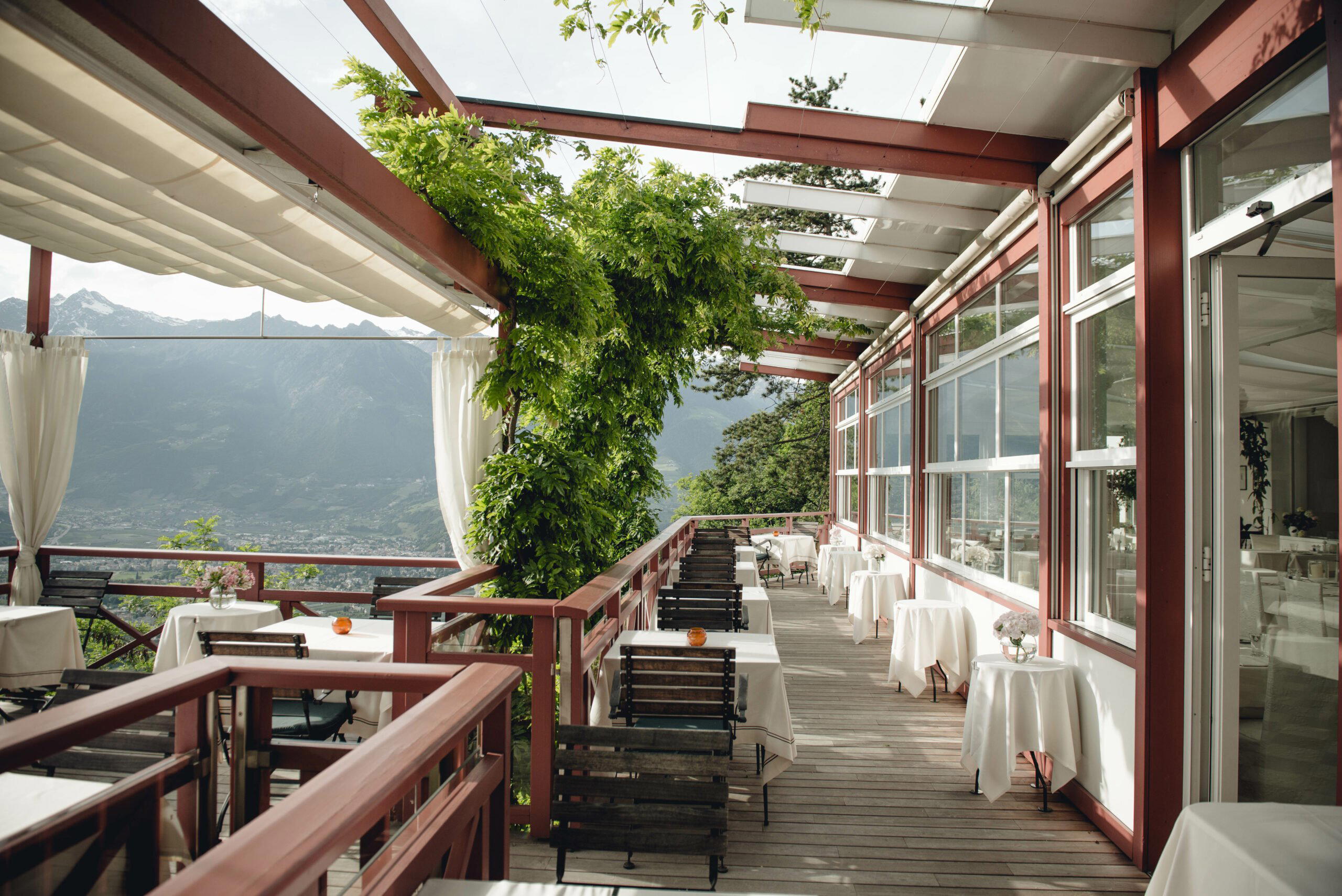
Restaurants in Partschins
Browse all →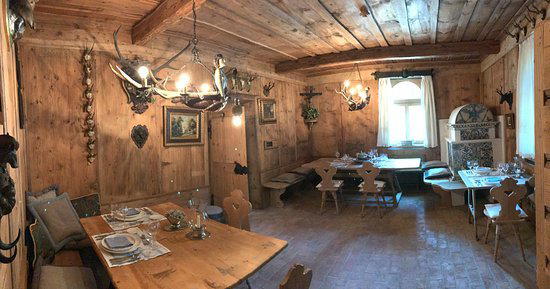
Bars in Partschins
Browse all →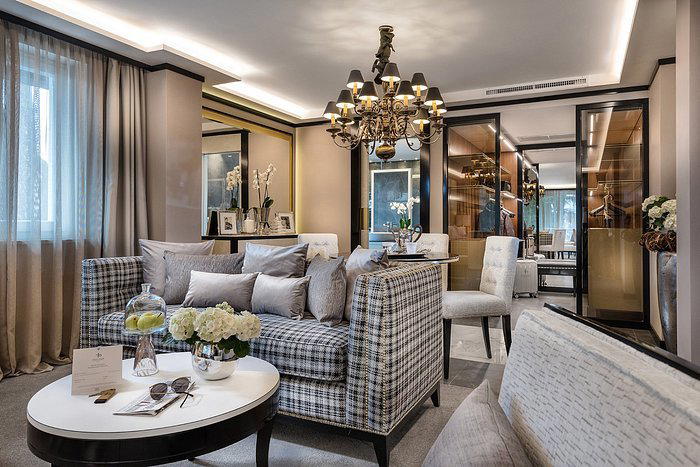
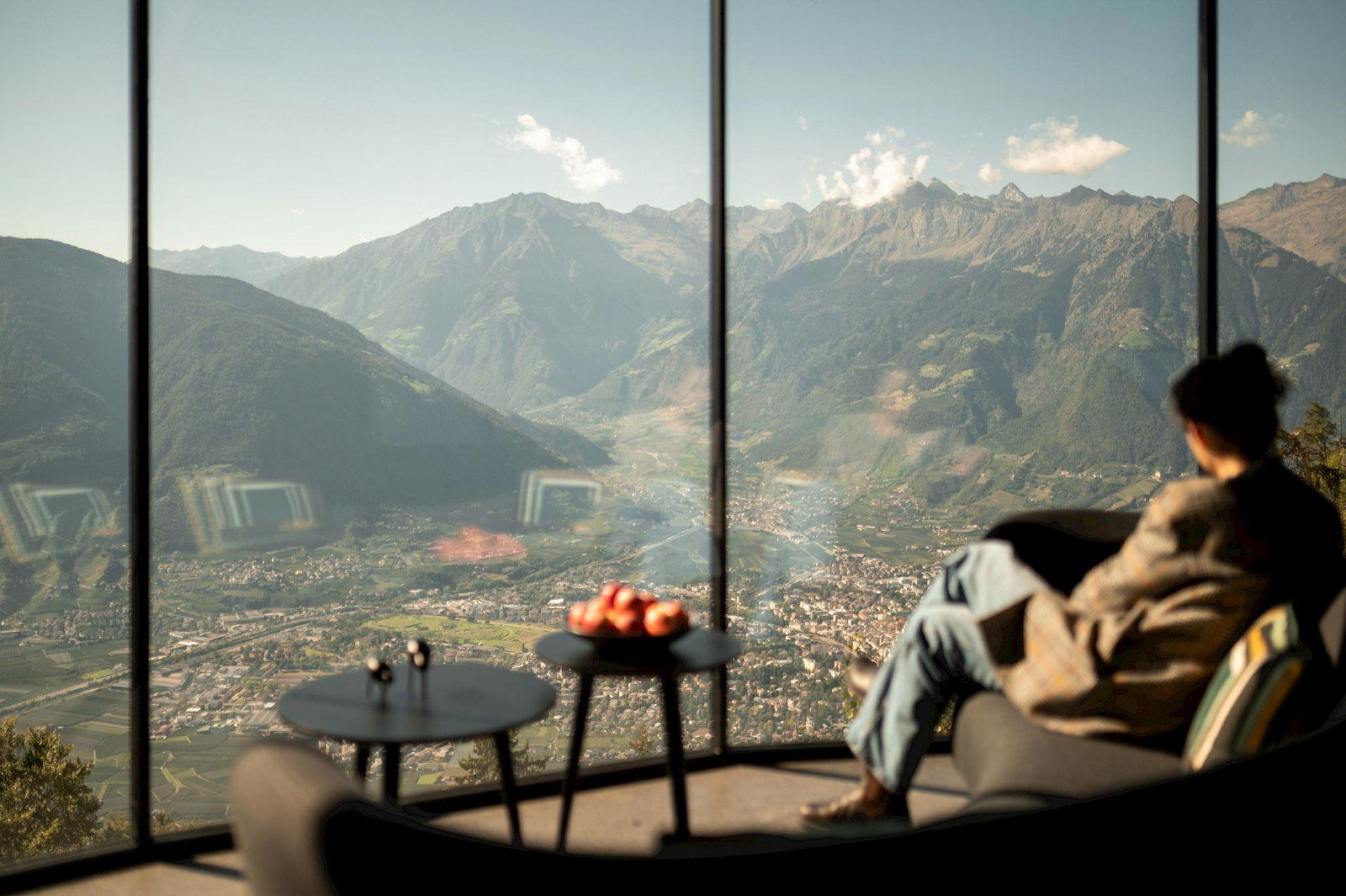
Hotels in Partschins
Browse all →
At a Glance
- Rustic
- Modern
- Cozy
- Special Occasion
- Terrace
- Local Sourcing
Current opening hours
- Monday
- 12–2 PM, 6–9 PM
- Tuesday
- 12–2 PM, 6–9 PM
- Wednesday
- 12–2 PM, 6–9 PM
- Thursday
- Closed
- Friday
- 12–2 PM, 6–9 PM
- Saturday
- 12–2 PM, 6–9 PM
- Sunday
- 12–2 PM, 6–9 PM
Hours can change for holidays and private events. Last verified .
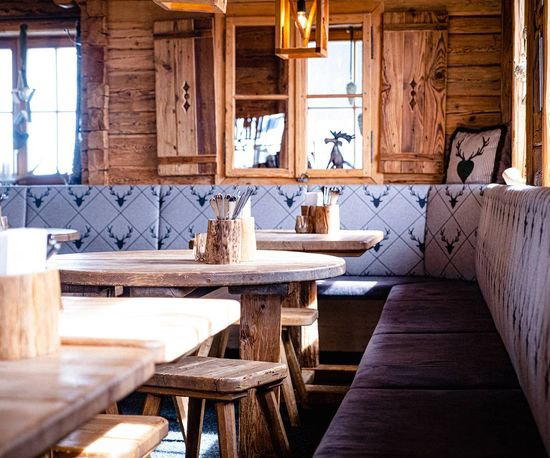
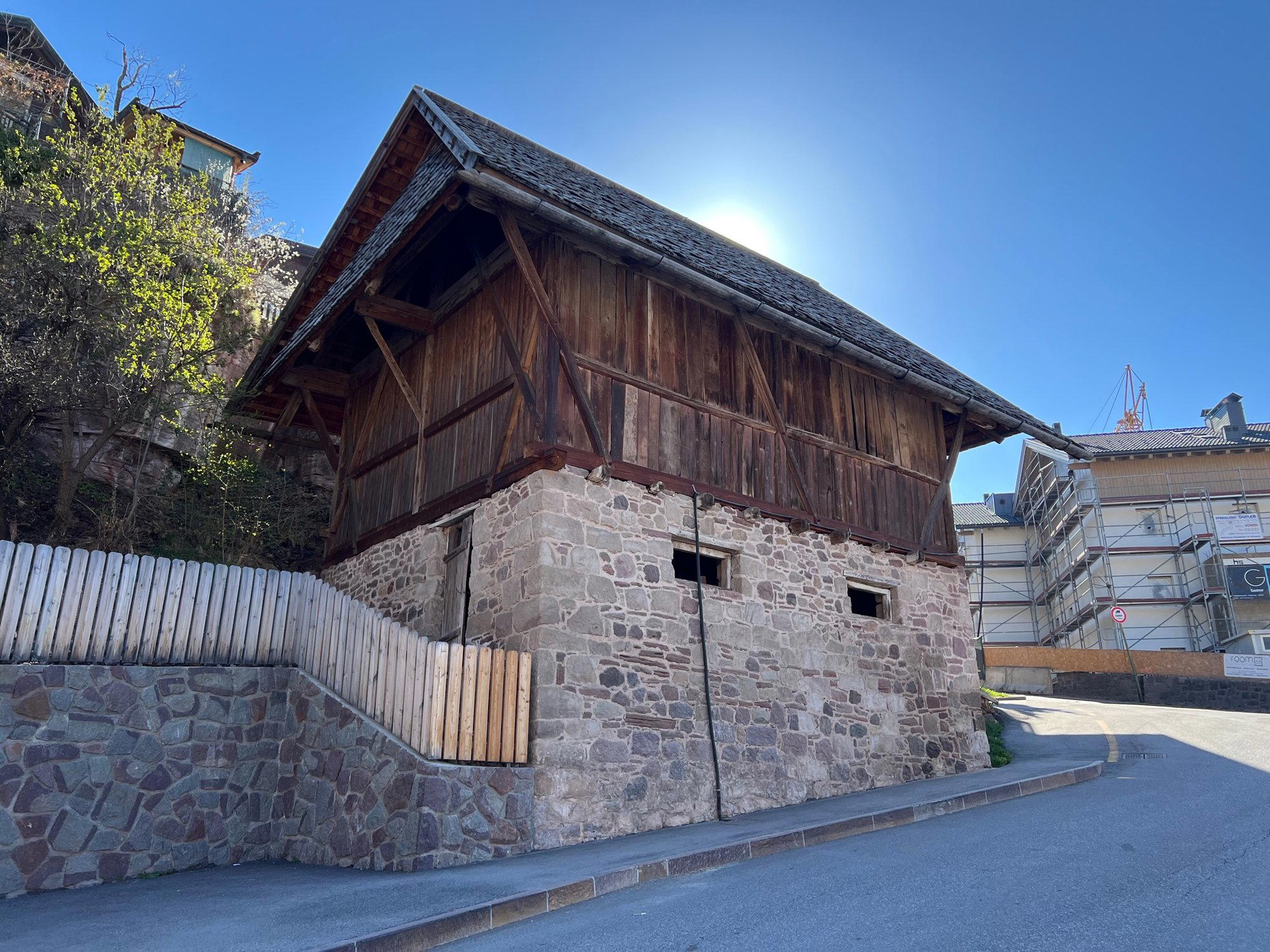
Warm rustic atmosphere in historic wood-panelled parlour blended with modern fresh design.