Our verdict
Signaterhof sits in the Renon plateau above Bolzano, where South Tyrolean farmhouse tradition and alpine dining culture converge at altitude. The address, Signato 166, a hamlet within the Ritten municipality, places it firmly in a category of rural table destinations that reward the drive rather than capture passing trade. Visitors come for the place itself, not because they happened to be nearby.

Pearl is the En Primeur Club membership app, where members save venues, book tables and use the concierge.

The menu
What to order
- Ravioli di patate ai finferli
- Veal head
- Canderli with chanterelles
At Altitude, Before You Even Sit Down
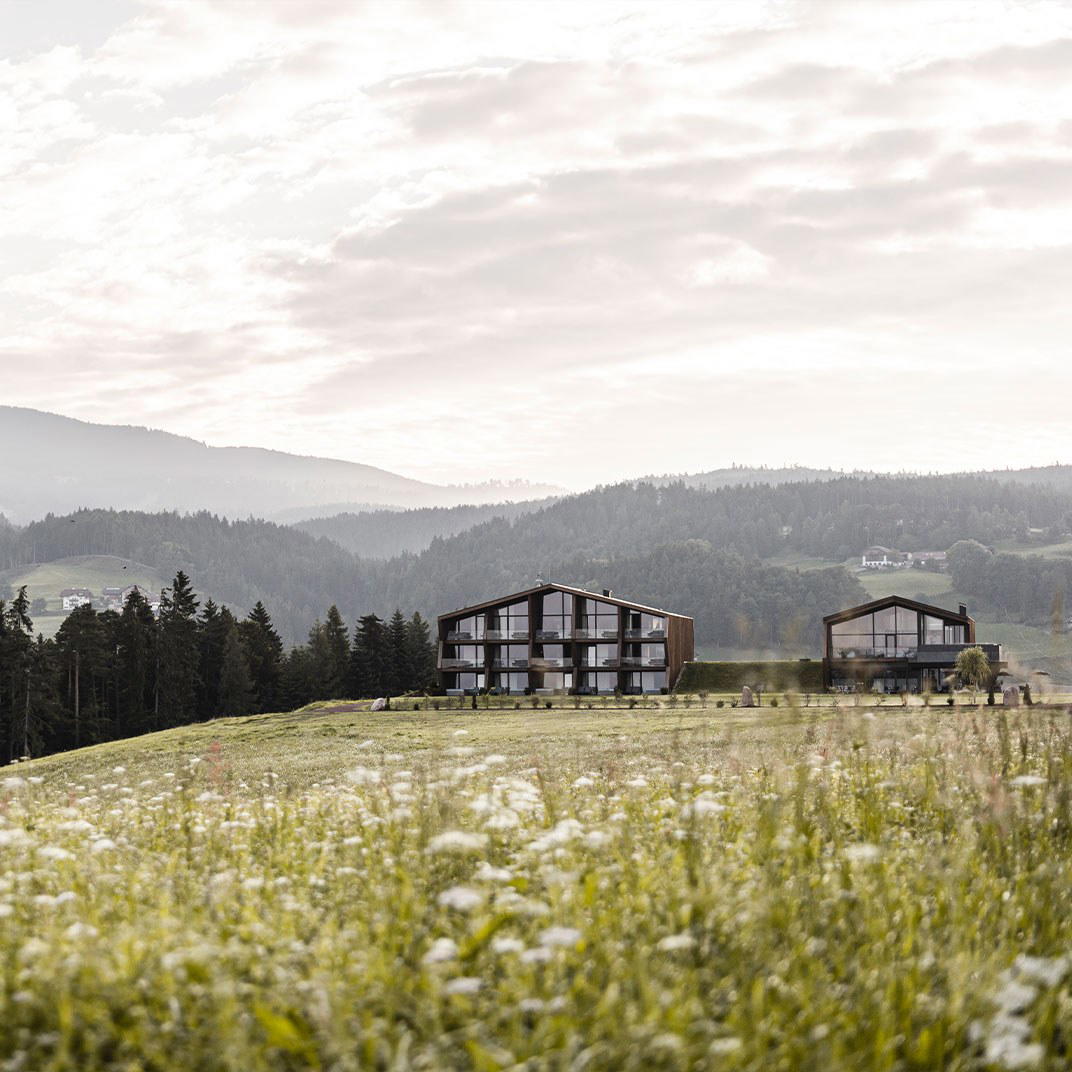
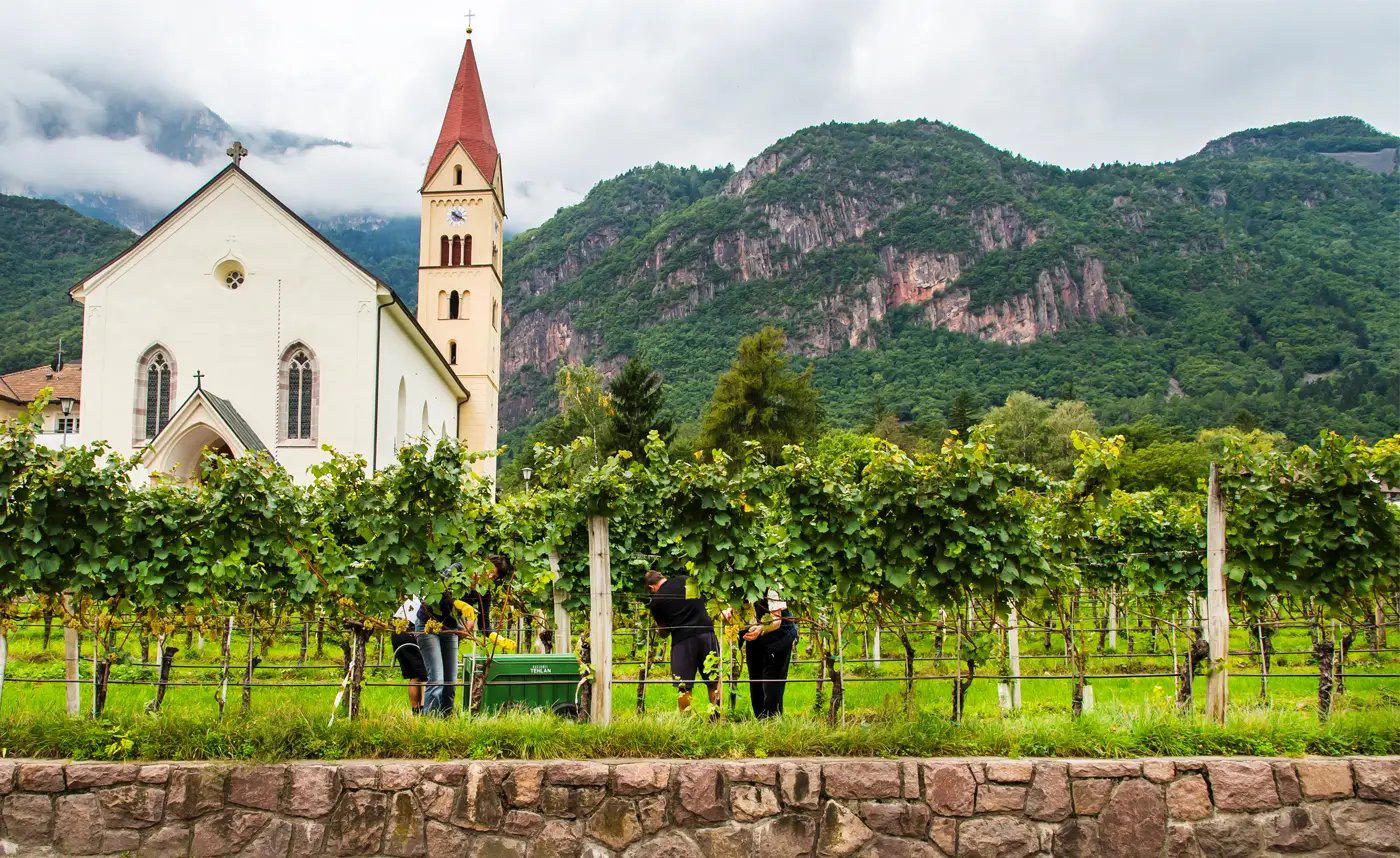
The approach to Ritten already frames what follows at Signaterhof. The plateau above Bolzano sits at roughly 1,200 metres, reached either by the narrow road winding up from the valley floor or by the historic funicular from Bolzano that deposits you in a different register of air and quiet. The farmsteads here, Höfe in the South Tyrolean dialect, are architectural constants: timber-framed, stone-weighted, built to outlast centuries of weather rather than impress a passing audience. Signaterhof, at Signato 166, occupies that tradition. Whatever the interior holds, the exterior sets expectations rooted in the land rather than in any particular dining trend.
This matters because South Tyrolean farmhouse dining operates on a logic that differs from the urban restaurant model. The setting is not a backdrop, it is the argument. Ritten's Höfe have been receiving guests, serving wine, and presenting local produce for generations. The question worth asking of any such property is not whether it feels rustic (they all do), but whether the food respects the intelligence of that tradition or merely decorates it.
How the Menu Architecture Works in This Part of Italy
In the South Tyrol, the culinary grammar of farmhouse restaurants sits between two distinct pulls: the Germanic tradition of cured meats, rye bread, and dairy-forward cooking that reflects centuries of Austro-Hungarian influence, and the Italian instinct for produce-led simplicity and seasonal rhythm. The leading tables in this region, including Atelier Moessmer Norbert Niederkofler in Brunico, where the Alpine philosophy has been codified into a nationally recognised format, treat that tension as a resource rather than a problem to resolve.
At the farmhouse level, that tension plays out differently. Menu structures tend to be shorter and more seasonal than their urban counterparts. In autumn, game from the surrounding forests and mushrooms from the lower slopes dominate. In summer, dairy reaches a peak of quality as cattle graze higher pastures. Speck, dry-cured, cold-smoked, and aged in mountain air, appears in some form at virtually every Ritten table regardless of season; it is not a garnish but a structural ingredient. Canederli, the bread dumplings that Central Europe and northern Italy share across a blurry historical border, show up in broth, fried, or alongside cured meat with a frequency that amounts to a regional declaration of identity.
This is the frame within which a place like Signaterhof operates. Whether the kitchen takes a conservative or more contemporary approach to these ingredients is information that direct contact with the venue will clarify; what the address and context guarantee is that the raw material tradition is immediately available and deeply local.
Ritten's Table Culture in Comparative Context
Ritten is not a dining destination in the Michelin-star sense. The plateau's dining character is defined by a different kind of authority: longevity, provenance, and the particular clarity that comes from cooking within a narrow geographical vocabulary. The comparison set is other Höfe, properties like Ebnicherhof, Feichtnerhof, Loosmannhof, Pirbamer, and Rielingerhof, each of which occupies its own position within the same tradition.
What separates one Hof from another is less often format and more often emphasis: the particular relationship with a local producer, the direction the kitchen takes with speck and dumpling, the quality of the wine selection (South Tyrolean whites, especially Gewürztraminer and Pinot Grigio from the Eisack Valley, provide the natural pairing register at this altitude), and the degree to which the room feels like a working agricultural property or a staged approximation of one. Italy's most formally acclaimed restaurants, from Enoteca Pinchiorri in Florence to Dal Pescatore in Runate, operate with a self-consciousness about their own history. A good Ritten Hof operates with something closer to unselfconsciousness, which is harder to achieve and, when present, harder to fake.
Planning a Visit to Signaterhof
Ritten is most accessible between late spring and mid-autumn, when the plateau's walking trails are clear and the surrounding landscape provides the context that frames the dining experience most fully. Winter visits are possible but require more deliberate planning, particularly around road conditions on the ascent from Bolzano. The funicular from Bolzano, one of the few remaining urban-to-plateau cable railways in northern Italy, remains the most atmospheric approach and removes the question of parking on arrival.
Given the rural address at Signato 166 within the Renon municipality, advance contact with the venue before visiting is advisable, confirming opening days, meal service hours, and whether reservation is required. Farmhouse restaurants in this category frequently operate on limited weekly schedules, particularly outside peak summer season, and do not always maintain walk-in capacity in the way urban venues do. Reaching the venue without confirmation is a risk not worth taking when the drive is part of the commitment. Our full Ritten restaurants guide covers the logistics of reaching the plateau and moving between properties once there.
Frequently asked questions
What's the address for Signaterhof?
Signaterhof is located at Signato, 166, 39054 Renon BZ, Italy, Ritten.
Is Signaterhof worth visiting as a day trip from Bolzano?
The Ritten plateau sits at roughly 1,200 metres above Bolzano and is reachable by the narrow-gauge Rittner Bahn railway, making Signaterhof at Signato 166, Renon a practical stop on a half-day or full-day excursion. The surrounding walking trails are most accessible between late spring and mid-autumn, which aligns with the period when the farmhouse kitchen operates at its fullest. Combining the journey with time on the plateau trails gives the meal a context that eating in the city does not.
What should I order at Signaterhof?
Signaterhof sits within the South Tyrolean farmhouse tradition, where the kitchen draws on both Germanic and Italian influences. That typically means cured meats, rye bread, and dairy-forward preparations on one side, and Italian-inflected seasonal dishes on the other. Given the plateau setting above Bolzano at around 1,200 metres, focus on whatever reflects the local agricultural season rather than arriving with a fixed list.
Can I walk in to Signaterhof?
Ritten farmhouse restaurants of this type tend to operate on limited seatings, particularly between late spring and mid-autumn when the plateau sees the most visitors. Arriving without a reservation is a risk worth avoiding, especially on weekends. check the venue's official channels via the address at Signato 166, 39054 Renon BZ to confirm availability before making the trip up from Bolzano.
What's the defining dish or idea at Signaterhof?
The defining idea at Signaterhof is the farmhouse table format itself: a menu shaped by what the surrounding plateau produces, filtered through South Tyrol's dual Germanic and Italian culinary grammar. This is not a restaurant built around a single signature dish but around a seasonal logic that changes with the altitude and the agricultural calendar. That makes it a different proposition from destination restaurants in Modena or Alba, and deliberately so.
Where the Accolades Land
| Venue | Cuisine | Price |
|---|---|---|
| SignaterhofThis venue (the venue you are viewing) | Creative South Tyrolean Cuisine | $30–50 |
| Loosmannhof | South Tyrolean Farmhouse Tavern | $20–30 |
| Ebnicherhof | Traditional Tyrolean | $20–30 |
| Feichtnerhof | Traditional Italian / Tyrolean | Not listed |
| Pirbamer | Modern Northern Italian | Not listed |
Continue exploring
More in Ritten
Restaurants in Ritten
All restaurants in Ritten →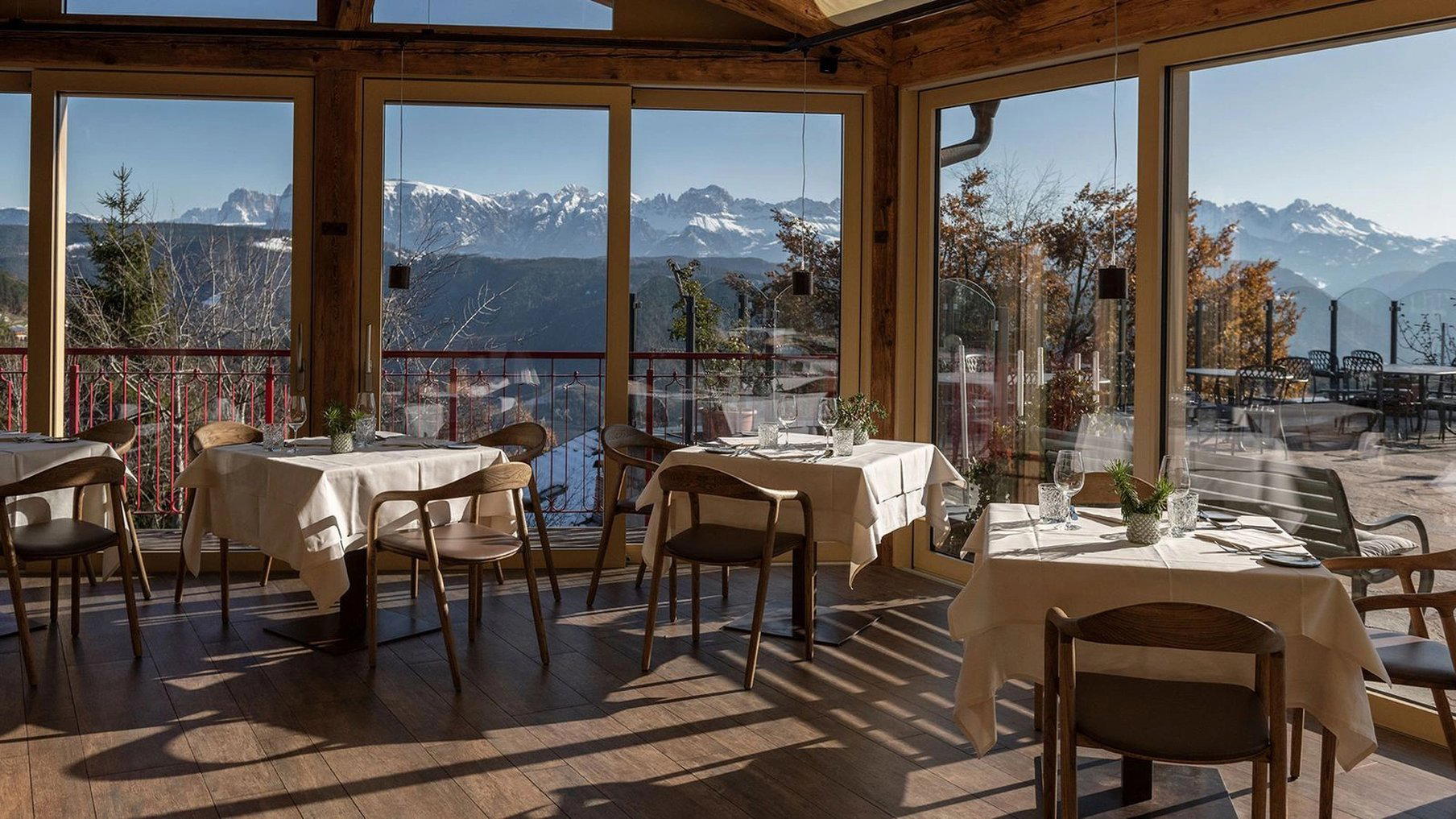
Bars in Ritten
Browse all →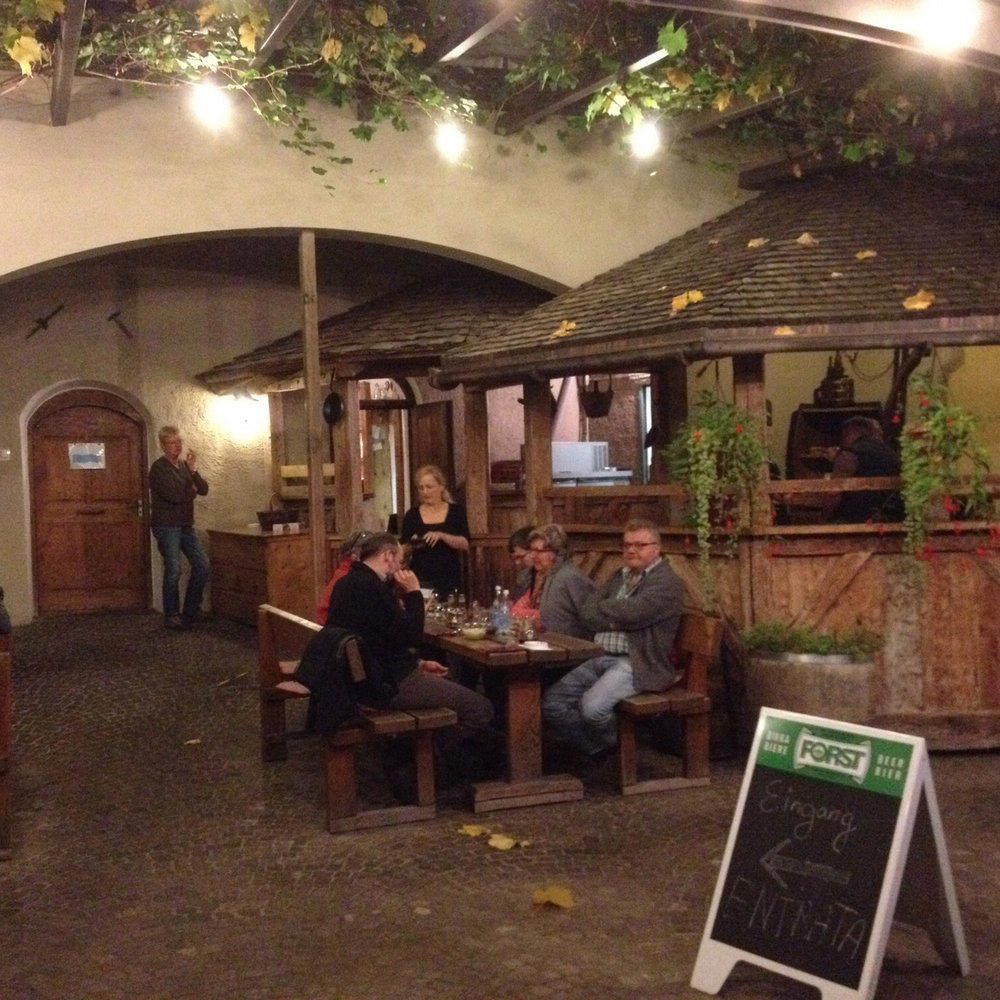
Details
- Rustic
- Cozy
- Scenic
- Classic
- Quiet
- Family
- Casual Hangout
- Date Night
- Terrace
- Garden
- Panoramic View
- Historic Building
- Hotel Restaurant
- Local Sourcing
- Mountain
- A La Carte
- Wine
- Vegetarian Friendly
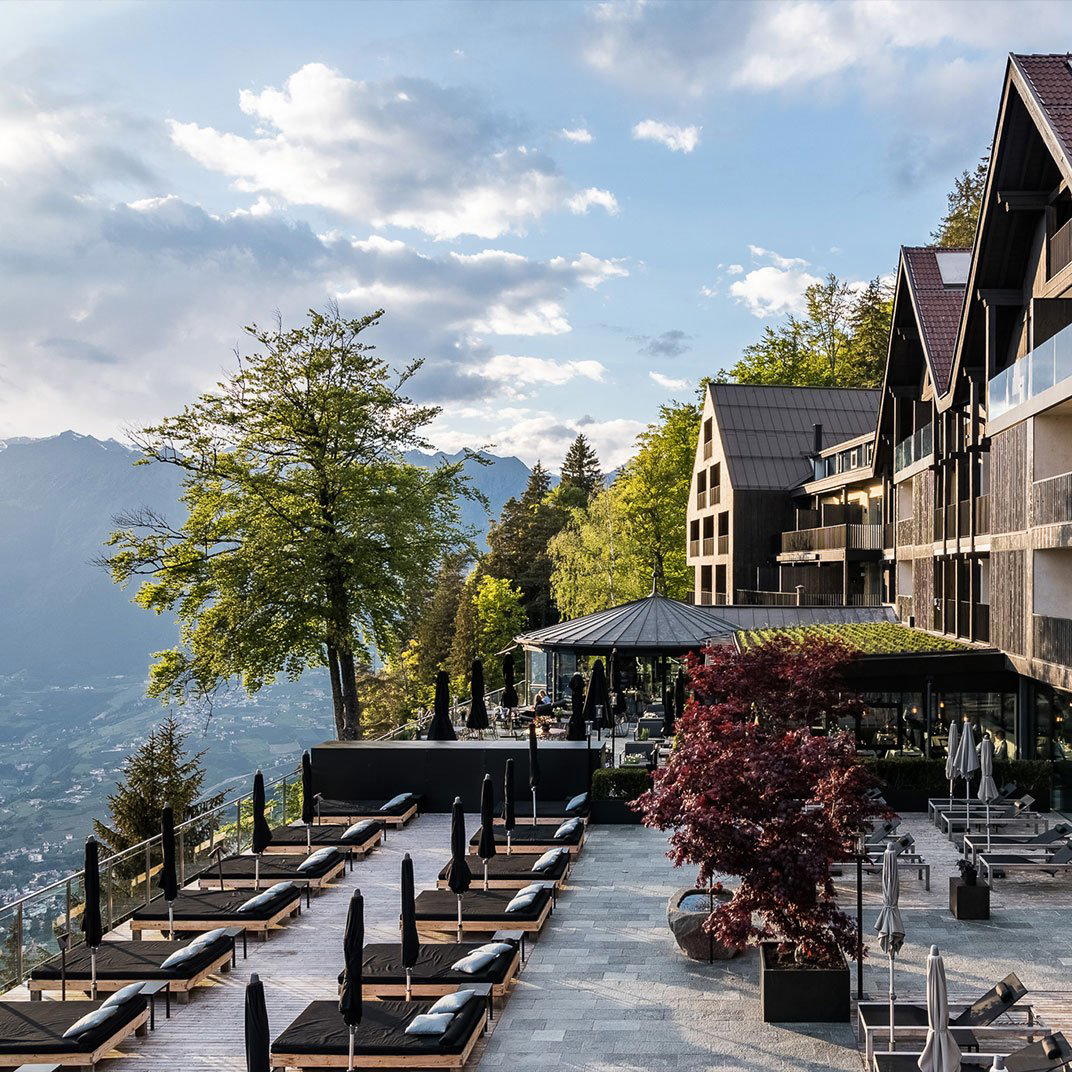
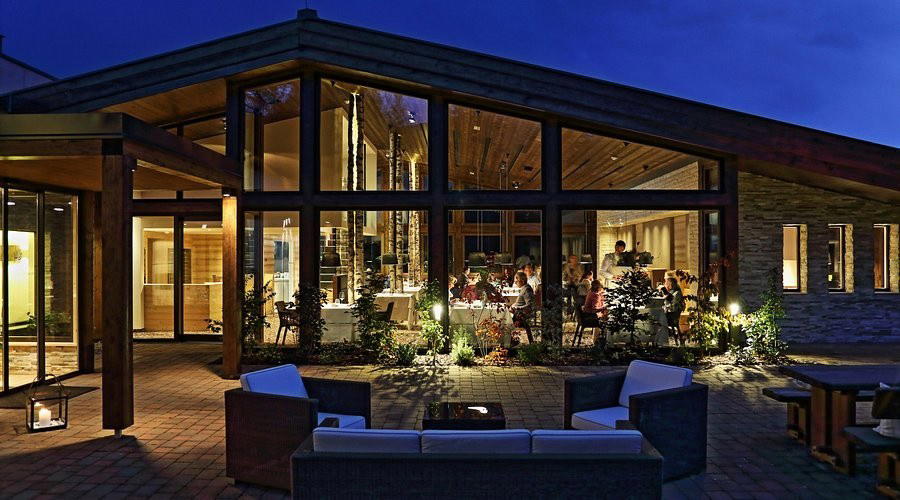
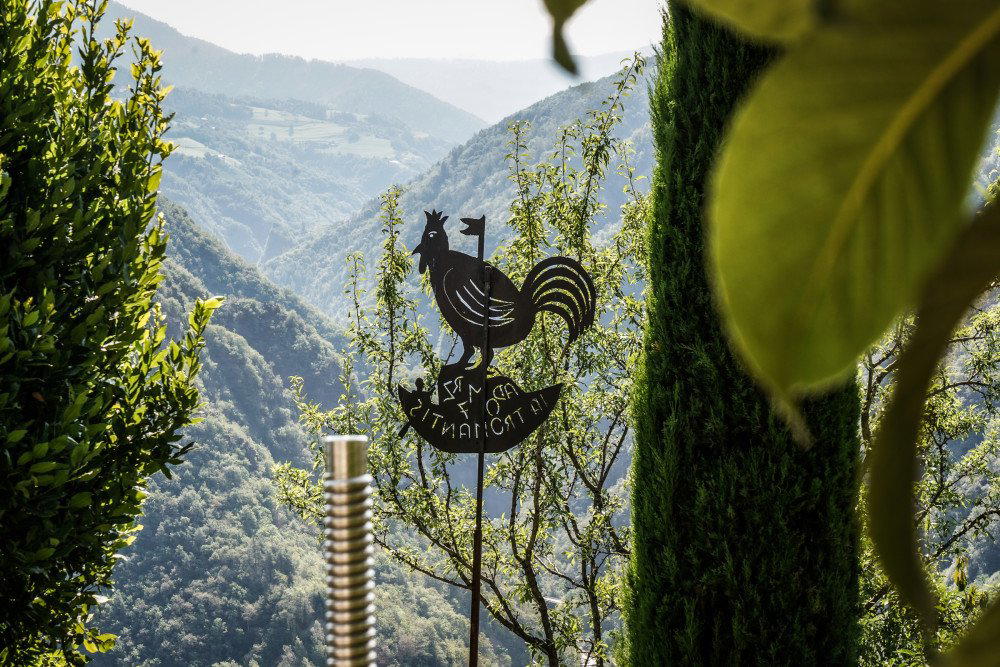
Rustic and tranquil, with a historic paneled farmhouse parlor, sunny terrace, garden, country-house warmth, and scenic views over Bolzano.