Restaurant & Steakhouse Panorama
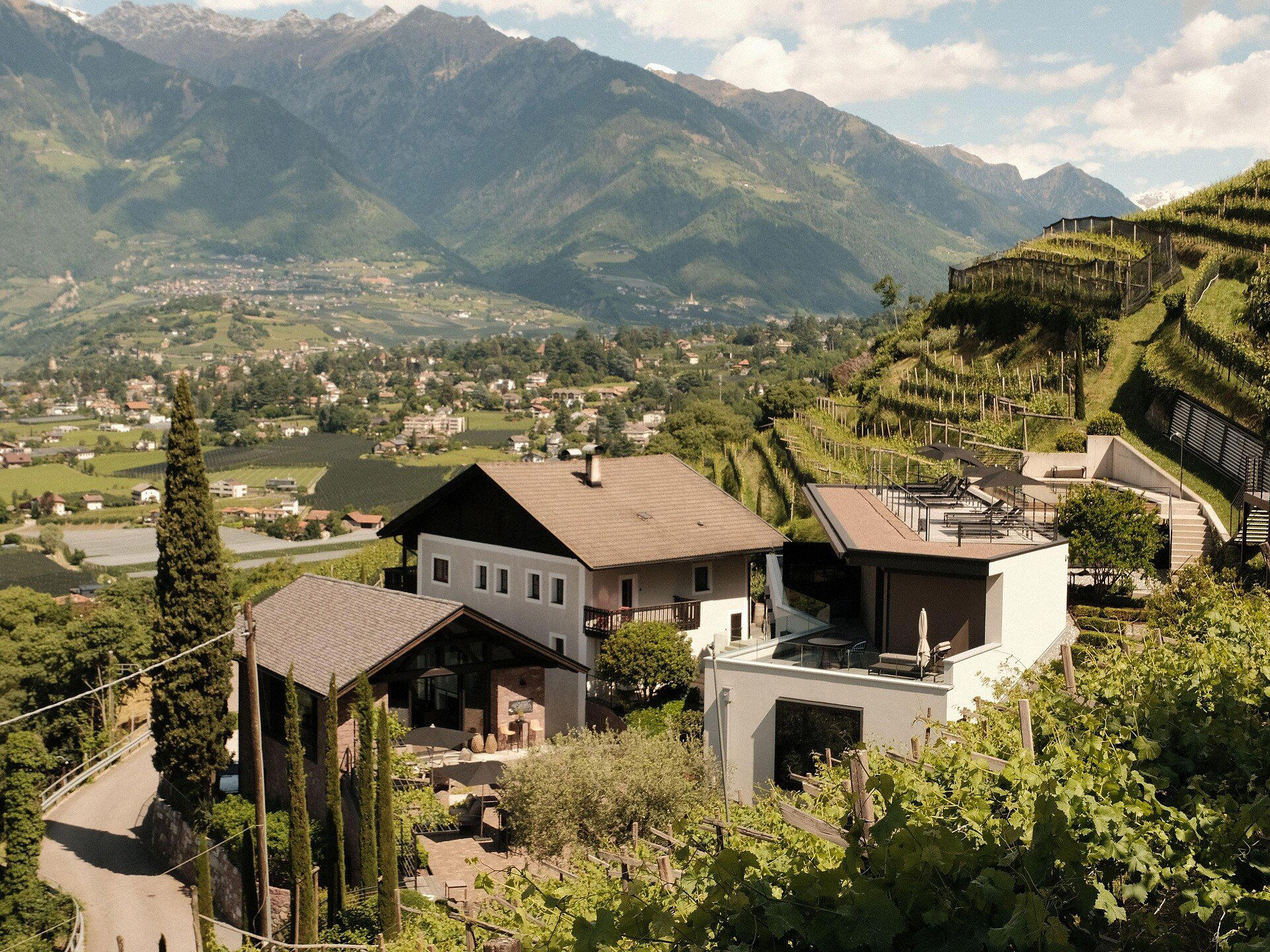
Situated in Rablà within the Val Venosta corridor of South Tyrol, Restaurant & Steakhouse Panorama occupies a dining niche where Alpine tradition and Italian culinary culture meet. The format pairs steakhouse conventions with the region's broader agricultural identity. Partschins sits within a short drive of Merano, placing it inside one of northern Italy's more food-conscious rural circuits.
Pearl is the En Primeur Club membership app — saves, bookings, and concierge access live there. Same editors, same standards.
- Address
- Via Venosta, 25, 39020 Rablà BZ, Italy
- Phone
- +39473967140
- Website
- restaurant-panorama.it
- Directions
- Get directions
 Saves & bookings on Pearl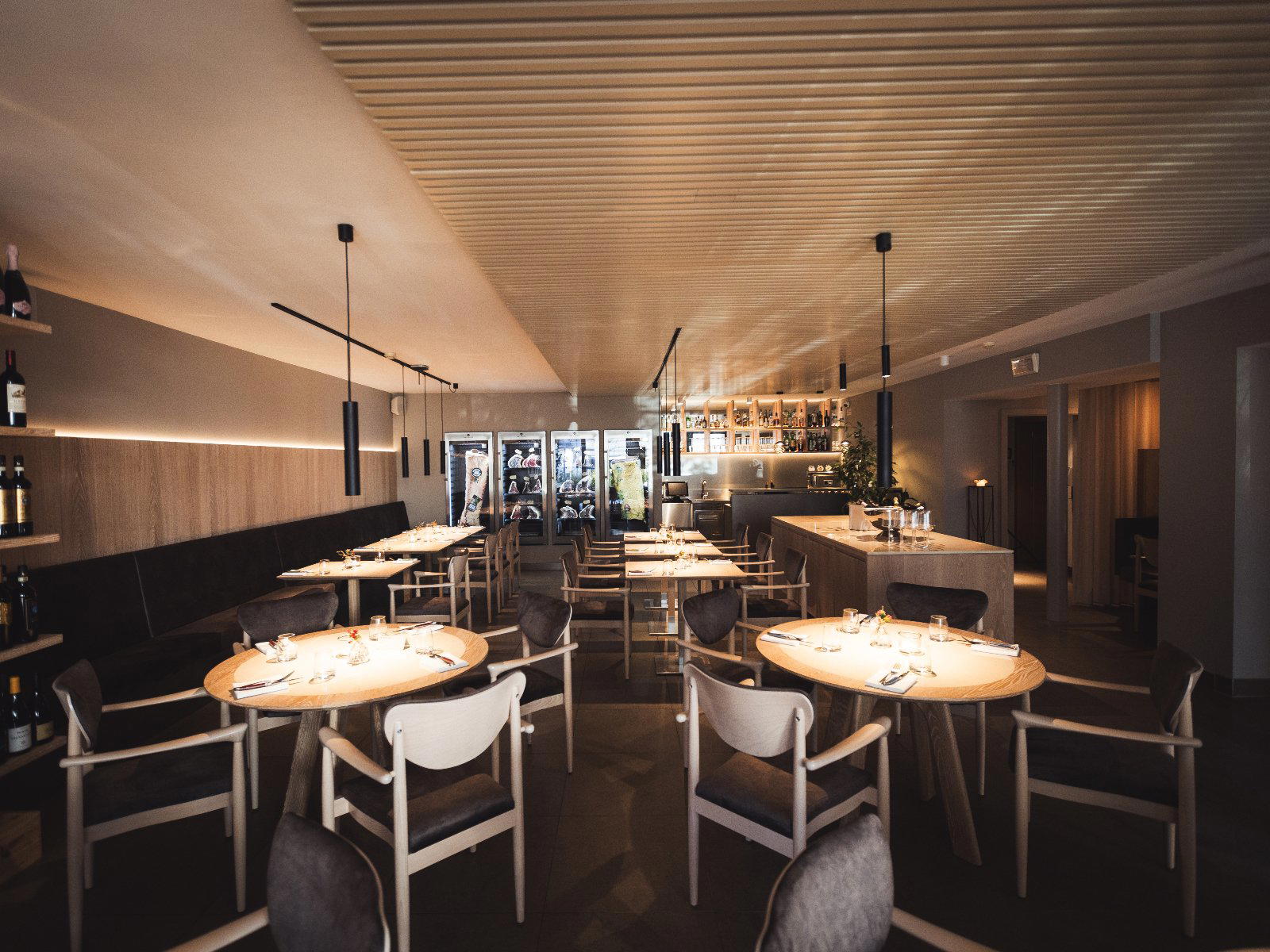
South Tyrol's Table: Where Alpine Identity and Italian Cooking Overlap
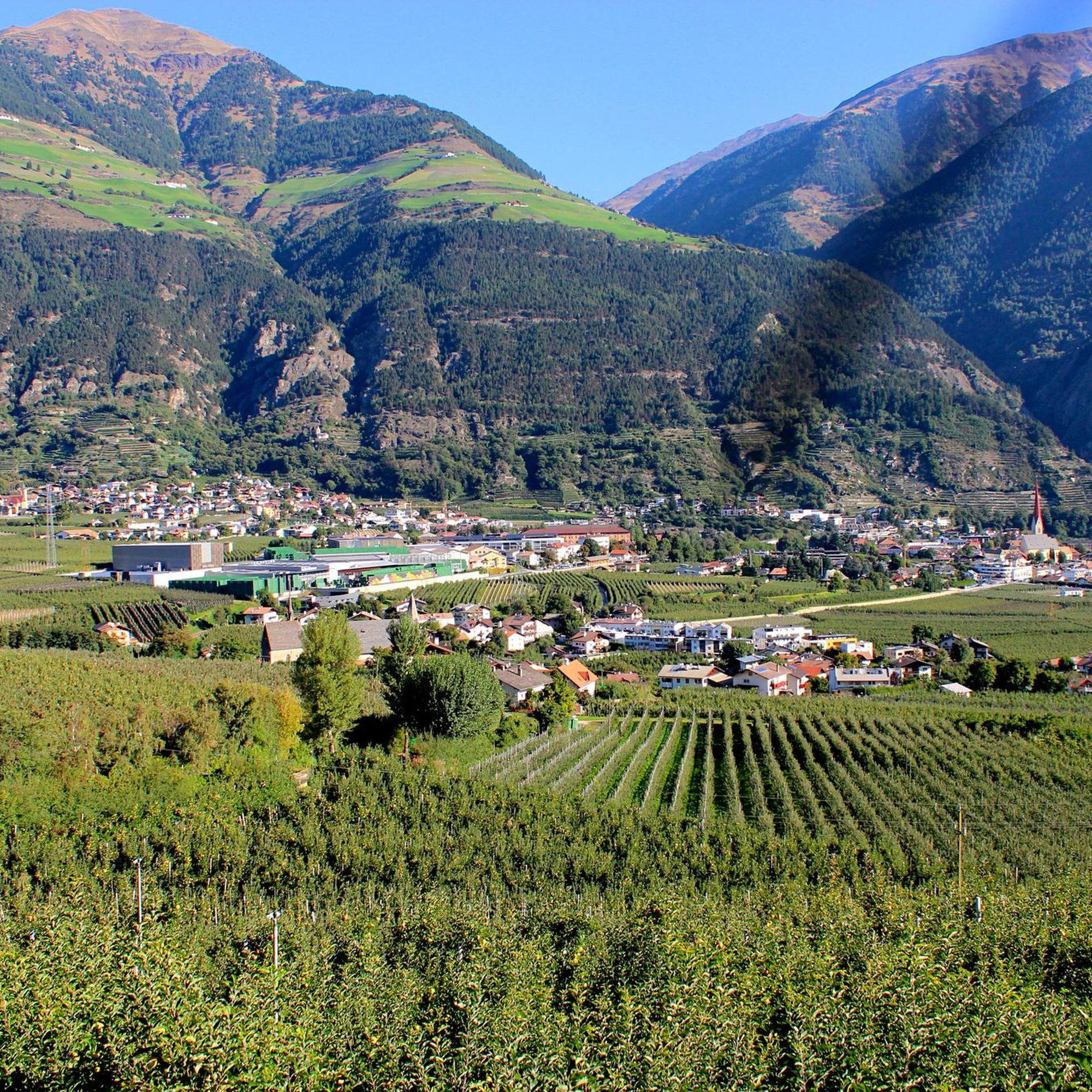
The Val Venosta valley runs west from Merano toward the Swiss and Austrian borders, and the villages along it, Partschins, Rablà, Naturns, occupy a culinary position that doesn't map cleanly onto either Italian or Austrian convention. This is deliberate. South Tyrol spent centuries passing between Habsburg and Italian jurisdiction, and the food culture absorbed both. The result is a regional table where speck and canederli sit alongside risotto and grilled meat programs that reflect the valley's cattle-raising tradition as much as any Lombard steakhouse. Restaurant & Steakhouse Panorama, on Via Venosta in Rablà, positions itself within that overlap: a format that frames the steakhouse as a local idiom rather than an import.
That framing matters more here than it would in Milan or Rome. In urban northern Italy, the steakhouse has largely been absorbed into a generic international category. In the Venosta valley, grilled and roasted meat has deeper agricultural roots. The farms that run along the valley floor and up into the side valleys have supplied local kitchens for generations, and the regional pride attached to that supply chain is genuine. Dining in this corridor carries a different cultural weight than dining in a tourist-facing Alpine resort, and Panorama's address on Via Venosta places it within that local circuit rather than outside it.
The South Tyrolean Dining Scene: Context Before the Counter
South Tyrol punches above its demographic weight in Italian fine dining. The region holds a concentration of Michelin stars that is, per capita, among the highest in Italy, driven by a combination of high-spending tourism, strong agricultural identity, and a kitchen culture that blends precision with local materialism. At the far end of that spectrum sits Atelier Moessmer Norbert Niederkofler in Brunico, whose cook-the-mountain philosophy represents one codified version of Alpine ingredient-led cooking in the country. Further south and east, houses like Osteria Francescana in Modena, Piazza Duomo in Alba, and Le Calandre in Rubano operate at Italy's highest technical register. Panorama doesn't compete in that tier, nor does it try to. Its reference points are different: a regional steakhouse serving the Val Venosta corridor, where the competition is local rather than national.
Within Partschins itself, the dining options are compact. Onkel Taa at the K.u.K. Museum Bad Egart operates in a more heritage-inflected register, while THEDL represents the village's more contemporary offer. Panorama's steakhouse format occupies its own lane in that small local set. For a fuller map of where these venues sit relative to each other, the Partschins restaurants guide provides useful orientation.
The Steakhouse Format in Alpine Context
Across northern Italy, the restaurant-steakhouse pairing is a specific format with its own logic. It signals a kitchen committed to quality protein rather than a broad menu, and in Alpine villages it usually implies a direct relationship with local supply: cattle breeds, aging practices, and butchery traditions that differ from lowland Italian conventions. The Chianina and Fassona breeds that dominate Tuscan and Piedmontese steakhouse culture don't necessarily travel to the Venosta valley; local and Austrian breeds have their own characteristics, and the leading kitchens in this corridor work with what the valley and adjacent Alpine regions actually produce.
That specificity of supply is what separates a regional steakhouse from a generic one. The same principle applies at different price tiers and registers across Italy: Da Vittorio in Brusaporto built its reputation in part through absolute clarity about ingredient sourcing, and Quattro Passi in Marina del Cantone grounds its identity in a specific coastal terroir. The logic scales: the more anchored a kitchen is to a specific supply geography, the more coherent its identity tends to be.
The Broader Italian Reference Frame
Positioning any Partschins restaurant within the national Italian dining conversation requires some perspective. The houses that define Italy's highest culinary register, Dal Pescatore in Runate, Enoteca Pinchiorri in Florence, Uliassi in Senigallia, Reale in Castel di Sangro, Enrico Bartolini in Milan, Casa Perbellini 12 Apostoli in Verona, and La Pergola in Rome, operate in a different competitive set entirely. Internationally, houses like Le Bernardin in New York City and Atomix in New York City set a technical benchmark that further clarifies where regional Alpine dining sits in the global hierarchy. None of that diminishes the role of a well-run local steakhouse in a village of Partschins' size. The two conversations are simply separate, and conflating them serves no one's planning well.
What the comparison does usefully clarify is that the Val Venosta corridor rewards a particular kind of traveller: one who reads a village restaurant through its regional identity rather than its distance from a national benchmark. The valley's agricultural character, its Habsburg-Italian cultural layering, and its location within one of Italy's most food-aware regions create a context in which a steakhouse on Via Venosta is more than a fallback option. It is a specific expression of how this part of northern Italy eats.
Planning a Visit
Rablà sits just outside Partschins, a few kilometres from Merano along the Val Venosta road. The address at Via Venosta 25 places the restaurant on the main valley corridor, accessible by car or by the regional train service that connects Merano to Malles via the Vinschgau line, with Rablà-Partschins as a served stop. Given the village scale and the format, advance contact to confirm hours and availability is advisable, particularly outside the main summer and autumn tourism windows. The region sees a secondary peak in winter around skiing traffic from the nearby resorts, which can affect local restaurant availability in smaller villages.
Frequently Asked Questions
- Does Restaurant & Steakhouse Panorama work for a family meal?
- A village steakhouse in Rablà is generally suited to family dining, and the format is more accessible than a tasting-menu house would be.
- How would you describe the vibe at Restaurant & Steakhouse Panorama?
- If you are arriving from Merano or further afield with an expectation calibrated to South Tyrol's higher-end dining scene, adjust accordingly: this is a village-scale steakhouse on the Val Venosta corridor, not a fine-dining destination. If the format and location match what you are actually looking for, the regional Alpine context gives it more character than the category might suggest in a larger city.
- What dish is Restaurant & Steakhouse Panorama famous for?
- Specific signature dishes are not documented in current records. Given the format, the kitchen's core identity is built around grilled and roasted meat, a convention that in the Alpine Venosta context draws on local supply traditions distinct from lowland Italian steakhouse culture.
- Do I need a reservation for Restaurant & Steakhouse Panorama?
- Reservations are recommended.
- Is Restaurant & Steakhouse Panorama a good option for visitors arriving via the Val Venosta rail line?
- The Vinschgau railway connects Merano to Malles with a stop at Rablà-Partschins, making the restaurant reachable without a car. For travellers using the train to explore the valley, the address at Via Venosta 25 places the venue within the local village circuit rather than in an isolated roadside location.
Budget and Context
Comparable venues nearby, for context on price, style, and recognition.
| Venue | Cuisine | Price | Notes |
|---|---|---|---|
| Restaurant & Steakhouse PanoramaThis venue — the venue you are viewing | Rabland, South Tyrolean Steakhouse | $$$$ | Not listed |
| Onkel Taa – K.u.K. Museum Bad Egart | Not listed | $$$ | Parcines, Modern South Tyrolean with Austro-Hungarian influences |
| THEDL | Partschins, South Tyrolean Italian | $$$ | Not listed |
| Akira Back | Not listed | $$$$ | Santa Maria Novella, Modern Japanese with Korean influences |
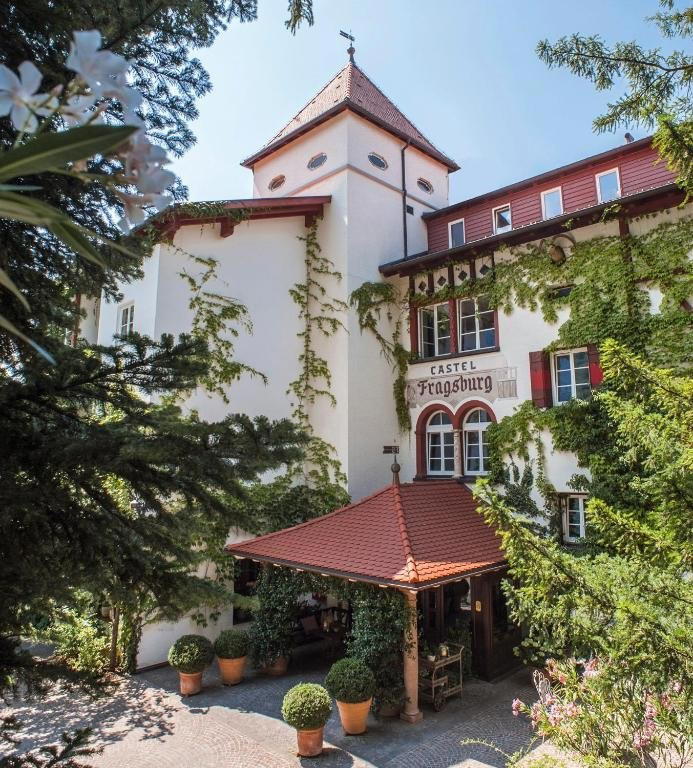
| Castel Fragsburg | Not listed | $$$$ | Fragsburg, Alpine-Mediterranean Fine Dining |
| Maffei | Not listed | $$$$ | Citta' Antica, Modern Italian with Veronese Tradition |
Continue exploring
More in Partschins
Restaurants in Partschins
Browse all →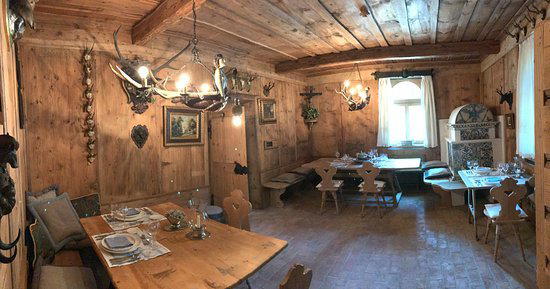
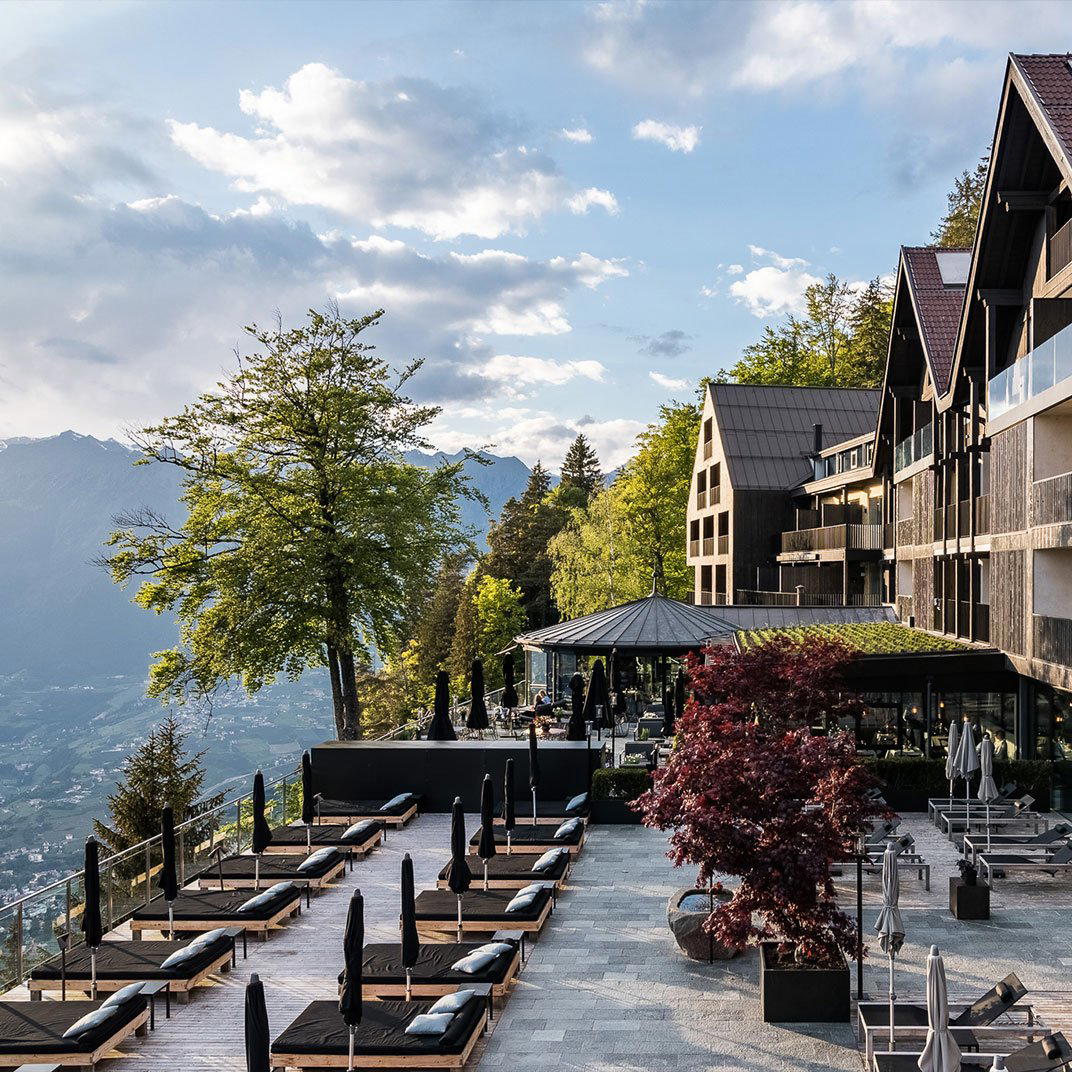
Bars in Partschins
Browse all →
Hotels in Partschins
Browse all →
At a Glance
- Elegant
- Scenic
- Cozy
- Sophisticated
- Date Night
- Special Occasion
- Business Dinner
- Panoramic View
- Terrace
- Hotel Restaurant
- Extensive Wine List
- Local Sourcing
- Mountain
Current opening hours
- Monday
- 11:30 AM–2 PM, 6–11 PM
- Tuesday
- 11:30 AM–2 PM, 6–11 PM
- Wednesday
- 11:30 AM–2 PM, 6–11 PM
- Thursday
- Closed
- Friday
- 11:30 AM–2 PM, 6–11 PM
- Saturday
- 11:30 AM–2 PM, 6–11 PM
- Sunday
- 11:30 AM–2 PM, 6–11 PM
Hours can change for holidays and private events. Last verified .
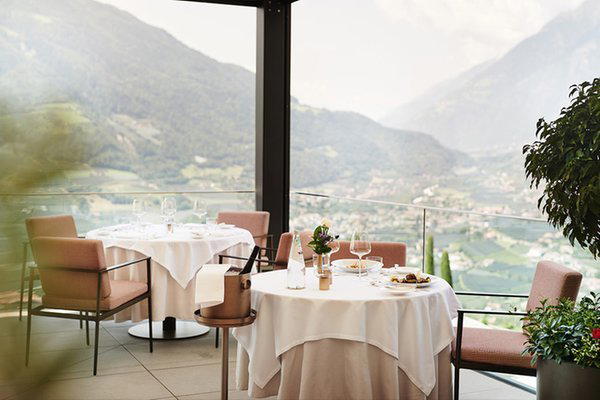
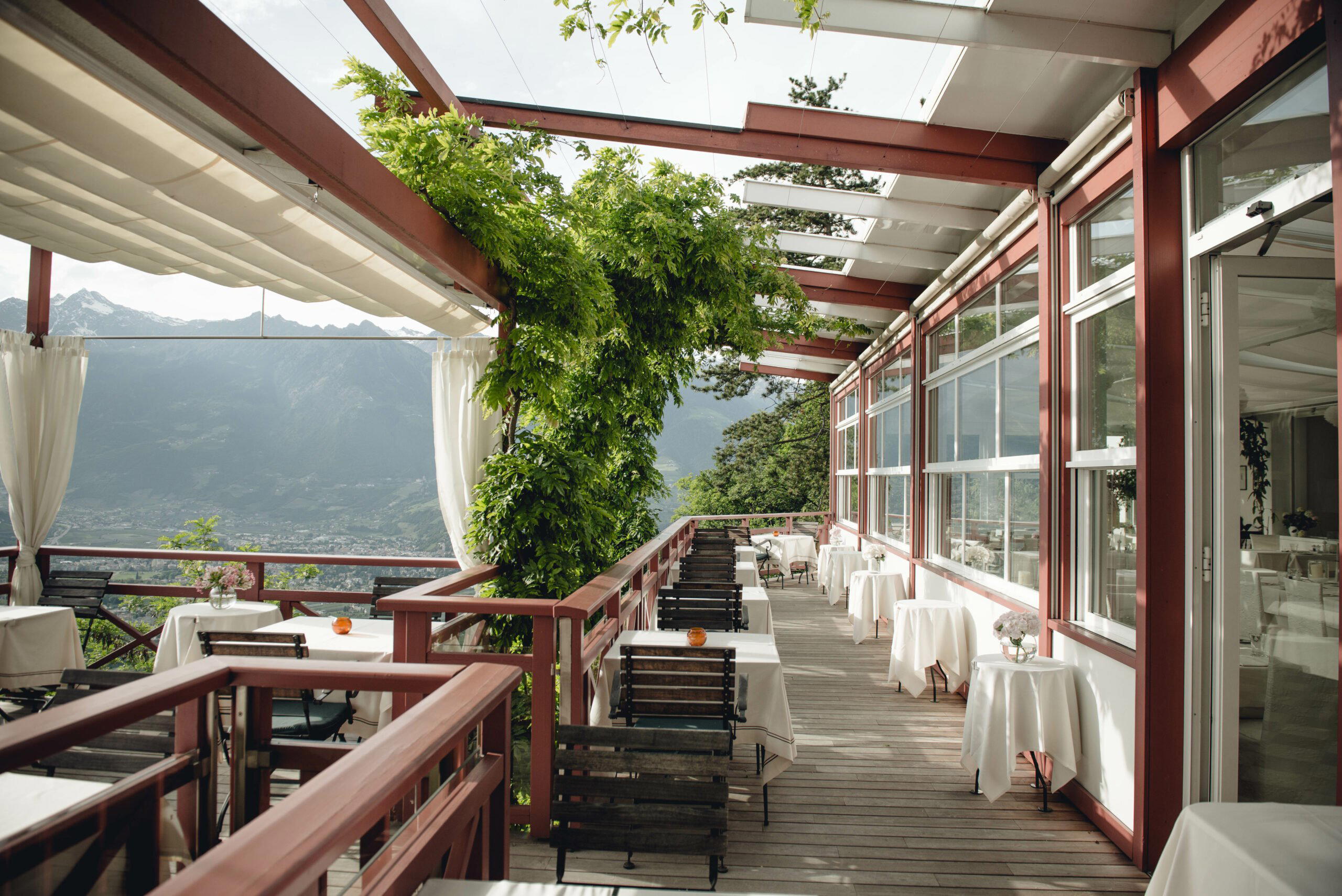
Cozy ambiance with panoramic terrace views, complemented by excellent service and an extensive wine selection.