On Bolzano's most storied pedestrian arcade, Restaurant Arôme Thaler occupies a position that reflects the city's broader tension between Alpine tradition and northern Italian ambition. Sitting within a dining tier that includes both direct regional houses and more ambitious creative kitchens, it draws visitors who want the layered context of the Laubengasse address alongside considered cooking.
Pearl is the En Primeur Club membership app — saves, bookings, and concierge access live there. Same editors, same standards.
- Address
- Laubengasse, Via dei Portici, 69, 39100 Bolzano BZ, Italy
- Phone
- +39471313030
- Website
- thaler.bz.it
- Directions
- Get directions
 Saves & bookings on Pearl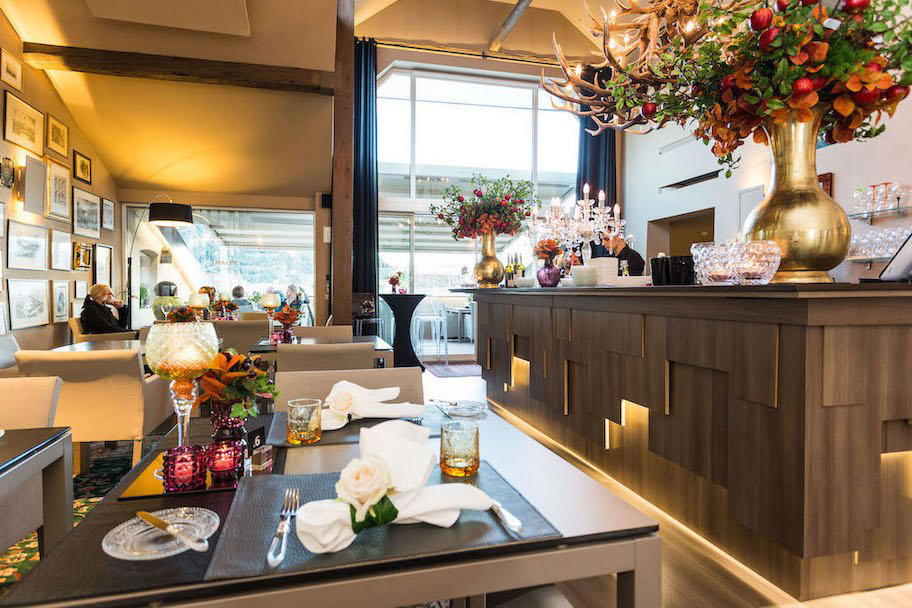
The Architecture of the Laubengasse Address
Via dei Portici, known locally as the Laubengasse, is Bolzano's most recognisable commercial spine, a long arcade of Gothic arches that has channelled foot traffic, commerce, and civic life since the medieval period. Dining rooms that open onto this corridor inherit something beyond a street address: they absorb the physical rhythm of the arcades themselves, with their alternating shade and light, their stone floors worn smooth by centuries of use, and the particular acoustic quality that comes from vaulted ceilings and the ambient movement of a city that still treats walking as primary transport. Restaurant Arôme Thaler sits within this architectural frame at number 69, and the address does much of the spatial work before any menu arrives.
In cities where the built environment is genuinely old, the interior design problem for a serious restaurant is different from what it is in, say, a repurposed warehouse district. The question is not how to create atmosphere but how to respond to atmosphere that already exists at a structural level. Considered dining rooms in comparable Alpine-Italian settings tend to work with rather than against this inherited weight, preserving exposed stone or timber detail while introducing contemporary service infrastructure that does not announce itself. How a room manages that negotiation shapes the guest experience as much as the food does.
Bolzano's Dining Tiers and Where Arôme Thaler Sits
Bolzano's restaurant scene has a more layered competitive structure than its size suggests. At the regional end, houses like Batzen Häusl and Bamboo operate in formats anchored to local tradition and approachable price points. Moving up the register, venues such as Bogen and aLMa9 occupy a mid-to-upper tier where modern technique and regional ingredient sourcing converge. At the more ambitious end, Castel Flavon - Haselburg offers the overlay of a hilltop setting that adds theatrical context to the dining experience.
Restaurant Arôme Thaler's position within this structure is shaped by its address as much as its cooking. The Laubengasse location places it squarely in the city's commercial and cultural centre, which tends to attract a different guest mix than destination restaurants on the periphery, a blend of informed local diners, transit visitors arriving from the Brenner corridor, and the increasing flow of travellers using Bolzano as a base for the Dolomites. That mix creates both opportunity and expectation: a central address in a competitive dining city demands a degree of consistency and identity that a more geographically isolated venue can sometimes defer.
For broader regional context, Alto Adige has produced some of Italy's most discussed destination restaurants in recent years. Atelier Moessmer Norbert Niederkofler in Brunico sits at the apex of the regional fine-dining conversation, drawing comparisons with houses like Osteria Francescana in Modena and Le Calandre in Rubano for its singular commitment to mountain-sourced ingredients. The pressure that kind of recognition places on the broader regional scene is real: it raises visitor expectations and sharpens the question of what, exactly, a Bolzano restaurant owes to its Alpine-Italian context.
The Cuisine Tradition This Address Inhabits
Alto Adige cooking sits at a genuine cultural intersection. German-speaking South Tyrol brings speck, canederli, and the structural logic of Central European farmhouse cuisine; the Italian south brings pasta traditions, olive oil, and a different register of vegetable cooking. Particularly considered kitchens in the region treat this as a resource rather than a constraint, finding a culinary grammar that does not simply alternate between the two traditions but synthesises them at the ingredient and technique level.
That approach has its Italian parallels in kitchens that work within similarly defined regional identities. Piazza Duomo in Alba operates within the tight identity of Piedmontese cuisine and has pushed it outward rather than away from it. Dal Pescatore in Runate sustains a multi-generational Mantuan kitchen with similar fidelity. The question for any serious Bolzano restaurant is where it positions itself on that spectrum, and whether it treats the dual-heritage context as a genuine creative proposition or as local-colour decoration.
Internationally, the synthesis challenge is not distinctive to Alto Adige. Kitchens like Atomix in New York City have built sustained recognition on the disciplined integration of two culinary traditions into a single coherent voice. The difference in Bolzano is that the two traditions are not imported but inherited, which gives the leading local kitchens a different kind of authority, and a different kind of accountability.
Planning a Visit: Practical Considerations
Via dei Portici 69 is walkable from Bolzano's main train station in under ten minutes, and the Laubengasse itself is pedestrian-only, which means arrival on foot is the practical default for most visitors. The arcade's covered walkway is useful in the winter months, when Bolzano's market season peaks and the city sees its highest visitor density. Summer brings a different crowd: hikers and climbers using the city as a staging point for the Dolomites, who often arrive with more flexible schedules and less formal dining expectations. Timing a visit to either season affects what kind of room you will be sharing.
For those building a wider Alto Adige itinerary, restaurants across the broader Italian fine-dining network offer useful calibration points. Uliassi in Senigallia, Quattro Passi in Marina del Cantone, and Reale in Castel di Sangro each represent the ambition level that Italian regional fine dining can reach when a kitchen commits to a specific geographical identity. Enoteca Pinchiorri in Florence and Enrico Bartolini in Milan sit in a different tier again, where the wine program becomes as much a draw as the kitchen.
The Quick Read
Comparable venues nearby, for context on price, style, and recognition.
| Venue | Cuisine | Price | Notes |
|---|---|---|---|
| Restaurant Arôme ThalerThis venue — the venue you are viewing | Not listed | $$$ | Not listed |
| Il Corso Bolzano | Not listed | $$ | Piazza della Vittoria, Neapolitan Pizza and Italian |
| Steidlerhof | Not listed | $$$ | Santa Maddalena, Traditional South Tyrolean Buschenschank |
| Marechiaro | Centro, Italian Seafood & Pizza | $$$ | Not listed |
| Meta | Not listed | $$$ | Piazza Walther, Modern International Fine Dining |
| Pizzium - Bolzano | Not listed | $$ | Corso Italia, Neapolitan Pizza with Regional Italian Flavors |
Continue exploring
More in Bolzano
Restaurants in Bolzano
Browse all →
Bars in Bolzano
Browse all →
Hotels in Bolzano
Browse all →
At a Glance
- Elegant
- Sophisticated
- Cozy
- Scenic
- Date Night
- Special Occasion
- Rooftop
- Terrace
- Panoramic View
- Extensive Wine List
- Local Sourcing
- Skyline
- Mountain
Current opening hours
- Monday
- Closed
- Tuesday
- 10 AM–11 PM
- Wednesday
- 10 AM–11 PM
- Thursday
- 10 AM–11 PM
- Friday
- 10 AM–11 PM
- Saturday
- 10 AM–11 PM
- Sunday
- Closed
Hours can change for holidays and private events. Last verified .
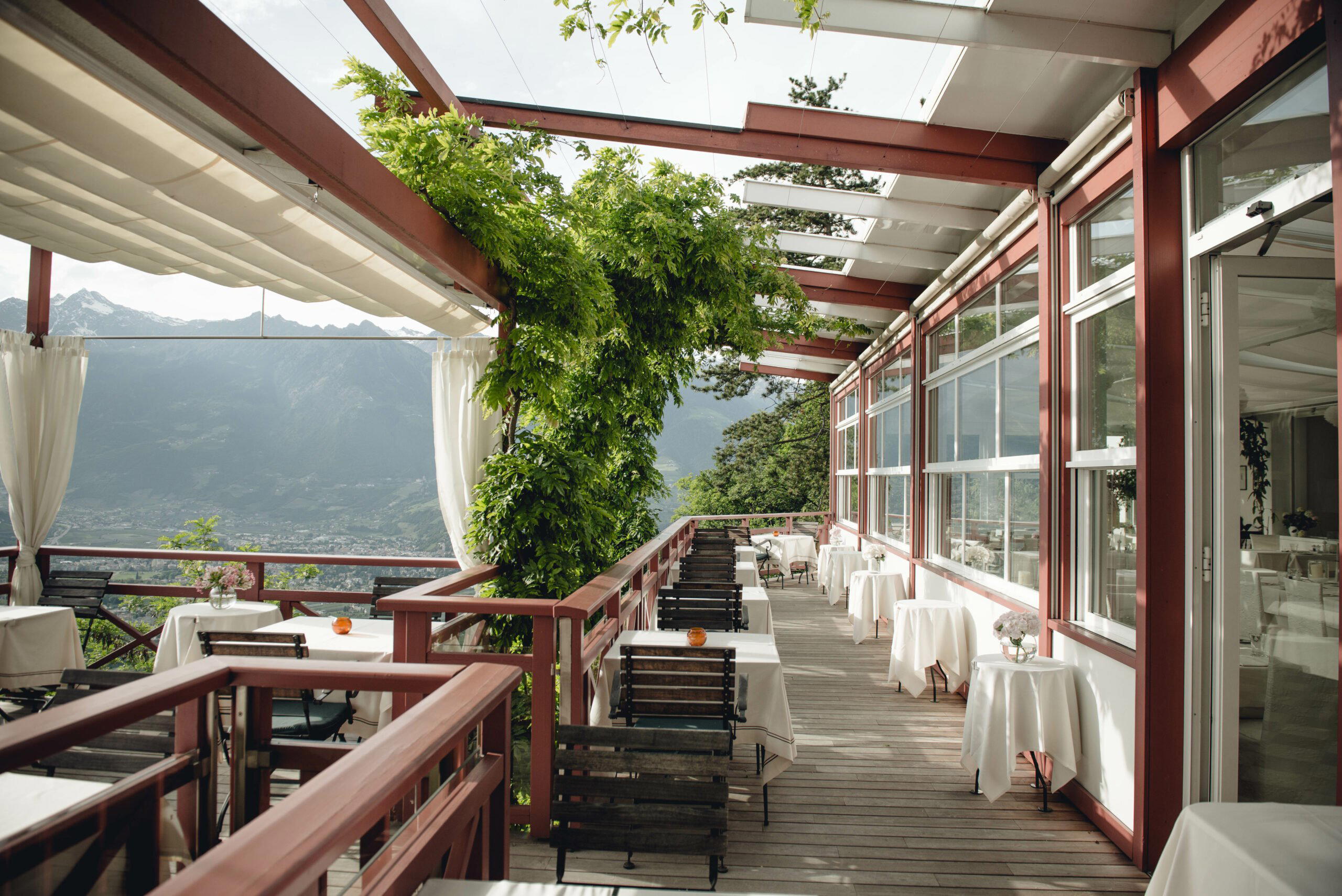
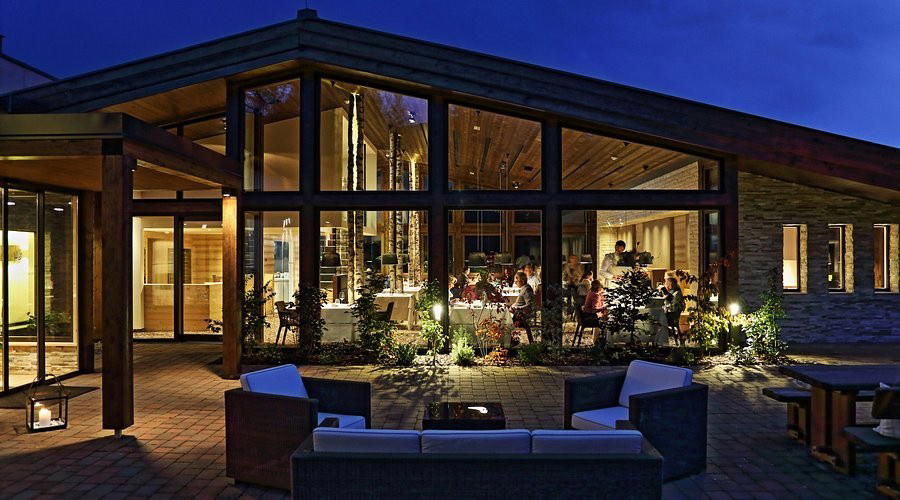
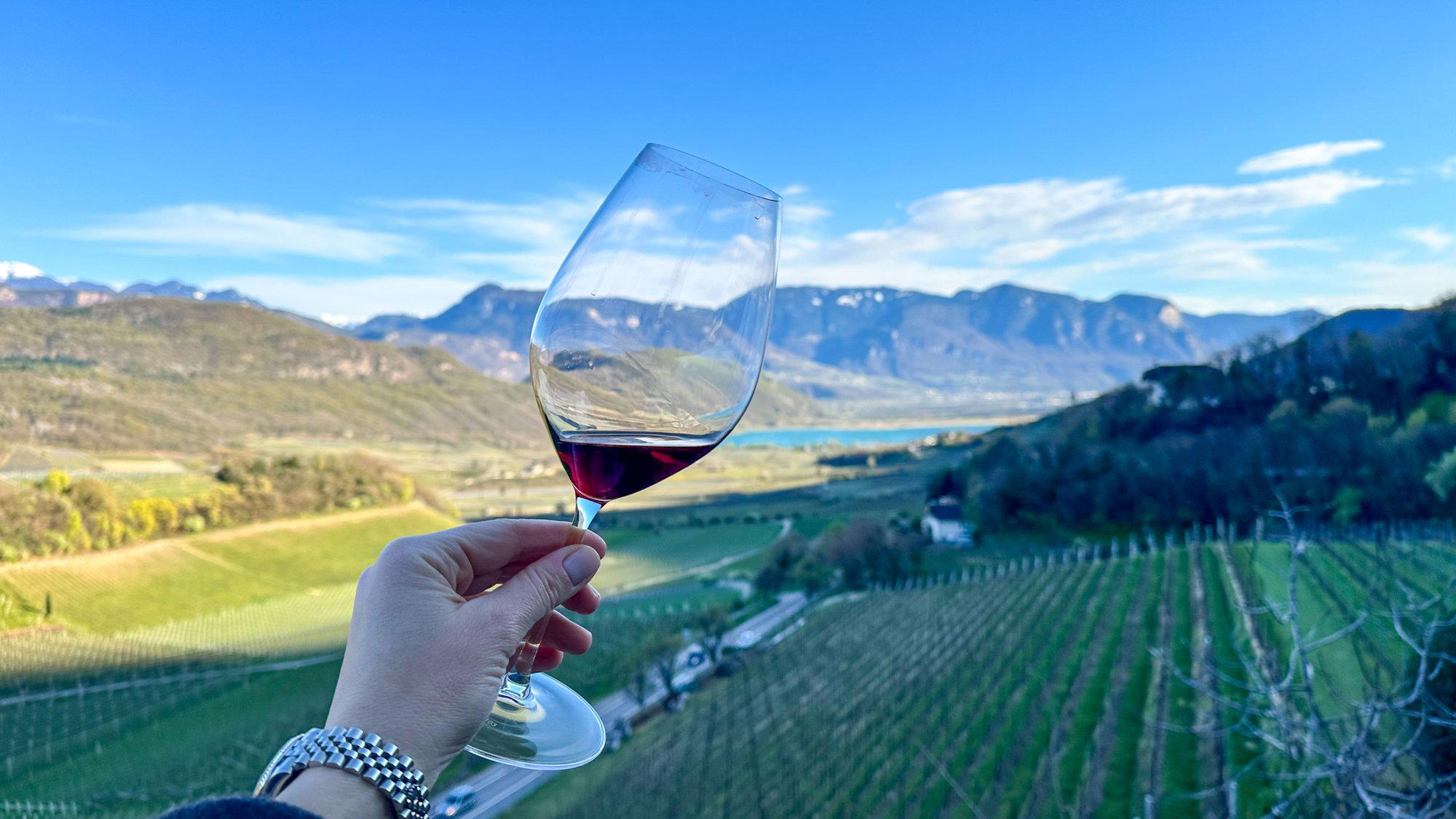
Elegant and refined atmosphere with cozy terrace seating and professional service.