Onkel Taa – K.u.K. Museum Bad Egart
Our verdict
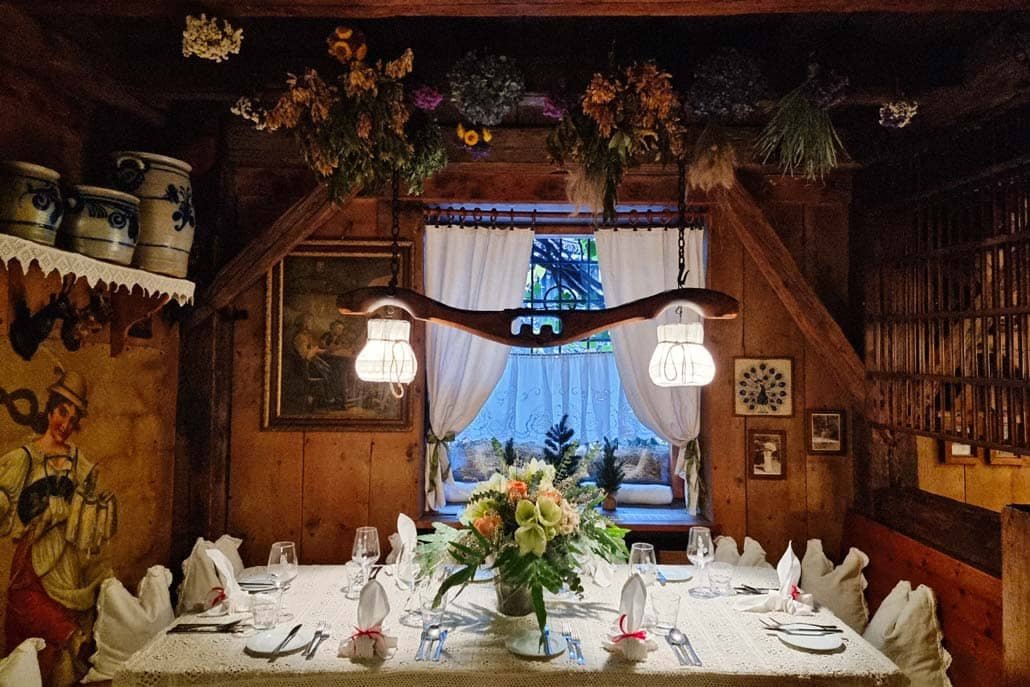
Set in the village of Partschins in South Tyrol, Onkel Taa occupies a space that doubles as a K.u.K. museum, placing it at an intersection of regional food culture and Austro-Hungarian heritage. The surrounding Vinschgau valley supplies some of the most distinctive agricultural produce in northern Italy, from heritage apple varieties to mountain herbs, making the sourcing context here as compelling as the setting itself.

Pearl is the En Primeur Club membership app, where members save venues, book tables and use the concierge.
The menu
What to order
- Weinbergschnecken
- Sisis Gerichte
- Franz Josephs Lieblingsgerichte
- Boeuf à la Janett
Where South Tyrol's Agricultural Identity Meets Austro-Hungarian Memory
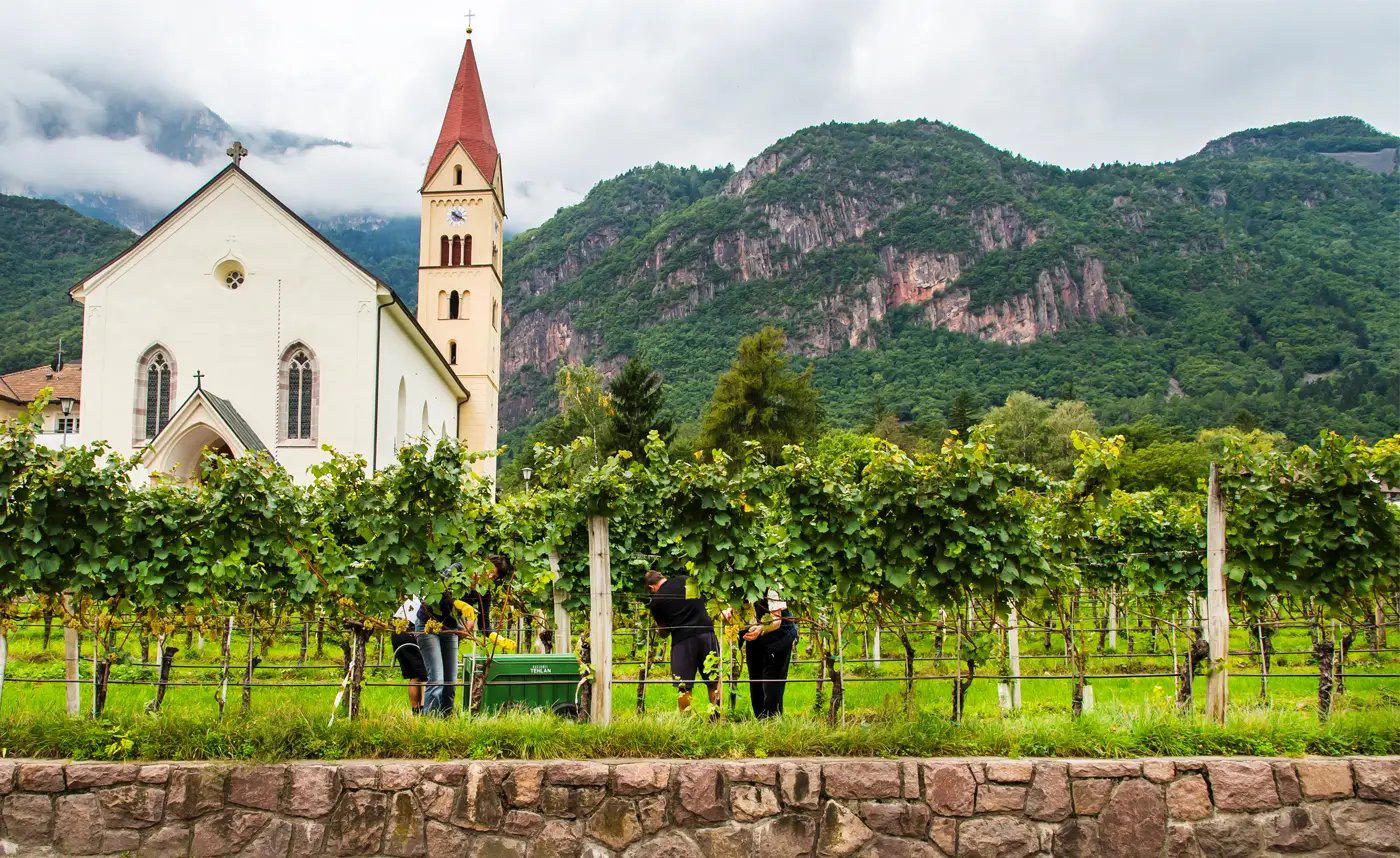
South Tyrol operates on a different logic from the rest of Italy's dining scene. The region's food culture draws from two overlapping traditions: the Italian Mediterranean sensibility that arrived after 1919 and the older Austro-Hungarian farmhouse cooking that still shapes what gets grown, cured, and fermented in these valleys. Partschins, a small village in the Vinschgau above Merano, sits at the heart of that overlap. The Etschtal valley floor here supports apple orchards at altitude, rye fields on the slopes, and a cheese and curing tradition that predates modern Italy as a political entity. When a restaurant operates inside a K.u.K. museum, a reference to the Kaiserlich und Königlich, the Imperial and Royal designation of the Habsburg dual monarchy, the setting is not decorative. It is an argument about where this food comes from.
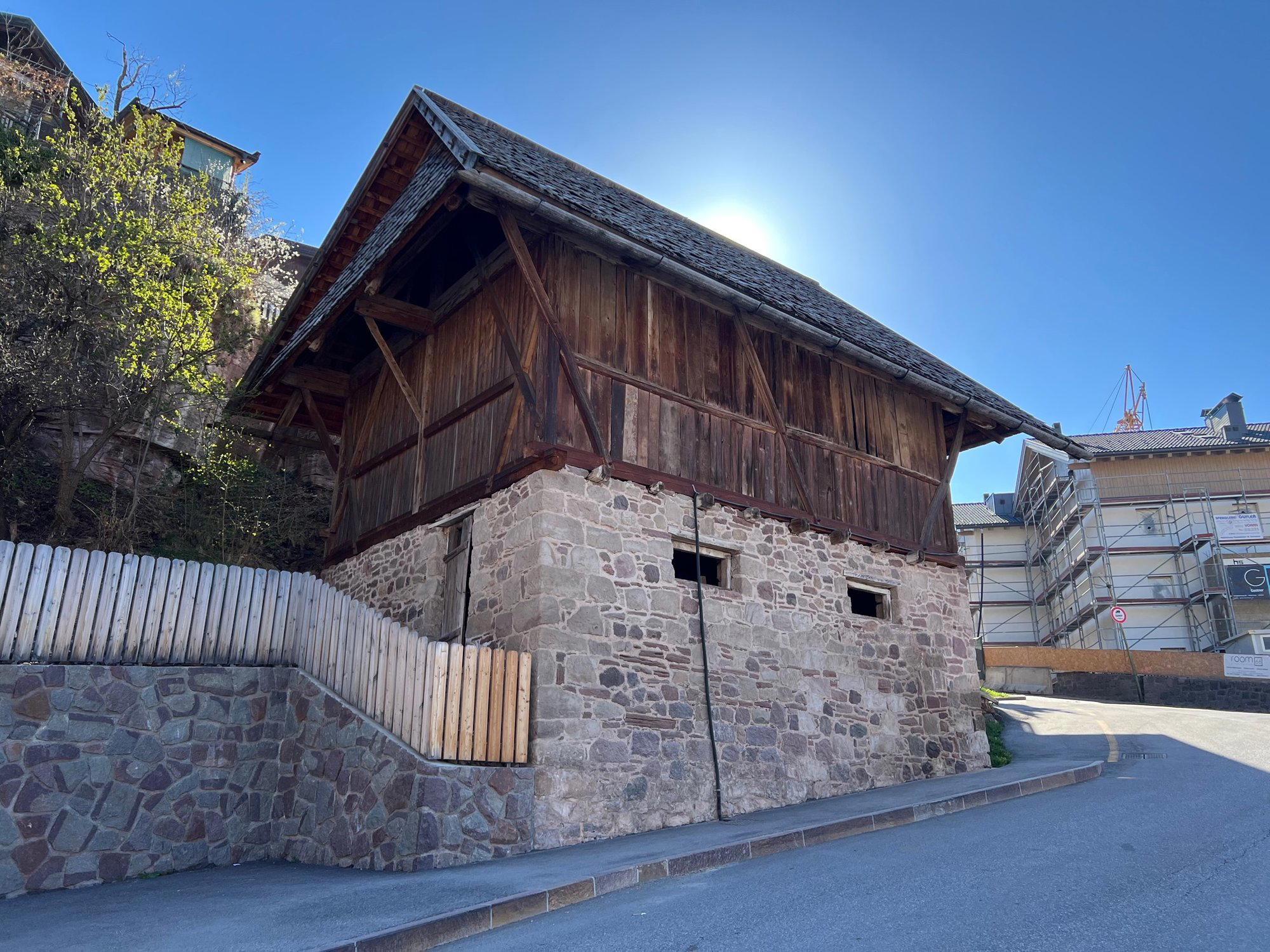
Onkel Taa, at Via Stazione 17 in Parcines (the German-language name for Partschins), inhabits exactly that argument. The K.u.K. Museum Bad Egart frames the dining experience with artefacts and material culture from the late Habsburg period, which in practical terms means the building itself carries the weight of a specific agricultural and political history. Eating here is not separated from that context. For visitors arriving from Merano, the approach through the valley already signals the shift: this is mountain-country cooking, not the Mediterranean plates you'd find an hour south on the autostrada.
The Vinschgau as Larder: Why Sourcing Matters Here
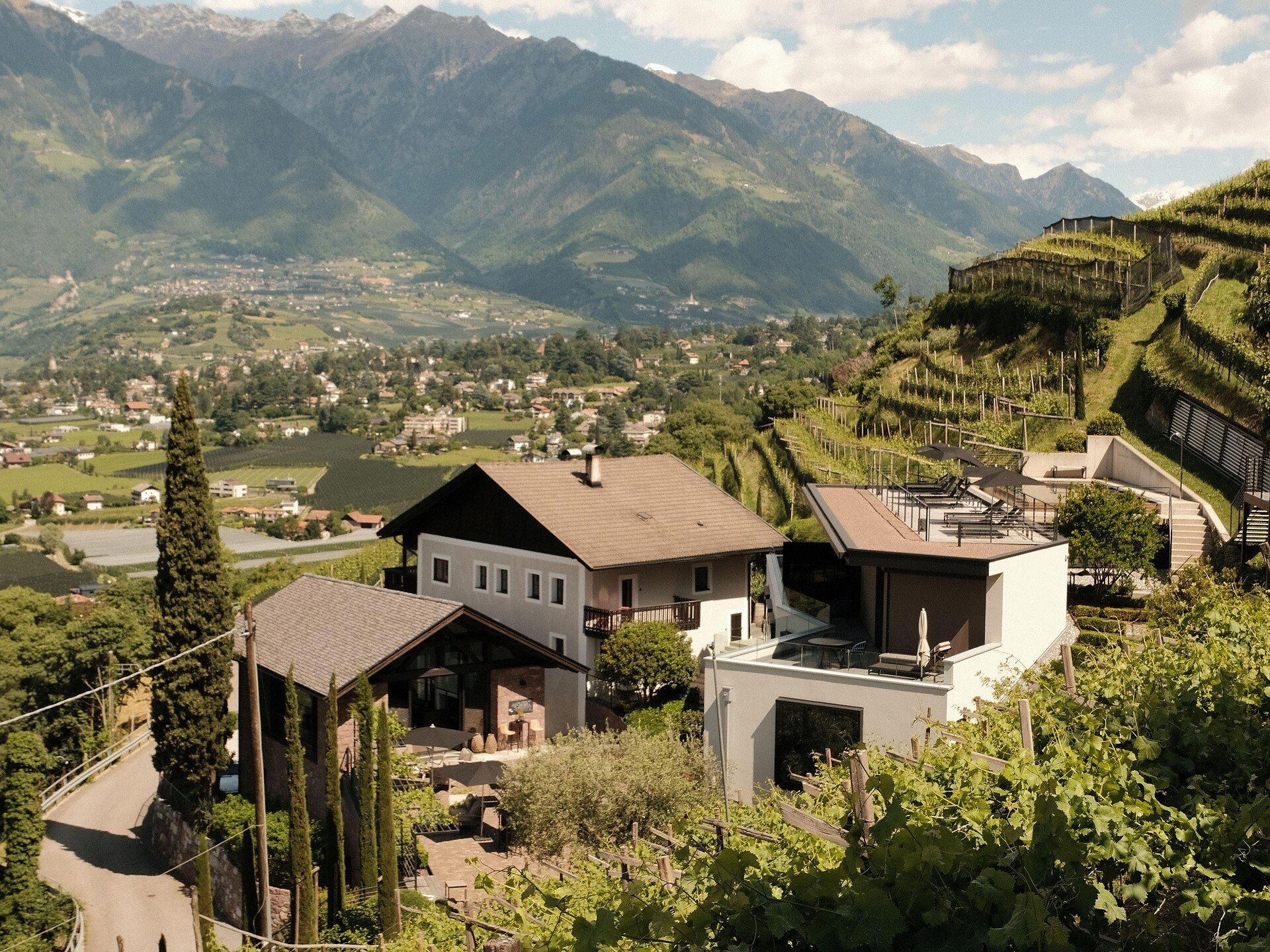
The Vinschgau valley has one of the most distinctive agricultural profiles in the Italian Alps. Its dry, high-altitude microclimate, sheltered by the main Alpine ridge to the north and benefiting from strong sun, produces apples that supply a significant share of Europe's premium variety market. But beyond the apple monoculture that dominates the valley floor, the higher slopes retain older cultivation patterns: Vinschger Paarl rye flatbread, small-batch dairy from mountain pastures, and wild herbs that appear in cooking only within a narrow seasonal window.
This sourcing geography matters for understanding what a venue like Onkel Taa represents in context. South Tyrolean restaurants at every price point work within a version of this larder, but the proximity to Partschins' own orchards and the framing of the K.u.K. museum setting suggest a particular commitment to the historical continuity of those ingredients. The same apples that appear in a modern Austrian-Italian kitchen likely trace back to varieties cultivated under the same imperial administration whose artefacts line the museum walls. That layering, heritage ingredient, heritage setting, is the distinguishing character of this place within Partschins' small but genuine dining offer.
For comparison, the Vinschgau approach to sourcing sits at the regional end of a spectrum that, at its most refined, reaches venues like Atelier Moessmer Norbert Niederkofler in Brunico, where Alpine ingredient sourcing is treated as a full philosophical and gastronomic programme. Onkel Taa operates at a different register and scale, but it draws from the same foundational geography.
Partschins in the Wider Italian Dining Picture
Italy's decorated restaurant tier, the houses holding multiple Michelin stars and consistent placement on major lists, is concentrated in a handful of cities and wine regions. Osteria Francescana in Modena, Piazza Duomo in Alba, Le Calandre in Rubano, and Enoteca Pinchiorri in Florence define that conversation at the leading. Dal Pescatore in Runate and Uliassi in Senigallia represent the strength of regional Italian cooking at the highest formal level. Enrico Bartolini in Milan, Reale in Castel di Sangro, and Quattro Passi in Marina del Cantone round out a picture of Italian fine dining that is geographically diverse but tends to concentrate prestige in urban or coastal settings.
South Tyrol operates separately from that mainstream. Its Germanic-Italian bilingual identity, its Alpine ingredient culture, and its strong regional tourism economy from Merano and Bolzano have produced a dining scene that is insular in the leading sense: self-referential, ingredient-focused, and largely indifferent to Italian culinary fashion further south. Partschins is a small node in that network. Restaurant and Steakhouse Panorama and THEDL represent the fuller picture of what the village offers. Our full Partschins restaurants guide maps the options across price points and styles.
For a fuller sense of Italian fine dining across regions, Casa Perbellini 12 Apostoli in Verona, Da Vittorio in Brusaporto, and La Pergola in Rome offer useful points of reference. At the international level, Le Bernardin in New York City and Atomix in New York City illustrate how ingredient sourcing and cultural context function as anchors for serious restaurant programmes beyond Europe.
Planning a Visit
Onkel Taa is located at Via Stazione 17 in Parcines, the municipality that encompasses Partschins, in the province of Bolzano, South Tyrol. Merano is the nearest town of scale and the logical base for visitors, reachable by rail from Bolzano in under 30 minutes. From Merano, Partschins is a short drive or bus ride into the valley. Given the museum character of the site, visiting during daylight hours makes the most of the setting and the surrounding orchard landscape.
Frequently asked questions
What's the address for Onkel Taa – K.u.K. Museum Bad Egart?
Onkel Taa – K.u.K. Museum Bad Egart is located at Via Stazione, 17, 39020 Parcines BZ, Italy, Partschins.
What is the K.u.K. Museum Bad Egart in Partschins, and how does Onkel Taa relate to it?
K.u.K. stands for Kaiserlich und Königlich, Imperial and Royal, the official designation used by the Austro-Hungarian Empire for institutions under joint Austrian and Hungarian administration before 1918. The museum at Bad Egart in Partschins documents that era, which is directly relevant to South Tyrol given the region's Habsburg past. Onkel Taa operates as the hospitality component within this museum setting at Via Stazione 17, Parcines, making it one of the few dining venues in the Italian Alps where the culinary and historical framing are explicitly aligned.
What should I order at Onkel Taa – K.u.K. Museum Bad Egart?
Given its location at Via Stazione 17 in Parcines and its framing within South Tyrol's Vinschgau valley, expect the kitchen to draw on regional alpine staples, rye-based breads, local cured meats, and seasonal produce shaped by the valley's dry mountain microclimate. Asking staff directly on arrival about daily preparations is the most reliable approach.
Do I need a reservation for Onkel Taa – K.u.K. Museum Bad Egart?
No phone number or booking platform is listed for the venue, which makes advance arrangements harder to confirm from a distance. Given that Onkel Taa operates as part of a museum context in Partschins, visiting during published museum hours and enquiring in person about dining availability is the practical approach. Small venue dining rooms in rural South Tyrol typically have limited covers, so arriving early in a meal period reduces the risk of a full house.
What makes Onkel Taa – K.u.K. Museum Bad Egart worth seeking out?
The venue sits within the K.u.K. Museum Bad Egart in Partschins, positioning it at an intersection rarely found elsewhere in the Italian Alps: a dining or hospitality offer embedded inside a space that documents Austro-Hungarian history in a region that still carries the cultural weight of that era. South Tyrol passed from the Habsburg Empire to Italy only after 1918, and that layered identity shapes local food traditions as much as political maps. The address, Via Stazione 17, Parcines, places it within easy reach of Merano, which adds practical logic to a visit.
How does Onkel Taa – K.u.K. Museum Bad Egart handle allergies?
Italian law requires food businesses to declare allergen information for dishes containing the 14 regulated substances under EU Regulation 1169/2011, so staff should be able to provide allergen detail on request. Given the absence of a listed phone or website, the most reliable course is to raise specific dietary requirements on arrival at Via Stazione 17, Parcines.
Is eating at Onkel Taa – K.u.K. Museum Bad Egart worth the cost?
No price range is listed for the venue, making a direct cost assessment against comparable South Tyrol options impossible to substantiate. Museum-integrated dining rooms in the region tend to run at mid-range local pricing rather than at the level of Bolzano or Merano's decorated restaurant tier. The stronger case for visiting is contextual: the combination of Austro-Hungarian cultural framing in Partschins and the Vinschgau's distinct agricultural identity makes the experience difficult to replicate at a price-comparable venue nearby.
In Context: Similar Options
| Venue | Cuisine | Price | Awards | Notes |
|---|---|---|---|---|
| Onkel Taa – K.u.K. Museum Bad EgartThis venue (the venue you are viewing) | Modern South Tyrolean with Austro-Hungarian influences | $50–100 | Not listed | Not listed |
| Atelier Moessmer Norbert Niederkofler | Modern Alpine Fine Dining | $300–500 | 3 Michelin Stars · World's 50 Best #20 | Italian, Creative |
| Dal Pescatore | Classic Italian Fine Dining | $200–300 | 3 Michelin Stars · World's 50 Best #38 | Italian, Italian Contemporary |
| Enoteca Pinchiorri | Contemporary Italian Fine Dining | $200–300 | 3 Michelin Stars · World's 50 Best #32 | Italian - French, Italian Contemporary |
| Enrico Bartolini | Modern Italian Fine Dining | $300–500 | 3 Michelin Stars · World's 50 Best #85 | Creative |
| Le Calandre | Modern Italian Fine Dining | $200–300 | 3 Michelin Stars · World's 50 Best #31 | Progressive Italian, Creative |
Continue exploring
More in Partschins
Restaurants in Partschins
All restaurants in Partschins →
Bars in Partschins
Browse all →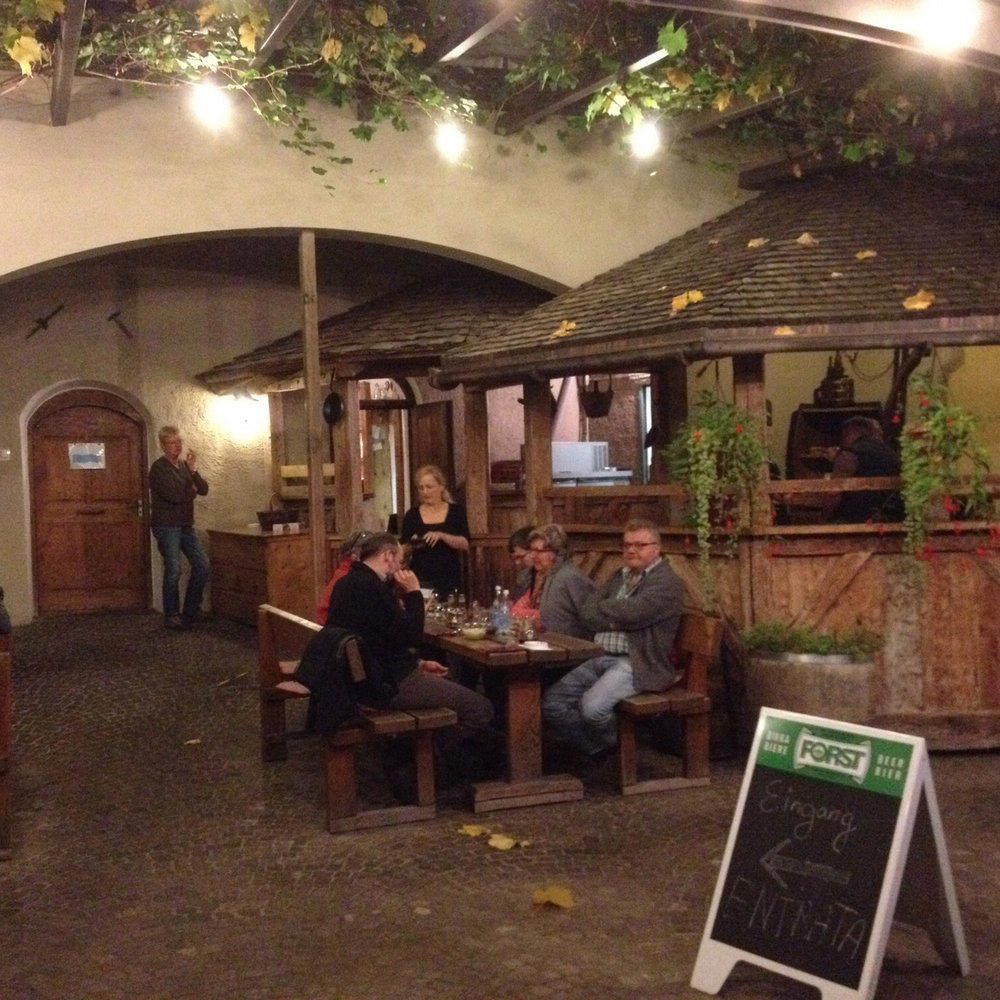

Details
- Historic
- Cozy
- Intimate
- Rustic
- Special Occasion
- Date Night
- Historic Building
- Extensive Wine List
- Local Sourcing
- Organic
- Garden
- A La Carte
- Vegetarian Friendly
- Vegan Options
- Gluten Free Options
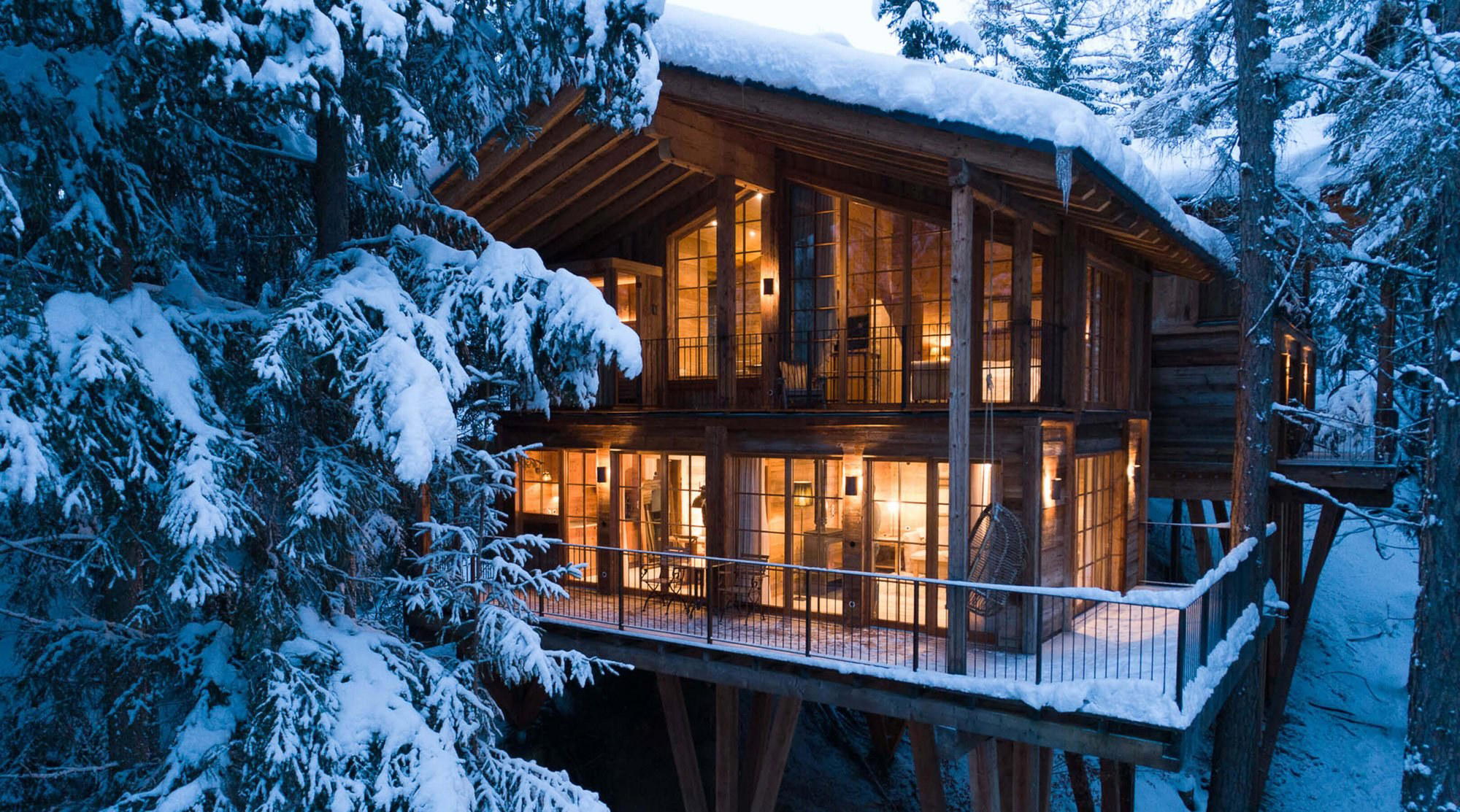
Quirky historic atmosphere filled with antiques, memorabilia, fresh flowers, and a warm, home-like feel evoking the Austro-Hungarian era.