Ristorante Da Aurelio
Perched at Passo di Giau in the Dolomites above Colle Santa Lucia, Ristorante Da Aurelio operates in a rarefied category of mountain dining where altitude and season govern everything on the plate. The kitchen draws from one of Italy's most ingredient-defined highland traditions, where meadow herbs, local dairy, and short-season produce do the editorial work. A reference point for anyone serious about Veneto alpine cooking.
Pearl is the En Primeur Club membership app — saves, bookings, and concierge access live there. Same editors, same standards.
- Address
- Passo di Giau, 5, 32020 Colle Santa Lucia BL, Italy
- Phone
- +393291359222
- Website
- da-aurelio.it
- Directions
- Get directions
 Saves & bookings on Pearl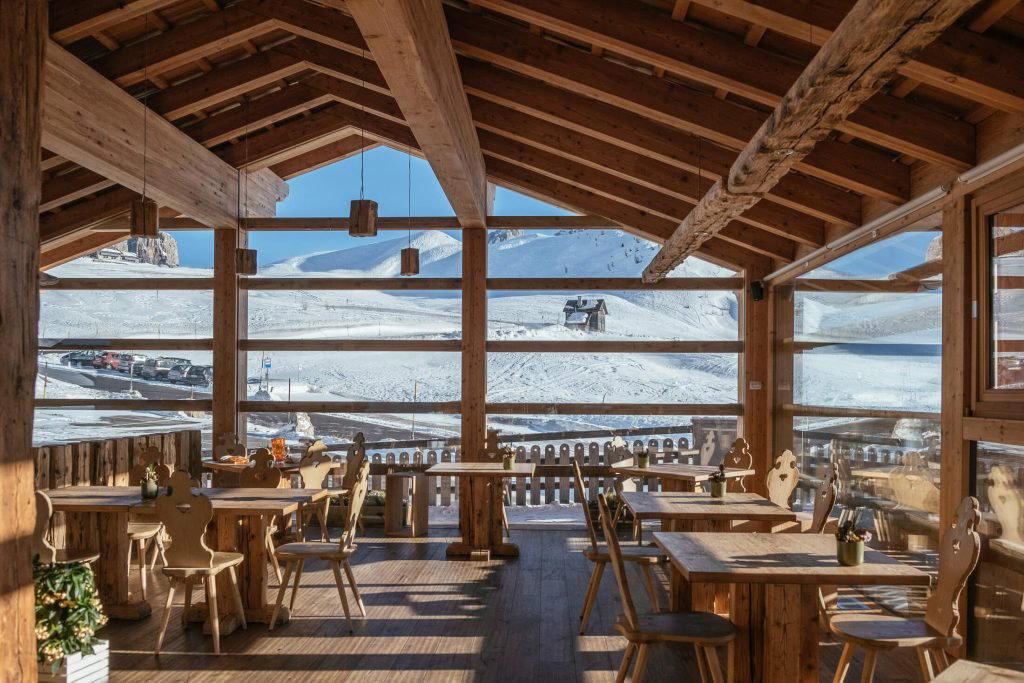
Where the Pass Dictates the Plate
At 2,233 metres, Passo di Giau is one of the more demanding approaches in the Dolomites, a switchback road that empties out onto a high plateau ringed by the Nuvolau massif and the Croda da Lago. In summer, the pass is open to cyclists grinding their way through Giro stages. In winter, it sits under deep snow until the ploughs make it passable again. Ristorante Da Aurelio occupies this geography not as a scenic backdrop but as a governing condition: what grows, what arrives, and what is even possible in the kitchen is determined first by the altitude and the season, and only secondarily by any cook's intention.
What distinguishes the Dolomites specifically is the proximity of Germanic and Ladin culinary traditions to Italian ones, a tripartite heritage that shows up in dairy use, cured meat traditions, and the particular way that grain and root vegetables are treated as serious ingredients rather than supporting cast.
Ingredient Sourcing at Altitude: A Different Kind of Constraint
The Colle Santa Lucia area, administered as a comune within the Belluno province of Veneto, sits in the Agordino valley system, a region that has historically been more isolated than the better-known Cortina d'Ampezzo corridor to the north. That isolation has a culinary consequence: local sourcing here is less a marketing posture and more a practical reality shaped by what the terrain produces and what can realistically be transported to an address like Passo di Giau 5.
Alpine dairy is the category that most reliably defines high-Dolomite cooking at this altitude. Malga cheeses, produced in seasonal upland dairies called malghe, where cattle graze at elevation from June through September, carry a flavour profile that is markedly different from lowland production, with grasses and wildflowers at 1,800 to 2,200 metres imparting a mineral edge that lowland pasture cannot replicate. Speck and other cured meats from the surrounding province follow a similar logic: the dry mountain air, the specific salt ratios developed over generations, and the smoking traditions tied to local hardwoods all produce results that connect directly to geography. When a kitchen at this altitude draws on these inputs, the sourcing is the cooking in a real sense.
This stands in instructive contrast to the more elaborately constructed ingredient narratives at heavily decorated Italian restaurants like Osteria Francescana in Modena, Piazza Duomo in Alba, or Le Calandre in Rubano. Those kitchens operate with creative frameworks that transform regional ingredients into tasting-menu compositions. The alpine trattoria format represented by a place like Da Aurelio works from a different premise: the ingredient is primary, and the preparation exists to make that clarity legible rather than to reimagine it.
The Mountain Trattoria in the Italian Fine Dining Context
Italy's fine dining conversation is dominated by a well-documented tier of Michelin-starred operations, Dal Pescatore in Runate, Enoteca Pinchiorri in Florence, Da Vittorio in Brusaporto, Villa Crespi in Orta San Giulio, and a separate, less-discussed category of serious regional restaurants that operate without that infrastructure but with equivalent commitment to craft. The mountain trattoria, at its most disciplined, belongs to the second category.
What the format offers that the starred tier often cannot is an unmediated relationship between setting and food. At a restaurant like La Pergola in Rome or Enrico Bartolini in Milan, the kitchen is the environment. At Passo di Giau, the Dolomite plateau is the environment, and the kitchen is an extension of it. The distinction matters to a specific kind of traveller, one for whom eating at altitude in a building that has weathered decades of alpine winters is itself part of the experience, not an inconvenience to be designed around.
For reference points that sit closer to the Italian coastal and lowland tradition, see Uliassi in Senigallia, Quattro Passi in Marina del Cantone, or Gambero Rosso in Marina di Gioiosa Ionica, all operating in terrain where the sea performs the same organising function that the mountain performs in Colle Santa Lucia.
Seasonality as a Structural Fact
The Passo di Giau road closes seasonally, and that closure is especially concrete scheduling constraint a visitor faces. Access in deep winter requires checking current road conditions through provincial authorities; the pass typically reopens in late spring, and the summer-to-early-autumn window represents one reliably accessible period. This is not a detail to flag lightly: a trip to Ristorante Da Aurelio is, logistically, also a trip to a mountain pass, and should be planned with the same awareness you would bring to any high-altitude Dolomite itinerary.
The seasonal rhythm also shapes what reaches the kitchen. Short-season produce, wild herbs, mushrooms, alpine berries, appears in a compressed window. Dairy from upland malghe is a summer and early-autumn story. Understanding these rhythms makes a visit more legible and sets realistic expectations about what the menu prioritises at any given time of year.
For context on how other serious Italian kitchens structure around seasonal and territorial constraints, Reale in Castel di Sangro and Casa Perbellini 12 Apostoli in Verona both demonstrate how regional Italian cooking at serious levels uses seasonal discipline as an organising principle rather than a concession to supply chain limitation.
Planning a Visit
Colle Santa Lucia is a small comune in the Belluno province, most practically reached by car from Cortina d'Ampezzo (roughly 20 kilometres north via the SS638 and Passo Giau road) or from Selva di Cadore to the south. The address at Passo di Giau 5 places the restaurant at the summit of the pass itself, meaning the final kilometres of any approach involve mountain driving regardless of starting point. Visitors without prior experience of Dolomite pass roads should allow additional time and check road conditions, particularly in shoulder seasons. For the broader dining picture across the area, maps the relevant options across the valley.
Fast Comparison
Comparable venues nearby, for context on price, style, and recognition.
| Venue | Cuisine | Price | Notes |
|---|---|---|---|
| Ristorante Da AurelioThis venue — the venue you are viewing | Modern Italian Mountain Cuisine | $$$ | Not listed |
| Garsun | Ladin Trattoria | $$$ | Marebbe |
| Al Castelletto | Traditional Trevisan Osteria | $$$ | Pedeguarda di Follina |
| Winkelkeller | South Tyrolean & Mediterranean | $$$ | Dobbiaco |
| Steidlerhof | Traditional South Tyrolean Buschenschank | $$$ | Santa Maddalena |
| Restaurant Arôme Thaler | Modern Italian Mediterranean | $$$ | Bolzano Centro |
Continue exploring
More in Colle Santa Lucia
Restaurants in Colle Santa Lucia
Browse all →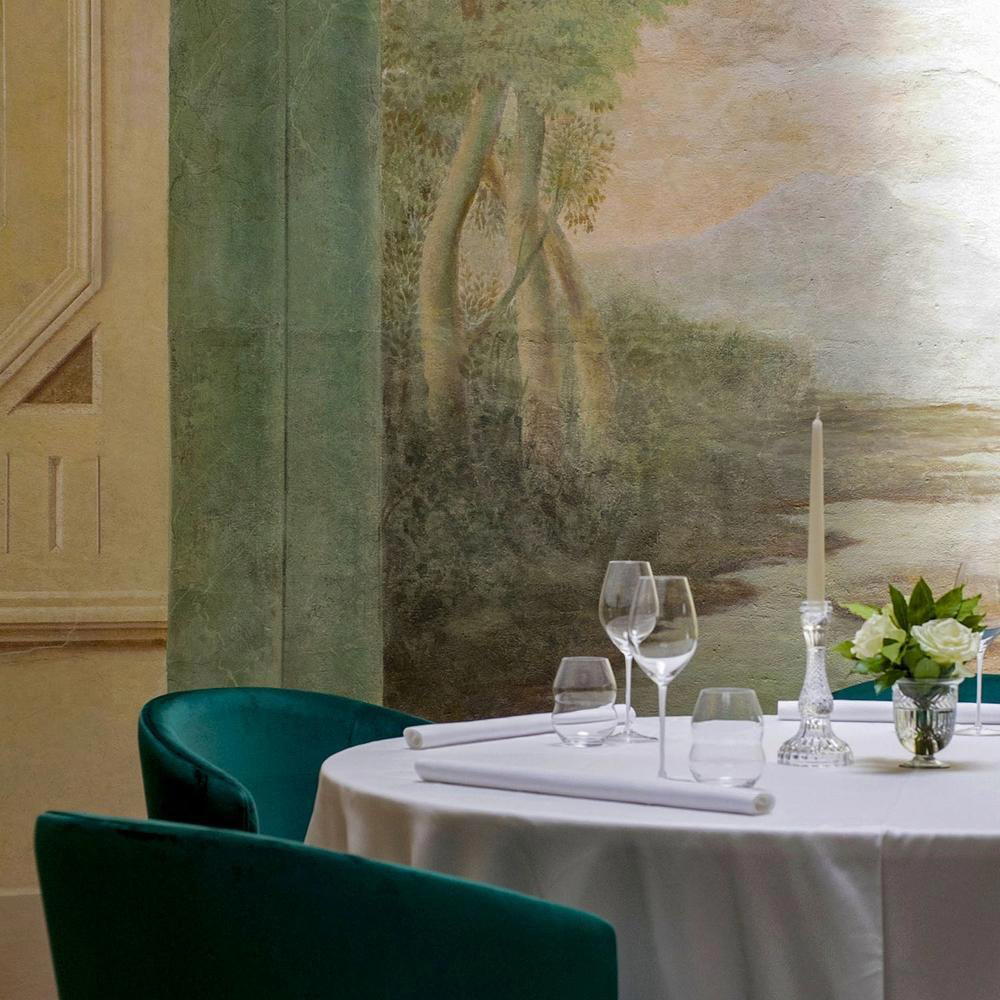
Bars in Colle Santa Lucia
Browse all →
Hotels in Colle Santa Lucia
Browse all →

At a Glance
- Scenic
- Cozy
- Rustic
- Sophisticated
- Date Night
- Special Occasion
- Celebration
- Panoramic View
- Terrace
- Standalone
- Extensive Wine List
- Local Sourcing
- Mountain
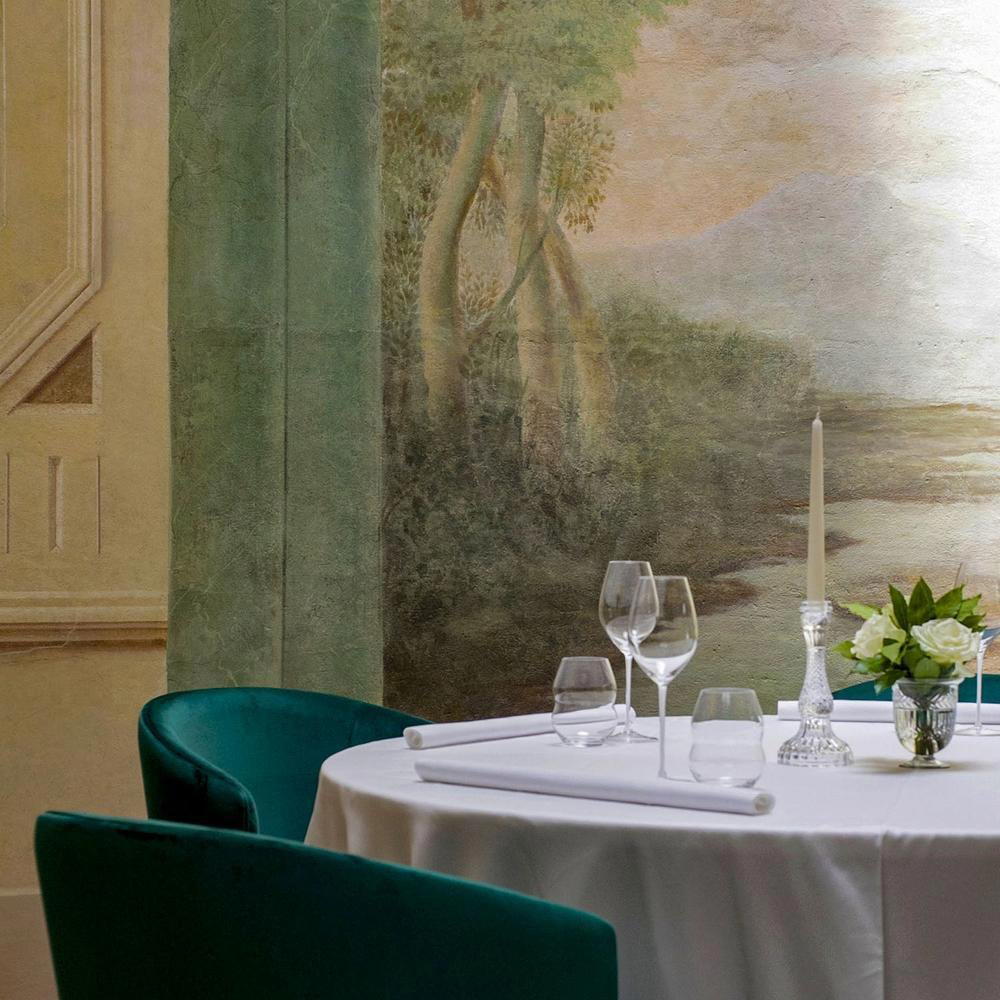
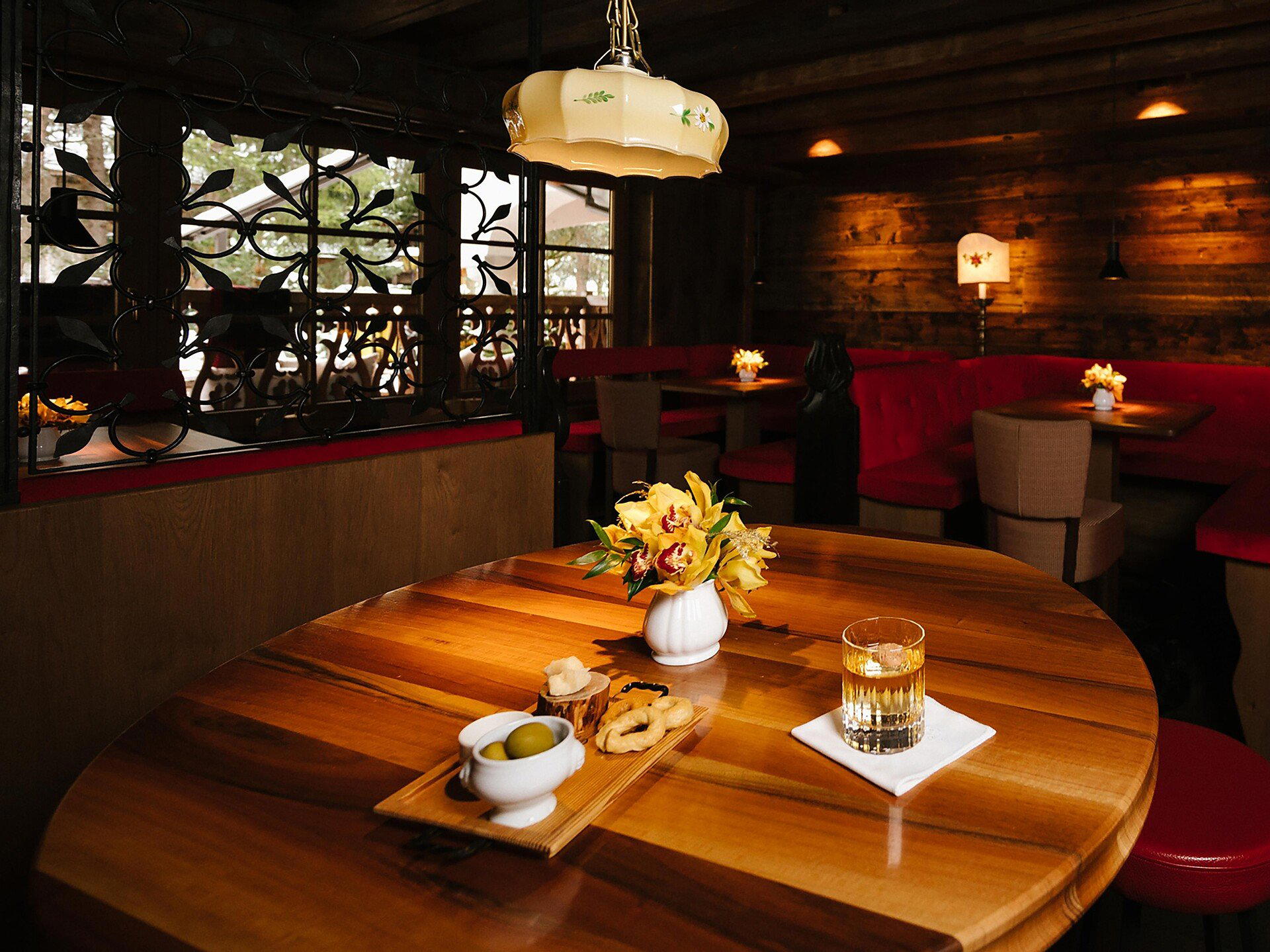
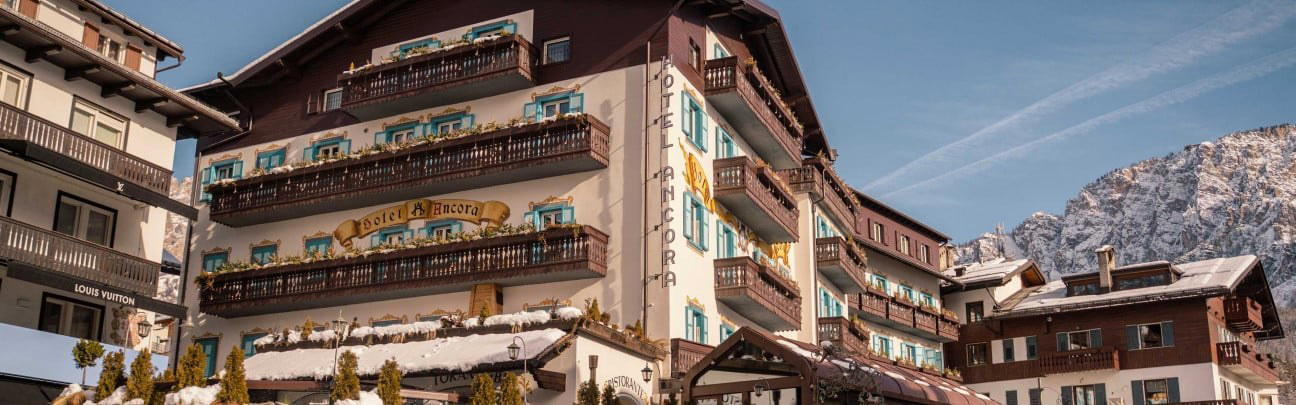
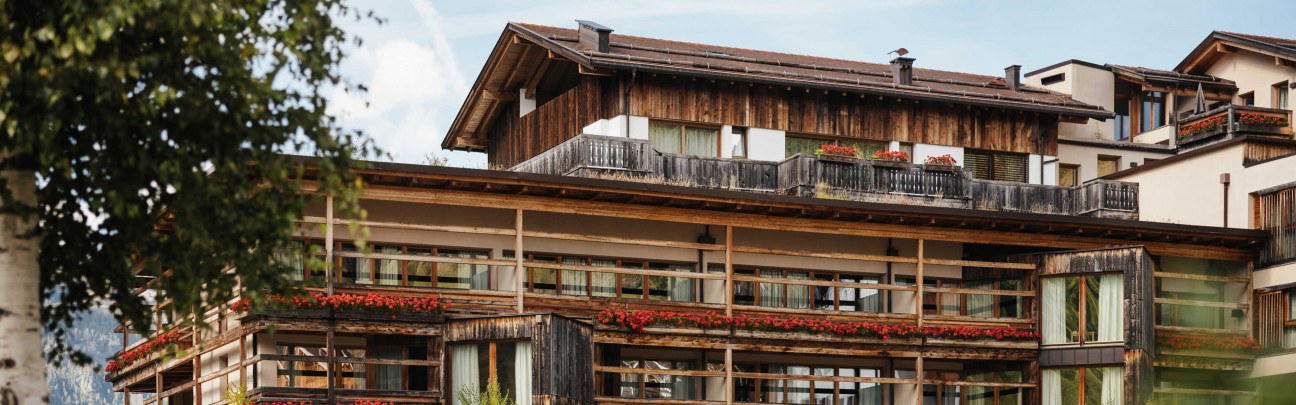
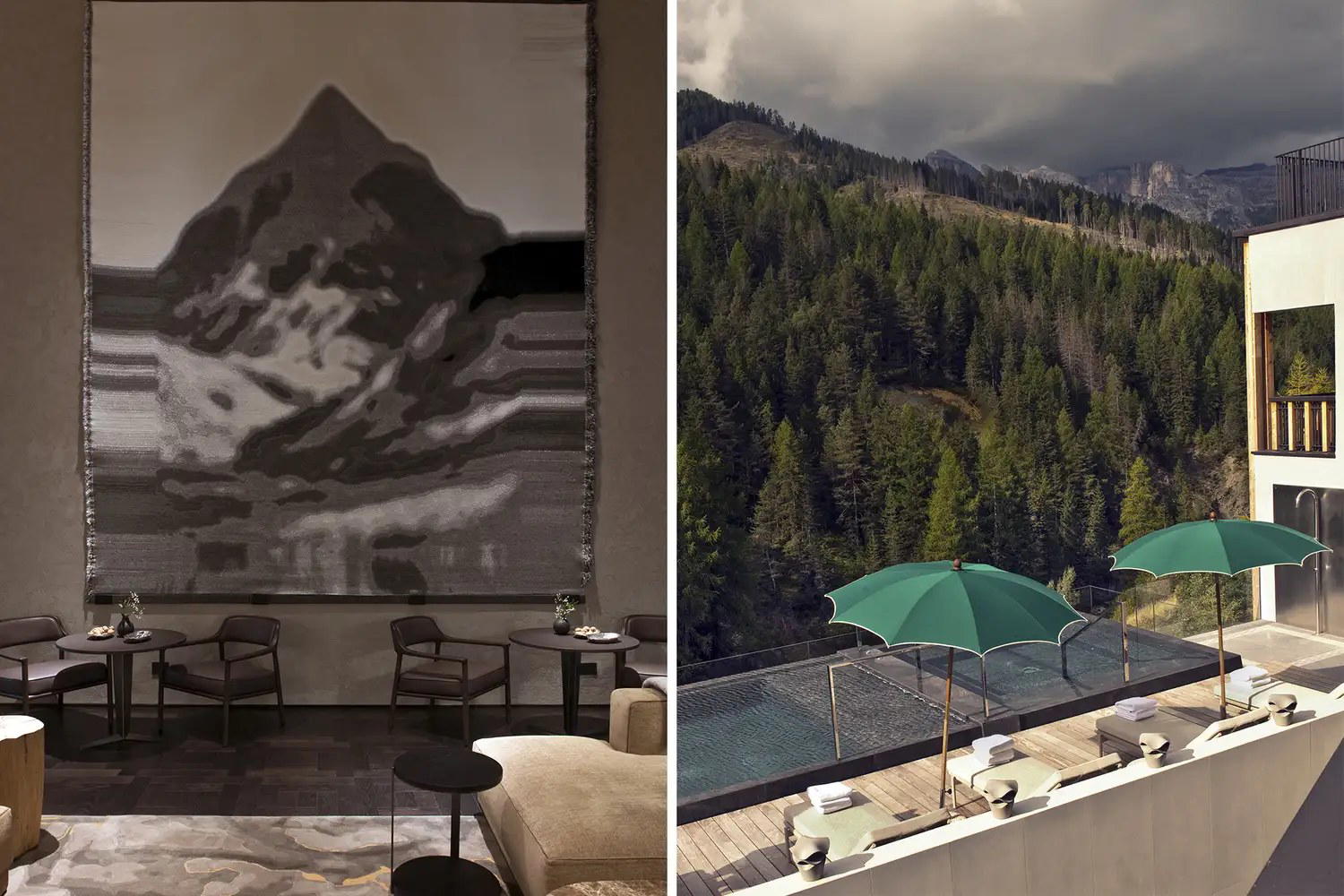
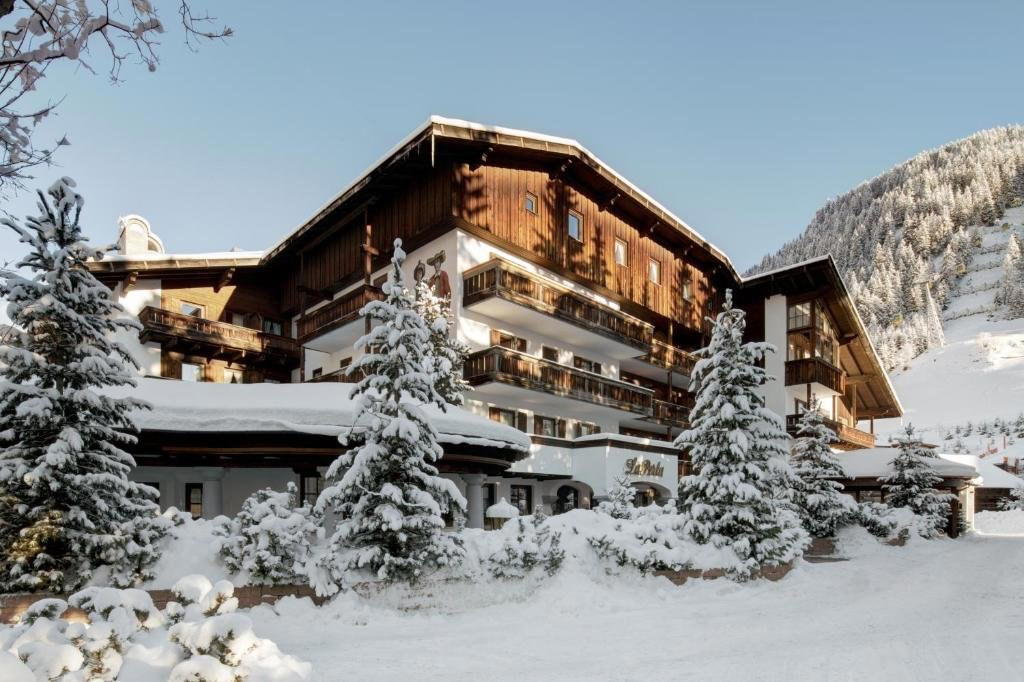
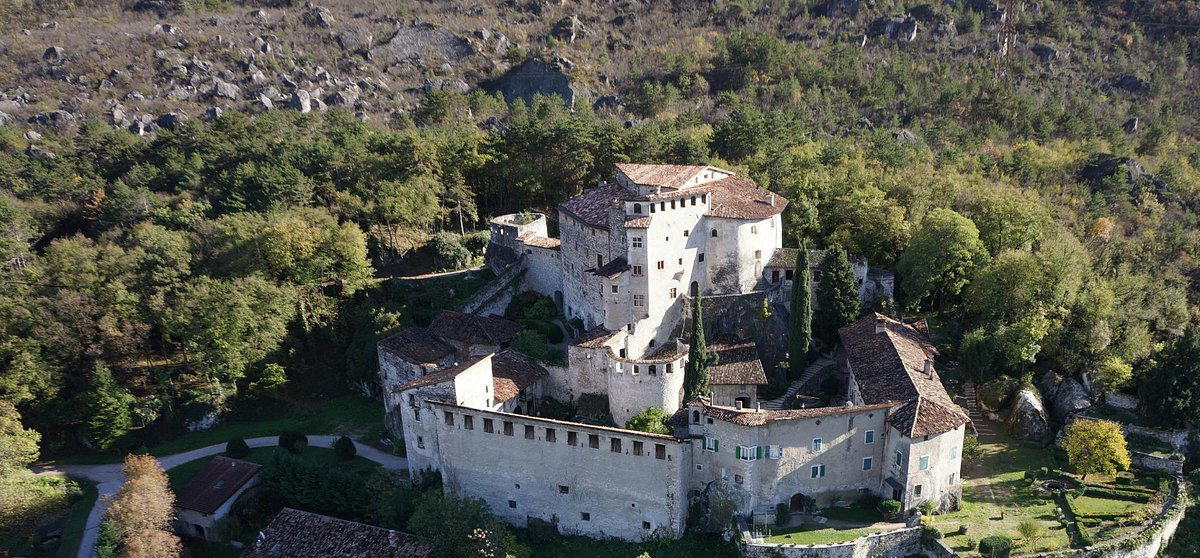
A scenic mountain setting with a warm, nature-inspired atmosphere and panoramic dining spaces overlooking the Dolomites.