


1 Michelin Star · La Liste Top Restaurants · Falstaff Restaurant - 95 Falstaff Points
Our verdict
A Michelin-starred room of just four tables inside a 16th-century Schlosswirt residence in Algund, Luisl Stube earned 85.5 points in La Liste 2025 and 84 points in 2026. Chef Luis Haller runs two tasting menus, vegetarian and protein, designed to be combined freely, while sommelier Nicola Spimpolo pairs older vintages against the contemporary South Tyrolean cooking.

Pearl is the En Primeur Club membership app, where members save venues, book tables and use the concierge.
Four Tables, One Stube: The Format That Defines the Experience
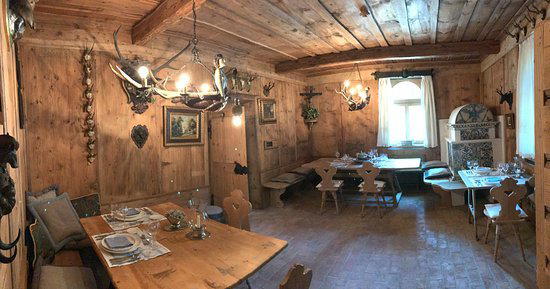
In South Tyrol, the stube is not a design choice, it is a centuries-old architectural tradition. These wood-panelled Alpine rooms, built for warmth and community, were the social core of farmhouses and inns long before the region became a destination for serious dining. What makes Luisl Stube worth understanding in that context is how it holds the physical tradition intact while running a contemporary creative kitchen inside it. The antique timbers and chandeliers are not set dressing; they predate the restaurant by centuries, and the four-table room they create produces conditions that almost no modern dining format can manufacture: genuine quiet, genuine privacy, and a pace entirely within the guest's control.
That scale, four tables, places Luisl Stube in a specific tier of Italian fine dining that prizes access restriction over volume. At Osteria Francescana in Modena or Le Calandre in Rubano, the room can absorb thirty or more covers and still function at the highest level. At Luisl Stube, the entire service is built around a handful of guests at a time, which changes what a kitchen can do and what a guest can expect. The attention-to-table ratio is structurally different from larger starred rooms.
South Tyrol's Creative Kitchen Tradition
South Tyrol occupies a particular position in Italy's creative dining conversation. The region sits at the intersection of Austrian culinary tradition, cured meats, dairy, rye, game, and northern Italian precision, and its most ambitious kitchens have learned to use that duality rather than resolve it. Atelier Moessmer Norbert Niederkofler in Brunico represents one end of that spectrum, with a rigorously alpine, forage-led approach. Luisl Stube operates with more latitude, using local South Tyrolean products as a foundation while introducing seafood and ingredients from beyond the region's borders, a decision that reflects the contemporary creative template rather than a strictly territorial one.
This approach positions the kitchen closer to the way Italian creative restaurants in coastal or cosmopolitan settings, such as Uliassi in Senigallia or Quattro Passi in Marina del Cantone, use the sea as a counterpoint to local identity. For a landlocked Alpine setting, the presence of seafood in the menu is a deliberate signal: the kitchen is not constrained by geography. It is choosing its references.
The Menu Architecture
The tasting menu format at Luisl Stube is structured in two parallel tracks, one vegetarian, one built around animal proteins, but the design intention is that they can be combined freely, as if they were a single menu. In practice, this gives a table the ability to customise the sequence without fragmenting the kitchen's logic. It is a more sophisticated structure than the simple omnivore/vegetarian binary that many starred kitchens offer as an afterthought, and it reflects a kitchen that has thought carefully about how guests at the same table might want to eat differently without creating two separate service experiences.
The La Liste scores, 85.5 points in 2025 and 84 points in 2026, alongside a Michelin star held since 2024, confirm that this approach is being evaluated seriously at a European level. La Liste's methodology aggregates critical assessments across publications and guides, so consistent placement there alongside the Michelin recognition places Luisl Stube in a tier that is better benchmarked against Dal Pescatore in Runate or Piazza Duomo in Alba than against the broader Alto Adige dining pool.
Wine at This Scale
One of the structural advantages of a four-table room is that a sommelier can operate with a level of personalisation that is logistically impossible in a larger service. At Luisl Stube, sommelier Nicola Spimpolo's focus on older vintages is a deliberate editorial position on wine, not simply a cellar quirk. Mature bottles carry a different set of references and require a different kind of reading from a guest, they reward knowledge and patience rather than immediate impact. In a room where the food is exploring the tension between local Alpine tradition and wider creative references, pairing with aged wine that carries its own history creates a coherent internal logic.
This approach to wine programming aligns Luisl Stube with a broader movement in Italian fine dining toward cellar-depth pairings, visible at Enoteca Pinchiorri in Florence, where the cellar is as much the point as the kitchen. At Luisl Stube, the scale is smaller and the cellar less encyclopaedic, but the intent, that wine should carry its own narrative weight, is the same.
For guests comparing creative fine dining across European cities, the wine programming here is also worth setting against rooms like Alléno Paris au Pavillon Ledoyen or JAN in Munich, where pairing programmes are built around similar principles of depth and curatorial intent rather than direct regional matching.
Algund's Position and the Wider Dining Scene
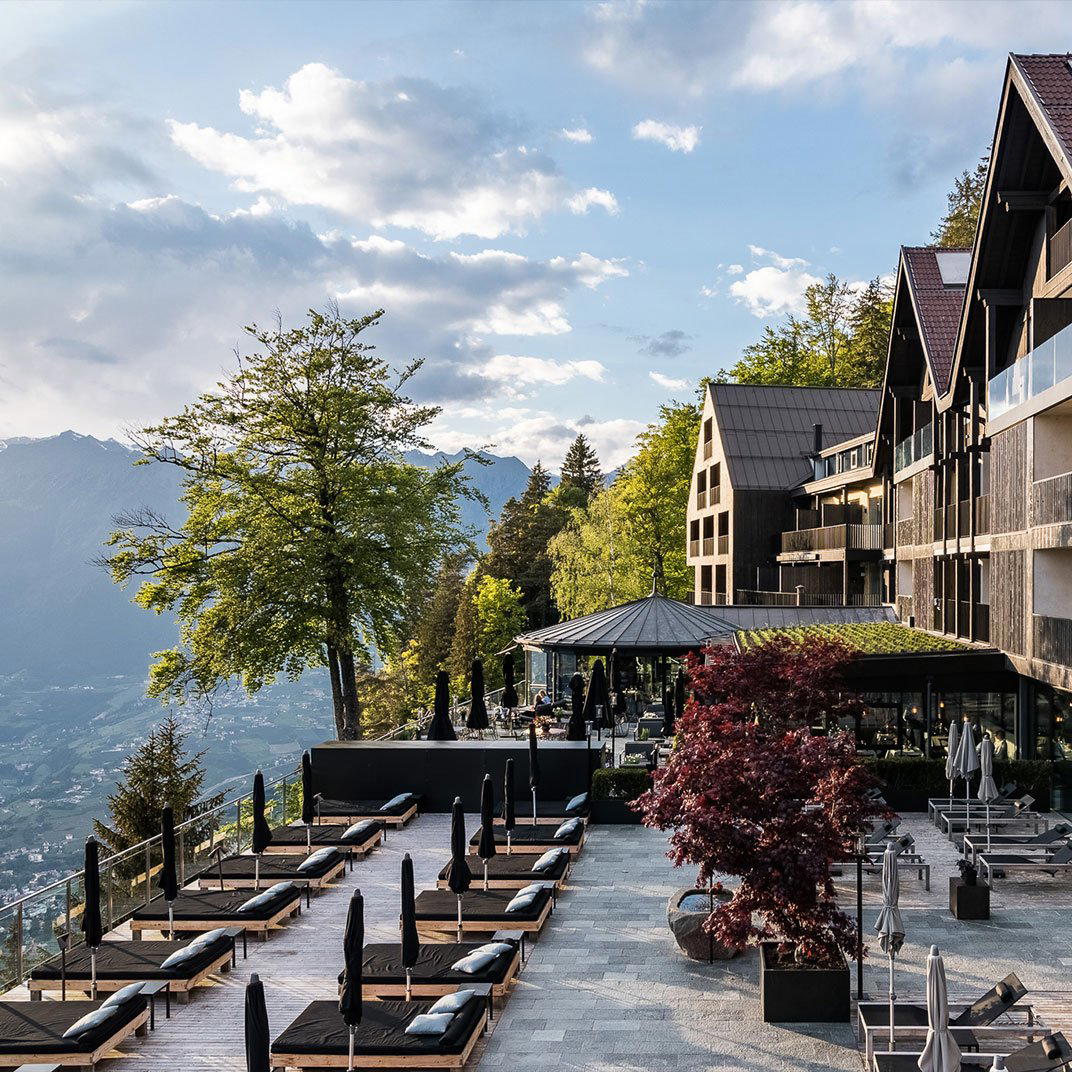
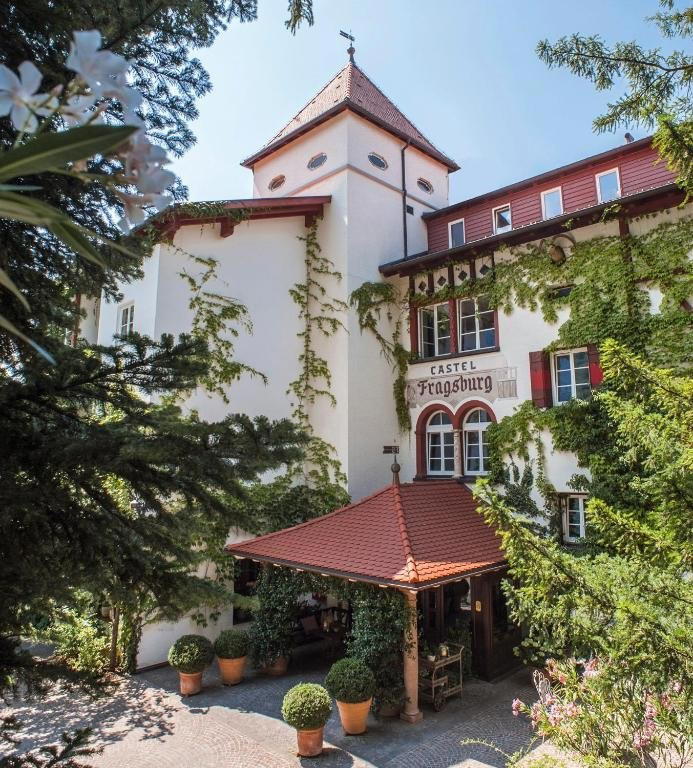
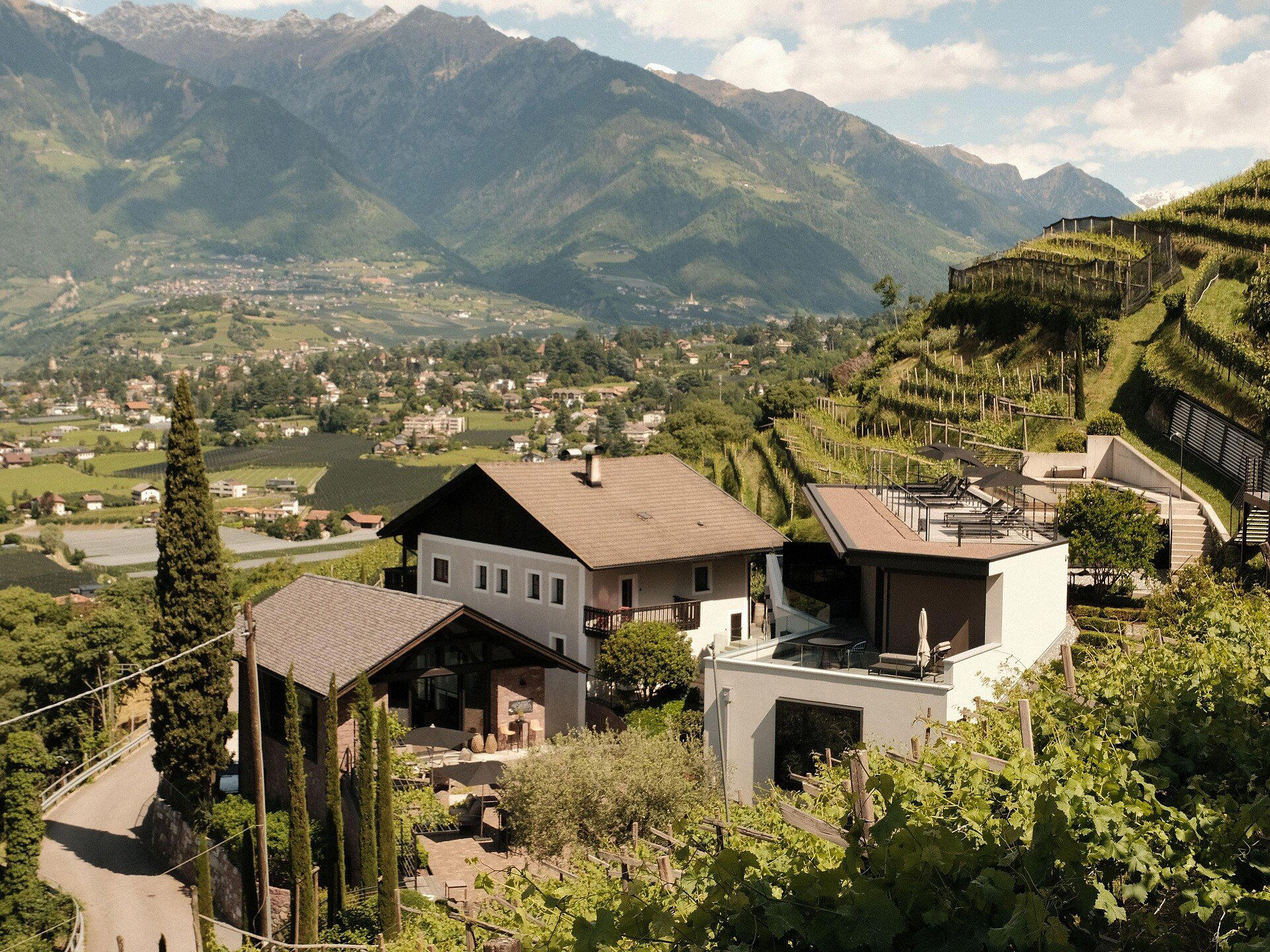
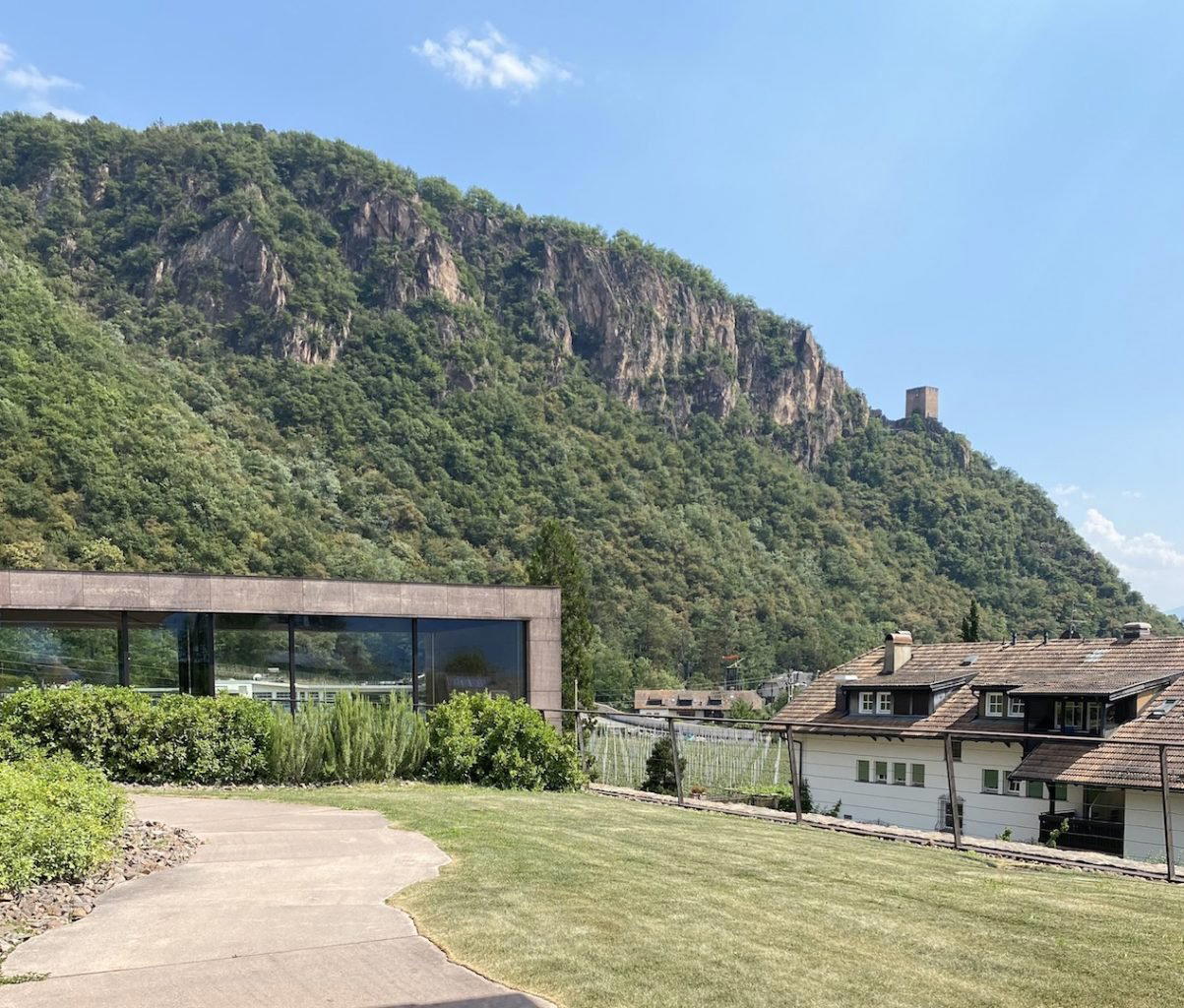
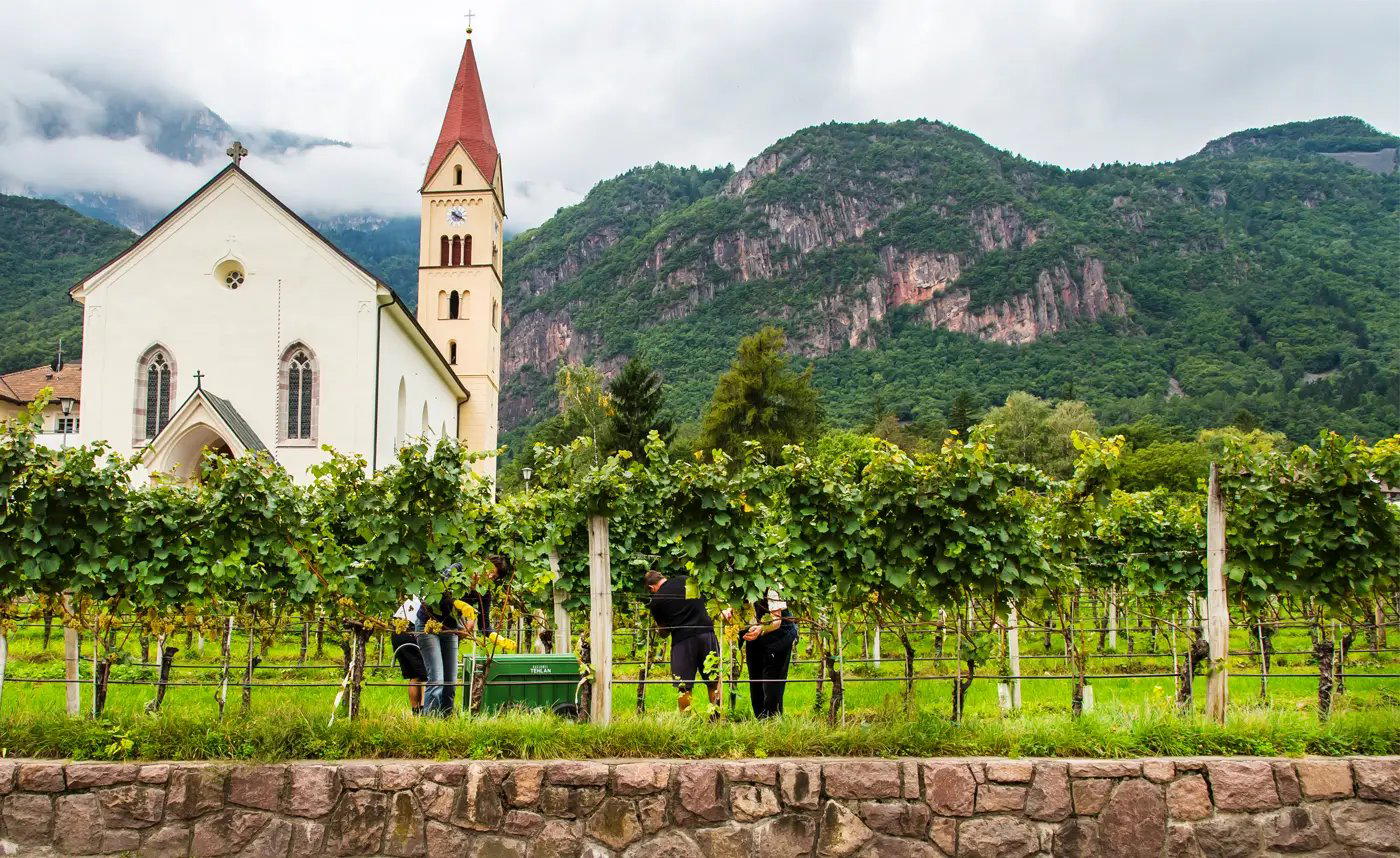
Algund sits at the southern end of the Venosta Valley, close to Merano, and its dining scene is smaller and more concentrated than nearby Bolzano or the better-known restaurants of the Val Gardena. The village's profile is shaped more by its landscape and the wellness resort culture around Merano than by a density of starred kitchens. That context matters: Luisl Stube operates inside the Schlosswirt Forst, a 16th-century residence that also houses a traditional restaurant and some rooms, which means the broader property hedges between accommodation, traditional hospitality, and the fine dining room. Guests coming specifically for Luisl Stube are often staying in the area for other reasons, walking, cycling, the thermal baths at Merano, and folding a four-table dinner into a longer stay.
For readers building a broader Algund dining itinerary, Blaue Traube offers a modern cuisine alternative, while Oberlechner covers regional cuisine in a more accessible register. Our full Algund restaurants guide maps the options across price points and styles.
Planning Your Visit
Given four tables, demand is high relative to capacity and advance booking is the only practical approach, the room does not operate as a walk-in destination. The venue is located at Via Venosta, 4, 39022 Lagundo BZ. The €€€€ price positioning places it at the top of the Algund dining tier, consistent with a Michelin-starred tasting menu format. Guests combining the visit with broader exploration of the region will find further context in our Algund hotels guide, bars guide, wineries guide, and experiences guide.
Frequently asked questions
Is Luisl Stube suitable for children?
The room seats four tables in a formally structured tasting menu environment at €€€€ pricing. In practical terms, the format, extended multi-course service with wine pairings, inside a quiet historic room, is designed for a pace and level of engagement that does not suit young children. Families visiting Algund will find more appropriate options across the village's broader dining scene.
What is the vibe at Luisl Stube?
The atmosphere is defined by the physical room more than any programmed aesthetic. A historic Alpine stube with antique wood panelling, traditional chandeliers, and candles outnumbering tables creates an interior that is both warm and formal, somewhere between a private dining room and a museum of vernacular architecture. The scale of four tables in Algund, a Michelin star, and a €€€€ price point set expectations correctly: this is a considered, quiet, deliberately slow dining experience rather than an energetic urban room.
What do people recommend at Luisl Stube?
The kitchen under chef Luis Haller works a contemporary creative format using South Tyrolean local products alongside seafood and wider references, the La Liste notes describe the approach as exploring local products while incorporating exotic and seafood ingredients. Sommelier Nicola Spimpolo's older-vintage wine pairings are frequently cited as a distinct element of the experience, separate from the food itself. Guests are encouraged to take advantage of the menu's modular structure and mix courses from the vegetarian and protein tracks.
Booking and Cost Snapshot
| Venue | Cuisine | Price | Awards | Notes |
|---|---|---|---|---|
| Luisl StubeThis venue (the venue you are viewing) | Contemporary Italian Fine Dining | $150–200 | 1 Michelin Star · La Liste Top Restaurants | Not listed |
| Atelier Moessmer Norbert Niederkofler | Modern Alpine Fine Dining | $300–500 | 3 Michelin Stars · World's 50 Best #20 | Italian, Creative |
| Dal Pescatore | Classic Italian Fine Dining | $200–300 | 3 Michelin Stars · World's 50 Best #38 | Italian, Italian Contemporary |
| Enoteca Pinchiorri | Contemporary Italian Fine Dining | $200–300 | 3 Michelin Stars · World's 50 Best #32 | Italian - French, Italian Contemporary |
| Enrico Bartolini | Modern Italian Fine Dining | $300–500 | 3 Michelin Stars · World's 50 Best #85 | Creative |
| Osteria Francescana | Avant-Garde Italian Contemporary | $300–500 | 3 Michelin Stars · World's 50 Best #1 | Progressive Italian, Creative |
Recognition history
Dated appearances from independent guides and award organizations, with the underlying list record or original source where available.
Michelin 1 Star
Michelin
La Liste Top Restaurants
La Liste
Falstaff Restaurant - 95 Falstaff Points
Falstaff
Full recognition history (6 entries)
La Liste Top Restaurants
La Liste
Michelin 1 Star
Michelin
Michelin 1 Star
Michelin
Continue exploring
More in Algund
Restaurants in Algund
All restaurants in Algund →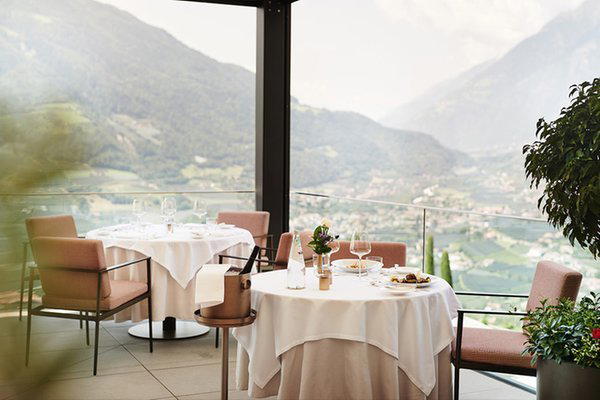
Details
- Romantic
- Intimate
- Cozy
- Elegant
- Rustic
- Date Night
- Special Occasion
- Historic Building
- Sommelier Led
- Local Sourcing
- Garden
- Tasting Menu
- Vegetarian Friendly
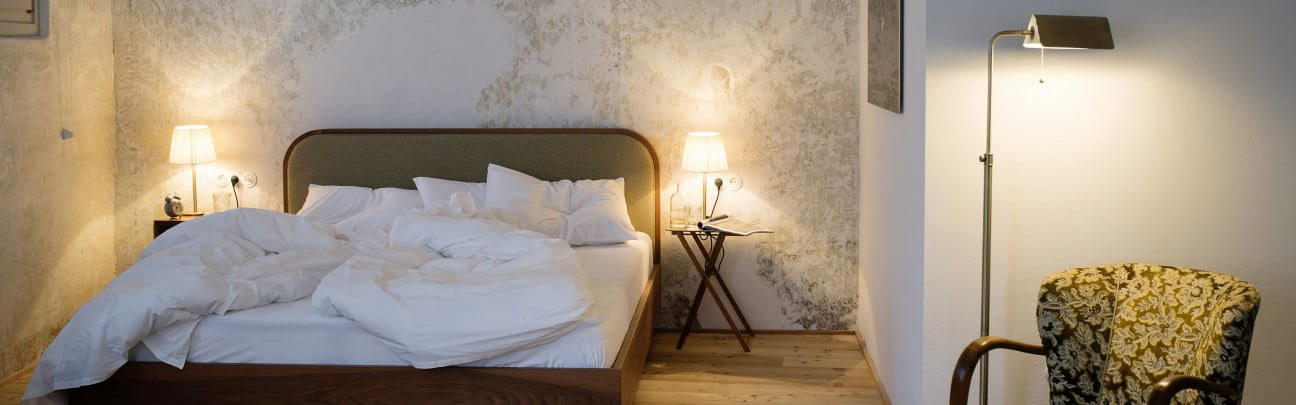
Timelessly romantic atmosphere with beautiful antique woods, traditional chandeliers, and more candles than tables creating an intimate glow.