The Terrace (테라스)
Our verdict
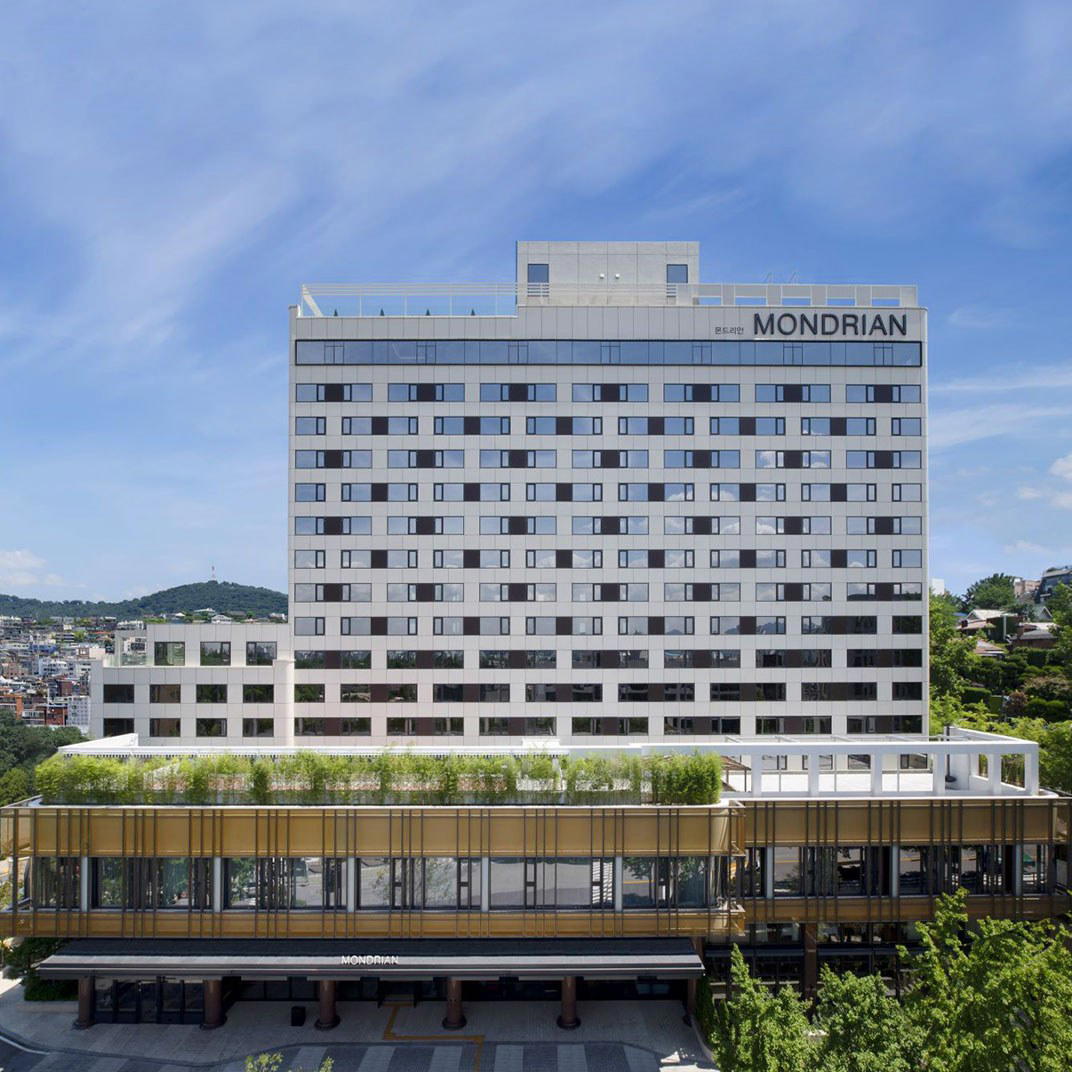
Positioned in Hannam-dong's uphill residential fringe along Sowol-ro, The Terrace occupies a neighbourhood where Seoul's fine-dining ambitions and quieter residential rhythms meet. The address places it within reach of the Itaewon corridor's broader dining concentration, though its setting suggests a more composed register than the main strip. Booking details and full menu format remain sparse, making advance research through current channels advisable.

Pearl is the En Primeur Club membership app, where members save venues, book tables and use the concierge.
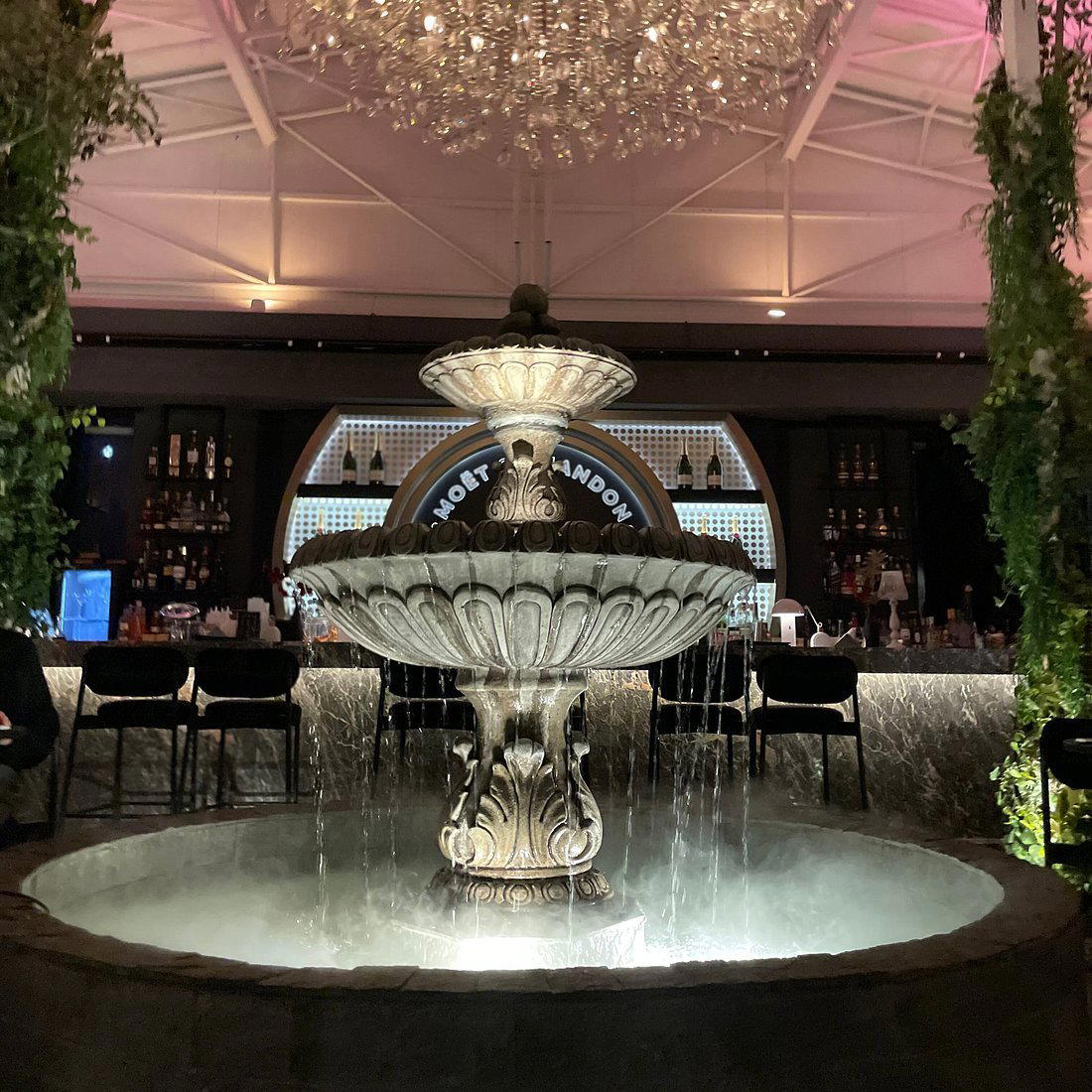
Sowol-ro and the Hannam Altitude
The stretch of Sowol-ro climbing through Hannam-dong carries a different character from the dense commercial strips below. Residential walls, mature trees, and the occasional embassy gate define the approach. This is the Seoul where the city's elevation change becomes physical, the kind of address that requires intent to reach, which has its own editorial meaning in a dining culture that often equates difficulty of access with seriousness of purpose. The Terrace sits at this address, in Yongsan-gu, at the point where Hannam-dong's international residential identity begins to blur into Namsan's forested edge.
Hannam-dong has become one of Seoul's more consistent anchors for considered dining. The neighbourhood draws a crowd that includes longtime expats, art-world adjacents, and Korean diners who prefer a quieter room to the performance energy of Cheongdam or Sinsa. It occupies a different tier from those districts, less about visibility, more about the meal itself.
The Dining Ritual in Seoul's Contemporary Register
Seoul's fine-dining scene has developed a recognisable grammar over the past decade. The influence of Korean cooks returning from stages in Europe and Japan, alongside the international attention generated by restaurants like Jungsik (Contemporary) and Mingles (Korean), established expectations around pacing, coursework, and the presentation of Korean ingredients through a global fine-dining lens. Those expectations now function as a baseline. Restaurants in the ₩₩₩₩ bracket, places like Soigné (Innovative), Kwonsooksoo (Korean), and alla prima (Innovative), operate in a tier where the meal is structured as a complete experience, with the sequencing of courses, the temperature of the room, and the formality of service all contributing to the overall register.
The question for any address in this neighbourhood and price tier is where it positions itself along that continuum. Does the room lead with Korean culinary identity rendered through contemporary technique, or does it draw from a different tradition entirely? Seoul's Hannam-dong addresses have produced both approaches. The dining ritual itself, how courses arrive, how the server frames each dish, how much silence is permitted between courses, becomes the distinguishing variable when the kitchen's technical standard is assumed to be high.
That ritual has Korean specificity. Unlike the French-derived tasting menu format that dominated Seoul's fine-dining templates in the 2010s, newer rooms in the city have been more deliberate about integrating Korean service customs: the attentiveness without intrusion, the restraint in verbal explanation, the assumption that the diner knows how to proceed. At venues operating at the higher end of the Hannam-dong spectrum, that restraint reads as confidence rather than neglect.
Neighbourhood Context and the Itaewon Corridor
The Itaewon corridor, which extends through Hannam into the broader Yongsan district, has functioned as Seoul's most internationally porous dining zone for decades. Its character has shifted considerably since the early 2010s, when it operated primarily as an expat and entertainment district. The dining rooms that have opened along Sowol-ro and the upper Hannam streets in more recent years reflect a different ambition: quieter rooms, longer reservations, a clientele that arrives for the meal rather than the street. This is the zone that houses addresses with a more deliberate pace.
For a broader picture of where Seoul's serious dining concentrates and how different neighbourhoods compare, our full Seoul restaurants guide maps the key clusters. The contrast between Hannam-dong's residential calm and the denser Gangnam-side concentration is one of the city's defining structural divides in fine dining.
Beyond Seoul, the Korean dining scene produces strong regional work. Mori in Busan operates in the south's largest port city with a distinct character, while Jeju Island addresses like Badang Lounge in Jeju and Black Pork BBQ in Seogwipo represent the island's own dining register. Gyeongju's food culture, preserved in places like Gyeongju Wonjo Kongguk (경주원조콩국) in 경주시 and the beloved Hwangnam Bread and Busan Steamed Bun in Gyeongju, reflects a slower, heritage-led food identity. Suwon contributes its own tradition through addresses like Gobojeong Galbi #1 (가보정 1관) in 수원시 and Doosoogobang in Suwon. In Busan, Dining Room (다이닝룸) in 부산광역시 occupies the city's contemporary fine-dining tier. Jeju's more casual registers include 88돼지 in 제주시 and Hinode (히노데) in 서귀포시.
Seoul's own influence reaches further. Atomix in New York City is the clearest example of how Korean fine-dining sensibility has translated internationally, while Le Bernardin in New York City offers a useful comparative frame for the kind of room discipline and service restraint that Seoul's serious dining rooms increasingly reference.
Know Before You Go
- Address: 용산구 소월로 322, 한남동, 서울특별시 04347
- District: Hannam-dong, Yongsan-gu, Seoul
- Phone: Not currently listed, confirm via current local sources
- Website: Not currently listed, search current Korean dining platforms (Naver, Kakao) for booking
- Booking: Advance reservation recommended for Hannam-dong addresses at this tier; check current platforms for availability windows
- Getting there: Hangang-jin Station (Line 6) is the closest metro point; Hannam-dong's upper streets require a short taxi or walk uphill from the station
- Seasonal note: The Namsan-adjacent streets along Sowol-ro see heavier foot traffic in autumn foliage season (late October through November) and during cherry blossom weeks (late March to early April), factor both into timing if you prefer quieter approaches
Frequently asked questions
Is The Terrace (테라스) suitable for children?
The Sowol-ro address in upper Hannam-dong situates The Terrace within a neighbourhood whose higher-end dining rooms are calibrated for adult pacing and conversation. The residential character of the street suggests an environment oriented toward quieter adult dining rather than casual family meals.
Is The Terrace (테라스) better for a quiet night or a lively one?
The Sowol-ro address in upper Hannam-dong leans toward the quieter end of Seoul's dining spectrum. This stretch of road above the commercial density of Itaewon proper has a residential character, mature trees, lower foot traffic, that sets a different tone from the neighbourhood's busier corridors. Anyone seeking high energy and a social-scene atmosphere should look further down the Itaewon strip; The Terrace at this address reads as the more considered choice.
Does The Terrace (테라스) have outdoor seating consistent with its name, and what is the setting like?
The name, both in English and Korean, signals an outdoor or semi-outdoor component, which carries real meaning along Sowol-ro in Hannam-dong, where elevated positions offer views toward Namsan and across the Yongsan district. The address at 용산구 소월로 322 places the property on a hillside section of the road, which supports the likelihood of an elevated outdoor element.
Peers in This Market
| Venue | Cuisine | Price | Awards | Notes |
|---|---|---|---|---|
| The Terrace (테라스)This venue (the venue you are viewing) | International Buffet | $50–100 | Not listed | Not listed |
| 7th Door | Modern Korean Fermentation Fine Dining | $100–150 | 1 Michelin Star · World's 50 Best #49 | Korean, Contemporary |
| Eatanic Garden | Modern Korean Contemporary | $100–150 | 1 Michelin Star · World's 50 Best #72 | Contemporary |
| Onjium | Modern Korean Royal Court Cuisine | Not listed | 1 Michelin Star · World's 50 Best #41 | Korean |
| L'Amitié | Classic French Fine Dining | $100–150 | 1 Michelin Star · La Liste Top Restaurants | French |
| Zero Complex | Modern French Neo-Bistro | $100–150 | 1 Michelin Star · La Liste Top Restaurants | Korean-French, Innovative |
Continue exploring
More in Seoul
Restaurants in Seoul
All restaurants in Seoul →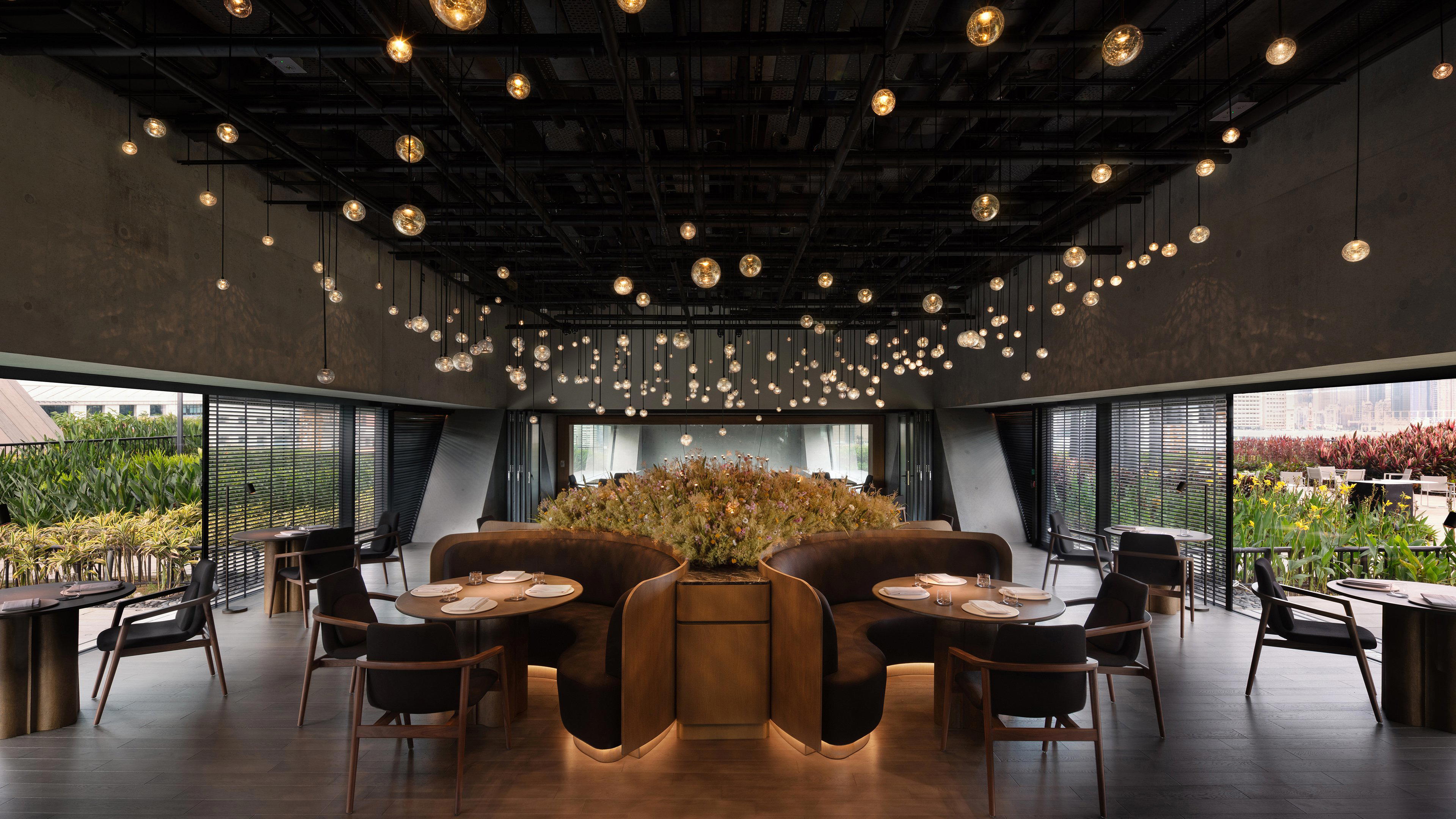
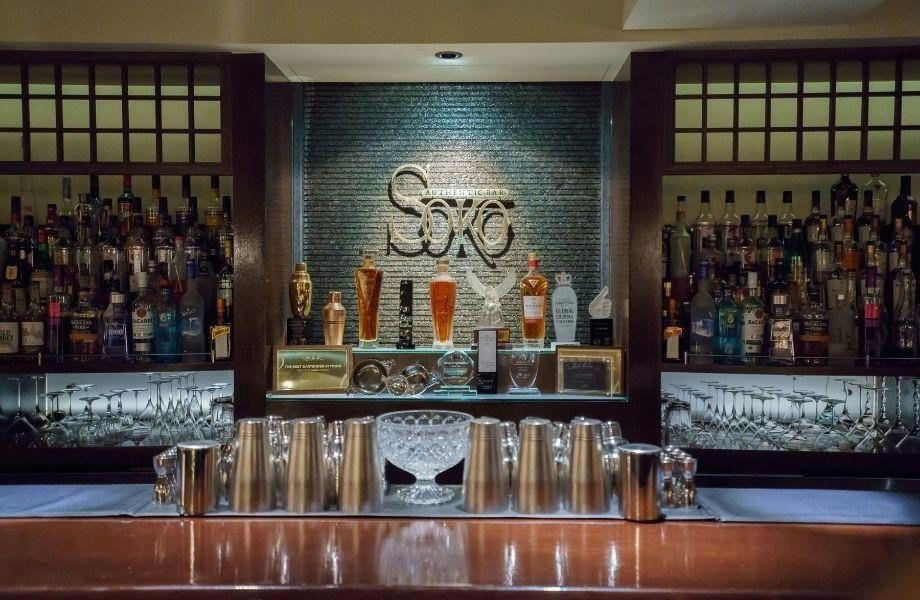
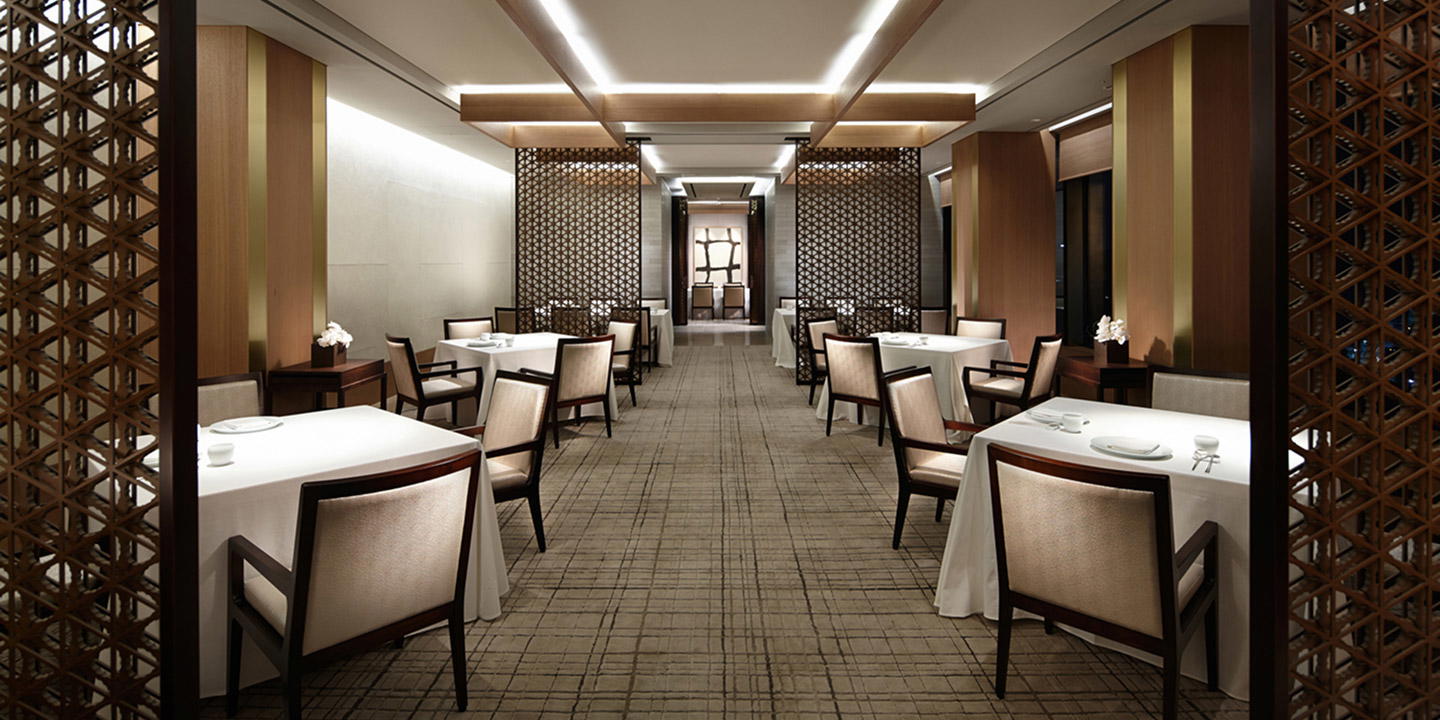
Bars in Seoul
All bars in Seoul →
Details
- Elegant
- Scenic
- Sophisticated
- Brunch
- Special Occasion
- Group Dining
- Terrace
- Panoramic View
- Hotel Restaurant
- Extensive Wine List
- Farm To Table
- Sustainable Seafood
- Skyline
- Buffet
- A La Carte
- Vegetarian Friendly
- Gluten Free Options
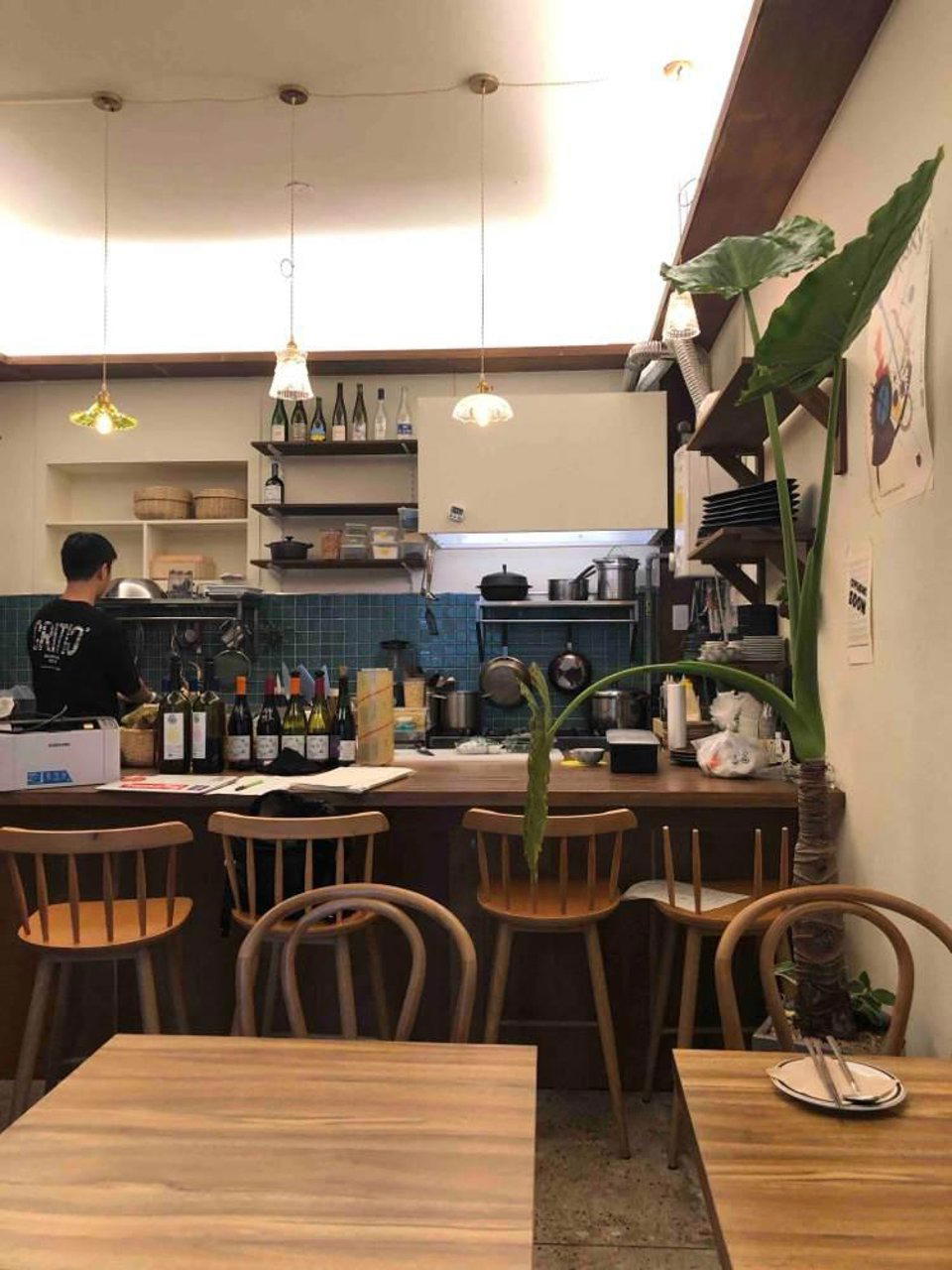
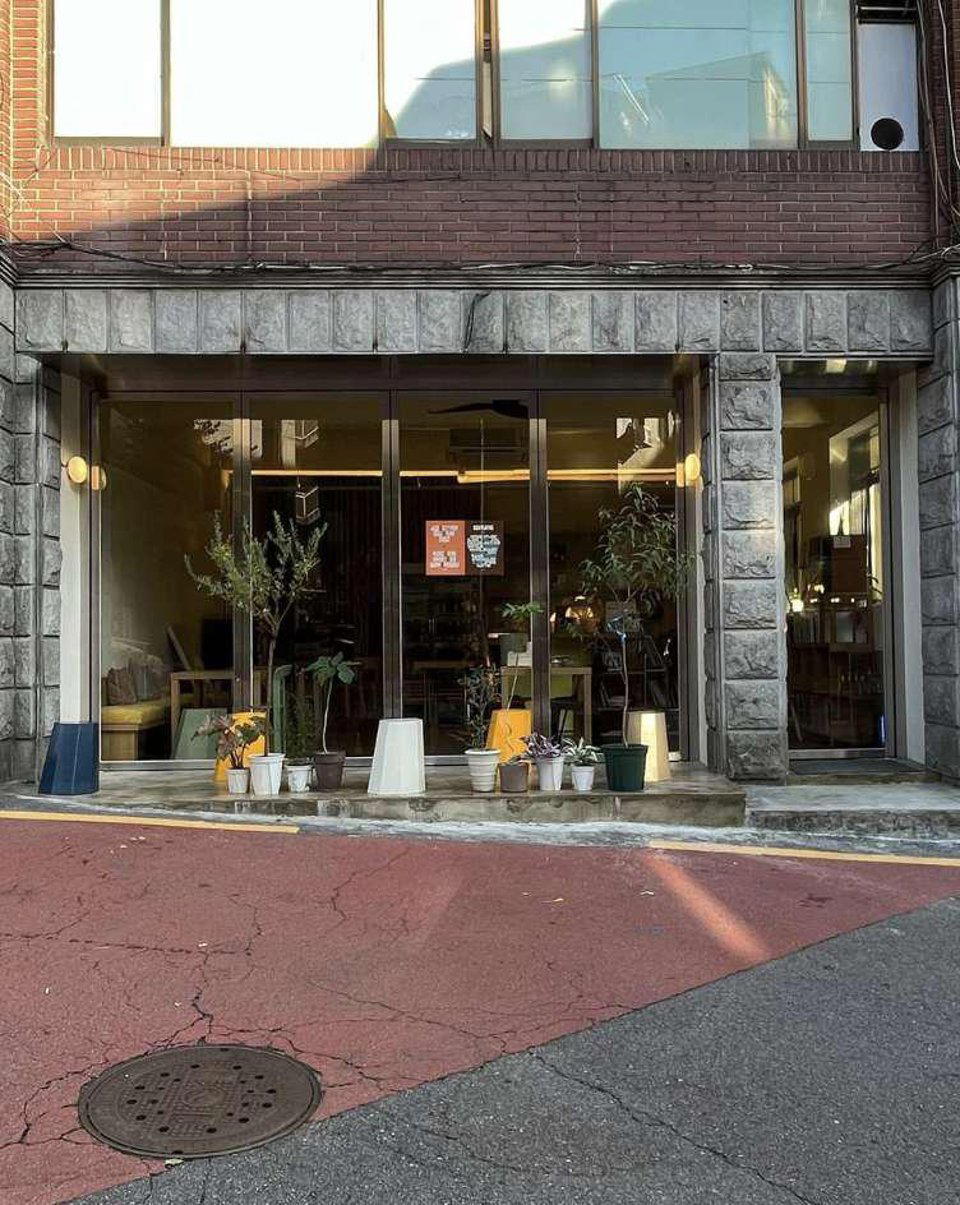
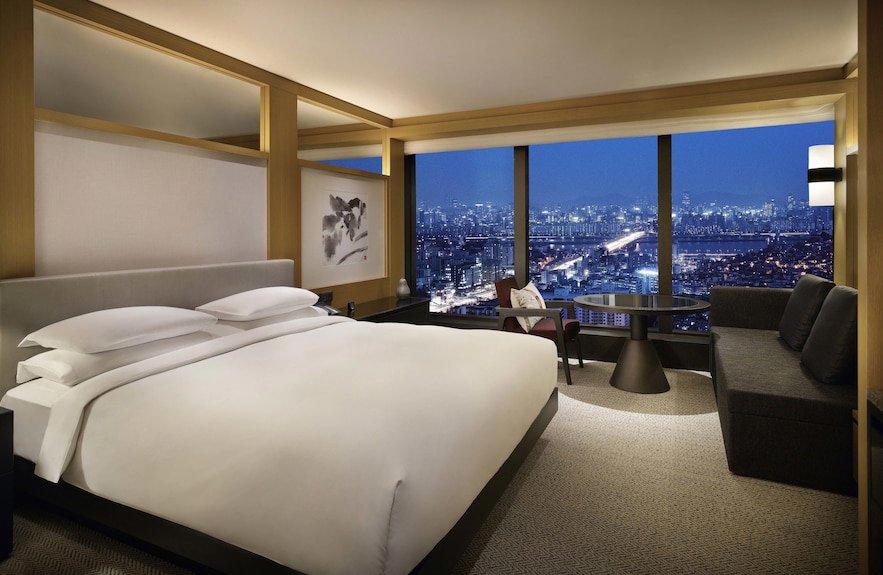
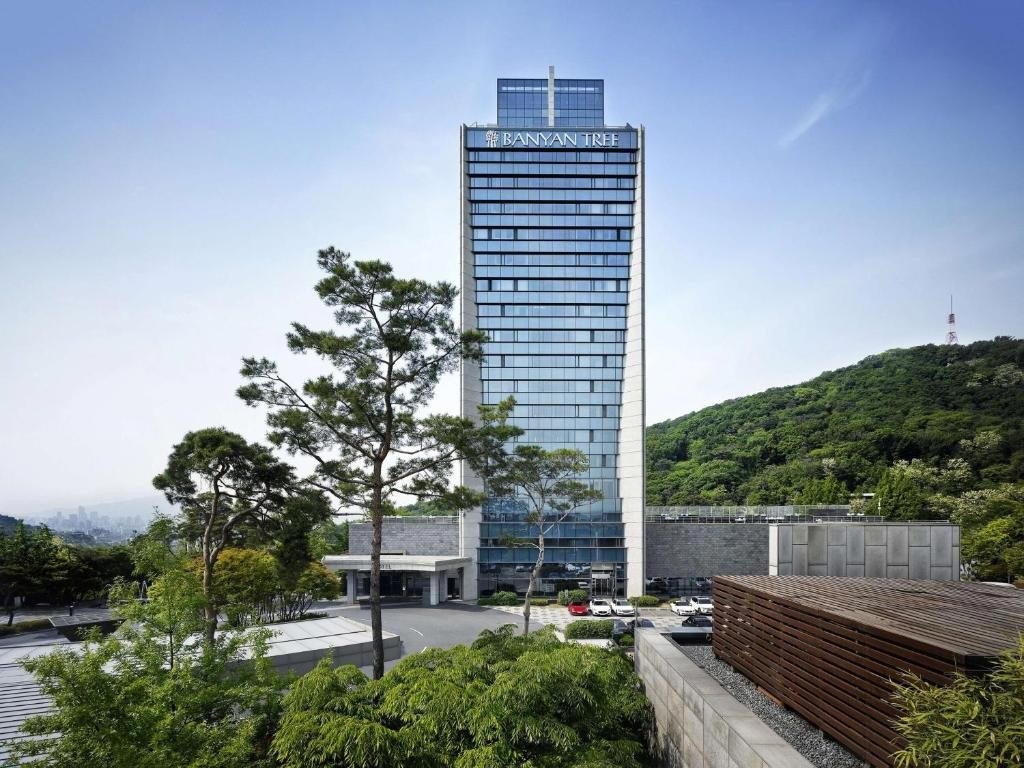
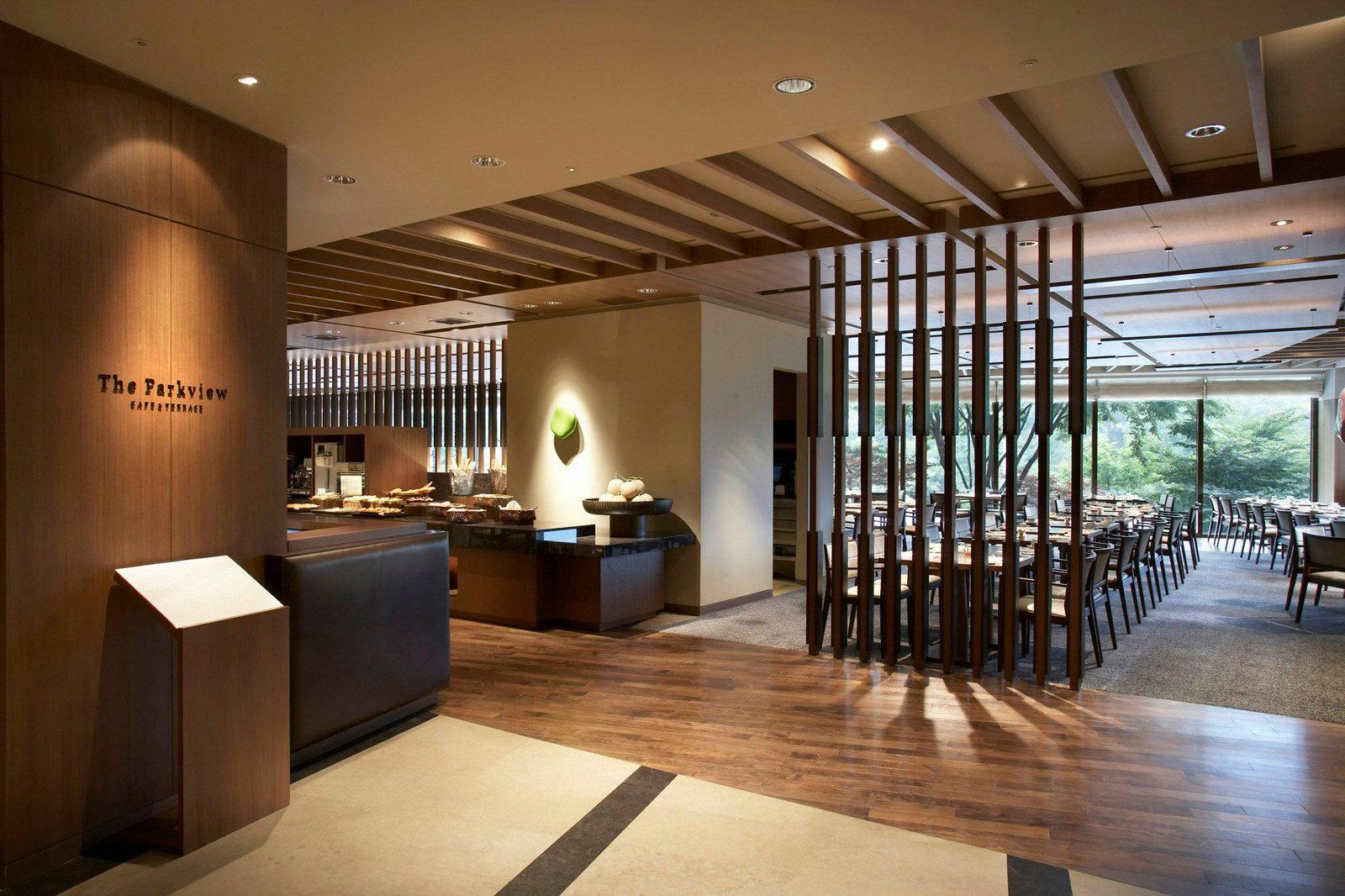
Refreshing and dynamic atmosphere enhanced by panoramic skyline views, especially on the outdoor terrace available from spring to autumn.