The Prime Rib
Our verdict
The Prime Rib has anchored Washington's power-dining circuit from its K Street address since the 1970s, holding its position as one of the capital's few surviving grand steakhouses with a formal dress code and old-guard room. Against a D.C. dining scene now tilted toward tasting menus and global formats, it represents a different kind of ambition: the confidence of a room that hasn't needed to reinvent itself.

Pearl is the En Primeur Club membership app, where members save venues, book tables and use the concierge.

The menu
What to order
- Roast Prime Rib Signature Cut
- Jumbo Lump Crab Cake
- Imperial Crab
A Room That Doesn't Apologize for What It Is
There are restaurants that reflect the moment, and there are restaurants that have outlasted several moments entirely. The Prime Rib, on K Street NW in Washington's Foggy Bottom-adjacent corridor, belongs to the second category. The room operates in a register that has largely disappeared from American fine dining: black-jacketed waiters, white tablecloths, a dress code enforced at the door, and a dining room designed around the idea that the meal is an occasion rather than a transaction. In a city where the dominant culinary conversation has shifted toward tasting menus, fermentation programs, and hyper-regional ingredient sourcing, The Prime Rib holds a different position, that of the enduring formal steakhouse, a format with deep American roots and, in Washington specifically, a long alignment with political and business hospitality culture.
Approaching the address on K Street, the visual language is deliberate: no Instagram-ready signage, no chalkboard specials visible through a window. The room signals, from the outside and in, that it belongs to a tradition of American steakhouse formalism that reached its apex in the mid-twentieth century and has been slowly eroding ever since. That the format survives here, with its conventions largely intact, is itself an editorial point about Washington's relationship with institutional dining.
American Steakhouse Tradition, Washington-Style
The American steakhouse is one of the country's most codified restaurant formats. Its conventions, aged prime beef, tableside carryover service, a wine list weighted toward California Cabernet and French Bordeaux, sides served family-style, were established at venues in New York, Chicago, and Washington from the 1940s onward. What made the Washington iteration distinct was its clientele: the city's power circuit ran through these rooms, and the rooms were designed accordingly. Banquette depth, table spacing, and noise levels were calibrated for conversation rather than atmosphere.
The Prime Rib sits within that lineage. Its position in the D.C. dining ecosystem is now something of a counterpoint to the city's current wave of format innovation. Consider what surrounds it in the premium tier: Jônt operates a 26-seat counter pushing the boundaries of modern French-influenced tasting menus; minibar by José Andrés runs a molecular, avant-garde format that has made it one of the city's reference points for technical ambition; Causa brings Peruvian technique and South American sourcing to the $$$$-tier conversation; and Albi has repositioned Middle Eastern cooking in a fine-dining frame. The Prime Rib operates in none of those registers. Its reference points are elsewhere, closer to a St. Elmo's in Indianapolis or a Keens in New York than to the tasting-menu cohort that now dominates Washington's critical conversation.
The Editorial Case for a Dress Code
Format discipline in American fine dining has become rare enough to be notable. Most restaurants in the premium tier have relaxed dress codes, moved toward open kitchens, and adopted an informality that reads as accessibility. The Prime Rib maintains its dress code as a deliberate format choice, not an oversight. This signals something about the intended experience: the formality is load-bearing, not decorative. It shapes how guests behave in the room, how long they stay, and what the meal means. In this sense, The Prime Rib is making an argument, that occasion dining, in its traditional American form, still has a constituency in Washington.
That argument is harder to make in cities where the political and corporate hospitality culture has dispersed. In Washington, it remains legible. Expense-account dining, treaty negotiations over a good bottle, and the lunch where the deal actually gets done are still part of how the city operates. The Prime Rib's room was designed for exactly that, and that functional identity has kept it relevant in a way that purely aesthetic formalism might not have.
Where This Fits Against the Washington Premium Tier
For readers calibrating where The Prime Rib sits against the broader D.C. premium dining field, it occupies a distinct lane. Its format is not in dialogue with the sustainable-sourcing movement represented by Oyster Oyster, nor with the fine-dining tasting menu tradition that connects it to peers elsewhere on the East Coast like Le Bernardin in New York City or, further afield, The Inn at Little Washington in Virginia's Rappahannock County.
Across the national premium dining circuit, the venues that have maintained formal steakhouse traditions tend to do so in cities with strong institutional hospitality cultures: Washington, New York, Chicago, Houston. The format requires a critical mass of guests for whom occasion dining is a professional as much as a personal activity. Washington delivers that in a way that few other American cities can replicate at scale.
For readers whose D.C. itinerary leans toward the progressive end of the spectrum, the contrast with venues like Lazy Bear in San Francisco, Alinea in Chicago, Blue Hill at Stone Barns in Tarrytown, or Addison in San Diego is instructive. Those venues represent the tasting-menu, ingredient-narrative, and technique-forward tradition. The Prime Rib represents the American alternative: a dining culture built on proven product quality, service formalism, and the deliberate performance of occasion. Neither tradition is superior; they are answers to different questions about what a significant meal is for.
Readers with broader international reference points may find parallels at 8 1/2 Otto e Mezzo Bombana in Hong Kong or Atomix in New York City, both rooms where formalism and service discipline are built into the format rather than treated as optional. The specific content differs dramatically, but the underlying commitment to occasion dining as a designed experience is comparable.
For the full context of how The Prime Rib fits within Washington's current dining range, see our full Washington, D.C. restaurants guide, which maps the city's premium tier across format types, neighbourhoods, and price points. Other recent additions to the D.C. premium field include Providence in Los Angeles and Single Thread Farm in Healdsburg as reference points for how the farm-to-table format has evolved at the upper end of the market.
Planning Your Visit
| Venue | Format | Price Tier | Dress Code | Booking |
|---|---|---|---|---|
| The Prime Rib | Formal steakhouse | $$$$ | Jacket required | Reservations recommended |
| Jônt | Modern tasting menu | $$$$ | Smart casual | Advance booking essential |
| Causa | Peruvian fine dining | $$$$ | Smart casual | Reservations recommended |
| Albi | Middle Eastern fine dining | $$$$ | Smart casual | Reservations recommended |
| Oyster Oyster | Sustainable New American | $$$ | Casual | Reservations recommended |
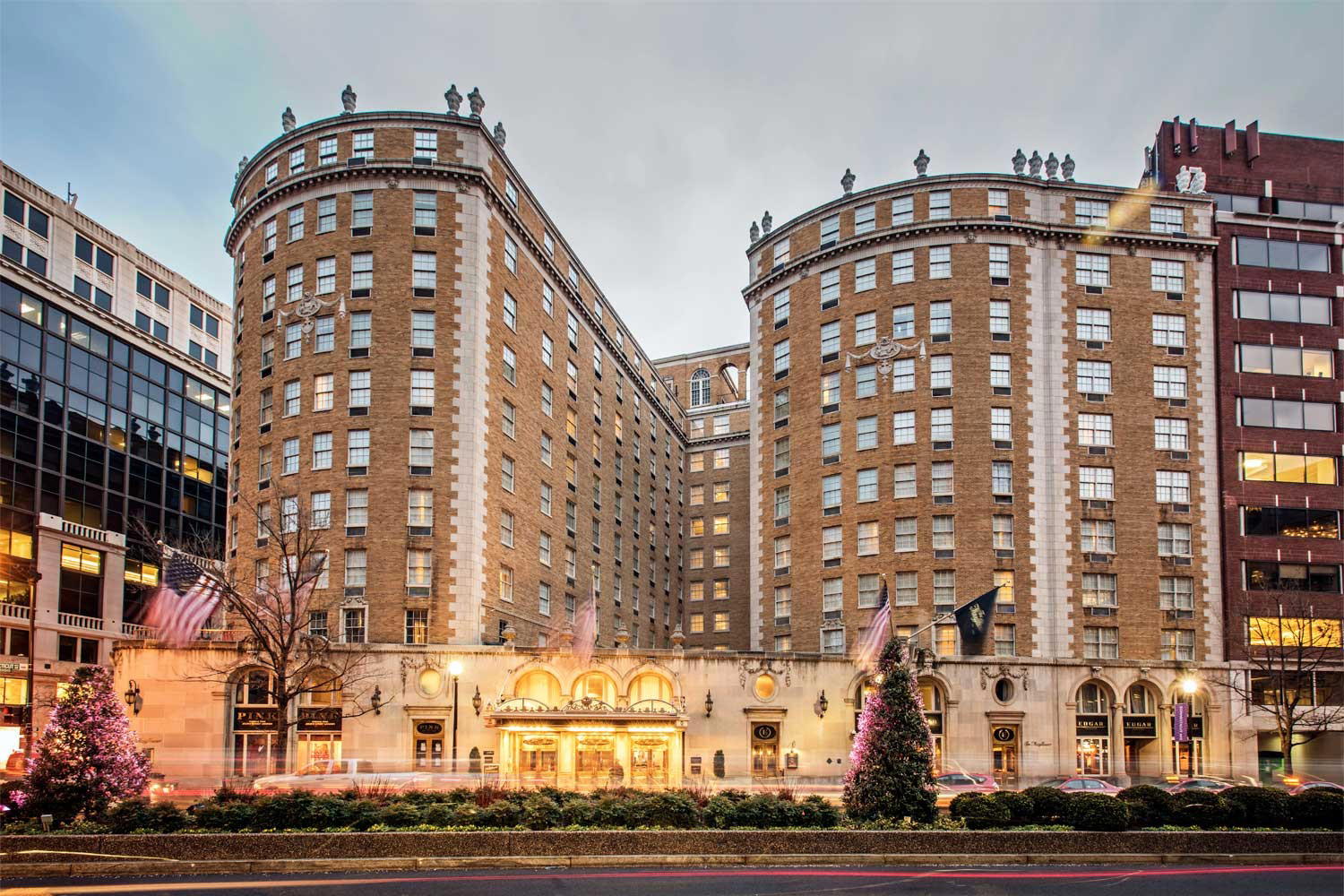
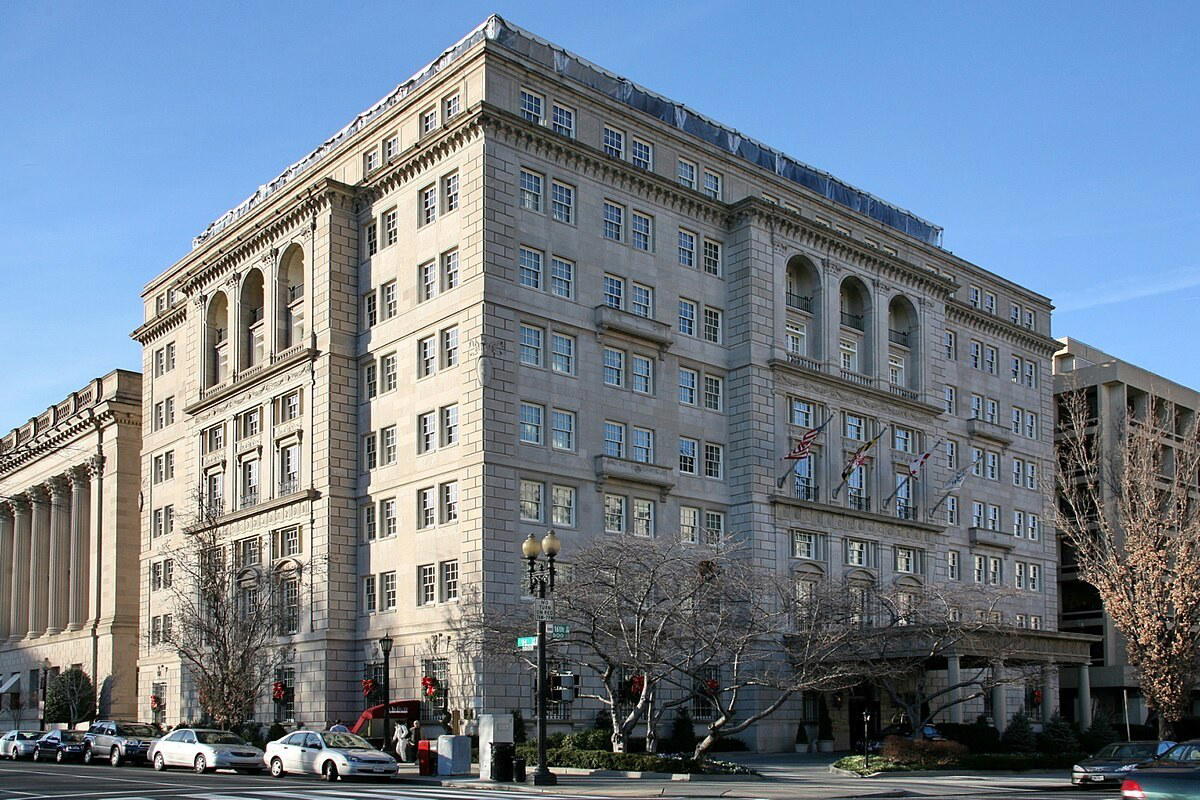
The Prime Rib is located at 2020 K St NW, Washington, DC 20006, in the K Street corridor that runs through the heart of the city's professional district. The address is walkable from several Metro stations on the Blue, Orange, and Silver lines. Evenings and weekend lunches are the higher-demand windows; weekday lunch reservations are typically easier to secure at shorter notice.
Frequently asked questions
What should I order at The Prime Rib?
The format dictates the answer: prime rib is the structural centerpiece of the menu, and the room is built around it. At a formal American steakhouse of this vintage, the kitchen's confidence lies in the quality and handling of the primary protein rather than in vegetable innovation or technique-forward sides. Order accordingly, and let the wine list guide the supporting choices.
What's the ideal way to book The Prime Rib?
Reservations are the standard approach for the D.C. premium dining tier, and The Prime Rib's formal positioning means walk-in availability is less predictable than at casual venues. Evenings and weekend sittings book ahead; for weekday lunches in the business district context, same-week bookings are more realistic. The K Street address makes it a practical choice for guests staying in Foggy Bottom or the Dupont Circle corridor.
What's the signature at The Prime Rib?
The signature is the format itself as much as any individual dish. Among American steakhouses of the formal tradition, the prime rib, slow-roasted, carved tableside or to order, served with the expected accompaniments, is the defining preparation. It is the dish the room was built to serve, and it remains the lens through which the kitchen's standards are most legibly assessed.
Is The Prime Rib appropriate for a first-time visitor to Washington's fine dining scene?
The Prime Rib offers a specific and historically grounded entry point into Washington's dining culture: it represents the formal American steakhouse tradition that shaped the city's institutional hospitality circuit over several decades. First-time visitors whose frame of reference runs toward tasting menus or ingredient-narrative formats will find it a deliberate counterpoint to those conventions. The dress code is enforced, and the experience is calibrated for occasion dining rather than casual exploration, factor both into the decision.
The Minimal Set
Comparable venues nearby, for context on price, style, and recognition.
| Venue | Cuisine | Price | Awards | Notes |
|---|---|---|---|---|
| The Prime RibThis venue (the venue you are viewing) | Classic Prime Rib Steakhouse | $100–150 | Not listed | Not listed |
| Bully Spanish Steakhouse | Spanish Steakhouse | $100–150 | Not listed | Dupont Circle, Spanish Steakhouse |
| Ox & Olive | Modern American Steakhouse | Not listed | Not listed | Georgetown, Modern Steakhouse |
| STK - DC | Modern Steakhouse | $100–150 | Wine Spectator Award of Excellence | Shaw, Modern Steakhouse |
| CUT Washington D.C. | Modern Steakhouse | $100–150 | Wine Spectator Best of Award of Excellence | Waterfront Georgetown, Modern Steakhouse |
| Bourbon Steak DC | Modern American Steakhouse | $100–150 | Forbes Recommended · Wine Spectator Best of Award of Excellence | Waterfront Georgetown, Modern American Steakhouse |
Continue exploring
More in Washington DC
Restaurants in Washington DC
All restaurants in Washington DC →
Bars in Washington DC
All bars in Washington DC →
The Prime Rib
The wine
- Wine program
- Deep wine list
- Extensive wine list
Details
- Classic
- Elegant
- Sophisticated
- Romantic
- Intimate
- Date Night
- Business Dinner
- Special Occasion
- Celebration
- Live Music
- Private Dining
- Historic Building
- Extensive Wine List
- A La Carte
- Vegetarian Friendly
Current opening hours
- Monday
- 5–10 PM
- Tuesday
- 5–10 PM
- Wednesday
- 5–10 PM
- Thursday
- 5–10 PM
- Friday
- 11:30 AM–10 PM
- Saturday
- 5–10 PM
- Sunday
- Closed
Hours can change for holidays and private events. Hours as of .
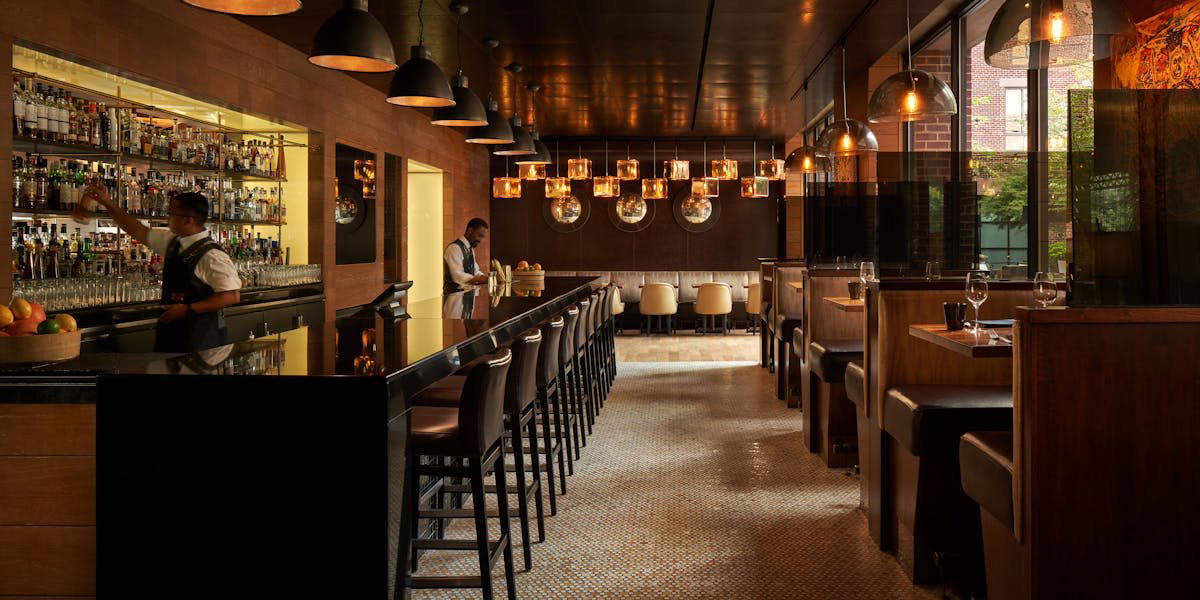
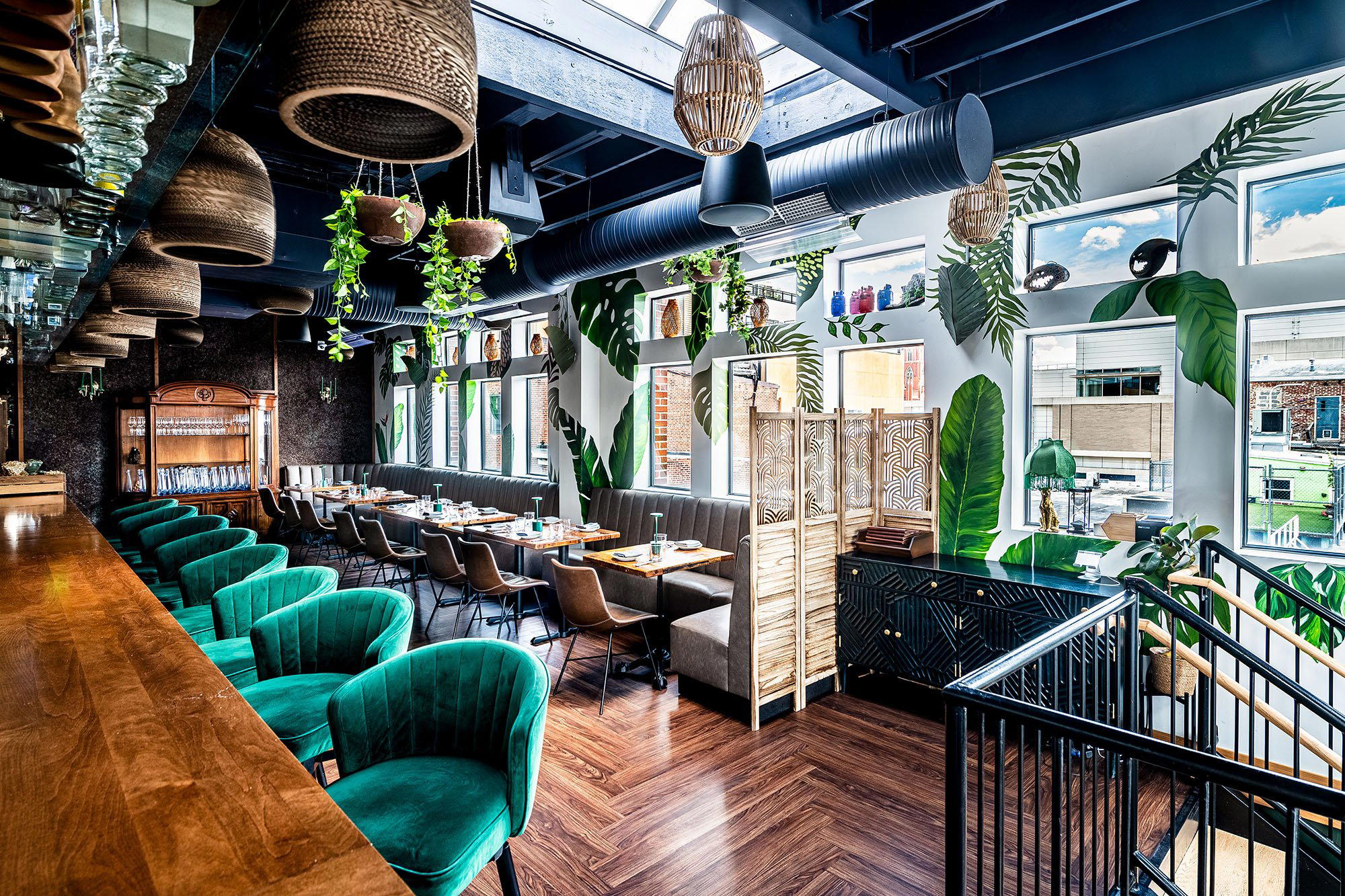
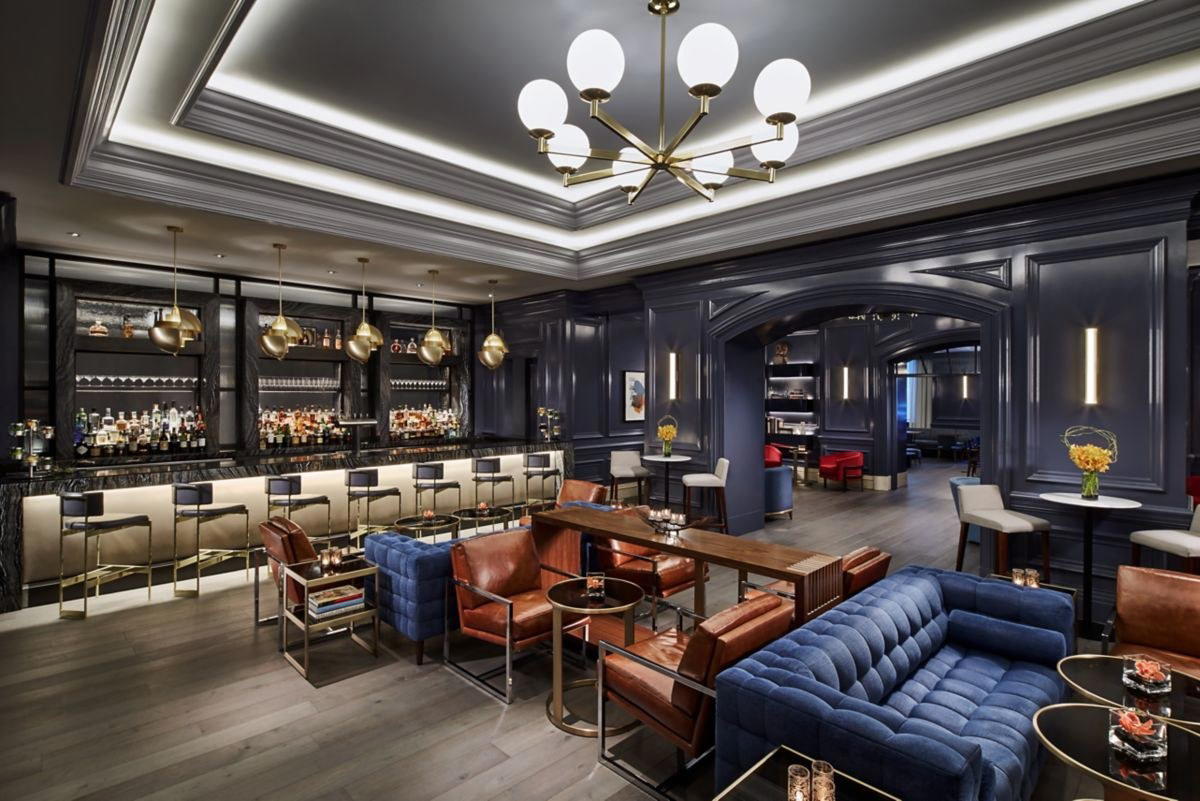
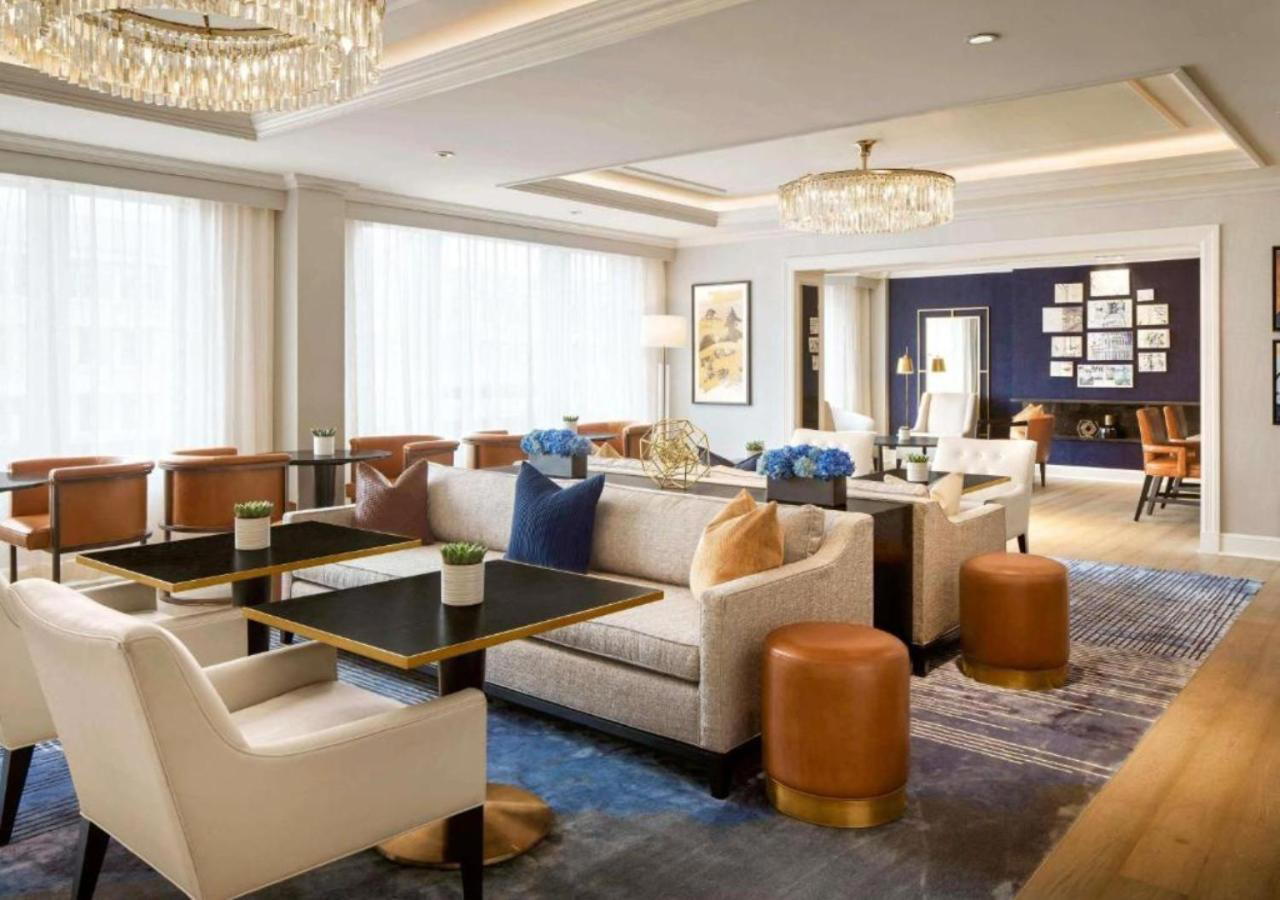
Timeless supper-club atmosphere with moderate noise, live piano music, and an elegant, professional setting.