CUT Washington D.C.

Wolfgang Puck's steakhouse brand arrives in Georgetown with the sourcing discipline and open-flame technique that defines CUT's reputation across its global outposts. Set on 31st Street NW, the restaurant positions itself within Washington's serious dining tier, where provenance-led menus and precise cookery compete with the city's most ambitious kitchens. For beef-focused dining in D.C., it occupies a distinct bracket.
Pearl is the En Primeur Club membership app — saves, bookings, and concierge access live there. Same editors, same standards.
- Address
- 1050 31st St NW, Washington, DC 20007
- Phone
- (202) 617-2424
- Website
- wolfgangpuck.com
- Directions
- Get directions
 Saves & bookings on Pearl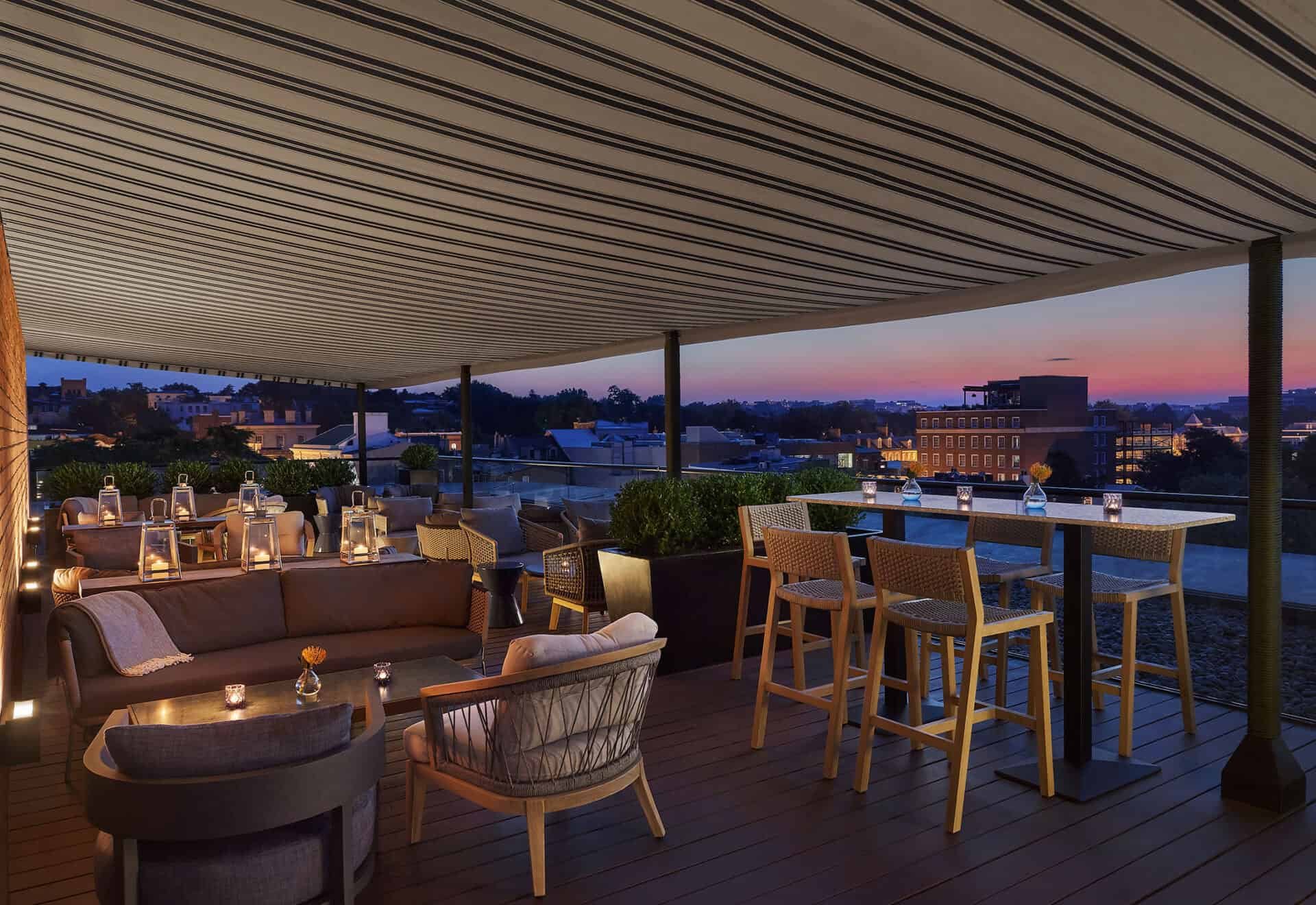
Georgetown's Steakhouse Tier, and Where CUT Sits Within It
Washington's Georgetown neighbourhood has long operated as the city's reliable address for serious dining. The 31st Street NW corridor draws a clientele that expects precision over spectacle, and the restaurant that occupies that address needs to earn its place against a competitive field that now includes destination-worthy rooms across cuisines and formats. CUT Washington D.C. enters that field as the local expression of Wolfgang Puck's steakhouse concept, a format that has established consistent sourcing and cooking standards across multiple markets. The question here is whether the Georgetown outpost delivers on the ingredient-first principles that define the CUT model.
The Sourcing Logic Behind a CUT Menu
The CUT format, wherever it operates, is built around a specific argument: that premium beef deserves the same provenance scrutiny applied to wine or single-origin produce. That means sourcing from ranches where breed, feed programme, and ageing protocol are documented rather than implied. American wagyu, USDA Prime from named suppliers, and Japanese A5 wagyu have each appeared on CUT menus across the group's locations, and the Washington iteration follows that framework. The point is to show that different sourcing decisions produce different results on the plate.
This sourcing philosophy places CUT in a different conversation from the traditional D.C. expense-account steakhouse, where house-aged prime has always been the standard but the cattle's origin rarely merited discussion. The newer tier of serious steakhouses, in Washington and elsewhere, treats the supply chain as editorial content: guests are expected to understand the difference between domestic wagyu and Japanese import, between wet-age and dry-age, between ribeye and striploin. CUT's format is designed around making those distinctions legible.
For comparison, the sourcing-led approach at places like Single Thread Farm in Healdsburg applies similar provenance discipline to vegetables and seafood across a tasting format. Oyster Oyster in Washington does the same through a vegetable-forward lens. CUT's argument is that beef can sustain the same level of sourcing scrutiny, and that doing so at steakhouse scale requires infrastructure that only a mature operation can maintain.
Open-Flame Cooking and the Case for High Heat
The kitchen technique at CUT locations centres on a broiler that runs at temperatures significantly higher than conventional oven cooking, along with a wood-burning grill that adds a different thermal profile and smoke character. Both are standard tools in serious steakhouse kitchens, but the combination matters. High-temperature broiling creates crust formation without the extended cooking time that can compromise interior texture, while the wood grill introduces variables that require active management. Neither method is forgiving of mediocre raw material, which is precisely why the sourcing argument matters: the cooking approach reveals quality rather than masking it.
Kitchens like Jônt and minibar apply comparable technical rigour to entirely different ingredient categories. The ambition level is consistent; the subject matter differs. CUT's contribution to that ecosystem is the argument that classical steakhouse cooking, when executed at this level of sourcing and temperature control, belongs in the same serious-dining conversation as the city's most technically adventurous rooms.
The Room and the Arrival
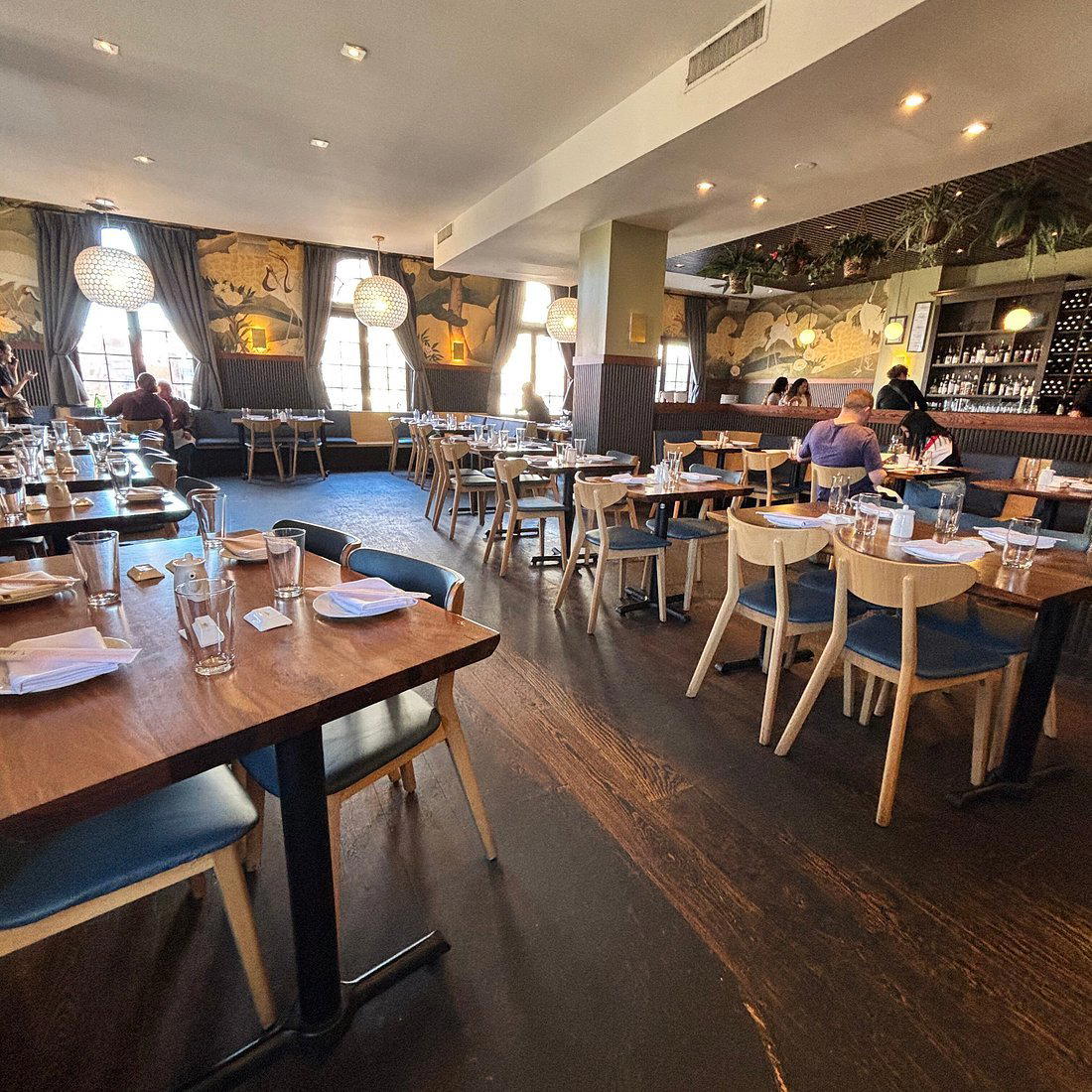
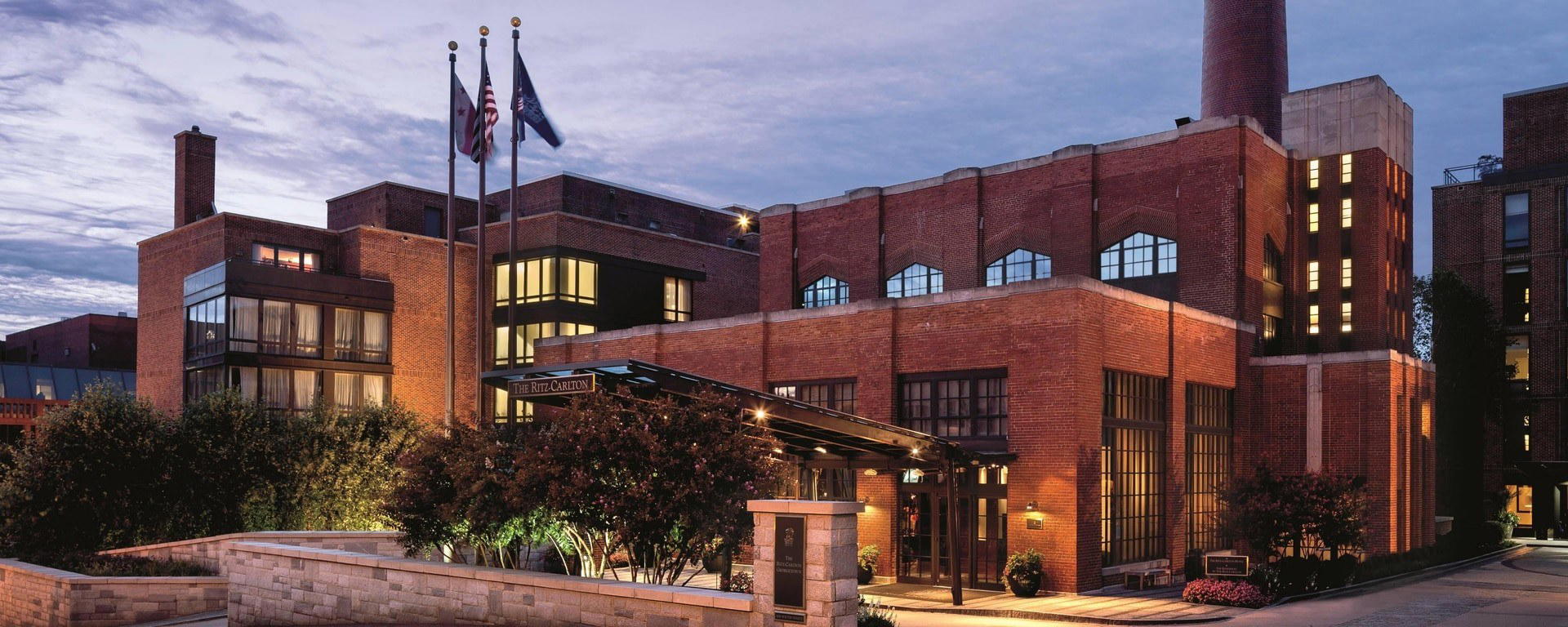
Approaching 1050 31st Street NW, the address sits within walking distance of Georgetown's main commercial drag but occupies a quieter position that reads as deliberate. The interior of a CUT property is designed to signal confidence without the theatrical darkness that defined steakhouse interiors for much of the twentieth century. The expectation is a room with genuine material quality in its finishes, controlled lighting that serves the food rather than the atmosphere, and enough space between covers to allow conversation at normal volume. Georgetown's dining rooms have generally maintained that standard, and CUT's space follows the brief.
The clientele skew toward the professional and political classes that define Georgetown's evening restaurant culture, mixed with a hotel-adjacent transient population that expects consistency. That dual audience places specific demands on service and consistency that a concept operating at this price tier must meet reliably.
Where CUT Sits in Washington's Premium Dining Field
Washington has developed a serious fine-dining tier over the past decade that competes with New York and Chicago on ambition if not always on volume. Albi handles sourcing through a Middle Eastern lens; Causa applies Peruvian discipline to local and imported produce. Further afield, reference points like Le Bernardin in New York City and The French Laundry in Napa set the sourcing standard that premium American restaurants measure themselves against. Alinea in Chicago and Lazy Bear in San Francisco demonstrate what sustained ambition looks like in non-New York markets. Internationally, the benchmark for multi-location serious dining with consistent sourcing standards runs through places like Alain Ducasse at Louis XV in Monte Carlo and 8½ Otto e Mezzo Bombana in Hong Kong.
CUT occupies a defined position within this map: a brand-operated steakhouse that applies serious sourcing logic and controlled cooking technique to a format with broader commercial appeal than the omakase counter or the chef's-table tasting menu. That positioning is not a limitation; it reflects a considered argument about who beef-focused dining is for and what it should demand of both kitchen and guest.
Planning Your Visit
CUT Washington D.C. is located at 1050 31st Street NW in Georgetown, accessible by rideshare or on foot from the neighbourhood's main retail corridor. Booking ahead is advisable for weekend evenings, when Georgetown's dining rooms fill across formats and price points. The restaurant fits naturally into a Georgetown evening that begins elsewhere: the neighbourhood's bar scene and adjacent dining options make it direct to build a longer evening around the area.
How It Stacks Up
Comparable venues nearby, for context on price, style, and recognition.
| Venue | Cuisine | Price | Notes |
|---|---|---|---|
| CUT Washington D.C.This venue — the venue you are viewing | Modern Steakhouse | $$$$ | Not listed |
| STK - DC | Modern Steakhouse | $$$$ | Shaw |
| Bourbon Steak DC | Modern American Steakhouse | $$$$ | Waterfront Georgetown |
| Bazaar Meat | Theatrical Spanish-American Steakhouse | $$$$ | Penn Quarter |
| Equinox - DC | Contemporary American Fine Dining | $$$$ | Golden Triangle |
| Sushi Taro | Traditional Japanese Omakase | $$$$ | Dupont Circle |
Recognition history
Dated appearances from independent guides and award organizations, with the underlying list record or original source where available.
Wine Spectator Best of Award of Excellence
Wine Spectator
Continue exploring
More in Washington DC
Restaurants in Washington DC
Browse all →
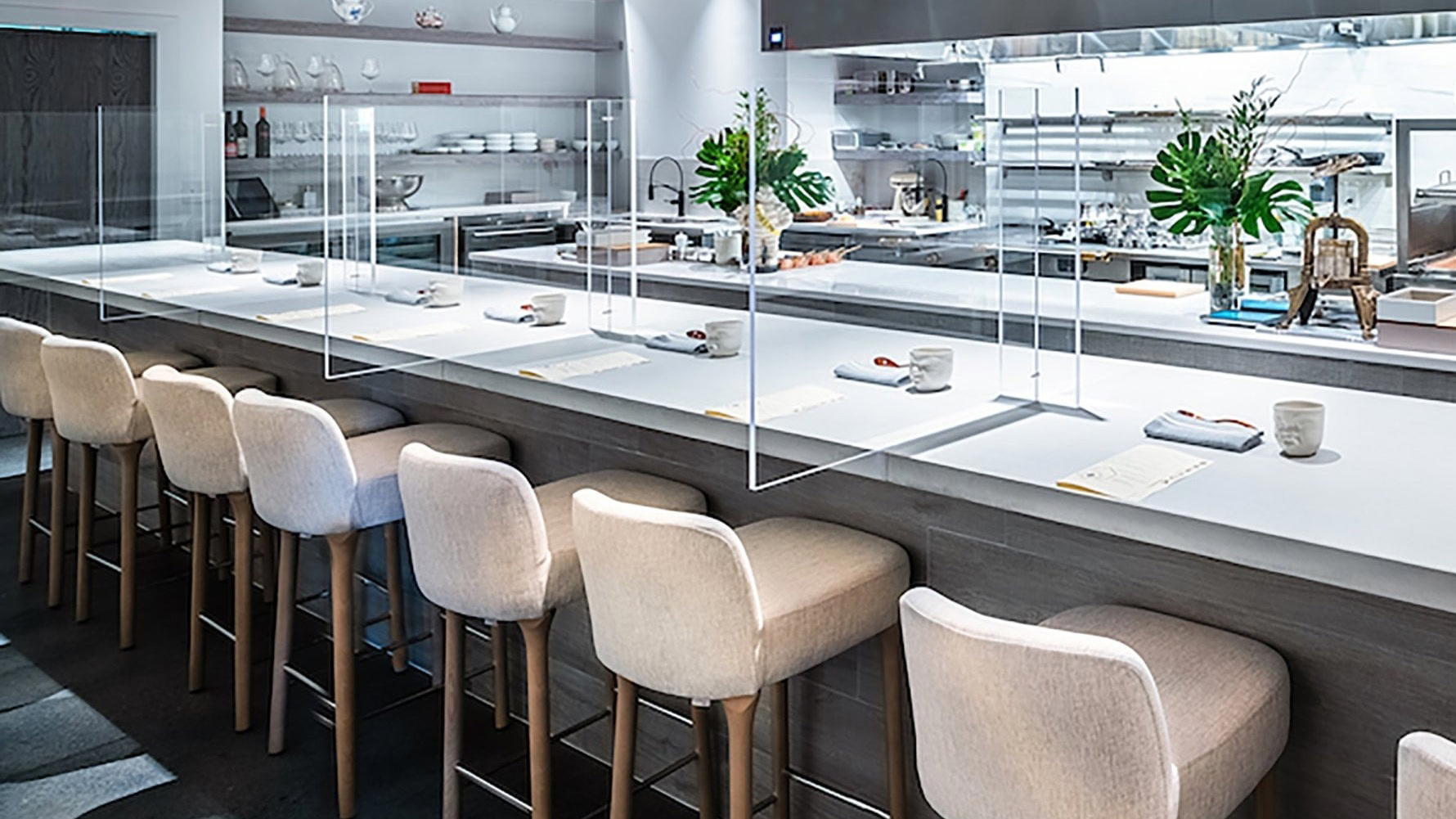
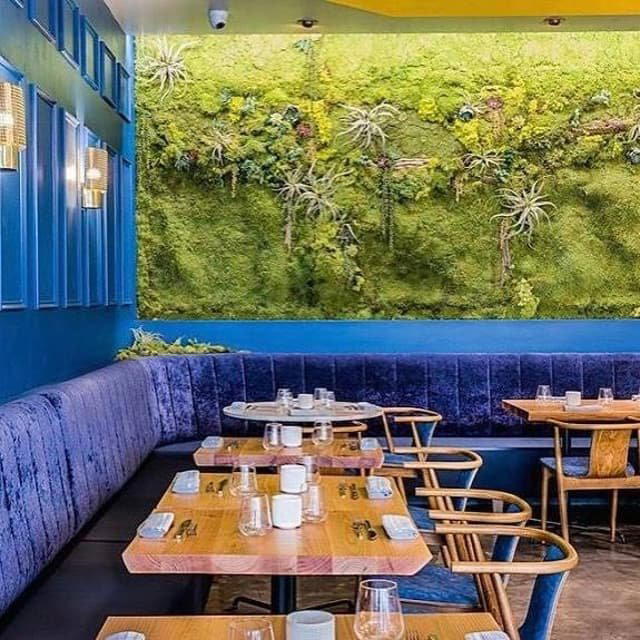
Bars in Washington DC
Browse all →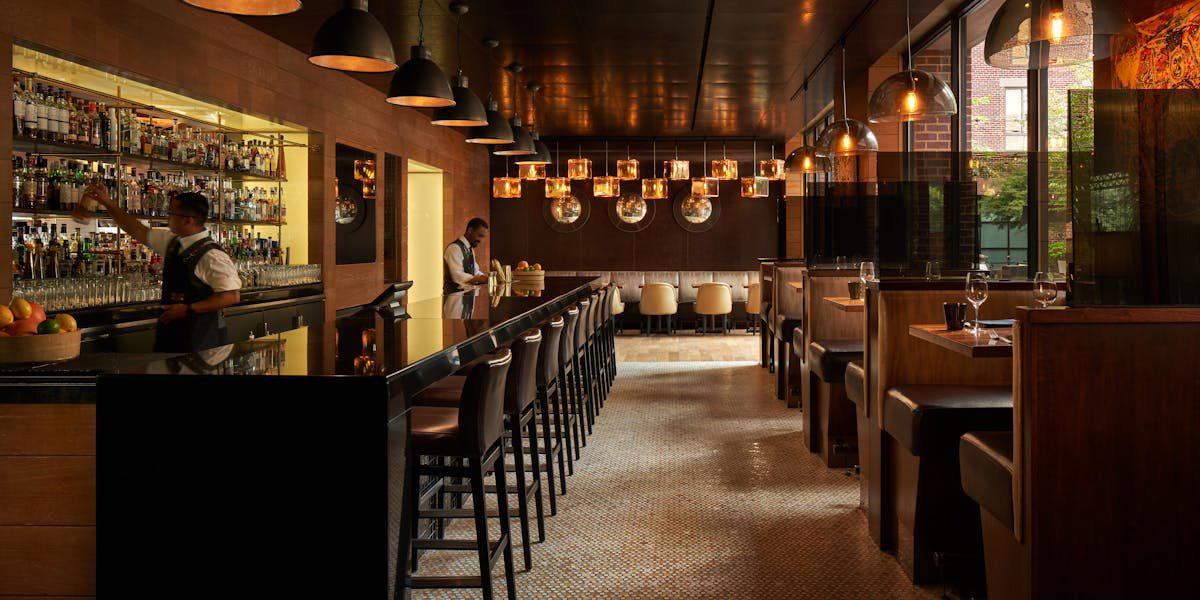
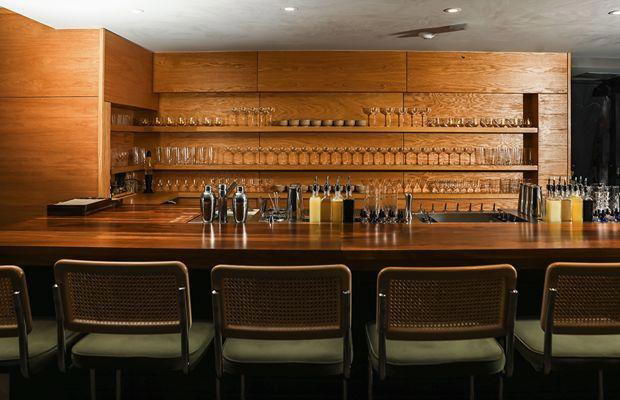
Hotels in Washington DC
Browse all →
At a Glance
- Elegant
- Sophisticated
- Modern
- Date Night
- Business Dinner
- Special Occasion
- Group Dining
- Hotel Restaurant
- Open Kitchen
- Extensive Wine List
Current opening hours
- Monday
- 7 AM–11 PM
- Tuesday
- 7 AM–11 PM
- Wednesday
- 7 AM–11 PM
- Thursday
- 7 AM–11 PM
- Friday
- 7 AM–11 PM
- Saturday
- 7 AM–11 PM
- Sunday
- 7 AM–11 PM
Hours can change for holidays and private events. Last verified .
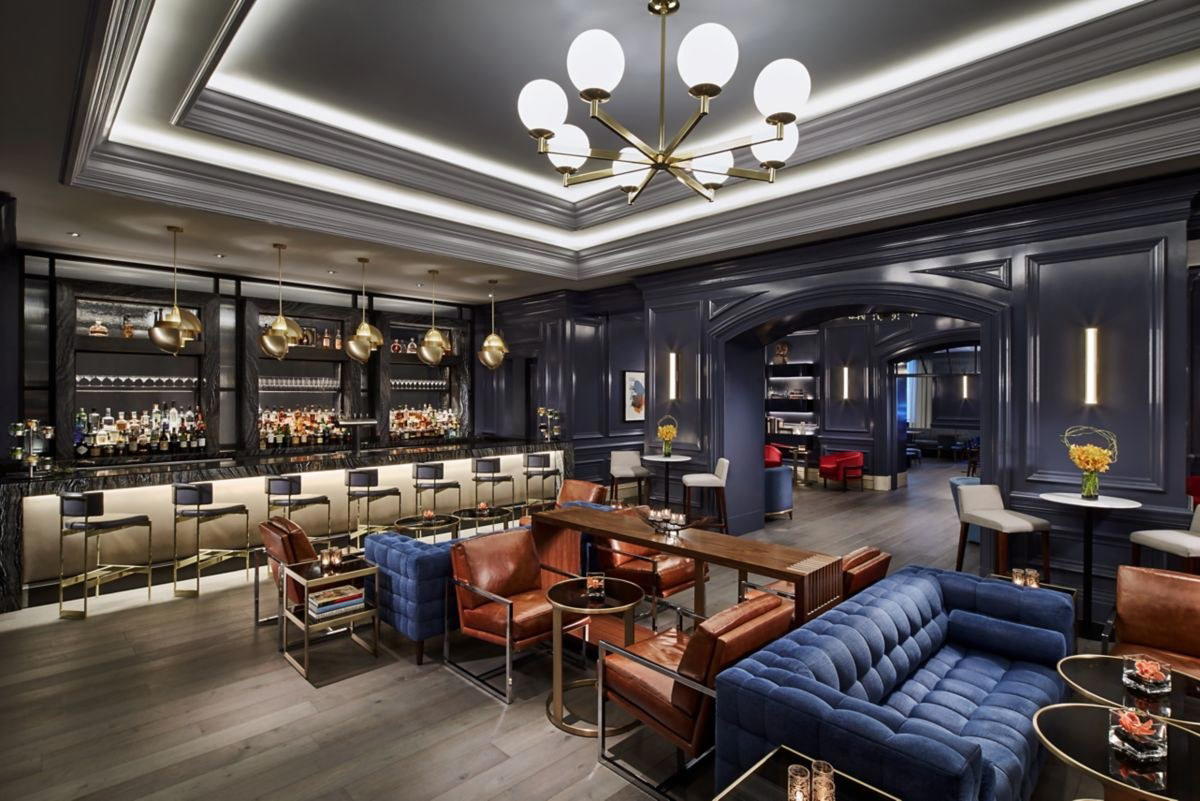
Sleek decor with low lighting creating an elegant, sophisticated atmosphere ideal for deal makers and dates.