The Pancake Bakery
On the Prinsengracht canal in Amsterdam, The Pancake Bakery occupies a former Dutch warehouse where centuries of grain storage have given way to one of the city's most enduring pancake traditions. The format is direct: Dutch pannenkoeken in their full, wide-plate form, served across multiple floors to a crowd that returns seasonally. A practical first stop before or after the Anne Frank House nearby.
Pearl is the En Primeur Club membership app — saves, bookings, and concierge access live there. Same editors, same standards.
- Address
- Prinsengracht 191, 1015 DS Amsterdam, Netherlands
- Phone
- +31 20 625 1333
- Website
- pancake.nl
- Directions
- Get directions
 Saves & bookings on Pearl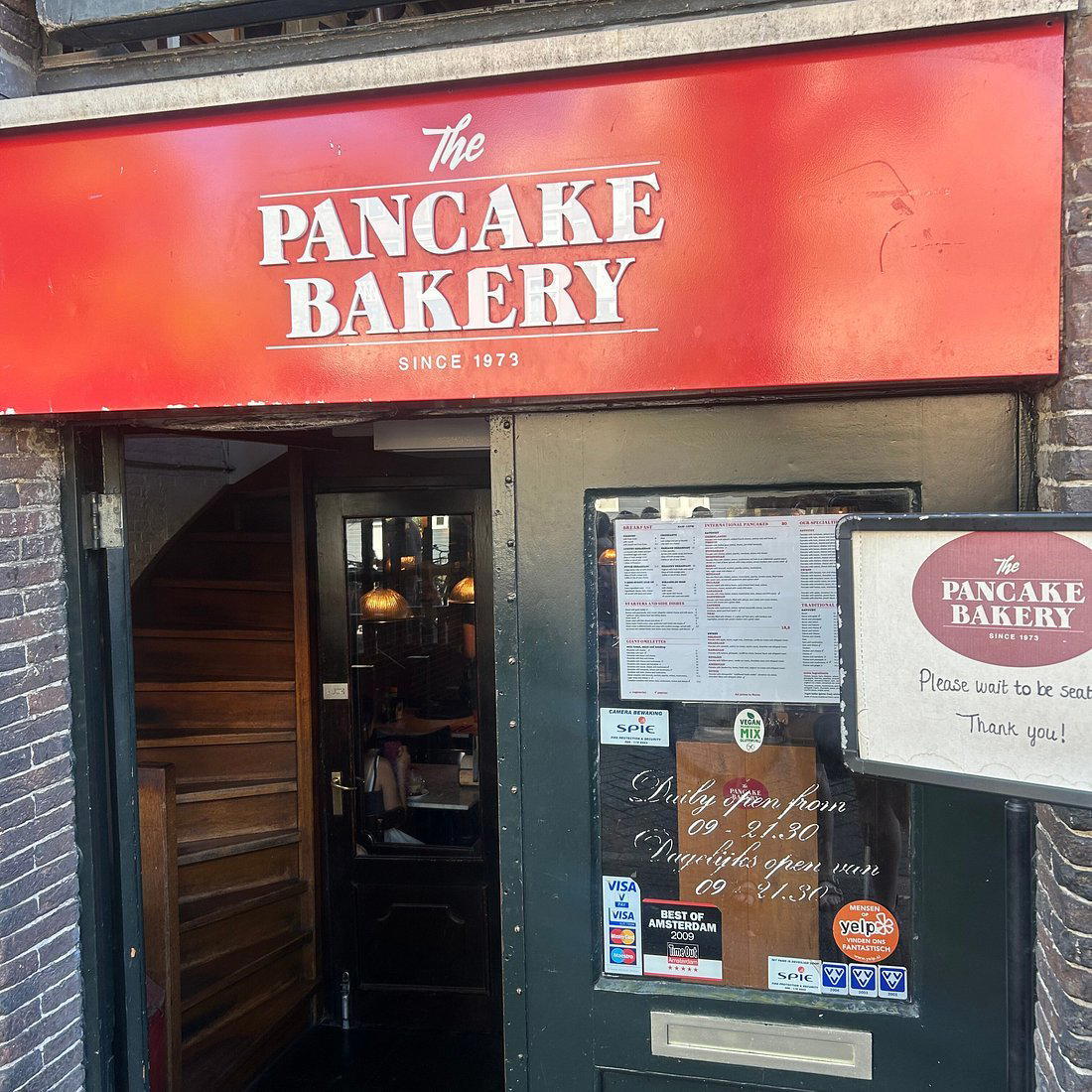
Canal-Side and Flour-Dusted: Amsterdam's Pancake Tradition at the Prinsengracht
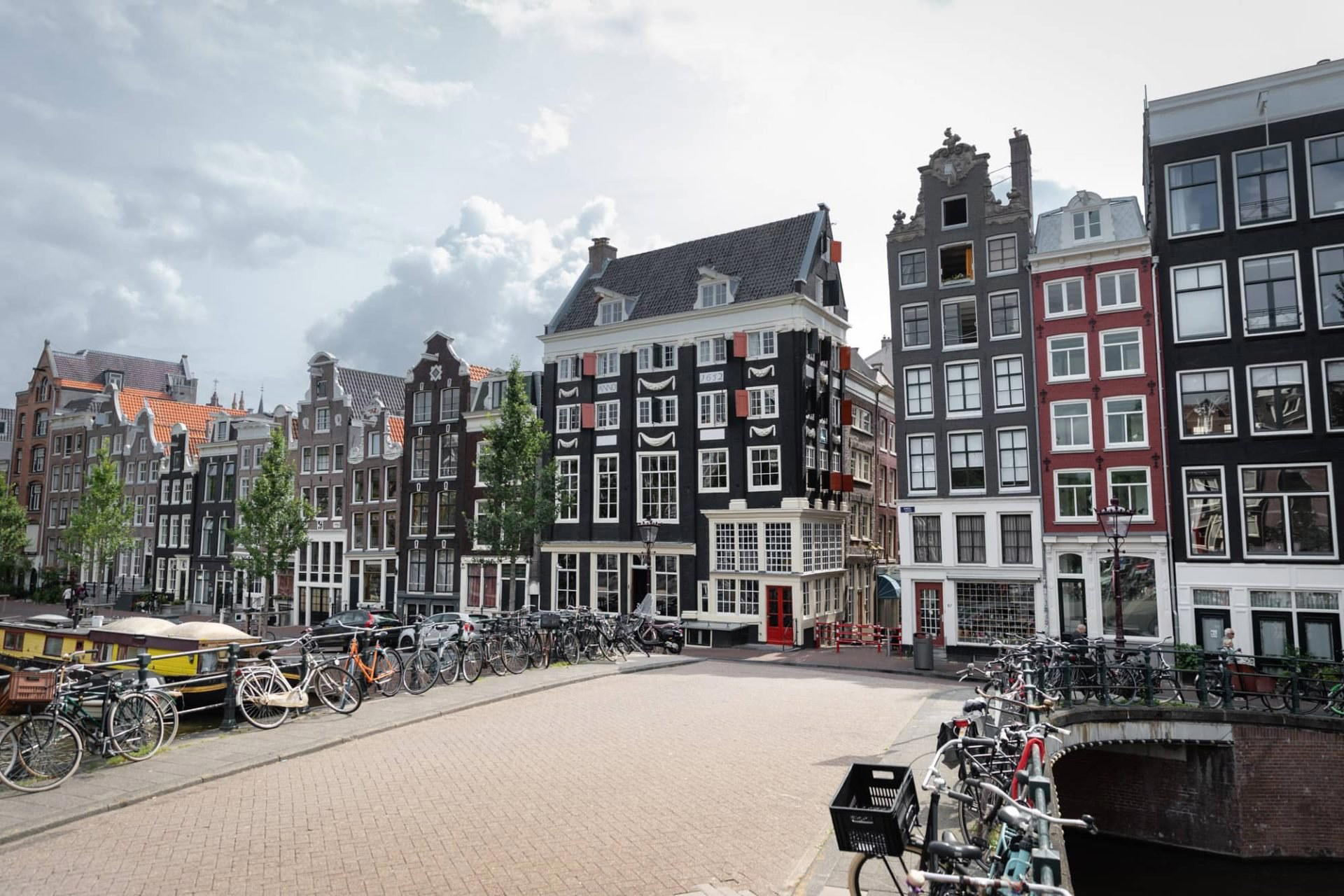
Walk south along the Prinsengracht on a grey November morning and the city reveals itself in layers: the brick facades, the leaning rooflines, the smell of butter coming up from basement-level kitchens before the tourist crowd has fully assembled. This is the canal belt at its most functional, where commerce and daily life have always sat alongside the picturesque. The Pancake Bakery, at number 191, occupies a 17th-century warehouse that once stored goods shipped across the Dutch trading network. The building's bones, exposed timber and low ceilings, tell that history more directly than any heritage plaque.
Dutch pancakes are not crêpes and not American breakfast stacks. They occupy their own category: wide, thin enough to be flexible but substantial enough to carry both sweet and savoury toppings in combination, and traditionally eaten as a main meal rather than a dessert or a brunch aside. That distinction matters if you're approaching this as a meal rather than a sugar stop. The format has deep roots in Dutch domestic cooking, where the pancake served as an efficient, filling meal for families across income levels. What the Prinsengracht location does is present that tradition in a canal-house setting that reinforces rather than contradicts the food's character.
The Format in Context: Where Dutch Pannenkoeken Sits in Amsterdam's Dining Tiers
Amsterdam's restaurant scene in 2024 and 2025 has consolidated around two poles: a tier of high-investment creative kitchens, including Michelin-decorated addresses like Ciel Bleu, Flore, Spectrum, and Vinkeles, and a broader middle category of casual-traditional spots that serve a local cultural function more than a gastronomic one. The Pancake Bakery sits firmly in the second group, and that positioning is a feature, not a limitation. It answers a different question from the one that Bistro de la Mer or the city's fine-dining counters answer. The question here is: what does Amsterdam actually eat when it's not performing for critics?
Across the Netherlands, pancake houses operate as family institutions. The country's most ambitious kitchens, from De Librije in Zwolle to Inter Scaldes in Kruiningen and the plant-led De Nieuwe Winkel in Nijmegen, have built international reputations on precision and innovation. But the pancake house tradition runs parallel and entirely separate from that conversation. It is not trying to be those restaurants, and those restaurants are not trying to be it. Understanding that separation is the first step to understanding what The Pancake Bakery is for.
What the Warehouse Setting Delivers
The address at Prinsengracht 191 places the restaurant within a ten-minute walk of the Anne Frank House, which means foot traffic from the Western Canal Ring is constant during peak season, roughly April through October. That proximity shapes the crowd but not the food. The building's multiple floors allow for a degree of separation between tables, though the space fills quickly on weekend afternoons. Arriving before noon on weekdays, or after the mid-afternoon lull, changes the experience considerably. The canal view from the upper level is the reward for timing it correctly.
The interior reflects the warehouse origins without theatrical restoration: the spatial proportions are those of a working building, not a dining room designed for the purpose. Low ceilings, heavy beams, and the sounds of a kitchen working at volume. The atmosphere is less designed than accumulated, the difference between a room that has hosted thousands of meals over decades and one that has been art-directed to suggest it has.
On Drinks and What They Signal
Editorial angle here requires honesty: the restaurant is not a wine destination. Dutch pancake houses historically pair with beer, apple juice, or coffee, and that reflects the meal's domestic origins rather than a gap in the program. Visitors arriving with the expectation of a curated cellar or a sommelier-led pairing experience will find the drinks list functional rather than considered. That is entirely appropriate to the format. For the kind of wine-list depth and curation philosophy that defines Amsterdam's upper tier, the city's fine-dining addresses, Ciel Bleu and Spectrum among them, are the right comparison. Here, the drink is secondary to the plate, and the plate is an expression of Dutch culinary tradition rather than contemporary dining ambition.
If wine curation is the primary interest, the Netherlands offers compelling addresses beyond Amsterdam. De Lindehof in Nuenen, De Bokkedoorns in Overveen, and Brut172 in Reijmerstok represent the direction the country's serious kitchens have taken, with wine programs that match the ambition of the food. For a broader Netherlands itinerary that balances tradition with contemporary ambition, De Lindenhof in Giethoorn, Tribeca in Heeze, De Groene Lantaarn in Staphorst, and De Treeswijkhoeve in Waalre each make the case for the Dutch provinces as a serious dining destination.
Internationally, the contrast is instructive. The kind of tasting-menu format with deep wine integration that Le Bernardin in New York City or Lazy Bear in San Francisco represent sits at the opposite end of the dining spectrum from what the Prinsengracht warehouse offers. Both ends of that spectrum have their place; they simply answer different questions for different moments.
Planning a Visit: Timing, Approach, and Expectations
The Prinsengracht address is walkable from most of the Western Canal Ring hotels and from Centraal Station in under twenty minutes on foot, though the canal-side streets reward a slower pace. Tram lines along the Raadhuisstraat and Rozengracht reduce the walk to a few minutes for those coming from elsewhere in the city. Queues form outside during peak tourist season, particularly on Saturday and Sunday afternoons between April and September. Arriving at opening time or after 14:30 on weekdays avoids the longest waits. The restaurant is walk-in friendly.
Peers in This Market
Comparable venues nearby, for context on price, style, and recognition.
| Venue | Cuisine | Price | Notes |
|---|---|---|---|
| The Pancake BakeryThis venue — the venue you are viewing | Traditional Dutch Pancakes | $$ | Not listed |
| Wilde Zwijnen | Modern Dutch | $$ | Noordoostkwadrant Indische buurt |
| Café Restaurant Sandberg | Dutch Cafe Fare | $$ | Museumplein |
| Bubbles & Wines Amsterdam | Wine Bar with Gourmet Bites | $$$ | Nes e.o. |
| Gió Cucina Italiana | Authentic Italian Cucina | $$ | Nieuwendijk Noord |
| Bord'eau | Dining | Not listed | BG-terrein e.o. |
Continue exploring
More in Amsterdam
Restaurants in Amsterdam
Browse all →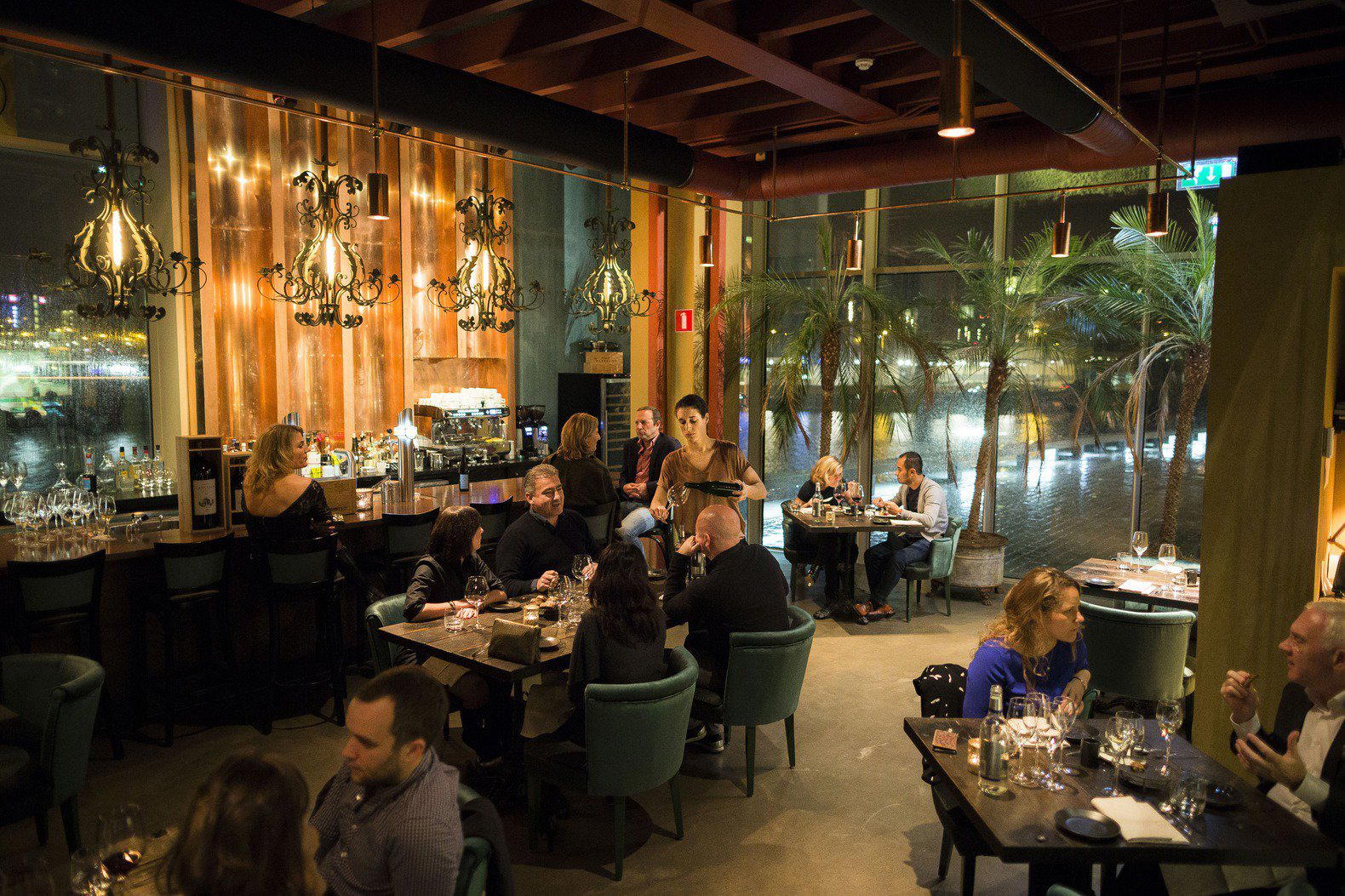
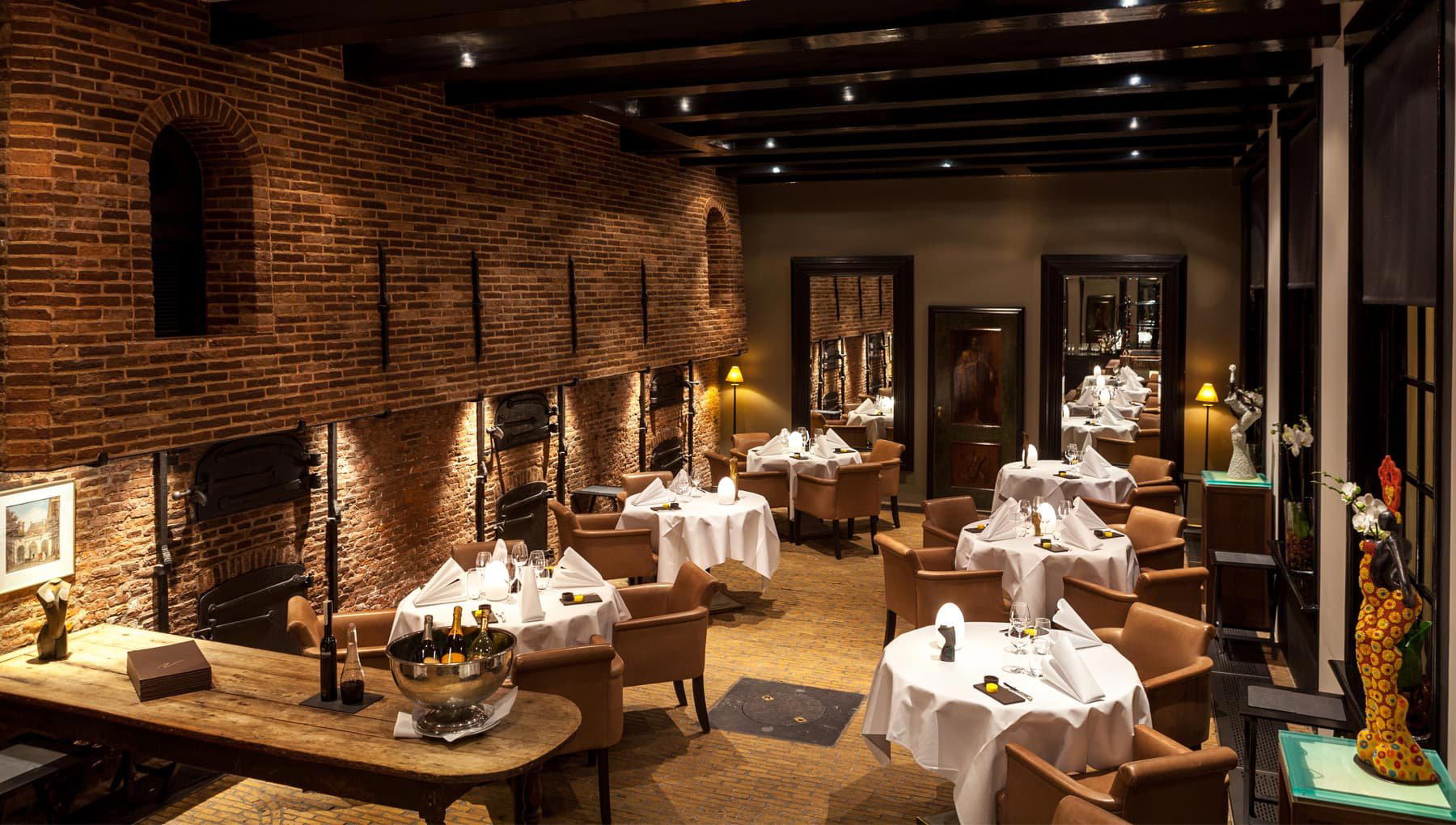
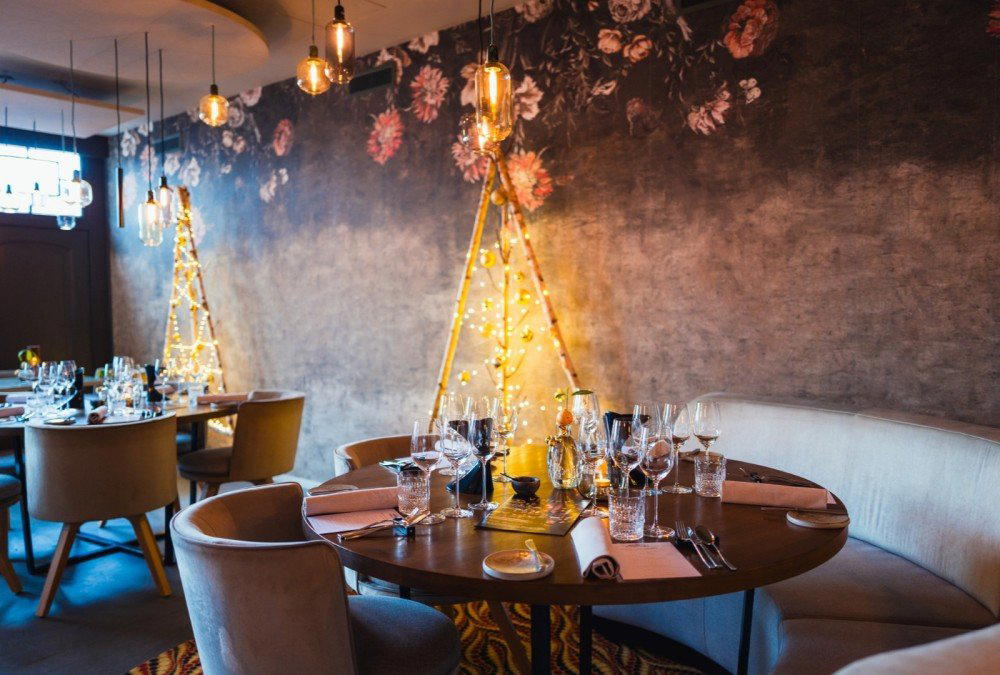
Bars in Amsterdam
Browse all →
Hotels in Amsterdam
Browse all →
Wineries in Amsterdam
Browse all →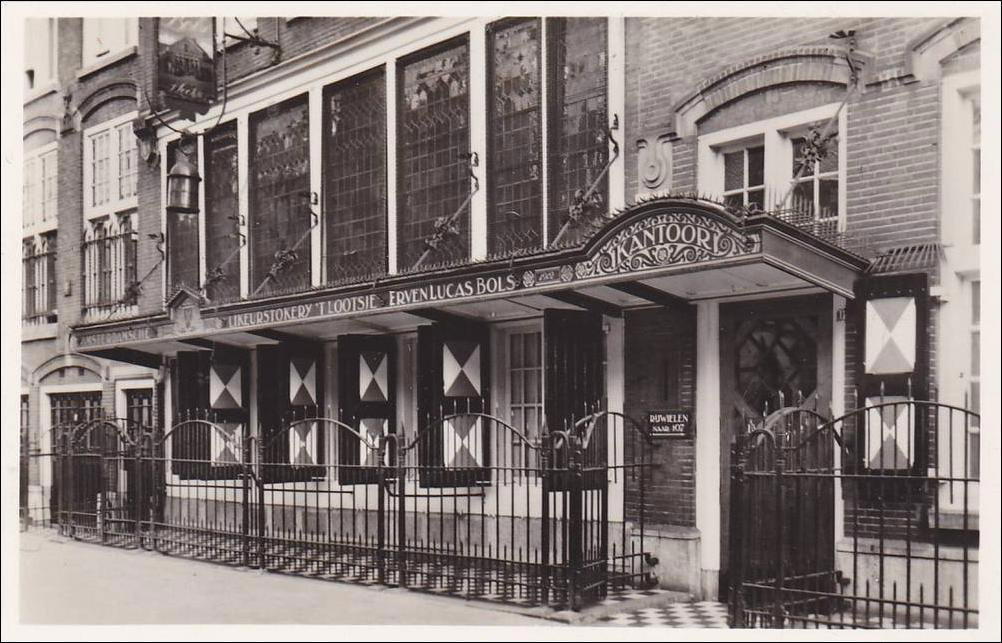
At a Glance
- Cozy
- Historic
- Rustic
- Classic
- Family
- Brunch
- Casual Hangout
- Historic Building
- Open Kitchen
- Street Scene
Current opening hours
- Monday
- 9 AM–8:30 PM
- Tuesday
- 9 AM–8:30 PM
- Wednesday
- 9 AM–8:30 PM
- Thursday
- 9 AM–8:30 PM
- Friday
- 9 AM–9 PM
- Saturday
- 9 AM–9 PM
- Sunday
- 9 AM–8:30 PM
Hours can change for holidays and private events. Last verified .
Cozy and historic atmosphere in a charming canal house basement with an open kitchen.