Gió Cucina Italiana
On Sint Jacobsstraat, a short walk from Amsterdam Centraal, Gió Cucina Italiana brings Italian cooking into the city's mid-range dining tier, a category where the Dutch capital has historically leaned toward French and contemporary Dutch formats. The address places it squarely in the older core of the city, where neighbourhood character shifts quickly between tourist corridors and quieter residential streets.
Pearl is the En Primeur Club membership app — saves, bookings, and concierge access live there. Same editors, same standards.
- Address
- Sint Jacobsstraat 8, 1012 NC Amsterdam, Netherlands
- Phone
- +31628540623
- Website
- giocucinaitaliana.com
- Directions
- Get directions
 Saves & bookings on Pearl
Italian Cooking in Amsterdam's City Centre: Where Gió Sits
Amsterdam's restaurant scene has long been weighted toward two poles: the high-end creative Dutch format, represented by places like Ciel Bleu, Flore, Spectrum, and Vinkeles on one end, and casual international street-level eating on the other. The middle tier, regional European cooking served in a proper dining room without the full tasting-menu apparatus, is a smaller category in the city, and Italian occupies only a fraction of it. Gió Cucina Italiana is an Italian restaurant in Amsterdam. Gió Cucina Italiana, on Sint Jacobsstraat in the old city centre, occupies that gap.
Sint Jacobsstraat runs parallel to the main station approach, which means it catches foot traffic from both tourists and commuters, but the street itself sits a degree removed from the heaviest pedestrian channels. That positioning matters for what a restaurant can do with its room and its service pace: it is central enough to draw walk-ins but not so exposed that the dining room becomes a turnover machine by default.
Lunchtime Amsterdam: The Case for Midday Italian
Across Amsterdam's dining culture, lunch and dinner operate on different registers. The city's stronger tradition is dinner, where tasting menus and longer booking horizons define the leading end, venues like De Librije in Zwolle and Inter Scaldes in Kruiningen represent the kind of destination dining that anchors a full evening. Italian trattorias, by contrast, have historically carried their own daytime logic: pasta served at speed, a carafe of house wine, a bill that doesn't require negotiation. That rhythm has migrated from Rome and Milan into northern European cities with varying degrees of authenticity.
At a city-centre address like Sint Jacobsstraat 8, lunch service has a specific functional pull. Amsterdam's centre draws a working population of office workers, designers, and creative-sector employees who tend to eat out more regularly at midday than their counterparts in sprawling suburban office parks. An Italian cucina format, shorter menu, pasta-forward, lighter on the ceremonial service, maps well onto that demand. The question a restaurant in this category always faces is whether the kitchen maintains quality across both services, or whether dinner benefits from a slower kitchen while lunch runs on autopilot.
Italian restaurants that maintain their standards across both services share a few common markers: pasta made or sourced consistently, sauces that don't vary because the prep cook changes, and a room that adjusts its atmosphere rather than its offer between noon and evening. The better trattoria-style operations across European cities have moved away from the bifurcated model, cheap set lunch, elaborate dinner, toward a more coherent identity that holds across the day.
Evening Service: When the Room Changes Register
In Amsterdam's dining culture, the shift from lunch to dinner is partly about duration and partly about the room itself. The city's older canal-adjacent buildings create dining rooms with low ceilings, narrow windows, and ambient street noise that changes character after dark. A room that reads as brisk and informal at one in the afternoon can, with the right lighting and a slower service pace, hold a more considered mood by eight.
For Italian cooking specifically, evening service in northern European cities tends to see the menu expand slightly, more secondi, slower-braised proteins, longer wine lists in active use. The antipasti-to-pasta-to-secondi arc that Italian dining follows suits dinner better than lunch not because the food changes fundamentally, but because diners arriving in the evening are generally prepared to follow a longer sequence. At places like Bistro de la Mer in the same city, the evening-to-lunch value gap is visible in both format and pricing. Whether Gió maintains that distinction or collapses it into a single coherent offer is the practical question for visitors choosing when to book.
Italian Cuisine in a Dutch City: The Translation Problem
Italian cooking exported to northern Europe faces a persistent challenge: ingredient access. The produce economics that make a pomodoro sauce in Naples affordable and correct are different from those operating in an Amsterdam kitchen. Regional Italian restaurants in northern European cities tend to resolve this in one of two ways: they import aggressively (at cost), or they adapt quietly (at risk to authenticity). The restaurants that land well in cities like Amsterdam, Copenhagen, or Brussels are usually those that narrow their geographic reference, anchoring to a single Italian region rather than claiming the whole country, and hold that focus across both daytime and evening menus.
The cucina italiana category, at its leading, is less about theatrical elaboration and more about restraint: the right cut of pasta with the right ratio of fat to acidity, protein that doesn't overcomplicate. At the summit of the Dutch restaurant tier, creativity and local sourcing dominate, venues like De Groene Lantaarn in Staphorst, Brut172 in Reijmerstok, De Lindehof in Nuenen, and De Bokkedoorns in Overveen represent a different set of priorities. Italian cucina sits outside that creative-Dutch framework, operating on its own terms. That positioning is neither a weakness nor a virtue in itself; it depends entirely on execution. For comparable reference points at the international level, the discipline that separates good Italian cooking from mediocre is the same discipline visible at high-functioning European-influenced restaurants like Le Bernardin in New York or the format coherence of Lazy Bear in San Francisco, a clear point of view held consistently across service.
Know Before You Go
- Address: Sint Jacobsstraat 8, 1012 NC Amsterdam, Netherlands
- Getting there: A short walk south from Amsterdam Centraal station; well-served by tram lines running through the city centre.
- Booking is recommended.
- Price: about $35 per person.
- Dress code: smart casual.
A Credentials Check
Comparable venues nearby, for context on price, style, and recognition.
| Venue | Cuisine | Price | Notes |
|---|---|---|---|
| Gió Cucina ItalianaThis venue — the venue you are viewing | Authentic Italian Cucina | $$ | Not listed |
| A Tavola | Traditional Italian | $$ | Kadijken |
| Quattro Gatti | Authentic Italian Handmade Pasta | $$ | Felix Meritisbuurt |
| Buon Gusto d'Italia | Authentic Italian Pizza & Pasta | $$ | Scheldebuurt West |
| Cecconi's Amsterdam | Northern Italian | $$$ | Spuistraat Zuid |
| Day's StoneGrill 1870 | Stone-Grill Steakhouse | $$ | Hemelrijk |
Continue exploring
More in Amsterdam
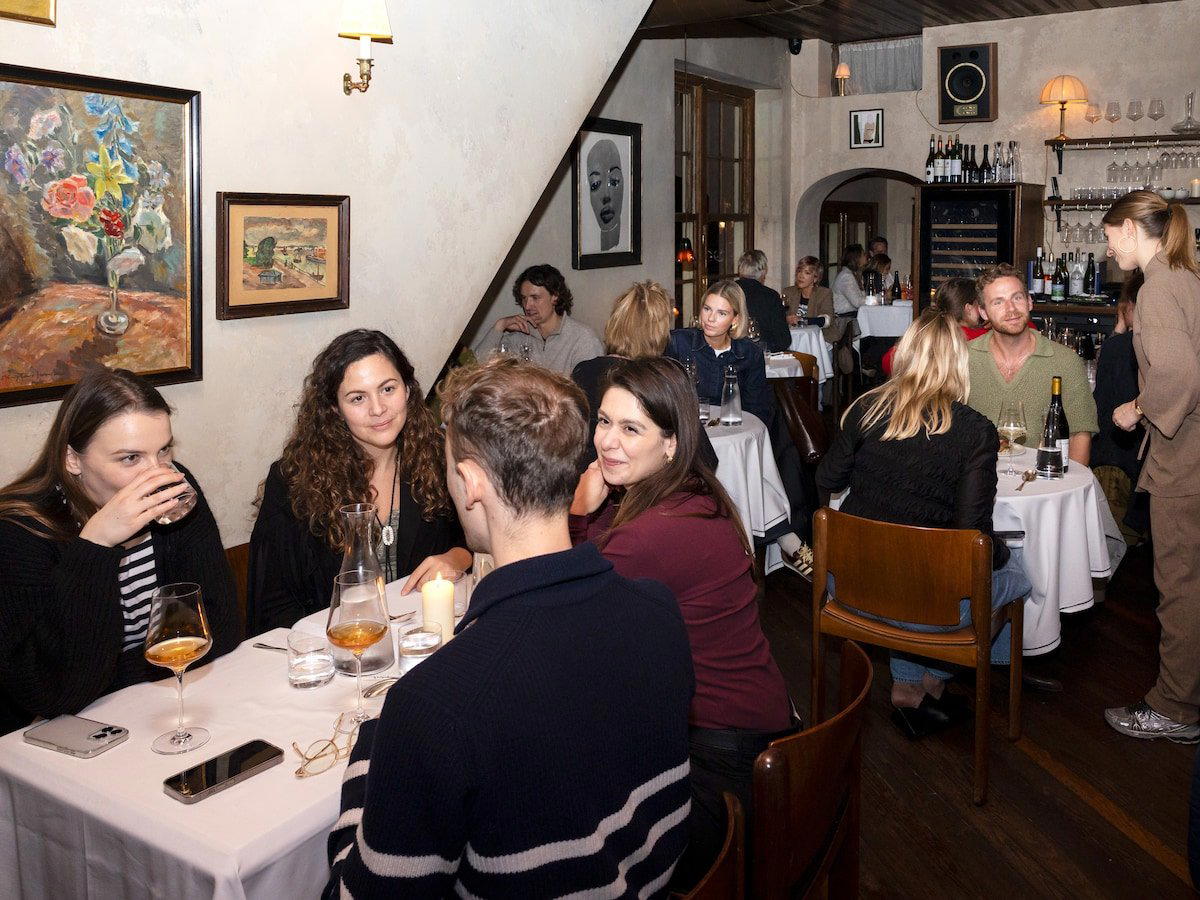
Restaurants in Amsterdam
Browse all →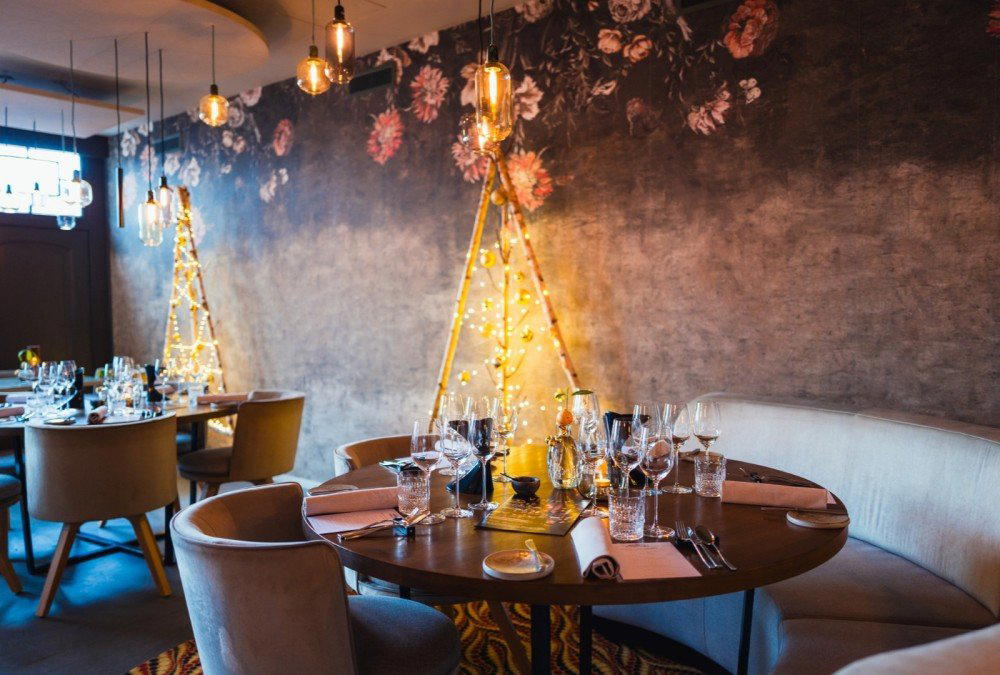
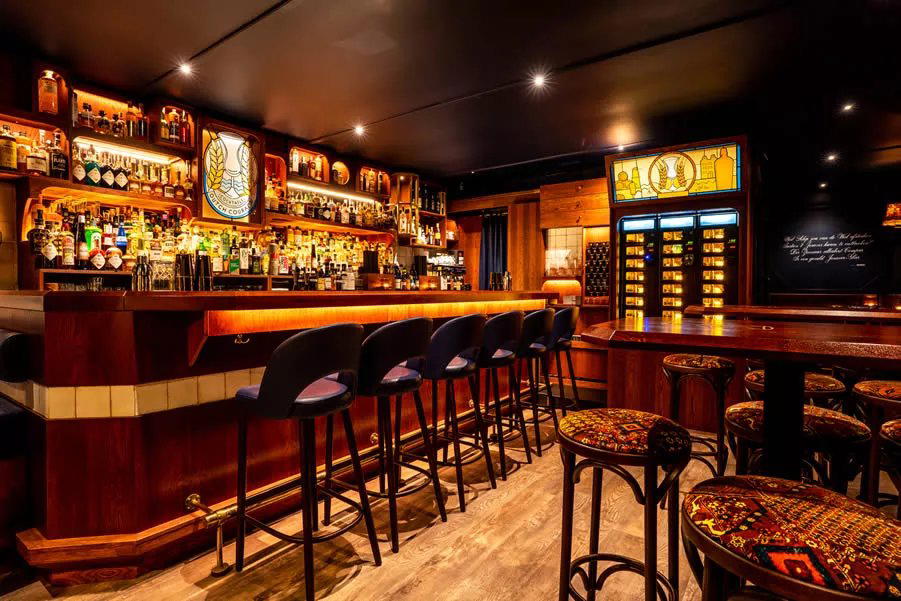
Bars in Amsterdam
Browse all →
Hotels in Amsterdam
Browse all →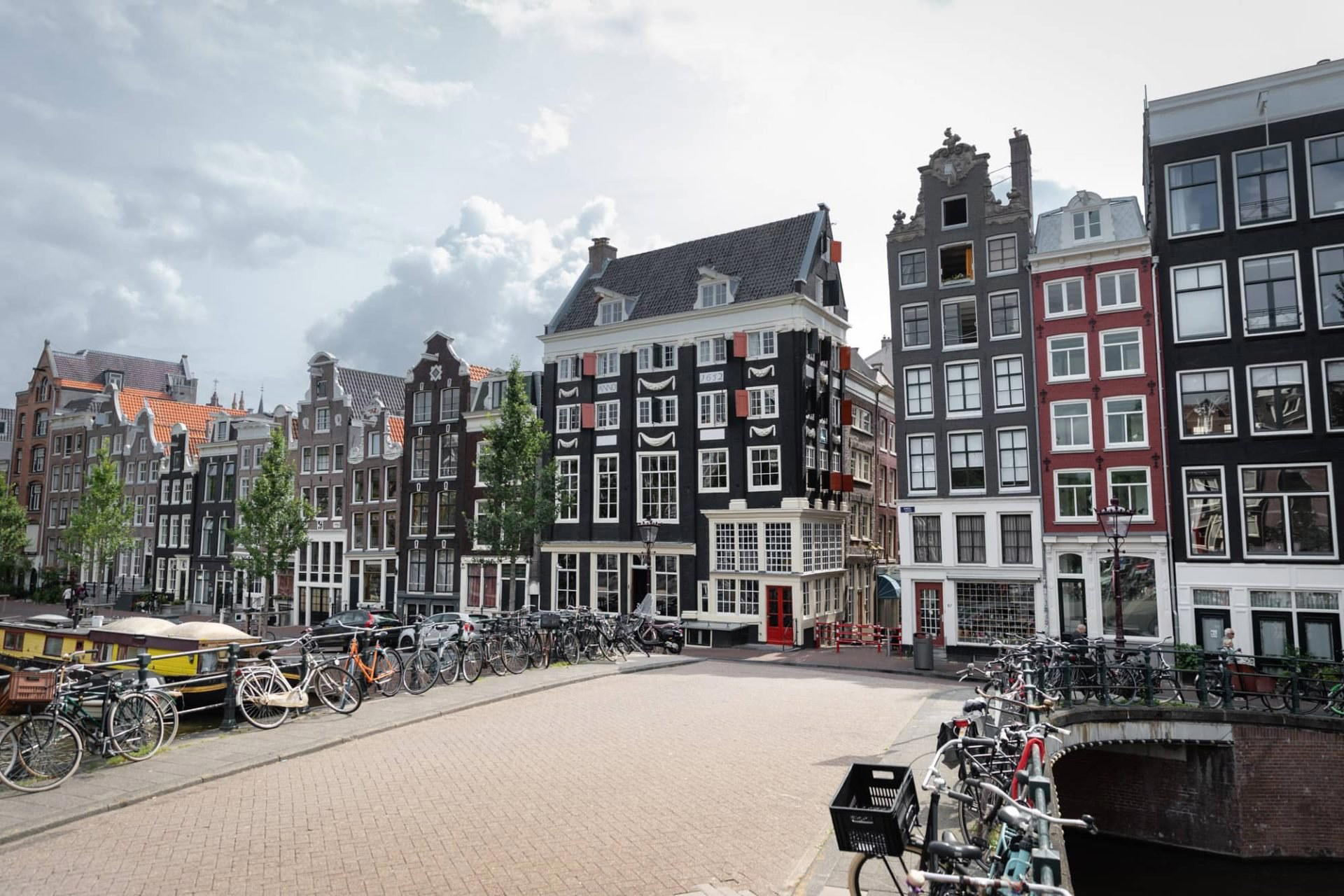
Wineries in Amsterdam
Browse all →
At a Glance
- Cozy
- Intimate
- Romantic
- Date Night
- Special Occasion
- Extensive Wine List
Current opening hours
- Monday
- 5–10:30 PM
- Tuesday
- 5–10:30 PM
- Wednesday
- 5–10:30 PM
- Thursday
- 5–10:30 PM
- Friday
- 5–10:30 PM
- Saturday
- 5–10:30 PM
- Sunday
- Closed
Hours can change for holidays and private events. Last verified .
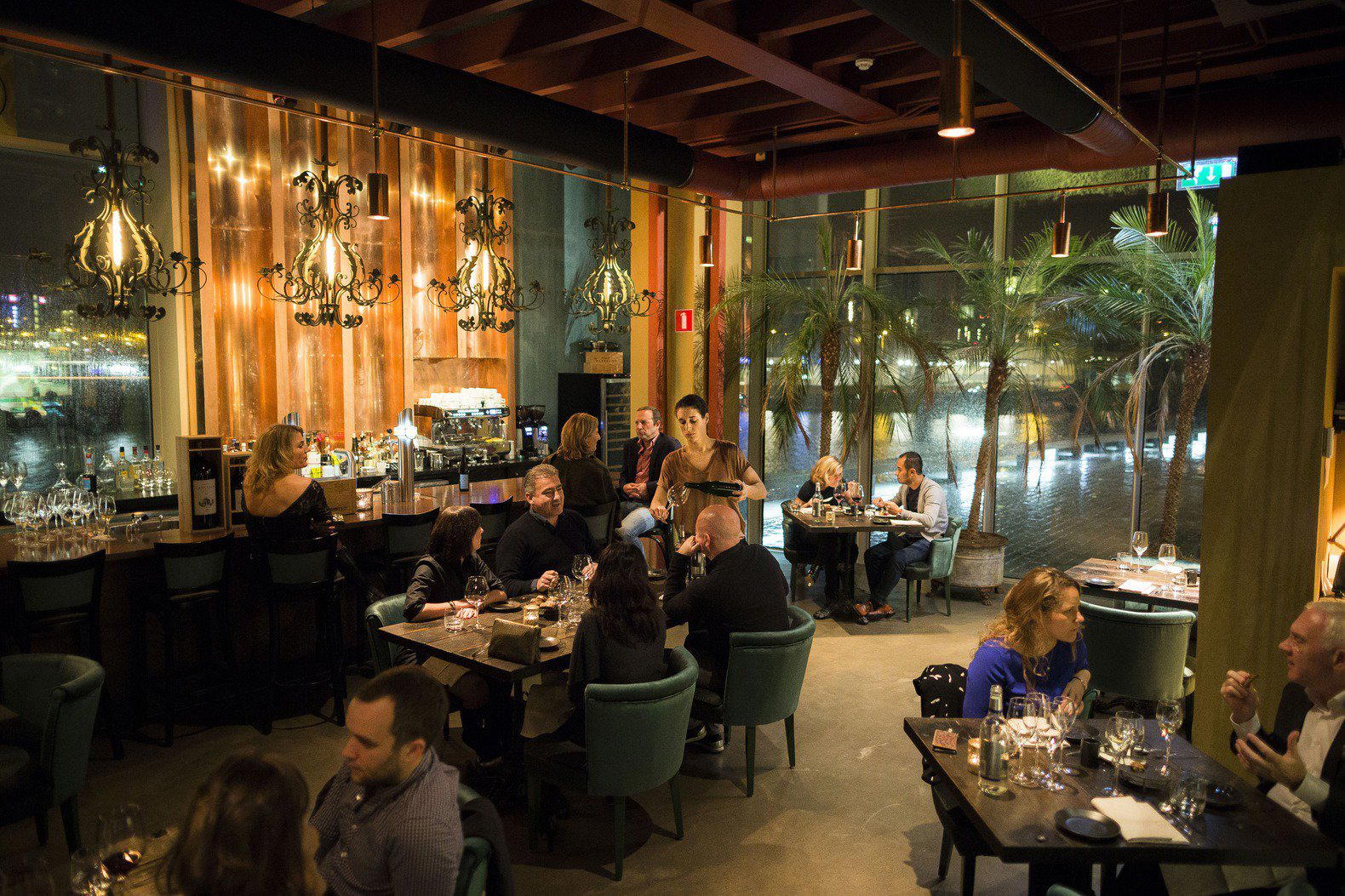
Cozy and intimate with plush green velvet seating, golden accents, bare brick walls, and a warm family atmosphere.