Bord'eau
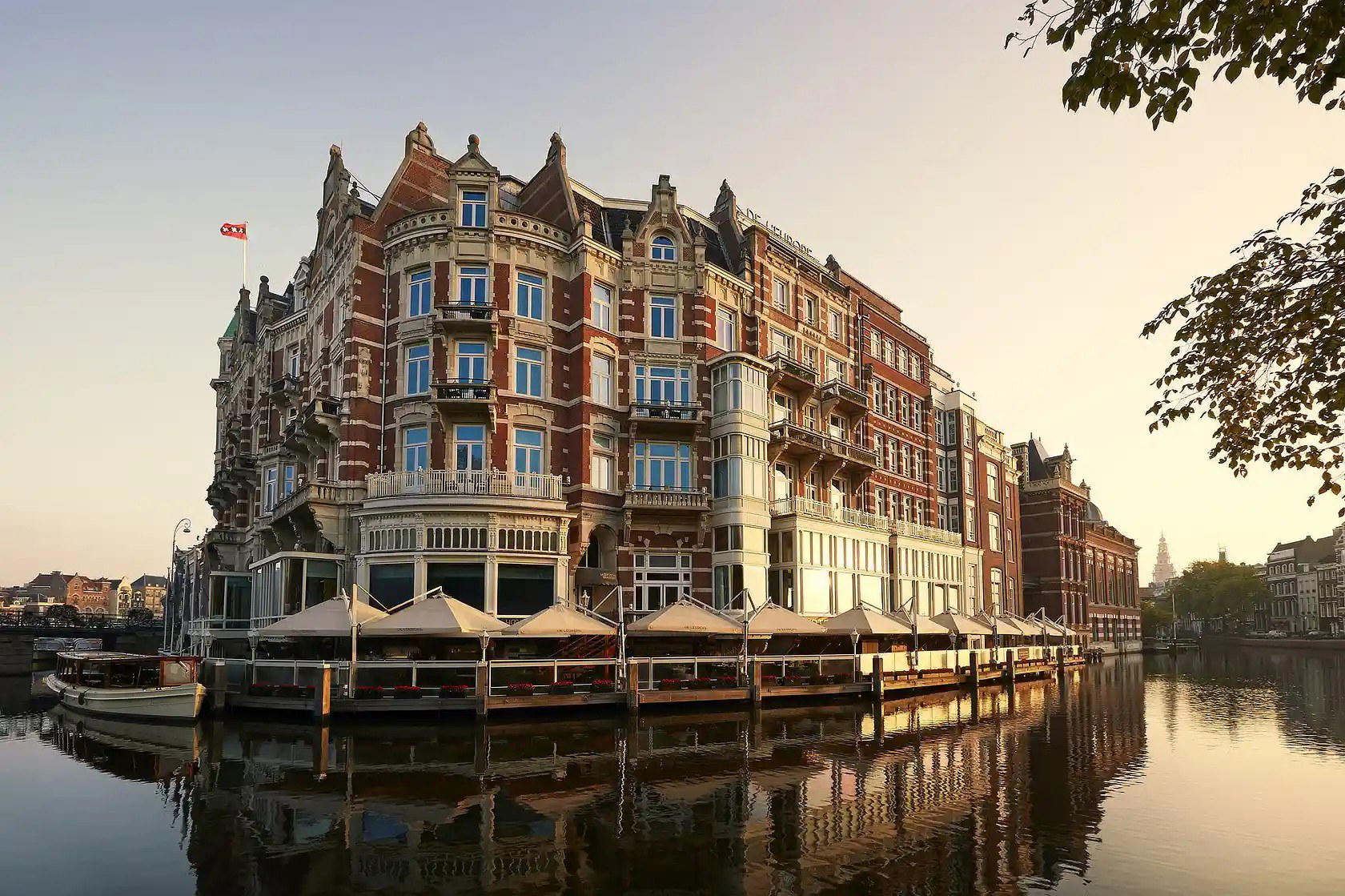
Bord'eau in Amsterdam served contemporary French cuisine with a strong Dutch seafood focus at Hotel l'Europe on the Amstel. Notable dishes included Fried Red Mullet with Sourdough Crust, the Oosterschelde Lobster Roll, and Salt-Roasted Beetroot with Mustard Ice Cream. The kitchen combined classical French technique with local terroir and subtle Japanese accents, producing crisp textures and balanced acidity. Guests enjoyed river views, tasting menus (a six-course was €108 pre-2017), and a fine-dining narrative that earned Michelin recognition in 2013 and 2014. Bord'eau was prized for its precise sauces, seasonal produce, and a dining room that favored intimate, highly curated service for informed travelers seeking memorable culinary theater.
- Address
- Hotel l'Europe, Nieuwe Doelenstraat 2-14, Amsterdam, 1012 CP, Netherlands
- Phone
- +31 (0)20 531 17 77
- Website
- leurope.nl
- Directions
- Get directions
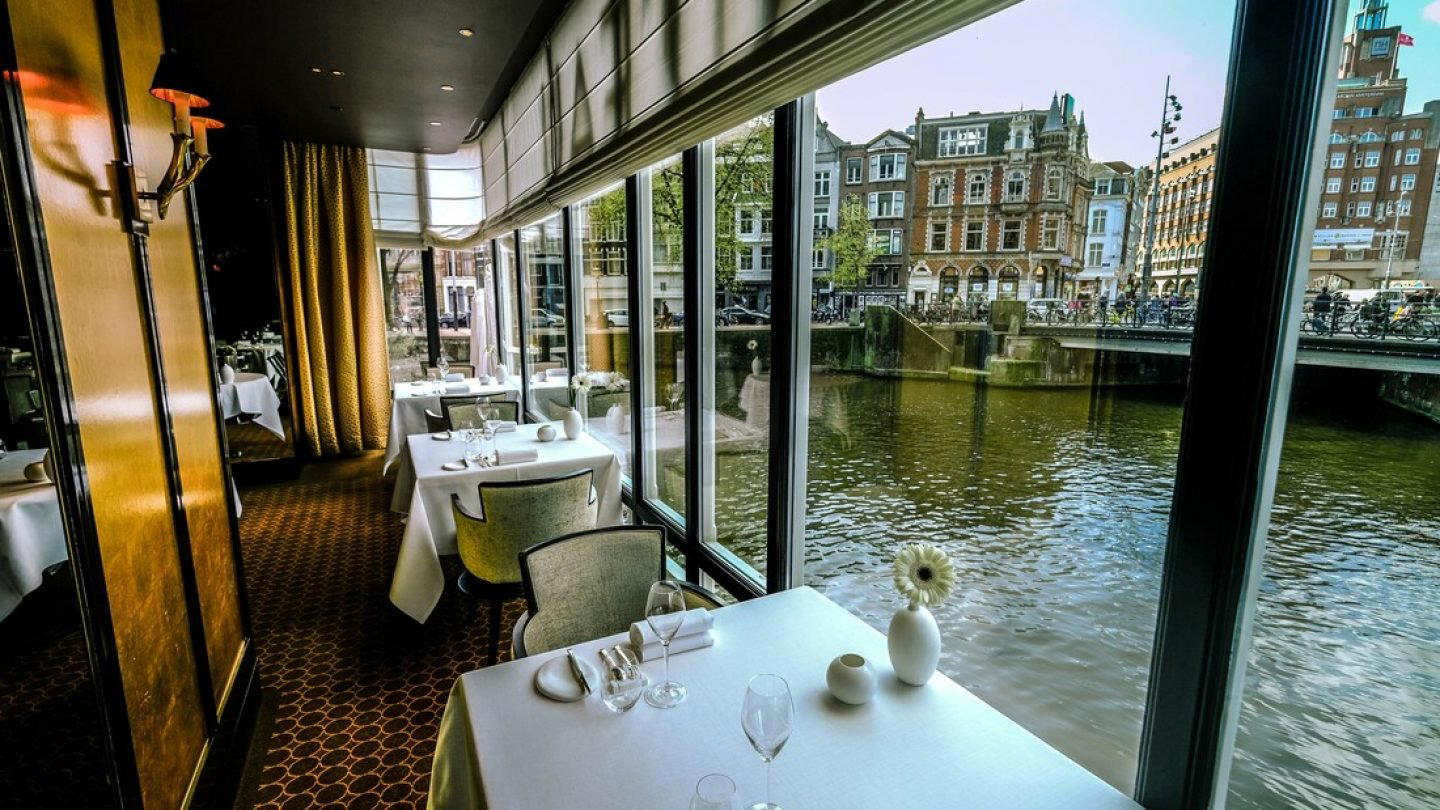
Bord'eau opened its doors inside Hotel l'Europe in 2011, presenting contemporary French cooking with clear Dutch seafood influence along the Amstel River. The first impressions were visual and gustatory: low tables set for intimate dining, riverlight through tall windows, and plates that paired precise technique with clean, coastal flavors. From the first course, Bord'eau aimed to deliver elegant textures and direct flavors, crisply seared fish, bright acid lifts, and surprising condiment touches such as mustard ice cream that cut through richer elements. The restaurant placed Amsterdam on the map for travelers seeking refined tasting menus paired with river views and hotel convenience.
The restaurant's leadership framed its vision. Richard van Oostenbrugge led the kitchen to rapid acclaim, earning Michelin stars in 2013 and 2014, proof of rigorous technique and ingredient focus. In late 2017 he departed to pursue new projects, and Bas van Kranen took the helm in 2018, shifting the menu toward a lighter, vegetable-forward balance while retaining premium seafood like langoustine and turbot. Across those years the guiding philosophy emphasized purity, balance, and seasonality: Dutch seafood sourced from nearby waters, local vegetables showcased with acid or fruit to sharpen flavors, and restrained use of umami through subtle Japanese influence.
These choices helped Bord'eau stand out among Amsterdam's haute cuisine scene and drew both hotel guests and destination diners. The menu progression at the restaurant moved deliberately from precise amuses to composed main plates, with several signature moments that defined the tasting menus. The Fried Red Mullet with Sourdough Crust combined a crunchy exterior with a silky mullet liver mousse and concentrated fish jus, accented by artichoke barigoule for vegetal depth. The Oosterschelde Lobster Roll offered sweet lobster meat restrained by light seasoning and warm, delicate bread, making the shellfish the clear centerpiece.
Vegetables were a highlight under Bas van Kranen: seasonal vegetable plates came with rice couscous, Pierre Robert cheese cream, and pistachio oil, creating textural contrast and creamy balance. Small dramatic courses, vanilla-infused olives or oyster pearls, arrived as palate cleansers or counterpoints. Desserts could surprise, such as salt-roasted beetroot paired with mustard ice cream, which juxtaposed savory root intensity and tangy chilled cream. Throughout, the kitchen used techniques like sourdough crusting on fish and gentle braises to maintain ingredient integrity and layered flavor rather than heavy sauces.
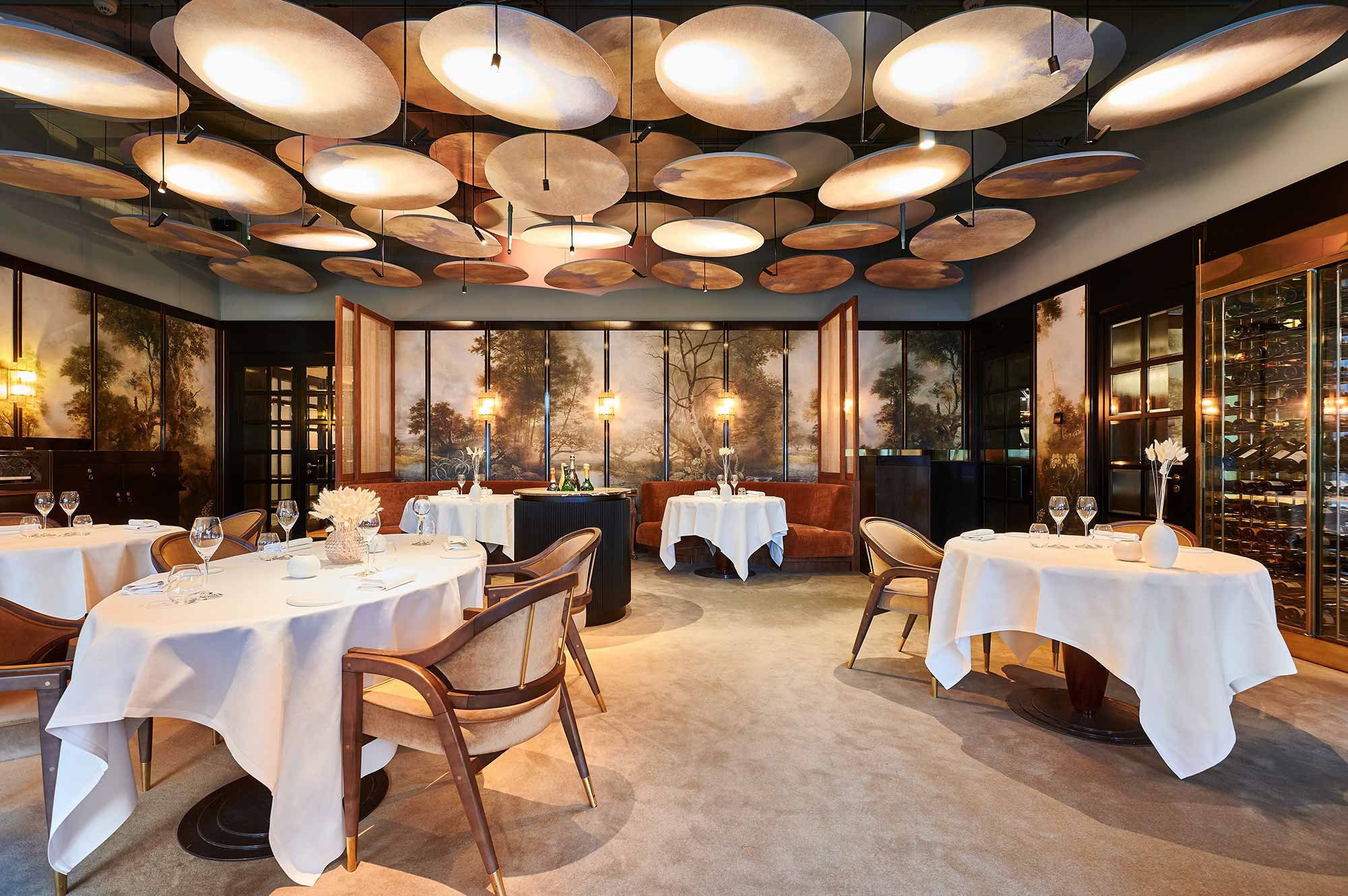
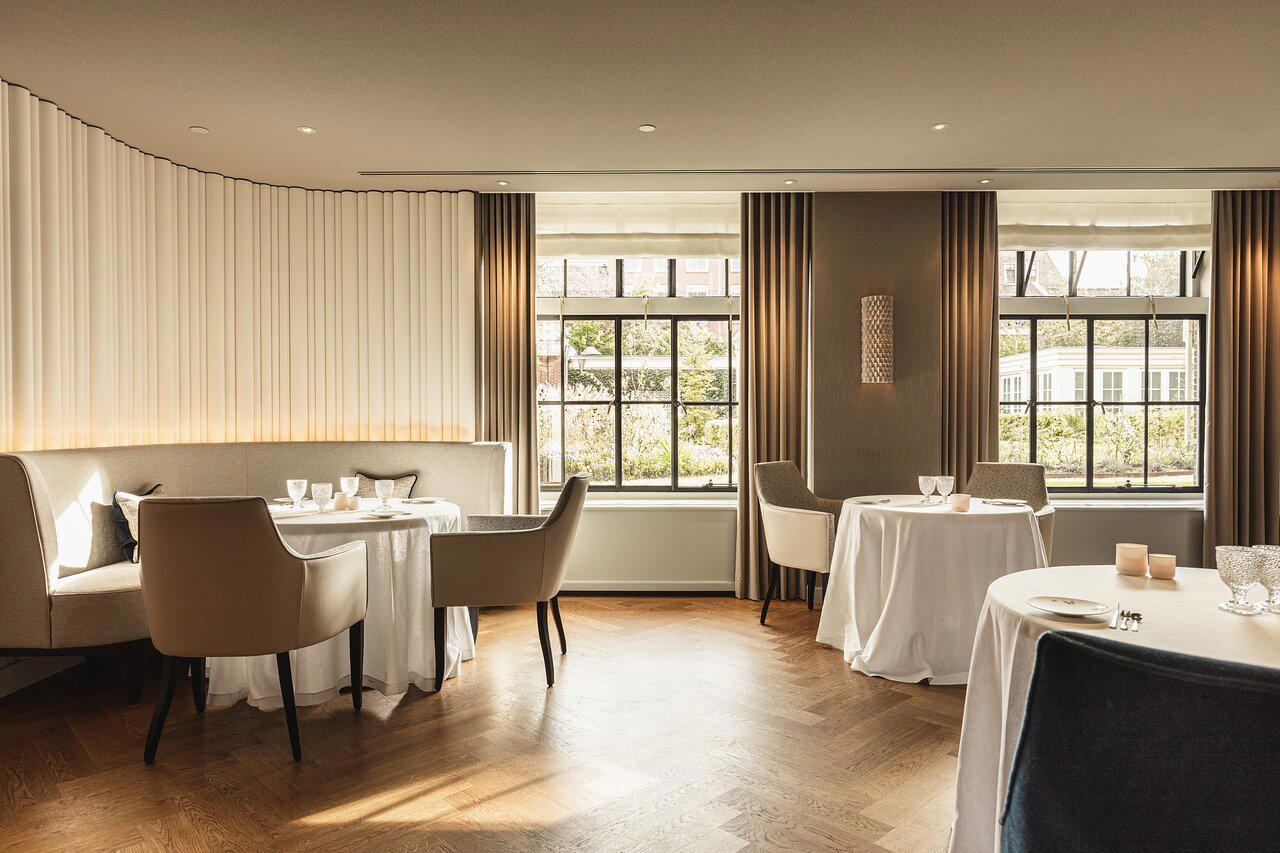
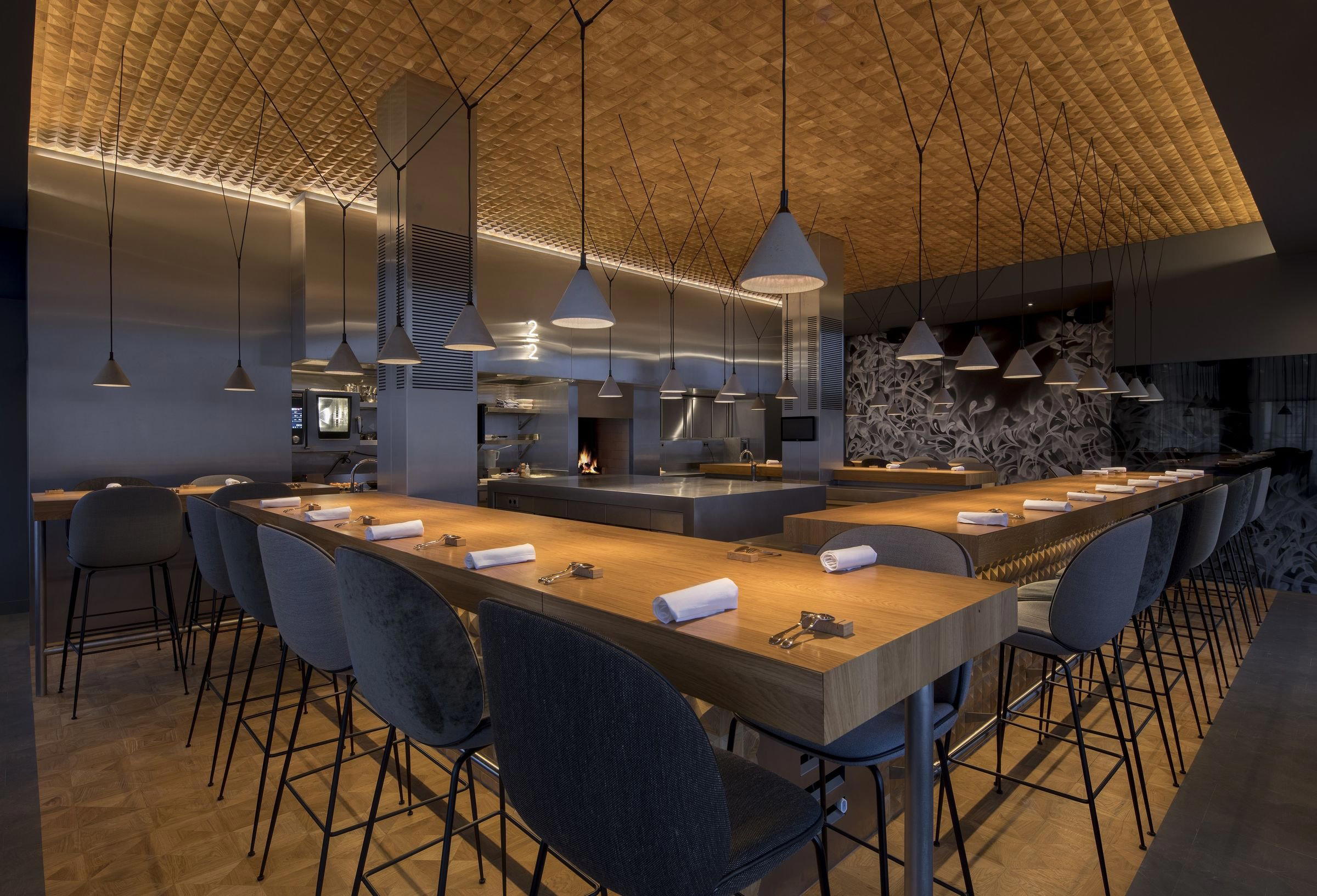
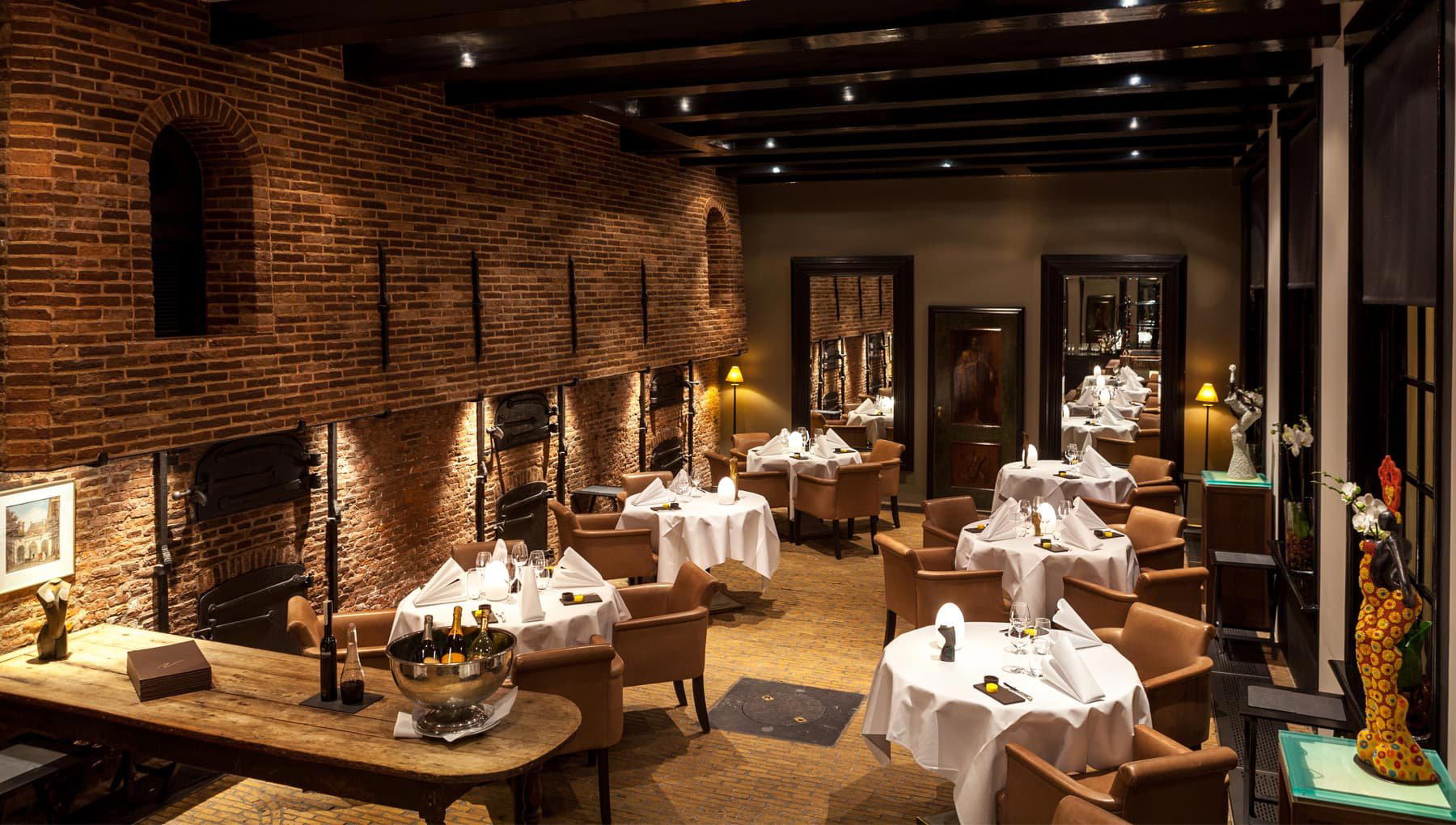
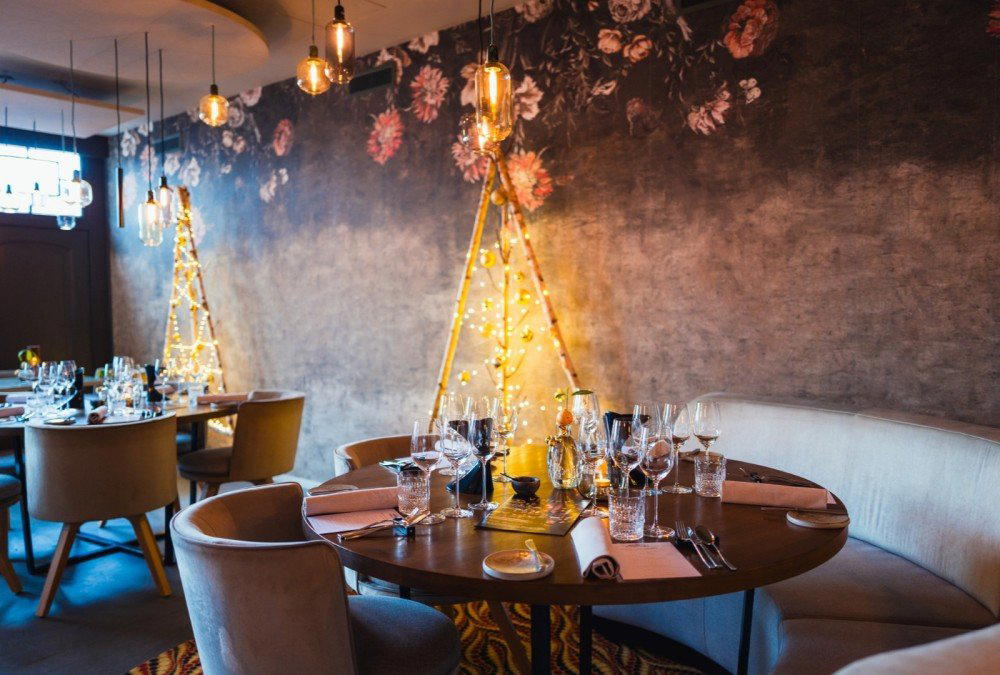
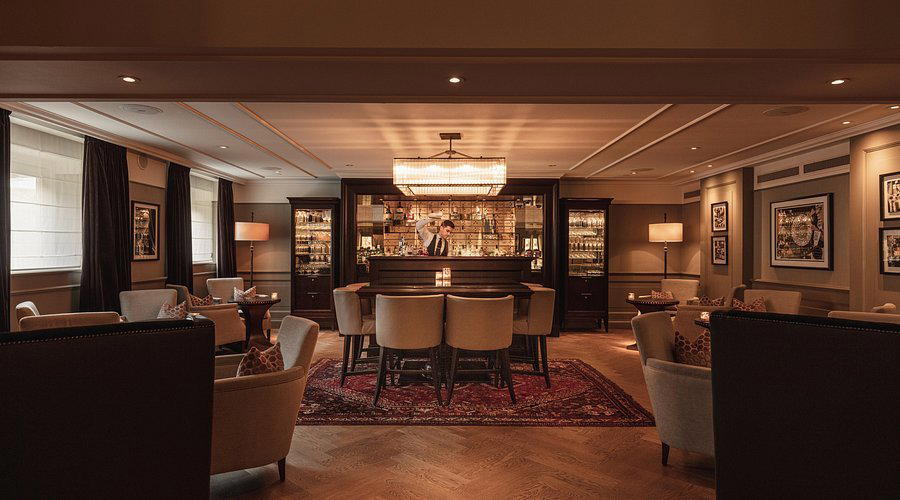
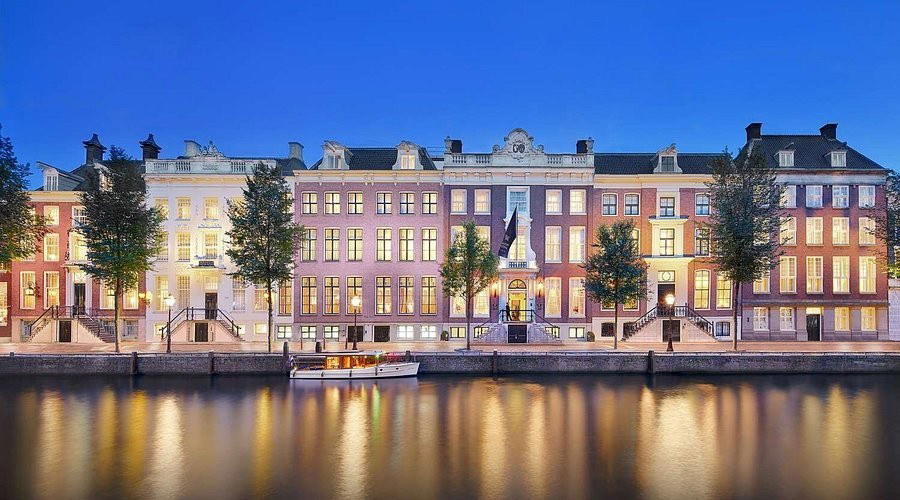
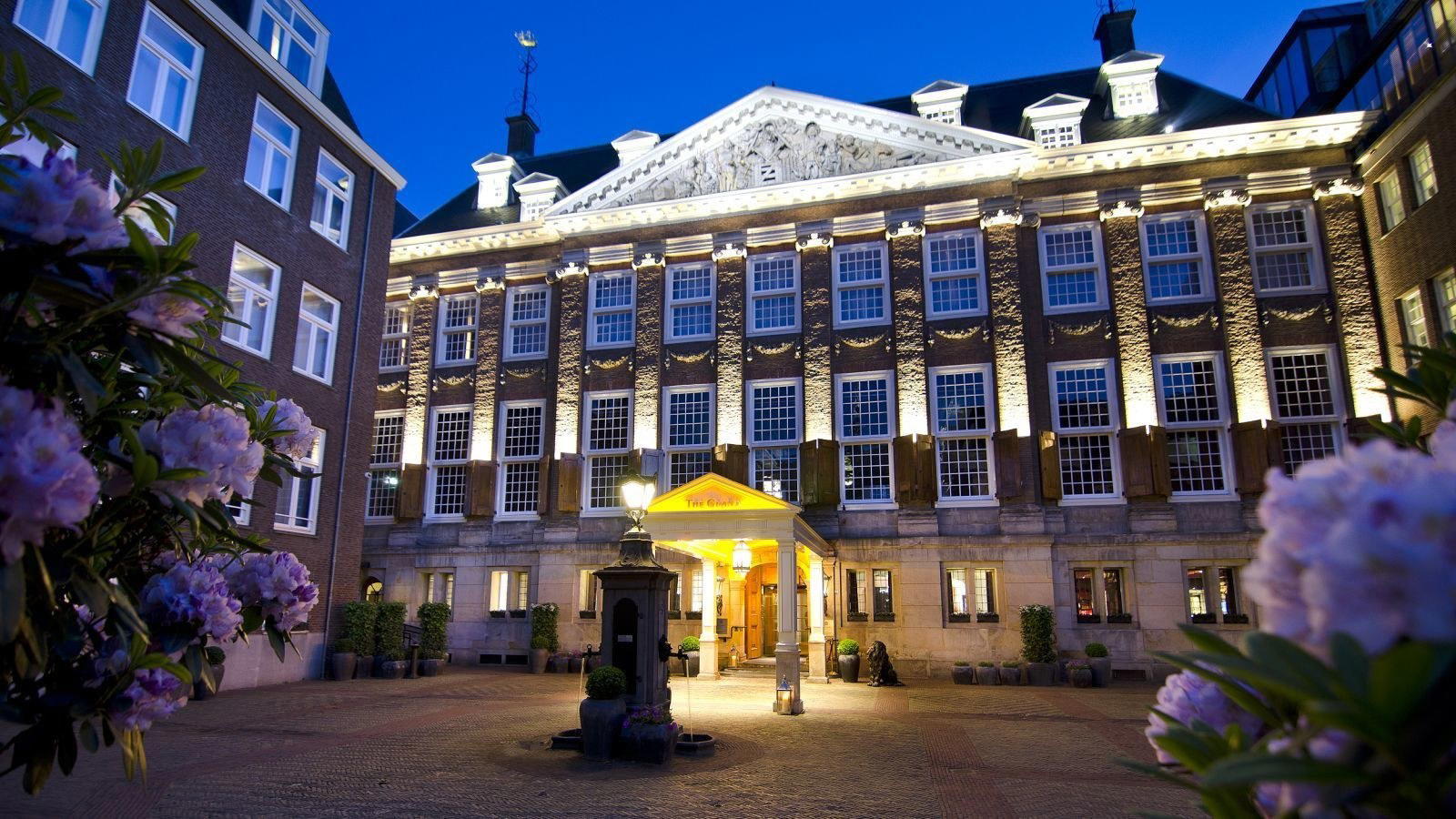
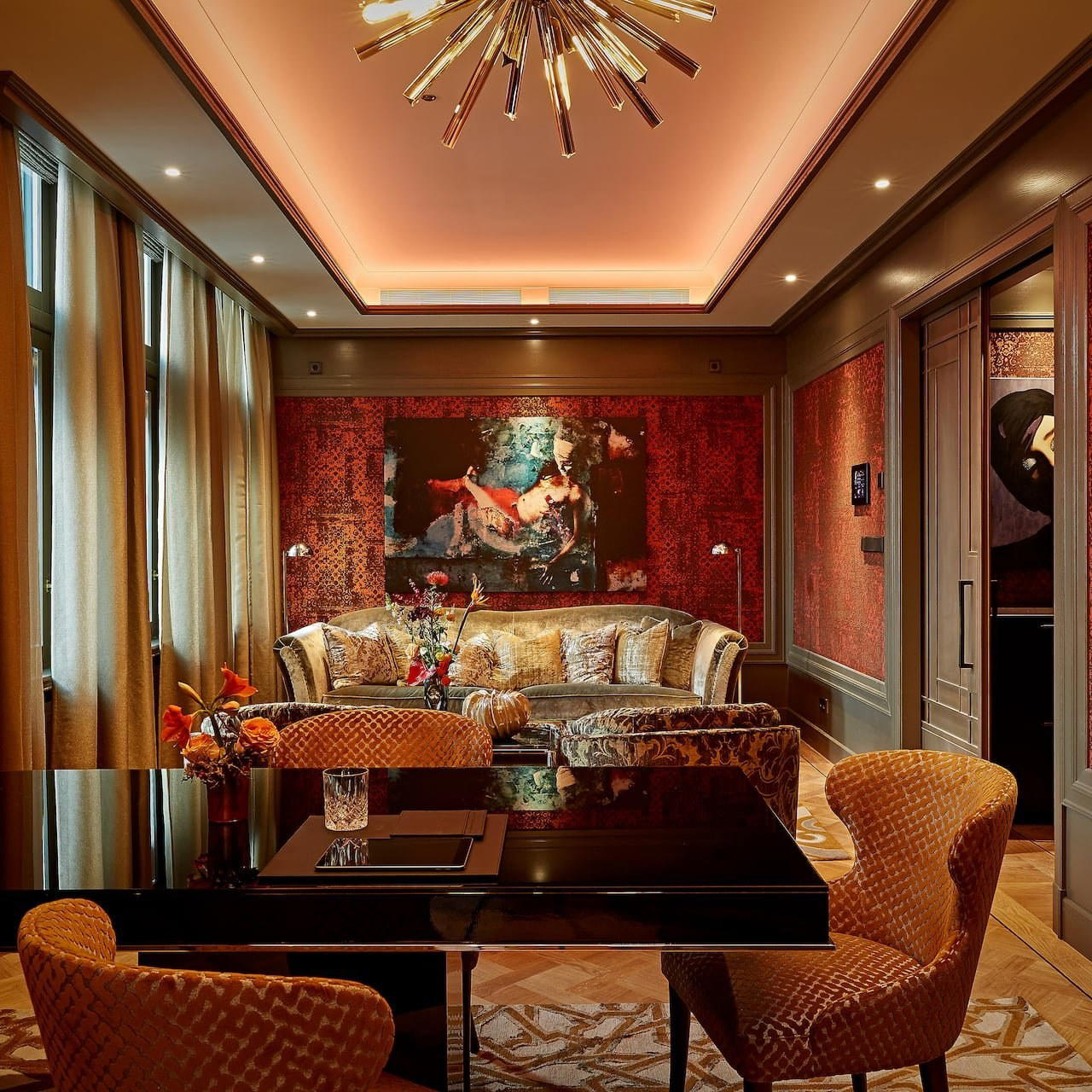
The dining room complemented the cuisine with a warm, inviting atmosphere that felt both formal and personal. Set within a 19th-century hotel building, the restaurant's interior featured polished wood, white linens, and large windows framing the Amstel River, allowing natural light by day and city reflections by night. Service aimed for attentive discretion: sommeliers presented considered pairings, and the staff explained technical elements without pretension. Private dining was available for smaller groups, and the main room typically accommodated intimate covers for a quiet, focused meal.
The measured pace and refinement allowed each course to land. The restaurant in Amsterdam left a clear imprint on the city's fine-dining map: Michelin distinction in 2013 and 2014, a clear seafood identity, and a refined approach to seasonal produce. Though the restaurant later evolved and the Hotel l'Europe dining offer changed, the restaurant's legacy remains a reference point for visitors seeking classical technique married to Dutch ingredients. The restaurant is permanently closed.
Comparable venues nearby, for context on price, style, and recognition.
| Venue | Cuisine | Price | Notes |
|---|---|---|---|
| Bord'eauThis venue — the venue you are viewing | Dining | Not listed | Not listed |
| Terpentijn | Frans-Aziatische Fusion | $$ | Nes e.o. |
| Restaurant LaSantaMaria International Dinner | International Steakhouse & Grill | $$ | Kop Zeedijk |
| G's – A Nice Place | American Diner Brunch | $$ | Driehoekbuurt |
| Vertigo | Classic French Bistro | $$ | Vondelparkbuurt Oost |
| Mi Sueño | Argentinian Steakhouse | $$ | Scheldebuurt West |
Continue exploring