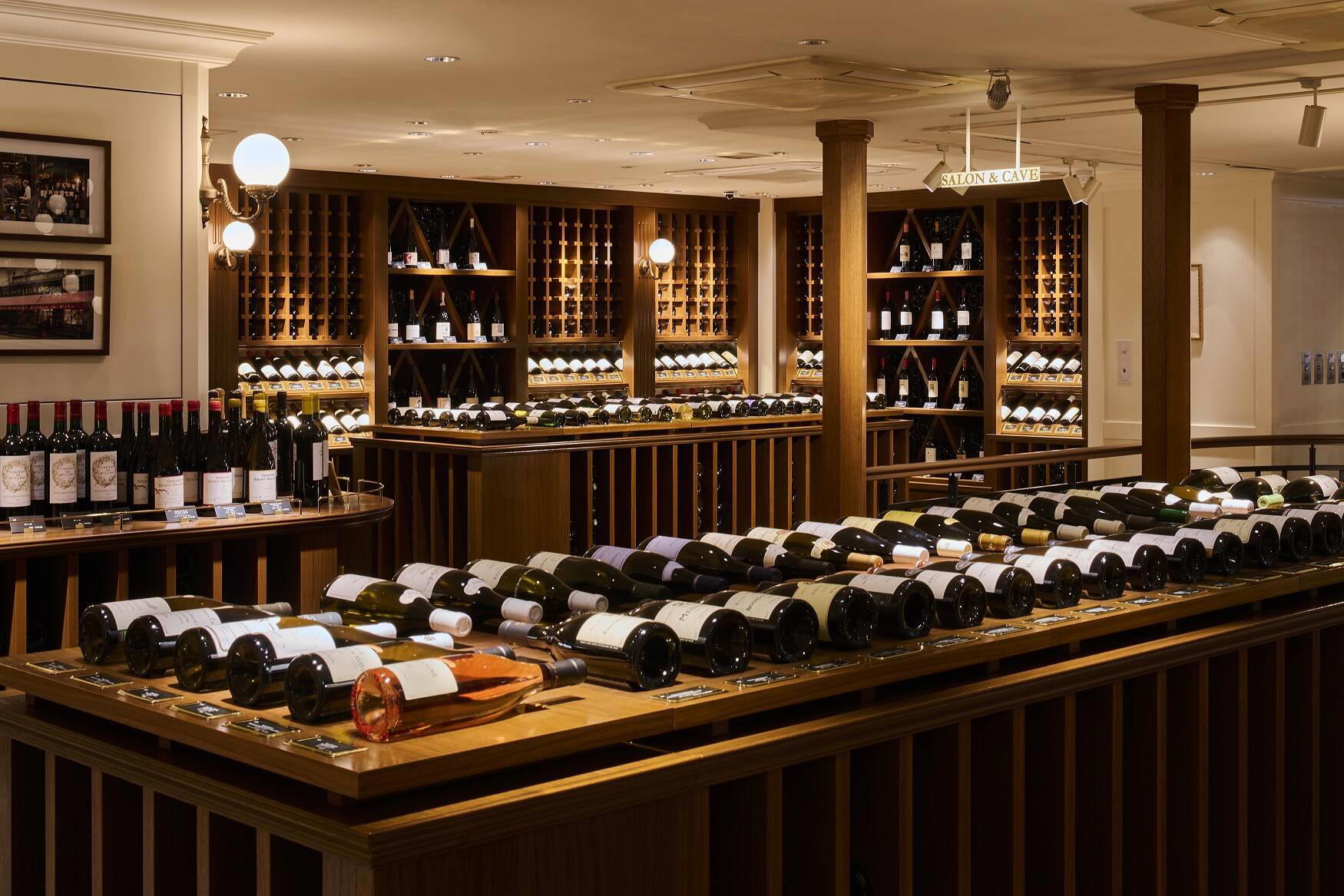
Wine Spectator Award of Excellence
Our verdict
The Oak Door occupies the sixth floor of Grand Hyatt Tokyo in Roppongi, positioning itself inside the city's hotel dining tier where Western grill formats compete with Japan's densely credentialed independent scene. For regulars, the draw is consistency and scale, a format that delivers aged beef and serious bar programming in a neighbourhood where both are harder to find than the restaurant counts suggest.

Pearl is the En Primeur Club membership app, where members save venues, book tables and use the concierge.
The menu
What to order
- The Oak Door Burger
- Hokkaido F1 Tomahawk Steak
- Yamagata A5 Wagyu
- Atlantic Lobster
- Golden Giant Burger
The Sixth Floor Standard: Hotel Grills in Tokyo's Roppongi
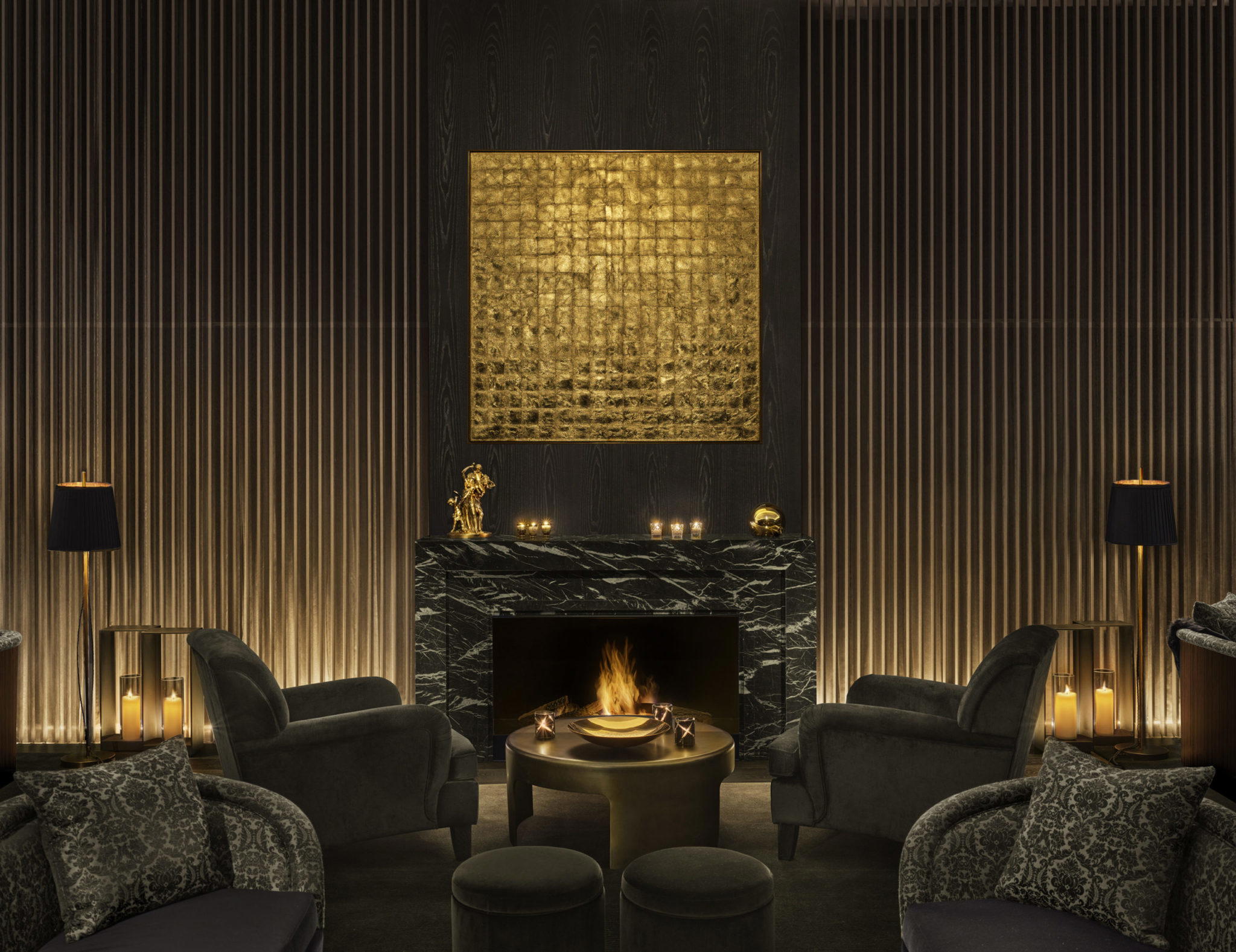
Roppongi after dark operates on two tracks. One is the neighbourhood's well-documented nightlife circuit; the other is a quieter corridor of hotel dining that serves a different crowd entirely: expatriates on long postings, executives closing rounds across time zones, and Tokyo regulars who value a room that absorbs noise without swallowing conversation. The Oak Door, on the sixth floor of Grand Hyatt Tokyo, belongs to that second track. It is a Western-format grill operating inside a major international hotel, and in Tokyo's dining ecosystem that positioning carries specific implications for who returns and why.
Hotel restaurants in Tokyo's upper tier occupy a different competitive position than their equivalents in most other cities. The independent scene here, anchored by venues like RyuGin in Roppongi itself and L'Effervescence in Nishi-Azabu, operates at a standard that compresses the usual gap between hotel and independent dining. A hotel grill survives in that environment by doing something the independents don't: offering scale, accessibility, and a format familiar enough that guests don't need to decode it after a fourteen-hour flight.
What Brings Regulars Back
The repeat-customer logic at a venue like The Oak Door is worth examining, because it differs from the tasting-counter loyalty you'd find at Tokyo's omakase tier. At places like Harutaka, regulars return for a specific chef's hand and seasonal progression. At a hotel grill, the attachment is different: it's reliability of format, depth of wine list, and the particular comfort of a room that knows how to handle a group of eight at short notice without the anxiety that surrounds last-minute booking at the city's more celebrated counters.
That distinction matters when reading what The Oak Door's regulars are actually choosing. The Western grill format in Tokyo has a narrower field of serious practitioners than the sushi or kaiseki categories. For long-term Tokyo residents, a venue that executes aged beef with a credible bar program and does so in a room designed for extended evenings represents a specific gap in the market that the independent scene, focused largely on Japanese formats or high-concept French in the manner of Sézanne, largely leaves open.
Roppongi as a Dining Address
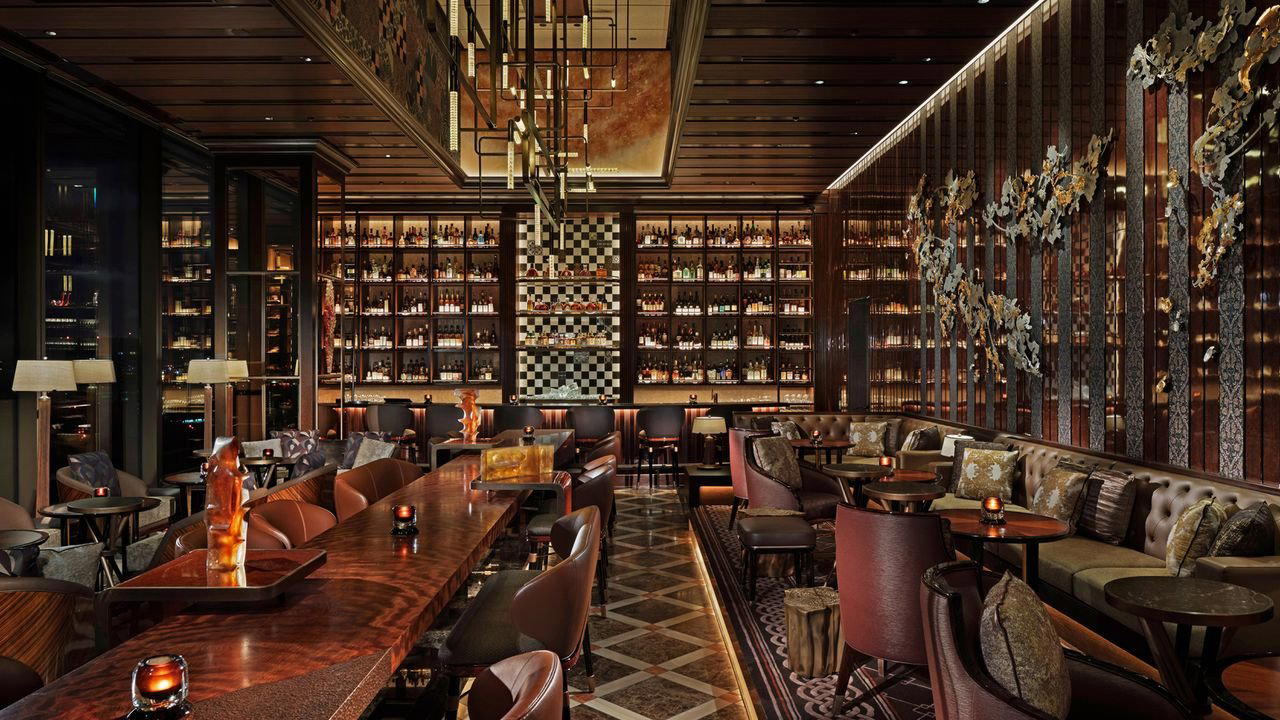
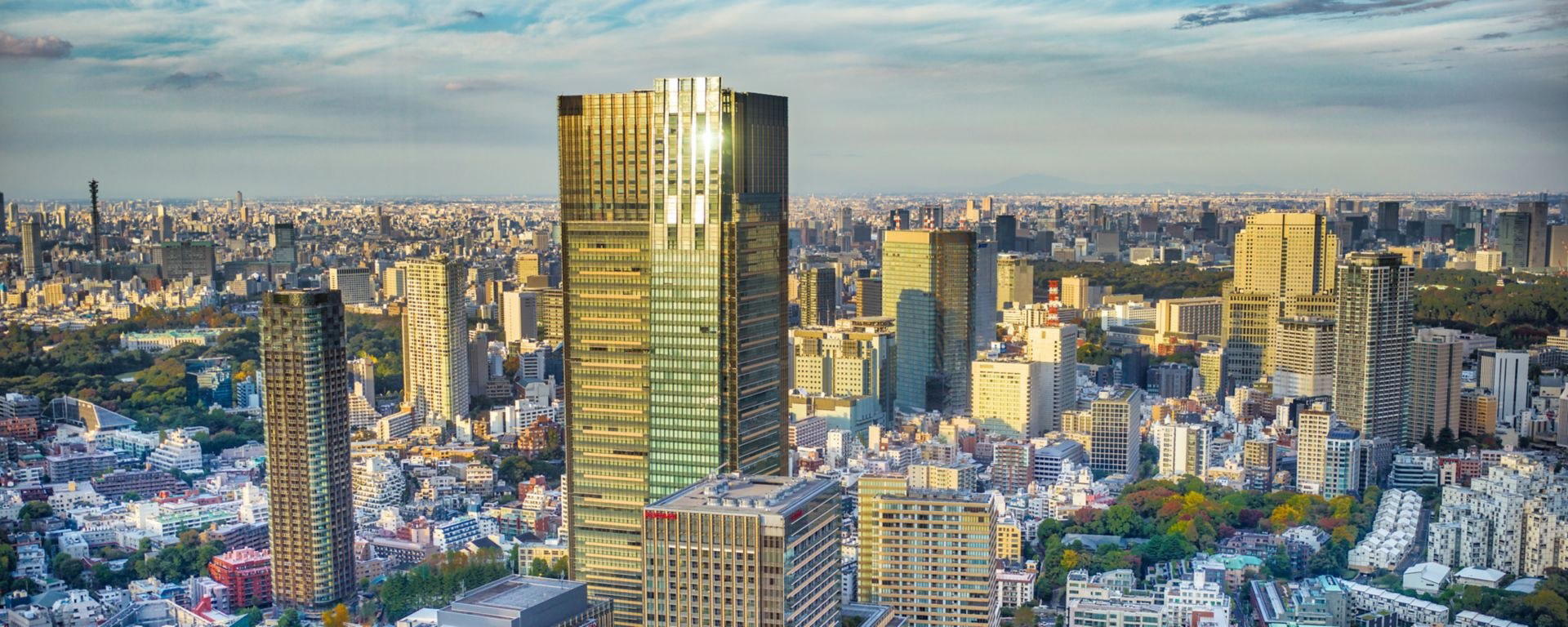
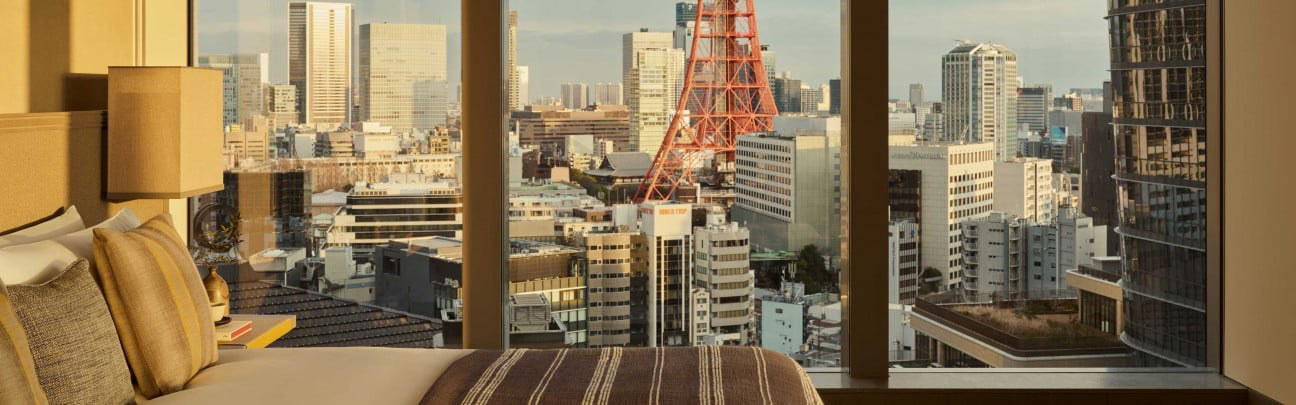
Roppongi's dining identity has shifted considerably over the past two decades. The neighbourhood carries a reputation that predates its current reality: what was once Tokyo's most tourist-heavy nightlife district has, in parallel, developed a serious gallery and hotel infrastructure around Mori Tower and Midtown. Grand Hyatt Tokyo sits within that upgraded corridor, and the hotel's position shapes the restaurant's customer base as much as any menu decision. The sixth-floor location means the room looks over the district rather than sitting inside it, which is no small thing in a neighbourhood where street-level can still feel chaotic on weekend evenings.
For comparison, the broader hotel dining tier across Japan shows similar dynamics at work: HAJIME in Osaka and Gion Sasaki in Kyoto demonstrate what happens when serious culinary ambition operates outside the hotel structure entirely. The Oak Door's proposition is different and deliberately so: it is the hotel restaurant format executed for a clientele that wants the building's infrastructure and the grill's consistency in the same booking.
The Grill Format in Context
Western grill dining in Tokyo represents a specific niche inside a city where the default premium formats are Japanese. The steakhouse and grill category here competes not only with each other but with yakiniku, which operates on entirely different premises around tableside grilling and domestic wagyu. A Western grill needs to offer something that yakiniku doesn't: the full restaurant service arc, a wine program built around it, and a kitchen format where beef arrives as a finished plate rather than a participatory experience.
Venues like Crony show how Tokyo's innovative French tier has absorbed some of these instincts into a more fluid format. The Oak Door positions itself differently: it is not trying to compete with Tokyo's French scene or its Japanese fine dining.
Planning a Visit
Grand Hyatt Tokyo's address in Roppongi places the venue within walking distance of Roppongi Station on both the Hibiya and Oedo lines, which connects it easily to the broader city without requiring the taxi dependency that affects some of Tokyo's more residential dining destinations. For visitors staying in the hotel, the sixth-floor location makes The Oak Door a logical anchor for an evening that doesn't require crossing the city after dinner, a practical consideration that its regulars cite as a genuine factor in repeat visits.
Booking a table at a hotel restaurant of this type generally involves less lead time than Tokyo's most sought-after independent counters. The city's omakase tier, exemplified by venues with years-long waiting lists, operates on fundamentally different booking dynamics. A hotel grill at this scale can typically accommodate reservations closer to the date, which is one of the structural reasons it attracts a different profile of regular: the executive who knows they'll be in Tokyo next Tuesday, not three months from now. For specific booking details, current hours, and pricing, checking directly with Grand Hyatt Tokyo is advisable, as hotel dining operations adjust seasonally and by floor plan.
Readers building a broader Japan itinerary will find the EP Club's coverage of the wider scene useful: akordu in Nara, Goh in Fukuoka, Abon in Ashiya, affetto akita in Akita, Aji Arai in Oita, Ajidocoro in Yubari District, Akakichi in Imabari, and aki nagao in Sapporo each represent the kind of regional depth that makes Japan's dining scene disproportionately rich relative to its geographic size. For the full Tokyo picture, our Tokyo restaurants guide maps the city's tiers from neighbourhood counters to the grand hotel addresses.
For international reference points on the hotel and luxury dining format, the contrast with venues like Le Bernardin in New York City and Lazy Bear in San Francisco is instructive: both operate outside the hotel structure with tightly controlled formats and long booking windows. The Oak Door's model, by design, runs in the opposite direction on both counts.
Frequently asked questions
Where do I go for The Oak Door?
The Oak Door is located at Japan, 〒106-0032 Tokyo, Minato City, Roppongi, 6 Chome−10−3 グランド ハイアット 東京 6階, Tokyo.
Is The Oak Door at Grand Hyatt Tokyo suitable for a business dinner in Roppongi?
The sixth-floor location inside Grand Hyatt Tokyo makes The Oak Door a practical choice for business dinners in the Minato City area, particularly for international clients who are already staying at the property or familiar with Western grill formats. Roppongi Station on the Hibiya and Oedo lines puts the address within direct access of major Tokyo business districts. The hotel setting provides a neutral, professionally managed environment that works for mixed-nationality groups where a Japanese-format restaurant might create navigational friction.
What's the best thing to order at The Oak Door?
The Oak Door is a Western grill format operating inside Grand Hyatt Tokyo, which places its strength squarely in red meat and fire-cooked proteins. In a city where the premium default is Japanese, a hotel grill of this category typically anchors its menu around aged beef cuts and dry-heat preparations. Specific current menu items are best confirmed directly with the restaurant, as the offering changes with sourcing and season.
How hard is it to get a table at The Oak Door?
Grand Hyatt Tokyo's Roppongi address draws both hotel guests and walk-in business from one of the city's most traffic-heavy dining corridors, which means weekend covers at The Oak Door fill faster than weekday slots. The venue operates at the sixth floor of a major international hotel property, so same-day availability is more realistic on weekday evenings. Advance booking is advisable for Friday and Saturday dinners.
What's the defining dish or idea at The Oak Door?
The Oak Door's organizing idea is the Western grill inside a Tokyo hotel context, a format that sits at an angle to the city's dominant premium dining categories of omakase sushi, kaiseki, and yakitori. That positioning makes it a deliberate counterpoint: structured, protein-forward, and internationally legible in a dining city where the premium grammar is almost entirely Japanese. The grill format is the concept, not a subsidiary feature.
Is The Oak Door good for vegetarians?
A Western grill format built around beef and fire-cooked proteins is not naturally configured for vegetarian dining, and The Oak Door is no exception to that category logic. Hotel restaurants at Grand Hyatt Tokyo's tier typically carry vegetable sides and some non-meat options, but the menu architecture centers on meat. Vegetarians would find stronger options elsewhere in Roppongi's broader dining range.
Should I splurge on The Oak Door?
The calculus depends on what you are comparing it against. In Tokyo's premium Western grill segment, a Grand Hyatt property restaurant carries pricing that reflects the real estate and service infrastructure of a six-floor hotel address in Roppongi. If the priority is premium Japanese cuisine, the same spend covers omakase and kaiseki formats that are specific to Tokyo and unavailable at this quality elsewhere. The Oak Door makes most sense when the preference is explicitly Western grill dining with hotel convenience.
A Pricing-First Comparison
| Venue | Cuisine | Price | Awards | Notes |
|---|---|---|---|---|
| The Oak DoorThis venue (the venue you are viewing) | Premium American Steakhouse | $100–150 | Wine Spectator Award of Excellence | Not listed |
| Harutaka | Edo-Style Omakase Sushi | $200–300 | 3 Michelin Stars · World's 50 Best #76 | Sushi |
| L'Effervescence | Modern French with Japanese Influences | $200–300 | 3 Michelin Stars · World's 50 Best #69 | French |
| RyuGin | Modern Kaiseki | $500+ | 3 Michelin Stars · World's 50 Best #41 | Kaiseki, Japanese |
| Crony | Modern French with Japanese Influences | $150–200 | 2 Michelin Stars · World's 50 Best #34 | Innovative, French |
| Den | Modern Japanese Kaiseki | $150–200 | 2 Michelin Stars · World's 50 Best #91 | Innovative, Japanese |
Recognition history
Dated appearances from independent guides and award organizations, with the underlying list record or original source where available.
Wine Spectator Award of Excellence
Wine Spectator