The Mandarin
The Mandarin serves Northern Chinese cuisine at 725 Kapiolani Blvd in Honolulu, with casual service and conversational pacing that suits breakfast, lunch, or dinner.
Pearl is the En Primeur Club membership app — saves, bookings, and concierge access live there. Same editors, same standards.
- Address
- 725 Kapiolani Blvd, Honolulu, HI 96813
- Phone
- +18085931188
- Directions
- Get directions
 Saves & bookings on Pearl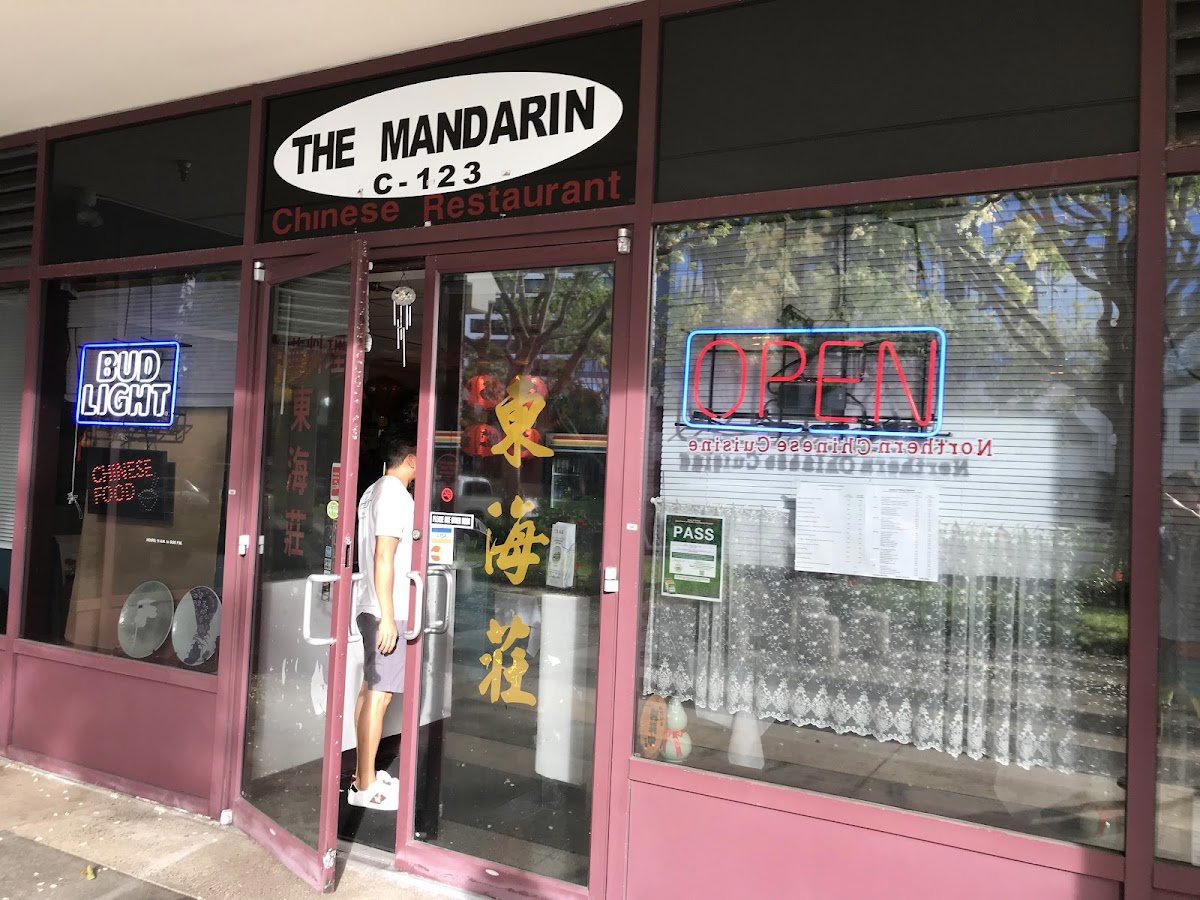
Kapiolani Corridor: Where Honolulu's Dining Scene Gets Serious
The stretch of Kapiolani Boulevard running south toward Ala Moana carries a different register than the tourist-facing strips closer to Waikiki. The buildings are lower, the foot traffic more purposeful, and the restaurants that have survived here have done so on the strength of repeat local custom rather than hotel concierge recommendations. The Mandarin at 725 Kapiolani sits inside that context, occupying a part of the city where credibility is earned over years rather than announced at opening.
Honolulu's fine dining tier has long operated in a compressed space. The island's geographic isolation means ingredient sourcing is never an afterthought: everything that arrives on a plate has either crossed the Pacific or been grown, caught, or raised within a few miles. That constraint has, over time, become a point of distinction for the restaurants that take it seriously. The leading arguments for Hawaiian dining right now are made through provenance, through the discipline of cooking close to where the food comes from.
The Source Question: Ingredients in an Island Kitchen
Hawaii's position in the Pacific creates an unusual calculus for any kitchen operating at a serious level. The archipelago sits roughly 2,400 miles from the nearest continental landmass, which means that imported proteins and produce carry both a cost premium and a freshness penalty. The restaurants that have built lasting reputations in Honolulu have generally resolved this by committing to what the islands actually produce: Pacific reef fish, aquaculture from the Big Island, taro and breadfruit from local farms, and the kind of seasonal abundance that changes week to week depending on what the ocean and the land are offering.
That sourcing philosophy is not unique to any single address. It runs through the stronger end of Honolulu's dining scene, from the New American programs at Fête to the more established plates at 3660 On the Rise. What separates the venues that execute it well from those that use it as marketing language is specificity: named farms, named fishermen, menu descriptions that shift when the supply does. Across the continental US, restaurants like Blue Hill at Stone Barns in Tarrytown and Single Thread Farm in Healdsburg have made ingredient provenance the structural spine of the entire dining format. In Hawaii, the logic is similar but the constraints are sharper.
Where The Mandarin Sits in the Honolulu Picture
The Honolulu restaurant scene has stratified over the past decade into roughly three tiers: the hotel dining rooms serving resort guests, the mid-market neighbourhood spots that define local eating patterns, and a smaller cluster of independent addresses with genuine culinary ambition. The Mandarin operates in the Kapiolani corridor rather than in the Waikiki hotel belt, which positions it closer to the local-facing end of that spectrum.
The comparison points are the independent restaurants that have built their reputations without the infrastructure of a major hotel group behind them. 53 By The Sea occupies a different neighbourhood and a different format, but it represents the same general tier: locally anchored, operating on reputation, and serving a clientele that has made a deliberate choice rather than defaulting to the nearest hotel option.
Honolulu's serious dining addresses are also increasingly in conversation with a national conversation about what American fine dining looks like outside the major coastal cities. Programs like Providence in Los Angeles, Le Bernardin in New York City, and Addison in San Diego set reference points for what sourcing-focused, high-attention cooking can achieve with a defined culinary identity. Hawaii's geographic specificity gives its kitchens a different kind of use in that conversation: the ingredients are not interchangeable with what any mainland restaurant can access.
The Broader Honolulu Context
Dining in Honolulu has never mapped neatly onto the categories that work in Chicago or New York. The city's cultural composition, a layering of Native Hawaiian, Japanese, Chinese, Korean, Filipino, and Portuguese influences, means that the most interesting eating often happens outside the formats that attract national critical attention. The izakaya-adjacent programs, the plate lunch traditions, the luau formats at places like Ahaaina Luau, and the cocktail-forward concepts such as 855-ALOHA all exist alongside the fine dining tier without clear hierarchy.
That pluralism is part of what makes the Kapiolani corridor interesting. A restaurant on that strip is competing for attention across a wider range of local priorities than a restaurant in a more culturally homogeneous dining market. The sourcing argument, when made well, travels across those cultural lines because it speaks to something the city already understands: that what Hawaii grows and catches is worth paying attention to.
For context on how Honolulu's fine dining compares to ambitious cooking elsewhere, programs such as Lazy Bear in San Francisco, Alinea in Chicago, Atomix in New York City, Emeril's in New Orleans, The French Laundry in Napa, The Inn at Little Washington, and 8 1/2 Otto e Mezzo Bombana in Hong Kong illustrate the range of what serious kitchens look like when they operate with full intent. Honolulu's leading addresses are in a different weight class in terms of international profile, but the sourcing conditions here are arguably more demanding and more interesting.
Planning Your Visit
The Mandarin is located at 725 Kapiolani Boulevard, Honolulu, HI 96813, accessible from central Honolulu without crossing into the congested Waikiki grid. Kapiolani Boulevard runs parallel to the H-1 freeway corridor, making it direct to reach by car from both the airport direction and the Diamond Head side of town.
Confirming directly before visiting is advisable. Our full Honolulu restaurants guide covers the broader range of dining options across the city's neighbourhoods and price tiers.
| Venue | Neighbourhood | Format | Booking |
|---|---|---|---|
| The Mandarin | Kapiolani Corridor | Confirm directly | Confirm directly |
| Fête | Downtown Honolulu | New American | Reservations recommended |
| 3660 On the Rise | Kaimuki | Pacific Rim | Reservations recommended |
| 53 By The Sea | Ewa Waterfront | Pacific American | Reservations recommended |
At a Glance
- Casual Hangout
- Hotel Restaurant
Current opening hours
- Monday
- 10 AM–9 PM
- Tuesday
- 10 AM–9 PM
- Wednesday
- 10 AM–9 PM
- Thursday
- 10 AM–9 PM
- Friday
- 10 AM–9 PM
- Saturday
- 11 AM–9 PM
- Sunday
- 11 AM–9 PM
Hours can change for holidays and private events. Last verified .
Know Before You Go
- Getting there
- 725 Kapiolani Blvd, Honolulu, HI 96813