Legend Seafood Restaurant
Legend Seafood Restaurant occupies a modest address inside Honolulu's Chinatown Cultural Plaza, where the kitchen has long anchored the neighbourhood's tradition of Cantonese-style dim sum and live-seafood cooking. The format here belongs to a category that prizes ingredient provenance, tanks of live shellfish and fish held to order, over theatrical plating. It remains one of the city's most direct expressions of Pacific-rim Chinese seafood cooking.
Pearl is the En Primeur Club membership app — saves, bookings, and concierge access live there. Same editors, same standards.
- Address
- 100 N Beretania St #108, Honolulu, HI 96817
- Phone
- +18085321868
- Website
- legendseafoodhonolulu.com
- Directions
- Get directions
 Saves & bookings on Pearl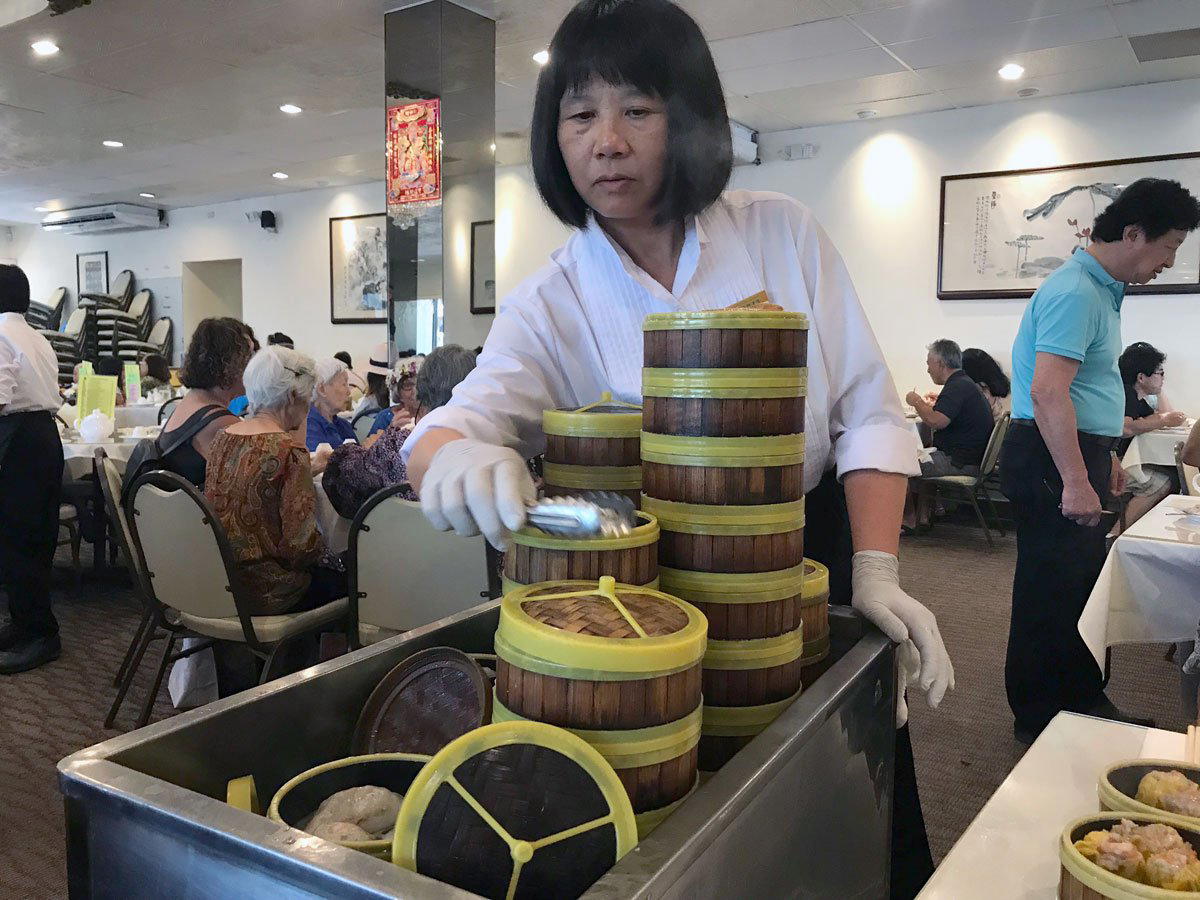
Chinatown's Live-Tank Tradition and Where Legend Sits in It
Honolulu's Chinatown district has maintained one of the more coherent Cantonese dining corridors in the American Pacific for decades. The neighbourhood along Beretania and Hotel Streets concentrates restaurants that operate on a logic largely unchanged from Hong Kong's older working seafood houses: live tanks at the front, a menu calibrated to whatever swam in that morning, and a kitchen trained to let the ingredient carry the dish. Legend Seafood Restaurant is a Honolulu restaurant serving authentic Cantonese dim sum and live-seafood dishes at 100 N Beretania St #108. It is not a fine-dining destination in the way that 53 By The Sea or Fête (New American) position themselves across Honolulu. Legend's authority comes from a different source: consistency within a specific regional cooking tradition and access to live seafood in a market where that still matters.
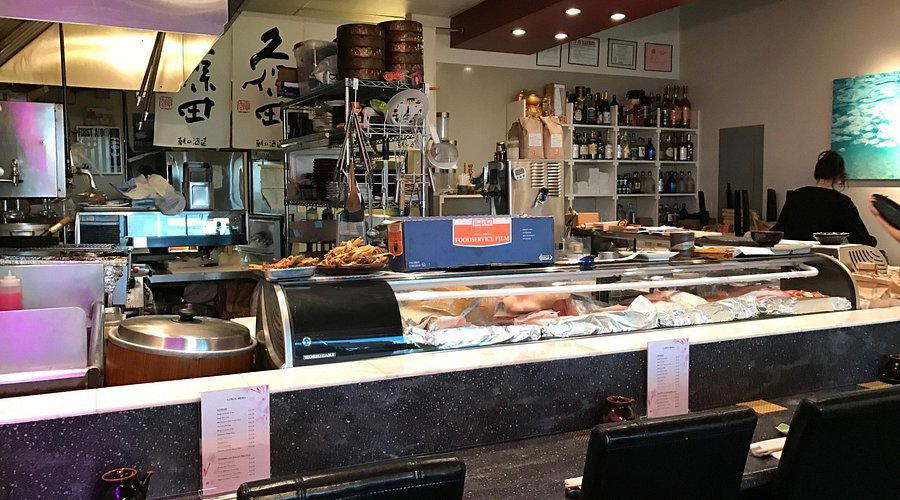
The Chinatown Cultural Plaza format, a mid-rise commercial complex that houses a cluster of Chinese-owned businesses and restaurants, is a context worth understanding before arriving. It operates as a neighbourhood resource first and a dining destination second. That distinction shapes what to expect: the room will be busy at peak hours, the service functional rather than ceremonial, and the focus squarely on the food. For visitors accustomed to the polished hotel dining that dominates much of Waikiki, the shift in register can feel pronounced. It is also, for many, the point.
Sourcing Logic: What Live-Tank Cooking Actually Means
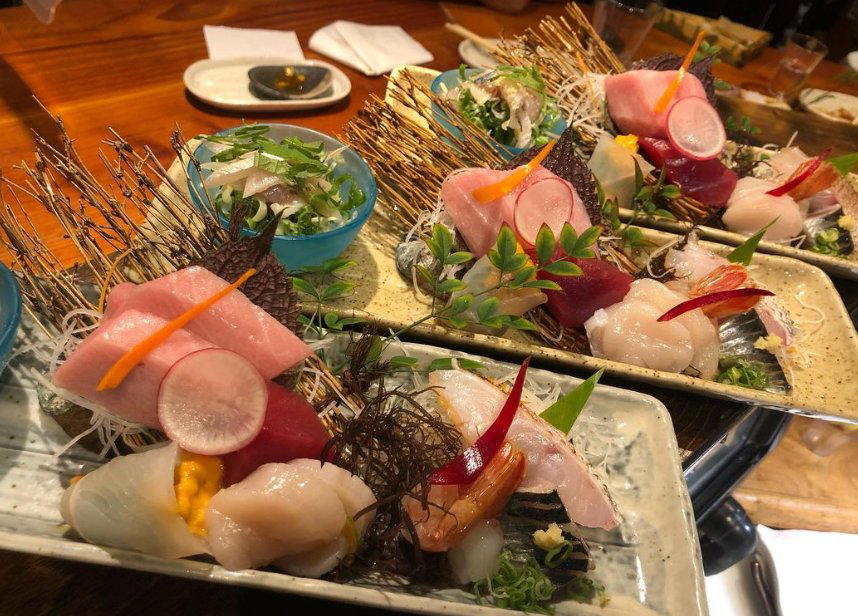
The editorial angle on a restaurant like Legend is not ambience or tasting-menu architecture, it is ingredient sourcing and what that sourcing makes possible in the kitchen. Cantonese seafood cooking at its core is a cuisine of restraint in preparation and precision in procurement. The canonical techniques, steaming whole fish with ginger and scallion, stir-frying shellfish in fermented black bean, braising live crab with egg, exist specifically to avoid obscuring an ingredient that was selected alive hours before service.
Hawaii's position in the Pacific gives restaurants operating in this tradition a geographic advantage that mainland Chinatown counterparts cannot replicate without significant logistics. The islands sit at the crossroads of Pacific fish routes, and Honolulu's wholesale markets move product, from local reef fish to imported live shellfish sourced through Pacific supply chains, at a scale and freshness that supports this style of cooking. A restaurant holding live product in tanks is making a daily procurement commitment that shapes the entire menu. This is the sourcing discipline that distinguishes a serious live-seafood house from a restaurant that simply lists seafood as its category.
In this respect, Legend operates in a peer category that has more in common with certain Hong Kong-style seafood restaurants in Vancouver, San Francisco, or the San Gabriel Valley than with the broader Honolulu dining scene. The comparison set is not 3660 On the Rise or the contemporary Hawaii Regional Cuisine houses, it is the working live-seafood houses that serve Cantonese communities across the Pacific Rim. By that measure, Legend holds a credible position in a city where this format has real depth.
The Dim Sum Dimension
Alongside the live-seafood menu, Legend has a documented reputation for dim sum service, which in Honolulu's Chinatown context is a category with its own competitive logic. Cantonese dim sum, the morning and midday format of small plates pushed on carts or ordered from a checklist, requires a kitchen organized around speed, consistency across dozens of items, and an understanding of the specific textures and fillings that define each piece. A har gow wrapper that tears, or a char siu bao that is doughy rather than pillowy, signals a kitchen that has lost the thread.
Honolulu's dim sum options are more limited in number than in Los Angeles or San Francisco, which means the restaurants that do it with seriousness carry more weight in the local market. The weekend dim sum format at places like Legend draws the kind of multigenerational Chinese-Hawaiian family groups that are accurate judges of the cooking, regulars who have eaten these dishes across decades and know immediately when something is off. That audience is a more rigorous quality signal than any published review.
For context on how this style of cooking fits into the broader American fine-dining conversation, it is worth noting that the ingredient-first philosophy underlying Cantonese live-seafood cooking has parallels at the sourcing-obsessed end of the American restaurant spectrum, places like Blue Hill at Stone Barns in Tarrytown or Single Thread Farm in Healdsburg make supply chain and provenance the organizing principle of the entire menu. The method and register differ enormously, but the underlying logic, that the ingredient sourced well makes the cooking possible, is the same.
Placing Legend in the Honolulu Dining Picture
Honolulu's restaurant scene in 2024 spans a wide range of formats, from the Hawaii Regional Cuisine houses that defined the city's fine-dining identity in the 1990s through the current generation of chef-driven contemporary rooms. What Chinatown contributes to that picture is a category of cooking that operates largely outside the fine-dining reward structure, no James Beard nominations, limited national press, but which represents a form of culinary continuity and community anchoring that the newer rooms do not. For the visitor who has worked through the canonical Honolulu fine-dining circuit and wants to understand the city's Chinese-Hawaiian community at the table, Chinatown is the necessary next step. Legend is a coherent entry point into that territory.
For comparison across the Honolulu scene, 855-ALOHA and Ahaaina Luau represent entirely different expressions of Hawaiian food culture, one contemporary, one rooted in tradition, and together they map a dining city with more registers than its resort reputation suggests.
Internationally, the live-seafood Cantonese format has its highest expression in places like 8 1/2 Otto e Mezzo Bombana (Hong Kong) in Hong Kong, where the sourcing standards for premium seafood in a Chinese culinary context are as demanding as anywhere in the world. Legend operates at a different price point and scale, but the underlying procurement logic draws from the same tradition.
Know Before You Go
- Address: 100 N Beretania St #108, Honolulu, HI 96817
- Location: Chinatown Cultural Plaza, Honolulu's Chinatown district
- Format: Cantonese-style live seafood and dim sum
- Leading timing: Weekend mornings for dim sum; arrive early to avoid peak-hour waits
- Reservations: Contact the restaurant directly; walk-in is common for this format but groups should call ahead
- Parking: The Chinatown Cultural Plaza has an adjoining lot; street parking is available but limited on weekends
- Atmosphere: Community-oriented, functional dining room; not a special-occasion format in the conventional sense
- Hagau
- Char Siu Bao
- Shumai
- Egg Custard Tart
- Steamed Pork Ribs
- Ginger Scallion Lobster
Cuisine and Awards Snapshot
Comparable venues nearby, for context on price, style, and recognition.
| Venue | Cuisine | Price | Notes |
|---|---|---|---|
| Legend Seafood RestaurantThis venue — the venue you are viewing | Authentic Cantonese Dim Sum | $$ | Not listed |
| The Mandarin | Northern Chinese | $$ | Capitol District |
| Tim Ho Wan | Authentic Cantonese Dim Sum | $$ | Waikiki |
| An Di Dzo | Modern Vietnamese | $$ | Ala Moana |
| Kyung's Seafood | Korean Seafood | $$ | Makiki Ako |
| Little Italy Hawaii | Authentic Home-Style Italian | $$ | Waikiki |
At a Glance
- Lively
- Well Known
- Energetic
- Group Dining
- Casual Hangout
- Family
- Brunch
- Historic Building
Current opening hours
- Monday
- 8 AM–2 PM, 5–9 PM
- Tuesday
- 8 AM–2 PM, 5–9 PM
- Wednesday
- 8 AM–2 PM, 5–9 PM
- Thursday
- 8 AM–2 PM, 5–9 PM
- Friday
- 8 AM–2 PM, 5–9 PM
- Saturday
- 8 AM–2 PM, 5–9 PM
- Sunday
- 8 AM–2 PM, 5–9 PM
Hours can change for holidays and private events. Last verified .